
Updated: October 16, 2026
The cut is approved. Now what?
For most clients, the big moment in post-production is approving the edit. The story works, the music is right, the CEO's sound bite is in. It feels like the video is done. In reality, there is a whole stage of work still to come: locking the picture, conforming to the original footage, color, sound, graphics finishing, quality control and mastering.
This stage is often called finishing, and it is where a good edit becomes a professional deliverable. It is also where projects lose days when the steps are not planned or when changes keep arriving after the picture was supposed to be final. This guide walks through what happens to a Miami edit after approval, why picture lock matters so much, and how to keep finishing on schedule.
Picture lock: what it means and why it matters
Picture lock is the point where the timing of every shot is final. No more trims, no more swapped takes, no more moving a sound bite earlier. From that moment, the colorist, sound mixer and graphics artists start working on the exact same timeline.
The reason it matters is simple. Every finishing department builds on the locked timeline. If a shot changes length by a few frames after the sound mix has been built, the mix has to be adjusted. If a shot is swapped after color, the new shot needs grading. Late changes are always possible, but each one ripples through several departments and adds cost and time.
Getting to a real lock
- Make sure every stakeholder who can request changes has seen the final cut, including legal, compliance and the person whose approval actually counts.
- Confirm that all music, stock footage and graphics are approved and licensed, not placeholders.
- Check names, titles and on-screen text one more time, since corrections are easier now than after graphics finishing.
- Get the lock confirmed in writing, with a clear statement of what changes after lock will cost.
Our article on running client review rounds on a Miami edit covers how to reach that point without endless revisions.
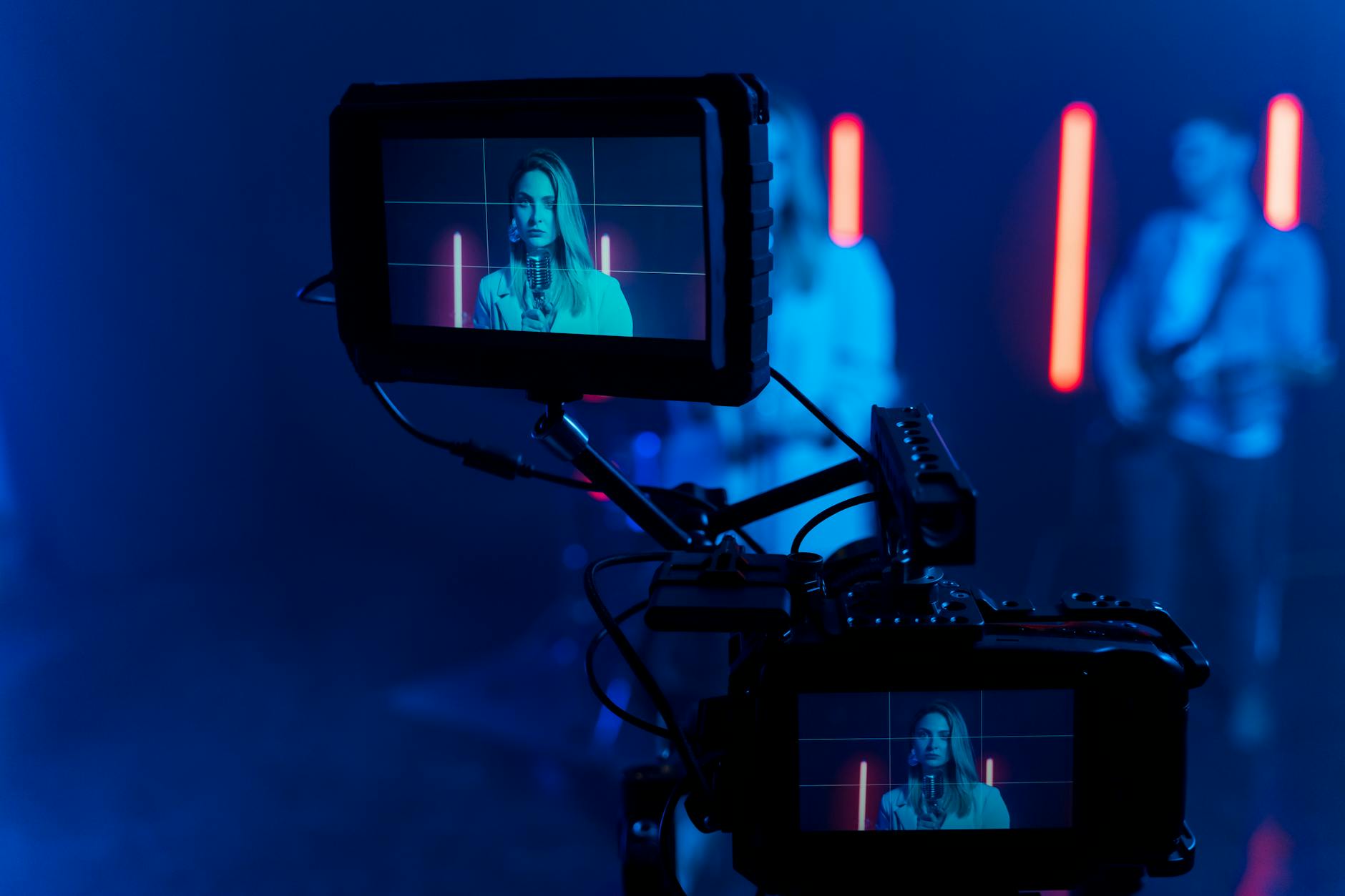
Turnover: handing the edit to the finishing team
After lock, the editor prepares a turnover package for each department. The details depend on the software and the team, but a typical package includes:
- For color: an XML, EDL or project file that describes every shot, plus a reference video of the locked cut so the colorist can check the conform.
- For sound: an AAF or OMF file with the audio tracks and handles (extra frames before and after each clip), the reference video and any notes on music and voiceover.
- For graphics and VFX: the shots that need work, exported with handles, and the timing of every title and lower third.
Clear track organization in the edit makes this much easier. Dialogue, music, effects and voiceover should be on separate tracks, and temporary elements should be clearly labelled.
The conform: back to the original footage
Many edits are cut using lightweight proxy files instead of the full-resolution camera footage. Our guide to proxy workflows explains why. Before color, the timeline has to be reconnected to the original camera files at full resolution. This step is the conform.
During the conform, the online editor or colorist checks every shot against the reference video, looking for:
- Shots that relinked to the wrong clip or the wrong timecode.
- Speed changes, reframes and stabilization that did not translate correctly.
- Missing media, such as clips that were never copied to the finishing drive.
- Effects that only existed in the editing software and need to be rebuilt.
Good media management during the shoot and edit makes the conform faster. When cards, folders and file names are organised from day one, the conform takes hours. When they are not, it can take days.
Color, sound and graphics finishing
With the conform done, the departments work in parallel on the locked timeline.
Color
The colorist balances every shot, matches cameras and builds the final look. For a deeper look at this step, see our article on colour grading a Miami video.
Sound
The sound team cleans dialogue, adds effects and room tone, balances music and voice, and mixes to the right loudness for each platform. The details are covered in our guide to audio post for Miami video.
Graphics
Titles, lower thirds and animations are finalized with exact timing and rendered at full quality. Graphics should be checked against the graded image, because colors and contrast change after the grade.
At the end, everything is brought back together in one timeline: graded picture, final mix, finished graphics. This is sometimes called the online.
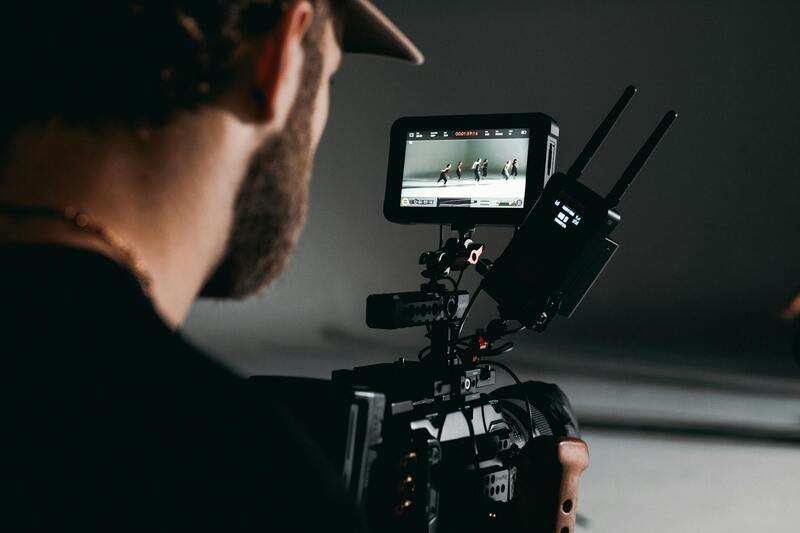
Quality control before delivery
Quality control, or QC, is a careful review of the finished master to catch technical and content problems before the client or the public sees them. A thorough QC pass looks for:
- Flash frames, black frames or tiny gaps between shots.
- Audio sync drift, pops, clicks and missing sound effects.
- Loudness that does not meet the delivery spec.
- Spelling mistakes in titles, names and captions.
- Logos, brand colors and legal lines matching the brand guidelines.
- Safe areas, so text is not cut off on phones or TVs.
- Correct start and end, including slates, bars and tone, or black where the spec requires it.
QC is best done by someone who did not edit the video. Fresh eyes notice what the editor has stopped seeing after weeks with the timeline.
Mastering and deliverables
The final step is exporting the masters and the deliverables. A finishing package often includes:
- A high-quality master file in a professional codec.
- Platform-ready versions for web and social media.
- Textless versions, with no titles or captions, for future edits and translations.
- Separate audio stems (dialogue, music, effects) for future versions.
- Caption and subtitle files.
Our guide to export and delivery specs explains the formats. After delivery, the project should be archived properly so future changes do not mean starting over.
Changes after lock and what they really cost
Changes after picture lock happen on almost every project. The question is how big they are and when they arrive. Some are cheap, others touch every department.
- A typo in a lower third. Usually quick: the graphics artist fixes the title and the online editor drops it back in.
- Swapping one shot for another of the same length. The new shot needs a conform check and grading, but sound is often unaffected.
- Trimming a sound bite or moving a scene. This changes timing, so the sound mix, music edit and any graphics that follow have to be adjusted.
- Replacing the music track. Often the biggest late change, since the edit rhythm, the mix and sometimes the cut itself were built around the original track.
When a change request arrives after lock, a good post team will tell you which departments it affects before doing the work, so you can decide whether it is worth the time.
How to keep finishing on schedule
- Plan finishing time in the schedule from the start. It is not a few hours at the end.
- Lock the picture for real, and hold it.
- Collect all assets (logos, fonts, music licenses, final copy) before lock.
- Agree on the deliverables list early, since it affects the conform and the export.
- Budget a small contingency for fixes found in QC.
Finishing your Miami project with Miami Video Services
We handle the full finishing stage for agencies, brands and production companies in Miami: picture lock, conform, color, sound, graphics, QC and mastering, all under one roof. That means fewer handoffs, fewer files lost between departments and a clear schedule from approved cut to final delivery.
If you have an edit nearing approval and need it finished properly, get in touch with your deadline and deliverables. You can learn more about our team or browse more post-production guides on the blog.