
Overview of Live Streaming Services in Florida
Florida has established itself as a dynamic hub for digital media production, with a rapidly expanding market for live streaming services. Businesses across various sectors, including entertainment, real estate, corporate communications, education, and hospitality, increasingly rely on high-quality live streaming to reach their audiences in real-time. The city of Miami, in particular, stands out as a regional epicenter due to its vibrant cultural scene and international business community, driving demand among production agencies to deliver seamless streaming experiences. These organizations prioritize solutions that combine reliability, scalability, and professional-grade quality to meet diverse operational needs.
Throughout Florida, a mix of established broadcasters, corporate entities, and innovative startups are adopting advanced streaming solutions. The need is driven by the desire to broadcast live events, webinars, product launches, and conferences, all while maintaining a high level of production value and viewer engagement. Regional businesses are also leveraging these solutions to bridge the geographical gap, providing live access to local and global audiences without the constraints of physical presence.
This competitive landscape requires providers to deliver tailored, scalable streaming options that accommodate various event sizes and technical specifications. The ongoing trend towards digital transformation fuels continual investments in robust infrastructure, ensuring that Florida’s live streaming offers meet the highest standards of quality and reliability. As Florida’s live streaming ecosystem matures, the emphasis remains on deploying efficient, secure, and technologically advanced solutions suitable for a diverse client base.
Types of Live Streaming Technologies
In Florida’s dynamic live streaming landscape, several core technologies underpin successful broadcasts. The choice of technology often hinges on the event’s scope, audience size, and desired production quality. Among the most prevalent are software encoders, hardware encoders, and cloud-based streaming services, each offering distinct advantages tailored to different operational needs.
- Software Encoders: Leveraging applications like OBS Studio or Wirecast, software encoders run on a computer to facilitate live video transmission. They are highly versatile and suitable for events requiring multiple camera feeds, overlays, and real-time graphics. Software encoders are favored for their cost-effectiveness and ease of integration with existing IT infrastructure.
- Hardware Encoders: Dedicated devices such as Teradek or Livestream Studio provide robust and reliable streaming performance. These are especially advantageous for high-stakes productions, such as corporate webinars and large concerts in Florida, where uninterrupted quality is paramount. Hardware encoders typically offer lower latency and better hardware-level stabilization, making them preferred for critical live events.
- Cloud-Based Streaming: Platforms like Vimeo Live or Wowza Streaming Cloud enable broadcasters to encode and distribute streams via cloud infrastructure. This approach simplifies the setup process, reduces hardware dependencies, and scales effortlessly for events with fluctuating viewer numbers. Cloud streaming also enhances remote collaboration, a key feature for Miami’s geographically dispersed production teams.
Choosing the Right Live Streaming Platform
Selecting an appropriate platform is critical to ensure that the broadcast aligns with specific technical and audience engagement goals. For Florida-based organizations, considerations include compatibility with existing equipment, security features, scalability, and interactive options that engage local viewers in real-time. The optimal platform should support simultaneous multi-language streams if needed, allow adaptive bitrate streaming to accommodate fluctuating internet conditions, and provide comprehensive analytics for post-event review.
Popular platforms tailored for professional use in Miami and broader Florida include enterprise-grade solutions that offer customizable branding, integration with social media, and robust customer support. These platforms often come with a Service Level Agreement (SLA) to guarantee uptime and technical assistance, crucial for live events with high visibility and importance.
Production Equipment and Setup for Live Streaming
Effective live streaming in Florida relies on a well-equipped setup that balances quality and reliability. Core components include high-definition cameras, professional audio gear, lighting systems, and stable internet connections. Local production companies in Miami frequently incorporate redundant systems such as backup internet lines, portable power sources, and failover encoders to mitigate technical disruptions.
- Camera Systems: Multi-camera setups enable dynamic perspectives and professional-grade visuals. PTZ cameras facilitate remote operation, ideal for small crews or live events in confined spaces.
- Audio Equipment: High-quality microphones and mixers ensure clear sound capture, critical for corporate presentations and panel discussions.
- Connectivity: Fiber optic or dedicated Ethernet connections provide the bandwidth needed for uncompressed, high-quality streams. Wireless options are often supplemented with wired links to ensure stable transmission.
- Monitoring and Control: A dedicated control station with multi-view monitors allows producers in Florida to oversee the entire broadcast, switching camera feeds, adjusting audio levels, and managing overlays seamlessly.
Discussion of Various Technologies Used in Live Streaming
Several cutting-edge technologies power modern live streaming solutions across Florida, ensuring high-quality, reliable broadcasts for a variety of events. Understanding these technologies can assist clients in selecting the appropriate setup that aligns with their specific needs.
Real-Time Messaging Protocol (RTMP) remains a foundational technology, facilitating the transmission of live audio, video, and data from streaming encoders to content delivery networks (CDNs). Its low-latency capabilities make it suitable for live events requiring minimal delay, such as live sports, corporate events, and religious gatherings. Many Miami-based production companies employ RTMP for initial streams, then switch to other protocols for distribution.
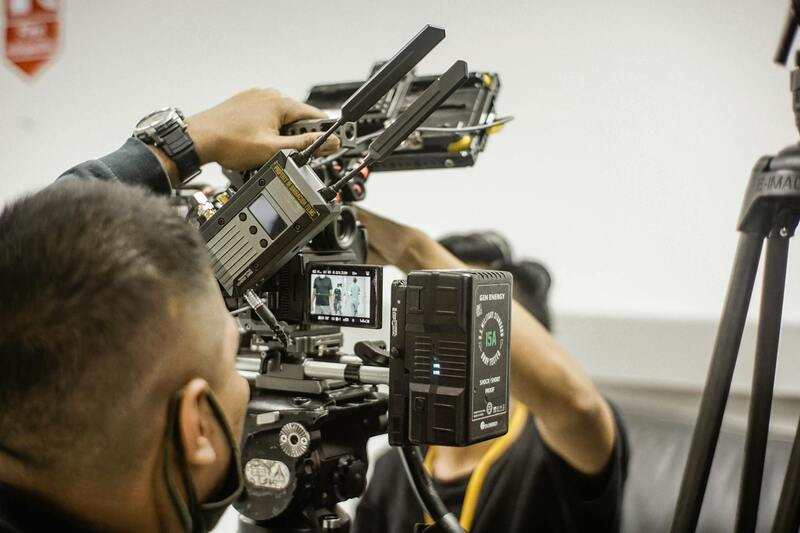
As streaming technology evolved, HTTP Live Streaming (HLS) has gained popularity due to its compatibility with a broad range of devices, including smartphones, tablets, and desktop browsers. HLS segments the live video into small files delivered via standard HTTP, enabling adaptive bitrate streaming that adjusts video quality based on network conditions. This approach ensures viewers experience minimal buffering regardless of internet speed.
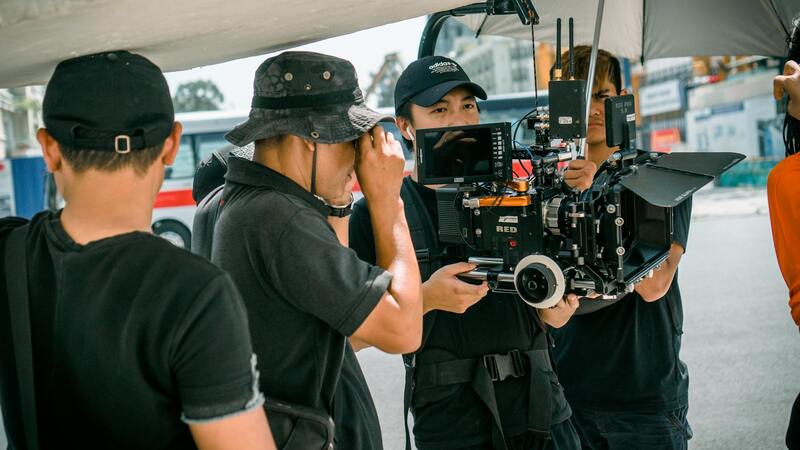
WebRTC (Web Real-Time Communication) is another critical technology, enabling real-time peer-to-peer communication with ultra-low latency. It is particularly effective for interactive sessions like online conferences, Q&As, and virtual events hosted in Florida. WebRTC supports live video and audio exchange directly through web browsers without requiring additional plugins, facilitating immediate interaction among participants.
Cloud-based streaming solutions have revolutionized the industry by offering scalability, flexibility, and simplified management. These platforms allow content creators in Miami to broadcast live events worldwide without investing heavily in on-premises infrastructure. Cloud services handle encoding, distribution, and analytics, providing comprehensive support for complex live streaming needs.
Modern live streaming setups often integrate multiple technologies to optimize performance. For instance, a Miami event may utilize RTMP for initial encoding, HLS for broad device compatibility, and WebRTC for interactive components. This multi-layered approach guarantees that audiences across Florida and beyond receive a consistently high-quality stream tailored to their device and connection speed.
Overview of Live Streaming Services in Florida
Florida's vibrant event scene, ranging from corporate conferences to cultural festivals, increasingly relies on professional live streaming solutions to reach broader audiences. The demand for high-quality, reliable streaming services reflects the state's dynamic business environment and its diverse population. Companies offering live streaming solutions Florida utilize advanced technology to cater to various event sizes and formats, ensuring seamless broadcast experiences whether the event is held indoors, outdoors, or in hybrid formats.
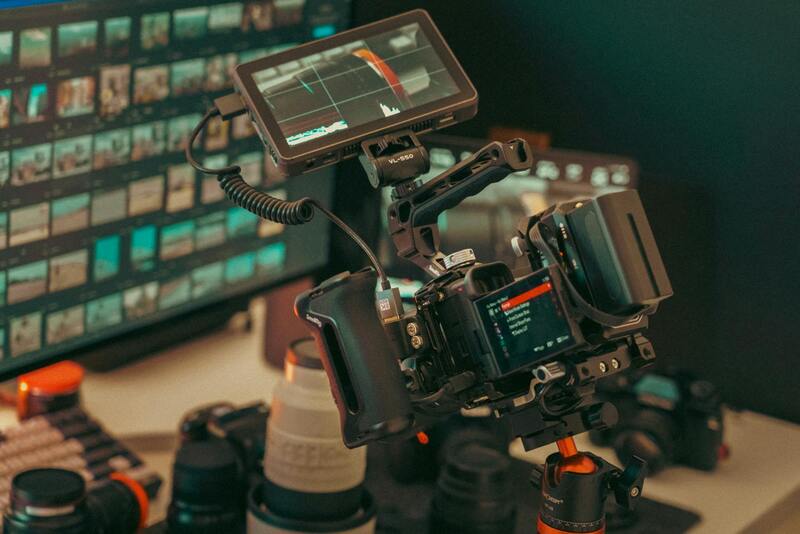
Live streaming providers in Florida bring together a mix of broadcast expertise, cutting-edge technology, and regional knowledge to serve local clients effectively. They focus on delivering flawless video quality, stable connections, and interactive features to maximize audience engagement. From Miami's bustling corporate sectors to Orlando's entertainment scenes, these services are adaptable and scalable, ensuring large public broadcasts or intimate virtual meetings are executed flawlessly.
In addition to traditional broadcasting, Florida-based live streaming solutions incorporate immersive technologies such as 360-degree video streaming and augmented reality overlays, enhancing viewer engagement and offering innovative ways to present content. The integration of these advanced tools positions Florida as a leader in live digital event hosting on a national and international level, reflecting its fast-paced technological adoption and diverse content demands.
Providers often work closely with clients from pre-production planning through post-event analytics, emphasizing a consultative approach. This ensures that every aspect, from content management and encoding to distribution and interactive capabilities, aligns with the specific goals of each project. The regional emphasis on tailored solutions allows businesses and organizations in Florida to leverage live streaming as a strategic communication and marketing tool, expanding their reach and strengthening audience relationships.
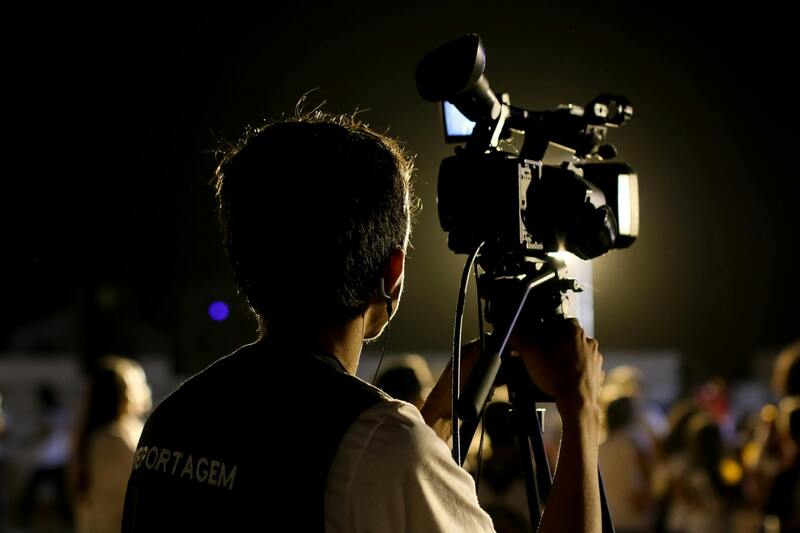
As Florida continues to grow as a hub for business innovation, tourism, and cultural exchange, the importance of professional live streaming services will only increase. Organizations looking to expand their event reach can benefit from the availability of comprehensive, adaptive streaming solutions tailored to the unique requirements of the Florida market—ensuring compelling, accessible, and high-quality broadcasts that resonate with audiences statewide and beyond.
Details on necessary hardware such as cameras, encoders, audio equipment, and network infrastructure to ensure high-quality broadcasts.
Achieving professional-grade live streams requires a combination of reliable, high-performance equipment and a robust network setup. Cameras should be selected based on resolution and frame rate requirements, with options ranging from high-definition camcorders to professional-grade 4K cameras for capturing crisp, detailed footage. These devices must be capable of live output and compatible with streaming encoders.
Encoding hardware or software plays a vital role in converting video signals into streams suitable for online distribution. Hardware encoders, often integrated into dedicated devices, offer stability and efficiency, especially for high-volume broadcasts. Similarly, software encoders can be flexible, allowing customization tailored to specific event needs. Both options should support multiple streaming protocols and formats, enabling seamless delivery across a variety of platforms.
Audio quality is equally important in live streaming. High-fidelity microphones, audio mixers, and soundproof setups help ensure clear sound without background noise or interference. Proper microphone placement and real-time audio monitoring contribute significantly to viewer experience.
Network infrastructure is the backbone of any live streaming operation. A stable, high-bandwidth internet connection is essential, preferably with a dedicated fiber optic line to prevent disruptions. Redundant internet connectivity options can safeguard against outages, maintaining an uninterrupted broadcast. Additionally, network security measures such as firewalls and encryption protocols protect content integrity and prevent unauthorized access.
Complementary equipment, including professional lighting, stabilizers for mobile setups, and video switchers for multi-camera productions, further enhance broadcast quality. Storage solutions for pre-recorded content and real-time analytics hardware also contribute to a comprehensive streaming setup.

Benefits of Partnering with Miami-based Live Streaming Experts
Collaborating with local specialists offers numerous advantages for organizations seeking seamless live streaming solutions. Miami-based providers bring an in-depth understanding of regional market dynamics, audience preferences, and unique logistical considerations, ensuring tailored services that meet specific event objectives.
Local experts possess established relationships with venue operators, equipment rental companies, and logistical partners, enabling more efficient planning and execution. Their familiarity with Florida’s infrastructure helps mitigate potential technical issues, ensuring timely setup and minimal downtime during broadcasts.
Working with experienced professionals also provides access to cutting-edge technology and customized solutions that would be challenging to assemble independently. From pre-event planning and rehearsal support to on-site technical assistance and post-broadcast analytics, local providers offer comprehensive services that enhance the overall quality and reach of live streams.
Having a Miami-based team on-site allows for real-time troubleshooting and immediate adjustments, which are crucial during high-stakes events. Moreover, local providers typically maintain regulatory compliance and adhere to best practices in broadcast standards, giving clients peace of mind regarding the legitimacy and quality of their live streams.

Production Equipment and Setup for Live Streaming
Implementing a successful live streaming event in Florida hinges on the selection and configuration of appropriate production equipment. High-quality audio and video are fundamental to engaging viewers and ensuring clear communication of the event's message. Professional-grade cameras, microphones, and encoders are essential components that contribute to the overall production value.
Starting with cameras, live streaming setups often utilize high-definition (HD) or ultra-high-definition (UHD) devices capable of capturing detailed visuals under varying lighting conditions typical of different venues across Florida. These cameras should ideally support multiple input options and have seamless connectivity to broadcasting hardware.
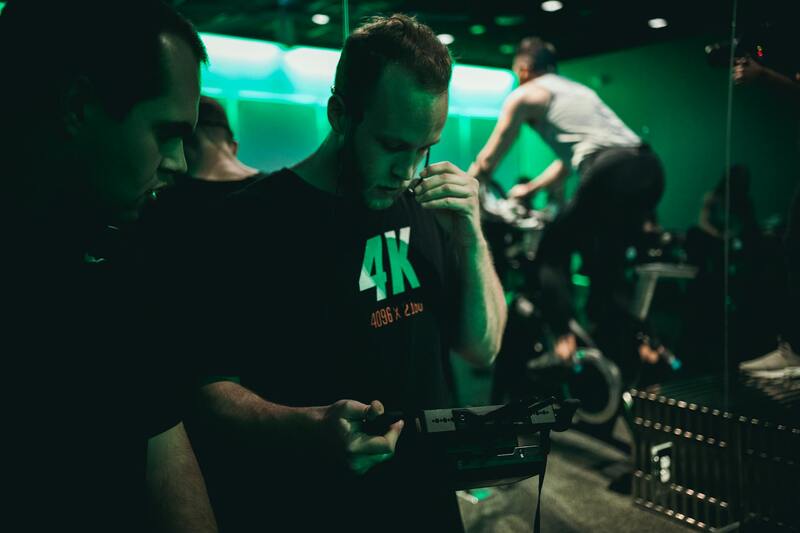
Microphones, both wireless and wired, need to be selected based on the event type. For conferences or panel discussions, lavalier or podium microphones facilitate clear speech delivery. For concerts or cultural events, directional microphones capture music and audience sounds effectively.
Video encoders play a pivotal role, converting raw video signals into streamable formats. Hardware encoders are often preferred for their reliability and minimal latency, especially during live broadcasts in demanding environments.
The entire setup must be complemented with robust internet connectivity—preferably wired Gigabit Ethernet where possible—to ensure consistent data transfer rates and prevent stream interruptions. To support redundancy and mitigate potential outages, many operators integrate backup internet solutions such as LTE or 5G modems.
Additional equipment like dedicated streaming PCs, switchers, and quality monitors helps manage multiple video feeds and maintain real-time quality control. Lighting equipment is also critical, particularly in venues with variable or insufficient lighting, to deliver professional visuals.
Pre-event rehearsals are vital to test all equipment configurations, confirm audio levels, and simulate the live event environment. This meticulous preparation minimizes technical issues during the actual broadcast, ensuring a smooth viewing experience for audiences across Florida and beyond.
Comprehensive Strategies for Optimizing Your Live Streaming Experience in Florida
Implementing Secure and Scalable Streaming Infrastructure
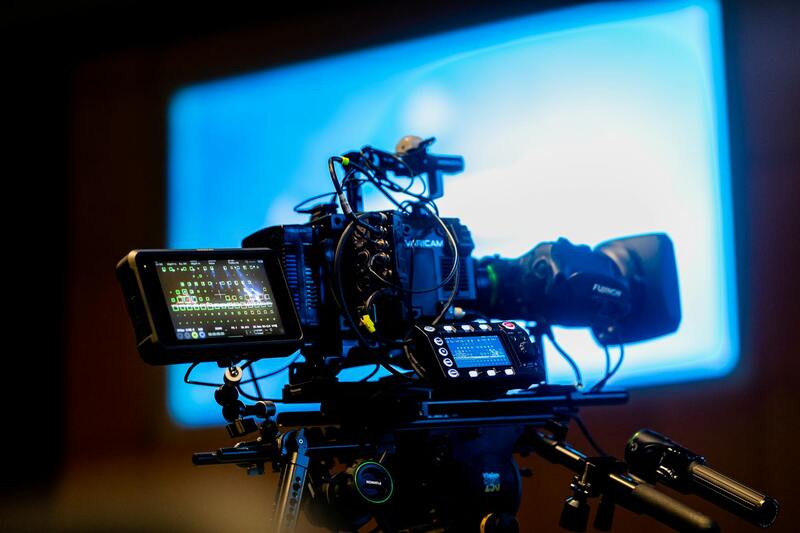
Ensuring a robust streaming infrastructure is fundamental for delivering high-quality live content across Florida. This involves deploying scalable bandwidth solutions capable of handling varying audience sizes. Content Delivery Networks (CDNs) are indispensable for distributing streams efficiently, reducing latency, and maintaining streaming stability, particularly when managing large viewership numbers typical of major Florida events.
Security measures are equally critical. Utilizing encrypted streaming protocols safeguards the content against unauthorized access and potential cyber threats. Implementing reliable firewalls and secure login credentials for private streams ensures sensitive sessions remain protected. For live sports tournaments, corporate conferences, or high-profile cultural festivals, these security protocols uphold the integrity and confidentiality of the broadcast.
Refining Audience Engagement and Interaction
Modern live streaming solutions go beyond simple broadcasts by integrating interactive features that boost viewer engagement. Real-time chat functions, polling, and social media integration enable immediate audience participation, fostering a more dynamic viewing experience. These features are particularly valuable during corporate webinars or live product launches in Florida, where audience feedback can inform ongoing presentation strategies.
Live analytics tools offer valuable insights into viewer behavior, such as watch time, geographic location, and device preferences. Leveraging these analytics helps content creators tailor their streams for higher engagement and targeted marketing efforts. For example, understanding Florida-specific audience demographics can inform future content strategy and advertising placements.
Ensuring Compliance and Accessibility
Adhering to regulatory standards while maximizing accessibility forms a core part of professional live streaming. Closed captioning, for instance, ensures content is accessible to all, including viewers with hearing impairments. Optimization for mobile devices guarantees that content remains engaging and functional across smartphones and tablets, which are predominant platforms for Florida’s diverse population.
Metadata management and adherence to local content regulations ensure that streams comply with regional laws, fostering trust and credibility with audiences. Employing localized language options or subtitles enhances comprehension among Florida’s multilingual communities, broadening the reach of your live events.
Continuous Monitoring and Technical Support
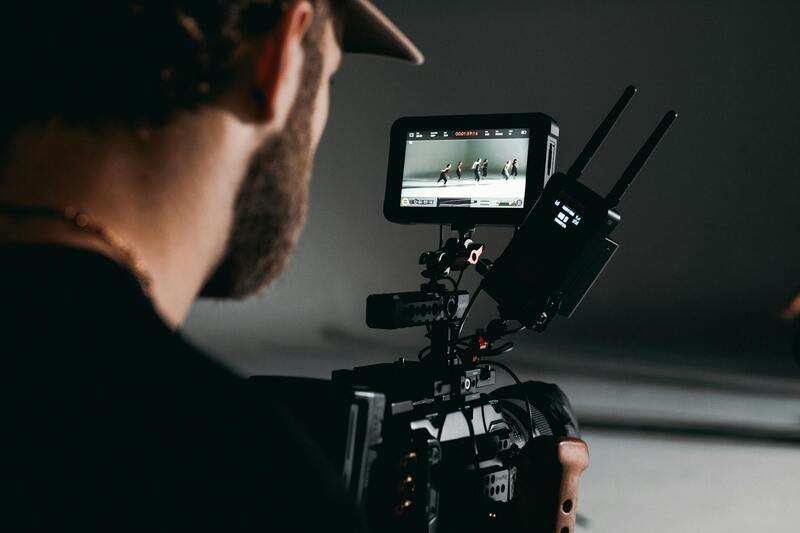
Active monitoring during a live event is crucial to identify and resolve technical issues instantly, preventing stream disruptions. Employing dedicated technical teams or support services ensures rapid response to potential problems like bandwidth overuse or hardware malfunctions. Pre-event rehearsals configured with real-time monitoring provide opportunities to detect and rectify issues beforehand, yielding a seamless live experience.
Post-event analytics and performance reports deliver insights on stream quality, viewer engagement, and technical performance. These reports inform future improvements and help establish best practices for ongoing streaming needs in Florida’s vibrant event scene.
Advanced Strategies for Live Streaming in Florida
In the competitive landscape of live streaming solutions in Florida, leveraging cutting-edge strategies and adhering to best practices can significantly enhance the quality and reach of your broadcasts. Effective planning starts with a detailed understanding of your target audience, content objectives, and the technical capabilities available within the region. Integrating robust content delivery networks (CDNs) ensures that streams are reliably delivered across Florida’s diverse geographical locations, minimizing latency and buffering issues that can detract from viewer experience.

Utilizing adaptive streaming protocols is essential to accommodate varying internet speeds among viewers, especially in a state with urban centers like Miami, Tampa, and Orlando, as well as rural areas. Protocols such as HLS (HTTP Live Streaming) and MPEG-DASH dynamically adjust video quality based on bandwidth, providing a smooth viewing experience regardless of connection stability.
Ensuring Content Accessibility and Inclusivity
To maximize engagement, it's crucial to incorporate inclusive features such as real-time closed captioning and sign language interpretation. These tools make content accessible to a broader audience, including viewers with hearing impairments or language barriers. Localization through multilingual subtitles and audio descriptions further facilitates understanding among Florida's diverse demographic, fostering a more inclusive environment for all viewers.
Security and Data Privacy in Live Streaming
Protecting live streams from unauthorized access involves deploying advanced encryption methods and secure token authentication. Implementing Digital Rights Management (DRM) protocols prevents piracy and ensures that proprietary content remains protected. Regular security audits and compliance with regional data privacy standards are fundamental in maintaining trust with audiences and stakeholders.
Integration with Social Media and Multi-platform Distribution
Streamlining distribution across multiple platforms allows businesses to reach audiences wherever they are active. Effective integration techniques include API connections with social media channels, embedding streams on websites, and utilization of third-party content syndication services. This multi-channel approach not only broadens visibility but also increases viewer engagement by providing seamless access across devices and platforms endemic to Florida's digital landscape.
Advanced Analytics and Real-time Monitoring
Exploiting data analytics tools helps in understanding viewer behavior, engagement patterns, and technical performance. Metrics such as viewership peaks, drop-off points, and interaction rates inform strategic adjustments for future streams. Real-time monitoring systems enable immediate intervention if technical issues arise, ensuring continuous broadcast quality and minimizing viewer disruptions.
Scaling and Future-proofing Live Streaming Operations
Preparing for future growth entails adopting scalable infrastructure and flexible infrastructure models like cloud-based streaming services. These platforms facilitate easy expansion during high-demand events and allow for rapid deployment of new features. Staying informed about emerging protocol standards and hardware innovations positions Florida content providers at the forefront of live streaming technology.
Ultimately, mastering these advanced strategies enhances your capacity to deliver high-quality, accessible, and secure live broadcasts that resonate within the Florida market. Whether your goal involves corporate communications, entertainment, or community engagement, employing a comprehensive approach ensures your live streaming solutions remain effective and relevant in a rapidly evolving digital environment.