
Understanding Live Stream Video Production Services
Live stream video production companies specialize in producing high-quality live broadcasts of events, conferences, and other significant gatherings. These companies offer comprehensive services that encompass all aspects of the live streaming process, ensuring that viewers have seamless access to content in real-time, regardless of their location. Their expertise lies in deploying professional-grade equipment, managing the technical intricacies, and delivering a polished final stream that meets the specific needs of each client.
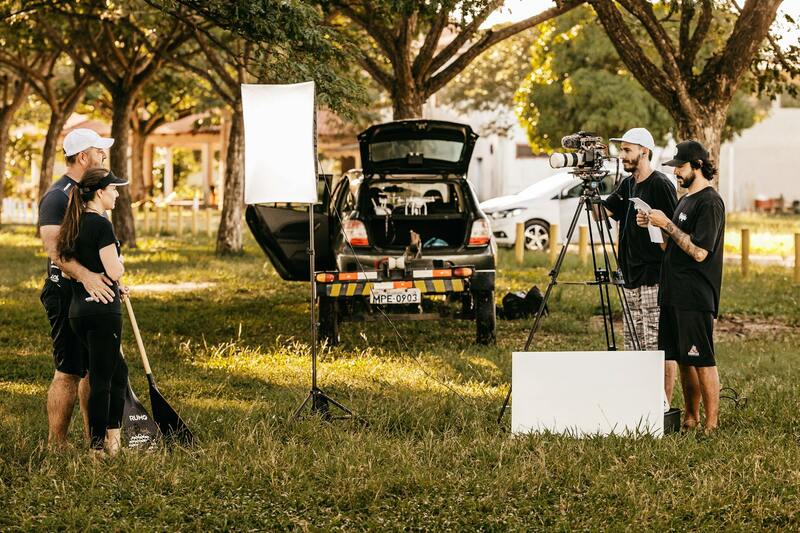
Key services provided by these companies include event streaming, multi-camera production, live switching, audio and video mixing, and real-time graphics display. They also handle the integration of various streaming platforms, ensuring that the broadcast reaches the target audience across social media, dedicated servers, or proprietary websites. Additionally, technical support during the event allows for quick troubleshooting, minimizing potential disruptions.
Beyond basic streaming, companies often offer additional features such as recording the event for on-demand access, producing highlight reels, or integrating interactive elements like live polls or Q&A sessions. This holistic approach ensures a dynamic viewing experience and maximizes audience engagement. The process begins with the consultation phase, where the company's technical team assesses the event scope, audience size, and specific objectives, then devises a tailored streaming plan that aligns with the client’s goals.
The professionalism and experience of a live stream video production company are vital in delivering a smooth, distraction-free broadcast. Their familiarity with different event formats — from corporate seminars and product launches to sports competitions and musical performances — guarantees that they can adapt to various technical requirements and content styles. Employing industry-standard gear and software further ensures broadcast stability, optimal video and audio quality, and compatibility across diverse devices and platforms.
In summary, live stream video production companies serve as critical partners in translating physical events into accessible digital experiences. Their expertise combines technical skill, creative production, and strategic planning to guarantee an engaging, high-quality broadcast for audiences near and far.
Key Equipment and Technology Used in Live Streaming
Successful live streaming relies heavily on the deployment of advanced equipment and innovative technology. Central to this setup are high-definition cameras capable of capturing clear, crisp footage from various angles, ensuring a professional visual presentation that maintains audience engagement. These cameras often include multiple types such as PTZ (pan-tilt-zoom) cameras, which are invaluable for dynamic shots and remote control during the broadcast.
Audio quality is equally crucial; top-tier microphones, audio mixers, and wireless systems are employed to guarantee that sound remains intelligible and free from disturbance. Clear audio complements high-quality video, creating an immersive experience that keeps viewers attentive.
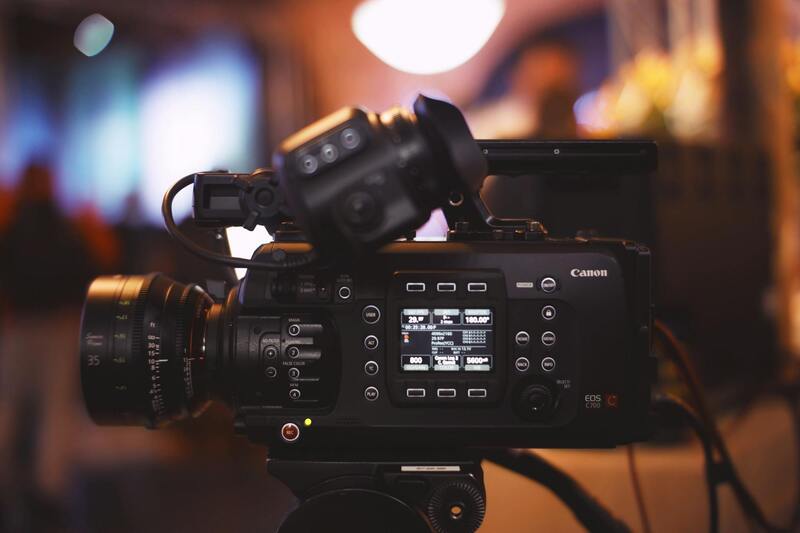
The backbone of any successful live production is a robust streaming encoder, which converts audio and video signals into digital data suitable for transmission over the internet. Modern encoders utilize hardware or software solutions that support multiple streaming protocols, adaptive bitrate streaming, and real-time encoding adjustments—ensuring a smooth broadcast despite network fluctuations.
Reliable internet connectivity is fundamental; therefore, live stream companies utilize dedicated, high-bandwidth connections and backup options like cellular bonding to mitigate potential disruptions. This guarantees continuous, uninterrupted streaming even in challenging network environments.
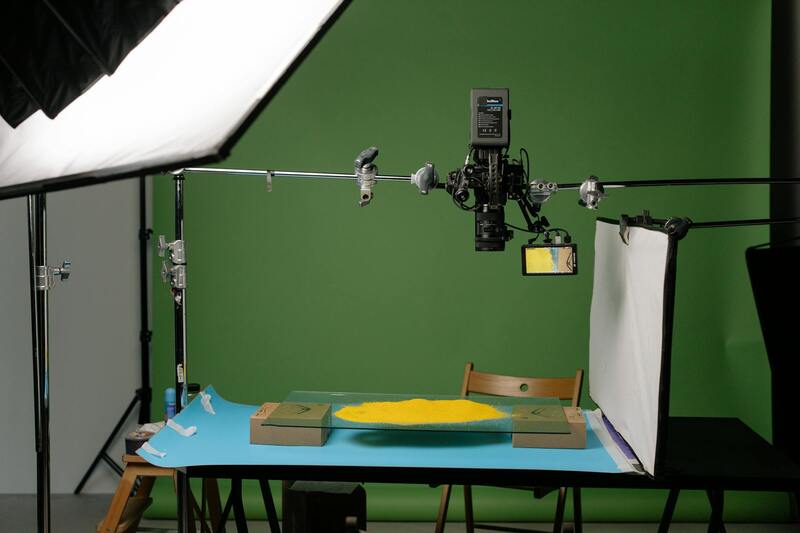
Moreover, cutting-edge streaming platforms and software allow integration of real-time graphics, lower thirds, and interactive elements, further enhancing the engagement and professionalism of the broadcast. Remote monitoring and control systems enable the production team to oversee the stream, make necessary adjustments, and respond swiftly to any technical issues.
Technological Innovations Shaping Live Streaming Today
- Virtual Sets and Augmented Reality: Creating immersive environments and dynamic visual effects that captivate viewers.
- Cloud-Based Streaming Solutions: Offering scalability, ease of access, and simplified management of multi-camera feeds.
- Artificial Intelligence (AI): Enhancing broadcast quality through automatic camera tracking, noise reduction, and real-time analytics.
- Livestream Interactivity: Incorporating live polls, Q&A, and chat functionalities to boost audience participation.
Key Equipment and Technology Used in Live Streaming
For ensuring seamless and high-quality live streams, a professional live stream video production company near you leverages a comprehensive array of advanced equipment and cutting-edge technology. These tools are crucial for capturing, encoding, transmitting, and streaming video content with clarity, stability, and engaging visual effects.
Central to any successful live broadcast are high-definition cameras capable of capturing detailed images in various lighting conditions. These cameras often feature professional-level lenses, digital stabilization, and adjustable frame rates to adapt to different event requirements. Reliable video encoders convert the raw footage into optimized digital streams used for transmission over the internet. They support multiple streaming protocols and enable adaptive bitrate streaming, which adjusts quality dynamically based on network conditions, ensuring minimal buffering and consistent viewer experience.
Audio quality plays an equally vital role in live streaming. Professional-grade microphones, audio mixers, and sound processing units are employed to deliver clear, crisp sound. These systems often include wireless microphones, which provide mobility and flexibility during event coverage, paired with noise reduction technologies to eliminate background disturbances.
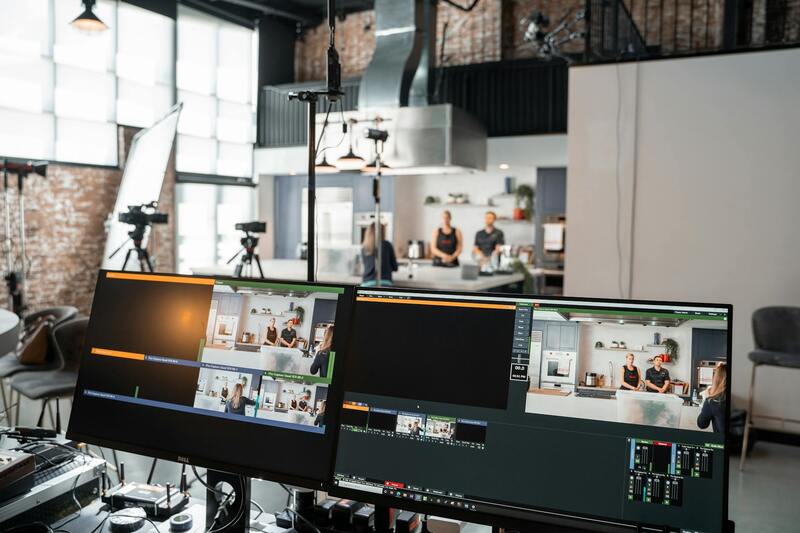
From an operational perspective, dedicated streaming platforms or software—such as intuitive video management systems—are used for real-time content control. These platforms facilitate live switching between multiple camera feeds, overlay graphics, lower thirds, and other visual enhancements. They also support interactive elements like polls, live chat, and Q&A sessions to foster viewer engagement. Backup systems, including secondary internet connections like cellular bonding, are crucial to maintain broadcast stability despite network fluctuations.
Remote monitoring and control hardware allow producers to oversee broadcasts from any location, enabling swift responses to technical issues and ensuring the broadcast remains smooth. Automated workflows and cloud integration further streamline the production process, making it possible for even complex multi-camera broadcasts to happen with minimal delays or interruptions.
Advances in virtual production technology, such as virtual sets, augmented reality, and real-time graphics, are increasingly integrated into live streaming workflows. These innovations offer immersive visuals and dynamic content that captivate audiences and elevate the professionalism of the broadcast. Additionally, artificial intelligence (AI) tools assist with automatic camera tracking, noise suppression, and real-time analytical insights, further enhancing broadcast quality.
Types of Events Suitable for Live Streaming
Live streaming technology has become a versatile tool for broadcasting a wide array of events, making content accessible to viewers regardless of their location. Whether it's a corporate conference, a community gathering, or a cultural festival, the right live stream production company can tailor their services to meet the specific demands of each event.
For more formal and professional settings, such as industry conferences and corporate seminars, high-definition video production ensures crystal-clear visuals and audio, fostering an engaging experience for remote attendees. These events often require multi-camera setups, real-time slide integration, and interactive features like Q&A sessions to facilitate audience participation.
Music performances, concerts, and theatrical productions leverage specialized audio equipment and dynamic video feeds to capture the atmosphere and energy of live performances. Virtual sets and augmented reality elements can enhance creative storytelling, immersing viewers into a captivating digital experience.
Community and charity events, including local festivals, sports tournaments, and educational workshops, benefit from scalable streaming solutions that accommodate varying audience sizes and technical complexities. Integrating live chat and social media interactions encourages community involvement and real-time engagement, expanding the event's reach and fostering a sense of inclusion.
Religious services and ceremonies are also frequently streamed, providing accessibility for those unable to attend physically. These streams require reliable transmission and clear audio capture to preserve the solemnity and significance of the occasion.
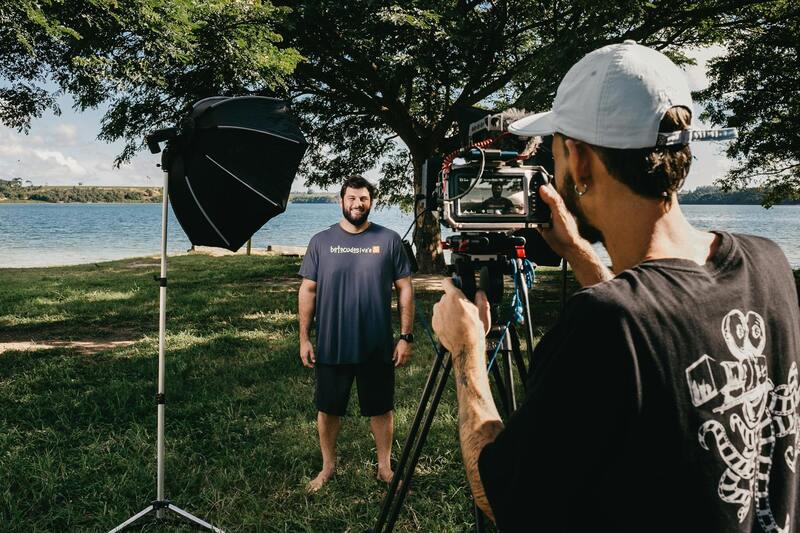
Additionally, educational institutions use live streaming for classes, lectures, and graduation ceremonies, enabling remote participation from students and parents. This approach ensures continuity of learning and celebration despite physical distances.
Summary of Event Types Suitable for Live Streaming
- Corporate conferences and seminars
- Musical performances and festivals
- Community and charity events
- Religious services
- Educational webinars and graduation ceremonies
- Sports tournaments and competitions
Matching the right technology and production expertise with the unique needs of each event guarantees a seamless streaming experience, maximizing viewer engagement and overall event success.
Key Equipment and Technology Used in Live Streaming
Successful live stream video production hinges on the deployment of advanced, reliable equipment and cutting-edge technology. Proper selection of hardware and software ensures high-quality transmission, minimizes disruptions, and enhances viewer engagement. Among the essential components are professional cameras capable of capturing high-resolution footage across various angles, often utilizing 4K or higher specifications to deliver crisp, detailed visuals. These cameras are typically paired with high-quality lenses and stabilization systems to ensure smooth, professional footage even in dynamic environments.
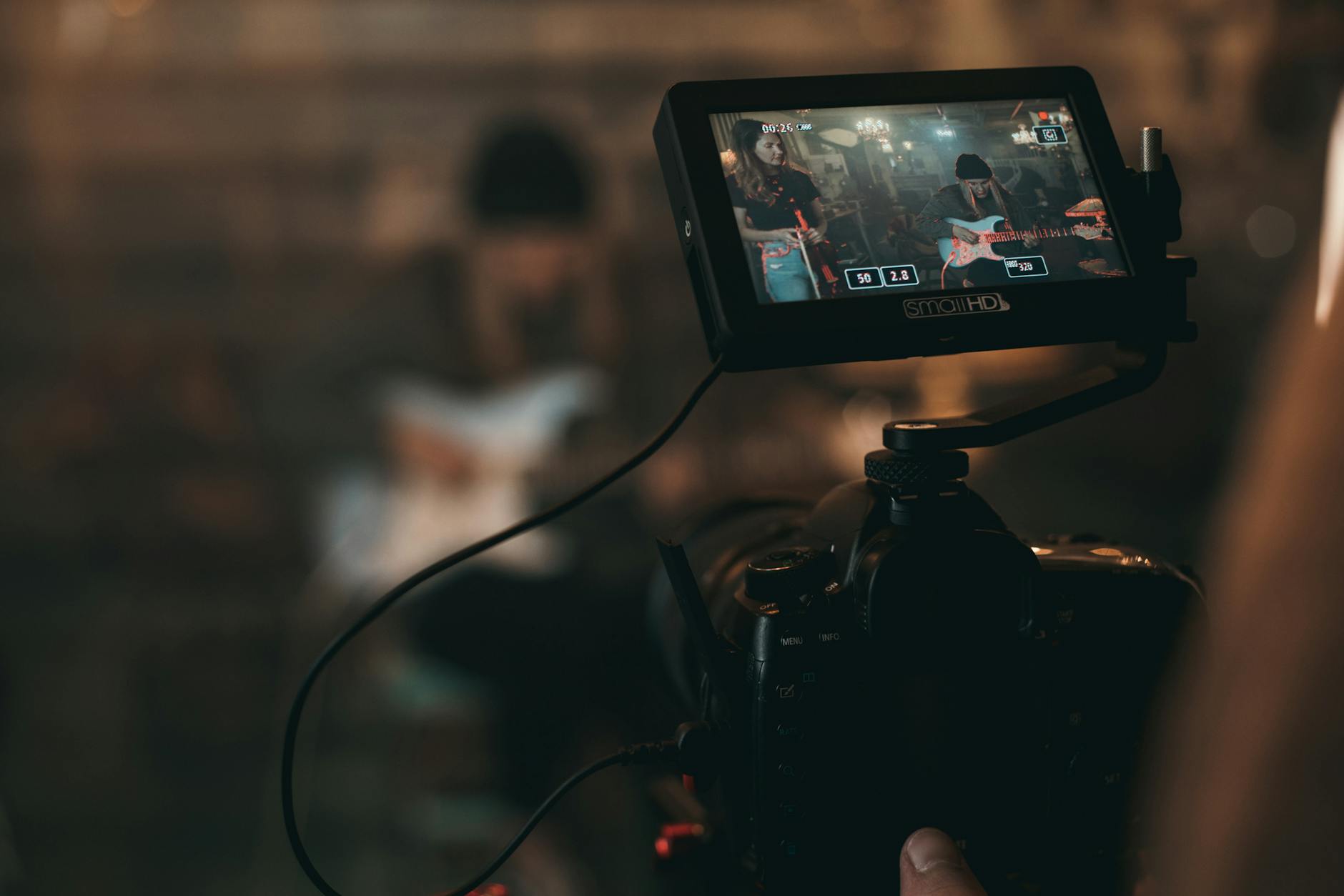
Audio quality is equally vital; thus, high-fidelity microphones, mixers, and audio interfaces are employed to capture clear sound that complements the visual content. Wireless microphone systems or lapel mics are frequently used for live events involving speakers or performers. Advanced audio processing hardware ensures echo cancellation, noise reduction, and speaker intelligibility, providing a seamless auditory experience for viewers.
In terms of streaming technology, encoding hardware and software play critical roles. Hardware encoders convert the raw video feed into compressed formats suitable for online distribution, maintaining high quality while optimizing bandwidth usage. Many companies now utilize cloud-based encoding solutions, offering scalability and flexibility, especially for large or multi-camera productions.
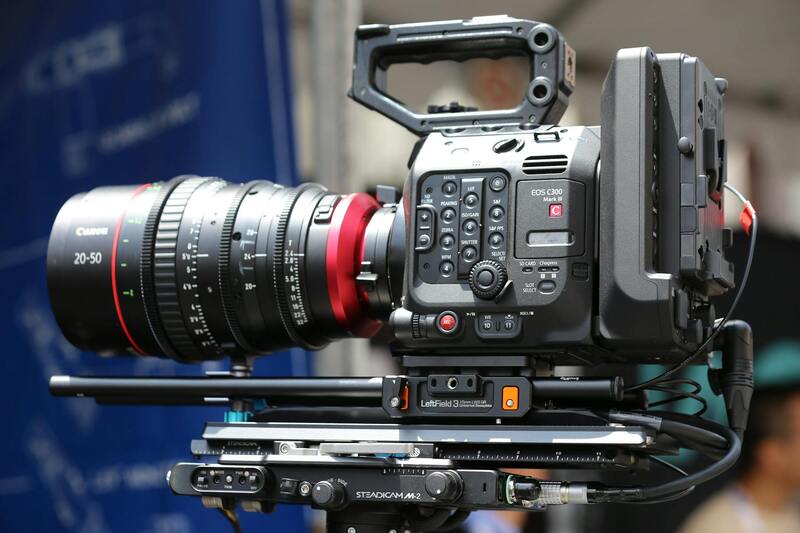
Robust streaming platforms and content delivery networks (CDNs) are used to distribute live content efficiently and ensure minimal latency. Integration with social media and content management systems allows real-time interaction and broad dissemination across various channels. For backup and redundancy, multiple redundant internet connections, such as fiber optics and wireless internet, are often incorporated to prevent interruptions during critical live streams.
In addition, sophisticated control panels and remote monitoring tools provide operators with real-time oversight of the broadcast, enabling quick adjustments and troubleshooting if necessary. The use of professional switchers allows seamless transitioning between cameras, graphics, and video feeds, creating a polished and engaging live presentation.
Overall, the combination of high-grade cameras, audio equipment, encoding hardware, streaming platforms, and network solutions creates a cohesive infrastructure that delivers a polished, professional live streaming experience tailored to the event's specific requirements.
Understanding Live Stream Video Production Services
Live stream video production services encompass a comprehensive suite of technical capabilities and creative expertise designed to transmit live events over the internet to a broad audience. These services go beyond mere camera operation; they involve meticulous planning, multi-camera setups, professional audio management, real-time graphics, video switching, encoding, and distribution across multiple platforms. High-quality live streaming demands a seamless integration of hardware and software solutions, ensuring minimal latency, visual clarity, and smooth transitions that replicate the professionalism of traditional broadcast media.
Experienced live stream production companies employ a range of professional-grade equipment including 4K cameras, robotic camera systems, embedded audio mixers, and multi-channel video switchers. They utilize advanced encoding hardware or cloud-based solutions to compress video feeds for optimal web delivery. Additionally, sophisticated content delivery networks (CDNs) and streaming servers are utilized to maintain stability and distribute content efficiently to viewers regardless of their location. These organizations also implement backup internet connections—such as fiber optic and wireless links—to mitigate any potential disruptions, offering reassurance that the broadcast remains uninterrupted regardless of unexpected technical issues.
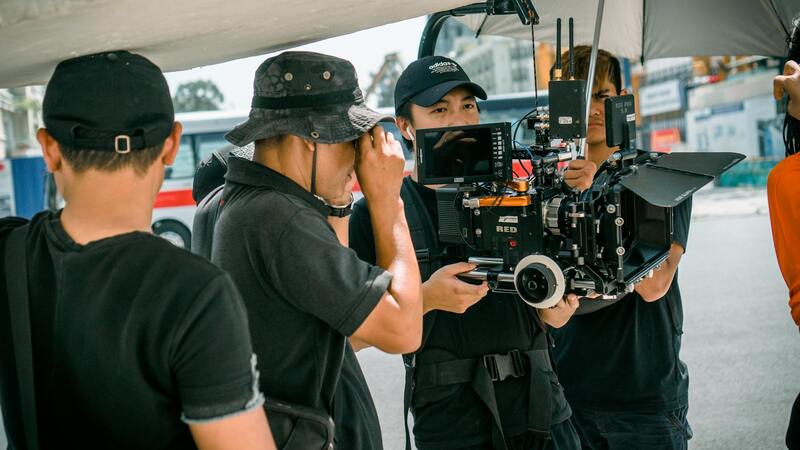
Beyond the technical infrastructure, a dedicated team manages real-time graphics, audience interactions, and multi-platform dissemination. This team ensures that visual elements like logos, lower thirds, and live annotations are seamlessly integrated, fostering a professional presentation. They also coordinate social media integration to enable real-time viewer engagement, comments, and sharing, expanding the outreach and interaction level. This cohesive approach results in a broadcast that is not only visually appealing but also highly engaging, maximizing audience reach and impact.
Factors to Consider When Choosing a Local Live Stream Company
Selecting the right live stream video production company near me necessitates evaluating several critical factors to ensure your event's success. Firstly, assess the company’s technical expertise and experience, especially with similar event types. An experienced provider will have a well-versed team familiar with different scales of production—from small business meetings to large concerts and conferences.
Secondly, examine the range of equipment and technology they utilize. Modern, high-definition cameras, professional audio systems, and reliable encoding hardware are essential for delivering crisp visuals and clear sound. Check whether they use scalable cloud encoding solutions and support multiple streaming platforms to reach your target audience effectively.
Thirdly, consider their track record and client testimonials. A proven history of successful broadcasts, particularly within your event’s niche, can serve as a reliable indicator of their capabilities. Additionally, review their flexibility and responsiveness in customizing solutions to meet specific client needs. Local expertise also plays a role, as understanding regional internet infrastructure and audience behavior can significantly impact streaming quality and reach.
Key Equipment and Technology Used in Live Streaming
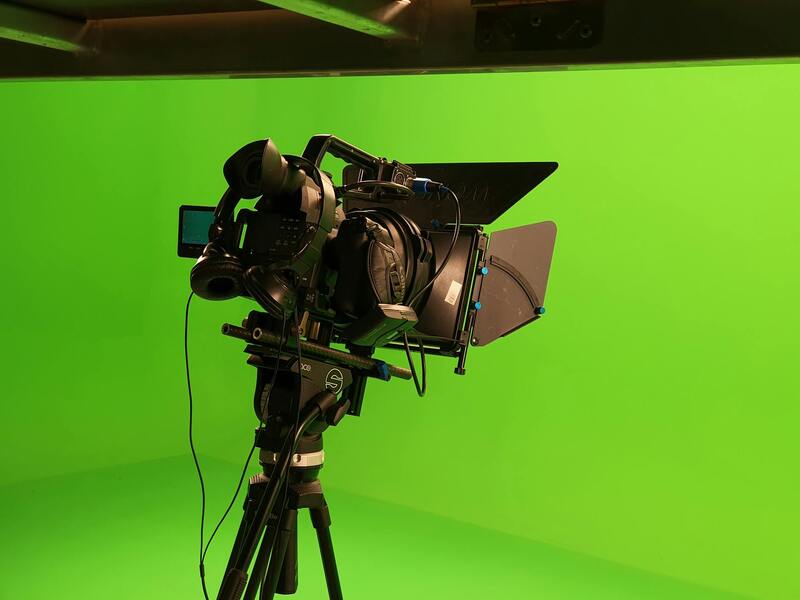
Effective live streaming depends on a robust technological foundation. Key equipment includes high-resolution cameras, often 4K or HD, which capture crisp and vibrant visuals. Robotic or remotely controlled cameras provide dynamic angles and efficient coverage for large events. Audio equipment, such as professional microphones, mixers, and speakers, ensures clear sound delivery, which is crucial for audience engagement.
Video switchers and mixers allow seamless transition between camera feeds, overlays, and graphics. These are integrated with professional encoders—hardware or cloud-based—that compress and encode the streams into formats suitable for online distribution. Streaming servers and Content Delivery Networks (CDNs) facilitate reliable broadcasting and distribution, minimizing latency and buffering issues.
Additional technologies include real-time graphics and annotation systems, live captioning integration, and multi-platform streaming capabilities. Cloud management tools enable remote monitoring and control, allowing operators to make live adjustments as needed. Reliable internet connections, often with redundant links, are fundamental to maintaining broadcast stability, especially during high-traffic events.
Types of Events Suitable for Live Streaming
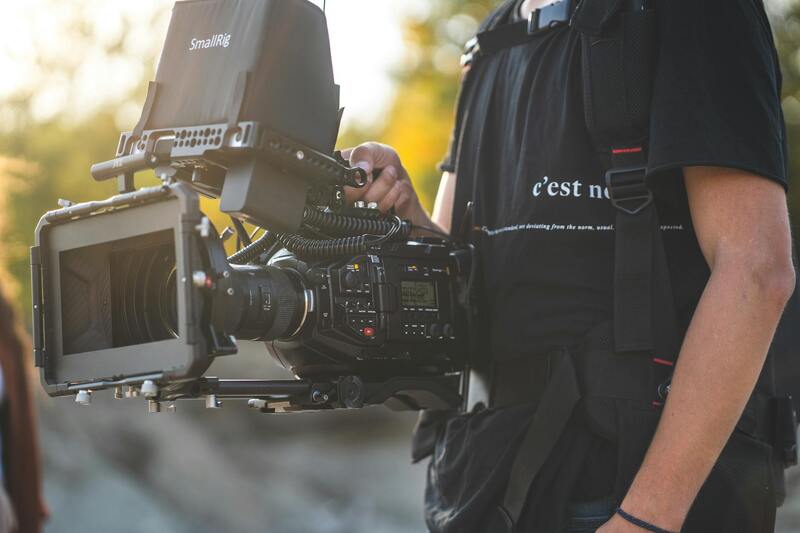
Many different event types benefit significantly from live streaming, broadening their reach and engagement. Corporate events such as product launches, conferences, and seminars can be streamed to connect remote teams and stakeholders effectively. Educational institutions utilize live streaming for lectures, workshops, and graduations, enabling virtual participation while maintaining high-quality presentation standards.
Entertainment-focused events like concerts, festivals, and sports competitions harness live streaming to engage audiences worldwide. Religious services and community gatherings also utilize this medium to foster participation beyond physical attendance. Additionally, training sessions, webinars, and trade shows leverage live streaming to provide immediate access and interactive capabilities to participants—regardless of their geographic location.
Choosing the appropriate technology and production style depends on the event's nature, size, and expected viewership. A professional live stream provider can assist in tailoring the delivery method—be it multi-camera production, VR streaming, or simple single-camera broadcasts—to match your event's specific requirements.
Understanding Live Stream Video Production Services
Live stream video production services encompass a comprehensive suite of solutions designed to broadcast real-time video content to target audiences across various digital platforms. These services typically involve planning, camera operation, audio management, encoding, and transmission, all executed by experienced professionals with specialized equipment. They ensure that the broadcast is seamless, visually appealing, and technically sound, whether for corporate presentations, entertainment events, educational sessions, or community gatherings. The production team collaborates closely with clients to determine the most suitable streaming platform, content layout, and interactive features that enhance viewer engagement. By integrating high-definition cameras, professional audio, multi-platform encoding, and reliable internet connections, live streaming agencies deliver broadcasts that meet industry standards and audience expectations.
This specialized service not only extends the reach of events beyond physical boundaries but also facilitates interactive engagement through live chat, polls, and Q&A sessions. Utilizing advanced streaming protocols and adaptive bitrate technology, professional providers ensure viewers receive optimal quality regardless of device or connection speed. Furthermore, live stream video production companies often offer post-event services such as video recording, editing, and on-demand access, expanding the event’s longevity and impact.
Factors to Consider When Choosing a Local Live Stream Company
Selecting the right live stream video production partner requires careful evaluation of several critical factors:
- Experience and Portfolio: Review their previous work to assess their capability in handling similar event formats and sizes.
- Technology and Equipment: Ensure they utilize current, high-grade audiovisual and streaming technology to guarantee professional quality.
- Technical Support and Reliability: Confirm their ability to provide on-site technical support and redundant connectivity options to prevent disruptions.
- Customization and Flexibility: Determine whether they can tailor their services to your specific needs, including multi-camera setups or interactive features.
- Client References and Reviews: Seek feedback from past clients to gauge professionalism, responsiveness, and overall satisfaction.
- Local Presence and Accessibility: A nearby provider can offer quicker setup, easier coordination, and onsite support when needed.
Key Equipment and Technology Used in Live Streaming
Run-of-the-mill live streams rely on a combination of professional-grade hardware and software. The essentials include high-definition video cameras, video switchers, professional-grade microphones, and audio mixers to capture clear visuals and sound. Streaming encoders, either hardware-based or software solutions, convert the raw video signals into compressed digital formats suitable for transmission over the internet. Advanced live streaming setups incorporate multi-camera configurations, dynamic graphics, and real-time switching for a polished broadcast appearance. Technical infrastructures often feature redundant internet connectivity, with backup links ensuring continuous streaming during network failures.
Utilizing content delivery networks (CDNs), adaptive bitrate streaming adjusts video quality based on viewers’ bandwidth, optimizing experience. Interactive elements like real-time chat, overlays, and graphics are integrated to enhance viewer engagement, making the broadcast more dynamic and memorable. These technological components combined impact the overall production quality—transforming an ordinary event into a professional, engaging live broadcast accessible across diverse devices and platforms.
How to Effectively Find and Reach Out to a Nearby Live Stream Video Production Company
Locating a dependable live stream video production company in your vicinity involves a systematic approach that prioritizes professionalism, technical expertise, and industry reputation. Start your search through localized online directories, professional networking platforms, and industry-specific listings that categorize service providers based on geographic location. Keywords such as "live stream video production company near me" can be particularly effective when used with location modifiers to refine your search results. In addition, exploring local business directories and community resources can unveil smaller, specialized companies that might offer more personalized service.
Once you have compiled a list of potential candidates, evaluate each company's online presence carefully. Review their official websites, focusing on portfolio samples, client testimonials, and detailed service descriptions. These elements demonstrate their capacity for high-quality production and their understanding of best practices in live streaming. Companies that showcase a comprehensive portfolio illustrating diverse event types—corporate webinars, concerts, seminars, or sports events—indicate versatility and experience in handling different broadcasting needs.
Assessing Technical Capabilities and Experience
Prioritize companies with demonstrated technical proficiency, including sophisticated equipment and software. Inquiry about the types of cameras, switching equipment, streaming encoders, and audio systems they employ. A company with access to and mastery of multi-camera setups, real-time graphics, and adaptive streaming technologies is better equipped to deliver a seamless viewing experience. Additionally, inquire about their experience with specific event types and their familiarity with various streaming platforms to ensure compatibility with your audience's preferred channels.
Scheduling and Support
Reach out directly to gather insights into the company's availability, responsiveness, and support structure. A reputable provider will offer an initial consultation to discuss your event’s needs, timeline, and technical requirements. Confirm whether they provide onsite support during the event, proactive testing of equipment beforehand, and real-time technical assistance throughout the broadcast. These measures are crucial for avoiding disruptions and maintaining a professional streaming environment.
Pricing and Contract Details
Request detailed quotations that outline the scope of services, equipment used, and any additional costs such as content editing, post-production, or multi-platform dissemination. A comprehensive proposal should specify timelines, deliverables, and cancellation policies. Comparing estimates from multiple providers enables you to identify options that align with your budget without compromising on quality or technical excellence.
Establishing Clear Communication and Expectations
Effective communication is essential to a successful live streaming partnership. Clarify expectations regarding pre-event planning meetings, content rehearsals, and post-event reporting. Ensure that the chosen provider is willing to tailor their services to your specific needs and maintains transparent, ongoing communication throughout the process.
By adhering to these strategic steps, you can confidently identify a reliable, professional live stream video production company near you, capable of transforming your event into a captivating digital experience that engages viewers across all devices and platforms effectively.