
Role of Live Streaming Experts in Event Production
In the dynamic landscape of modern event production, live streaming experts play an essential role in delivering seamless and engaging online broadcasts. These professionals bring a wealth of technical knowledge and industry experience to ensure that every event—whether corporate meetings, entertainment shows, or community gatherings—achieves its full potential in the digital realm. By leveraging advanced broadcasting techniques and equipment, live streaming specialists create immersive experiences that reach wider audiences and enhance event visibility.
Miami-based live streaming experts are particularly skilled at tailoring each broadcast to meet the unique needs of their clients. They facilitate real-time audio-visual delivery, enabling participants and viewers to engage interactively regardless of their physical location. This capability is vital not only for expanding reach but also for augmenting audience engagement through high-definition video, balanced sound quality, and reliable streaming platforms.

Their contribution extends beyond mere technical execution. Live streaming experts collaborate closely with event organizers, strategizing content presentation, managing schedules, and ensuring deadlines are met with precision. Their expertise guarantees that the broadcast runs smoothly from start to finish, minimizing disruptions and technical glitches that could otherwise compromise the quality or timing of the event.
Particularly in Miami’s vibrant event scene, these professionals are adept at managing diverse event types—from high-profile corporate announcements to lively entertainment festivals, and community outreach programs. Their proficiency ensures broadcast clarity, synchronization of multimedia elements, and flawless integration of multiple camera angles and graphic overlays. This comprehensive approach results in a broadcast that maintains high standards of quality, professionalism, and audience engagement.
Ultimately, live streaming experts serve as vital partners in event production, transforming traditional events into captivating digital experiences that resonate with audiences in Miami and beyond. Their role is crucial in elevating event presentation, capturing the essence of each occasion, and delivering impactful live content across various digital platforms.
Key Skills and Technologies Used by Live Streaming Professionals
Live streaming experts rely on an extensive array of technical skills and cutting-edge equipment to ensure flawless broadcasts. Their proficiency encompasses both hardware and software, allowing them to handle the complexities of real-time video production with precision and reliability.
At the core of their technical toolkit are high-definition cameras capable of capturing live footage with clarity and sharpness. These professionals skillfully operate multiple camera setups, including fixed, PTZ (pan-tilt-zoom), and wireless variants, to achieve dynamic angles and comprehensive coverage of the event. Fiber optic and high-speed internet connections are crucial components, providing the bandwidth needed for uninterrupted streaming without latency issues.

Software solutions play a vital role in live streaming execution. Experts utilize professional streaming platforms and encoder software to compress, encode, and transmit video feeds effectively. These tools enable features such as adaptive bitrate streaming, which adjusts video quality based on viewers’ internet speeds, and multi-bitrate streams that enhance accessibility across various devices.
Audio quality is equally vital, with live audio mixers, wireless microphones, and noise-canceling headsets ensuring clear sound reproduction. Graphic overlays, real-time scoreboard updates, and multimedia integration are managed through advanced streaming software that allows for the synchronization of multiple media elements, enhancing viewer engagement and overall broadcast professionalism.
Furthermore, live streaming professionals employ monitoring tools that provide real-time analytics and troubleshooting capabilities. They keep a close eye on stream health, viewer statistics, and potential issues, ready to intervene should any technical problems arise during the live event.
Training in these technologies, combined with hands-on experience, equips live streaming experts to adapt quickly to varying event requirements and infrastructure limitations. Their ability to manage, troubleshoot, and optimize these technical components ensures a seamless viewing experience for audiences.
Planning and Consultation for Live Streaming Projects
Effective live streaming begins long before the event starts. Consultants work closely with clients to define objectives, identify target audiences, and determine suitable platforms for streaming. They conduct thorough assessments of venue infrastructure, internet capabilities, and available equipment, recommending necessary upgrades or rentals to fill gaps.
This phase involves creating detailed production plans, scheduling rehearsals, and outlining contingency procedures. Clear communication during planning ensures that every technical and creative aspect aligns with client expectations, facilitating smooth execution and minimized disruptions during the live broadcast.
High-Quality Equipment and Infrastructure
Investing in robust equipment infrastructure is critical. Live streaming professionals prioritize high-quality cameras, durable broadcasting hardware, and reliable internet connections with failover systems to prevent interruptions. For large-scale events, redundant setups and backup power supplies help maintain broadcast continuity, even during unforeseen technical failures.
Moreover, signal distribution equipment such as switchers, mixers, and video processors allow for real-time management of multiple input sources. These tools enable seamless transitions, picture-in-picture effects, and enhanced multimedia presentation, ensuring the final broadcast appears polished and engaging.
Execution and Live Operation Management
During an event, live streaming experts take charge of all operational aspects. They monitor stream quality continuously, adjusting camera angles, managing audio levels, and controlling graphic overlays in real time. Their quick decision-making skills are essential to address any technical challenges that may emerge, ensuring the event remains on schedule and maintains high production standards.
Their role also involves coordinating with on-site staff, such as camera operators, sound engineers, and event coordinators, to synchronize the visual and auditory elements. They utilize remote control systems for camera operation and software-based switching to facilitate smooth transitions and captivating live visuals.
Post-Event Services and Content Delivery
Following the live event, professionals handle post-production processes, including editing, segmenting, and captioning the broadcast footage. Delivering the content across various digital platforms—such as social media channels, on-demand portals, and internal networks—extends the event’s reach and impact.
Archiving footage for future reference, creating highlight reels, and extracting segments for promotional use are also part of their services. These post-event strategies ensure the content continues to generate engagement and value long after the live broadcast concludes.
Role of Live Streaming Experts in Event Production
Live streaming experts are pivotal in transforming traditional events into digitally accessible experiences that reach audiences worldwide. Their comprehensive understanding of event dynamics and technology enables them to craft seamless, engaging broadcasts that resonate with viewers. These professionals oversee every aspect of the live stream, from pre-event setup and technical rehearsals to real-time management and post-event content distribution. By leveraging their expertise, event organizers can ensure that the broadcast maintains high quality and technical precision, regardless of the event’s scale or complexity.
During an event, live streaming specialists coordinate multiple components such as camera operations, audio management, and visual overlays to create a cohesive viewing experience. Their role involves continuous monitoring of broadcast performance, swiftly troubleshooting issues, and making real-time adjustments to preserve stream stability and visual appeal. Effective coordination with on-site teams ensures that visual transitions are smooth and that the auditory experience complements the visual content, creating a professional and immersive experience for viewers.
Beyond the live broadcast, their responsibilities extend to post-production activities. This includes editing raw footage to produce highlights or condensed versions, adding captions for accessibility, and preparing content for diverse digital platforms. Such efforts broaden an event’s reach and ensure its longevity as on-demand content. Archived footage serves as a valuable resource for future promotions and archival purposes, helping organizations maximize their content investment.
Key Skills and Technologies Used by Live Streaming Professionals
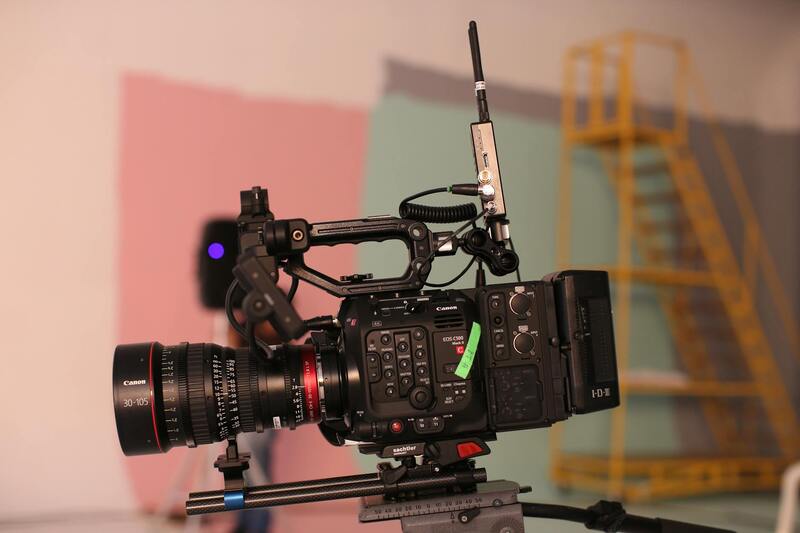
Live streaming specialists utilize a broad skill set and a range of cutting-edge technologies to deliver flawless broadcasts. Proficiency in audio-visual hardware, such as professional cameras, microphones, and encoders, ensures clear audio-visual quality. Familiarity with streaming platforms and content delivery networks enables efficient and reliable distribution of live content across multiple channels. Technicians must be adept at operating software solutions for video switching, graphics insertion, and real-time editing, which are essential for dynamic, professional presentations.
Technical skills also include network troubleshooting, compression techniques, and cybersecurity measures to protect the broadcast from interruptions or breaches. Moreover, project management and communication skills are critical to coordinate with clients, on-site staff, and remote teams, ensuring that all technical elements align with the event’s goals.
Advanced tools like remote camera controls and multi-platform streaming software facilitate flexible and scalable broadcast setups. This allows experts to adapt to different venue configurations, audience sizes, and content types, always aiming to optimize viewer engagement and system stability.
Planning and Consultation for Live Streaming Projects
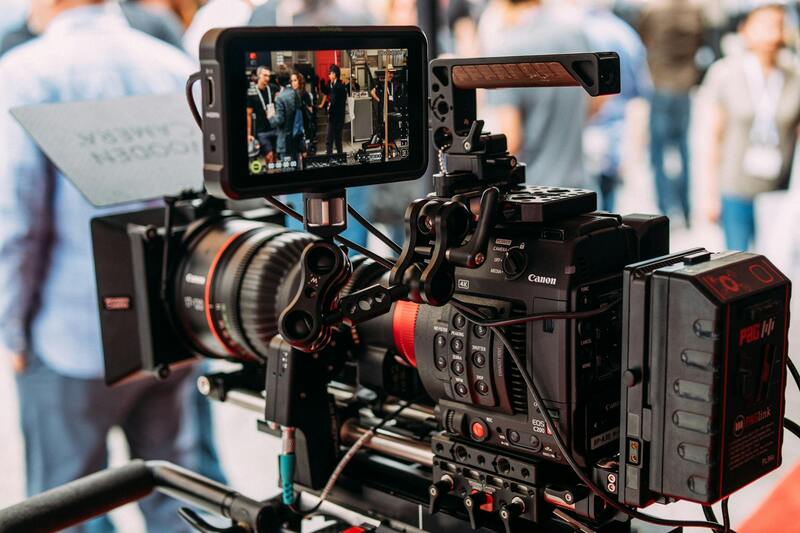
Successful live streaming events begin with meticulous planning and expert consultation. Live streaming experts assess the specific requirements of each project, including venue layout, audience size, and content objectives. They develop comprehensive technical plans that encompass equipment setup, bandwidth considerations, and backup strategies to counteract potential disruptions. During initial consultations, they work closely with clients to understand their vision, whether it's a corporate conference, product launch, or entertainment event, ensuring that every element aligns with the desired outcome.
This phase involves detailed site surveys to evaluate existing infrastructure and identify potential challenges or requirements for additional equipment. Live streaming professionals also advise on optimal camera placements, lighting, and audio configurations to enhance visual and sound quality. They recommend suitable streaming platforms and content delivery options tailored to the event's scale and audience engagement goals. Effective planning guarantees that all technical aspects are addressed proactively, reducing the risk of unforeseen issues during the live broadcast.
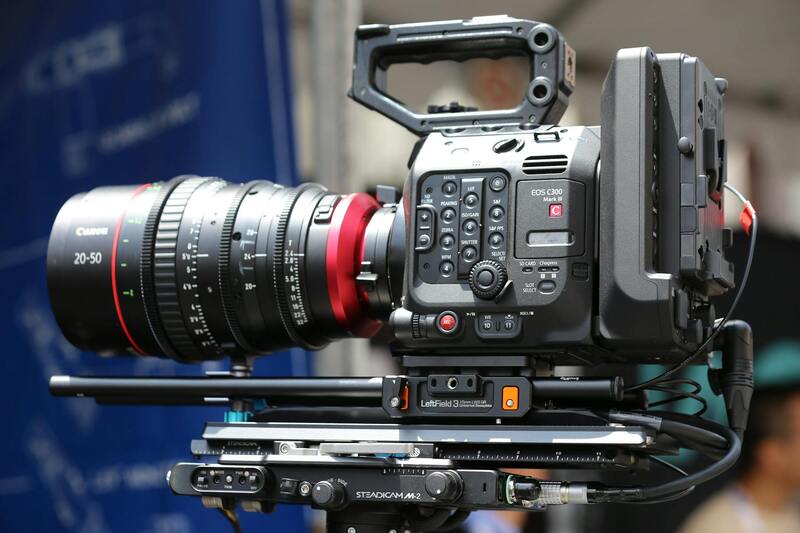
Furthermore, comprehensive scheduling is essential to coordinate setup, rehearsals, and live execution seamlessly. This includes establishing communication protocols among team members, defining roles, and preparing contingency plans. Proper planning by specialists ensures the event proceeds smoothly, optimizing broadcasting quality and viewer experience despite challenges that may arise during live transmissions.
Post-Event Services and Content Delivery
Once a live event concludes, live streaming experts provide valuable post-event services that maximize content reach and utility. This involves editing raw footage, creating highlight reels, and distributing recorded content across various digital channels. Many professionals also offer on-demand streaming options, allowing audiences to access the event at their convenience, extending engagement beyond the live broadcast.
Content delivery strategies are tailored to client needs—whether through hosting on proprietary servers, cloud storage solutions, or integration with third-party platforms. Experts ensure that the final content is optimized for different devices and network conditions, maintaining high visual and audio quality. They also generate analytics reports to evaluate audience engagement and provide insights for future broadcasts.
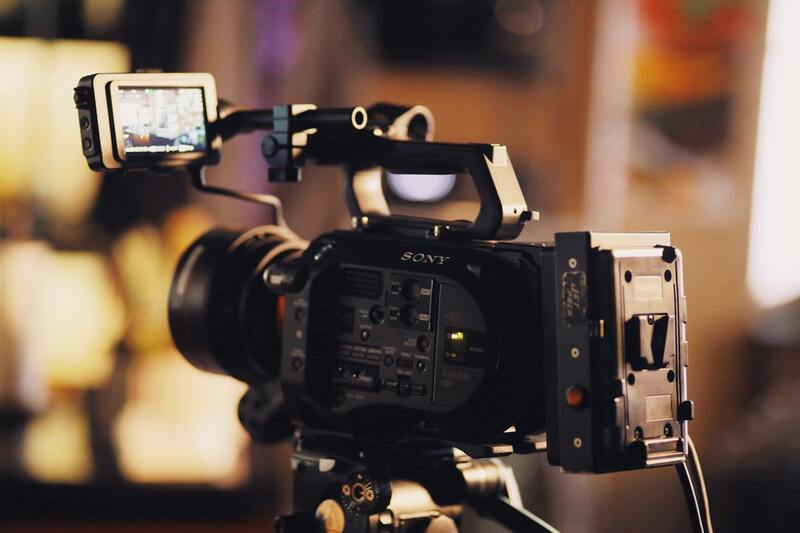
This comprehensive approach to post-event services not only preserves the event's value but also provides clients with actionable data to refine their digital content strategies. Proper content management and distribution are crucial to maximizing the impact of every live streaming project, ensuring that audiences remain engaged long after the live event concludes.
Execution and Live Operation Management
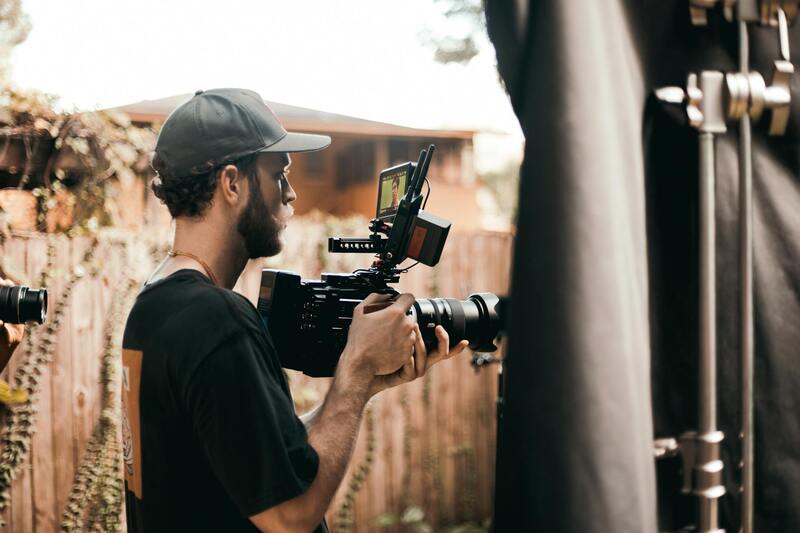
During a live event, the role of the streaming expert extends beyond setup to real-time operational management. They oversee the entire broadcast process, ensuring that the live stream remains stable and of high quality throughout the event. This involves continuous monitoring of streaming parameters such as video resolution, bandwidth utilization, and audio clarity, enabling immediate responses to any issues that may arise. Diagnostic tools and software are employed to detect potential disruptions, allowing experts to troubleshoot swiftly without interrupting the broadcast. Coordination of multiple feeds is integral to delivering a seamless viewing experience, especially in complex productions that incorporate various camera angles, graphics, or remote guests. Live streaming professionals are responsible for switching between feeds, overlaying graphics, and managing transitions in real-time, all while maintaining synchronization across audio and visual elements. They work closely with technical teams and content creators to execute a smooth broadcast, accommodating dynamic changes or cues from production staff. Additionally, experts handle the configuration of encoding settings, ensuring the content is optimized for delivery over multiple platforms and network environments. They also prepare contingency plans to address unforeseen technical failures, such as internet disruptions or hardware malfunctions, maintaining the integrity of the live stream. The combination of technical proficiency and quick decision-making makes live streaming experts essential for complex, high-stakes events where professionalism and reliability are paramount. Their vigilant oversight and proactive management directly influence the final broadcast quality, viewer engagement, and overall success of the event.
Planning and Consultation for Live Streaming Projects
Effective live streaming begins long before the cameras start rolling. Live streaming experts offer comprehensive planning and consultation services, leveraging their industry knowledge to tailor each event’s strategy. They assess the specific requirements of the event, including target audience demographics, content type, and distribution channels, to design a customized approach that maximizes reach and engagement.
During the planning phase, experts evaluate the venue’s technical infrastructure, ensuring compatibility with desired streaming platforms. They recommend appropriate equipment, such as cameras, microphones, encoders, and lighting, to achieve optimal broadcast quality. Strategic location scouting, lighting arrangements, and sound checks are meticulously coordinated to create an environment conducive to high-quality streaming.
Consultants also guide clients through content flow, timing, and integration of multimedia elements like graphics, overlays, and remote guest feeds. They develop detailed production timelines and rehearsals to identify potential issues beforehand, reducing risks during the live event. This proactive approach ensures a seamless live broadcast that aligns with the event’s objectives and maintains viewer engagement.
Moreover, live streaming professionals advise on platform selection—whether it’s social media channels, dedicated streaming services, or private portals—based on audience reach and security considerations. They also help in establishing contingency plans for technical failures, ensuring rapid response protocols are in place. By collaborating closely with event organizers, they transform conceptual ideas into meticulously executed live experiences.
Role of Live Streaming Experts in Event Production
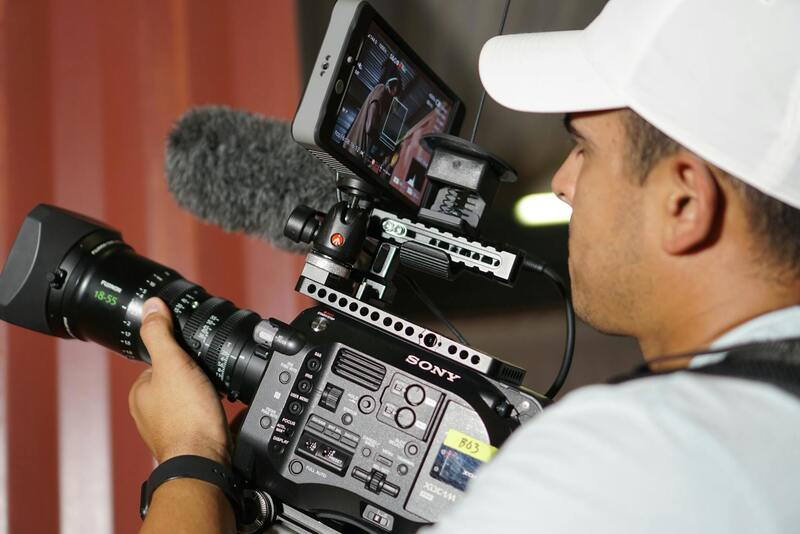
Live streaming experts serve as the cornerstone of successful virtual events, providing comprehensive support from pre-production planning to post-event content dissemination. Their expertise ensures that each element of the broadcast aligns with the event’s objectives, audience expectations, and technical requirements. These professionals are responsible for designing the broadcast architecture, coordinating technical teams, and overseeing the integration of multiple multimedia elements to deliver a polished, engaging live experience. By leveraging their knowledge of industry best practices, they help clients transform traditional events into dynamic digital experiences that can reach larger audiences across various geographical locations.
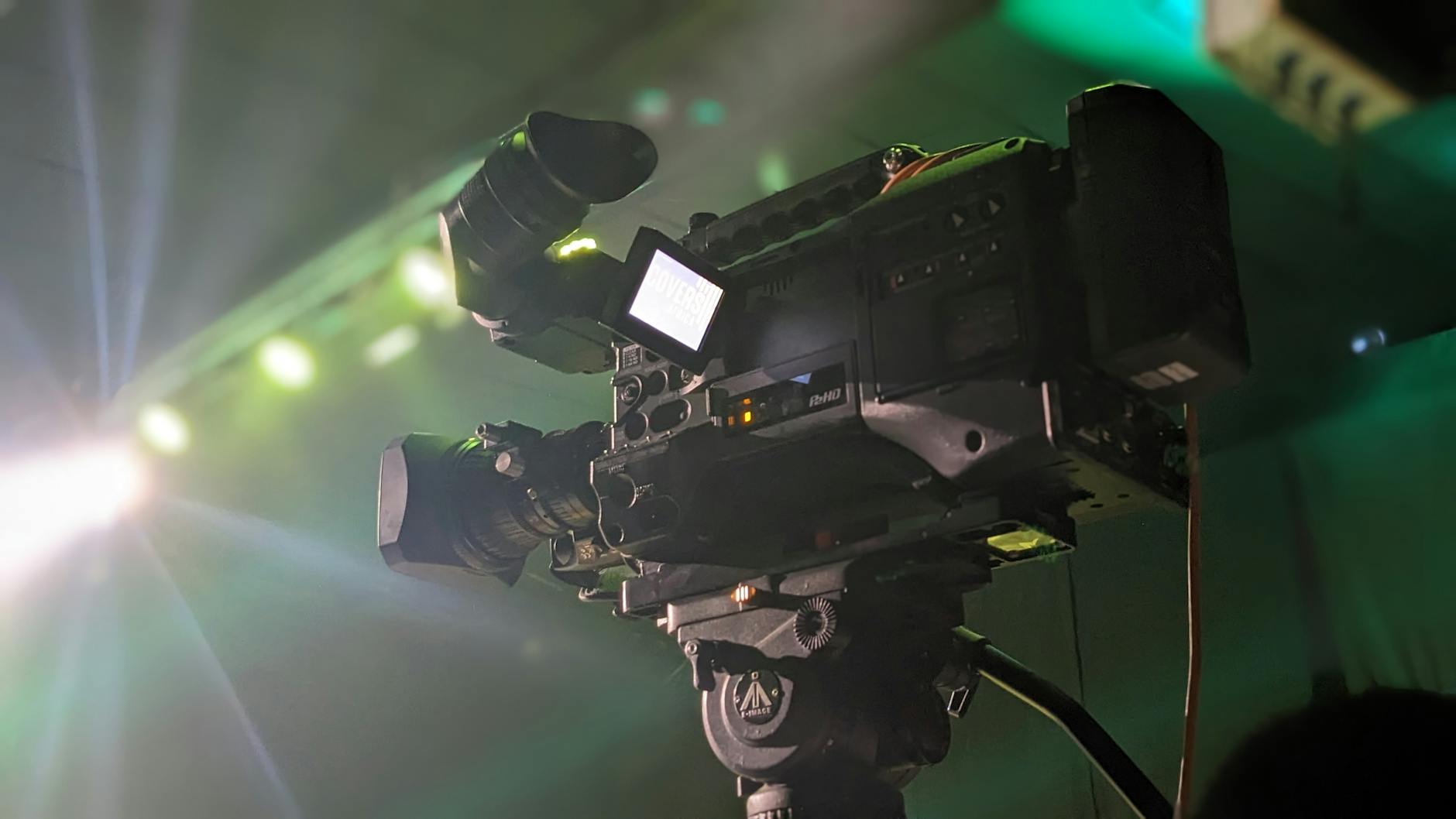
Their involvement typically begins during the initial consultation phase, where they assess the event's scope, audience profile, and desired outcomes. From there, they develop a detailed strategy that encompasses platform selection, technical setup, content scheduling, and contingency planning. During the actual event, live streaming specialists manage equipment calibration, real-time quality monitoring, and troubleshooting, minimizing disruptions and ensuring a seamless broadcast for viewers. Post-event, their role extends into content distribution and analytics, providing valuable insights to enhance future productions.
Key Skills and Technologies Used by Live Streaming Professionals
Live streaming experts possess a diverse toolkit comprising technical skills, industry knowledge, and familiarity with cutting-edge technologies. Their proficiency with video encoding software, streaming platforms, and broadcasting hardware allows them to tailor solutions that match event demands. Commonly employed devices include high-definition cameras, professional microphones, switchers, and video mixers. They also utilize advanced software for live graphic overlays, remote guest integration, and real-time captioning, enhancing viewer engagement.
- Video production and editing skills
- Platform-specific expertise (e.g., YouTube Live, Facebook Live, Zoom, Vimeo)
- Network stability and bandwidth management
- Encoding and transcoding techniques for optimal quality
- Technical troubleshooting and support
- Content security and privacy protocols
Planning and Consultation for Live Streaming Projects
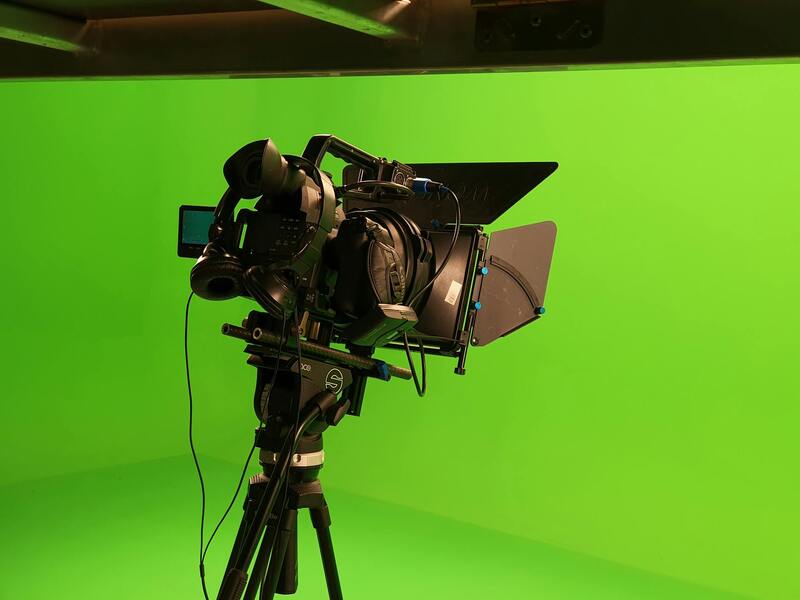
Effective planning is crucial for delivering a successful live stream. Experts begin by understanding the event’s objectives, target audience, and content structure, facilitating a tailored approach. They conduct site analyses to evaluate existing infrastructure and make recommendations for necessary upgrades or modifications. This includes assessing electrical outlets, internet connectivity, soundproofing, and lighting conditions to ensure they support high-quality broadcasting.
Strategic consultations often involve creating a detailed production timeline that incorporates rehearsals, content cues, and technical checks. They advise on multimedia elements such as graphics, overlays, and multi-camera setups, helping clients visualize and optimize their specific content flow. Risk management planning is also a key component, involving the development of backup plans like secondary internet connections or alternative broadcasting platforms to address potential technical failures swiftly.
High-Quality Equipment and Infrastructure
At the core of professional live streaming is the use of high-grade equipment and infrastructure that guarantee stable, crisp visuals and clear audio. This includes professional-grade cameras capable of capturing high-definition footage, high-fidelity microphones, and fully equipped video encoders for live broadcasting. Network reliability is ensured through dedicated internet connections and bonding solutions that combine multiple internet sources to boost bandwidth and stability.
Lighting equipment tailored to the event setting enhances visual clarity, especially in indoor venues with inconsistent lighting conditions. Additionally, live production studios are outfitted with switching consoles, streaming servers, and signal processors that facilitate smooth transitions and multimedia integration during the broadcast. Infrastructure also encompasses supporting hardware such as power backups and cooling systems that prevent interruptions and equipment failures during critical moments.
Execution and Live Operation Management
During live events, streaming professionals assume the role of real-time coordinators, overseeing all technical aspects to ensure flawless delivery. They manage multiple camera feeds, adjust audio levels, and incorporate multimedia elements like graphics and video clips seamlessly. Constant monitoring of internet connectivity and streaming quality allows for immediate troubleshooting, minimizing latency, buffering, or lost feeds.
Effective communication between the director, technical team, and content creators is essential for synchronizing the production. They implement contingency protocols, such as switching to backup encoders or rerouting streams through alternative servers, to handle unforeseen issues swiftly. This proactive management helps in maintaining a professional broadcast that engages viewers, preserves brand integrity, and meets broadcast standards.
Post-Event Services and Content Delivery
After the live broadcast concludes, experts assist in editing, packaging, and distributing the recorded content across optimal channels. They ensure that content is properly archived, optimized for various platforms, and accessible to target audiences. Analytic tools are employed to evaluate viewer engagement, reach, and technical performance metrics, providing insights to inform future live streaming strategies. Moreover, on-demand versions or highlight reels may be produced to maximize content lifespan and ongoing audience engagement.
Role of Live Streaming Experts in Event Production
Live streaming experts serve as the backbone of successful digital broadcasts, overseeing the seamless transmission of events to remote audiences. Their responsibilities encompass technical planning, equipment setup, real-time management, and post-event content handling, ensuring that each facet of the production aligns with the event's objectives and audience expectations. These professionals coordinate with event organizers, content creators, and technical teams to develop a comprehensive streaming plan that addresses logistical challenges, audience engagement strategies, and platform specifications. Their expertise guarantees that live events are delivered with clarity, stability, and professionalism, fostering a compelling viewer experience regardless of the audience’s location.
Key Skills and Technologies Used by Live Streaming Professionals
Professionals specializing in live streaming possess a broad skill set that combines artistic vision with technical mastery. They are adept at operating advanced video encoders, mixers, and switching hardware, enabling dynamic multi-camera productions. Understanding network infrastructure is vital; live streaming experts assess bandwidth needs and implement solutions such as load balancing and redundancy to prevent interruptions. They are familiar with broadcast software suites that facilitate real-time graphics, overlays, and multimedia integration, elevating production quality. Additionally, proficiency in sound engineering ensures audio mixes are balanced and free of distortions, enhancing overall viewer satisfaction.
Cutting-edge technology, including cloud-based streaming platforms and content delivery networks (CDNs), enables experts to scale broadcasts efficiently and reach global audiences. Familiarity with streaming protocols like RTMP, HLS, or MPEG-DASH ensures compatibility across devices. Moreover, knowledge of analytics tools allows these professionals to monitor stream metrics in real-time, facilitating immediate adjustments and post-production evaluations.
Planning and Consultation for Live Streaming Projects
Effective live streaming begins with meticulous planning, where experts collaborate with clients to define broadcast objectives, target audiences, and desired outcomes. This stage involves assessing event content, venue logistics, and technical requirements, including bandwidth capabilities and hardware needs. Consultants develop tailored strategies that align with event goals, such as integrating social media interactions or multi-platform distribution. They also prepare contingency plans to address potential disruptions, ensuring operational resilience throughout the event. Clear communication channels are established between all stakeholders to facilitate coordination during setup and execution, minimizing risks and optimizing content delivery.
High-Quality Equipment and Infrastructure
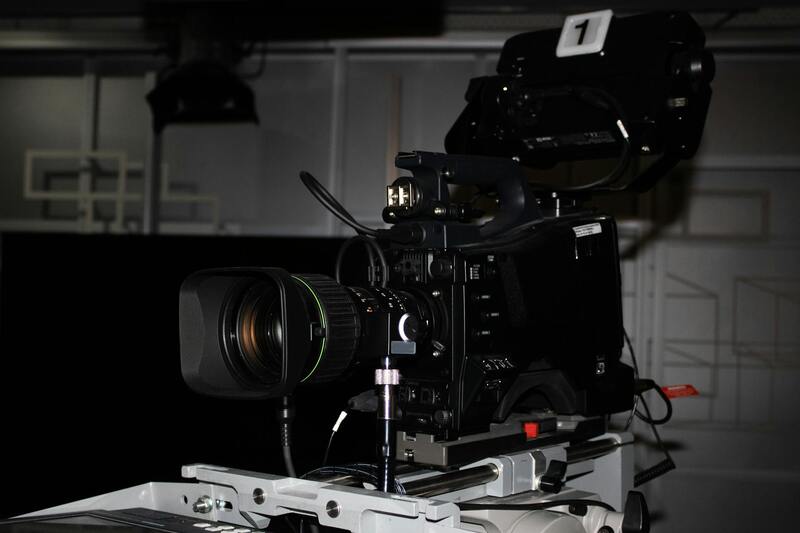
Investing in premium equipment and robust infrastructure is essential for producing high-caliber live streams. This includes professional-grade cameras, audio devices, and lighting systems to capture content with precision and clarity. Streaming professionals rely on high-performance encoders, switchers, and streaming servers that support multiple input sources and provide low-latency transmission. Fiber optic internet connections, backup power supplies, and dedicated bandwidth lines are standard practices to maintain stability during broadcasts. The integration of hardware control panels and remote management tools facilitates real-time adjustments, ensuring the live stream remains smooth and engaging. The setup process involves rigorous testing to identify and resolve potential issues before the event goes live.
Execution and Live Operation Management
During the event, real-time coordination is critical. Live streaming experts monitor all technical aspects, including camera feeds, audio signals, graphics, and stream stability. They employ control dashboards to switch between camera angles, insert graphics, and manage multimedia content in sync with event pacing. Internet connectivity is monitored continuously, enabling instant troubleshooting if issues arise. This proactive approach minimizes disruptions such as buffering, latency, or feed loss. Communication is maintained through synchronized systems, allowing directors, technical operators, and content producers to work cohesively.
Contingency protocols are established to handle unforeseen issues swiftly, such as switching to backup encoders or rerouting streams via alternative servers. These measures ensure an uninterrupted viewing experience. The professionals also coordinate with on-site staff and remote teams, maintaining a calm and organized environment that promotes technical excellence and audience engagement throughout the broadcast.
Post-Event Services and Content Delivery
The work does not end once the live event concludes. Post-event services include editing, segmenting, and optimizing recordings for various platforms. Live streaming specialists assist with content packaging, adding intros, outros, and highlights to extend viewer engagement. They ensure that the final output maintains high quality standards and is accessible across multiple channels such as social media, corporate websites, or streaming platforms. Analyzing viewer metrics and engagement data provides insights into audience preferences and stream performance, informing future strategies. On-demand content can be produced, offering extended content lifespans and providing value to attendees who missed the live event.
Advantages of Hiring Live Streaming Experts in Miami
Engaging experienced live streaming professionals in the Miami area guarantees access to advanced technology, local expertise, and comprehensive support services tailored to regional event landscapes. Miami’s vibrant event scene—from corporate webinars to large-scale public concerts—demands high production standards, which professional streaming experts consistently deliver. Their familiarity with local venues, vendors, and infrastructure ensures smooth logistics and swift setup. Furthermore, their ability to adapt to diverse event sizes and formats makes them a versatile asset for any organization aiming to maximize audience reach and engagement through high-quality broadcasts.