
Understanding Live Corporate Event Broadcasting
Live broadcasting of corporate events has become an essential component of modern business strategy, particularly within vibrant markets such as Miami. This method involves transmitting live video and audio feeds of corporate gatherings, conferences, product launches, webinars, and seminars directly to an online audience. By leveraging advanced streaming technology, companies can significantly broaden their reach beyond the physical venue, enabling remote attendees to participate in real time. This approach not only enhances inclusivity but also maximizes engagement by providing an interactive platform for viewers around the globe.
The importance of live streaming for businesses in Miami stems from several key advantages. Firstly, it facilitates a wider audience reach, effectively crossing geographical boundaries and time zones. This is especially advantageous for companies aiming to expand their market presence or strengthen stakeholder relationships across various regions. Secondly, live broadcasts foster greater audience engagement through real-time interactions, questions, and comments. Such immediacy helps build trust and brand loyalty by demonstrating transparency and responsiveness. Additionally, live streaming offers a cost-effective alternative to traditional in-person events, reducing expenses related to venue bookings, travel, and accommodation, while still delivering a high-impact experience.

From corporate meetings to high-profile product launches, live streaming serves as a versatile medium to communicate messages effectively to diverse audiences. The ability to archive sessions post-event also provides valuable content for future marketing, internal training, and stakeholder communication. As businesses in Miami continue to adapt to a digital-first environment, understanding the mechanics and benefits of live broadcasting becomes imperative for maintaining competitive edge and fostering meaningful stakeholder engagement.
Technical Aspects of Corporate Live Streaming
Executing a successful live broadcast for corporate events in Miami requires meticulous attention to technical details. Ensuring a seamless streaming experience hinges on the quality and reliability of the equipment and the robustness of the internet connection. High-definition video capture is fundamental to maintaining professionalism and clarity, often achieved through multi-camera setups that provide dynamic shots and a more engaging viewer experience. Using professional-grade cameras and switchers allows producers to seamlessly transition between different camera angles, highlighting key moments during presentations or product reveals.
Audio quality is equally critical, as clear sound enhances comprehension and viewer engagement. Industry-standard microphones, audio mixers, and sound mixing platforms are vital for capturing crisp dialogue and ambiance, especially in larger venues where ambient noise can be an issue. Noise suppression and audio normalization technologies further enhance clarity in the final broadcast.
Streaming infrastructure plays a pivotal role in the success of corporate broadcasts. Reliable streaming platforms equipped with adaptive bitrate streaming help optimize video quality across varying internet speeds, reducing buffering and lag. Content Delivery Networks (CDNs) vastly improve the distribution of live streams by caching content closer to viewers, thus minimizing latency and packet loss, ensuring a smooth viewing experience regardless of geographic location.

Backup systems are indispensable in mitigating potential technical failures. This includes redundant internet connections, backup power supplies, and secondary streaming servers. During critical moments, such redundancies help maintain an uninterrupted broadcast, protecting the event's reputation and viewer trust.
Furthermore, the integration of professional encoding and streaming software enhances overall broadcast quality and control. These tools enable live editing, graphics overlay, and real-time captions, elevating the production value of the streamed event. As part of comprehensive planning, pre-event testing of all equipment and connections is essential to identify and resolve potential issues before going live.
In the realm of corporate live streaming, technical precision directly translates into viewer confidence and engagement. Therefore, partnering with experienced providers who utilize cutting-edge technology and adhere to strict setup protocols becomes an investment in the success of any business event in Miami.
Technical Aspects of Corporate Live Streaming
Executing a seamless live corporate event broadcast in Miami requires a sophisticated understanding of the technical elements involved. These technical aspects are fundamental to ensuring high-quality delivery and an engaging viewer experience. At the core of this process is the use of advanced encoding hardware and software, which converts the raw video feed into a web-compatible format. These encoders support multiple input sources, such as cameras, microphones, and presentation screens, facilitating a comprehensive and dynamic live stream.

To distribute the live feed effectively, a robust content delivery network (CDN) is employed. CDNs distribute the stream by caching content at multiple geographically dispersed servers, which helps in minimizing latency and buffering issues for viewers across Miami and beyond. This infrastructure ensures that audiences, whether attending from local offices or remote locations, receive a consistent and high-resolution viewing experience.
Audio quality plays an equally vital role in professional live streams. High-definition microphones and audio mixers are standard to capture clear sound independently from potential background noise. Additionally, audio feeds are synchronized meticulously with video streams to prevent dissonance that might detract from the event's professionalism.
Lighting, camera positioning, and multi-angle production also contribute greatly to the overall quality. Multiple cameras are typically used to offer dynamic shots, which necessitate sophisticated switching equipment for real-time scene changes. This setup allows for a polished broadcast that closely resembles traditional television production.
Integral to these technical arrangements is a reliable internet connection. Redundant internet setups are standard practice, often involving multiple ISP providers to prevent any loss of broadcast due to connectivity issues. Power backup sources, such as generators and uninterruptible power supplies (UPS), are also implemented to safeguard against power disruptions, ensuring continuous streaming during the entirety of the event.

Pre-event testing is a crucial phase where all equipment, connections, and streaming pathways are scrutinized to identify potential issues before the live event begins. This testing encompasses network bandwidth checks, video and audio quality assessments, and equipment positioning. A detailed contingency plan is also established to address unforeseen technical challenges swiftly, minimizing impact on the event’s flow.
Ultimately, the technical precision in live broadcasting adheres to rigorous standards, resulting in high viewer confidence and reduced technical glitches. Selecting a service provider with extensive experience in Miami that employs the latest technology and adheres to strict operational protocols ensures a professional presentation that can meet the demanding expectations of corporate clients.
Technical Aspects of Corporate Live Streaming
Executing a seamless live broadcast for corporate events requires meticulous attention to multiple technical components. High-quality video encoding ensures that the footage captured by professional cameras is compressed effectively for streaming without sacrificing clarity. Utilizing multi-bit-rate streaming algorithms allows viewers with varying internet speeds to access the content smoothly, reducing buffering and ensuring a broad reach.
A robust content delivery network (CDN) is essential for distributing the live stream across diverse geographic locations. A reputable CDN optimizes the transmission pathway, minimizes latency, and enhances overall stability. Simultaneously, the streaming platform must support adaptive streaming, automatically adjusting video quality based on the viewer's available bandwidth, thus delivering a consistent viewing experience.
Audio quality is equally critical in maintaining the professional standard of the broadcast. Encrypted audio signals transmitted through balanced connections prevent interference and ensure clarity. The integration of multiple audio channels allows for simultaneous translation or secondary sound feeds, catering to an international audience.
The selection of streaming protocols, such as RTMP (Real-Time Messaging Protocol) for the live feed and HLS (HTTP Live Streaming) for delivery to end-users, underpins the technical robustness of corporate broadcasts. These protocols facilitate real-time data transfer and compatibility across various devices, including desktops, tablets, and smartphones.

Ensuring Reliable Infrastructure for Seamless Broadcasts
Successful live streaming of corporate events hinges on a robust infrastructure that guarantees smooth transmission and high-quality visuals. This includes deploying enterprise-grade internet connections with sufficient bandwidth to handle high data loads, minimizing latency and buffering issues during broadcast. Fiber optic internet lines are often preferred for their stability and speed, especially in busy conference or event spaces.
In addition, state-of-the-art audio-visual equipment plays a vital role. Professional cameras with broadcast-quality resolution, coupled with multi-channel audio capture devices, provide crisp visuals and clear sound. These components work in tandem with powerful encoding hardware that compresses the data efficiently without sacrificing quality.

Optimized network configurations, including dedicated streaming servers and content delivery networks (CDNs), ensure that the broadcast reaches viewers without interruption. Redundancy systems, such as backup internet connections and secondary hardware units, are critical to prevent disruptions caused by equipment failure or connectivity issues. Real-time monitoring tools provide instant diagnostics, so technical teams can respond swiftly if issues arise.
Maintaining Quality Through Precise Encoding and Delivery
Encoding settings are tailored to adapt to various viewing environments, supporting multiple resolutions and formats compatible with desktops, tablets, and smartphones. Adaptive bitrate streaming dynamically adjusts video quality based on the viewer’s internet speed, ensuring smooth playback across diverse devices and network conditions. Security measures, such as encrypted streams and secure login protocols, protect sensitive corporate content from unauthorized access.
The integration of these technical aspects results in a resilient broadcasting setup capable of delivering professional-grade live streams that meet corporate standards for quality and security.
Technical Aspects of Corporate Live Streaming (Part 6)
Optimizing Delivery Through Advanced Encoding Techniques
Efficient encoding plays a pivotal role in maintaining the high-quality standards expected of corporate live streams. Professional streaming services employ sophisticated encoding hardware and software that convert raw video and audio signals into digital formats suitable for internet delivery. These systems support a variety of resolutions, from standard definition to 4K Ultra HD, to cater to diverse viewer preferences and device capabilities. Encoding parameters are carefully configured to optimize the balance between video quality and bandwidth consumption, ensuring a smooth viewing experience even in environments with variable network conditions.

Adaptive Bitrate Streaming for Seamless Viewing
One of the key innovations in professional live streaming is adaptive bitrate technology. This method dynamically adjusts video quality in real-time based on the viewer's internet speed and device performance. As a result, audiences experience uninterrupted playback without buffering delays, regardless of fluctuations in their network connection. Adaptive bitrate streaming also allows broadcasting platforms to serve multiple quality levels from a single stream, reducing the need for multiple separate broadcasts and simplifying content management.
Implementing Robust Content Delivery Networks (CDNs)
To reach a wide audience efficiently, professional streaming relies heavily on content delivery networks (CDNs). These distributed servers store copies of the live stream in various geographic locations, enabling fast and reliable delivery to viewers across Miami and beyond. CDNs minimize latency and reduce the load on origin servers, preventing bottlenecks and ensuring the broadcast remains stable even during peak viewership. Additionally, CDN providers offer scalability options, so streams can easily accommodate larger audiences as needed.
Securing Content with Encryption and Access Controls
Protection of sensitive corporate content is achieved through advanced security measures. Encryption protocols safeguard streams from unauthorized access during transmission, making it difficult for third parties to intercept or tamper with the content. Secure login requirements and access controls restrict viewing to authorized personnel, ensuring confidentiality. These security features are particularly vital during confidential corporate meetings, product launches, or strategic announcements, where discretion is essential.
Monitoring and Troubleshooting Tools for Continuous Quality Assurance
Real-time monitoring systems play an integral role in maintaining broadcast integrity. These tools continuously track signal quality, bandwidth usage, and server performance, providing immediate feedback to technical teams. When anomalies or disruptions occur, swift responses can be initiated to rectify issues before viewers experience significant degradation. Such proactive management minimizes downtime and guarantees a consistent, professional presentation of live corporate events.

Ensuring Secure and Reliable Streaming Platforms
When selecting a service to broadcast corporate events live, it's essential to prioritize platforms that emphasize security, stability, and performance. Reliable live streaming providers utilize advanced Content Delivery Networks (CDNs) to distribute streams efficiently across global locations. These networks help reduce latency, prevent buffering, and deliver high-quality video to viewers regardless of geographic location, ensuring a seamless experience for all participants.
Secure streaming requires encryption protocols that protect the content during transmission, safeguarding sensitive business information and proprietary details. Partnering with providers that implement robust access controls, such as password protections, token-based authentication, and user-specific login requirements, enhances confidentiality. These features ensure that only authorized individuals can access the live stream, which is crucial for high-profile corporate events.
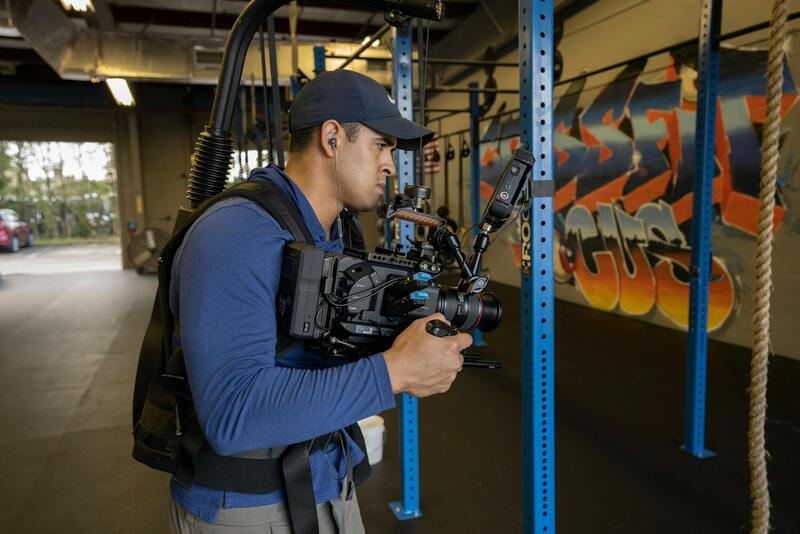
In addition to security, technical reliability is a cornerstone for successful live broadcasts. Leading providers often have redundancy systems in place, including multiple servers and backup internet connections, to mitigate risks associated with technical failures. Continuous monitoring tools track the stream’s health, alerting technical teams to potential issues before they impact the viewer experience. This proactive approach minimizes disruptions and maintains the professionalism of the broadcast.
Implementing Content Rights and Privacy Measures
Handling corporate content responsibly involves managing intellectual property rights and privacy considerations. Before broadcasting, companies should verify they have the necessary permissions for all multimedia elements included in the stream, such as videos, music, or proprietary visuals. Clear internal policies should be established to ensure that sensitive information or strategic discussions are shielded from unintended audiences.
Securing viewer data is equally important. Streaming services that comply with data privacy standards use encrypted login procedures and restrict access to authorized personnel only. This approach protects attendee information and proprietary content from unauthorized access or data breaches.
Preparing for Possible Technical Challenges
Despite meticulous planning, technical issues can arise during live streaming. Employing a dedicated technical support team and incorporating contingency plans are vital steps. These plans might include pre-recorded backups, alternative streaming URLs, and quick-response troubleshooting protocols. Additionally, pre-broadcast testing ensures that all equipment and network configurations are functioning optimally, reducing the risk of unforeseen glitches.
Ensuring Content Quality and Security in Corporate Live Broadcasts
Maintaining high standards for content quality and security is essential when broadcasting corporate events. This involves utilizing secure, authenticated streaming channels that prevent unauthorized access and protect sensitive information. Platforms that implement encryption protocols for data transmission help safeguard confidential company content from interception or misuse.
Moreover, high-definition video and clear audio delivery are critical for a professional presentation. Investing in premium streaming equipment, including high-resolution cameras, professional audio gear, and reliable internet connectivity, guarantees broadcast clarity and minimizes disruptions. Regular maintenance and equipment testing prior to events are crucial steps to achieve seamless streaming experiences.

Another vital aspect is the implementation of identity verification and access control measures. Utilizing secure login portals and password protection ensures that only authorized personnel, guests, and attendees can access the stream. Additionally, two-factor authentication can add an extra layer of security, further protecting the content and the audience from potential breaches.
Utilizing Official Streaming Platforms and Technologies
Official, proven streaming platforms provide a dependable foundation for live broadcasts. These platforms typically offer robust security features, scalability, and support for various streaming formats, making them suitable for corporate needs. They often include functionalities such as multi-device compatibility, real-time analytics, and integrated chat options that foster attendee engagement.
Choosing compliant streaming technologies that adhere to industry standards ensures consistent quality and security. For instance, platforms that support HLS (HTTP Live Streaming) and DASH (Dynamic Adaptive Streaming over HTTP) enable adaptive bitrate streaming, which adjusts video quality based on the viewer’s internet speed—delivering uninterrupted viewing experiences.
Managing Content Rights and Compliance
Robust management of content rights is fundamental in live corporate broadcasting. This involves verifying that all multimedia elements—such as videos, music, and visuals—are licensed or owned by the organization, preventing any copyright disputes. Properly marking and categorizing content ensures that it aligns with broadcasting policies and legal frameworks.
Additionally, organizations should establish clear privacy policies that define who can access live streams and how data is handled. Communicating these policies transparently to viewers helps foster trust and demonstrates a commitment to responsible content management.
Implementing Disaster Recovery and Redundancy Plans
No matter how meticulous the planning, technical failures can occur. To mitigate potential issues, organizations should develop comprehensive disaster recovery plans. These include having backup streaming sources, redundant internet connections, and pre-recorded content ready as contingency options.
Employing multiple content delivery network (CDN) providers can also distribute streaming loads effectively, reducing the risk of server overload or outages. Regular drills and system evaluations help ensure the team is prepared to respond swiftly to any technical challenges that might arise during a live corporate event.