
Understanding Video Streaming Production
Video streaming production is a specialized process that transforms live or recorded content into seamless digital broadcasts accessible across various online platforms. This process encompasses a series of meticulously planned and executed steps designed to deliver high-quality visual experiences to viewers in real-time. In the vibrant Miami media scene, agencies leverage advanced techniques and top-tier equipment to meet diverse client needs, from live event coverage to corporate webinars and entertainment premieres.
At its core, video streaming production involves several core components that work harmoniously to ensure optimal delivery. These include detailed planning, sophisticated technical setups, and a profound understanding of the unique challenges posed by Miami’s dynamic network environments. The process begins with comprehensive pre-production preparations, where content objectives, audience reach, and technical parameters are clearly defined. This planning phase guarantees that the resulting stream aligns with client expectations while maintaining professional standards.
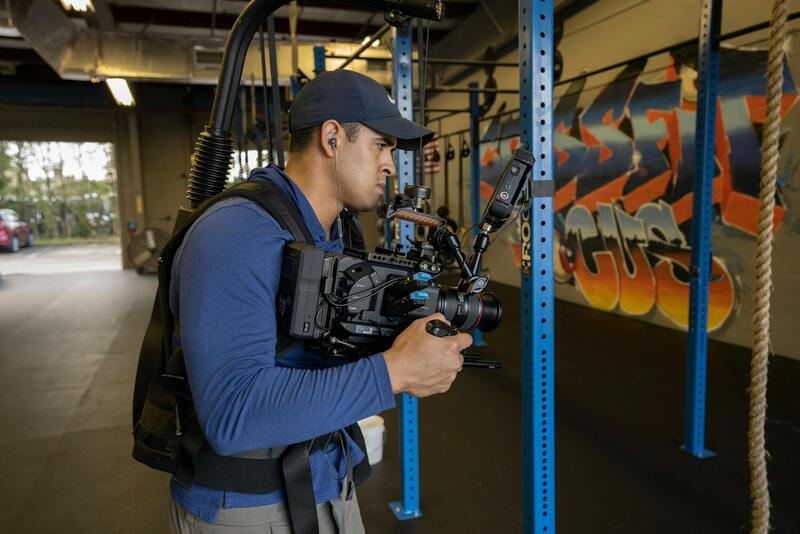
Technical considerations are especially critical in Miami, where the diverse geographic and network landscape requires tailored solutions. Local agencies often integrate high-capacity servers, reliable broadcasting hardware, and resilient network pathways to mitigate latency and buffering issues. The use of cloud-based streaming platforms and Content Delivery Networks (CDNs) ensures that content reaches a broad, global audience without interruption. This infrastructure supports not only live streaming events but also on-demand content, creating versatile options for clients seeking comprehensive digital engagement.
Moreover, Miami’s vibrant culture and business environment demand customizable solutions that adapt to various formats, including live sports, concert broadcasts, corporate webinars, and religious events. Skilled professionals in the region understand these nuances, emphasizing stability, image clarity, and audio fidelity throughout the production chain. As a result, Miami-based video streaming services stand out by combining technical expertise with an acute awareness of regional requirements, delivering professional-grade results consistently.
Efficient video streaming production relies on the unification of multiple disciplines: from camera operation and audio engineering to encoding and transmission. Streamlining these elements ensures a smooth viewing experience, minimizes technical disruptions, and maximizes viewer engagement. The careful coordination during this initial phase lays the groundwork for a successful broadcast, making it a pivotal aspect of contemporary media production strategies in Miami’s competitive market.
Essential Equipment and Technology
Executing high-quality video streaming production necessitates a comprehensive suite of advanced hardware and software tools tailored to meet the demanding standards of professional live broadcasting and on-demand content delivery. Miami-based production companies prioritize equipment that ensures seamless operation, resilient performance, and superior image and sound quality, reflecting the city’s dynamic media landscape.

Core Hardware Components
- Professional Cameras: Utilization of 4K UHD cameras with high dynamic range (HDR) capabilities ensures crisp visuals, capturing the vibrancy of Miami’s lively environments and events.
- Audio Equipment: High-fidelity microphones, mixers, and wireless systems are essential for capturing clear audio, whether during outdoor events or in-studio recordings.
- Encoding Devices: Hardware encoders convert high-quality video signals into streaming compatible formats, facilitating efficient transmission over networks.
- Switchers and Monitors: Video switchers enable seamless mixing of multiple sources in real-time, while professional monitors allow technicians to oversee production quality continuously.
- Reliable Networking Hardware: Routers, switches, and load balancers are configured for optimized bandwidth management and failover capabilities.
Software Solutions and Platform Integration
- Encoding Software: Advanced encoding platforms like OBS Studio, Wirecast, or vMix facilitate live streaming with customizable overlays, picture-in-picture, and multi-guest arrangements.
- Content Management Systems: Robust platforms enable efficient scheduling, content categorization, and viewer analytics to enhance audience engagement.
- Monitoring and Analytics Tools: Software tools monitor stream health, latency, and bandwidth usage in real-time, allowing operators to swiftly address issues before viewers are affected.
Supporting Technologies
- Backup Power Supplies: Uninterruptible power supplies (UPS) provide resilience during power fluctuations, maintaining system stability in Miami’s active venues.
- Green Screens and Lighting: Proper lighting setups and chroma key technology elevate production quality, especially for virtual backgrounds and thematic visuals.
- Stream Recording and Archiving Hardware: Dedicated capture devices record raw footage for post-event editing, compliance, and archival purposes.
Adopting state-of-the-art equipment tailored to the specific demands of each event ensures that Miami video streaming production maintains a competitive edge by delivering professional-grade content with exceptional clarity, stability, and viewer experience.

Optimizing Network Infrastructure and Bandwidth for Seamless Streaming
Establishing a robust network infrastructure is fundamental to delivering high-quality video streams in Miami's dynamic event environments. Effective bandwidth management ensures that streams remain stable and free of interruptions regardless of viewer volume or network fluctuations. This involves deploying dedicated fiber-optic connections where possible, which provide the necessary speed and low latency essential for live broadcasting. Utilizing load balancers across multiple internet service providers (ISPs) allows seamless switching in case of service disruptions, maintaining uninterrupted streams. It is also critical to implement network segmentation, isolating streaming traffic from other online activities to prevent congestion and packet loss.
Additionally, quality of service (QoS) configurations prioritize streaming data packets, reducing latency and improving overall stream stability. Monitoring tools capable of real-time analytics help operators identify potential issues such as bandwidth bottlenecks or jitter, allowing preemptive adjustments that ensure consistent viewer experiences. The deployment of content delivery networks (CDNs) further enhances streaming reliability, especially for large-scale audiences, by distributing content closer to viewers geographically.
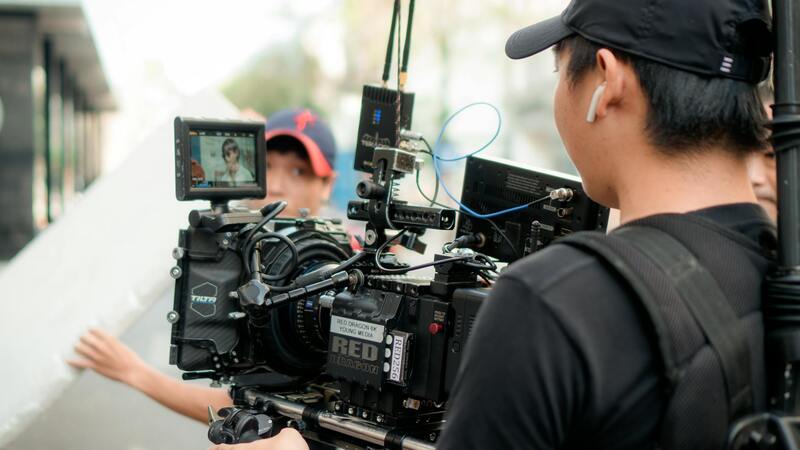
Implementing these strategic network approaches, tailored to the specific demands of Miami's diverse locations—from high-rise conference centers to outdoor festivals—ensures that each streaming event benefits from minimal latency, optimal picture quality, and a resilient broadcast architecture. This technical foundation is vital for producing professional-grade content that aligns with audience expectations and operational reliability.
Network Infrastructure and Bandwidth Management
Effective network infrastructure forms the backbone of any successful video streaming production. To ensure a seamless broadcast, it is essential to select high-capacity internet connections capable of handling large data throughput with minimal latency. Fiber optic connections are often preferred due to their stability and high speed, especially for live streaming scenarios where real-time data transmission is vital.
Bandwidth management strategies are crucial for maintaining stream quality during high-traffic periods or unexpected fluctuations in viewer numbers. Implementing dedicated bandwidth pipelines for streaming traffic prevents congestion caused by other online activities within the venue or production site. Some facilities utilize bandwidth aggregation, combining multiple internet connections to increase available capacity and provide redundancy.
Quality of Service (QoS) configurations play a key role in prioritizing streaming data packets over less critical network traffic. By assigning higher priority to video data, performance issues like packet loss and jitter are minimized, resulting in clearer images and more stable streams for viewers. Additionally, deploying network switches with QoS capabilities ensures that video streams receive the necessary bandwidth even during busy network conditions.
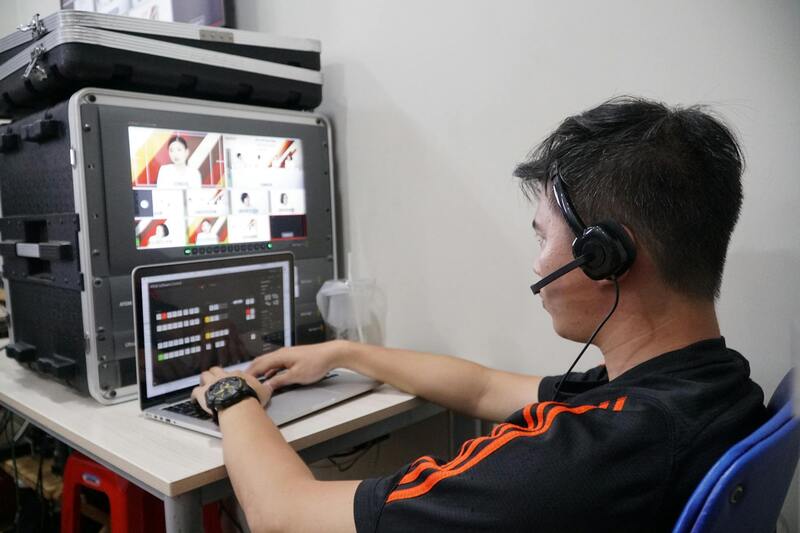
Using content delivery networks (CDNs) is another strategic approach, especially for reaching a geographically dispersed audience. CDNs distribute streaming content across multiple servers around the world, reducing latency and buffering times. For large-scale events, this distribution ensures viewers experience high-quality streaming regardless of their location, while alleviating the burden on the primary broadcasting server.
Constant monitoring of network performance through analytics tools helps identify potential issues before they impact the audience. Real-time dashboards provide insights into bandwidth utilization, packet loss, and latency, enabling proactive adjustments. This comprehensive network approach guarantees high availability and optimal stream quality across various venues and environments within Miami.
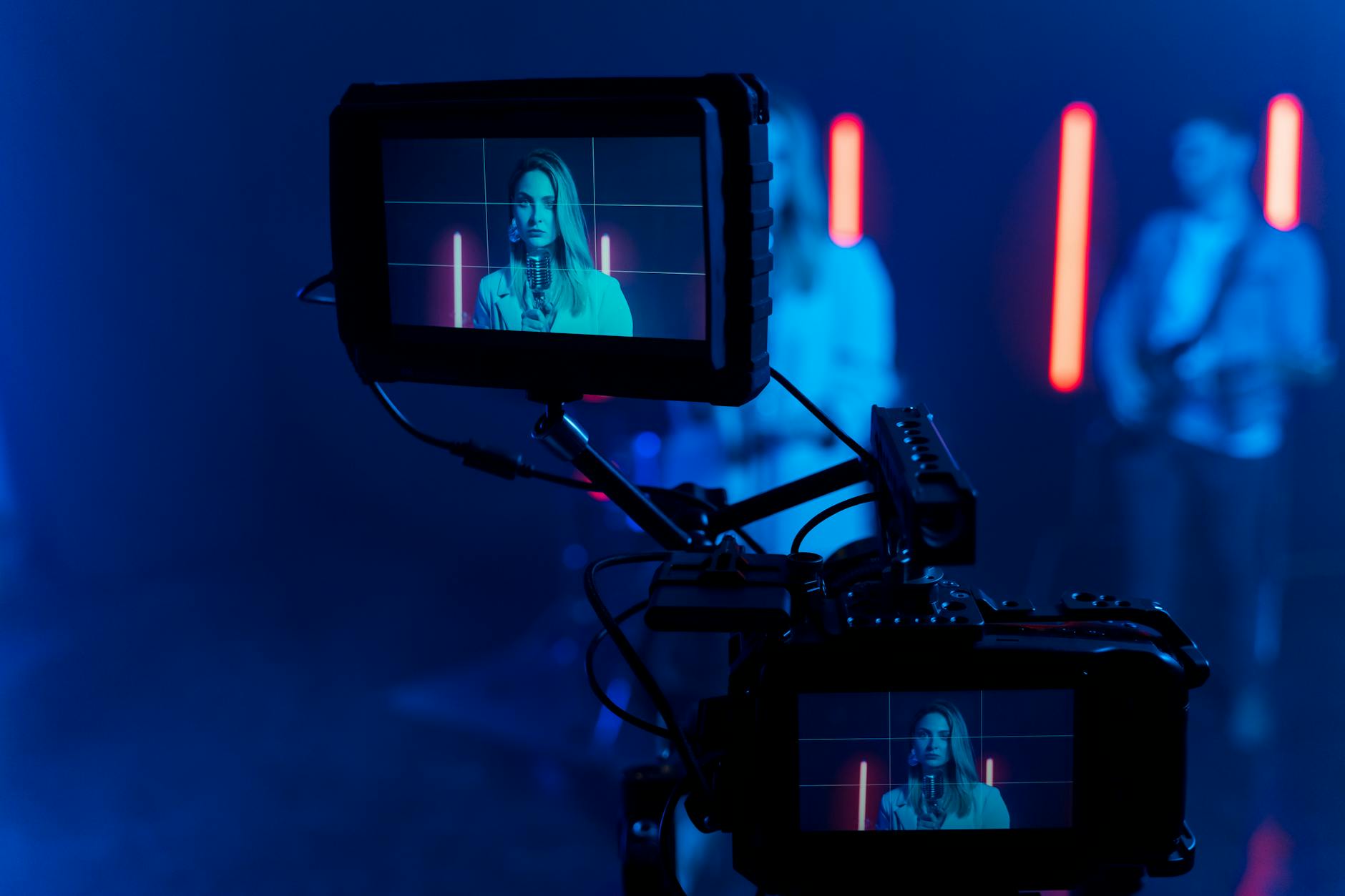
In densely populated or high-traffic venues like Miami’s convention centers and outdoor event spaces, resilient network deployment strategies are especially important. Implementing redundancies, such as multiple ISPs and failover systems, ensures that live streams remain uninterrupted despite potential network disruptions. Careful planning and integration of these network components are fundamental to delivering consistently professional streaming experiences that meet the expectations of demanding audiences and clients alike.
Understanding Video Streaming Production
Video streaming production demands meticulous attention to detail and rigorous planning to ensure a seamless viewer experience. From initial concept development to live execution, every stage requires precise coordination of technical resources, creative input, and logistical arrangements. Effective production begins with defining the scope and objectives of the streamed event, considering the target audience, platform requirements, and anticipated engagement levels. The production team must select appropriate formats aligned with the audience’s viewing habits across devices, ensuring compatibility and optimal playback quality.
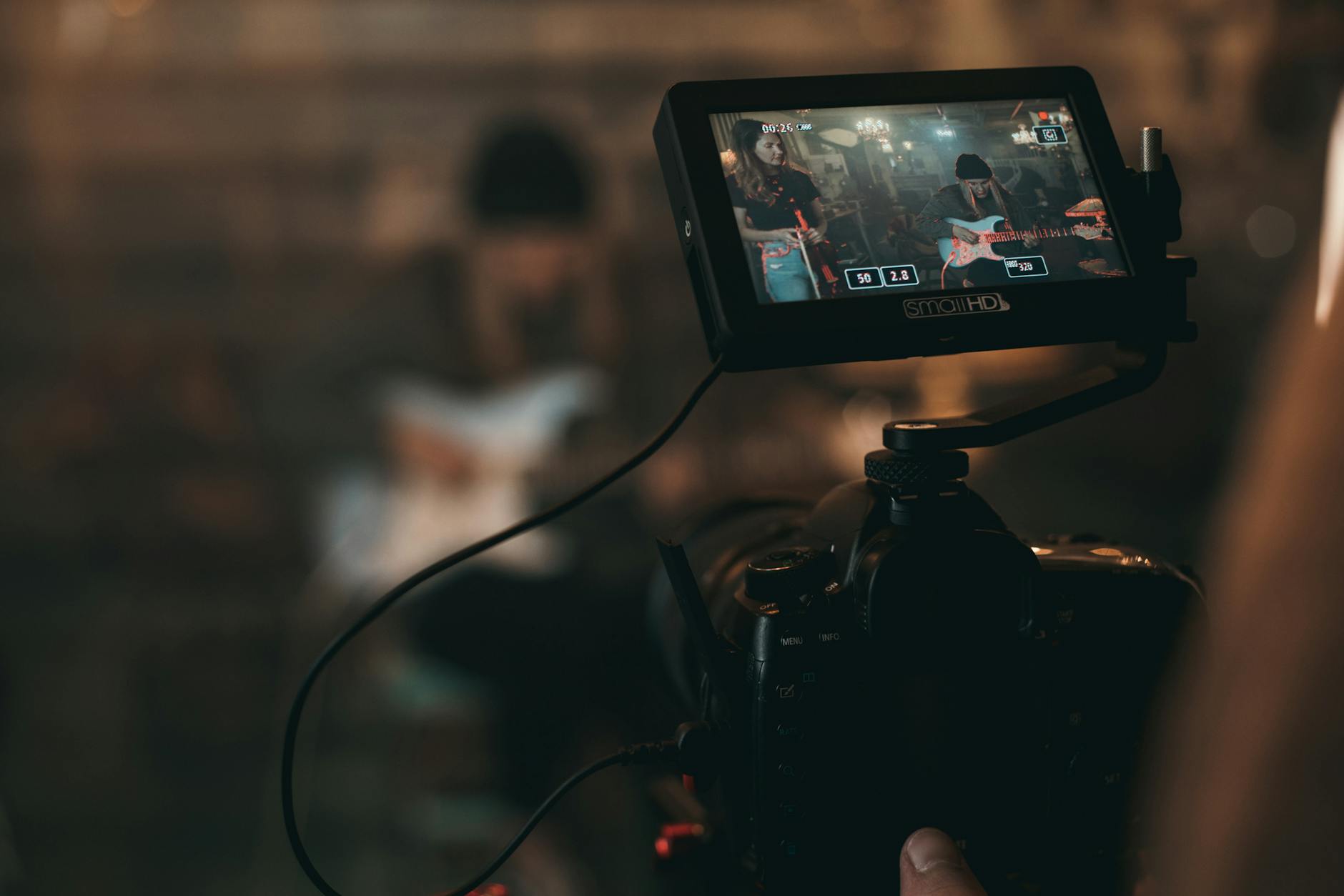
Stage-wise Approach to Video Streaming Production
Pre-Event Preparation
Successful streaming hinges on thorough pre-production planning. This includes scouting and confirming venue suitability, assessing ambient lighting and acoustic conditions, and establishing power sources for all equipment. Clear scheduling and coordinated communication with all key personnel — including camera operators, sound technicians, and on-air talent — set the foundation for a smooth operation. Equipment checks, test runs, and contingency planning are critical to preempt potential technical issues that could compromise the stream.
Setup and Technical Configuration
Deploying high-quality cameras, encoders, audio mixers, and streaming servers is vital for capturing and transmitting content effectively. Multi-camera setups provide dynamic coverage, while professional audio ensures clarity and immersion. Encoders convert raw footage into digital streams optimized for online delivery, often utilizing adaptive bitrate technology that adjusts quality based on network conditions. Proper placement of cameras to cover key visuals and maintaining lighting consistency directly influence production values and viewer engagement.
Stream Deployment and Monitoring
Once live, continuous monitoring through real-time analytics tools is essential to identify and rectify any anomalies immediately. Network health, stream stability, and viewer feedback should guide real-time adjustments. Implementing redundant systems like backup encoders and multiple internet connections enhances resilience against disruptions. Managing latency and buffering ensures a smooth viewing experience, especially for interactive or multi-angle feeds.

Conclusion
Executing professional video streaming production requires a strategic blend of advanced technology, thorough planning, and adaptive management. From the initial stages of concept development to real-time adjustments during the broadcast, each component plays a crucial role in delivering content that meets audience expectations. Leveraging sophisticated equipment, ensuring comprehensive network infrastructure, and maintaining a disciplined workflow are fundamental in producing high-caliber streamed events in Miami's vibrant environment.
Understanding Video Streaming Production
Effective video streaming production is rooted in a comprehensive understanding of the intricate processes involved, from the initial planning stages to the final broadcast. It involves a convergence of technical expertise, creative vision, and meticulous execution. The goal is to deliver seamless, high-quality live or on-demand content that engages viewers while maintaining consistent broadcast standards.
Core Components of Video Streaming Production
- Content Development: Define the core message, storyboard, and visual narrative for the event. This lays the foundation for all subsequent technical setups and operational workflows.
- Technical Setup: Selection and configuration of equipment like cameras, audio systems, encoders, and streaming platforms tailored to the scale and scope of the project.
- Execution & Live Monitoring: Managing cameras, audio, and video feeds in real-time, ensuring synchronization, quality control, and swift response to any unforeseen issues during the broadcast.
- Post-Stream Processing: Editing raw footage, integrating graphics or overlays, and preparing content for on-demand access or future use.
Choosing the Right Production Workflow
Producing high-quality streams requires a well-structured workflow that balances efficiency with flexibility. Typically, it involves a combination of pre-production preparations, real-time operational management, and post-broadcast refinement. Effective workflows incorporate robust communication channels among production team members, predefined contingency plans, and synchronized scheduling that aligns with event timelines.

Importance of Skilled Personnel
Behind every successful video stream is a team of knowledgeable professionals skilled in various roles—directors, camera operators, audio engineers, and technicians. Their experience ensures that each element functions smoothly, adhering to production standards and technical specifications. Teams often undergo rigorous training to familiarize themselves with the latest equipment and streaming protocols, thus maintaining high standards of service delivery.
Ensuring Content Accessibility and Engagement
Utilizing multi-platform streaming capabilities broadens audience reach and enhances engagement. This involves implementing adaptive bitrate streaming to cater to diverse network conditions and ensuring the content is accessible to viewers with disabilities by complying with best practices in captioning and audio descriptions. Incorporating interactive elements, such as live chats or Q&A sessions, can further improve viewer participation and satisfaction.

Optimizing Quality and Reliability
Quality assurance in video streaming production is achieved through rigorous testing of equipment and network configurations before going live. Redundant systems, such as backup encoders and secondary internet links, are vital for maintaining stability. Regular performance assessments and real-time diagnostics help identify potential issues early, minimizing downtime or degraded viewing experiences. Strategic placement of cameras and lighting directly influences the professionalism and visual clarity of the stream, making these considerations fundamental to production success.
Understanding Video Streaming Production
Video streaming production involves a comprehensive process that transforms recorded or live footage into a digital format suitable for real-time or on-demand delivery across various online platforms. This process encompasses multiple stages, including planning, filming, editing, encoding, and broadcasting, all tailored to deliver high-quality content to targeted audiences. Effective production begins with precise coordination of crews, equipment, and technical workflows to meet the specific demands of the event or content. As technology advances, the scope of video streaming production has expanded, incorporating innovations that enhance viewer engagement, reduce latency, and improve overall broadcast stability.
Essential Equipment and Technology
To achieve professional-grade streaming results, a range of specialized equipment is instrumental. High-definition cameras form the backbone of any production, capturing crisp visuals that attract viewer attention. Multiple camera setups allow for dynamic shot selection and immersive perspectives. Video switchers enable seamless transitions between scenes, while audio mixers ensure sound clarity and balance. Encoders convert raw video feeds into streaming-compatible formats, often utilizing hardware or software solutions optimized for live transmission. Reliable streaming software manages broadcast schedules, overlays, and real-time graphics, enhancing production quality and viewer experience.

An integral component is the robust network infrastructure. High-speed fiber optic internet connections provide the necessary bandwidth for stable streams, especially during high-definition broadcasts. Redundant internet links and backup systems are crucial for avoiding disruptions and maintaining continuity during critical moments. Additional equipment like lighting kits, wireless microphones, and monitors contribute to the overall quality, ensuring that visuals are clear and audio is pristine.
Pre-Production Planning for Streaming Events
Preparation is key to the success of any streamed event. This phase involves comprehensive planning, including defining the objectives, identifying the target audience, and selecting the appropriate platforms for distribution. Content creation teams develop scripts, storyboards, and shot lists to guide the filming process. Technical assessments are conducted to verify equipment functionality and network adequacy. Venue logistics are also coordinated, ensuring adequate power supplies, lighting arrangements, and camera placements. Proper pre-production planning minimizes surprises and ensures a smooth broadcast execution.
Production Process and Execution
During the live event, real-time coordination between camera operators, directors, and technical staff ensures that the content flows seamlessly. Video feeds are monitored continually for quality, with adjustments made on the fly to address lighting issues or audio discrepancies. The director’s role is pivotal in selecting camera angles and managing transitions, ensuring that the visual narrative remains engaging. Real-time feedback mechanisms allow for immediate corrections if technical difficulties arise, maintaining a high standard of viewing experience.

The use of multi-camera setups, along with graphics overlays and live editing, facilitates a professional presentation. Additionally, recorders are employed to capture streams for post-event use, providing valuable content for future marketing or archive purposes. Proper communication tools such as headsets and intercom systems enable synchronized operation among crew members, which is vital for timely transitions and seamless broadcast flow.
Network Infrastructure and Bandwidth Management
A reliable network infrastructure is the backbone of successful video streaming production. Managing bandwidth efficiently involves continuous monitoring of network load and adjusting encoding bitrates to suit available capacity. Adaptive bitrate streaming techniques automatically optimize video quality based on viewers’ network conditions, reducing buffering and latency issues. Quality of Service (QoS) settings on routers prioritize streaming data, ensuring that live feeds receive dedicated bandwidth, especially during peak traffic periods.
Implementing a content delivery network (CDN) further enhances streaming performance by distributing content across geographically dispersed servers. This minimizes latency and reduces the load on the primary network connection. Regular testing and stress simulations are essential to anticipate potential bottlenecks or failures, allowing technical teams to implement contingency plans proactively.
Post-Production and Archive Management
Following a live broadcast, the raw footage is meticulously edited, adding graphics, captions, and other enhancements to produce a polished final version. Editing software allows for precise trimming, color correction, and audio refinement, ensuring the content meets professional standards. This process also involves converting videos into multiple formats optimized for various devices and platforms, facilitating on-demand viewing and archival storage.
Proper archive management is essential for maintaining access to past broadcasts. Organizing files with detailed metadata, such as date, event name, and content description, simplifies retrieval for future use. Secure storage solutions protect these assets from loss or corruption, ensuring the content remains accessible over time. Digital libraries enable content repurposing, enabling clients or production teams to maximize the value of their streamed content through reruns, clips, or marketing campaigns.
Understanding Video Streaming Production
Video streaming production encompasses a comprehensive set of procedures and techniques essential for delivering high-quality live and on-demand video content to viewers across various platforms. This process involves meticulous planning, sophisticated technology, and proficient execution to ensure seamless delivery and engagement. It integrates multiple disciplines, including audio-visual recording, real-time encoding, robust transmission, and effective post-production workflows, to meet the demands of diverse audiences and content types.
Essential Equipment and Technology
At the core of effective video streaming production are professional-grade equipment and cutting-edge technology. High-definition cameras capable of capturing intricate details and dynamic movements form the foundation of visual content. Video switchers enable seamless transitions between multiple camera feeds, allowing for live editing and fluid visual storytelling. Audio mixers, microphones, and wireless systems ensure crystal-clear sound, which is vital for maintaining viewer engagement.
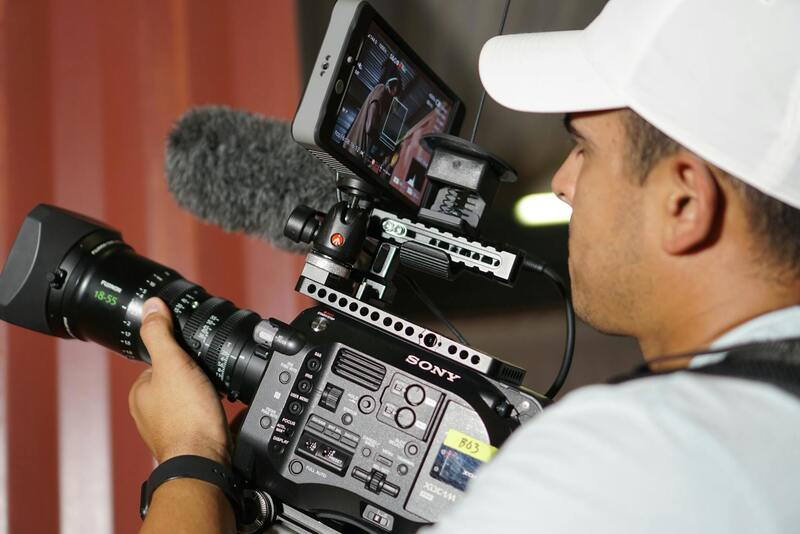
Encoding hardware and software convert raw footage into compressed formats compatible with streaming platforms. These tools optimize video quality while minimizing data size, facilitating smooth playback even on bandwidth-limited networks. Delivery infrastructure, including content delivery networks (CDNs), ensures rapid and reliable distribution of streams to diverse geographic locations, reducing latency and buffering issues. The implementation of backup power supplies and redundant systems guarantees uninterrupted operation during critical streaming events.
Pre-Production Planning for Streaming Events
Meticulous pre-production planning is crucial to delivering successful streaming events. This phase involves detailed scheduling, content scripting, and technical rehearsals to identify potential issues before going live. Coordinating camera angles, graphics, overlays, and remote feeds ensures a cohesive presentation. Additionally, securing appropriate licenses for copyrighted content, designing branding elements, and establishing clear communication channels among team members contribute significantly to a streamlined workflow.
Production Process and Execution
The production phase demands real-time coordination of video and audio feeds, ensuring they are synchronized and of optimal quality. Live directing decisions control camera switches, graphics overlays, and audio levels to craft a visually appealing broadcast. Technical teams monitor streams continuously, overseeing bandwidth usage, server performance, and device health. Remote production setups enable producers and editors to oversee the event from different locations, offering flexibility without compromising quality.
Network Infrastructure and Bandwidth Management
Robust network infrastructure is foundational to maintaining stream stability. Dedicated internet connections with symmetrical upload and download speeds facilitate consistent data flow. Implementing network redundancy, such as dual internet service providers, adds resilience against outages. Advanced bandwidth management techniques, including adaptive bitrate streaming, adjust video quality in real time based on viewer connection speeds, preventing interruptions. Regular testing of network performance and capacity planning ensures preparedness for even peak traffic periods.
Post-Production and Archive Management
After a live event, footage undergoes comprehensive editing to refine content, incorporate graphics, and add captions. Using professional editing software, editors can trim segments, correct colors, and enhance audio clarity to produce polished final versions suitable for various platforms. Multiple formats are generated for on-demand streaming across devices, maximizing reach and accessibility. Careful archive management involving organized digital libraries, detailed metadata, and secure storage solutions ensures long-term access and easy retrieval of past broadcasts for future use, reuse, or marketing efforts.

Legal and Compliance Considerations
Adhering to content rights and broadcasting standards is a fundamental aspect of credible video streaming production. This involves verifying licensing agreements for music, visuals, and third-party content, as well as ensuring compliance with platform-specific guidelines. Enforcing privacy policies and securing viewer data through encryption and secure login protocols safeguard user information. Additionally, maintaining transparent content disclaimers and age restrictions aligns with responsible content management practices, contributing to a trustworthy streaming environment.