
Understanding the Role of a Live Stream Company
In today's digital age, live streaming has become an essential tool for reaching audiences across various industries, including corporate events, entertainment, education, and religious gatherings. A live stream company specializes in delivering real-time video content over the internet, ensuring that viewers experience seamless and high-quality broadcasts regardless of their geographical location. These companies are equipped with advanced technology and expertise to manage every aspect of live transmission, from equipment setup to post-event analytics.
In Miami, a city renowned for its vibrant cultural scene and bustling business environment, the demand for professional live streaming services continues to grow. Whether it's broadcasting a high-profile conference, a music festival, or a religious service, a live stream company plays a pivotal role in amplifying the reach and engagement of events. Their services are integral to maintaining professional standards, minimizing technical disruptions, and delivering content that resonates with viewers. The importance lies not only in expanding audience participation but also in enhancing branding opportunities and audience interaction.
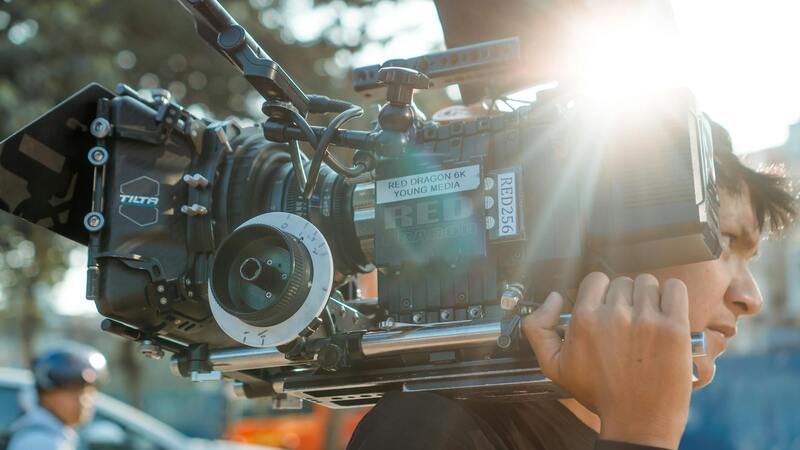
Furthermore, as digital content consumption continues to rise, businesses and organizations recognize the value of live streaming as a strategic communication channel. It allows for real-time engagement, immediate feedback, and the ability to adapt content delivery on the fly. These capabilities underline the crucial position that live stream companies hold in contemporary content dissemination, especially within a dynamic marketplace like Miami.
Key Services Offered by Live Stream Companies
Leading live stream providers in Miami offer a wide array of services tailored to meet diverse client needs. These include:
- Pre-Production Planning: Coordinating technical requirements, content scheduling, and access considerations to ensure smooth execution.
- Technical Setup and Equipment: Deploying cameras, audio systems, and streaming hardware optimized for the event size and format.
- Live Transmission: Managing the broadcasting process with real-time monitoring, troubleshooting, and quality control.
- Multi-Platform Streaming: Distributing content across various platforms such as social media, websites, and dedicated streaming services.
- Post-Event Services: Providing recorded footage, analytics, and audience engagement metrics to assess success and improve future streams.
Factors to Consider When Choosing a Live Stream Provider
Selecting the right live stream company requires careful evaluation of several key factors:
- Technical Expertise: Experience in handling different event sizes and formats ensures a smooth broadcast.
- Equipment Quality: Up-to-date, professional-grade technology guarantees high-resolution, stable streams.
- Reliability and Support: 24/7 customer support and contingency planning minimize risks during live events.
- Customization Options: Ability to tailor streaming solutions to meet specific branding and content requirements.
- Reputation and References: Proven track record and client feedback reflect the company's credibility and service quality.
Benefits of Working with a Miami-Based Live Stream Company
Partnering with a local provider offers distinct advantages tailored to Miami's unique environment. Local companies possess an in-depth understanding of regional broadcast infrastructure and specific event logistics. They are often more agile in responding to last-minute changes and can provide on-site support more efficiently. Moreover, familiarity with Miami's diverse audience and cultural nuances allows these providers to customize content delivery for maximum engagement and impact within the community. This proximity facilitates better communication, quicker setup times, and a more personalized service experience overall.
Integration of Live Streaming with Event Production
Seamless integration between live streaming services and event production enhances overall event impact and audience engagement. A comprehensive approach involves synchronizing audiovisual elements, stage setups, and digital broadcast components to create a unified experience for both onsite attendees and remote viewers.
Effective integration begins with meticulous planning where the live stream company collaborates closely with event organizers to understand the event's objectives, branding, and technical requirements. This planning includes determining camera angles, audio setup, and overlay graphics that align with the event’s theme and messaging. When executed properly, this coordination ensures that every visual and auditory element complements the live broadcast, providing a polished and professional presentation.
Furthermore, live stream companies typically utilize specialized production equipment such as multi-camera switchers, professional microphones, and real-time graphics to enhance visual appeal and clarity. Incorporating streaming technology directly into the event's production workflow allows for minimal latency and high-quality transmission, ensuring viewers receive uninterrupted, high-definition content.
Another essential aspect of integration involves stage management and technical oversight during the event. Skilled production crews coordinate with onsite personnel to ensure camera feeds, audio levels, and graphic overlays are synchronized perfectly. This coordination minimizes technical hiccups and maximizes the viewer experience, leading to higher engagement and professional presentation standards.
Critical to successful integration is contingency planning for potential technical disruptions. Live stream companies establish backup systems, such as redundant internet connections and backup equipment, to safeguard against unexpected failures. This proactive approach ensures continuity and preserves the event’s professionalism, which is vital for high-profile or corporate events where image and reliability are paramount.
By combining technical expertise, advanced equipment, and strategic planning, live stream companies are capable of delivering an integrated event experience that elevates the overall production value, engages global audiences, and adds measurable value to the live event.
Understanding the role of a live stream company
Choosing a dedicated live stream company is essential for orchestrating successful virtual broadcasts, especially for large-scale events, corporate presentations, or cultural festivals. A professional live stream provider acts as the technical backbone of the event, managing everything from camera operations to streaming infrastructure, ensuring that your content reaches audiences seamlessly across various platforms.
These companies operate with a comprehensive approach that encompasses pre-production planning, technical setup, on-site execution, and post-event analysis. They work closely with event organizers to understand specific goals, audience expectations, and content requirements, tailoring their services accordingly. The core responsibility of a live stream company is to deliver high-quality, real-time video content that aligns with the event’s branding and messaging standards.
Beyond simply broadcasting, a skilled live stream provider ensures the integration of multiple technical components such as audio-visual equipment, graphic overlays, audience interaction tools, and security measures. They also coordinate with event staff and performers to facilitate smooth transitions and rapid response to any unforeseen technical challenges, maintaining the flow of the event without interruption.
In addition to technical expertise, live stream companies emphasize strategic planning, often incorporating contingency protocols. Backup internet connections, redundant hardware, and real-time troubleshooting are critical elements that prevent disruptions, especially during high-stakes broadcasts. This comprehensive oversight guarantees the presentation’s professionalism and preserves the event’s integrity, regardless of external variables.
Key services offered by live stream companies
- Pre-production consulting: Establishes the event’s streaming goals, technical requirements, and scheduling.
- Production management: Handles all facets of live coverage, including camera work, audio mixing, and directing.
- Technical setup and equipment: Ensures the deployment of high-quality cameras, microphones, streaming hardware, and software tools.
- Multi-platform streaming: Broadcasts content simultaneously across various channels such as social media, websites, and dedicated apps.
- Post-broadcast analytics: Provides insights into viewer engagement, technical performance, and audience demographics.
- Interactive features: Incorporates chat, polls, and Q&A to foster live audience participation.
By leveraging these services, live stream companies contribute not only to the technical success but also to the overall engagement and reach of an event, ensuring a positive experience for both organizers and viewers.
Integration of Live Streaming with Event Production
Seamless integration of live streaming into event production workflows enhances the overall quality and professionalism of the broadcast. This process involves meticulous coordination between technical teams and event organizers to align visual elements, audio quality, and on-site logistics. Effective integration ensures that live streaming complements all aspects of the event, from staging and lighting to audience interaction.
In practice, this can mean pre-arranging camera angles that focus on key moments, synchronizing graphics and overlays with live commentary, and managing real-time communication amongst production teams. By embedding live streaming directly into the event's framework, organizers can deliver a cohesive experience that maximizes viewer engagement and minimizes technical disruptions.

Additionally, coordination extends to rehearsal sessions, where potential issues are identified and resolved ahead of the actual broadcast. Incorporating contingency measures such as backup feeds and auxiliary equipment further safeguards the flow of the event. Integrating live streaming into event planning not only elevates the event’s professionalism but also enhances audience reach and interaction, creating memorable digital experiences for viewers across various platforms.
Technology and Equipment Used by Live Stream Companies
To deliver high-caliber live streaming services, companies deploy an array of advanced technological tools. High-definition cameras, professional audio gear, and reliable encoding hardware form the backbone of a quality broadcast. These devices are strategically placed to capture multiple angles and ensure audio clarity, whether through directional microphones or wireless setups.
Streaming hardware such as hardware encoders or software-based solutions convert raw video signals into internet-compatible formats. These are connected to robust internet sources, often with backup connections, to guarantee uninterrupted broadcast quality. The use of multi-platform streaming software allows simultaneous broadcasting across various channels, including social media, dedicated websites, and mobile apps.

In addition to core hardware, live stream companies leverage sophisticated software tools for real-time editing, graphics integration, and audience engagement features like live chat and polls. These technological solutions enable dynamic and interactive broadcasts that resonate with viewers and provide event organizers with valuable analytics post-broadcast. Emphasizing current technology ensures the delivery of broadcasts that meet high standards of clarity, stability, and viewer interaction.
Cost Considerations and Pricing Models
Understanding the financial aspects of live streaming services involves examining various pricing structures tailored to different needs and event scales. Most companies employ a combination of flat-rate fees, hourly charges, or package deals that include a range of services such as pre-production, technical setup, live management, and post-broadcast analysis.
Factors influencing costs include the complexity of the event, duration, technical requirements, and distribution channels. For instance, a straightforward webinar may incur a lower fee compared to a multi-day conference with multiple cameras and interactive features. Some providers also offer custom quotes based on specific client needs, ensuring transparency and budget alignment.
Additional expenses may stem from advanced features like multi-camera setups, custom graphics, or specialized audience engagement tools. It is advisable for organizers to evaluate the scope of services offered and inquire about flexible pricing options, including potential discounts for recurring events or non-profit organizations. Clear understanding of pricing models facilitates effective budget planning and ensures that event goals are achieved within financial constraints.
Technology and Equipment Used by Live Stream Companies
For professional live streaming, the technology and equipment selected by a provider play a critical role in delivering high-quality broadcasts. Leading live stream companies employ a combination of advanced hardware and software solutions designed to optimize video and audio quality, ensure stability, and facilitate interactive features for viewers.
High-definition cameras are fundamental, with many providers integrating 4K or at least 1080p streaming capabilities to deliver crisp, detailed visuals. Multi-camera setups enable dynamic viewing experiences, allowing switchers to seamlessly transition between different angles, close-ups, or wide shots, depending on event requirements.
Alongside cameras, high-quality audio equipment—including shotgun microphones, lapel mics, and audio mixers—is crucial for capturing clear sound, which is as important as visual clarity. Audio mixers help balance multiple inputs, reducing background noise and ensuring consistent volume levels throughout the broadcast.
To encode and transmit the video feed, live stream companies utilize robust streaming hardware or software encoders. Hardware encoders tend to provide more stability and lower latency, which is essential for real-time interactions. Software encoders, often cloud-based solutions, offer flexibility and ease of use, accommodating various platforms and formats.
Streaming servers and content delivery networks (CDNs) form the backbone of broadcast distribution. CDNs distribute the content across multiple servers worldwide, reducing lag and buffering, especially for global audiences. This infrastructure ensures that viewers experience minimal disruptions regardless of their location.
Other vital technological elements include reliable internet connections with sufficient bandwidth, backup systems to mitigate potential failures, and real-time analytics tools that provide insights into viewer behavior, engagement levels, and stream health. Many providers also incorporate interactive features such as live chat, polling, and social media integration, which depend heavily on integrated software solutions.
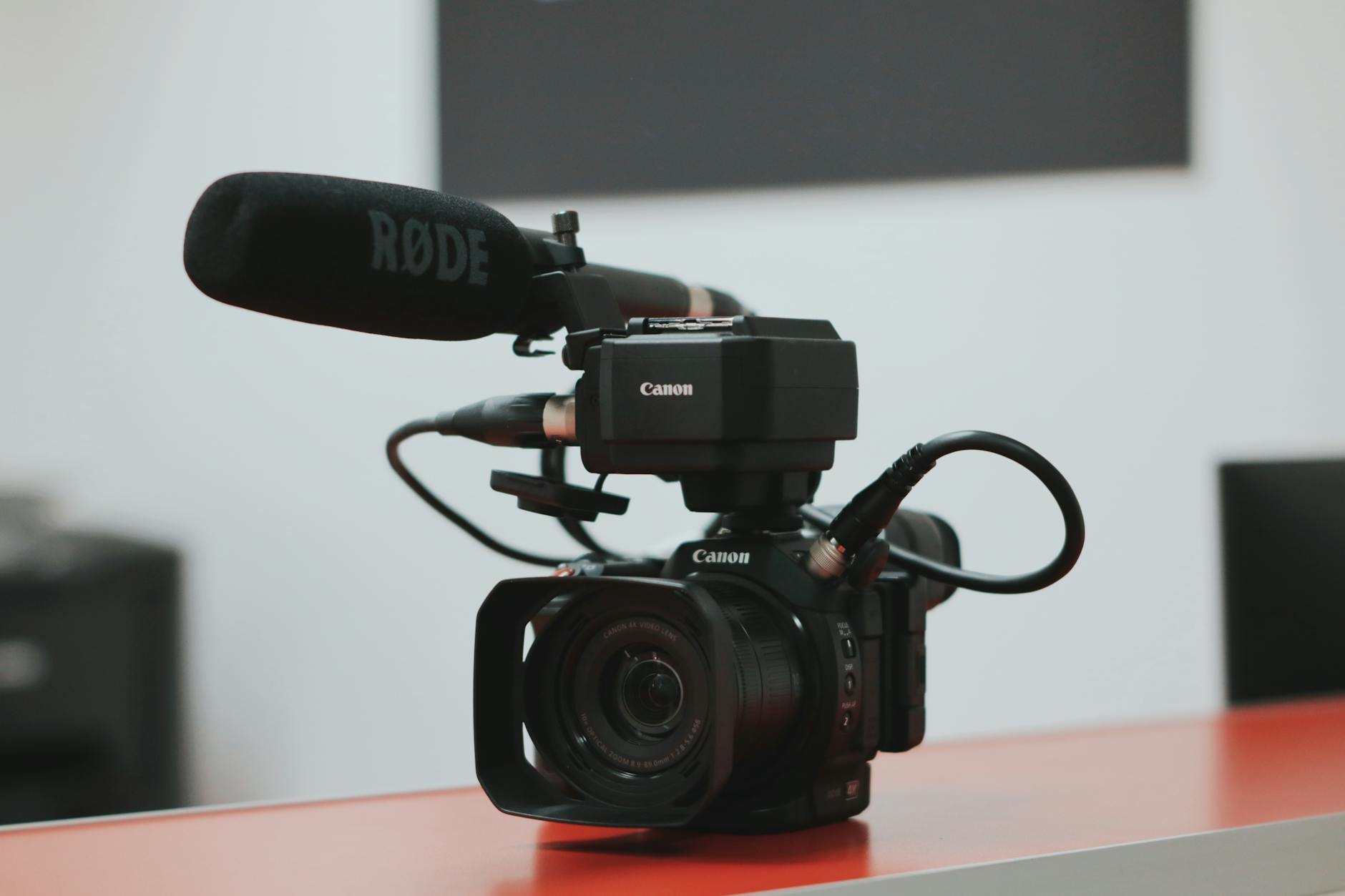
Staying current with technology is integral for live stream companies to maintain a competitive edge, address evolving client needs, and adapt to new broadcasting standards. The combination of top-tier hardware, specialized software, and infrastructure ensures a seamless, engaging viewing experience for audiences.
Understanding the role of a live stream company
In the dynamic world of digital communication, a live stream company acts as a pivotal facilitator, enabling organizations, brands, and event organizers to reach their audiences instantly and interactively. These companies harness advanced technology and expert planning to deliver high-quality, real-time video content across multiple platforms. Their core responsibility is to coordinate every aspect of live broadcasting—from capturing the event with professional-grade equipment to transmitting the signal seamlessly to viewers worldwide. They serve as the backbone of live events, ensuring that the streaming process is smooth, professional, and engaging, regardless of the scale or location.
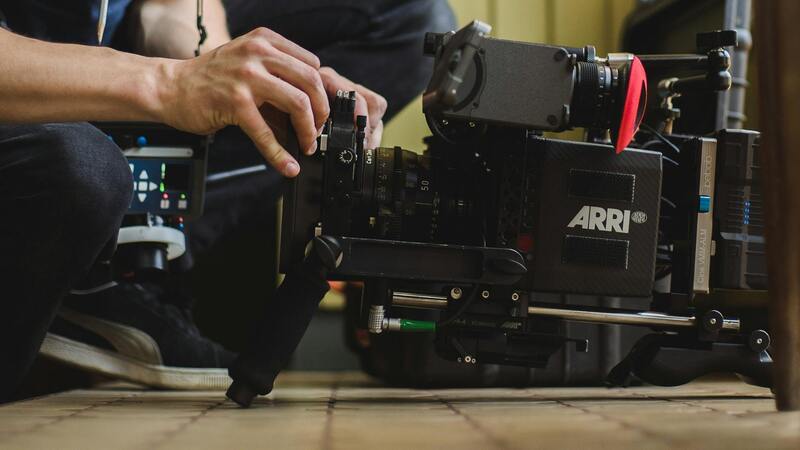
Live stream companies utilize a sophisticated blend of hardware and software solutions to facilitate real-time content delivery. This includes high-definition cameras, hardware or software encoders, streaming servers, and content delivery networks (CDNs). They also handle situational contingencies like bandwidth fluctuations and technical failures by implementing backup systems and redundant connectivity options. The ultimate goal is to provide an authentic, multi-platform experience that keeps viewers engaged and helps hosts effectively communicate their message or showcase their event.
Key services offered by live stream companies
- Event coverage: Streaming conferences, concerts, sports events, and corporate meetings with professional equipment.
- Multi-platform broadcasting: Distributing content across platforms like YouTube, Facebook, Vimeo, and custom websites to maximize reach.
- Real-time interaction: Integrating live chat, polls, and social media feeds to foster viewer engagement.
- Production support: Providing on-site technical expertise, switching, graphics, and overlay integration for a polished broadcast.
- Post-broadcast analytics: Analyzing viewer metrics to refine future content strategies.
Factors to consider when choosing a live stream provider
- Technological capabilities: Ensure the provider uses cutting-edge equipment and reliable infrastructure to guarantee high-quality streams.
- Experience and reputation: Review their portfolio and client testimonials to gauge their proficiency and professionalism.
- Customer support: Availability of technical support before, during, and after the event.
- Customization options: Flexibility to tailor the stream to specific branding, content, or technical requirements.
- Pricing structure: Clear, transparent pricing models aligned with your event's scope and budget.
Benefits of working with a Miami-based live stream company
Partnering with a Miami-based live stream company offers several advantages, stemming from the city’s vibrant media industry and technological infrastructure. Local companies possess in-depth knowledge of regional venues, permits, and logistical considerations, ensuring smooth coordination for on-site streaming. They are also familiar with Miami's diverse population and international audience, allowing for more culturally sensitive and engaging content delivery. Additionally, proximity facilitates faster on-site support, quick deployment of equipment, and the ability to customize services to meet specific event needs. The dynamic nature of Miami’s media landscape fosters innovation, giving clients access to cutting-edge solutions adapted to local industry standards.
Integration of live streaming with event production
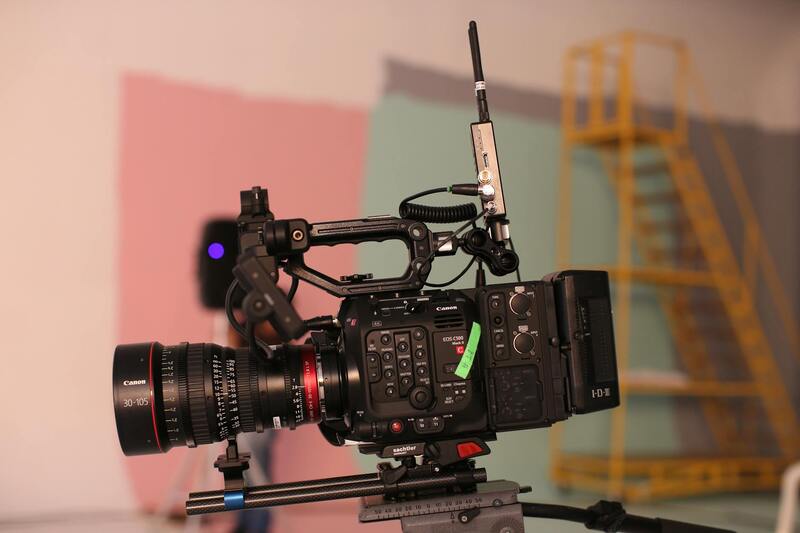
Blending live streaming seamlessly into event production elevates the overall experience for both attendees and remote viewers. This integration involves synchronized planning, where production teams work closely with streaming specialists to ensure that visual, audio, and multimedia elements are captured, processed, and broadcasted cohesively. Live cameras feed directly into switching systems, allowing for real-time edits, graphics overlays, and audio mixing to synchronize with stage or event content. The outcome is a polished, immersive broadcast that mimics the quality of traditional television production, enhancing audience engagement and expanding reach beyond physical attendees.
Advanced Production Processes and Techniques
Mastering live streaming requires a sophisticated understanding of production processes that go beyond simple camera deployment. High-quality live stream companies utilize multi-camera setups, enabling dynamic shots that provide viewers with a comprehensive perspective of the event. These setups often incorporate wireless camera technology for greater flexibility and a more immersive experience. Additionally, remote camera operations allow for angles and shots that would be difficult to achieve with stationary equipment, adding visual interest and professionalism.
Audio quality is equally vital. Professional live stream providers employ advanced mixing consoles, microphones, and audio processing tools to ensure crystal-clear sound that adapts seamlessly to the environment. Audio feeds are meticulously managed in real-time to avoid lag, distortion, or volume issues, which can detract from viewer engagement.
Visual effects, graphics overlays, and real-time titling are integrated into the broadcast to enhance storytelling and information delivery. These elements are coordinated with live feeds and are often customized to match branding or event themes, creating a cohesive visual narrative.

Understanding the role of a live stream company
In the dynamic landscape of digital communication, a live stream company functions as a vital partner in delivering real-time video content to audiences across various platforms. These companies specialize in transforming physical events—such as corporate meetings, concerts, sports events, and religious gatherings—into high-quality live broadcasts accessible globally. Their role extends beyond mere transmission, encompassing strategic planning, technical execution, and seamless integration with event logistics.
Effective live stream companies possess a comprehensive understanding of multimedia production. They coordinate multiple elements including camera work, audio engineering, graphics, and internet connectivity to produce engaging, broadcast-ready content. Skilled technicians and production staff work behind the scenes to manage equipment, monitor stream stability, and troubleshoot issues promptly, ensuring viewers experience a smooth, uninterrupted feed. Their expertise also entails adapting streams to various devices and screen sizes, optimizing the viewing experience across desktops, smartphones, and tablets.
The importance of choosing a reputable live stream company
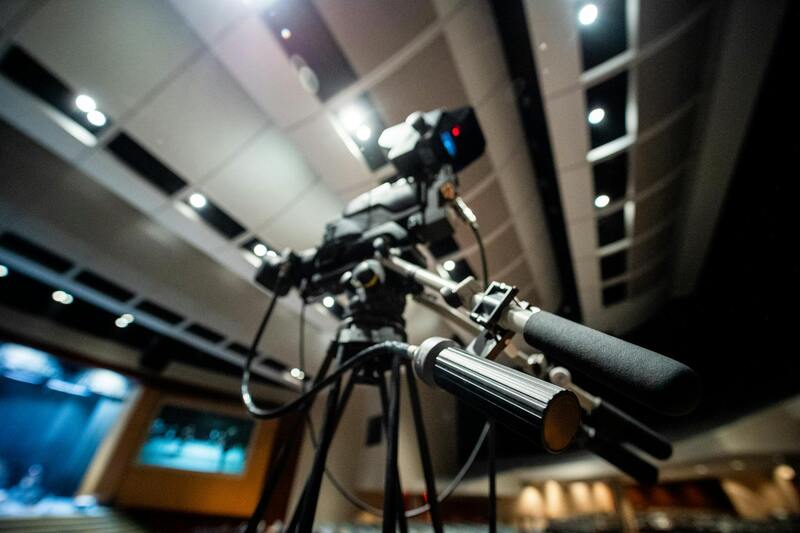
Selecting a proficient live streaming partner is crucial to achieving your event goals. It requires an assessment of their technical capabilities, track record, and capacity to deliver tailored solutions. A reputable company ensures their equipment and personnel are well-versed in current streaming standards, offering reliable service regardless of event complexity or scale. Their knowledge spans various streaming platforms, including social media, proprietary websites, and enterprise portals, facilitating broad reach and audience engagement.
Key services offered by live stream companies
A professional live stream provider offers a multifaceted array of services to ensure a successful broadcast. These include:
- Pre-event planning: Consulting on content format, technical requirements, and platform selection
- Equipment setup: Deployment of high-definition cameras, audio mixers, and streaming hardware
- Production management: Direction, switching between multiple camera angles, and visual effects
- Streaming infrastructure: Utilizing content delivery networks (CDNs) for global reach and minimal latency
- Monitoring and support: Continuous oversight during the event, with on-demand troubleshooting
- Post-event analytics: Collecting data on viewer engagement and stream performance for future improvements
Additional customization options
Leading live stream companies also offer branding integrations, interactive features, and multi-language options, enhancing viewer interaction and overall impact. They tailor the streaming experience to match branding guidelines and event themes, fostering a cohesive presentation that aligns with client objectives.
Factors to consider when choosing a live stream provider
When selecting a partner, several critical factors should be evaluated.
- Technical expertise: Proven experience with similar event types and scale
- Equipment quality: State-of-the-art technology that guarantees broadcast clarity and stability
- Platform compatibility: Ability to stream across various channels and devices without compromise
- Reputation and reviews: Positive feedback from past clients and industry recognition
- Customer support: Reliable, responsive assistance before, during, and after the event
- Cost and value: Transparent pricing models aligned with your budget and service expectations
Evaluating potential providers
Request detailed demos and portfolio samples to witness their technical proficiency firsthand. Additionally, establish clear communication channels to discuss specific needs and ensure their offerings align with your event objectives. Verifying their operational protocols and backup strategies also contributes to making an informed decision.
Benefits of working with a Miami-based live stream company
Partnering with a live stream provider situated in Miami brings distinctive advantages, especially for events centered in or around South Florida. Proximity enables rapid on-site support and real-time coordination, reducing logistical complexities. Miami's strategic location provides access to top-tier technology and skilled professionals familiar with local regulations and infrastructure, thereby enhancing the reliability and quality of the broadcast.
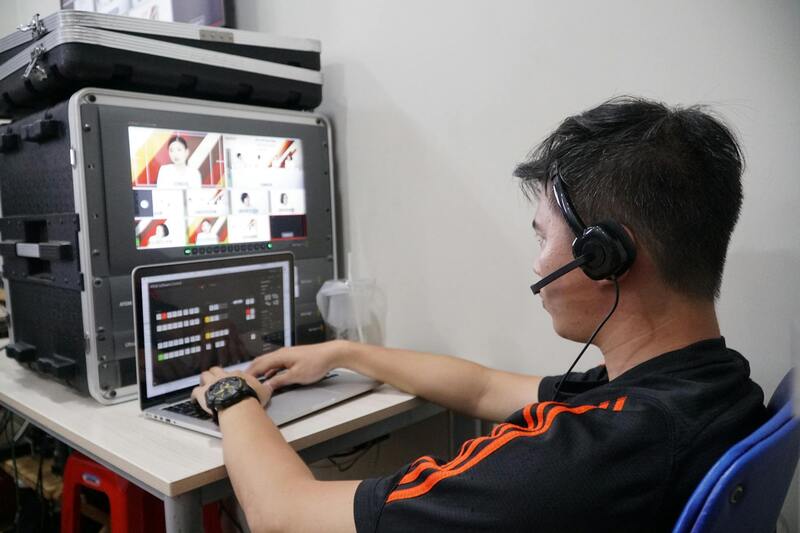
Additionally, Miami's vibrant media and entertainment industry fosters innovation and competitive pricing, offering clients access to cutting-edge solutions at favorable rates. Collaborating locally facilitates face-to-face consultations, enabling more tailored and responsive services that meet specific event demands.
Integration of live streaming with event production
Seamless integration of live streaming within event production workflows ensures a cohesive and professional presentation. It involves synchronizing multiple production elements, such as staging, lighting, and content delivery, with the streaming setup. This integration often extends to live switching, real-time graphics, and audience interaction features, all managed by an experienced production team.
- Pre-production coordination: Aligning streaming requirements with event logistics and content scheduling
- Technological synchronization: Ensuring smooth interfacing between cameras, audio equipment, and streaming hardware
- On-site execution: Managing multiple technicians overseeing different aspects of production and streaming
- Post-event analysis: Reviewing stream performance metrics and participant feedback for continuous improvement
Technology and equipment used by live stream companies
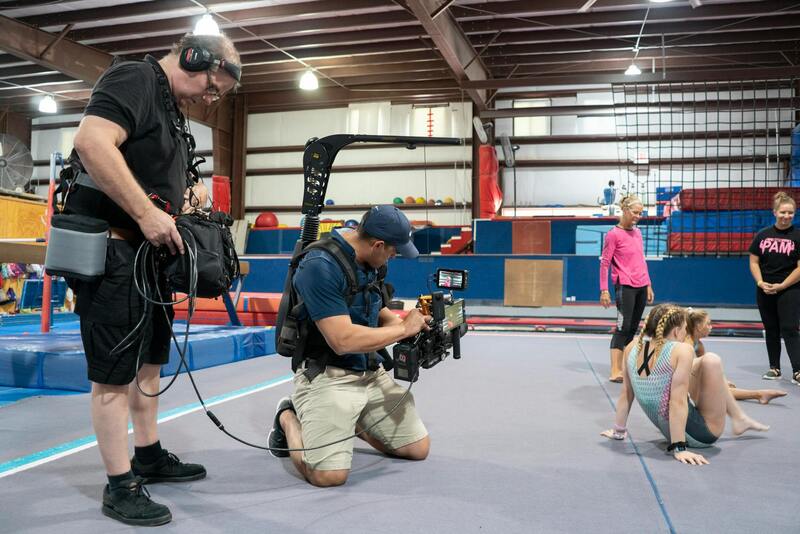
Leading firms employ advanced technology to deliver broadcast-quality streams. These include ultra-high-definition (UHD) cameras, professional-grade audio mixers, and robust encoding hardware. Cloud-based solutions facilitate real-time monitoring, remote management, and quick adjustments during live broadcasts.
The use of adaptive bitrate streaming ensures content adjusts dynamically to viewer internet speeds, minimizing buffering and enhancing viewer experience. Content delivery networks distribute streams efficiently across geographic regions, maintaining low latency. Furthermore, multi-camera setups enable dynamic switching, providing diverse angles and enhancing engagement.
Cost considerations and pricing models
Pricing for live streaming services varies based on event complexity, duration, equipment requirements, and technical support levels. Many providers offer tiered packages that can be customized according to specific needs, such as the inclusion of multi-camera production, dedicated personnel, or post-event analytics.
Fees generally encompass equipment rental, technical staffing, platform access, and post-event reporting. Some companies also offer à la carte services allowing clients to select only the components necessary for their event. Transparent quoting and detailed service agreements help manage expectations and prevent unforeseen expenses.
Understanding these cost elements aids in developing a comprehensive budget, ensuring the selected provider delivers value aligned with your investment.