
Understanding Live Streaming Services
Live streaming companies specialize in broadcasting live video content over the internet in real-time, enabling events, presentations, and significant gatherings to reach audiences beyond physical boundaries. These service providers handle the technical intricacies involved in capturing, encoding, and transmitting high-quality video streams seamlessly to viewers across different devices and platforms. From corporate conventions and product launches to entertainment festivals and local community events, live streaming firms cater to diverse organizational needs aiming to maximize audience engagement and participation.
Effective live streaming involves a combination of advanced hardware, reliable internet infrastructure, and skilled technical personnel. Companies typically offer comprehensive solutions that encompass equipment setup, signal transmission, multi-platform streaming, and post-event analytics. The primary goal is to ensure that the broadcast maintains clarity, stability, and accessibility, regardless of viewer location or device, making live streaming an invaluable tool for expanding reach and enhancing visibility.

Understanding the Technical Infrastructure of Live Streaming Providers
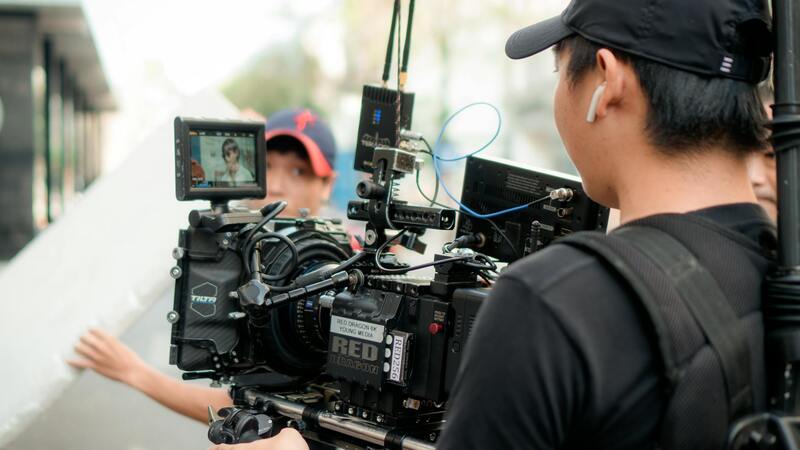
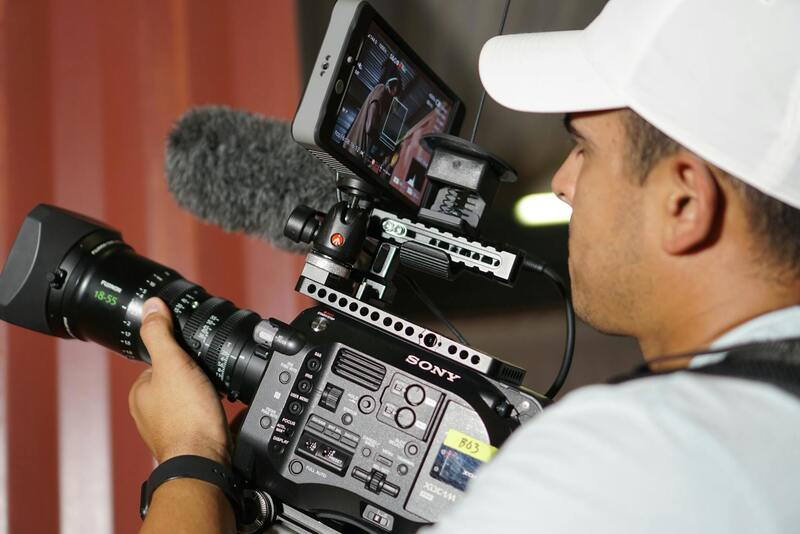
Implementing a successful live streaming event requires robust and sophisticated technical infrastructure. Professional live streaming companies invest in high-end equipment and technologies that ensure seamless transmission and excellent viewer experience. The core components include high-definition cameras equipped with multiple lenses for dynamic shots, switchers for real-time editing, and audio mixers to capture crystal-clear sound. These are complemented by encoders and servers that facilitate encoding and relaying content over the internet with minimal latency.
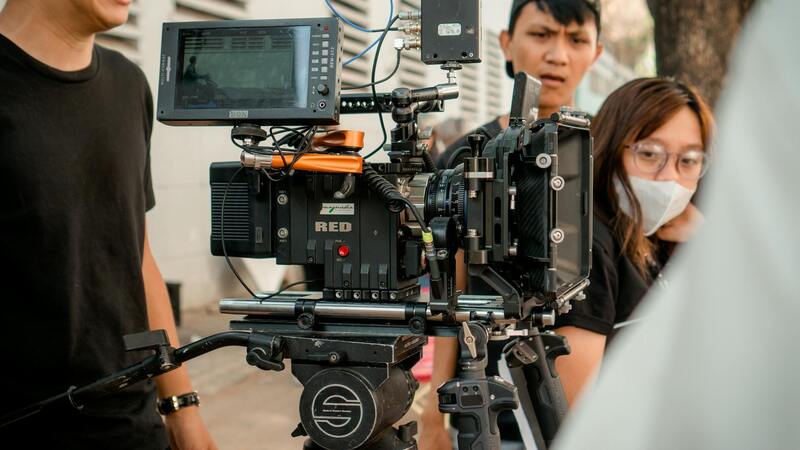
Reliable internet connectivity forms the backbone of any live streaming operation. Companies utilize dedicated fiber-optic connections or bonded internet solutions that aggregate multiple connectivity sources for redundancy and bandwidth optimization. This strategic setup minimizes interruptions and buffering issues, delivering continuous streams even under challenging network conditions. Alongside, advanced content delivery networks (CDNs) are employed to distribute the live feed efficiently across diverse geographic regions, ensuring smooth viewing experiences for audiences worldwide.
Integration of Interactive and Graphic Elements
Beyond basic video transmission, professional providers incorporate engaging content enhancements such as real-time graphics, lower thirds, logos, and interactive features. These elements complement the broadcast by providing context, branding, and viewer engagement opportunities. Customized overlays, live polls, Q&A sessions, and chat integrations not only elevate the production quality but also foster interactive participation, making the event more memorable and impactful.
Security and Data Management
Handling live streams requires careful management of security protocols. Reputable companies implement encrypted streams and secure login procedures to protect content from unauthorized access. They also maintain comprehensive data management practices to ensure sensitive information remains confidential, especially during corporate or private events. This focus on security reinforces trust and confidence in the streaming service, ensuring a smooth and secure experience for both organizers and viewers.
Scalability and Adaptability
A defining attribute of top-tier live streaming companies is their ability to adapt to the scale and scope of each event. For smaller meetings or local demonstrations, the setup might be streamlined with fewer cameras and simpler streaming protocols. Conversely, large-scale international conferences or concerts involve multi-camera configurations, multiple streaming feeds, and extensive viewer engagement tools. The infrastructure is designed for scalability, allowing the provider to customize solutions that match the specific demands of each project, whether it’s a single-camera webinar or a multi-camera festival broadcast.
Technical Support and Post-Stream Analysis
In addition to live operation, comprehensive technical support throughout the event is critical. Experienced technicians monitor the stream in real-time, troubleshooting issues instantly to minimize disruptions. Post-event analytics provide valuable insights into viewer engagement, stream quality, and technical performance. Such data helps organizers understand audience behavior, optimize future broadcasts, and evaluate the success of the streaming efforts. Regular maintenance and upgrades of equipment and software ensure ongoing reliability and improvements in production quality.
Technological Requirements and Equipment
Choosing a live streaming company that employs state-of-the-art technology ensures a seamless broadcasting experience. High-definition cameras, professional-grade audio equipment, and reliable encoding software are fundamental components that determine the quality of the stream. It’s essential to verify that the provider utilizes equipment compatible with a variety of devices and internet bandwidths to accommodate different viewer profiles.
A robust content delivery network (CDN) plays a vital role in minimizing latency and buffering, especially during large-scale events with high viewer counts. Several reputable live streaming companies invest in enterprise-level CDN solutions to guarantee consistent stream performance across geographic regions.
Furthermore, the integration of multiple streaming platforms such as Facebook Live, YouTube Live, and proprietary portals expands audience reach while providing flexibility for viewers to access content through their preferred channels. The provider’s ability to adapt the technological setup to suit the specific demands of the event—be it a virtual conference, product launch, or musical concert—is a key indicator of their technical proficiency.
On-site technical support and backup systems are also crucial. Redundant hardware and failover protocols ensure that unexpected hardware failures or network issues do not interrupt the broadcast. This proactive approach to technology management underscores the importance of partnering with a live streaming company that prioritizes reliability and high-quality output.

Understanding Live Streaming Services
Live streaming services have revolutionized how organizations communicate, promote, and engage with their audiences in real-time. These services enable the delivery of high-quality, uninterrupted video content across multiple devices and platforms, reaching viewers anywhere with internet access. The core of professional live streaming revolves around sophisticated technology infrastructure, seamless content management, and tailored delivery methods that cater to diverse event types, from corporate conferences to entertainment festivals.
Choosing the right live streaming provider involves understanding the complexities and technological demands of existing broadcast workflows. A reliable provider ensures optimal quality, minimal latency, and consistent delivery across all target platforms. They harness innovative tools such as multi-camera switching, real-time overlays, and interactive features that enhance viewer engagement. Advanced encoding equipment, dedicated bandwidth, and robust content delivery networks (CDNs) form the backbone of effective streaming, ensuring that content reaches audiences without compromise regardless of geographic location.
Core Components of Live Streaming Services
- High-Quality Video Capture and Encoding: Utilizing professional-grade cameras and encoders ensures that live feeds are crisp and clear, suitable for various display sizes and internet speeds.
- Content Delivery Networks (CDNs): These networks distribute live content efficiently across different regions, reducing buffering and latency issues.
- Platform Integration: Compatibility with social media channels, proprietary portals, or custom apps broadens the event’s reach and offers viewers multiple access points.
- User Engagement Tools: Features such as live chat, polls, and interactive overlays foster real-time viewer participation.
- Technical Support and Redundancy: On-site and remote support, alongside backup systems, ensure stability amidst unforeseen issues.
Importance of Content Customization
Beyond raw technical competence, a professional live streaming service provides content customization options to tailor the viewing experience. This includes multi-language subtitles, branded graphics, event-specific overlays, and flexible playback options. Customization helps maintain brand consistency, enhance professionalism, and improve audience immersion.
Investing in cutting-edge technology and professional expertise not only elevates the production quality but also allows for innovative features like multi-angle views, real-time audience interactions, and immersive graphical enhancements. These elements contribute to a more engaging and memorable experience for viewers, ultimately reflecting positively on the hosting organization’s reputation and outreach efforts.
Factors to Consider When Choosing a Live Streaming Provider
When selecting a live streaming company to handle your event, it's crucial to evaluate several key aspects that influence the quality, reliability, and overall success of your broadcast. These factors ensure that your live stream will meet your specific needs and provide a seamless experience for your audience.
- Technical Expertise and Experience: Opt for a provider with a proven track record in delivering high-quality live streams. Experienced companies have the technical knowledge to troubleshoot issues quickly and adapt to changing conditions during a broadcast.
- Availability of Advanced Equipment: The right company should utilize state-of-the-art broadcasting hardware, such as professional cameras, encoders, and audio equipment, to ensure crisp visuals and clear sound. Up-to-date equipment reduces the risk of technical glitches and enhances the overall production.
- Network Infrastructure: Reliable internet connectivity with sufficient bandwidth is essential. The provider should employ robust network solutions, including multiple connection redundancies and content delivery networks (CDNs), to minimize buffering, latency, and downtime.
- Platform Compatibility and Integration: A professional live streaming company should offer compatibility with major social media platforms, content management systems, and web portals. Seamless integration broadens the reach and makes content accessible across various devices and channels.
- Customization and Branding Options: Custom overlays, branded graphics, multi-language subtitles, and interactive features contribute to a tailored viewer experience. A provider offering these options can help align the live stream with your branding and messaging strategy.
- Support and Redundancy Plans: Look for companies that provide comprehensive support, including on-site technicians during events and remote monitoring. Backup systems and redundancy plans are vital to maintaining broadcast stability without interruption.
- Pricing Transparency and Packages: Evaluate pricing structures carefully to ensure they fit within your budget while delivering the necessary features. Clear package details help avoid unexpected costs and facilitate comparison among providers.
- Client Testimonials and Case Studies: Reviewing past client feedback and case studies offers insight into the provider’s reliability and ability to handle events similar to yours. This information adds confidence in your decision-making process.
Understanding Live Streaming Services
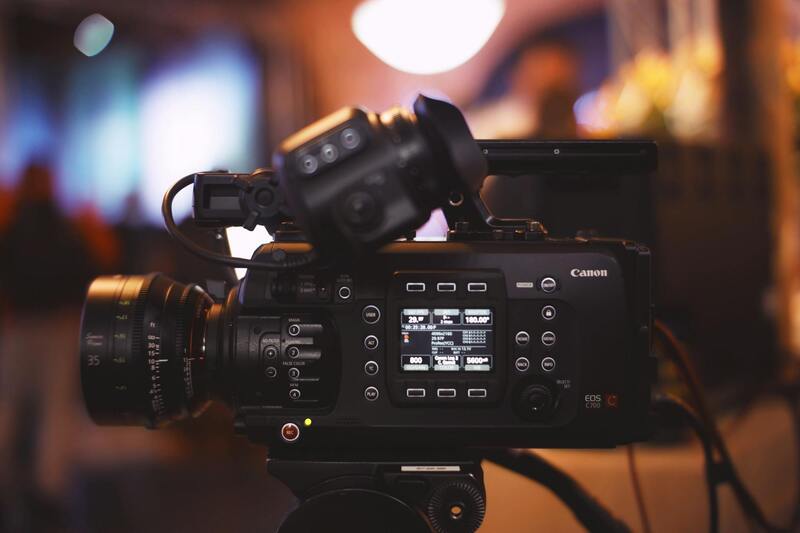
Live streaming services have revolutionized how content is delivered and consumed in real-time. For organizations seeking professional-grade broadcasts, partnering with a live streaming company ensures high-quality output, reliable delivery, and seamless viewer engagement. These services encompass everything from equipment setup and content encoding to platform deployment and audience interaction. The scope of a live streaming company extends beyond mere transmission; it involves strategic planning to optimize bandwidth usage, minimize latency, and provide a consistent viewer experience across multiple devices and networks.

Effective live streaming is supported by robust infrastructure that includes high-definition cameras, professional encoders, and redundant internet connections. This setup ensures the broadcast remains uninterrupted even if one component faces technical difficulties. In addition, advanced CDN (Content Delivery Network) integration plays a pivotal role in distributing streams efficiently, preventing buffering issues, and maintaining low latency. A dedicated live streaming company can customize solutions to match specific event requirements, whether it’s a corporate seminar, a sports event, or a large conference.
Key Features of a Professional Live Streaming Company
- Platform Compatibility and Integration: They ensure compatibility with popular social media platforms, websites, and mobile apps, allowing your content to reach audiences wherever they prefer to view. Integration with content management systems enables streamlined publishing and archiving.
- Customization and Branding: Brands require bespoke overlays, graphics, and interactive features to strengthen their messaging. A professional provider offers these options to create a cohesive and memorable viewer experience.
- Technical Support and Redundancy: On-site technicians and remote monitoring teams proactively manage the broadcast. Backup systems and failover protocols are in place to guarantee continuous streaming even under unexpected circumstances.
- Interactivity and Engagement Features: Options such as live chat, polls, and Q&A sessions foster active participation and enhance viewer retention.
- Analytics and Reporting: Post-event performance data helps organizations evaluate reach, engagement metrics, and overall success of the live stream.
Benefits of Hiring a Local Miami Live Streaming Company
Opting for a local provider offers distinct advantages that can significantly impact the success of your live event. Local companies are familiar with the specific logistical challenges of the Miami area, such as high-traffic venues, outdoor broadcasting conditions, and regional network infrastructures. This local expertise allows for tailored planning and rapid response to any onsite issues. Additionally, hiring a Miami-based company reduces transit times for equipment and personnel, enabling more efficient setup and teardown. The proximity facilitates in-person consultations and real-time troubleshooting, which are crucial for dynamic live events targeting local audiences or requiring onsite collaboration.
Moreover, a local provider has established relationships with regional venues, technical vendors, and content distribution channels. This network ensures smoother coordination, timely permits, and compliance with local regulations. The familiarity with local audience preferences and regional content demand also enables the provider to adapt the streaming service accordingly, maximizing engagement and reach within the Miami community.
Factors to Consider When Choosing a Live Streaming Provider
- Technical Capabilities and Equipment: Verify that the provider uses state-of-the-art cameras, encoders, and network solutions capable of handling your broadcast’s resolution and bitrate requirements.
- Experience and Portfolio: Review past projects, especially those similar in scope and scale. Case studies or client testimonials provide insights into their reliability and quality.
- Customer Support and Responsiveness: Consider providers that offer dedicated support teams, on-site technicians, and immediate troubleshooting during live events.
- Service Flexibility and Customization: Ensure the provider can tailor solutions to your specific needs, including branding, interactive features, and multi-platform distribution.
- Pricing Transparency: Clarify all costs involved in the service packages and ensure they align with your budget without compromising on essential features.
Types of Live Streaming Solutions Offered
Professional live streaming companies offer various types of solutions tailored to different event needs:
- Onsite Live Streaming: Ideal for events held at physical locations, with experts managing the entire setup, from cameras to online broadcast.
- Remote Live Streaming: Suitable for interviews, panel discussions, or events where participants join from multiple locations, streamed from remote sites.
- Hybrid Solutions: Combining onsite and remote elements, perfect for large conferences or multi-venue events while maintaining coordinated broadcasts.
- Event Recording and On-Demand Hosting: Beyond live transmission, services include recording the event for later viewing, ensuring extended content reach.
Understanding Live Streaming Services
Live streaming services are specialized multimedia delivery platforms that transmit real-time audio and video content over the internet to viewers across various devices and locations. These services are essential for organizations and individuals aiming to reach broad audiences with immediate, high-quality broadcasts. A cutting-edge live streaming company leverages advanced technology, scalable infrastructure, and expertise in digital media to ensure seamless transmission, minimal latency, and optimal viewer experience. By integrating multi-platform distribution channels, these providers guarantee viewers can access live content via websites, social media, mobile apps, and embedded players. Meticulous planning, robust encoding, and reliable streaming protocols form the backbone of professional live streaming, ensuring content delivery is uninterrupted regardless of network conditions or event scale.

Key Features of a Professional Live Streaming Company
- High-definition Video Streaming: Capability to broadcast in HD and up to 4K resolution, providing crisp and professional-quality visuals.
- Multi-platform Compatibility: Simultaneous streaming across various platforms such as social media, websites, and custom applications for broader reach.
- Scalable Infrastructure: Ability to handle varying audience sizes, from small private events to large-scale conferences with thousands of viewers.
- Reliable Backup Systems: Redundant servers and network failovers ensure continuous streaming even in the face of technical issues.
- Interactive Features: Chat modules, polls, Q&A sessions, and virtual attendee engagement tools enhance audience participation.
- Comprehensive Support and Maintenance: Dedicated technical teams provide real-time troubleshooting, monitoring, and post-event analysis.
Benefits of Hiring a Local Miami Live Streaming Company
Partnering with a Miami-based live streaming provider offers distinct advantages that focus on intimacy and familiarity with local venues, markets, and audience preferences. Local companies possess direct access to event locations, enabling on-site setup and immediate resolution of logistical challenges. They understand regional technology infrastructure and network conditions, which translates into smoother broadcasts. Additionally, working with a Miami-based team facilitates personalized service, quicker response times, and tailored solutions aligned with the city’s vibrant event scene, whether for corporate gatherings, entertainment festivals, or community events. The proximity also allows for in-depth coordination during live events, ensuring that logistical adjustments are made promptly to maintain broadcast quality.
Factors to Consider When Choosing a Live Streaming Provider
- Experience and Proven Track Record: Review the company’s history, portfolio, and client testimonials to gauge reliability and quality of service.
- Technical Expertise: Ensure the provider employs skilled technicians and state-of-the-art equipment suited to your event demands.
- Service Customization: The ability to adapt solutions to specific event themes, branding requirements, and audience engagement strategies.
- Coverage and Scalability: Confirm the provider can accommodate your event's size and scope, ensuring smooth scaling as needed.
- Support and Responsiveness: 24/7 technical support, on-site presence, and rapid incident resolution are critical for live events.
- Cost Transparency: Clarify all pricing components, including setup fees, bandwidth costs, and post-event recordings, to avoid surprises.
Types of Live Streaming Solutions Offered
Professional live streaming companies provide diverse solutions tailored to different event formats:
- Onsite Live Streaming: Suitable for events at physical venues, utilizing professional cameras, switchers, and encoding equipment managed by expert technicians.
- Remote Live Streaming: Ideal for interviews, panel discussions, or multi-location events, with seamless integration of remote participants via internet-based broadcasts.
- Hybrid Solutions: Combining onsite and remote streaming elements, enabling large events with multiple venues to coordinate a unified broadcast.
- Event Recording and On-Demand Hosting: Capturing live content for subsequent on-demand viewing, extending the event’s reach beyond the live timeframe.

This flexibility in options ensures that each event receives a tailored approach optimized for audience engagement, technical quality, and distribution goals.
Advanced Technologies and Equipment for Professional Live Streaming
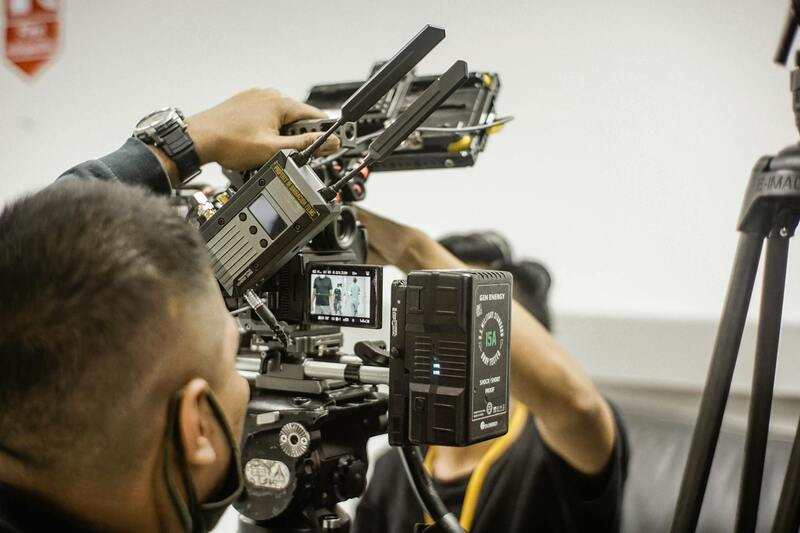
Delivering high-quality live streaming experiences hinges on deploying cutting-edge technological tools and equipment. A reputable live streaming company invests in top-tier hardware and software solutions that ensure seamless transmission, clarity, and reliability. These include professional-grade cameras capable of capturing high-definition footage from multiple angles, providing a dynamic viewing experience that engages audiences effectively. Advanced switchers allow operators to transition smoothly between different video sources, including live feeds, presentations, and pre-recorded content.
Encoding hardware and software are integral to converting video signals into streaming formats compatible with various platforms, ensuring consistent quality without interruptions. State-of-the-art audio equipment, such as wireless microphones and mixers, guarantees clear sound, which is crucial for maintaining audience engagement. For further reliability, backup systems are often implemented, including redundant internet connections, backup storage, and power supplies, minimizing the risk of technical failures during live broadcasts.

In addition to hardware, robust software tools are employed for real-time streaming management, including encoding platforms, graphic overlays, and real-time analytics. These tools allow operators to monitor stream health continuously, make instant adjustments, and enhance viewer engagement through branding elements and interactive features. High-capacity Content Delivery Networks (CDNs) are used to distribute streams efficiently across different regions, ensuring minimal latency and buffering regardless of the audience's location.
Implementing Network and Internet Infrastructure
Reliable internet connectivity forms the backbone of any successful live stream. Expert live streaming companies utilize dedicated high-bandwidth connections, often with multiple internet providers, to guarantee consistent upload speeds and reduce latency. The infrastructure design includes load balancing and firewall configurations that protect the streaming network from potential disruptions or cyber threats. For large-scale events, fiber optic connections are preferred to support intensive data transfer needs, ensuring smooth delivery even during peak traffic times.
Technical Support and On-Site Expertise
Delivering a flawless live experience requires skilled technicians who can operate, monitor, and troubleshoot equipment in real-time. These professionals carry out pre-event setup, perform technical rehearsals, and remain on-site throughout the event to address any issues promptly. Their expertise encompasses camera operation, audio management, internet troubleshooting, and streaming platform navigation, providing peace of mind and allowing event organizers to focus on content delivery. Post-event, they assist with stream archiving and distribution, extending the event’s reach beyond live audiences.