
Understanding Live Stream Services
Live stream companies specialize in delivering real-time video broadcasting solutions tailored to a diverse range of clients and event types. These services encompass a broad spectrum of broadcasting activities, including live event coverage, corporate presentations, webinars, concerts, religious ceremonies, and special celebrations. The core objective of these companies is to provide seamless, high-quality streaming experiences that reach target audiences effectively, regardless of geographical barriers.
Event broadcasting is a primary offering, often involving the live transmission of conferences, seminars, or cultural festivals. Corporate streaming services help organizations broadcast meetings, product launches, and training sessions to employees, stakeholders, or clients globally. Content production elements, such as multi-camera setups, graphics, live switching, and sound engineering, often integrate into the service to enhance viewer engagement.
Many live stream companies in Miami also offer on-site event production, which includes pre-event planning, setup, and post-event support, ensuring that the technical execution aligns with the event’s objectives. These services are vital for organizations or individuals seeking professional-grade broadcasts without investing in in-house resources.
Equipment and Technology Used by Live Stream Providers
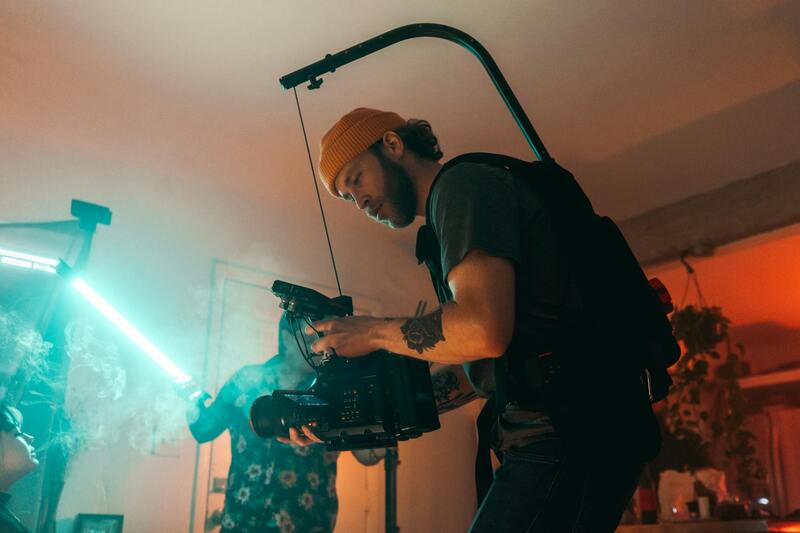
When evaluating live stream companies, understanding the equipment and technology they utilize is crucial for ensuring a seamless broadcast. High-quality video production relies on professional-grade cameras capable of capturing multiple angles with crisp resolution and consistent frame rates. Many providers employ 4K or HD cameras, ensuring that the visual quality remains sharp, even when streamed over varying bandwidths.
Beyond cameras, the backbone of a successful live stream involves sophisticated encoding hardware and software. These tools compress the video and audio signals efficiently, enabling smooth transmission without significant latency or buffering. Top-tier companies leverage hardware encoders that support adaptive bitrate streaming, automatically adjusting quality based on viewers’ internet speeds.
Audio quality is equally vital; professional-grade microphones, mixers, and sound engineering equipment are standard to deliver clear, immersive sound. Integrating audio feeds from multiple sources, including lapel mics or external soundboards, enhances the overall listening experience.
Customized Solutions for Different Event Types
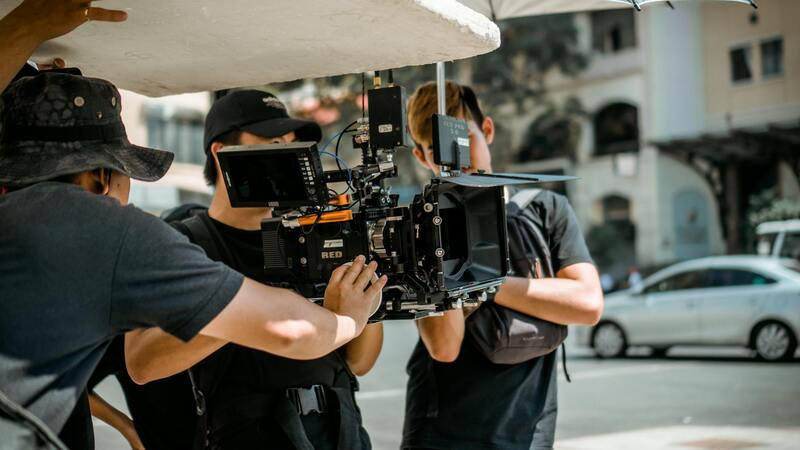
Each event demands specific technological solutions tailored to its unique requirements. For corporate meetings, seamless integration with presentation screens and live Q&A features might be prioritized. Conference sessions often require multiple camera angles, split-screen options, and real-time translation services to cater to diverse audiences.
Entertainment events like concerts or festivals require robust streaming infrastructure capable of handling large viewer loads. This might involve using scalable cloud-based encoders and Content Delivery Networks (CDNs) to distribute content efficiently globally.
Training sessions and webinars focus on interactive features such as chat functions, polling, and screen-sharing capabilities to foster engagement and participation. Live stream providers that offer customizable platforms enable clients to implement these features as part of their broadcast strategy.
Equipment and Technology Used by Live Stream Providers
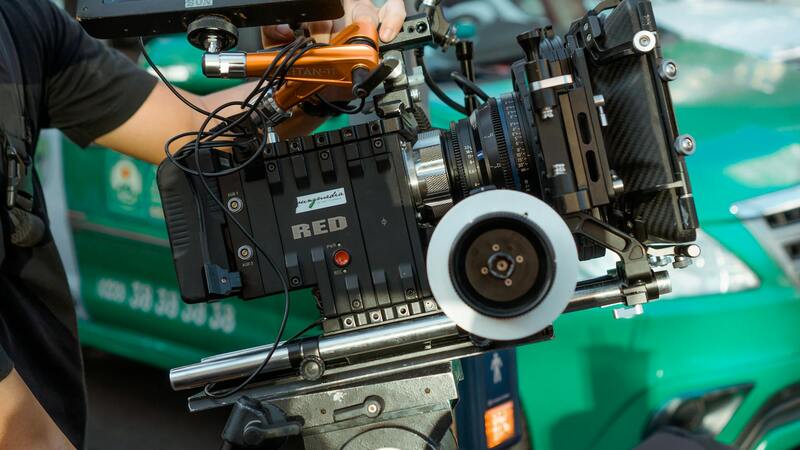
Leading live stream companies employ cutting-edge equipment to ensure the delivery of high-quality content. This includes professional-grade cameras capable of capturing crisp video footage in various lighting conditions, as well as high-definition streaming hardware that minimizes latency. Broadcasters typically utilize state-of-the-art encoders—both hardware and software—to compress and transmit live feeds efficiently, ensuring smooth playback across multiple platforms.
Audio equipment is equally critical; top-tier microphones, mixers, and sound processing tools are standard to deliver clear, immersive sound. Some providers integrate multiple audio feeds, such as lapel mics, external soundboards, and ambient microphones, to enhance audio fidelity. Additionally, redundant streaming hardware and backup power supplies are used to maintain uninterrupted service during technical issues or power outages.
Content delivery is optimized through the deployment of robust Content Delivery Networks (CDNs). These networks distribute streams globally, reducing buffering times and preserving stream quality, particularly during high-traffic events. Many companies also utilize cloud-based broadcasting solutions that allow for scalability—supporting a sudden influx of viewers without compromising operational stability.
Equipment and Technology Used by Live Stream Providers
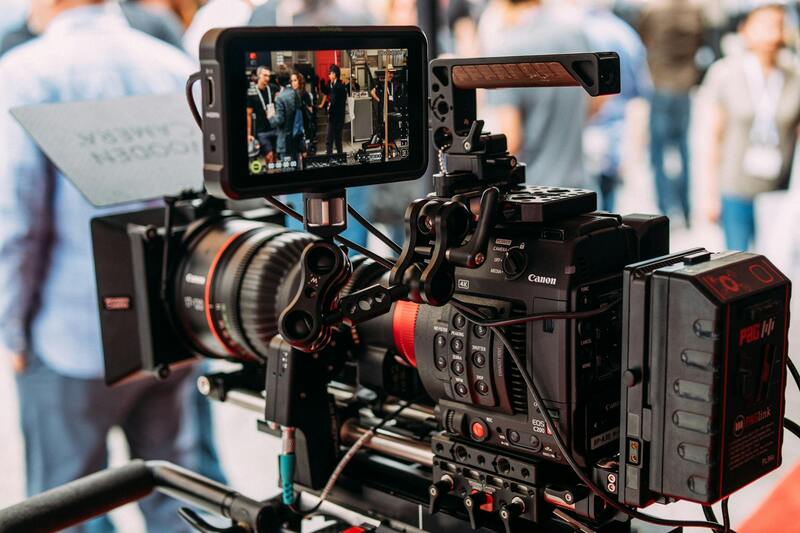
When evaluating live stream companies, understanding the specific equipment and technology they utilize provides insight into the quality and reliability of their services. Advanced camera systems are foundational for capturing high-definition visuals, with professional-grade HDMI, SDI, and IP-based cameras ensuring crisp image fidelity across diverse lighting conditions. These cameras often support features like zoom, pan-tilt-zoom (PTZ), and remote control capabilities, allowing operators to adapt shots in real-time for dynamic coverage.
Encoding hardware plays a crucial role in converting video signals into streamable formats. High-performance encoders, whether hardware or software-based, enable efficient compression and transmission, minimizing latency and buffering issues. Many companies employ multi-channel encoders that facilitate multi-camera streaming and picture-in-picture layouts, enhancing viewer engagement.
Streaming hardware such as dedicated broadcast servers, reliable streaming routers, and backup power supplies form the backbone of uninterrupted service. These components reduce the risk of service disruptions during high-traffic events or technical hiccups. Redundant systems, including multiple encoders and dual internet connections, are often implemented to maintain seamless operations under all circumstances.

The deployment of Content Delivery Networks (CDNs) further optimizes content delivery, allowing streams to be distributed globally with minimal buffering. Cloud-based streaming platforms are increasingly adopted to enhance scalability and flexibility, accommodating sudden viewer surges without compromising performance. Overall, the integration of state-of-the-art equipment and technology ensures that live streams run smoothly, maintain high quality, and adapt to evolving event demands.
Understanding Live Stream Services
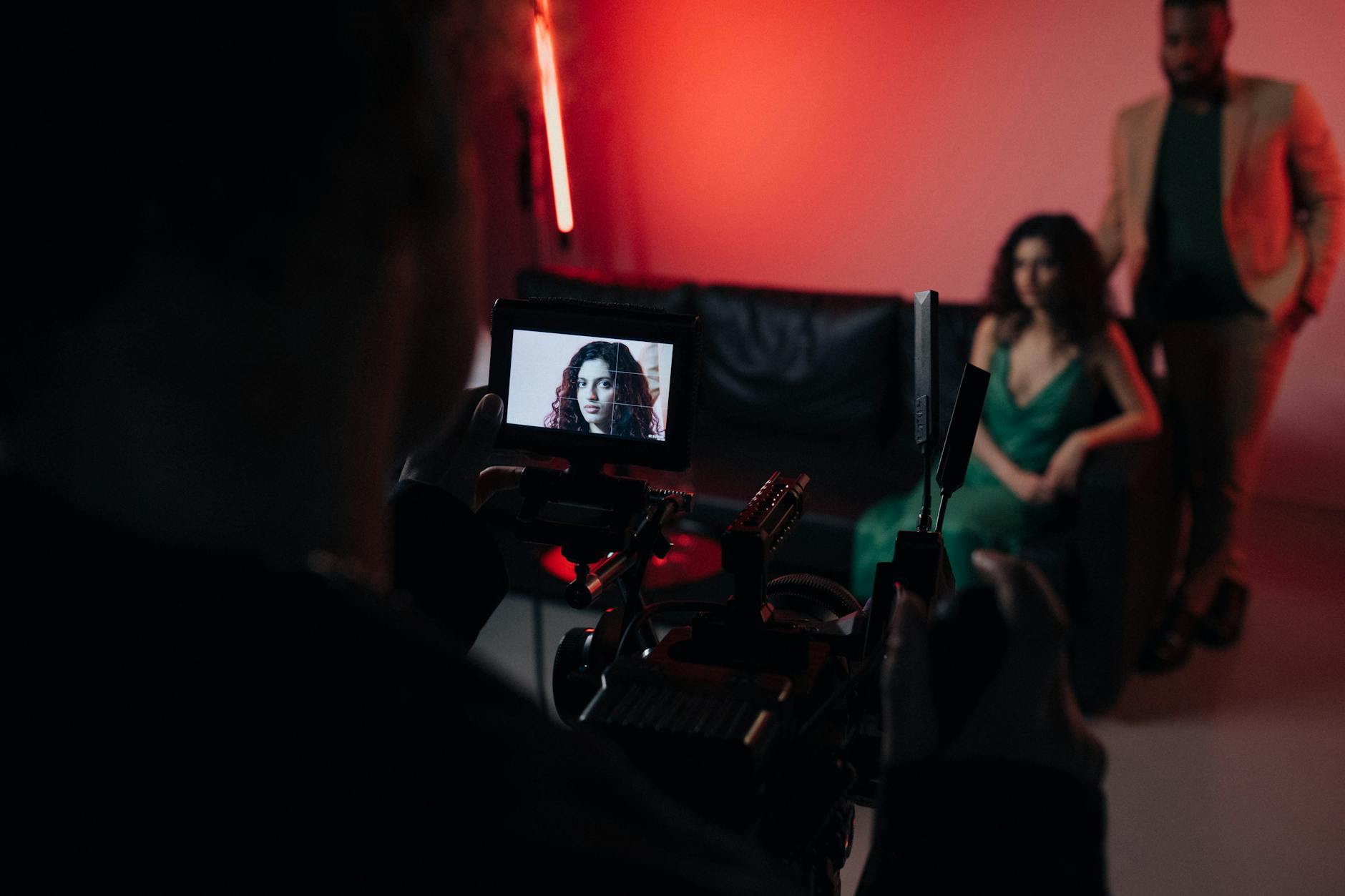
In today's digital landscape, live stream services have become essential for organizations and event organizers seeking to reach global audiences with real-time content. These services encompass a comprehensive suite of solutions designed to deliver high-quality video broadcasts across various platforms, including social media, dedicated websites, and proprietary apps. Live streaming companies utilize advanced infrastructure and cutting-edge technology to ensure seamless transmission, minimal latency, and high-definition visuals, making it possible for viewers to enjoy immersive experiences regardless of their location.
When evaluating live stream services, it is crucial to consider not just the robustness of the technology but also the company's ability to customize solutions according to specific event needs. Whether hosting a corporate conference, launching a product, broadcast of religious services, or streaming a cultural concert, the goal remains consistent: deliver compelling, uninterrupted content that engages viewers and achieves event objectives.
Key Features to Evaluate in a Live Stream Company
- Streaming Quality and Resolution: Ensure the provider offers HD or 4K streaming options to deliver crisp visuals that reflect professionalism and enhance viewer experience.
- Platform Compatibility: The company should support multiple platforms, including social media channels, websites, and specialized apps, to maximize reach and accessibility.
- Latency and Buffering: Low latency streams are essential for interactive events such as live Q&A sessions and real-time polls, ensuring audience participation without delays.
- Scalability: The service must accommodate fluctuating viewer numbers, especially during high-traffic events, without compromising quality or stability.
- Security Measures: Protecting content and avoiding unauthorized access is vital, which calls for robust encryption and access control protocols.
- Customization and Branding: Custom overlays, logos, and branding tools help maintain event identity throughout the broadcast.
- Support and Technical Assistance: Reliable, on-demand support minimizes downtime and resolves issues swiftly during live events.
- Recording and Archive Access: Options for recording broadcasts and providing on-demand access can extend audience engagement post-event.
Experience and Portfolio of Miami-Based Live Stream Companies
Many live stream companies in Miami have established impressive portfolios across various sectors, demonstrating their capabilities and versatility. Proven track records include supporting large-scale corporate events, hosting multi-camera live concerts, streaming religious ceremonies, and managing virtual conferences. These companies often showcase a diverse range of successful projects, highlighting their adaptability to different event formats and audience sizes.
Clients value companies with extensive local experience and an understanding of Miami's unique event landscape. They prioritize providers that have demonstrated reliability, technological expertise, and the ability to handle complex productions with multiple elements seamlessly integrated into a cohesive broadcast.

Equipment and Technology Used by Live Stream Providers
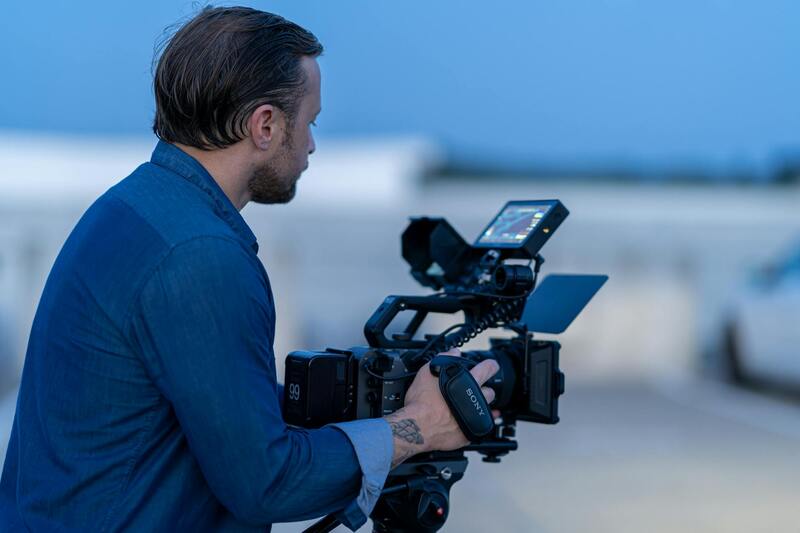
A commitment to quality begins with the equipment used for live streaming. Top-tier companies invest in professional-grade broadcasting gear, including multi-camera setups with remote PTZ controls, ensuring dynamic and engaging shot compositions. High-performance encoders convert raw video signals into optimized streams, facilitating efficient transmission across networks with minimal latency.
Redundant systems, such as backup internet connections and backup encoders, are critical for maintaining continuous streams during unforeseen technical problems. The deployment of broadcast servers, streaming routers, and uninterrupted power supplies further bolsters service reliability. Cloud-enabled infrastructure and Content Delivery Networks (CDNs) extend streaming reach globally and enhance scalability, regardless of viewer volume.
Customized Solutions for Different Event Types
Tailoring live stream services to fit specific event formats ensures maximum engagement and professionalism. Corporate events often require branded overlays, multiple camera angles, and interactive features such as live chat or polls to foster audience participation. Concert streaming demands high-quality audio and video equipment, multi-camera configurations to capture performances from various perspectives, and technical coordination for smooth transitions.
Religious services benefit from dedicated audio setups and camera placements that highlight key moments while maintaining reverence and clarity. Conferences might include keynote speakers, breakout sessions, and panel discussions, requiring flexible mobile cameras and multiple audio feeds to deliver a comprehensive experience. By customizing solutions, live stream companies ensure each event's unique requirements are met with precision, resulting in a professional and impactful broadcast.
Understanding Live Stream Services
Live stream services involve the real-time broadcasting of events over the internet, utilizing sophisticated equipment, robust internet connections, and expert technical staff to deliver high-quality content. These services are tailored to meet the specific needs of diverse event types, including corporate functions, concerts, religious gatherings, and conferences. Whether the goal is to reach a broad online audience or to provide a seamless virtual experience for attendees, live stream providers serve as crucial partners in ensuring flawless execution.
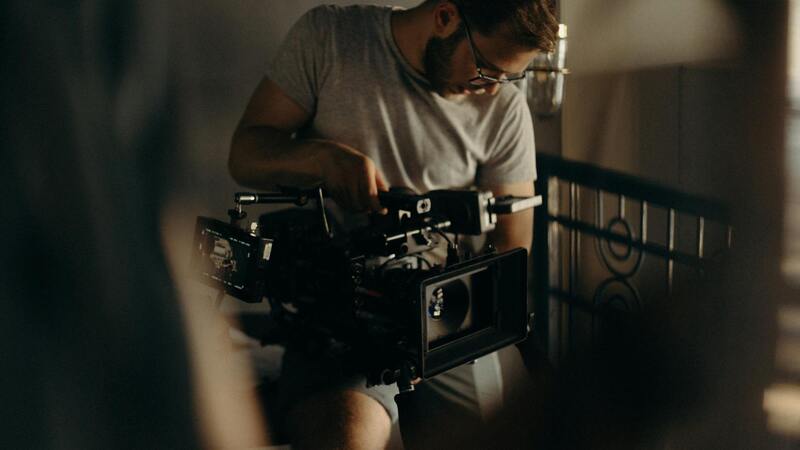
The core of live streaming revolves around capturing footage through professional cameras, encoding that video into web-friendly formats, and distributing it via streaming platforms or private servers. Providers often incorporate features such as multiple camera angles, live chat interactions, and branded overlays to increase engagement and provide a polished appearance. The process requires synchronization of various technical elements, from audio feeds to video transitions, ensuring that every segment flows smoothly without delays or technical hiccups.
Key Features to Evaluate in a Live Stream Company
- Technical Capabilities: Confirm that the company employs state-of-the-art equipment, including professional-grade cameras, multiple audio sources, and reliable encoders.
- Scalability: Ensure they can handle the expected viewer volume without compromising stream quality, especially for large or high-profile events.
- Reputation and Experience: Review previous projects and client testimonials to gauge reliability and expertise in handling various event formats.
- Support and Response Time: Opt for providers offering prompt technical support through multiple channels, including on-site assistance during the event.
- Customization Options: Choose companies that can tailor their services to match your specific event requirements, from branding to interactive features.
Experience and Portfolio of Miami-Based Live Stream Companies
Miami hosts several established live stream companies with extensive portfolios showcasing their adaptability across industries. These providers often have a history of broadcasting major corporate events, music festivals, religious services, and conventions. Their experience ensures a deep understanding of the local market dynamics and cultural nuances, enabling them to create engaging virtual experiences that resonate with diverse audiences. Reviewing case studies and past productions offers insights into the scope of services, technological infrastructure, and overall quality delivered by these local providers.
Additionally, Miami's unique geographical location and access to advanced telecommunication infrastructure facilitate high-quality, latency-minimized streaming solutions. Many companies also offer comprehensive packages that include pre-event planning, live streaming, post-event analytics, and on-demand content delivery, enhancing the overall value they provide.
Equipment and Technology Used by Live Stream Providers
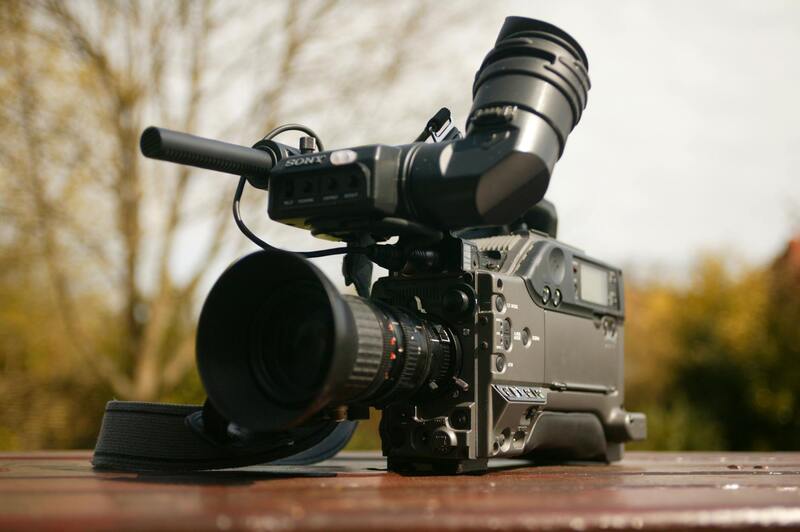
Live stream companies leverage cutting-edge technology and professional-grade equipment to ensure seamless broadcasts. Common hardware components include:
- High-definition Cameras: Multiple cameras with pan-tilt-zoom capabilities for diverse shots and perspectives.
- Video Encoders: Hardware or software encoders that compress video efficiently for internet transmission.
- Audio Equipment: Directional microphones, audio mixers, and wireless systems to capture clear sound from various sources.
- Networking Infrastructure: Dedicated fiber-optic internet lines, backup internet connections, and streaming routers to maintain connectivity and prevent disruptions.
- Broadcast Servers and CDNs: Cloud-based platforms that distribute content globally, ensuring scalability and minimal latency.
- User Engagement Tools: Interactive features such as live chat, Q&A modules, and polling systems integrated into the live stream platform.
Customized Solutions for Different Event Types
Each event demands a tailored approach to broadcasting that maximizes engagement and professional presentation. For corporate events, this involves branded graphics, multiple camera feeds for keynote speakers and panel discussions, and integration of live chat for real-time interaction. Concert broadcasts typically require high-fidelity audio setups, multiple angles capturing the performance, and seamless video transitions to maintain viewer interest.
Religious services benefit from strategically positioned cameras that highlight rituals and sermons while preserving atmosphere and reverence. Conferences often incorporate breakout sessions and panel discussions, necessitating mobile cameras, multi-microphone setups, and separate audio feeds to ensure all components are captured accurately. Customization ensures each event's distinct features are highlighted, resulting in a polished, engaging broadcast that meets or exceeds audience expectations.
Understanding Live Stream Services
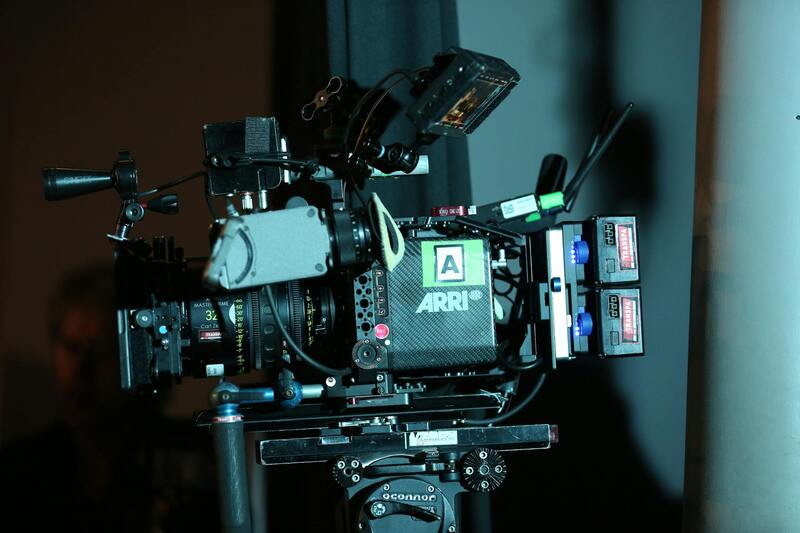
Live streaming has revolutionized the way organizations and individuals share content, offering real-time engagement across digital platforms. A professional live stream company specializes in delivering high-quality broadcasts that are seamless, reliable, and tailored to the specific needs of an event. These services encompass a range of technical capabilities including multi-camera setups, advanced audio systems, real-time graphics, and interactive features to maintain viewer engagement. When selecting a live stream provider, it’s essential to evaluate their familiarity with different event types, experience in handling large audiences, and their ability to adapt to unique requirements. A well-executed live stream not only expands reach but also uplifts the overall perception of your event or brand.
Key Features to Evaluate in a Live Stream Company
- Technical Expertise: The provider should possess comprehensive knowledge of streaming platforms, encoding processes, and broadcast hardware.
- Equipment Quality: Use of state-of-the-art cameras, microphones, switching systems, and streaming encoders guarantees a professional output.
- Reliability and Redundancy: Backup internet connections, backup hardware, and contingency plans are critical to prevent disruptions during live broadcasts.
- Interactivity and Engagement Tools: Features like live chat, polling, and interactive Q&A sessions help foster audience participation.
- Scalability: The ability to handle varying audience sizes and geographic diversity is vital for growing or large-scale events.
- Support Services: 24/7 technical support and real-time troubleshooting ensure smooth broadcasting experiences.
Experience and Portfolio of Miami-Based Live Stream Companies
Miami hosts numerous live stream service providers with diverse portfolios showcasing their capabilities across corporate events, concerts, religious services, and conferences. A company’s portfolio reflects their expertise in executing complex productions, managing client expectations, and delivering high-definition content. Prospective clients should review past projects to assess the technical quality, creativity, and adaptability demonstrated. For instance, a firm with extensive experience in live sports or large-scale conferences might be particularly suited for high-profile or multimedia-heavy events. Their familiarity with local venues, regulatory requirements, and regional audience preferences can significantly influence the event’s success.
Equipment and Technology Used by Live Stream Providers
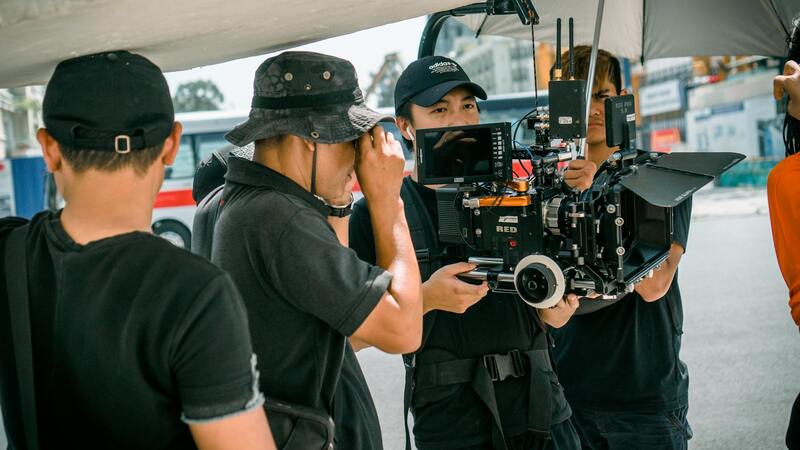
State-of-the-art equipment is fundamental to ensuring broadcast quality. Live stream companies utilize high-definition cameras capable of capturing detailed visuals in various lighting conditions. These are often combined with multiple angles to provide dynamic views for viewers. Audio quality is equally critical, with companies deploying professional microphones—including wireless and boom mics—to ensure clear sound delivery. Broadcast infrastructure includes streaming encoders, switchers, and real-time graphics systems that enhance visual appeal. Advanced networking solutions, such as dedicated fiber-optic internet lines and backup connections, are implemented to maintain stable streams. Cloud-based Content Delivery Networks (CDNs) further distribute the content efficiently while minimizing latency, ensuring viewers receive a smooth viewing experience regardless of their location.
Customized Solutions for Different Event Types
Every event demands a tailored approach to live broadcasting. Corporate conferences benefit from branded overlays, multiple camera feeds covering keynotes and panel discussions, and integration of interactive elements like live polling. Concerts require high-fidelity audio setups, multi-camera arrangements to capture performances from different angles, and rapid video transitions to keep viewers engaged. Religious services often leverage camera placements that focus on rituals and sermons, preserving the atmosphere while ensuring each element is visible. For conferences and seminars with breakout sessions, mobile cameras and separate audio feeds are employed for capturing diverse interactions. Customizing the streaming setup enhances attendee engagement, provides a polished presentation, and ensures that each type of event meets its communication objectives effectively.
Ensuring Reliable Support and Technical Assistance
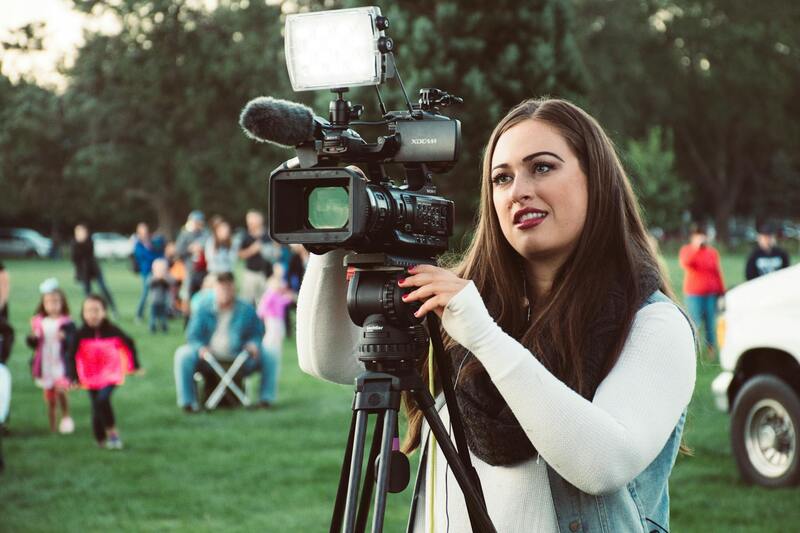
Real-time technical support is essential for the smooth operation of live streams. Providers typically allocate dedicated support teams and onsite technicians to monitor the broadcast, troubleshoot issues, and manage equipment during the event. Having a proactive support plan, including backup systems and contingency strategies, minimizes the risk of disruptions. Effective communication channels between organizers and technical personnel are established beforehand to swiftly address any unforeseen challenges. This level of support guarantees a professional broadcast that aligns with expectations, maintains viewer trust, and safeguards the event’s reputation.
Understanding Live Stream Services
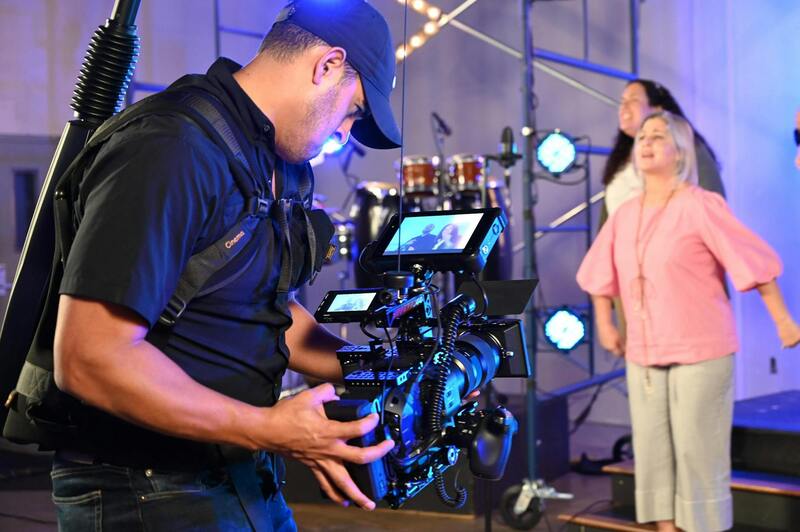
Live streaming has transformed the way organizations, businesses, and event organizers share content with global audiences. These services enable real-time transmission of video and audio, allowing viewers to experience live events as they happen, regardless of their physical location. By leveraging high-speed internet connections and sophisticated broadcasting equipment, live stream companies ensure seamless delivery and high-quality viewing experiences. They cater to a diverse range of events—from corporate seminars and product launches to social gatherings, religious ceremonies, and entertainment shows. The core of live stream services revolves around capturing the event with professional-grade cameras, encoding the signals swiftly, and distributing the content through robust platforms optimized for various viewing devices. Such services often include the integration of multi-camera setups, overlay graphics, interactive features, and social media integration, enhancing viewer engagement and event reach.
Key Features to Evaluate in a Live Stream Company
- Technical Expertise: Experience in managing diverse event types and complex broadcasting requirements.
- Streaming Quality: Availability of HD or 4K resolutions, adaptive bitrate streaming, and minimal latency.
- Equipment and Infrastructure: Use of professional cameras, switchers, encoding hardware, and reliable internet connections.
- Interactive Capabilities: Features like live chat, polls, and Q&A sessions to foster viewer participation.
- Platform Compatibility: Support for multiple streaming platforms, social media integration, and custom website embedding.
- Support and Customer Service: Responsive technical assistance during broadcasts and pre-event planning support.
- Reputation and Portfolio: Proven track record with documented references from previous clients.
Experience and Portfolio of Miami-Based Live Stream Companies
Miami hosts a selection of live stream providers renowned for their professionalism and technological proficiency. Their portfolios often showcase a wide array of event types, including corporate meetings, concerts, religious services, and international conferences. A company's experience with local venues and familiarity with Miami's event landscape can significantly influence the quality and smoothness of the broadcast. Established providers often highlight successful projects, emphasizing their ability to handle high-pressure scenarios, deliver consistent quality, and adapt to specific client objectives. Consulting previous client testimonials or case studies provides valuable insights into their operational capabilities and the consistency of their performance.
Equipment and Technology Used by Live Stream Providers
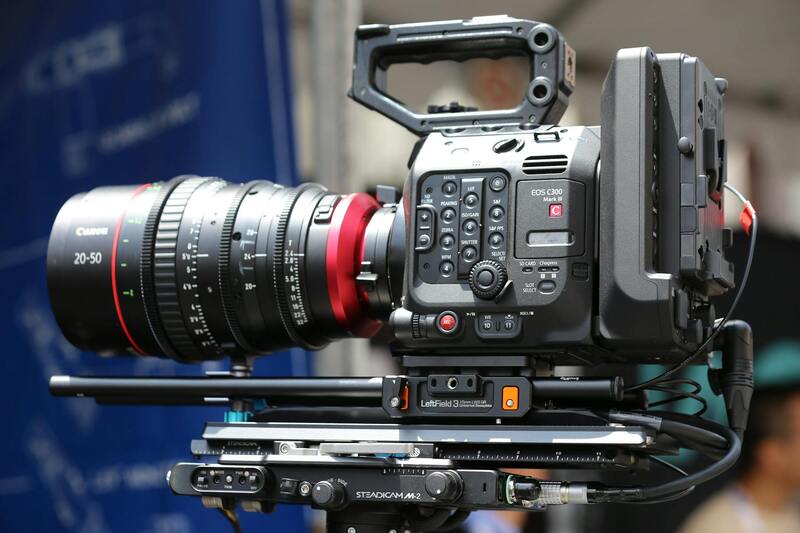
The backbone of high-quality live streaming resides in the equipment used. Leading providers employ professional-grade cameras capable of capturing sharp HD or 4K footage, along with the necessary switchers for real-time video mixing. High-performance encoders are vital for converting raw footage into streams compatible with various platforms, ensuring minimal latency and buffering. Many providers incorporate backup systems—a secondary internet connection, redundant hardware, and power supplies—to prevent disruptions. Audio equipment such as lavalier microphones, shotgun mics, and mixers complement video setups, ensuring clear sound. The integration of graphics generators, overlays, and real-time analytics tools further contributes to a polished broadcast. Staying updated with the latest streaming technologies allows providers to offer innovative solutions like augmented reality overlays or multi-angle views.
Customized Solutions for Different Event Types
Recognizing the unique requirements of each event, reputable live stream companies craft tailored streaming strategies. Corporate events benefit from multi-camera perspectives, including close-ups for speakers and wide shots of the venue. Religious services often require camera placements focused on the altar, congregation, and speakers, with some integrating live subtitling or sign language interpretation. Concerts necessitate high-fidelity audio systems, a multi-camera setup to capture performers from different angles, and seamless scene transitions to maintain viewer engagement. Conferences with multiple breakout sessions might utilize mobile cameras and dedicated audio feeds for each session, along with a centralized switching system for a unified broadcast. Customization maximizes visual appeal and viewer interaction, helping organizers communicate their message more effectively.
Pricing Models and Budget Considerations
Live stream companies typically offer various pricing options based on event complexity, duration, and technical requirements. Common models include fixed-rate packages, hourly rates, or tiered pricing depending on the number of cameras, platform integrations, and added features like multilingual support or post-event recordings. Clients should evaluate their specific needs and budget constraints carefully, considering potential additional costs such as on-site personnel, equipment rentals, or custom graphics. Transparent pricing with detailed breakdowns helps prevent surprises and ensures the selected solution aligns with financial planning. For long-term or recurring events, negotiating bulk or retainer agreements may offer cost savings, while ensuring consistent quality across all productions.
Ensuring Reliable Support and Technical Assistance
A seamless live stream depends heavily on comprehensive technical support and proactive planning. Trusted providers assign dedicated teams to oversee the broadcast, perform equipment checks, and coordinate with event organizers before the event begins. On the day of the event, onsite technicians monitor the stream continuously, ready to address any issues proactively. Backup systems—including secondary internet connections, spare hardware, and contingency plans—are vital to handle unforeseen technical challenges. Clear communication channels between organizers and support staff facilitate swift problem-solving. This meticulous coordination ensures uninterrupted streaming, maintaining audience trust and safeguarding the event’s reputation for professionalism and excellence.