
Understanding Live Stream Video Services
In today’s digital landscape, live stream video companies have become essential partners for organizations seeking to broadcast events in real-time with high quality and reliability. These companies employ advanced technology and sophisticated workflows to deliver seamless live video content to audiences across various platforms, including websites, social media, and dedicated streaming channels. Their core service revolves around capturing live footage, processing it through encoding systems, and transmitting it via robust content delivery networks (CDNs) to ensure broad accessibility regardless of geographical location.
At the heart of live stream video services are specialized hardware and software solutions that facilitate the entire broadcasting process. Professional cameras, audio equipment, and switching systems gather live footage, while encoders convert this raw data into digital streams optimized for internet transmission. Many providers also incorporate multi-camera setups, graphics, overlays, and real-time audio mixing to enhance the broadcast’s visual appeal.

These companies serve a wide range of clients, from corporate entities hosting product launches and conferences to religious organizations streaming services, cultural institutions broadcasting performances, and educational institutions delivering lectures and seminars. Such services enable organizations to reach a global audience, increase engagement, and maximize the impact of their events.
Utilizing content delivery networks, live stream video companies minimize latency and buffering issues, providing smooth viewing experiences even during high-traffic events. Some firms also offer multi-platform streaming capabilities, allowing content to be simultaneously broadcast across various social media platforms and websites, thus expanding the event's reach further. Additionally, many service providers include supplementary features such as chat integration, real-time analytics, and on-demand video options to foster viewer interaction and measure engagement.
Core Technologies and Services of Live Stream Video Companies
- Encoding Solutions: Transforming live footage into internet-compatible streams.
- Content Delivery Networks: Ensuring stable and scalable distribution of live content across the globe.
- Multi-Platform Streaming: Simultaneous live broadcasts on multiple online channels for wider audience access.
- Production Equipment: High-definition cameras, switchers, microphones, and graphics software for professional presentations.
- Interactive Features: Live chat, polling, and viewer engagement tools integrated into the stream.
- Event Management Support: Pre-event planning, technical rehearsals, and on-site coordination to maximize broadcast quality.
In essence, live stream video companies combine cutting-edge technology with strategic planning to deliver engaging and technically flawless live broadcasts, helping organizations connect more effectively with their audiences in real-time.
Key Factors When Selecting a Live Stream Video Company
When evaluating a live stream video company for your event, several critical elements need to be considered to ensure a seamless broadcast that meets your objectives. The company's experience in handling diverse types of live events significantly influences the quality and reliability of your stream. An organization with a proven track record of managing similar events indicates their capability to handle unforeseen technical challenges efficiently.
Technology infrastructure is another paramount aspect. The provider should utilize cutting-edge encoding software, robust content delivery networks (CDNs), and multi-platform streaming capabilities. These technological features directly impact the stability and reach of your live broadcast, especially during high-demand periods or large viewership spikes.
Scalability and flexibility are essential for accommodating different event sizes and formats. A dependable live stream service can adapt to varying audience numbers, add interactive elements, and customize features based on specific needs. Furthermore, an established reputation within the industry reassures clients of their professionalism, technical proficiency, and commitment to quality.

Client support and communication are also vital. Effective collaboration requires a dedicated team that provides clear instructions, technical support throughout the event, and post-event analytics to evaluate success. Transparency regarding equipment, data security measures, and contingency plans helps build confidence and ensures smooth execution from pre-event setup to live broadcasting.
Types of Events Suitable for Live Streaming
Live streaming is versatile and applicable to a broad array of event types. Business conferences, product launches, and corporate meetings benefit from real-time communication with remote audiences. Educational institutions increasingly utilize live streaming for lectures, seminars, and graduations, enabling wider accessibility without geographic constraints.
Sports competitions and entertainment events, including concerts and festivals, rely heavily on high-quality live broadcasts to reach fans globally. Religious gatherings and community events also leverage live streaming to increase engagement and participation beyond physical attendance.
Beyond traditional events, live streaming can be used for virtual tours, webinars, and customer training sessions, expanding opportunities for engagement and brand visibility. The adaptability of live streaming technology makes it an invaluable asset across industries seeking to connect authentically with their audiences.
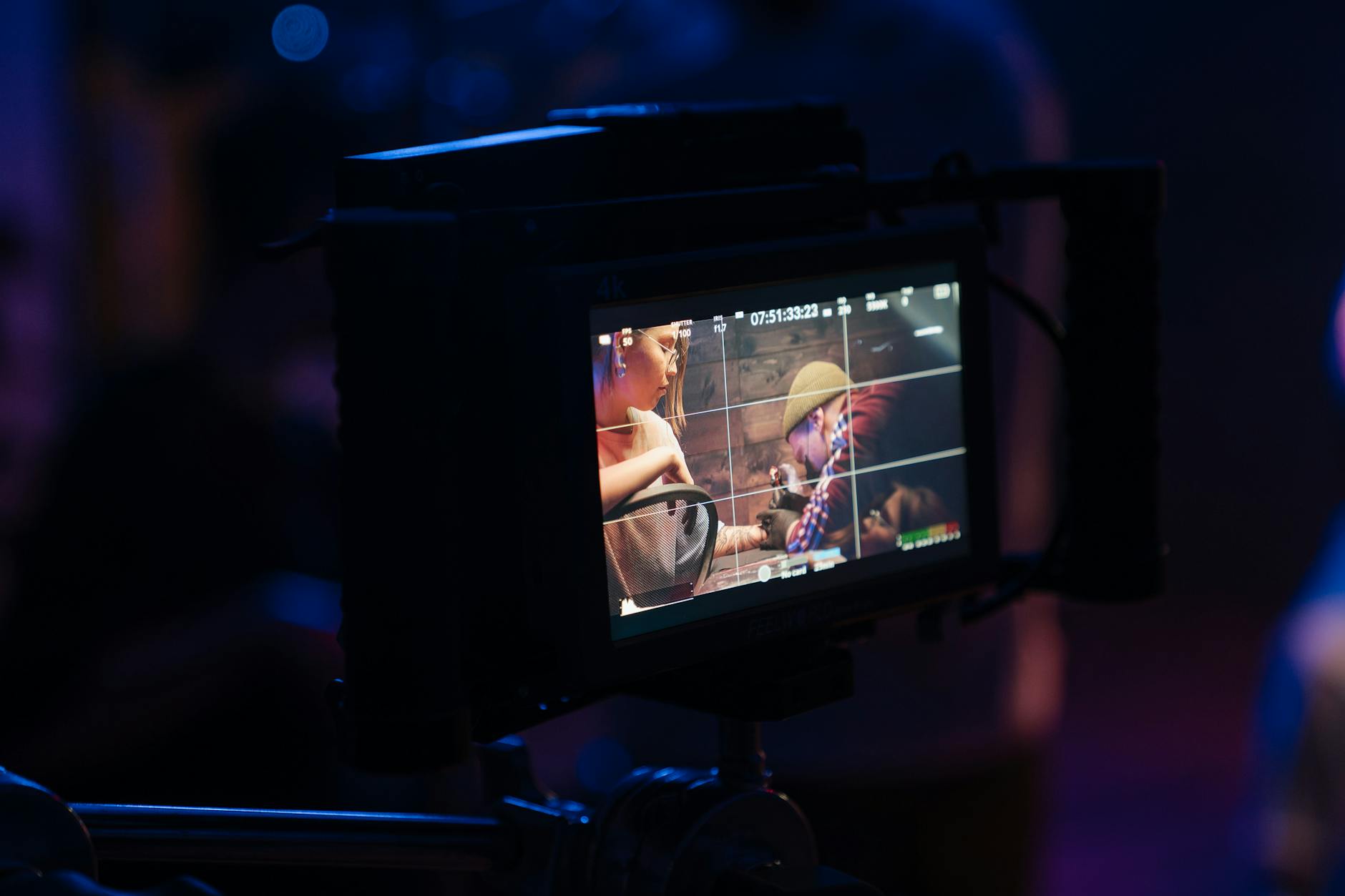
Choosing an expert live stream video company ensures your event is broadcast with professionalism and technical excellence, regardless of its format or scale. Proper planning and technological support pave the way for a successful live experience that resonates with viewers and achieves your communication goals.
Understanding Live Stream Video Services
Engaging audiences through live stream video services has become an essential component for organizations aiming to expand their reach and enhance engagement. At its core, a live stream video service involves capturing live footage of an event, processing it with sophisticated streaming technology, and broadcasting it seamlessly over the internet to viewers worldwide. This process requires a combination of high-quality equipment, reliable internet connections, and expert technical support to ensure a smooth viewing experience. The scope of live streaming services spans from small corporate meetings to large-scale entertainment festivals, emphasizing the importance of tailored solutions that meet specific event requirements.

Choosing a reputable live stream video company entails understanding not only their technological capabilities but also their experience in managing different types and sizes of events. The right provider will offer end-to-end solutions, including pre-event planning, equipment setup, technical support during the broadcast, and post-event analysis. Such comprehensive care ensures that the content delivery remains consistent and professional, transforming an otherwise complex process into a seamless experience for viewers and organizers alike.
From a technical standpoint, the backbone of a successful live streaming event includes high-definition cameras, encoders, sound equipment, and reliable content delivery networks. These elements work together to capture, process, and transmit the event footage efficiently. Moreover, innovative features like multi-angle camera feeds, real-time graphics, and audience interaction tools can elevate the production quality, making the live stream more engaging and dynamic.
Key Factors When Selecting a Live Stream Video Company
Ensuring a successful live stream hinges on choosing a provider that understands the intricacies of digital broadcast technology and has proven expertise in handling diverse events. Key considerations include:
- Technical proficiency: The company's familiarity with the latest streaming protocols and equipment helps prevent disruptions and ensures clarity.
- Flexibility: Ability to customize streaming solutions based on event requirements, including multi-camera setups and interactive features.
- Connectivity: Access to robust internet infrastructure and content delivery networks to support high-quality streaming without interruptions.
- Experience: A track record of successful live events across various industries and event formats.
- Support services: Availability of dedicated technical support before and during the event to troubleshoot issues promptly.

By thoroughly evaluating potential partners based on these core factors, organizers can select a live stream video company that not only meets their technical needs but also aligns with their strategic goals for audience engagement and content delivery.
Understanding Live Stream Video Services
Live stream video services have revolutionized the way organizations reach their audiences, providing real-time broadcasting capabilities that enhance visibility and engagement. These services leverage sophisticated technology to deliver high-definition video content directly over the internet, allowing viewers to participate from anywhere with an internet connection. The backbone of effective live streaming involves an intricate combination of hardware, software, and strategic planning, all aimed at delivering seamless and reliable broadcasts. The core components of live streaming include video capture, encoding, transmission, and playback, each requiring specific equipment and technical expertise. High-quality cameras capture the live event, while encoders convert these signals into digital formats compatible with streaming platforms. Content delivery networks (CDNs) then distribute the content globally, ensuring viewers receive smooth, uninterrupted streams. As a result, users experience a dynamic and engaging viewing environment, comparable to traditional broadcasting but with added interactive possibilities integrated into the streaming platform.
Types of Events Suitable for Live Streaming
Live streaming technology is versatile and adaptable, making it suitable for a broad spectrum of events across multiple industries. Corporate conferences, product launches, and training seminars benefit from real-time dissemination of information to global audiences without geographical limitations. Sporting events, including tournaments and local matches, utilize live streams to reach passionate fans who cannot attend in person, increasing engagement and viewership. Cultural and community events such as festivals, religious services, and charity fundraisers leverage live streaming to enhance community participation and donor support. Educational institutions often employ live streaming for lectures, seminars, and graduation ceremonies, broadening access beyond campus boundaries. Additionally, entertainment productions, including concerts, theater performances, and film premieres, capitalize on live video services to generate immersive experiences for viewers. This expansive applicability illustrates the importance of choosing a live stream video company that can tailor solutions to various event types, ensuring high-quality output and reliable delivery regardless of the occasion.
Successful execution of live streaming across different event formats depends on several critical factors. Technical proficiency is vital in managing everything from camera placement to audio clarity, while flexibility in adjusting broadcast parameters ensures smooth operation amid unpredictable scenarios. Moreover, infrastructure robustness, including reliable internet connectivity and advanced content delivery networks, plays a crucial role in maintaining stream quality. By understanding the specific requirements of each event, organizations can collaborate with providers proficient in customizing their services, employing cutting-edge technology to maximize audience engagement and ensure a flawless viewing experience.
Equipment and Technology Used in Live Streaming
When selecting a live stream video company, understanding the technology framework they employ is essential for ensuring seamless broadcasting experiences. Modern live streaming relies heavily on a combination of high-definition cameras, advanced audio equipment, and robust encoding devices. HD and 4K cameras are common to capture visuals with clarity, detail, and vibrant colors, providing viewers with a more immersive experience. Additionally, multiple camera setups enable dynamic shots, quick switches between different angles, and professional production values.
Audio quality is equally critical, with professional-grade microphones and sound mixers used to ensure crisp, clear sound free from background noise or echoes. Directional microphones and wireless transmitters facilitate mobility and versatility during live events, making sure audio is consistent no matter the venue or setting. To manage the video and audio signals, live streaming companies rely on hardware encoders or software solutions that compress content efficiently, optimizing it for transmission over the internet without sacrificing quality.
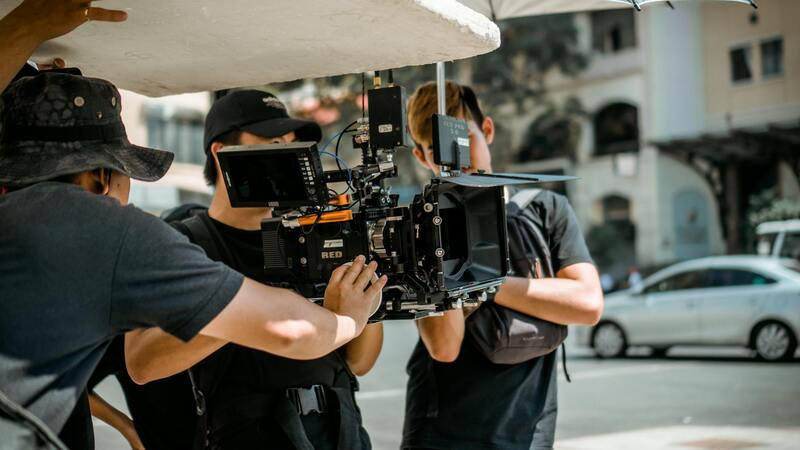
Content delivery infrastructure forms the backbone of any successful live stream. Modern Content Delivery Networks (CDNs) distribute the live feed across multiple servers worldwide, reducing latency and buffering. This network architecture guarantees stable connectivity and high availability, even during high traffic periods. Reliable internet connections, often supported by bonded fiber or dedicated broadband lines, further contribute to minimizing interruptions and ensuring the stream remains uninterrupted from start to finish.
Advanced streaming platforms incorporate features like adaptive bitrate streaming, which automatically adjusts the quality based on viewers' internet speeds, providing a buffer-free experience for all users. Additionally, some providers utilize cloud-based solutions to facilitate remote production, allowing broadcasters to operate sophisticated live streams from anywhere with internet access. Incorporating the latest technology ensures that live streaming services can meet the demands of diverse events, from small gatherings to large-scale productions, delivering consistent, high-quality content that engages audiences across multiple devices.
Understanding Live Stream Video Services
Live stream video services have become an essential component for organizations and event organizers seeking to reach larger audiences in real-time. These services encompass a range of solutions tailored to meet the specific needs of different event types, from corporate conferences to entertainment festivals. Professional live stream companies employ sophisticated technology frameworks that include high-definition cameras, professional audio equipment, and cutting-edge streaming platforms to deliver seamless viewing experiences.
Operational efficiency in live streaming relies heavily on the integration of hardware encoders or advanced software tools that encode video and audio signals. This process compresses the data, ensuring smooth transmission over the internet while preserving visual clarity and audio fidelity. Proper encoding is critical to maintain consistency, especially when streaming to multiple platforms or devices simultaneously. Moreover, robust infrastructure such as Content Delivery Networks (CDNs) plays a pivotal role in distributing the live feed efficiently across the globe, minimizing latency and buffering issues. These CDNs replicate the stream on multiple servers, ensuring rapid access for viewers regardless of their geographic location. The importance of a reliable internet connection cannot be overstated; many providers utilize bonded fiber or dedicated broadband lines to guarantee uninterrupted service throughout the event. Adaptive bitrate streaming technology further enhances viewer experience by automatically adjusting video quality based on individual internet speeds, providing a buffer-free, high-quality broadcast for all users.

Key Factors When Selecting a Live Stream Video Company
- Technical Expertise and Experience: Assess the company's track record in handling events similar in scope and scale. Experienced providers have efficient workflows and troubleshooting protocols, reducing the risk of disruptions.
- Quality of Equipment: Ensure the company uses professional-grade cameras, audio devices, and encoding hardware to produce clear visuals and pristine sound quality.
- Technological Infrastructure: Verify that the provider utilizes advanced streaming platforms, reliable CDNs, and adaptive streaming capabilities to ensure smooth content delivery.
- Support and Customer Service: Responsive technical support during and after the event is vital. A dedicated support team can troubleshoot issues promptly, ensuring the live stream proceeds without interruptions.
- Customization Options: The company should offer tailored solutions to suit the unique needs of your event, including branding, interface design, and viewer engagement tools.
Types of Events Suitable for Live Streaming
Live streaming technology is versatile and applicable across various event types, including:
- Corporate meetings, seminars, and product launches
- Conferences and conventions with multiple sessions
- Religious services and community gatherings
- Concerts and music festivals
- Sporting events and competitions
- Educational classes and workshops
- Charity events and galas
Each of these events benefits from real-time engagement, wider audience reach, and the ability to archive broadcast content for later viewing. When selecting an appropriate live stream video company, consider the specific requirements such as production complexity, viewer interaction, and technical support for large-scale or multi-camera setups.
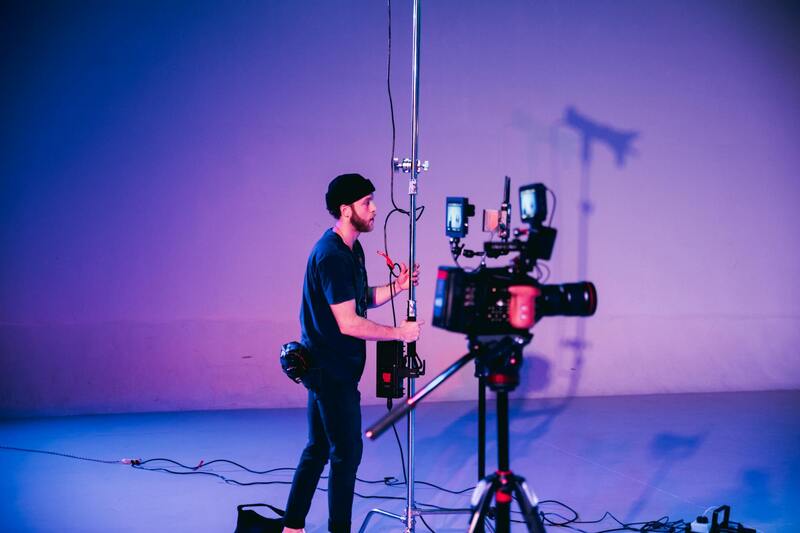
Equipment and Technology Used in Live Streaming
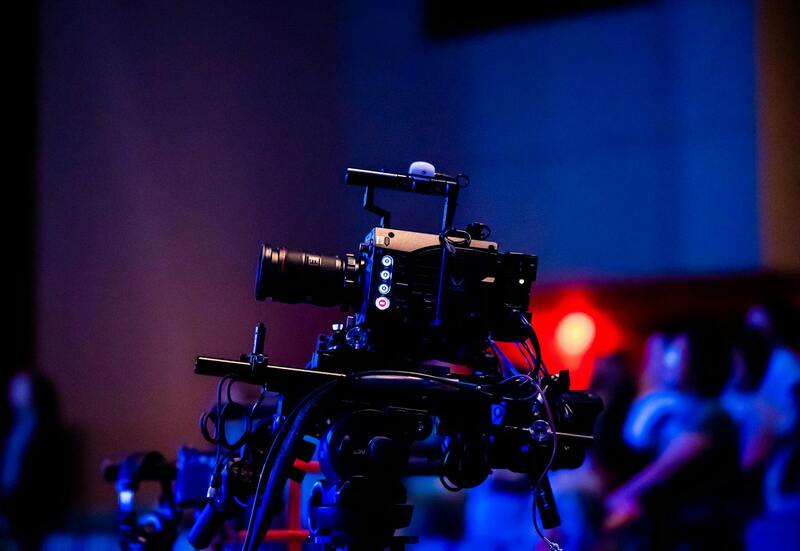
The foundation of a high-quality live stream lies in the technology used. Typically, professional live stream companies deploy an array of specialized equipment including multiple high-definition cameras, professional-grade audio mixers, and wireless microphones to capture clear visuals and crisp sound. Switchers and video mixers allow seamless multiple-angle shots, transitions, and overlays, enhancing the viewer experience. Encoders—either hardware or software-based—are integral for compressing and transmitting the video signals efficiently.
Furthermore, technology such as cellular bonders and dedicated internet lines provide the bandwidth necessary for stable streaming, even in challenging network environments. Cloud-based management platforms enable remote control and monitoring of streams, giving operators flexibility and oversight from any location. Advanced platforms also incorporate features like multi-platform streaming, real-time analytics, and viewer engagement tools that enhance interaction and measure reach comprehensively.
To ensure top-tier broadcast quality, providers frequently invest in equipment such as PTZ (pan-tilt-zoom) cameras for remote operation, professional lighting, and soundproofing. These tools collectively contribute to a polished, professional appearance that aligns with the branding and presentation standards of the client.
Customization and Interactivity Options
Modern live streaming services are not limited to simple video transmission. They offer a suite of customization and interactive features designed to boost engagement and tailor the viewing experience. Custom branding options include overlay graphics, logos, and tailored intro screens that reinforce corporate identity or event theme. Interactive features such as real-time chat, polling, Q&A sessions, and social media integration foster audience participation, making virtual attendees feel involved and valued.
For corporate events, segmenting the stream with multiple camera angles and dedicated comment moderators enables a dynamic, engaging presentation. Additionally, some services offer on-demand replay options post-event, providing flexibility for viewers unable to attend live. Higher-tier packages may include integrated ticketing, access control, and multi-language subtitles, broadening accessibility and reach. Ultimately, combining professional-grade technology with tailored interactivity creates a compelling live stream that resonates with viewers and enhances event impact.
Understanding Live Stream Video Services
Live stream video services have become essential tools for organizations seeking to broadcast events, conferences, or performances to a global audience in real-time. These services leverage advanced broadcasting technology to deliver high-quality video content seamlessly across various platforms and devices. They support a range of streaming protocols and formats, ensuring compatibility with social media channels, websites, and dedicated apps. Providers utilize robust Content Delivery Networks (CDNs) that optimize streaming performance, minimizing latency and buffering issues. This ensures viewers experience smooth, uninterrupted broadcasts regardless of their geographic location or internet connection speed.
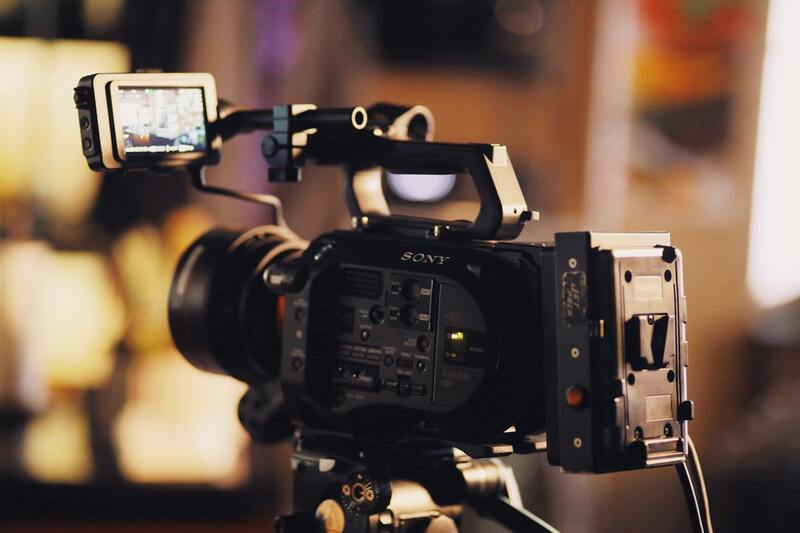
Typically, a live stream video company integrates multiple components such as professional-grade cameras, switchers, encoders, and audio equipment to capture and transmit event content at broadcast standards. These providers also prioritize security measures, including encrypted streams and access controls, to protect content and manage viewer access effectively. The deployment of reliable infrastructure allows for scaling, accommodating both small corporate presentations and large-scale conferences or concerts. Additionally, many companies offer supplementary services like pre-production planning, content editing, and post-event analytics to measure engagement and reach comprehensively.
Key Factors When Selecting a Live Stream Video Company
Choosing the right provider requires careful consideration of several critical aspects. The primary focus should be on technical expertise, including familiarity with various streaming platforms and equipment capabilities. Experienced live stream video companies demonstrate proficiency in producing high-definition content with minimal technical issues. Reliability is another vital element—providers should have a track record of delivering consistent, buffer-free streams under different conditions.
- Reputation and Portfolio: Review past projects and client testimonials to assess their experience in handling events similar in scope and scale.
- Equipment Quality: Ensure the company uses current, professional broadcasting gear that can support your event requirements.
- Support Services: Availability of technical support pre-event, during, and post-event is crucial to address unforeseen issues efficiently.
- Customization Options: Check if the provider can tailor the stream with branding, overlays, and interactive features aligned with your objectives.
- Cost Transparency: Clear pricing structures and comprehensive packages help avoid hidden fees and align expectations.
Types of Events Suitable for Live Streaming
Live streaming serves as a flexible solution for diverse event types, from corporate meetings to entertainment shows. Corporate webinars, product launches, annual general meetings, and training sessions benefit substantially from live broadcast capabilities by expanding their reach and engagement. Sports events, concerts, festivals, and theatrical performances also leverage live streaming to connect with audiences worldwide, providing immersive experiences.
Moreover, educational institutions utilize live streaming for lectures and campus events, allowing remote participation. Religious organizations broadcast sermons and ceremonies to congregants unable to attend physically. Each event type requires tailored technical setups, interactivity features, and branding considerations to maximize audience engagement and ensure a seamless presentation.
Equipment and Technology Used in Live Streaming
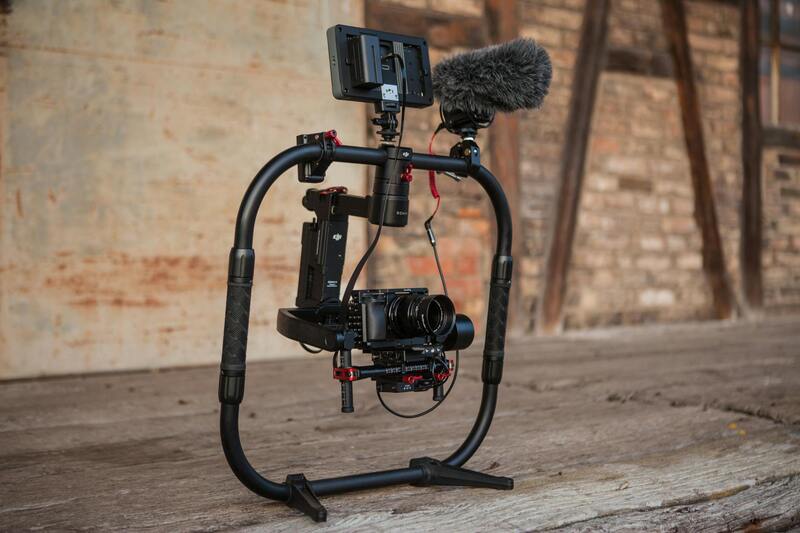
Essential to any professional live streaming setup is a combination of high-grade hardware and software components. Key equipment includes multiple camera systems—often PTZ (pan-tilt-zoom) models for flexible shots—paired with switchers that manage multiple video feeds. Encoders convert raw footage into streamable data, ensuring compatibility across different streaming platforms. Audio quality is maintained through professional microphones, mixers, and soundproof environments, promoting clear, noise-free content delivery.

Software solutions such as broadcasting dashboards and streaming management tools enable real-time control over multiple camera angles, graphics, viewer interactions, and overlays. Robust internet connections with high bandwidth capacity are critical, often supported by redundant networking setups to prevent interruptions. Additionally, streaming infrastructures incorporate security features, such as firewalls and encryption, to safeguard content and maintain data integrity throughout the broadcast.
Customization and Interactivity Options
Modern live streaming services aim to enhance audience engagement through a variety of customization features. Overlay graphics displaying branding, event titles, logos, and sponsor messages reinforce visual identity throughout the broadcast. Interactive functionalities, including live chat, polling, and Q&A sessions, foster a sense of participation and immediacy among viewers. Some platforms also support social media integration, allowing audiences to share content or comment in real-time, thereby expanding the event’s reach organically.
Higher-tier service packages often include on-demand replay options, multiple language subtitles, and segregated streaming channels catering to different viewer segments. Event organizers can also benefit from integrated ticketing systems and access control, enabling exclusive viewing experiences for registered or paying attendees. The strategic implementation of these features results in a more immersive, memorable virtual event that resonates with diverse audiences.
Understanding Live Stream Video Services
Live stream video services provide a platform for broadcasting live events over the internet, allowing audiences to experience events in real-time regardless of geographical location. These services involve various elements such as high-quality video encoding, reliable streaming infrastructure, and user-friendly interfaces to deliver seamless viewing experiences. The core goal is to ensure uninterrupted, high-definition content delivery that maintains engagement and professionalism. Live streaming platforms often integrate advanced features like multi-camera management, graphics overlays, and audience interaction tools, which enhance the overall quality and interactivity of the broadcast. Employing state-of-the-art equipment and internet connectivity is crucial for achieving optimal broadcast quality, especially during high-profile or complex events. These services can accommodate a broad spectrum of events ranging from corporate webinars and conferences to live concerts and sports tournaments, providing versatile solutions tailored to specific needs.

Key Factors When Selecting a Live Stream Video Company
Choosing the right live stream video company involves evaluating several critical factors. First, it is essential to assess the provider’s technical expertise, including their familiarity with the specific type of event and their ability to handle complex streaming requirements. A professional company should utilize advanced streaming technologies, such as adaptive bitrate streaming, to ensure consistent quality across different devices and internet speeds. Reliability is another vital consideration; providers should have a track record of minimal downtime and quick troubleshooting capabilities. Additionally, the company's reputation for customer support, personalized service, and experience working within the local market can significantly influence the success of the broadcast. Transparency regarding their infrastructure, security measures, and post-event support also plays a critical role in making an informed decision.
Essential Service Features to Verify
- High-definition streaming quality (1080p or higher)
- Multiple camera and audio management capabilities
- Robust internet and backup connectivity options
- Secure content delivery and data protection measures
- Interactive features like live chat, polls, and Q&A
- Availability of on-demand replays and multi-language support
Types of Events Suitable for Live Streaming
Many events benefit from live streaming to reach broader audiences and enhance engagement. Corporate meetings, product launches, and webinars allow companies to demonstrate transparency and connect with stakeholders globally. Conferences and seminars attract participants who cannot attend in person, providing real-time session coverage complemented by chat and Q&A interactions. Cultural events such as concerts, theater productions, and art exhibitions offer an immersive experience for remote viewers. Sports competitions and esports tournaments also leverage live streaming to deliver high-octane action to fans worldwide. Additionally, community events, religious gatherings, and charity fundraisers can use live broadcasts to maximize reach and impact. The flexibility of live streaming technology enables organizers to customize their content, integrate multimedia elements, and facilitate interactive components tailored to their audience’s preferences.
Key Considerations for Each Event Type
- Event scale and expected viewership
- Audience engagement requirements
- Technical complexity and number of camera angles
- Security and access control needs
- Post-event content management and on-demand options
Equipment and Technology Used in Live Streaming
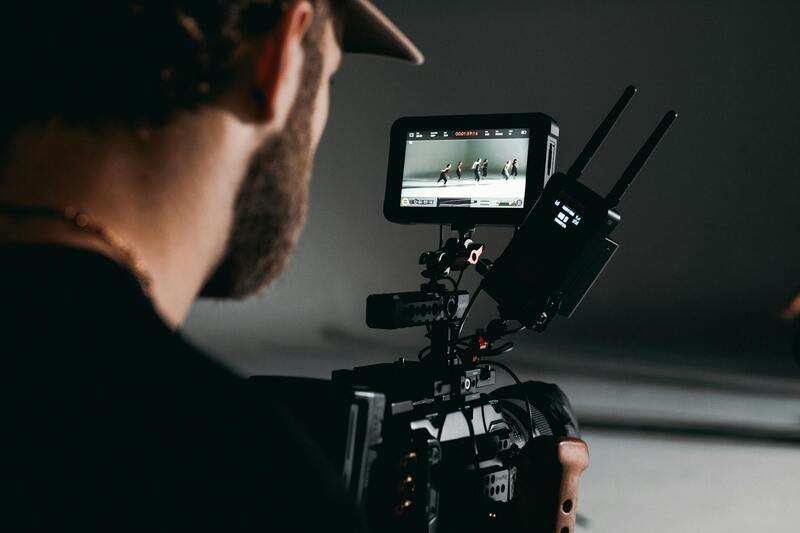
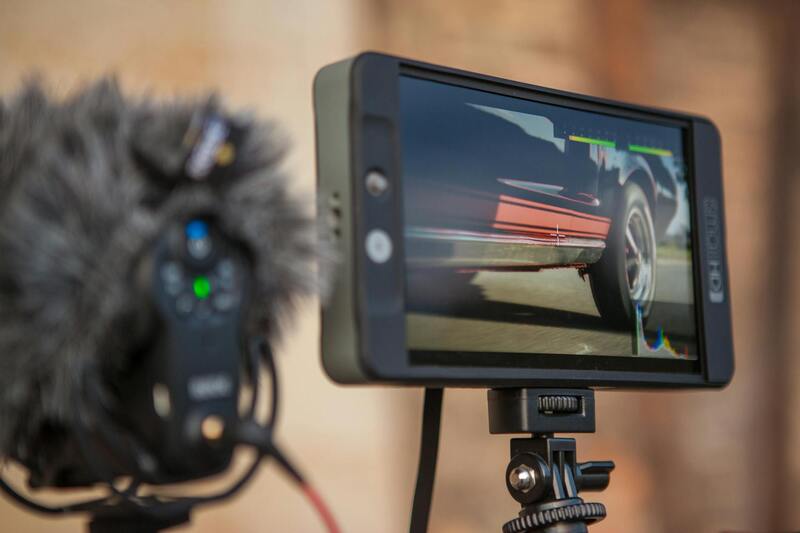
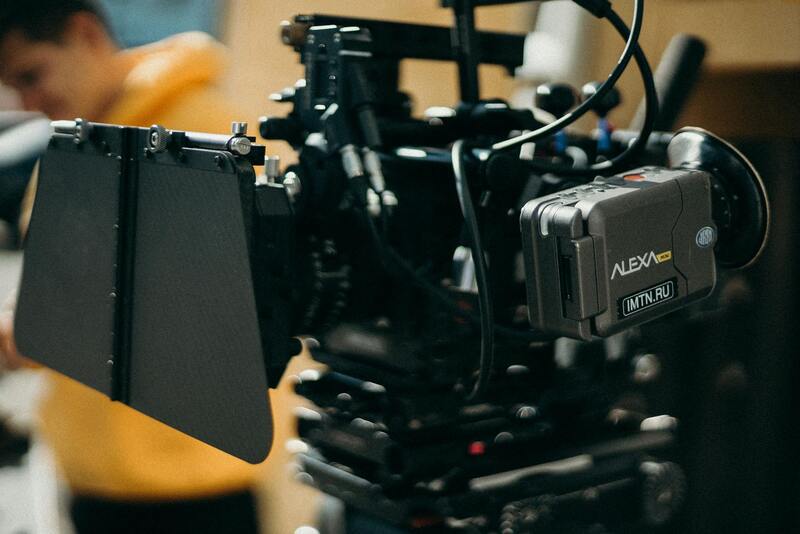
Successful live streaming relies on a combination of high-quality hardware and sophisticated software solutions. Professional cameras with HD or 4K capabilities capture crisp visuals, while high-fidelity microphones ensure clear audio. Video switchers or mixers enable seamless switching between camera feeds and visual effects, adding dynamism to the broadcast. Streaming encoders convert raw footage into optimized digital formats compatible with online platforms, often employing hardware or software-based solutions depending on the event's complexity. Reliable internet connections with sufficient upload bandwidth are crucial, with redundant networking setups providing fail-safes during unexpected disruptions. Content delivery networks (CDNs) distribute streams efficiently to viewers across different regions, minimizing latency and buffering. Complementary technologies include real-time analytics, viewer tracking, and integrated content management systems, which collectively enhance the broadcast's professional quality and user experience.
Customization and Interactivity Options
Advanced live streaming services emphasize audience engagement through various customization and interactivity features. Overlay graphics displaying branding, event titles, and sponsor messages reinforce visual identity while maintaining a professional appearance. Interactive tools such as live chat, polls, and Q&A sessions allow viewers to participate actively, fostering a sense of community during the broadcast. Social media integration enables viewers to share content or comment in real-time, expanding the event’s visibility organically. Higher-tier packages may include features such as multiple language subtitles, segmented streams tailored to specific audience segments, and on-demand replays for delayed viewing. Event organizers may also incorporate virtual ticketing or access control features for exclusive content, ticket validation, and secure viewing. These elements combine to create immersive, memorable virtual experiences that resonate strongly with diverse audiences.
Ensuring a Smooth Experience
- Pre-event testing of all equipment and streaming platforms
- Clear communication with technical teams and presenters
- Live monitoring and rapid response protocols
- Post-event data analysis to improve future broadcasts
Planning and Coordination for Live Streaming Events
Effective planning and coordination are essential for a successful live stream. This involves detailed pre-event meetings to understand the event's objectives, technical requirements, and budget constraints. A comprehensive run-through ensures all equipment functions correctly and technical staff are familiar with their responsibilities. Coordinating with event organizers, presenters, and technical teams helps streamline cueing, camera shots, and audio management. Contingency plans should be established to handle potential technical glitches or connectivity issues. Scheduling tests, rehearsals, and dry runs significantly reduce the risk of disruptions during the actual event. Clear communication channels between the live streaming team and on-site personnel are vital for addressing real-time adjustments. Additionally, post-event reporting provides insights into viewer engagement, technical performance, and areas for improvement, laying the foundation for future enhanced broadcasts.
Cost Considerations and Packages
The cost structure for live streaming services varies based on event complexity, duration, and desired features. Basic packages may include standard HD streaming, limited camera angles, and standard interactive features, with prices suited for smaller or straightforward events. More comprehensive packages, tailored for larger or multi-camera productions, incorporate advanced graphics, on-demand content, and advanced interactivity options, often at a premium. Custom packages can encompass additional services such as dedicated technical support, multilingual streams, custom branding, and integrated ticketing systems. Budget considerations should account for equipment rentals, personnel, streaming platform licensing, and post-production services if required. Evaluating packages based on value, flexibility, and scalability ensures the chosen solution aligns with the event’s goals and audience expectations. Transparent pricing and detailed service agreements help prevent unforeseen expenses, providing confidence in the investment for a professional quality live stream.