
Overview of Livestream Video Production
Livestream video production has become a pivotal element in the way organizations and event organizers communicate and share content with audiences in real-time. This sophisticated process involves the creation, management, and dissemination of live video content across multiple platforms, enabling seamless interaction among viewers regardless of geographic limitations. In today’s digital-centered environment, the demand for high-quality livestreams continues to rise, especially within vibrant markets like Miami, where businesses, educational institutions, and entertainment entities seek to leverage live broadcasting for broader engagement.
At its core, livestream video production encompasses a series of meticulously coordinated steps that ensure the delivery of professional-grade live content. It combines technical expertise with creative direction to produce visually compelling videos that meet the specific needs of each event or campaign. Given the dynamic nature of live broadcasting, it is crucial that production teams execute every phase flawlessly—from initial planning to live execution and post-event review—thus ensuring a smooth viewer experience and impactful content delivery.
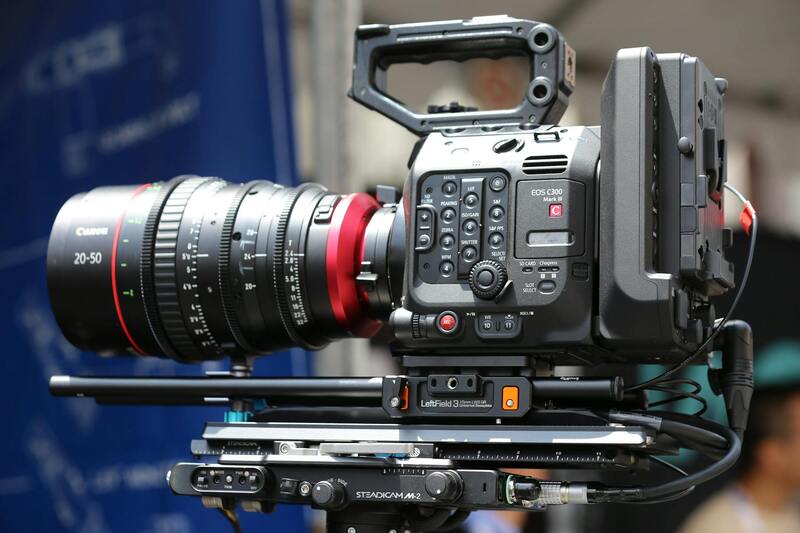
This production methodology is integral for a multitude of applications, including corporate conferences, product launches, faith-based gatherings, educational seminars, and entertainment showcases. By harnessing advanced streaming technology and strategic production practices, organizations in Miami can effectively reach and interact with their target audiences in real-time, creating opportunities for immediate engagement, feedback, and community building. As the demand for live content expands across sectors, mastery of livestream video production becomes essential for establishing a credible online presence and enhancing brand visibility in a competitive market.
Planning and Pre-Production Strategies
Effective livestream video production begins long before the camera starts rolling. The planning phase is critical in defining the event’s objectives, target audience, and key messaging. A detailed blueprint of the entire broadcast, including scripting, shot lists, and technical workflows, ensures everything proceeds smoothly during the live event. This stage involves coordinating with client stakeholders to understand their branding guidelines, visual preferences, and specific content needs. Additionally, selecting suitable dates and times for the live stream, considering the target audience’s regional demographics and peak activity hours, maximizes viewer engagement.
A comprehensive pre-production plan also encompasses securing the necessary permits, if applicable, and conducting site surveys to evaluate the venue’s technical capabilities. For Miami-based productions, understanding the local environment, such as light conditions or ambient noise factors, can influence equipment choices and setup procedures. Establishing a clear communication protocol among the production team ensures seamless coordination during the live event.
Content preparation goes hand-in-hand with logistical planning. This involves creating cue sheets, rehearsing presentations, and assigning roles to camera operators, hosts, and technical staff. Broadcasts benefit from rehearsals that simulate live conditions, allowing the team to troubleshoot potential issues and refine timing. For multi-camera shoots or complex live productions, it’s vital to prepare backup plans for technical failures, ensuring resilience during unexpected challenges.
From a technical perspective, pre-service testing of streaming hardware, software, and internet connections is vital. In places like Miami, leveraging high-speed, reliable internet connections guarantees a smooth transmission. If the event requires live interaction, such as Q&A sessions or social media integration, setting up moderation workflows and technical interfaces prior to the event ensures responsiveness and audience engagement.
Altogether, meticulous planning and pre-production strategies lay the foundation for capturing high-quality live content that resonates with viewers, enhances brand image, and achieves specified communication goals.
Technical Setup and Equipment Needed
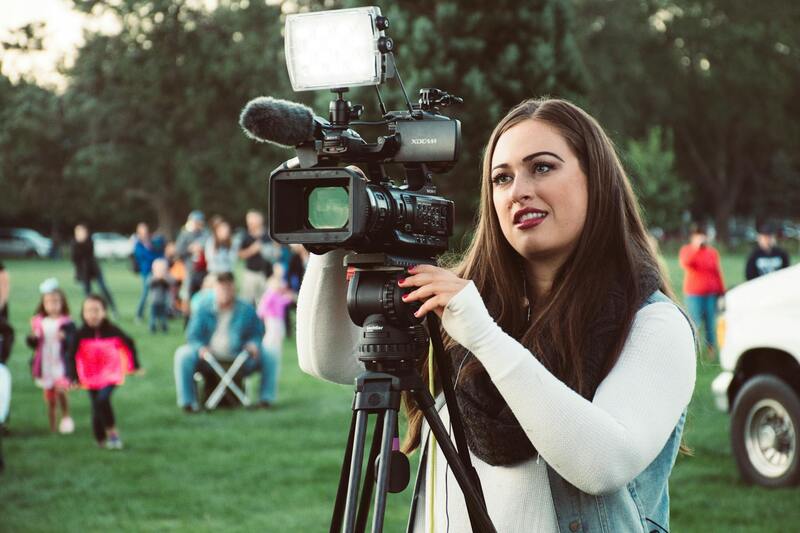
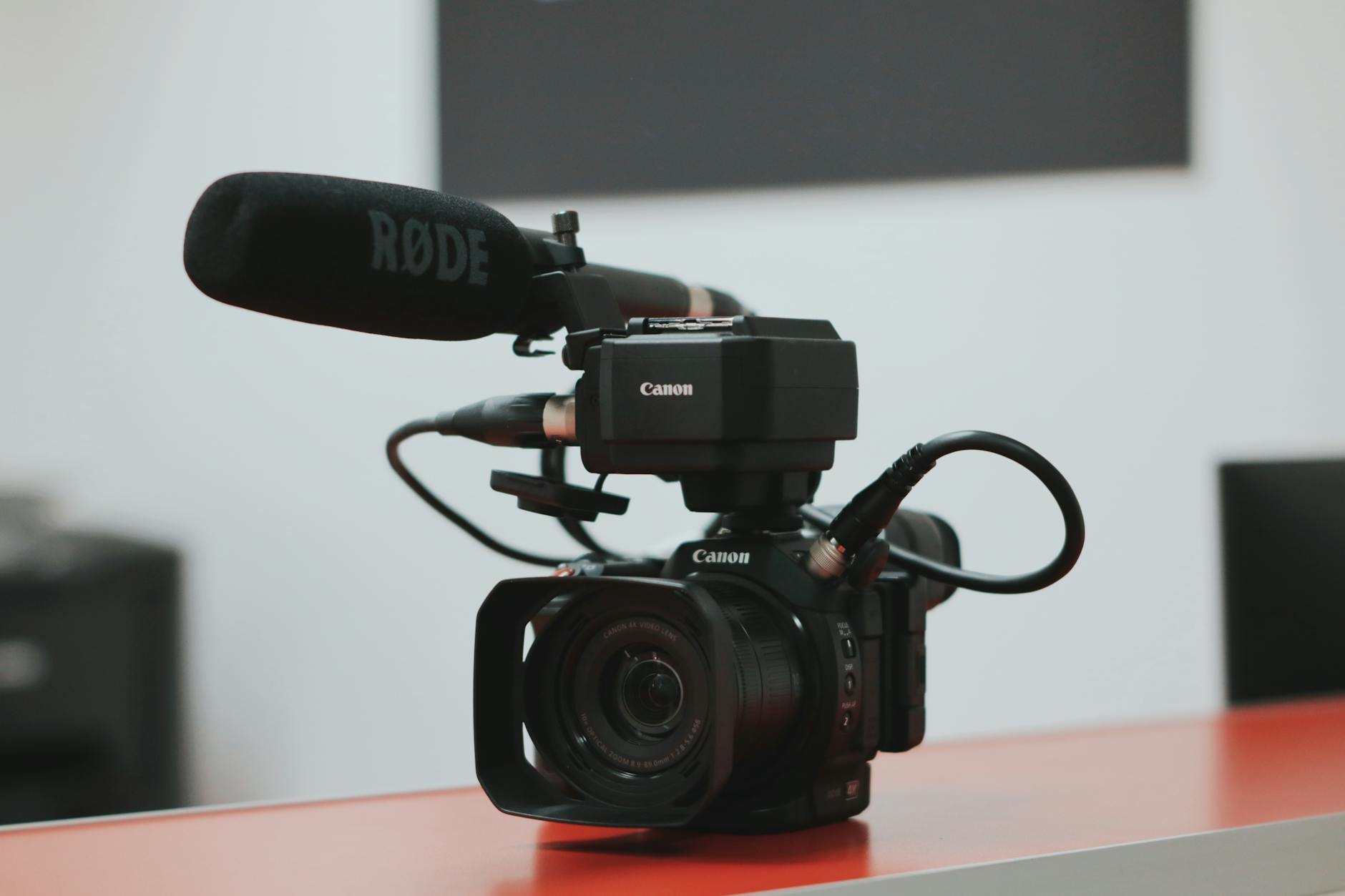
Executing a successful livestream video production requires an array of specialized equipment tailored to meet the demands of live broadcasting. High-quality cameras are fundamental, with options ranging from professional-grade camcorders to advanced DSLR or mirrorless systems capable of capturing crisp, high-resolution images. These cameras should be compatible with professional lenses to adapt to different shot types and lighting conditions effectively. Proper camera support equipment, such as tripods, stabilizers, and dolly systems, help maintain steady shots and dynamic movement as needed for engaging visuals.
Audio quality is equally critical. Lavalier microphones, shotgun mics, and mixer consoles ensure clear and balanced sound capture, minimizing ambient noise and echoes. Using wireless microphones facilitates mobility and allows hosts and presenters to engage naturally without being tethered to fixed setups. An audio monitoring system, including headphones and speakers, helps the crew identify sound issues in real time, fostering a seamless audio experience for viewers.
Lighting setups significantly impact visual clarity and overall production quality. In most situations, a combination of key lights, fill lights, and backlights creates a balanced, professional appearance. LED panel lights equipped with dimmable features and adjustable color temperatures are commonly used to adapt to different indoor environments. Proper lighting ensures that subjects are well-illuminated and removes unflattering shadows, making on-screen talent appear polished and vibrant.
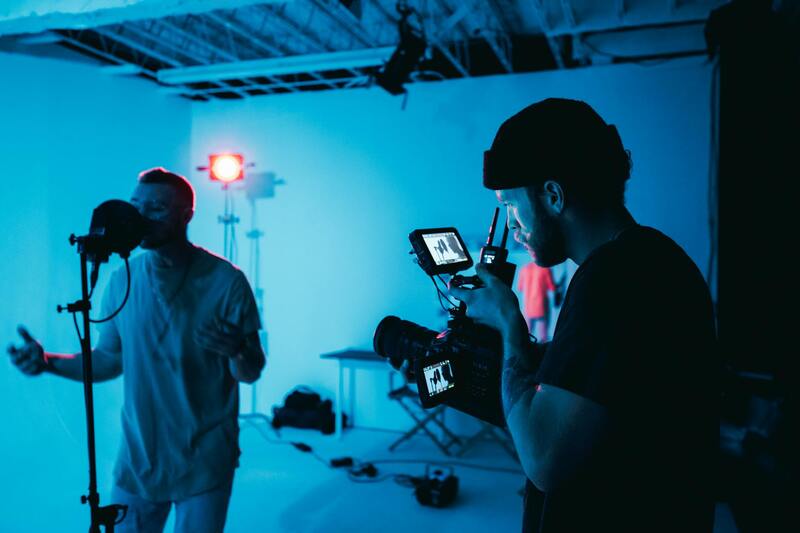
Streaming hardware is the backbone of live broadcast transmission. Encoding devices or software, such as hardware encoders or live streaming platforms, convert video and audio signals into a digital format suitable for online broadcasting. Reliable internet connectivity, preferably wired Ethernet or fiber optics, ensures uninterrupted streaming with minimal latency. Redundant internet connections and failover systems are vital for critical events to prevent disruptions due to outages or bandwidth fluctuations.
Additional equipment includes monitors for multi-camera and external source review, switchers for seamless shot transitions, and streaming software configured to handle overlays, graphics, and real-time data feeds. Technical teams must conduct thorough pre-event tests to verify all connections, calibrate equipment, and simulate the live scenario, ensuring each component functions harmoniously during the broadcast. This meticulous preparation minimizes the risk of technical difficulties and delivers a polished viewing experience for the online audience.
Technical Setup and Equipment Needed
Achieving a seamless livestream video production requires a meticulously planned technical setup that aligns with the specific demands of the event and the target audience. The foundation of high-quality live streaming begins with selecting the right type of cameras. Professional-grade camcorders or cinema cameras equipped with high-resolution sensors and optical zoom capabilities ensure crisp image quality, even in varying lighting conditions. For interior venues, cameras with excellent low-light performance help maintain visual clarity without additional lighting adjustments.
Switching equipment, such as a video switcher or production mixer, enables real-time transitioning between multiple camera feeds, graphics, and external media sources. This allows for dynamic presentations, effective storytelling, and a polished final product. Alongside video switchers, reliable streaming hardware—either dedicated hardware encoders or live streaming software—plays a critical role in encoding the video and audio signals into suitable formats for online broadcasting.
Internet connectivity is a fundamental component that directly impacts stream stability. Wired Ethernet connections are preferred for their consistent bandwidth and lower latency, but optional backup options such as cellular bonding technology and secondary internet lines can safeguard against connection failures. Bandwidth requirements vary depending on resolution and frame rate; for 1080p streaming at 60fps, a stable upload speed of at least 10 Mbps is recommended.
In addition to primary streaming equipment, auxiliary devices like external monitors for multi-view monitoring, audio mix consoles, and field microphones ensure high-quality sound and visual control throughout the event. Redundant systems and backup power supplies are essential for maintaining uninterrupted operation, especially during events where live transmission integrity is paramount.
Technical Setup and Equipment Needed
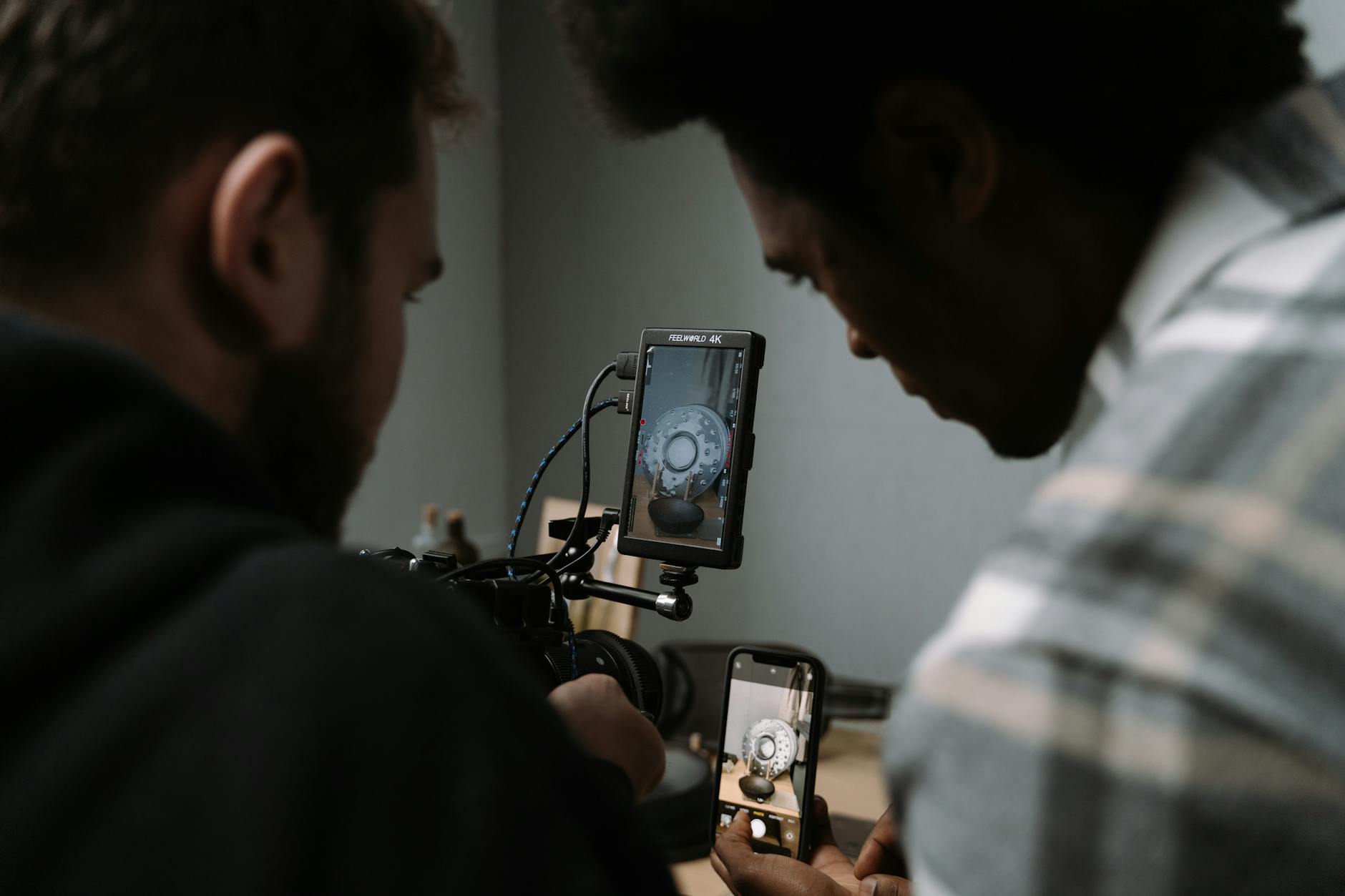
Successful livestream video production hinges on the meticulous setup of the right technical infrastructure. High-quality cameras are essential to capture crisp visuals and dynamic angles, typically involving HD or 4K equipment depending on the event's requirements. Camera operators need to be skilled in framing shots, adjusting focus, and managing camera movements to ensure visual consistency throughout the broadcast.
Encoding devices are the backbone of the streaming process. Hardware encoders, such as professional broadcast-grade units, convert video signals into formats optimized for internet transmission, providing reliable and high-resolution streams. Alternatively, software encoders installed on robust computers can fulfill the same role, offering flexibility and ease of use for live production teams.
Audio quality significantly influences viewer engagement, making the selection of microphones and audio mixers critical. Lavalier or shotgun microphones can capture clear speech, while audio mixers balance different sound sources and add effects as needed. Wireless microphones expand mobility for hosts and presenters, ensuring natural interaction without cables cluttering the stage or set.
Lighting setup is equally vital, with key, fill, and backlights sculpting the visual narrative and highlighting crucial moments. Proper lighting ensures subjects are seen clearly, reducing shadows and maintaining consistency regardless of movement or camera angle shifts.
Robust internet connectivity underpins all these components. A wired Ethernet connection remains the most dependable, offering stable bandwidth and minimal latency. To mitigate possible disruptions, it’s advisable to have backup options, such as cellular bonding technology or secondary internet lines, ready to switch on if the primary connection falters.
Bandwidth calculations are crucial for ensuring smooth streaming experiences. For high-definition broadcasts at 60 frames per second, an upload speed of at least 10 Mbps is recommended, with higher speeds improving stability and image quality. These backbone connections are complemented by auxiliary devices like external monitors—used for multi-view monitoring—audio control interfaces, and field microphones, which all contribute to maintaining high-quality output throughout the event.
Redundancy is a core principle in professional livestream setups. Backup power supplies, spare cables, and secondary encoding devices safeguard against unexpected technical failures. Pre-event testing of all equipment, including connectivity and synchronization, minimizes on-the-fly adjustments and potential disruptions during the live transmission.
Technical Setup and Equipment Needed
Implementing a successful livestream video production hinges on a meticulously assembled technical setup equipped with industry-standard tools. The core hardware typically includes durable cameras capable of capturing high-definition footage, compatible with various remote shooting environments. Professional camcorders and PTZ (pan-tilt-zoom) cameras allow dynamic framing of live scenes, especially useful for complex event coverage or multi-angle shooting.
Audio quality is equally vital. High-fidelity microphones—such as shotgun mics, lapel mics, and audio mixers—ensure clear sound, free of background noise, to engage viewers effectively. Integration of audio interfaces with reliable preamps and digital processors guarantees crisp, balanced audio streams synchronized seamlessly with the video content.
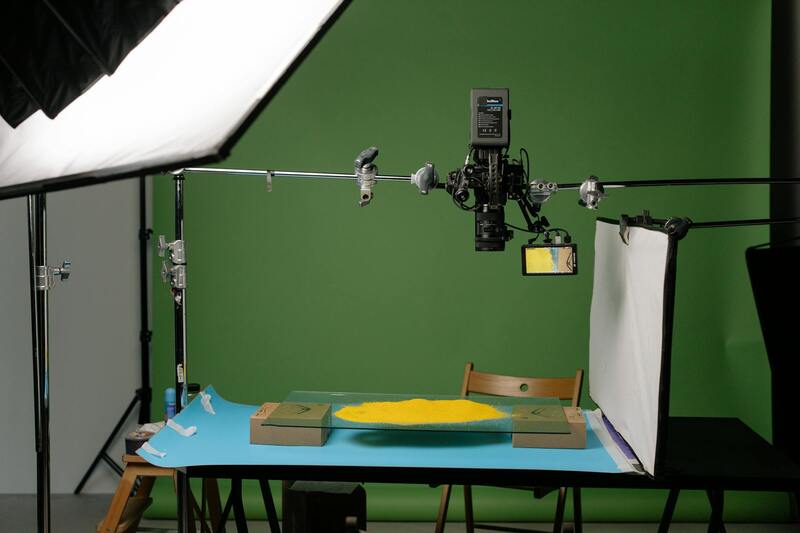
Beyond cameras and microphones, essential auxiliary equipment includes reliable transmission hardware such as encoders and streaming devices. Hardware encoders convert raw audio-visual signals into a digital stream compatible with various streaming platforms, ensuring minimal latency and optimal quality. Additionally, switchers and multiview monitors facilitate seamless control and real-time adjustments of video feeds, especially in multi-camera productions.
Lighting setup also plays a pivotal role in overall production quality. Proper key, fill, and backlights sculpt the visual narrative, highlight key individuals and elements, and ensure scenes remain visually appealing regardless of ambient conditions. Investing in adjustable LED lighting panels with high color accuracy ensures consistency and enhances the professionalism of the broadcast.
For seamless control and monitoring, operators rely on robust software systems integrated with hardware elements. These platforms allow for on-the-fly transitions, graphic insertions, and audio adjustments, further refining the live experience. To safeguard against technical failures, redundancies such as backup power supplies, secondary encoding units, and spare cables should be incorporated into the setup.
Reliable internet connectivity forms the backbone of any successful livestream. Wired Ethernet connections are preferred owing to their stability, but backup options like cellular bonding or secondary internet lines provide extra security. Bandwidth calculations should be tailored to the event’s resolution and frame rate; for high-definition broadcasts at 60 frames per second, a minimum upload speed of 10 Mbps is recommended, with higher speeds significantly reducing buffering or stream interruptions.
Pre-event testing is a critical phase. All equipment—including video, audio, connectivity, and streaming software—must be tested thoroughly to identify potential issues and streamline operations during the live event. This proactive approach reduces the risk of disruptions and helps create a polished, professional presentation.
Implementation of Official and Certified Livestream Production Methods
When executing professional livestream video production, adherence to established and verified broadcasting techniques is essential to ensure the highest quality and reliability. This begins with selecting certified hardware and software solutions that meet recognized industry standards. For instance, utilizing professional-grade cameras, encoders, and streaming platforms that are tested and approved by relevant industry authorities guarantees a stable broadcast environment.
In addition, employing content delivery networks (CDNs) with proven track records in streaming reliability minimizes latency and buffering issues, providing viewers with a smooth experience. These CDN providers often have rigorous verification procedures to ensure they deliver steady bandwidth and security during live events. Incorporating such technology into your setup guarantees consistency and professional delivery.
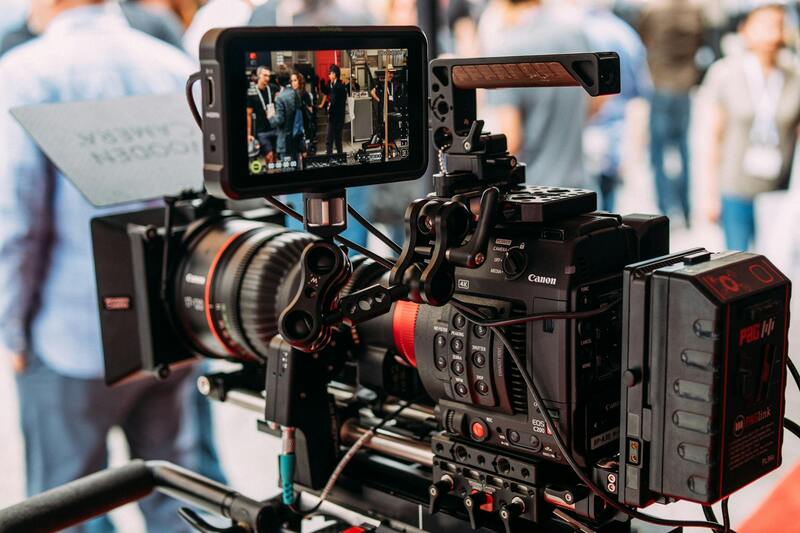
The design of an effective broadcast protocol involves rigorous testing of all system components prior to the live event. This includes comprehensive tests for network stability, audio-visual synchronization, and redundancy checks. Implementing crew training grounded in official guidelines and standardized procedures enhances operational efficiency and reduces the likelihood of errors.
Transportation and setup of equipment should follow methodologies endorsed by industry associations, ensuring compliance with safety standards and optimal performance. For instance, properly grounding and shielding electronic devices minimizes interference and signal degradation. Moreover, establishing clear communication channels among production team members and technical staff facilitates seamless command execution during the live broadcast.
Advanced Content Acquisition and Management
Utilizing legitimate content sources—such as licensed footage, authorized music, and approved graphics—ensures the stream remains compliant with intellectual property rights regulations. Employing digital rights management (DRM) tools helps monitor and control content distribution, preventing unauthorized use or piracy.
Furthermore, adopting certified overlay and graphic management systems allows broadcasters to incorporate real-time branding, informational updates, and interactive features securely and professionally. These systems often integrate with streaming software to facilitate smooth transitions and dynamic content refreshes, maintaining viewer engagement without risking content infringement.
All these official methods contribute to establishing a reliable, compliant, and professional livestream production environment that aligns with industry standards, providing Miami-based organizations with a trustworthy platform to reach their audience effectively and securely.
Effective Strategies for Secure and Professional Livestream Video Production
When producing a livestream, especially for diverse audiences and high-stakes events, adherence to established industry standards ensures a seamless viewing experience while safeguarding intellectual property and content integrity. Utilizing validated methods and reliable technology is essential. These practices not only enhance broadcast quality but also uphold community trust and organizational credibility.
Utilizing Official Content Delivery Protocols
One of the core pillars of legitimate livestream production involves careful management of content sources. Using licensed footage and graphics obtained through official channels prevents copyright infringements and guarantees compatibility with streaming platforms. Incorporating digital rights management (DRM) tools enables content creators to control distribution, monitor unauthorized access, and protect revenue streams. This approach also helps schedule content updates and overlays dynamically, ensuring viewers receive timely information.
Incorporating Secure Overlay and Graphic Management Systems
Live visual elements such as branding overlays, informational banners, and interactive features need to be integrated through certified management systems. These systems facilitate real-time updates without risking content infringement, maintaining a unified brand presence. Compatibility with popular streaming software allows broadcasters to execute smooth transitions, enhance viewer engagement, and incorporate feedback elements securely. All graphic assets should originate from authorized sources, precisely formatted and integrated within the production pipeline, to prevent any breaches of intellectual property rights.
Adherence to Data Security Standards
Steady data protection practices during live production prevent unauthorized access to sensitive information. Using encrypted connections, secure file sharing, and role-based access controls for production equipment reduces vulnerabilities. Regular security audits of streaming software and hardware further mitigate risks associated with cyber threats. Ensuring only authorized personnel operate the equipment and access the control interfaces maintains integrity and prevents inadvertent leaks or malicious interventions.
Maintaining a Professional Content Management Environment
A structured approach towards content organization, storage, and retrieval supports efficiency and consistency across multiple broadcasts. Implementing approved workflows, such as version control and content backup, enables quick recovery from technical issues. Certification of all equipment and software used in production sequences guarantees compliance with technical standards, resulting in high-quality streams that meet industry expectations.
Advanced Signal Routing and Redundancy Configurations
Security extends to the technical infrastructure of the livestream. Using redundant signal paths, such as backup internet connections and dual encoder setups, ensures the continuity of the event despite potential disruptions. Proper grounding and shielding of electronic equipment minimize interference, maintaining clean audio and video signals. High-quality cabling, certified connectors, and electromagnetic interference (EMI) shielding promote reliable data transmission, reducing latency, and preventing signal degradation. These measures, coupled with real-time monitoring tools, alert operators to technical issues promptly, facilitating swift corrections.
Implementing Official Protocols During Live Broadcasts
Strict adherence to standardized procedures during live events, such as predefined roles for technical staff, clear communication protocols, and step-by-step checklists, helps avoid mishaps and ensures a polished presentation. These official procedures are developed based on industry best practices and tailored to specific event requirements. Training staff thoroughly on these protocols prepares them to handle unexpected challenges efficiently, preserving the stream’s professionalism and viewer satisfaction.