
Overview of Broadcast Streaming Production Companies
Broadcast streaming production companies play a crucial role in the modern media landscape, serving as the backbone for delivering high-quality live and on-demand content across diverse industries such as corporate communication, entertainment, education, and sports. Their expertise encompasses capturing, producing, and transmitting audio-visual material seamlessly over the internet, ensuring viewers receive a smooth and engaging experience regardless of their location.
These companies are equipped to manage the entire lifecycle of a streaming project, from initial planning and content creation to final distribution. As demand for immediate and accessible content grows, the importance of professional broadcast streaming production companies becomes increasingly evident. They enable organizations to reach a global audience without the constraints of traditional broadcasting infrastructure, making high-impact communication and media delivery more accessible than ever before.

In essence, broadcast streaming production companies serve as a vital link between content creators and their audiences, using sophisticated techniques and robust technology to facilitate live coverage, virtual events, webinars, and on-demand media. Their ability to adapt to various formats and scales makes them indispensable for organizations seeking reliable and professional streaming solutions.
Key Services Offered by Broadcast Streaming Production Companies
- Live Event Streaming: Broadcasting concerts, conferences, sports events, and corporate functions in real-time to a global audience.
- Pre-Recorded Content Production: Creating and editing on-demand videos for marketing, training, or entertainment purposes.
- Technical Consultation and Planning: Developing comprehensive streaming strategies tailored to client goals and audience needs.
- Multi-Platform Distribution: Ensuring content is accessible across various devices and platforms, including social media, websites, and apps.
- Equipment and Infrastructure Management: Deploying broadcast-quality cameras, encoders, and audio systems to optimize stream quality.
- Post-Production Services: Editing, graphics, and captioning to enhance video presentation and accessibility.

By offering these comprehensive services, broadcast streaming companies help clients maximize engagement, expand reach, and achieve their specific broadcasting objectives efficiently and professionally.
Technologies and Equipment Used in Streaming Production
Modern broadcast streaming production relies heavily on cutting-edge technologies and high-quality equipment to deliver seamless and professional content. The backbone of an exceptional streaming experience is comprised of sophisticated hardware paired with advanced software solutions, ensuring that every broadcast meets the highest standards of clarity, stability, and accessibility.
At the core of production setup are professional-grade cameras, which are essential for capturing high-definition visuals that translate well across various screens. These cameras often feature pan-tilt-zoom capabilities, multiple sensors, and high-resolution optics to accommodate different lighting conditions and shot requirements. The use of multi-camera setups enables dynamic switching during live events, providing viewers with engaging perspectives and a cinematic feel.

Encoding devices are equally vital, converting raw video signals into digital streams compatible with online platforms. Encoders can be hardware-based or cloud-based, offering flexibility depending on the scale and scope of the event. Reliable encoders reduce latency, prevent buffering, and maintain video quality during transmission.
Audio equipment, including wireless microphones, mixers, and professional-grade soundboards, ensures crystal-clear audio that complements the visual content. Audio quality is often overlooked but is crucial for maintaining viewer engagement and accessibility, especially during conferences, webinars, or live performances.
Lighting gear plays a significant role in ensuring that the visual content is vibrant and well-lit, irrespective of ambient light conditions. Proper lighting enhances the overall production value, making the onscreen content more appealing and professional.
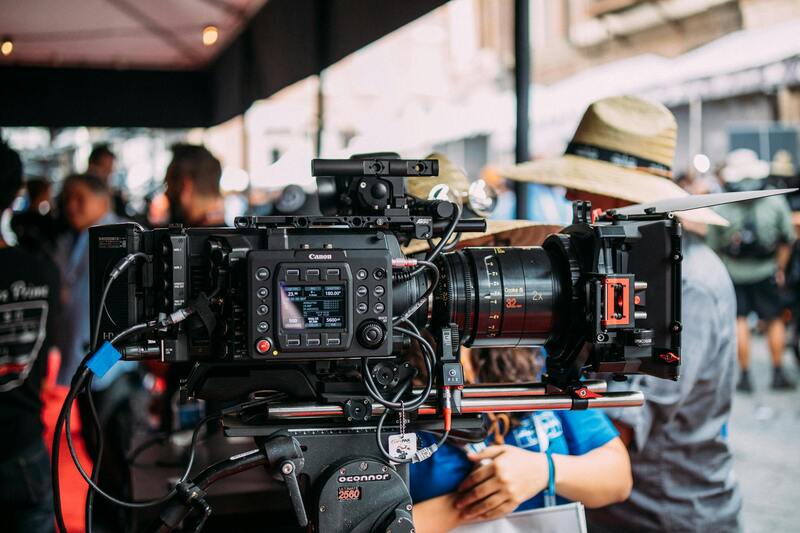
For post-production, editing software, graphics generators, and captioning tools are employed to refine and customize content. These tools enable the addition of lower-thirds, overlays, subtitles, and branding, which are essential for a polished and cohesive final product.
Network infrastructure also plays a pivotal role. High-speed internet connections, redundant bandwidth options, and dedicated servers prevent interruptions and ensure uninterrupted streaming during critical moments. Content Delivery Networks (CDNs) are utilized to distribute streams efficiently across various geographic locations, reducing latency and buffering issues.
Advanced monitoring systems track stream health in real-time, providing valuable data on viewer engagement and technical performance. This information allows producers to make immediate adjustments if any disruptions occur, guaranteeing a professional broadcast without interruptions.
Deploying such sophisticated equipment and integrated technologies allows Miami-based broadcast streaming production companies to deliver high-quality content reliably, regardless of event complexity or scale. Their ability to adapt and utilize various tools ensures their clients achieve their broadcasting goals with precision and professionalism.
Technologies and Equipment Used in Streaming Production
To achieve seamless and high-quality live broadcasts, a broadcast streaming production company leverages cutting-edge technology and advanced equipment. High-definition cameras, including 4K resolution models, capture crisp, vibrant visuals that elevate the viewer experience. These cameras are often equipped with professional zoom lenses and stabilizers to ensure smooth footage, even during dynamic or action-packed events.
Video switching systems are pivotal for managing multiple camera feeds, allowing directors to seamlessly transition between angles and perspectives. These systems support real-time editing, picture-in-picture inserts, and transition effects, contributing to a polished broadcast presentation.
Encoding hardware and software are essential for compressing video streams into suitable formats for online distribution. Modern encoders provide options for adaptive bitrate streaming, which dynamically adjusts video quality based on viewer bandwidth, reducing buffering and enhancing reliability.
Behind the scenes, a robust network infrastructure underpins the entire operation. This includes high-speed internet connections, load balancers, and redundant pathways to prevent downtime. Content Delivery Networks (CDNs) are employed to distribute streams efficiently across various geographic locations, minimizing latency and buffering issues.
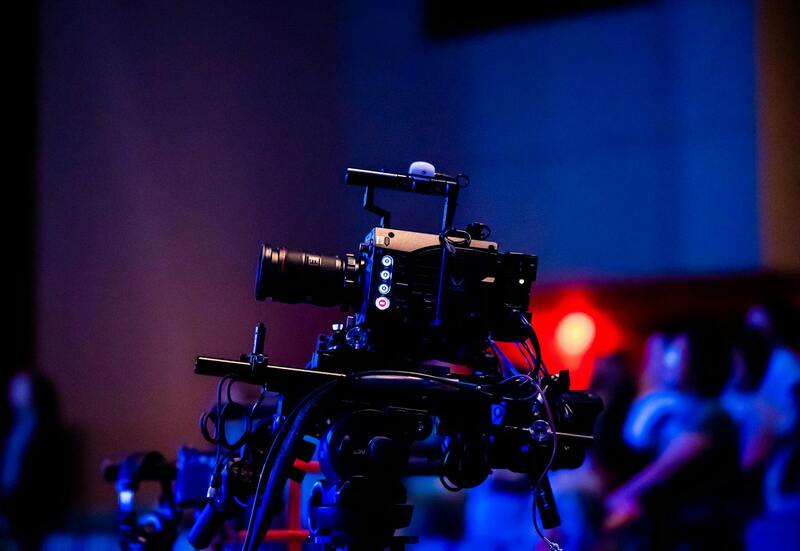
Audio equipment also plays a critical role, with shotgun microphones, wireless lavaliers, and mix consoles capturing and balancing sound for clarity and consistency. Advanced audio processors eliminate background noise and ensure optimal levels for all sources.
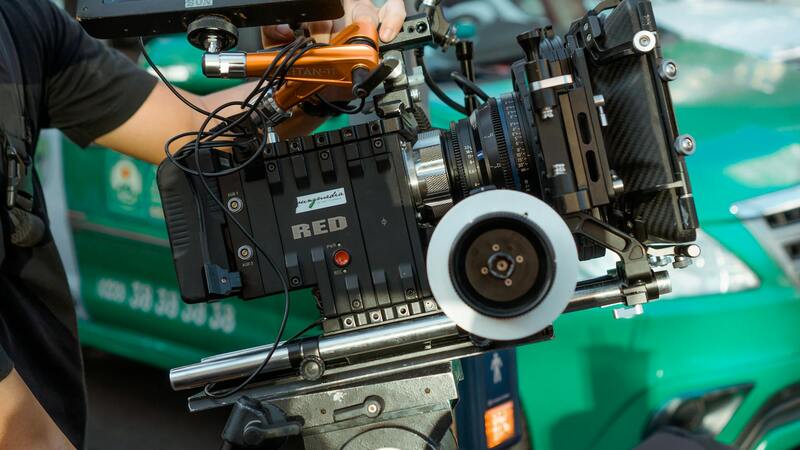
Utilizing this spectrum of technology and hardware, Miami-based broadcast streaming production companies can deliver reliable, professional-level content tailored to diverse event requirements. Their ability to integrate new developments and maintain state-of-the-art setups enables consistent delivery of compelling live streams that meet or exceed client expectations.
Technologies and Equipment Used in Streaming Production
In the realm of broadcast streaming production, leveraging cutting-edge technology is fundamental to delivering seamless and high-quality content. Professional-grade hardware and sophisticated software solutions work in tandem to ensure that live streams are reliable, visually impressive, and acoustically clear. This encompasses a wide array of equipment, from cameras and audio devices to encoding systems and network infrastructure.
High-definition cameras, including 4K and even 8K options, are standard in modern streaming setups. These cameras capture crisp, detailed visuals ideal for broadcasts, whether for corporate events, concerts, or sports. Coupled with professional video switchers, operators can seamlessly transition between multiple camera angles, add graphics, and incorporate prerecorded segments, creating a polished viewing experience.
Audio quality is equally critical; hence, professional sound equipment such as shotgun microphones and wireless lavalier microphones are used to capture clear dialogue and ambient sounds. Sound mixers and audio processors help balance and enhance audio signals, reducing background noise and ensuring consistent volume levels across different sources.
Encoding hardware, including hardware encoders and powerful servers, transform raw video signals into streamable formats. Adaptive bitrate streaming technology dynamically adjusts video quality based on a viewer's internet speed, minimizing buffering during live broadcasts. These encoders integrate with Content Delivery Networks (CDNs), which distribute streams efficiently across multiple regions, ensuring low latency and high reliability.
The underlying network infrastructure is equally vital, featuring high-speed internet connections, load balancers, and redundant pathways to prevent downtime. Reliable networking equipment ensures continuous data flow, even during peak traffic, maintaining stream stability. Additionally, software tools for production management, such as video switching, graphics overlay, and real-time analytics, contribute to a professional broadcast experience.
Miami-based companies specializing in broadcast streaming investment in state-of-the-art technology allows them to deliver advanced live productions suitable for diverse client needs. Staying abreast of technological progress ensures that these companies can provide top-tier services that stand out in quality and reliability.

Understanding and integrating the latest advancements in streaming technology enable broadcast production companies to manage complex events efficiently. For example, remote production workflows allow multiple locations to be managed seamlessly, reducing operational costs and logistical challenges. Moreover, enhancements in cloud-based solutions facilitate scalability and quick deployment, catering to both small-scale events and large international broadcasts.
Ultimately, the combination of advanced hardware, reliable software, and robust network infrastructure empowers Miami broadcast streaming companies to produce engaging, professional content that meets rigorous industry standards. Their investment in technology ensures they can adapt to evolving viewer expectations and deliver consistently high-quality streams across multiple platforms and devices.
Planning and Executing a Successful Streaming Event
Effective planning is crucial for delivering a seamless live streaming experience. It begins with a thorough pre-production process that involves defining the event’s objectives, identifying target audiences, and selecting appropriate technical requirements. Establishing a detailed timeline and coordinating with all stakeholders ensures clarity and readiness at every stage of the event. This preparatory phase includes location scouting, securing requisite permits, and conducting equipment checks to prevent technical issues during the live broadcast.
Technical setup must be meticulously handled to ensure high-quality streaming. This involves configuring cameras, audio systems, and lighting to meet the specific demands of the event. Utilizing professional-grade equipment and redundant systems safeguards against disruptions. Connectivity plays a pivotal role; reliable internet connections with sufficient bandwidth are critical to avoid buffering and latency issues. Engineers typically perform test runs to verify signal integrity and troubleshoot potential issues beforehand.
During the live operation, real-time monitoring and management become paramount. Skilled production crews handle switching between cameras, overlaying graphics, and managing audio feeds to craft an engaging broadcast. Coordinating with off-site personnel, such as remote directors or technical support teams, helps streamline operations and mitigate unforeseen challenges. Communication protocols are established to facilitate swift responses to any technical anomalies, ensuring minimal disruption to the live stream.
Post-event services involve comprehensive review and analytics to assess performance. This includes evaluating stream stability, viewer engagement, and technical quality. The delivery of recorded content, highlights, and downloadable files extends the reach of the event beyond the live broadcast, maximizing its impact. Feedback collection aids in refining future production strategies and improving overall quality assurance for upcoming events.
Implementing Best Practices for Stream Reliability and Quality
- Use redundant internet connections to ensure uninterrupted streaming.
- Perform multiple test runs prior to the event to identify potential technical issues.
- Engage experienced production professionals familiar with live broadcasting dynamics.
- Optimize lighting and audio to enhance viewer experience.
- Monitor stream health continuously during the event for immediate troubleshooting.
Adherence to these practices guarantees a professional broadcast that resonates with viewers, strengthening the event’s overall effectiveness and reputation.
Understanding the Technical Foundations of Broadcast Streaming Production
Mastering a seamless live broadcast hinges upon a solid grasp of the technical infrastructure and equipment employed by broadcast streaming production companies. These entities utilize a range of advanced tools designed to ensure high-quality delivery and resilient performance during live events. From video capture to encoding and distribution, each technical component plays a vital role in creating engaging, reliable broadcasts that meet client expectations and viewer standards.
Core Equipment in Broadcast Streaming Production
- Cameras and Video Capture Devices: High-definition cameras, including professional-grade encoders, capture live footage with clarity and precision, providing the foundation for a compelling visual experience.
- Switchers and Video Mixers: These crucial tools allow switching between multiple camera feeds, overlaying graphics, and integrating pre-recorded content smoothly, creating a cohesive broadcast flow.
- Audio Mixing Consoles: Ensuring crisp, balanced sound quality, audio mixers manage multiple input sources such as microphones, playback devices, and sound effects, enhancing overall viewer engagement.
- Streaming Encoders: Hardware or software encoders digitize video signals into compressed streams compatible with various distribution platforms. They also implement adaptive bitrate streaming to optimize playback based on viewer bandwidth.
- Content Delivery Networks (CDNs): These networks facilitate the distribution of streams across a broad audience, minimizing latency and buffering issues, especially during large-scale live events.
Complementary Technologies Supporting Stream Quality
- Redundant Internet Connections: Multiple high-speed internet channels with automatic failover ensure continuous streaming even if one connection experiences issues.
- Monitoring and Analytics Tools: Real-time monitoring software tracks stream health, viewer engagement, and technical performance, allowing quick response to any anomalies.
- Graphics and Overlay Software: Tools like Adobe Creative Suite or vMix enable the integration of overlays, lower thirds, and branding elements that enhance professionalism and viewer experience.
- Lighting and Audio Equipment: Professional lighting setups and high-quality microphones support visuals and sound that meet broadcast standards, directly impacting the broadcast's clarity and appeal.
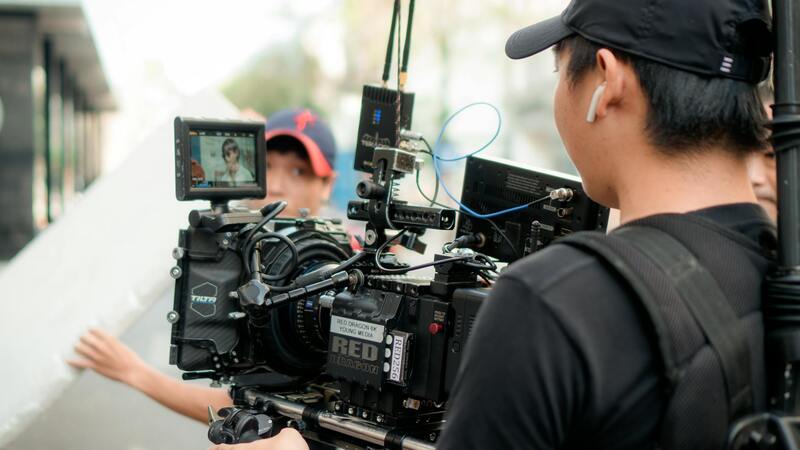
Ensuring Optimal Performance and Quality in Streaming Production
To achieve consistently high-quality streams, production companies implement rigorous processes involving pre-event testing, real-time monitoring, and post-event analysis. Conducting rehearsals familiarizes the crew with all technical aspects, allowing potential issues to be identified and resolved beforehand. During the event, continuous monitoring of stream health enables immediate troubleshooting of any disruptions, preventing viewer experience degradation.
Proper lighting, crisp audio, and stable internet connections are non-negotiable standards that significantly impact viewer perception. These elements are carefully managed by experienced professionals to deliver content that is visually engaging and sounds professional, reinforcing the broadcast company's reputation for excellence. Furthermore, capturing transparent documentation of the technical setup and contingencies serves as a valuable resource for refining future productions.
Planning and Executing a Successful Streaming Event
Effective planning is critical to the success of any live broadcast, especially when partnering with a broadcast streaming production company. It begins with defining the objectives and scope of the event, whether it's a corporate presentation, product launch, or large-scale conference. Clear communication of these goals ensures that the production team can tailor their approach and utilize appropriate technologies to meet expectations.
Pre-production meetings serve as a foundational step, where the team discusses technical requirements, content flow, and logistical arrangements. This phase often includes testing all equipment well in advance, including cameras, audio gear, internet connectivity, and streaming platforms. Detailed schedules are drafted, assigning roles and responsibilities to each team member, which minimizes the risk of oversight during the live event.
Content curation plays a vital role in audience engagement. This involves selecting high-quality visuals, graphics, and scripted segments that align with the event's objectives. Incorporating dynamic overlays, lower thirds, and branding elements enhances visual appeal and helps reinforce branding efforts throughout the broadcast. A well-structured content flow ensures seamless transitions and maintains viewer interest.
Technical Rehearsals and On-Site Setup
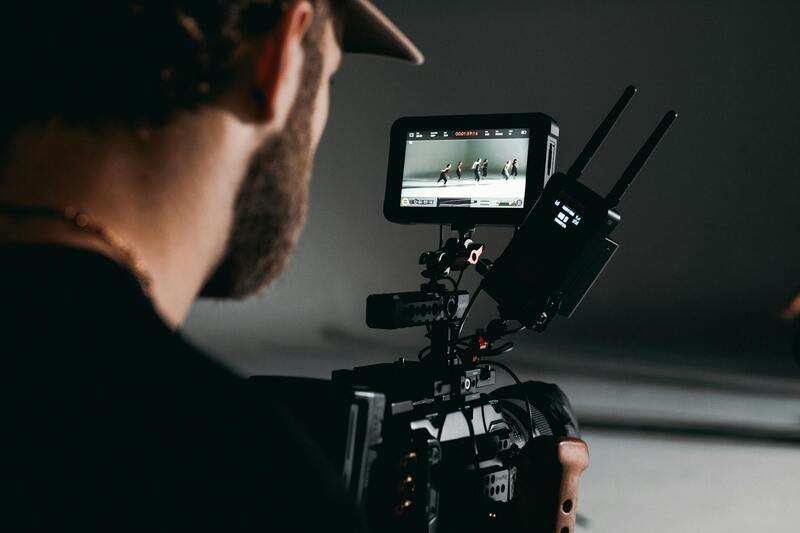
Technical rehearsals are integral to identify and troubleshoot potential issues before the live event. These rehearsals simulate actual broadcast conditions, allowing the crew to test switching, graphics integration, audio mixing, and internet stability. Confirming the placement and operation of all equipment, including cameras, microphones, and lighting, facilitates a smooth on-site setup.
On-site setup involves meticulous coordination to ensure all hardware and software are functioning optimally. This includes configuring streaming encoders, ensuring stable internet connectivity with backup options, and testing all feeds and overlays. Mobile command centers are often established to monitor stream quality in real-time, enabling immediate intervention if technical difficulties arise.
Monitoring and Live Adjustments During Broadcast
During the live event, continuous monitoring of stream health, audio levels, and video quality is paramount. Using dedicated software and hardware tools, the production team can swiftly identify and address issues such as lag, dropouts, or audio disturbances. Skilled operators manage transitions, graphic overlays, and camera switching to keep the broadcast engaging and professional.
Interacting with viewers through chat or social media channels requires that approximate moderation and support are integrated seamlessly into the production plan. This engagement can boost audience participation and provide real-time feedback, further enriching the event experience.
Post-Event Review and Content Archiving
After the event, comprehensive review processes assess streaming performance, viewer engagement metrics, and technical execution. This analysis informs future improvements and ensures that lessons learned are incorporated into upcoming productions. Moreover, recording the broadcast allows for content repurposing or distribution beyond the live event, extending its reach and value.
Employing a systematic approach to planning and execution ultimately ensures a polished, professional broadcast that meets the event's objectives, engages the audience, and upholds the reputation of the producing company.
Comprehensive Methods for Ensuring Content Security and Rights Management in Broadcast Streaming
Maintaining strict control over content rights and implementing robust security measures are critical aspects of professional broadcast streaming production. These practices protect intellectual property, prevent unauthorized access, and ensure that content delivery aligns with contractual and licensing agreements. To achieve this, production companies deploy various official strategies that safeguard their streams and comply with industry standards.
Secure Content Delivery Networks (CDNs)
Utilizing secured CDN platforms ensures that streaming data is transmitted through encrypted channels, reducing the risk of interception or unauthorized distribution. Proper configuration of these networks involves setting up access controls, SSL/TLS encryption, and real-time monitoring to detect anomalous activities. This not only preserves content integrity but also provides a reliable live experience for viewers.
Digital Rights Management (DRM) Solutions
Implementing DRM technology helps control how content is accessed and distributed. These solutions enforce usage restrictions, prevent unauthorized copying, and restrict viewing to authenticated users. By integrating DRM protocols like Widevine, PlayReady, or FairPlay into streaming workflows, companies can effectively manage licensing terms and protect their valuable media assets during live broadcasts and on-demand playback.
Authentication and Access Controls
Strong user verification mechanisms, such as multi-factor authentication and secure login portals, are essential to restrict access to streams. These controls ensure that only authorized personnel, clients, or viewers with valid credentials can access the content. Additionally, role-based permissions can be tailored to limit functionalities within the production and distribution processes, further enhancing security.
Official Monitoring and Compliance Software
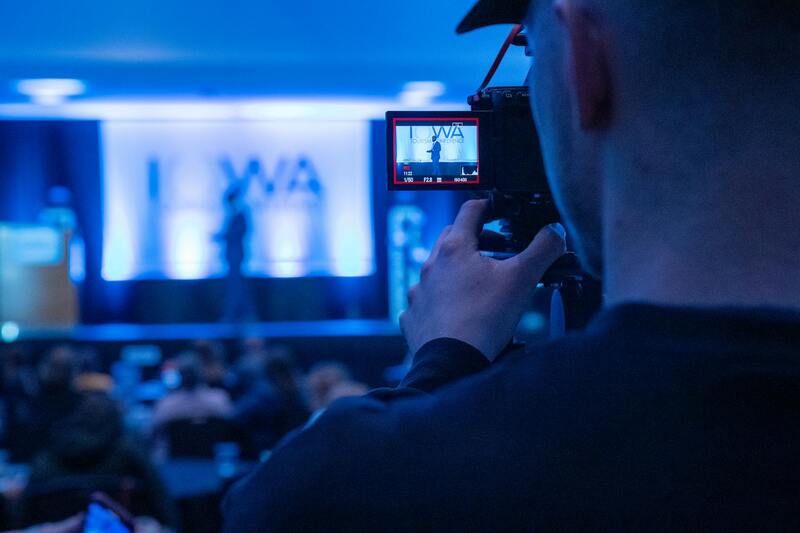
Use of industry-grade monitoring tools helps oversee live streams for any security vulnerabilities or deviations from prescribed workflows. These platforms often include features such as DRM compliance checks, content watermarking, and audit trails, which support accountability and facilitate rapid response to potential security breaches.
Data Privacy and Viewer Information Handling
Consistent adherence to data privacy standards ensures that viewer information is collected, stored, and processed responsibly. Producing companies should implement transparent privacy policies, secure data encryption, and restricted data access within their systems. Proper compliance with relevant guidelines enhances viewer trust and facilitates seamless content distribution.
Official Licensing and Distribution Agreements
Securing proper licensing agreements and clear distribution rights is fundamental in broadcast streaming. These contracts define the scope of usage, territorial rights, and duration, preventing unauthorized sharing or rebroadcasting. Collaborating with content owners and licensing authorities through formal, documented channels ensures compliance and minimizes legal uncertainties.
Training and Certification of Production Staff
Regular training programs for technical personnel and production staff regarding content security protocols and best practices sustain a secure streaming environment. Certifications and ongoing education help staff stay updated on emerging threats, encryption standards, and industry regulations, fostering a culture of security consciousness within the organization.

By integrating these official and proven methods into their workflows, broadcast streaming production companies like Miami Video Services can ensure the highest level of content security, maintain strict rights management, and deliver seamless viewing experiences to audiences. Proper planning, investment in secure technologies, and adherence to industry standards result in reliable, professional, and compliant live broadcasting solutions that meet the complex demands of modern content delivery.