
Understanding Live Event Streaming Production
Live event streaming production encompasses the comprehensive process of broadcasting events in real-time over the internet, ensuring a seamless and engaging viewing experience for online audiences. This process involves a combination of strategic planning, technical setup, equipment deployment, and post-stream management. As digital audiences continue to grow, the importance of professional live streaming has become integral to how businesses, organizations, and entertainment entities share their events with a wider community.
In the context of Miami, a vibrant city known for its diverse cultural scene and bustling corporate events, live streaming production offers a dynamic platform for reaching audiences both locally and globally. It enables event organizers to extend their reach beyond physical boundaries, attract more viewers, and create interactive opportunities for remote participants. This level of engagement not only enhances visibility but also provides a record of the event for future marketing or archival purposes.
At its core, live event streaming production involves multiple interconnected components, including technical setup, content management, and audience interaction management. From small corporate meetings to large-scale festivals and sports events, professional live streaming bridges the gap between organizers and viewers, delivering reliable and high-definition content.
Utilizing advanced broadcasting technologies and experienced technical teams, live event streaming production guarantees minimal lag, high-quality visuals, and crisp audio—factors crucial for viewer retention and satisfaction. As event content becomes more interactive with chat features, multi-camera angles, and graphics, the professionalism of the streaming process significantly influences the overall impression of the event itself.
Ultimately, live event streaming production is an essential tool in today’s digital landscape, especially for organizations looking to enhance their visibility and engagement. With Miami's bustling event scene—ranging from industry conferences and cultural festivals to sporting events—the ability to produce and broadcast live streams effectively is vital for maximizing exposure and audience interaction.
Expertise in live streaming ensures that each broadcast is technically sound, visually compelling, and accessible on various devices. As technology evolves, the role of skilled production teams becomes even more critical to handle complex workflows, troubleshoot real-time issues, and ensure a smooth viewing experience for all remote attendees.
Essential Equipment for Live Streaming
Achieving high-quality live event coverage hinges on deploying the right set of equipment that ensures crystal-clear visuals and pristine audio. A comprehensive live event streaming production setup involves several key components, each playing a vital role in delivering a seamless broadcast experience to viewers.
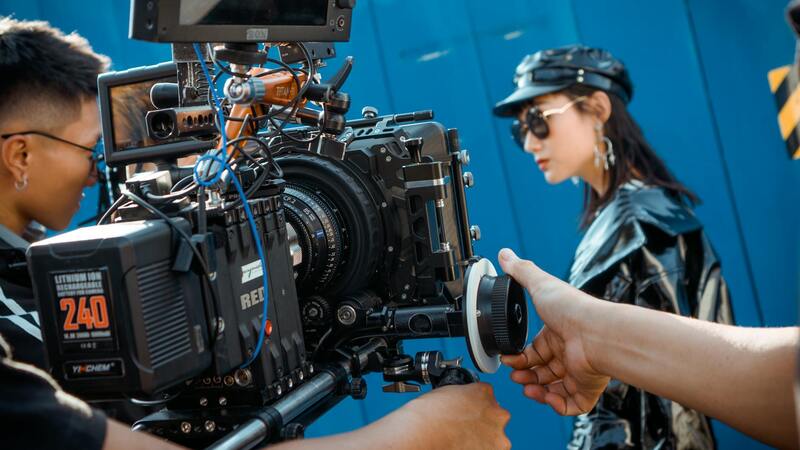
Firstly, high-definition cameras are fundamental. For dynamic events like concerts, sports, or conferences, a mix of fixed and mobile cameras equipped with professional-grade lenses provides versatile angles and close-up shots. PTZ (Pan-Tilt-Zoom) cameras are particularly valuable for remote operation, enabling smooth, controlled movements that enhance visual storytelling without the need for extensive crew presence.
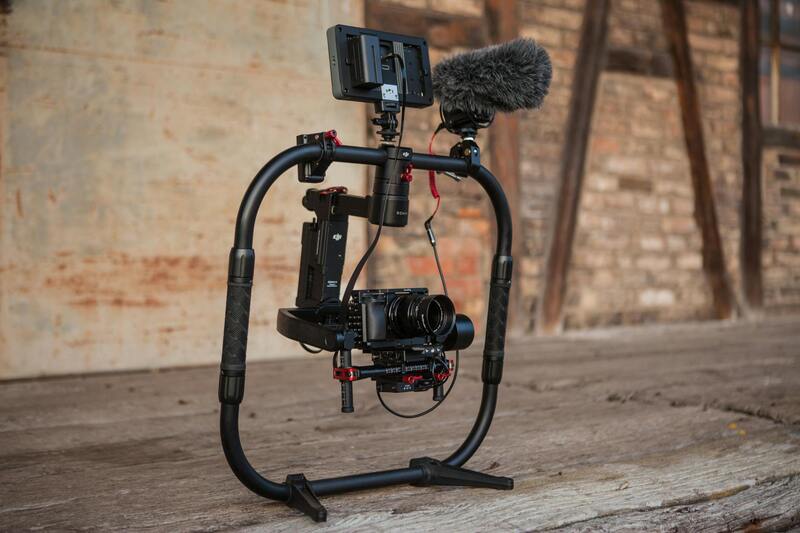
Complementing the cameras, quality audio equipment is indispensable. Directional microphones, wireless lapels, and conference mics capture clear speech and ambient sounds vital for audience engagement. An audio mixer allows sound balancing, ensuring that voices, music, and effects are perfectly calibrated for clarity and separation in the final broadcast.
Video switchers or production consoles enable real-time switching between camera feeds, adding graphics or overlaying content as needed. Reliable streaming hardware such as encoders convert raw audio and video into web-compatible formats, optimizing the stream for various devices and bandwidth conditions. Hardware encoders, often integrated into software solutions, prioritize stability and efficiency, even during high-demand broadcasts.
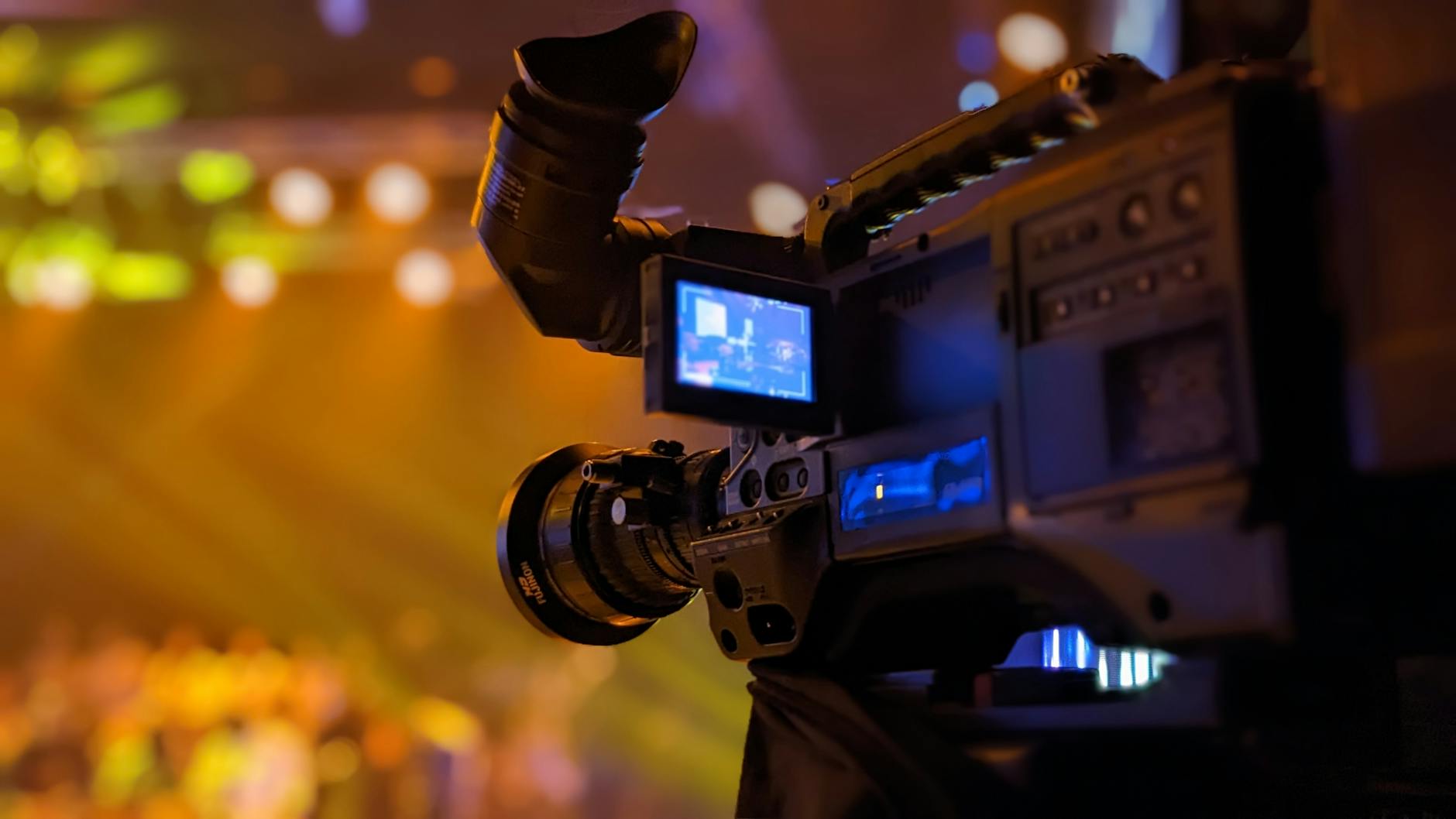
Additionally, supporting equipment like tripods, lighting, and backdrop arrangements contribute to visual quality. Proper lighting enhances camera accuracy and minimizes shadows, while stable tripods and mounts prevent shaky footage. For outdoor or unpredictable settings, weather-resistant or portable equipment becomes essential to maintain consistent quality throughout the event.
Integrating this equipment seamlessly requires meticulous planning and setup, particularly for multi-camera arrangements and complex workflows. Professional live event streaming teams coordinate hardware deployment, ensuring all components are correctly configured and tested before the event begins. This thorough preparation helps prevent technical issues during the live broadcast, resulting in a professional, distraction-free viewing experience.
Technical Setup and Workflow
Executing a seamless live event stream demands a meticulously organized technical setup and workflow. This phase involves coordinating a variety of hardware and software tools to establish a robust broadcast environment. First, a detailed technical plan must be drafted, outlining camera placements, audio configurations, and streaming pathways. Once the plan is in place, the deployment of the necessary equipment begins, starting with high-quality cameras capable of capturing different angles and perspectives, and audio mixers that ensure crisp, balanced sound. Positioning and calibration of these audio-visual components are critical to achieving professional results.
Software solutions play a pivotal role in integrating feeds from multiple devices. Live production software, such as switchers or advanced video mixing platforms, allows producers to seamlessly transition between camera angles, add graphics, overlays, and other visual effects in real-time. These tools enable a dynamic, engaging viewer experience, reflecting the live event’s energy and pace. During setup, specific attention should be paid to configuring transitions, timing cues, and overlays to match the event schedule.
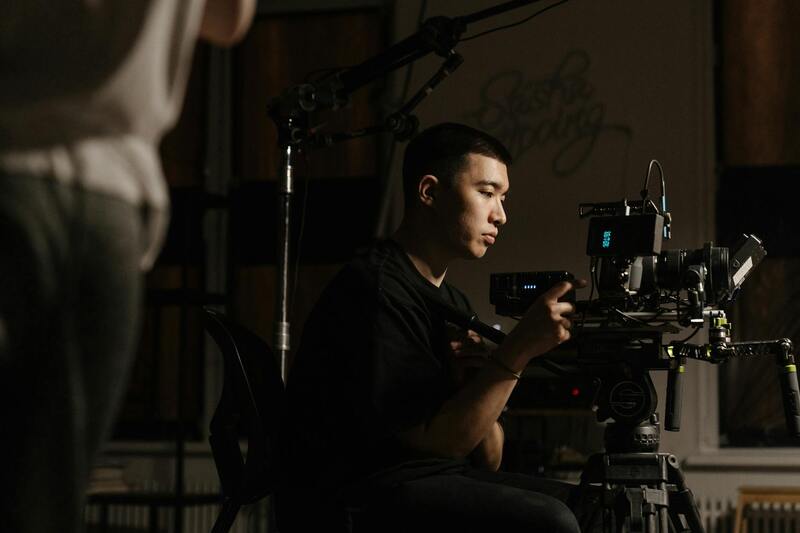
Meanwhile, reliable encoding hardware is essential. Hardware encoders convert raw audio and video signals into web-compatible formats, optimizing streams for different devices and network conditions. Many broadcast professionals prefer dedicated hardware encoders for their stability and efficiency, especially during high-demand live events. Integrating these encoders into the workflow involves setting appropriate bitrates and stream qualities, testing connectivity, and establishing redundancy measures to prevent interruptions.
Network infrastructure is another cornerstone of the technical setup. A dedicated, high-bandwidth internet connection—preferably wired Ethernet—ensures consistent data transmission without interruptions. Backup internet solutions, such as cellular hotspots, serve as fail-safes in case primary connections falter. During the setup phase, rigorous testing is followed by real-time monitoring, enabling quick troubleshooting and adjustments to maintain stream quality throughout the event.
To support the main production equipment, auxiliary hardware like lighting rigs, tripods, stabilizers, and weather-resistant enclosures are employed. These tools preserve image quality and stability, particularly in outdoor or variable lighting scenarios. Workflow efficiency relies on precise timing and coordination among the technical team, ensuring each component is tested, configured, and synchronized before the live event begins. This preparation minimizes the risk of technical glitches, ensuring a distraction-free viewing experience for audiences across channels.
Technical Setup and Workflow
Establishing an efficient technical setup is critical to delivering a seamless live event broadcast. Proper camera placement involves strategic positioning to capture key event moments, audience reactions, and overall ambiance. Multiple cameras can be utilized for multi-angle coverage, ensuring dynamic visuals throughout the stream. Professional-grade cameras with high-definition sensors are preferred for their clarity and low-light performance, especially in varied lighting conditions.
Switching between camera feeds is managed through a production switcher, which allows real-time transitions, effects, and overlays. Operator expertise in camera control and switching is vital to maintain a polished presentation. Clean cuts and smooth transitions contribute to viewer engagement and prevent distractions.
Encoding is the process of converting camera signals into web-compatible formats suitable for streaming. Hardware encoders are often favored for their low latency and high reliability. These encoders work in tandem with software solutions when needed, integrating seamlessly into the workflow.
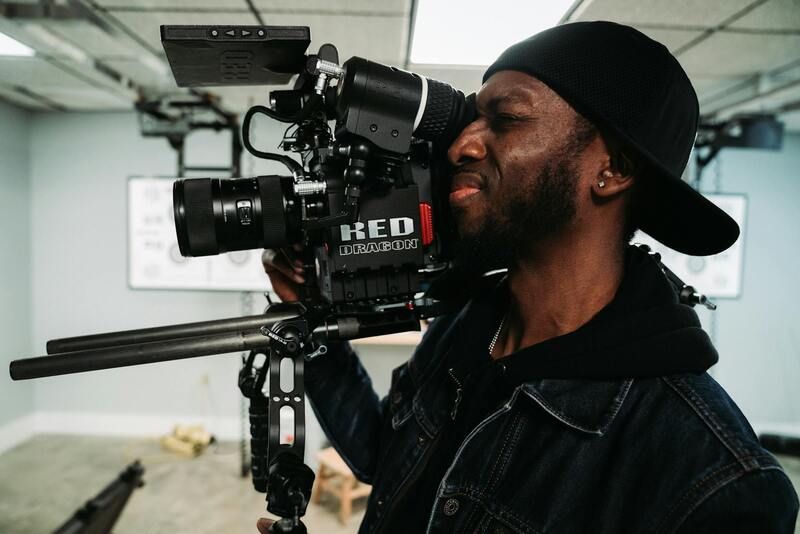
A well-orchestrated workflow involves synchronized timing, with a dedicated technical director overseeing the entire operation. The team manages camera feeds, audio inputs, and graphics overlays, ensuring they integrate smoothly into the live stream. Monitoring tools track stream health, bandwidth usage, and viewer engagement metrics, allowing immediate adjustments to avoid disruptions. Additionally, redundancy in hardware and internet connectivity minimizes the risk of technical failures, safeguarding a consistent viewer experience.
Operational procedures include pre-event rehearsals, running test streams, and real-time troubleshooting. During the event, precise communication among the crew guarantees coordinated actions, such as camera cueing and graphics updates, to produce a professional quality broadcast. This meticulous planning and execution form the backbone of a successful live streaming production.
Legal and Compliance Considerations
Ensuring that all content broadcasted during a live event complies with relevant regulations and licensing agreements is crucial for a seamless streaming experience. Proper licensing for copyrighted music, videos, images, and other media must be secured to avoid potential issues. This involves verifying that all content used in graphics, overlays, or background audio has appropriate permissions. Additionally, adherence to privacy policies and data protection standards is essential, especially when capturing viewer interactions or collecting personal data.
Implementing a well-structured rights management process helps prevent unauthorized use of protected material. This includes maintaining comprehensive records of licenses and permissions obtained before the broadcast. It's also advisable to have legal consultants review the planned content, particularly when hosting multi-guest events or featuring third-party material.
Furthermore, compliance with broadcasting standards involves monitoring for inappropriate content and ensuring that visual and audio output meet established quality and decency guidelines. Incorporating moderation tools and content filtering measures during the live stream can address unforeseen issues, providing a controlled viewing environment.
Managing the Live Stream
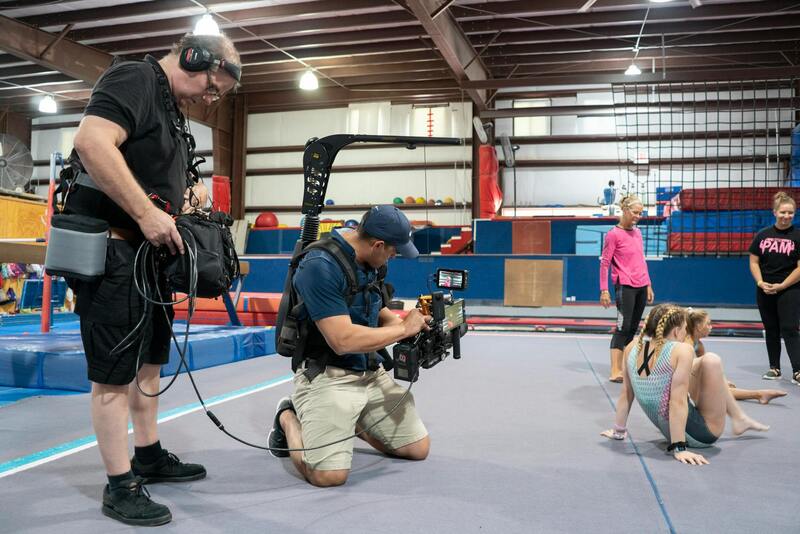
Effective management of the live stream during the event is critical to delivering a smooth and engaging viewing experience. This involves real-time oversight of multiple technical components, including video sources, audio feeds, and streaming platforms. Continuous monitoring allows for immediate response to unforeseen issues such as technical glitches, audio dropouts, or video freezes, minimizing viewer frustration. Dedicated operators or production teams use specialized software dashboards to oversee the stream’s health, enabling quick adjustments and ensuring consistent quality.
Strategies for Maintaining Stream Stability
- Redundant Internet connections: Employing multiple internet sources ensures that if one connection fails, the stream remains uninterrupted via failover mechanisms.
- Optimized encoding settings: Adjusting bitrates and resolution balances quality with stability, particularly important when bandwidth fluctuates.
- Monitoring software: Utilizing tools that provide real-time analytics on stream health allows proactive management and swift troubleshooting.
- Backup equipment: Having spare cameras, microphones, and switching hardware ready helps mitigate hardware failures without disrupting the broadcast.
Engaging Your Audience in Real-Time
Audience engagement tools are vital to fostering interaction and creating a dynamic event atmosphere. Live chat functionalities, integrated social media feeds, and Q&A sessions allow viewers to participate actively. Moderators play a crucial role in managing these interactions by filtering inappropriate comments, highlighting viewer questions for presenters, and ensuring the conversation remains respectful and on-topic. Incorporating these elements not only enhances viewer satisfaction but also encourages longer participation and shares of the event content across platforms.
Handling Technical Issues During the Broadcast
Despite meticulous planning, technical issues can occur. A well-prepared team has protocols for rapid troubleshooting, such as switching to backup feeds or adjusting encoding settings in real time. Clear communication with the audience is essential when problems arise, maintaining transparency and managing expectations. Moreover, pre-event rehearsals help identify potential vulnerabilities, allowing teams to develop contingency plans. Post-event reviews of technical incidents provide insights for improving future streams, ensuring ongoing enhancement of live event production quality.
Understanding Live Event Streaming Production
Live event streaming production encompasses a detailed process that integrates technical expertise, creative storytelling, and meticulous planning to deliver seamless broadcasts to digital audiences. It involves multiple facets, including pre-production arrangements, equipment setup, live management, and post-event reviews, all aimed at ensuring a high-quality viewer experience. Professionals in this field utilize industry-standard methodologies and equipment aligned with established best practices to produce engaging content that maintains technical stability and adheres to scheduled timelines.
Key Official Techniques for Live Stream Quality
Achieving optimal stream quality requires adherence to proven, legitimate techniques that prioritize stability, clarity, and engagement. These include selecting high-definition video sources, utilizing reliable encoding software that complies with industry standards, and implementing adjustable bitrates based on real-time network conditions. Employing secure, dedicated internet connections minimizes latency and prevents interruptions, ensuring viewers experience consistent quality regardless of their location. Furthermore, official methods involve comprehensive network testing before the event, including bandwidth assessments, to identify potential bottlenecks and address them proactively.
Advanced Hardware and Software Solutions
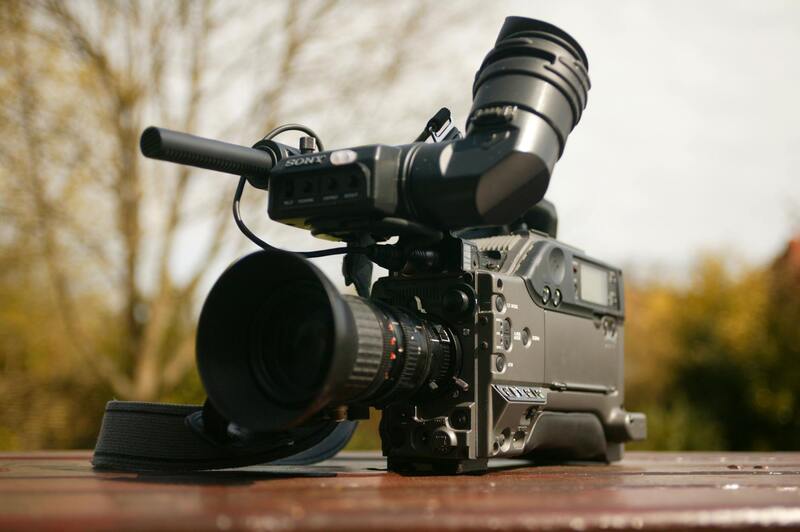
Leveraging industry-approved hardware, such as professional cameras, switchers, and audio interfaces, contributes significantly to production quality. These components must meet recognized standards for durability and performance. For software, solutions like professional streaming platforms and control interfaces allow seamless scene switching, overlay integration, and real-time analytics. There are also specialized encoding tools that offer hardware acceleration, improving stability and reducing latency. All equipment and software should be configured accurately following manufacturer guidelines and integrated into a coherent workflow overseen by trained technicians.
Ensuring Reliable Transmission
Reliable transmission of the live signal is critical and achieved through verified internet connections, redundant streaming pathways, and professional encoding hardware. Multiple dedicated connections from different internet service providers can be configured to take over if one link experiences issues, maintaining uninterrupted broadcast flow. Employing Content Delivery Networks (CDNs) approved for live streaming distributes the content efficiently, reducing buffering and lag, especially for viewers across a broad geographical area. Establishing clear protocols and routine checks throughout the event ensures that any anomalies are swiftly identified and addressed without impacting the audience experience.
Legal and Compliance Aspects of Live Streaming Production
Incorporating official methods also involves adherence to legal frameworks concerning content rights, privacy, and intellectual property. Acquiring proper permissions for copyrighted material, including music, footage, and branded content, is essential. Utilization of licensed media libraries and footage that meet licensing requirements helps prevent legal complications. Additionally, compliant data handling practices for viewer information, aligned with privacy laws such as the General Data Protection Regulation (GDPR) and the California Consumer Privacy Act (CCPA), safeguard participant data. Ensuring transparency about data collection and implementing secure storage solutions builds trust with viewers and upholds regulatory standards.
Role of Official Certification and Industry Standards
Adhering to industry standards and obtaining proper certifications enhances production credibility and stream quality. Equipment certified by recognized bodies such as the Society of Motion Picture and Television Engineers (SMPTE) or the Society of Broadcast Engineers (SBE) signifies compliance with technical benchmarks. These standards guide the configuration of broadcast workflows, troubleshooting protocols, and safety measures, fostering professionalism and consistency. Certification processes typically involve audits and validation procedures, ensuring that production teams operate within established best practices, thus delivering dependable and high-quality live streams.
Ensuring Seamless Delivery and Quality Control in Live Event Streaming Production
As live event streaming continues to evolve, maintaining a flawless broadcast becomes increasingly critical to delivering a memorable experience to viewers. The process extends beyond mere transmission; it encompasses meticulous quality control, real-time monitoring, and robust back-end management to ensure every aspect of the stream adheres to high standards.
Implementing Rigorous Quality Assurance Protocols
Effective live streaming demands comprehensive quality assurance measures. This involves pre-event checks of all equipment, ensuring cameras, microphones, and streaming software function optimally. During the live broadcast, dedicated technicians monitor various parameters such as video resolution, audio clarity, latency, and stream stability. Continuous testing for this data helps promptly identify and rectify issues, minimizing disruptions.
Utilizing automated monitoring tools can provide real-time feedback on stream health, alerting the production team to potential problems before they significantly impact viewers. These tools can analyze frame rate consistency, signal strength, and encoding performance, enabling swift corrective actions that preserve broadcast integrity.
Utilizing Backup Systems and Redundancies
In live streaming, unpredictability is inevitable. Having backup systems in place is essential to mitigate risks associated with equipment failure, internet interruptions, or other unforeseen disruptions. For example, employing dual internet connections—such as fiber-optic and cellular backup—ensures continuous data flow even if one network experiences issues.
Redundant hardware, like secondary encoders and backup power supplies, should be configured to take over seamlessly if primary devices malfunction. Additionally, establishing multiple streaming servers can prevent single points of failure, guaranteeing uninterrupted delivery to viewers regardless of technical setbacks.
Post-Stream Content Review and Archival
Once the live broadcast concludes, the focus shifts to reviewing and archiving content for future use. High-quality recordings of the event can serve various purposes, including promotional material, educational content, or archival records. Conducting a thorough review allows the production team to analyze the stream's technical performance, viewer engagement, and overall success of the event.
This review process typically involves analyzing streaming data such as peak viewership times, dropout points, and viewer feedback. Such insights are vital for planning subsequent events, optimizing content delivery, and enhancing overall quality. Additionally, storing high-resolution recordings securely ensures they remain accessible for post-event analysis or repurposing.
Implementing Feedback and Continuous Improvement Strategies
Feedback collection from viewers, clients, and internal team members is invaluable for refining future live streaming projects. Surveys, viewing analytics, and direct communication channels provide insights into viewer satisfaction and technical performance. Using this feedback to identify areas for improvement fosters a culture of continuous enhancement in production quality.
Regular training sessions for technical staff, updates to streaming infrastructure, and adherence to evolving best practices ensure that each live event surpasses the previous one in quality and reliability. Staying abreast of technological advancements and understanding emerging streaming standards further elevates the professionalism of live event productions.