Understanding Live Streaming Production Services
Live streaming production services encompass the comprehensive suite of solutions necessary to broadcast live events seamlessly over the internet. These services are integral in facilitating real-time video and audio transmission, ensuring that audiences in various locations experience high-quality, uninterrupted coverage of an event or corporate function. From small business conferences to large-scale entertainment concerts, professional live streaming providers handle every aspect of the broadcast process, including equipment setup, encoding, transmission, and post-event analysis.
Employing advanced technology and skilled technicians, live streaming production services aim to create engaging digital experiences that effectively reach target audiences. These services include the coordination of multiple camera angles, audio capture, live switching, graphic overlays, and streaming platform optimization. The goal is to deliver a polished, professional broadcast that maintains the brand’s integrity and enhances audience engagement.
In an increasingly digital world, live streaming has become a vital component for organizations seeking to expand their reach and visibility. Whether broadcasting a product launch, corporate seminar, or a public event, professional services ensure that the production quality aligns with expectations and technical standards.

Key Components of Live Streaming Production
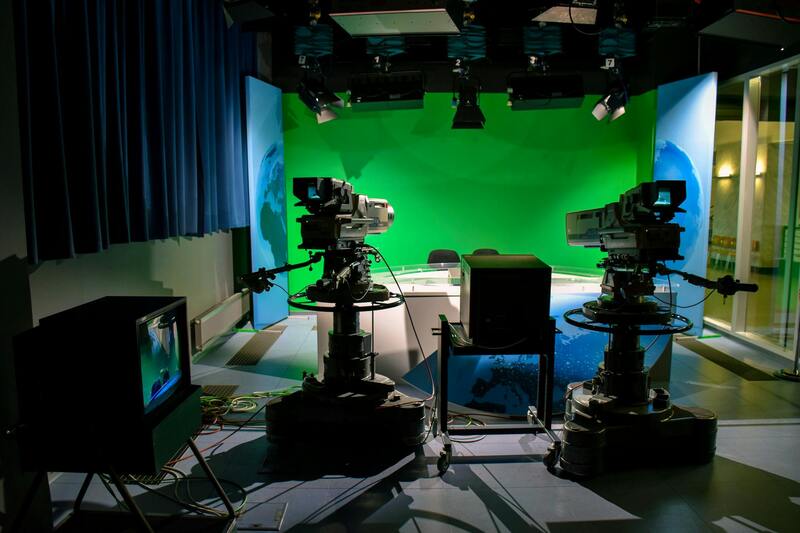
Effective live streaming production hinges on several critical technological components that work synergistically to ensure a seamless broadcast. Central to this setup are high-definition video cameras, which capture live footage with clarity and precision. Selection of appropriate camera types—whether studio, portable, or multi-camera configurations—depends on the scope and nature of the event, as well as the visual quality required.
Alongside video capture, switching equipment plays a vital role in managing multiple camera feeds in real-time. Professional video switchers or production mixers enable operators to transition smoothly between different camera angles, incorporate graphic overlays, and add effects that enhance viewer engagement without disrupting the flow of content.
Audio quality significantly influences overall production value. This entails integrating high-quality microphones suitable for different environments, along with audio mixers that balance sound levels, eliminate background noise, and synchronize audio with visual feeds. Clear, crisp audio ensures viewers stay engaged and experience the event as intended.
Content delivery platforms are the conduits through which live streams reach audiences. These include streaming encoders that convert raw video signals into internet-compatible formats, and content management systems that distribute the encoded stream via Content Delivery Networks (CDNs). These CDNs optimize the delivery process by reducing buffering and latency, especially for viewers dispersed across different geographic locations.
- Video Cameras: Multiple types tailored to event needs, from handheld and PTZ cameras to high-end studio setups.
- Switching Equipment: Hardware or software-based switchers for real-time scene management.
- Audio Systems: Microphones, mixers, and audio processors for pristine sound quality.
- Encoding Solutions: Hardware/software encoders that facilitate live content transmission over the internet.
- Distribution Platforms: Streaming services and CDNs that ensure broad reach and reliable delivery.
Ensuring the synchronization of these components is essential for a professional live streaming event. Proper integration minimizes technical hiccups and enhances overall broadcast quality, providing a polished viewing experience that captures audience attention and fosters engagement.
Technical Considerations for Effective Live Streaming
Implementing a successful live streaming event requires meticulous attention to technical details that ensure seamless broadcasting and viewer satisfaction. One crucial factor is selecting the appropriate encoding hardware and software. Hardware encoders tend to provide stable, high-quality streams suitable for large-scale events, while software encoders offer flexibility and easier integration for smaller productions. Ensuring compatibility with the streaming platform and network capacity is essential for avoiding interruptions.
Network stability and bandwidth are foundational components. A dedicated, high-capacity internet connection, often with backup options, minimizes the risk of interruptions or buffering during the broadcast. It is vital to conduct thorough pre-event testing to evaluate upload speeds, latency, and resilience under different network conditions. Employing adaptive bitrate streaming allows for automatic quality adjustments based on viewers' internet speeds, providing an optimal experience across diverse devices and connections.
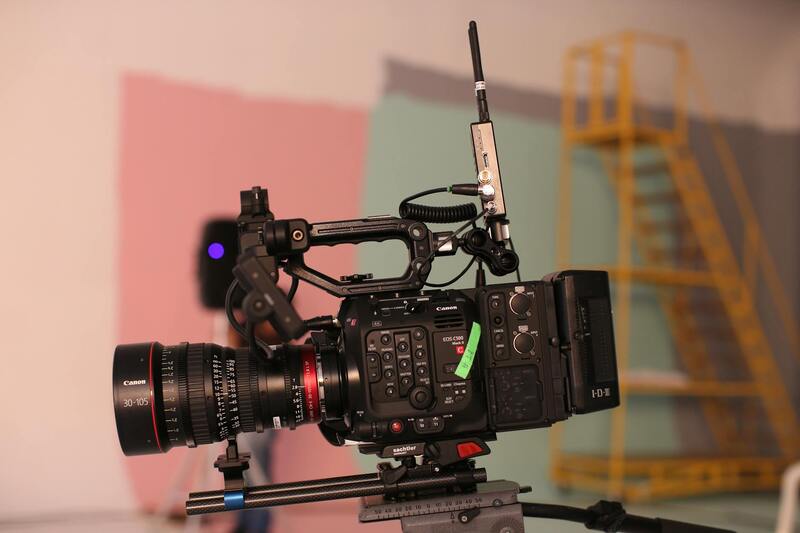
Video and audio quality are central to viewer engagement. High-definition cameras with appropriate lighting and stabilization ensure crisp visuals, while professional microphones and audio mixers produce clear, balanced soundtracks. Proper management of these elements prevents common issues like audio lag, distortion, or poor visual clarity that can compromise the broadcast.
Synchronization between video and audio streams is another technical challenge. Utilizing synchronization tools and workflows ensures that sound aligns perfectly with visual cues, avoiding disorienting delays. Additionally, monitoring systems should be in place throughout the event to detect and address any technical anomalies instantly. This includes real-time feedback from streaming analytics to assess viewer engagement, stream stability, and latency, allowing for immediate adjustments if necessary.
Furthermore, effective live streaming relies on robust content management and distribution systems. Leveraging Content Delivery Networks geared toward live streams reduces latency and buffering issues, especially for geographically dispersed audiences. Implementing multiple distribution points or CDNs can ensure high availability and reliability, maintaining broadcast quality regardless of viewer location or device.
In summary, mastering these technical aspects—from encoding and network optimization to high-quality visuals and seamless synchronization—forms the backbone of a professional live streaming operation. Attention to detail at every stage safeguards the broadcast's integrity, delivering a polished experience that captures the essence of the event and meets the expectations of a diverse online audience.
Technical Considerations for Effective Live Streaming
Achieving a seamless live streaming experience requires meticulous attention to technical details that support broadcast quality and reliability. These considerations encompass a diverse array of elements, each critical to maintaining an optimal streaming environment. High-quality video encoding is fundamental, as it compresses video data for efficient transmission without sacrificing visual clarity. Selecting the right encoding settings—such as resolution, bitrate, and frame rate—ensures that content is delivered smoothly across various devices and network conditions. Furthermore, network stability forms the backbone of successful live streams. A dedicated, high-bandwidth internet connection with redundant failover options minimizes the risk of interruptions. Network monitoring tools can detect bandwidth fluctuations or drops in real-time, enabling immediate corrective measures to sustain stream continuity. Optimal hardware setup—including professional-grade cameras, switchers, and audio equipment—is essential for capturing and processing event content at a broadcast-level standard. Proper calibration and regular maintenance of this equipment prevent issues related to image quality, color accuracy, and audio fidelity. Additionally, content delivery strategies play a crucial role. Utilizing Content Delivery Networks (CDNs) allows multiple geographic points to distribute streams efficiently, reducing latency and buffering for viewers regardless of their location. Multiple CDN providers or distribution points offer redundancy, ensuring that a single failure does not compromise the entire broadcast. Synchronization between audio and video signals is another technical aspect that can significantly impact viewer experience. Implementing advanced synchronization tools and workflows guarantees that visual cues match audio cues precisely, preventing disorientation and enhancing engagement. Monitoring and analytics are vital for live streaming success. Real-time feedback on stream quality, viewer engagement, and technical performance enables operators to make instant adjustments, addressing issues such as latency, buffering, or quality degradation. It is equally important to consider the post-production workflow. Recordings of live streams can be edited for future distribution, highlights, or on-demand viewing. Proper storage and management protocols ensure that content remains accessible and usable for subsequent marketing or archival purposes. In essence, a comprehensive approach combining robust infrastructure, efficient encoding, strategic content distribution, and detailed monitoring underpins effective live streaming production. Attention to these technical nuances guarantees a reliable broadcast that faithfully represents the event and meets demanding audience expectations.
Technical Considerations for Effective Live Streaming
Ensuring a smooth and professional live streaming experience hinges on several critical technical considerations. A reliable internet connection is paramount; bandwidth must be sufficient to handle the high data rates associated with high-definition streams. A wired Ethernet connection is typically preferred over Wi-Fi to minimize disruptions caused by network fluctuations.
Several encoding and streaming protocols are integral to maintaining stream integrity. Choosing software or hardware encoders with supported protocols like RTMP (Real-Time Messaging Protocol) or SRT (Secure Reliable Transport) allows for stable transmission and better quality control. Employing adaptive bitrate streaming adjusts video quality dynamically based on viewer bandwidth, preventing buffering and ensuring consistent playback.
To achieve professional-level production quality, audio-visual synchronization is fundamental. High-quality microphones and cameras, coupled with precise calibration, help in capturing crisp visuals and clear sound. Incorporating additional audio sources and ensuring proper audio mixing enhances clarity, especially for events with multiple speakers or complex sound environments.
Monitoring tools are essential for real-time performance analysis. Using software dashboards, producers can track streaming health, viewer engagement, and technical metrics such as latency and packet loss. Immediate response to any anomaly minimizes viewer disruption and maintains a seamless broadcast.
Furthermore, employing redundancy strategies enhances reliability. Dual internet connections, backup power supplies, and failover servers ensure that live streams continue uninterrupted despite unforeseen issues. Post-event stream recordings also require proper storage solutions, enabling on-demand access, highlights creation, and content repurposing.
Preparing for a Live Streaming Event
Successful live streaming begins with meticulous planning. This involves confirming equipment functionality, testing internet stability, and rehearsing the entire flow of the event. Pre-production checks should include confirming all cameras, microphones, and streaming hardware are configured correctly and that audio levels are balanced.
Creating a detailed run-down helps coordinate the timing of visual cues, transitions, and key moments. Assigning roles such as a technical director, camera operators, and a broadcast producer ensures accountability and smooth operation. Additionally, coordinating with presenters or speakers about technical requirements reduces on-air surprises and enhances show quality.
Technical rehearsals replicate the actual event environment, revealing potential issues that can be addressed ahead of time. This includes testing internet speeds at the venue, verifying the functionality of streaming platforms, and simulating live interactions or Q&A sessions to streamline audience engagement.
Future Trends in Live Streaming Production
Emerging innovations continue to shape the future of live streaming production services. Higher resolution streaming, such as 4K and even 8K, provides viewers with ultra-high-definition experiences, demanding advanced hardware and significant bandwidth capacity. Virtual and augmented reality integrations are becoming more prevalent, creating immersive environments for remote audiences.
Artificial intelligence and machine learning are increasingly employed for real-time analytics, content moderation, and automated captioning. These technologies enhance accessibility, viewer engagement, and content management, leading to more personalized viewing experiences.
As interactive features become standard, viewers can participate in live polls, choose camera angles, or engage through chat within the stream, fostering greater immersion. Cloud-based production workflows also allow for more flexible and scalable event management, reducing costs and improving coordination across geographically dispersed teams.
Adapting to these trends will require ongoing investment in cutting-edge technology and talent skilled in new mediums, ensuring that live streaming production remains impactful and competitive in an evolving digital landscape.
Understanding Live Streaming Production Services
Live streaming production services encompass a comprehensive suite of technical and creative processes designed to broadcast real-time video content over the internet. These services include everything from initial planning and content scripting to high-quality video capture, multi-camera switching, live audio mixing, and seamless integration with various streaming platforms. Professional live streaming providers leverage cutting-edge equipment and skilled personnel to ensure broadcasts are smooth, engaging, and visually compelling, ultimately creating an immersive viewing experience for audiences regardless of their location.
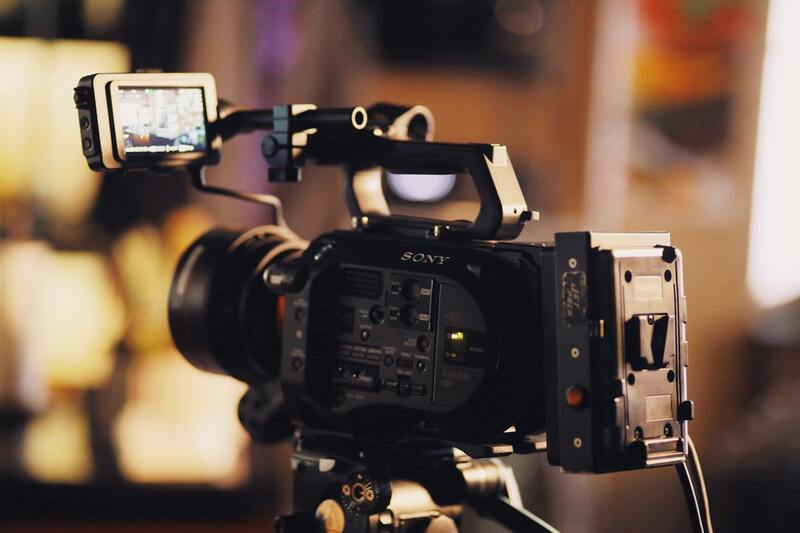
Whether hosting corporate conferences, concerts, sports events, or educational seminars, live streaming production services enable organizations to reach broader audiences in real-time. These services are vital for maintaining audience engagement, providing instant interactivity, and delivering polished professional presentations. The expertise involved includes managing technical aspects such as encoding, ensuring reliable internet connectivity, and handling live graphics, overlays, and branding elements to enhance visual appeal. By coordinating these elements seamlessly, live streaming providers help clients achieve their communication and marketing goals effectively.
Key Components of Live Streaming Production
- Pre-Production Planning: This phase involves defining the scope of the event, selecting the appropriate equipment, setting up broadcast logistics, and preparing content and scripts. Strong planning minimizes technical hiccups and ensures alignment with the client's objectives.
- Video and Audio Equipment: Utilization of professional cameras, microphones, and audio mixers is essential to capture high-definition footage and clear sound. Advanced setups often include multiple cameras for dynamic shots and angles.
- Technical Crew: Skilled operators, including camera operators, audio technicians, and stream managers, oversee the technical execution of the live broadcast, troubleshooting issues as they arise and maintaining stream stability.
- Streaming Platform Integration: Choosing suitable platforms like YouTube, Facebook Live, or custom RTMP servers optimizes audience reach and interaction capabilities. Proper configuration ensures minimal latency and robust streaming performance.
- Graphics & Overlay Design: Custom graphics, lower thirds, logos, and real-time data overlays enhance professionalism and brand consistency throughout the broadcast.
- Post-Stream Analysis & Backup: After the event, analyzing stream metrics and providing recorded footage allows for content repurposing. Maintaining backup recordings ensures content safety and future access.
Advantages of Hiring a Professional Miami Live Streaming Agency
Engaging experienced live streaming professionals in Miami guarantees access to state-of-the-art technology and a team skilled in managing complex productions. These agencies bring a strategic approach to every event, ensuring technical precision and creative excellence. Their knowledge of local venues, internet infrastructure, and audience engagement strategies enables seamless execution and maximum reach. Additionally, partnering with a reputable provider reduces the risk of unexpected technical failures, allowing clients to focus on content delivery and audience interaction. Overall, professional agencies deliver reliable, high-quality broadcasts that elevate brand image and maximize event impact.
Types of Events Suitable for Live Streaming
- Corporate Events: Conferences, product launches, shareholder meetings, and training seminars benefit from live streaming by expanding their reach and providing real-time participant engagement.
- Entertainment Events: Concerts, festivals, and theater performances are effectively broadcasted to virtual audiences, enabling wider access and monetization opportunities.
- Sports Competitions: Live coverage of local and professional sports events enhances spectator engagement and sponsorship visibility.
- Educational Programs: Webinars, workshops, and academic lectures facilitate remote learning and greater audience participation across institutions.
- Community & Religious Gatherings: Live streaming enables community centers, churches, and temples to connect with congregants who cannot attend in person, maintaining continuity and engagement.

Choosing the Right Live Streaming Service Provider in Miami
When selecting a live streaming partner in Miami, it is crucial to evaluate their technical capabilities, industry experience, and client portfolio. Investigate whether they offer end-to-end services, including pre-event planning, onsite production, and post-event analysis. Assess their hardware quality and familiarity with diverse streaming platforms to ensure compatibility and optimal performance. Customer reviews and case studies provide insight into their reliability and professionalism. Additionally, consider their availability for customized solutions tailored to specific event requirements and physical venues. A provider with local knowledge, extensive technical expertise, and a proactive approach will deliver live streaming services that align with your event objectives, audience expectations, and branding standards.
Technical Considerations for Effective Live Streaming
To ensure a seamless streaming experience that captivates your audience and maintains high-quality standards, several technical aspects must be meticulously addressed. From equipment selection to internet infrastructure, understanding these components is crucial for delivering professional-grade live streams that meet the expectations of viewers and clients alike.
1. High-Quality Video and Audio Equipment
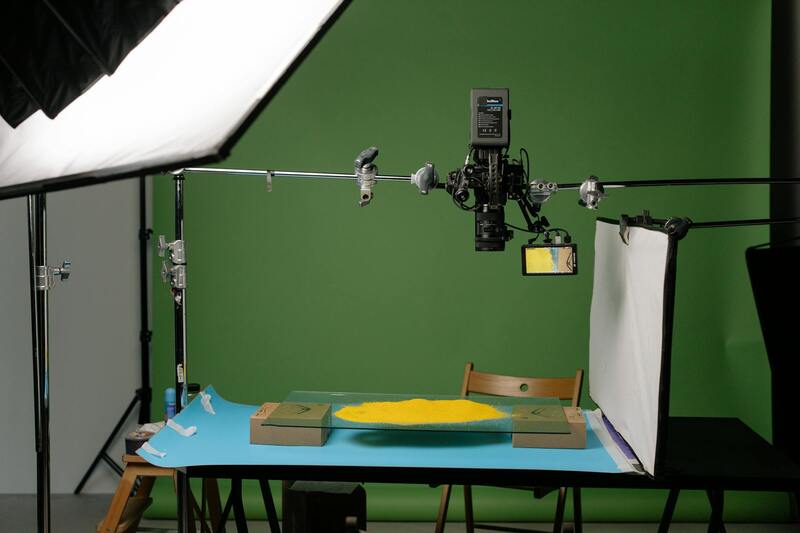
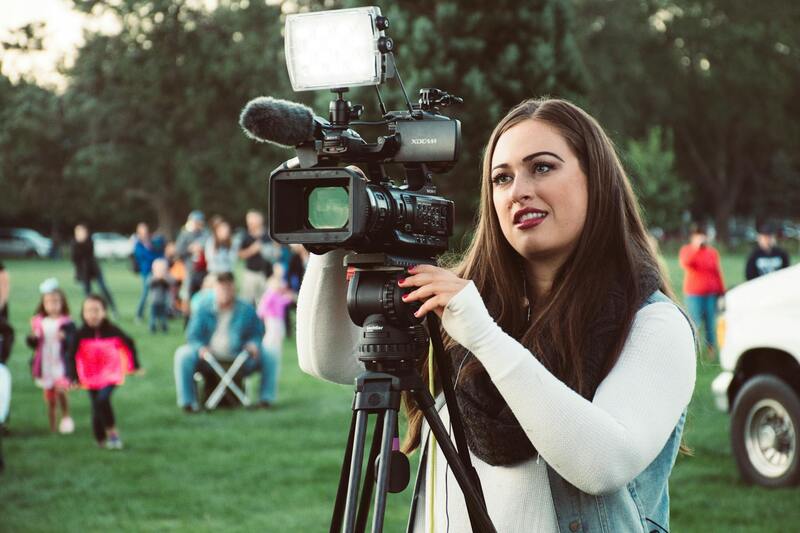
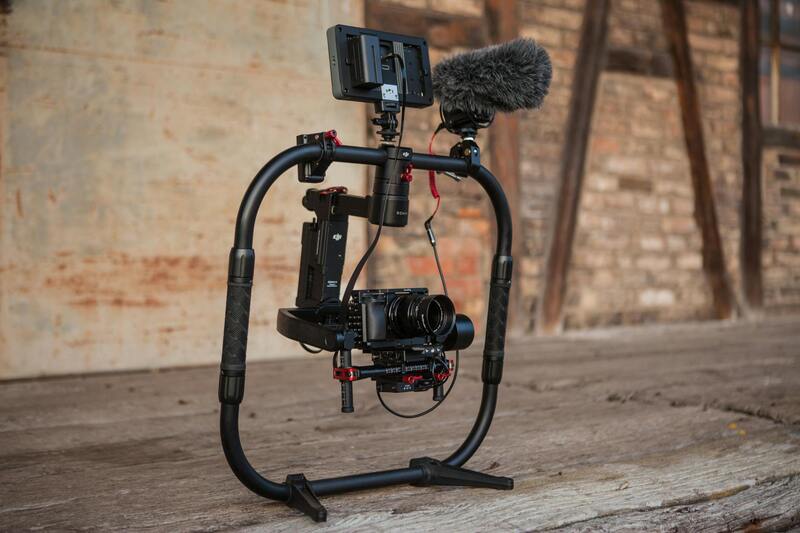
Investing in professional-grade cameras capable of delivering crisp, clear visuals is foundational. Depending on the event's scale and requirements, options range from broadcast-grade cameras to high-definition camcorders with optical zoom capabilities. Equally important is the audio setup; high-fidelity microphones ensure that speech and other sounds are captured clearly, minimizing background noise and echo. Wireless microphones, lapel mics, and directional boom mics are common choices that enhance audio quality and flexibility during live productions.
2. Reliable Internet Connection
A stable, high-bandwidth internet connection is vital for uninterrupted live streaming. Fiber optic connections are preferred due to their speed and reliability, but multiple broadband connections can be combined to create a redundant system. Conducting speed tests in advance ensures sufficient upload speeds to handle the chosen video resolution and streaming platform. Network stability prevents buffering, lag, or disconnections, which can significantly diminish viewer experience.
3. Adequate Processing Hardware
Live encoding hardware or software must handle high-definition video inputs without latency. Hardware encoders are typically dedicated devices optimized for streaming, while software encoders run on powerful computers with sufficient RAM and processing power. Features such as live editing, transitions, overlays, and multi-camera switching can be integrated through advanced broadcasting software, providing a professional touch to your stream.
4. Streaming Platform Compatibility
Compatibility with popular streaming platforms—including YouTube Live, Facebook Live, Vimeo, and proprietary solutions—ensures your content reaches your targeted audience. Proper configuration of streaming settings, including bit rate, resolution, and latency, is critical. It’s also advantageous to have compatibility with scheduling tools and analytics to monitor engagement and performance metrics.
5. Proper Lighting and Set Design
Indoor venues necessitate professional lighting setups to brighten the scene, eliminate shadows, and highlight key presenters or subjects. Reflective surfaces or large windows can cause glare, making controlled lighting essential. Effective set design, with branding elements and strategic placement of cameras, enhances the visual appeal and keeps the audience engaged.
6. Backup Systems and Contingency Plans
Having backup equipment, such as additional cameras, microphones, and power sources, mitigates risks associated with technical failures. Also, preparing contingency protocols—like switching to a secondary internet connection or adjusting camera angles—ensures the live stream continues smoothly in case of unforeseen issues. Pre-event rehearsals are indispensable for troubleshooting and refining operations.
7. Live Monitoring and Support
Real-time supervision by experienced technical staff allows immediate identification and resolution of problems. Using monitoring dashboards, the team can track stream health, viewer engagement, and technical performance indicators. Dedicated support ensures quick responses to any disruptions, preserving the professionalism and reliability of the broadcast.
8. Post-Event Analysis
Assessing the stream’s performance after the event provides insights into viewer metrics, technical issues, and audience feedback. Data collected can inform improvements for future productions, enhancing overall quality and viewer satisfaction. Proper archiving of the live stream also enables on-demand access, expanding content reach beyond the scheduled broadcast.
Post-Event Review and Content Optimization for Live Streaming
Once a live streaming event concludes, the work is far from over. Conducting a comprehensive post-event review is crucial to assess the quality of the broadcast, analyze viewer engagement, and gather valuable insights for future productions. This process involves examining detailed analytics—such as viewer retention rates, peak viewership times, geographic data, and engagement metrics like chat interactions and social media activity—to understand audience preferences and behaviors better.
In addition, reviewing the technical performance of the stream helps identify any issues encountered during the broadcast, such as latency problems, buffering, audio-visual discrepancies, or equipment malfunctions. Documenting these incidents allows production teams to implement targeted improvements, ensuring smoother operations in upcoming events.
Content Repurposing and On-Demand Availability
Archiving the live stream creates opportunities for content repurposing, extending the value of the event beyond its scheduled broadcast. Edited highlights, full recordings, and behind-the-scenes footage can be transformed into various content assets for marketing, training, or community engagement purposes. Providing on-demand access to the recorded content allows audiences who could not attend live to revisit the event at their convenience, broadening reach and impact.
Effective content management practices include segmenting recordings by topics or sessions, creating teaser clips for promotional use, and integrating the content into broader multimedia campaigns. By leveraging the full potential of the recorded material, organizations can sustain engagement and generate ongoing interest around their events.
Feedback Collection and Continuous Improvement
Engaging with viewers after the event through surveys, social media feedback, and direct communication provides invaluable input. Gathering audience impressions about the streaming quality, content relevance, and overall experience helps identify strengths and areas for enhancement. This feedback loop supports the iterative refinement of production workflows, technical setups, and content strategies.
Involving clients, participants, and viewers in debrief sessions fosters transparency and collaboration, ensuring that future live streaming projects align precisely with their expectations and objectives. Regularly updating the process with lessons learned promotes a culture of continuous improvement, essential for delivering high-caliber live streaming services consistently.
Documentation and Reporting for Stakeholders
Delivering comprehensive post-event reports consolidates all relevant data, from technical metrics to audience analytics. These reports serve to inform stakeholders about the event’s success, technical performance, and audience engagement levels. Clear documentation supports accountability, facilitates strategic planning, and assists in making data-driven decisions for upcoming productions.
Structured reporting often includes recommendations for technical upgrades, content adjustments, and marketing strategies based on observed performance patterns. Maintaining detailed records ensures transparency and helps build long-term relationships with clients who rely on professional live streaming production services in Miami.