
Understanding Live Stream Production Services
In today's digital era, live stream production services have become an essential part of how organizations communicate, showcase products, and host events. These services encompass the comprehensive process of planning, managing, and broadcasting real-time video content to a targeted audience via the internet. Especially within vibrant economies like Miami, businesses and event organizers recognize the value of high-quality live streaming to reach wider audiences, enhance brand visibility, and engage customers interactively.
Live stream production involves a multifaceted approach that combines audiovisual technology, professional expertise, and strategic planning. This process ensures that live content is delivered seamlessly across multiple platforms, maintaining clarity, stability, and viewer engagement. The significance of these services extends beyond mere broadcasting; they serve as powerful marketing tools, virtual event solutions, and channels for real-time communication with audiences regardless of geographic barriers.

In Miami’s dynamic environment, live stream production offers businesses an opportunity to capitalize on the growing demand for remote engagement. Whether it is live concerts, corporate seminars, product launches, or community events, professional live streaming services ensure a polished and impactful presentation. By partnering with experienced providers, organizations gain access to state-of-the-art equipment, technical expertise, and strategic insights that elevate their virtual presence.
Furthermore, the significance of live stream production has increased as organizations seek flexible, scalable, and cost-effective solutions for their content dissemination. It allows real-time interaction with audiences through chat features, polls, and Q&A sessions, fostering an interactive experience that static videos cannot achieve. As the digital landscape continues to evolve, the role of proficient live stream production services in delivering compelling, high-definition content remains integral to an organization’s communication strategy.

Key Components of Live Stream Production
Delivering a seamless and professional live streaming experience relies on a combination of specialized equipment, advanced software, and skilled personnel. These components work in unison to ensure that the broadcast maintains high quality, stability, and viewer engagement from start to finish.
- Video Capture Devices: High-definition cameras and camcorders serve as the primary means of capturing live content. Options range from professional studio cameras to mobile units, providing flexibility based on event scale and location.
- Audio Equipment: Clear, crisp sound is crucial for viewer experience. This includes professional microphones, mixers, and audio interfaces that capture and balance audio inputs in real time, eliminating background noise and ensuring dialogue clarity.
- Streaming Hardware: Encoders convert raw video and audio signals into digital streams suitable for transmission over the internet. Hardware encoders are preferred for their reliability and low latency, especially during high-profile events.
- Production Software: Various platforms facilitate live switching, graphics overlay, and real-time editing. Software solutions enable producers to add branding, subtitles, and visual aids, enhancing the professionalism of the broadcast.
- Internet Connectivity: Reliable high-speed internet connections are fundamental. Redundant connections and bandwidth management prevent interruptions, buffering, or quality degradation during live streams.
- Personnel Expertise: Skilled technicians and producers oversee equipment setup, signal management, transitions, and troubleshooting. Their expertise ensures the broadcast remains smooth, engaging, and glitch-free.
Types of Live Stream Services Offered
Live stream production services are tailored to meet diverse needs across various event types and organizational goals. Recognized providers offer a range of solutions, from simple broadcast setups to complex multi-camera productions with integrated branding and interactive features.
- Webcast Production: Ideal for corporate communications, webinars, and educational seminars, focusing on delivering clear, informative content to remote audiences.
- Event Broadcasting: Covering live conferences, trade shows, or concerts, utilizing multiple camera angles and professional staging to maximize audience engagement.
- Hybrid Events: Combining in-person and virtual components, enabling seamless integration between physical event venues and online audiences.
- On-Demand Content and Replay: Capturing live streams for later distribution, extending the lifespan and reach of the original event content.
- Interactive Live Streams: Incorporating real-time polls, chat features, and Q&A sessions to foster viewer interaction and feedback during broadcasts.
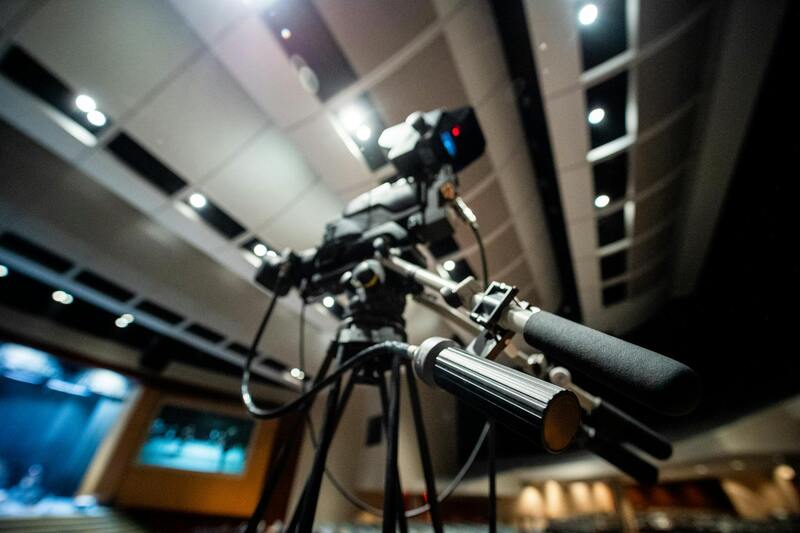
Understanding Live Stream Production Services
Live stream production services provide a comprehensive solution for organizations aiming to broadcast events, conferences, concerts, and corporate communications in real-time. These services encompass core technical infrastructure, operational expertise, and strategic planning to deliver high-quality, engaging live content. The scope of live stream production has expanded significantly with advances in digital technology, enabling tailored solutions for diverse needs across multiple industries.
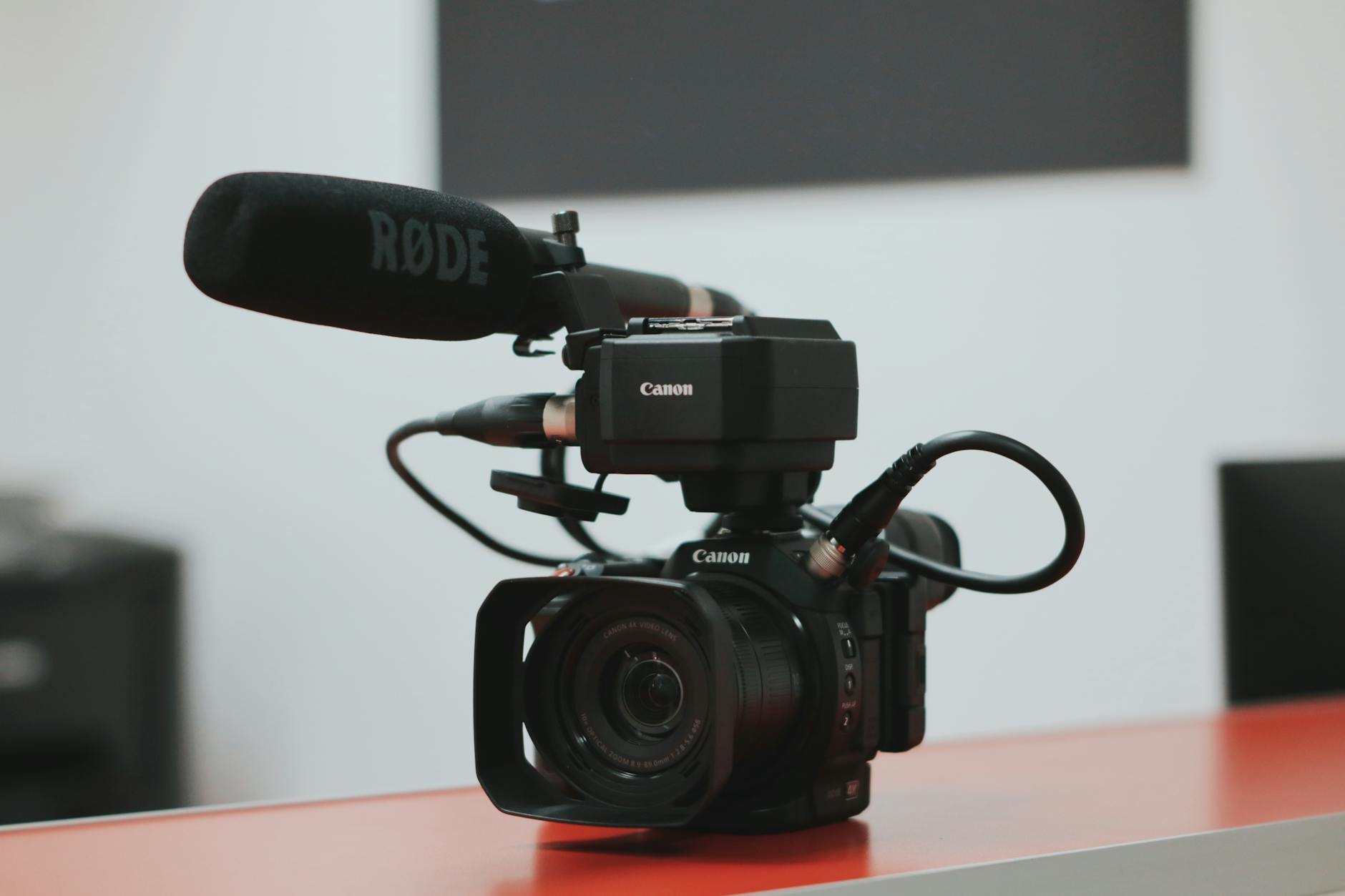
Engaging viewers remotely requires more than just video capture; it demands an integrated approach to content management, signal routing, visual transitions, and audience interaction. Professionals in this field coordinate the technical components—such as cameras, encoders, streaming platforms, and control consoles—to produce seamless broadcasts that maintain viewer interest and ensure message clarity. From initial planning to post-event analytics, these services streamline the entire process, providing clients with reliable, scalable solutions designed to match their specific event goals.
Key Components of Live Stream Production
A successful live stream hinges on several critical elements, each playing a vital role in the overall quality and reliability of the broadcast. These include:
- Video Capture: Multiple high-definition cameras and switchers are deployed to provide varied angles and dynamic visual storytelling.
- Audio Management: Professional microphones, mixers, and sound engineers ensure clear, balanced audio that complements the video feed.
- Encoding and Streaming Software: Hardware and software encoders convert raw footage into streamable formats, optimized for internet delivery while maintaining quality and minimizing latency.
- Network Infrastructure: Stable and high-bandwidth internet connections are essential for uninterrupted streaming, with redundant systems to prevent data loss or interruptions.
- Production Control: A dedicated control room handles camera switching, graphics overlay, live chats, and transitions, creating a polished final product.

Types of Live Stream Services Offered
Providers specializing in live stream production in Miami offer a spectrum of tailored services that align with the unique demands of their clients. These services include:
- Webcast Production: Primarily designed for corporate seminars, training sessions, or educational events, focusing on delivering clear and comprehensive content to online viewers.
- Event Broadcasts: Covering live concerts, conferences, or trade shows with multi-camera setups, professional staging, and integrated branding elements that engage viewers and enhance the event's visual appeal.
- Hybrid Event Solutions: Seamlessly combining physical attendance with virtual participation, ensuring a unified experience through synchronized streaming and interactive features.
- On-Demand Content and Replays: Recording live broadcasts for post-event distribution, fostering extended engagement and content accessibility beyond the live event.
- Interactive Live Streams: Incorporating real-time polls, chat functionality, and Q&A sessions to promote active viewer participation and feedback during broadcasts.
Custom Solutions for Miami Events
Given Miami’s vibrant event scene—spanning corporate meetings, cultural festivals, and international conferences—live stream providers often offer flexible packages tailored to meet specific logistical, branding, and technological requirements. These solutions emphasize high production quality, regional expertise, and adaptability to diverse event environments.
Understanding Live Stream Production Services
Live stream production services encompass a comprehensive range of technical and creative solutions designed to broadcast live events seamlessly to online audiences. These services are essential for organizations aiming to expand their reach, engage viewers in real-time, and enhance their event impact through professional online presentations. High-quality live streaming hinges on meticulous planning, the right equipment, and experienced production teams that oversee every aspect from pre-event setup to post-broadcast analysis.
Engaging live streams require advanced production workflows that integrate multi-camera setups, live switching, professional audio, and real-time graphics. This orchestration ensures a polished final product that captures the energy and essence of the event while maintaining visual and audio clarity across diverse devices and bandwidth conditions. The use of dedicated streaming hardware and software helps mitigate technical issues, allowing for smooth, uninterrupted broadcasts that meet high viewer expectations.
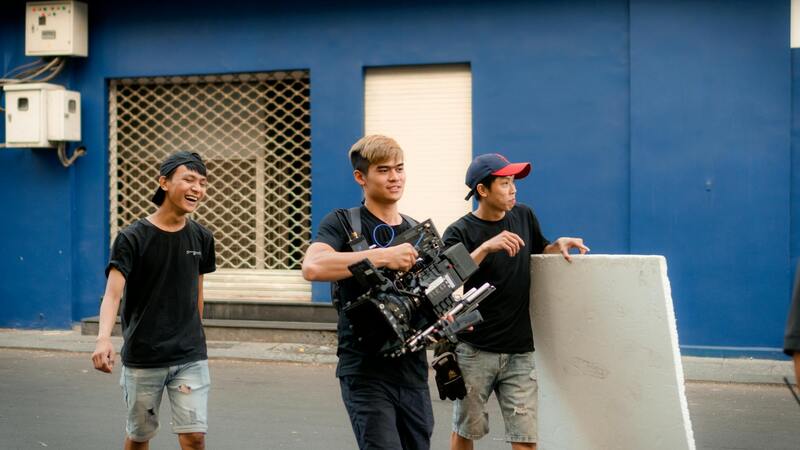
Beyond technical capabilities, effective live stream production involves coordination of several key roles, including director, camera operators, sound technicians, and graphic designers. These professionals work collaboratively to ensure that each element—from camera shots and audio levels to graphical overlays—is synchronized perfectly. Incorporating dedicated crew members familiar with Miami’s event landscape can significantly enhance production quality, especially when dealing with large-scale or complex events.
Core Components of Live Stream Production
- Pre-production Planning: Outlining the event’s objectives, audience engagement strategies, technical requirements, and backup plans ensures readiness for any unforeseen issues.
- Video Capture and Switching: Using multiple high-definition cameras, the production team selects optimal shots in real-time, creating a dynamic viewing experience.
- Audio Management: Clear sound quality is vital; sound mixers balance background music, narration, and ambient sounds for optimal clarity.
- Graphics and Visuals: Integrating logos, lower thirds, and live stats enhances professionalism and branding consistency.
- Streaming Infrastructure: Deploying reliable encoding devices and bandwidth management techniques guarantees stable connection and high-quality delivery.
- Post-production and Archiving: Recording streams for on-demand access and future use maximizes content value and audience reach.
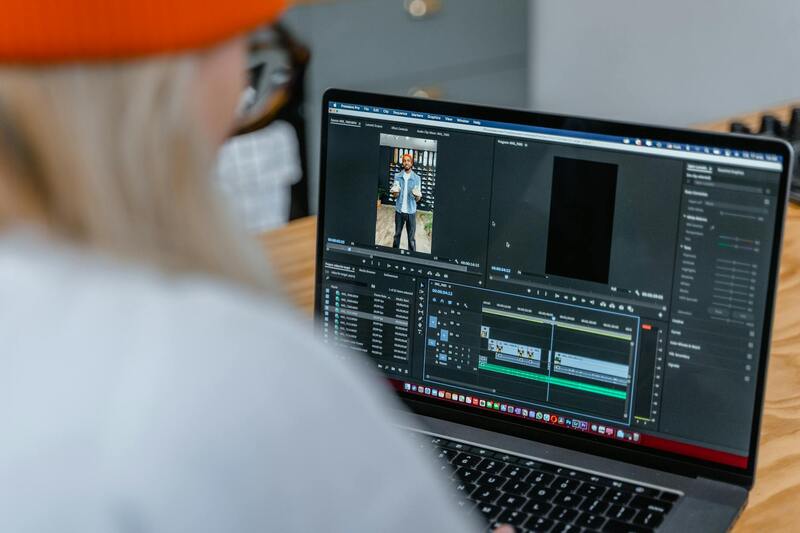
Technical Aspects of Live Streaming
Technical proficiency plays a crucial role in delivering flawless live streams. Advanced encoding and compression algorithms ensure that video and audio data are optimized for different devices and network conditions. Content delivery networks (CDNs) distribute streams efficiently, reducing latency and buffering issues. Upstream and downstream bandwidth calculations are vital to prevent interruptions during the broadcast, especially for large audiences.
Additionally, quality assurance measures, such as latency monitoring and real-time diagnostics, allow teams to troubleshoot potential problems swiftly. Utilizing redundant streams and failover systems can further safeguard against broadcast failures, ensuring continuous delivery regardless of technical disruptions.
Benefits of Professional Live Stream Production for Miami Businesses
- Enhanced Audience Engagement: High-quality video and interactive features captivate viewers and foster active participation.
- Broader Reach: Streaming extends event accessibility beyond physical attendees, attracting a regional or global audience.
- Brand Visibility: Professionally produced live streams reinforce branding through visuals, messaging, and consistent quality.
- Content Repurposing: Recorded streams provide valuable on-demand content for post-event marketing, training, or archival purposes.
- Cost Efficiency: Virtual access reduces travel and accommodation expenses, making events more economical without sacrificing impact.
Understanding Live Stream Production Services
Live stream production services encompass a comprehensive suite of technical and creative capabilities designed to facilitate high-quality, real-time broadcasting. These services are essential for organizations aiming to deliver engaging content to diverse audiences via online platforms. They involve intricate coordination between multiple components, including video capture, audio management, graphics integration, and seamless transmission across digital channels. Employing professional live stream production ensures that content maintains clarity, stability, and visual appeal, which significantly enhances viewer engagement and brand presence.
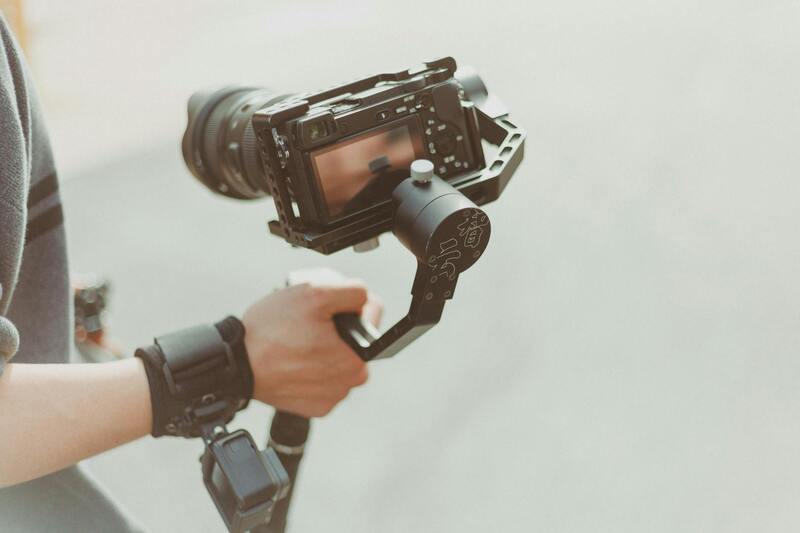
Professionally managed live stream production provides scalability and adaptability, catering to various event sizes and formats—from corporate conferences and product launches to concerts and sporting events. By integrating advanced technology and expert oversight, these services allow for customizations such as multi-camera angles, real-time graphics, and audience interaction elements. Such features elevate the production value, making live streams more captivating and impactful.
Key Components of Live Stream Production
- Video Capture and Encoding: Multiple cameras or high-definition sources capture live footage, which is then encoded to optimize for internet transmission without sacrificing quality.
- Audio Management: Clear sound quality involves professional microphones and mixers to balance audio levels and eliminate cross-interference.
- Graphics and overlays: Visual elements like titles, logos, and lower thirds are integrated dynamically for branding and informational purposes.
- Streaming Platform Interface: A reliable platform or content delivery network (CDN) ensures consistent delivery and minimal latency.
- Monitoring and Troubleshooting: Real-time diagnostics and redundancy systems help detect issues promptly, preventing disruptions during the live event.
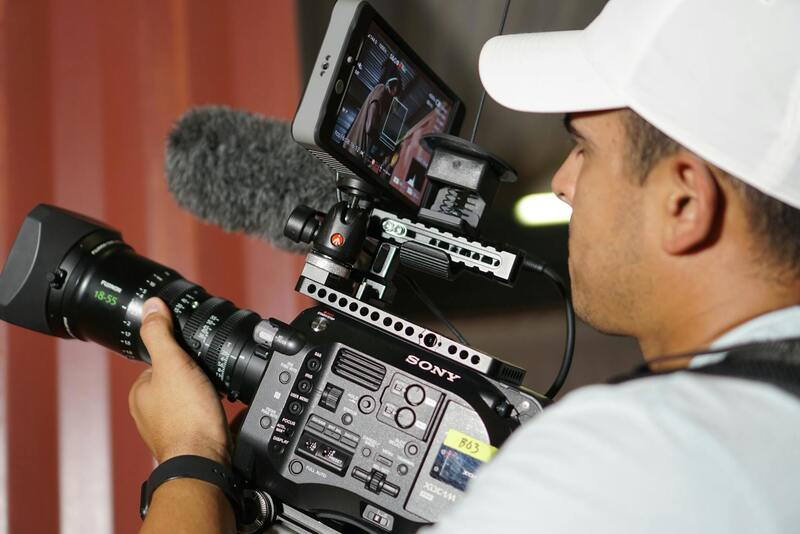
Types of Live Stream Services Offered
Service providers typically offer a range of options tailored to specific event needs:
- Basic Live Streaming: Includes essential video and audio transmission suitable for small events or internal communications.
- Multi-Camera Productions: Engages audiences with multiple viewpoints, perfect for sports, concerts, and conferences.
- Hybrid Events: Combines in-person and virtual participation, requiring producer coordination to manage both elements seamlessly.
- Interactive Streaming: Incorporates viewer engagement tools such as live chat, polls, and Q&A sessions to foster real-time interaction.
- On-Demand Content Management: Offers recorded streams for post-event viewing, archiving, or marketing reuse.
Factors to Consider When Choosing a Live Stream Provider in Miami
Selecting the appropriate live stream partner involves evaluating several critical aspects to ensure the success of your event:
- Technical Expertise and Equipment: Confirm the provider’s familiarity with current broadcasting technologies and their capability to handle complex workflows.
- Portfolio and Experience: Review past projects, especially those within your event’s industry or with similar scale, to gauge their proficiency.
- Customization and Flexibility: Ensure they can tailor solutions to your specific requirements, including branding and interactive features.
- Reputation and Client Feedback: Seek testimonials or references that speak to their reliability and quality of service.
- Support and Troubleshooting: Always select providers offering comprehensive technical support during the event to quickly resolve unforeseen issues.

Choosing the appropriate live stream production service ensures that your event is executed flawlessly, reaching audiences with clarity and professionalism. Collaboration with seasoned providers equipped with advanced technology and a solutions-oriented approach guarantees a seamless streaming experience that elevates your brand and maximizes engagement across all platforms.
Technical Aspects of Live Streaming
Executing a high-quality live stream requires a comprehensive understanding of the various technical elements involved. From hardware to software, each component plays a vital role in ensuring a smooth broadcast that captivates viewers and maintains professionalism throughout the event.
Video Capture and Encoding
At the core of any live stream is the capture of high-resolution video footage. Professional-grade cameras are utilized to deliver crisp visuals, often supporting 4K or HD outputs depending on the event’s needs. Once captured, these video signals are processed through encoders—devices or software solutions that compress the video data for efficient transmission over the internet. Modern encoders support adaptive bitrate streaming, allowing viewers to receive the best possible quality based on their internet connection, thereby reducing buffering and enhancing user experience.
Audio Quality and Mixing
Clear, balanced audio is critical. Professional live stream production incorporates high-quality microphones and audio mixers to manage multiple sound sources, including speakers, panelists, or multimedia elements. Audio processing tools are used to eliminate background noise, adjust levels in real-time, and apply effects or equalization as needed. Effective audio management ensures that the message is delivered clearly, reflecting the event’s professionalism and maintaining viewer engagement.
Streaming Infrastructure and Delivery
The backbone of live streaming involves a robust internet connection and reliable content delivery networks (CDNs). High-bandwidth upload capabilities prevent interruptions, while CDNs facilitate distribution across multiple regions, reducing latency and preventing buffering. Advanced streaming platforms support various protocols, such as RTMP, HLS, or DASH, which are optimized for different devices and network conditions. This layered infrastructure guarantees a resilient stream capable of handling large audiences without degradation of quality.
Monitoring and Troubleshooting
Real-time monitoring systems track various metrics — such as bandwidth usage, buffer rates, and stream stability — enabling technicians to identify and address issues promptly. Backup systems are often implemented, including secondary encoders and redundant internet sources, to minimize the risk of disruptions. During the event, technical teams are on standby to troubleshoot problems swiftly, ensuring seamless delivery and maintaining viewer satisfaction.
Post-Streaming Analysis and Archiving
Following the live event, detailed analytics provide insights into viewer engagement, drop-off points, and overall stream performance. Recorded streams are archived for on-demand access, allowing content to be repurposed for marketing, training, or educational use. Proper post-event management enhances the long-term value of the live stream, providing opportunities for feedback and continuous improvement in future productions.
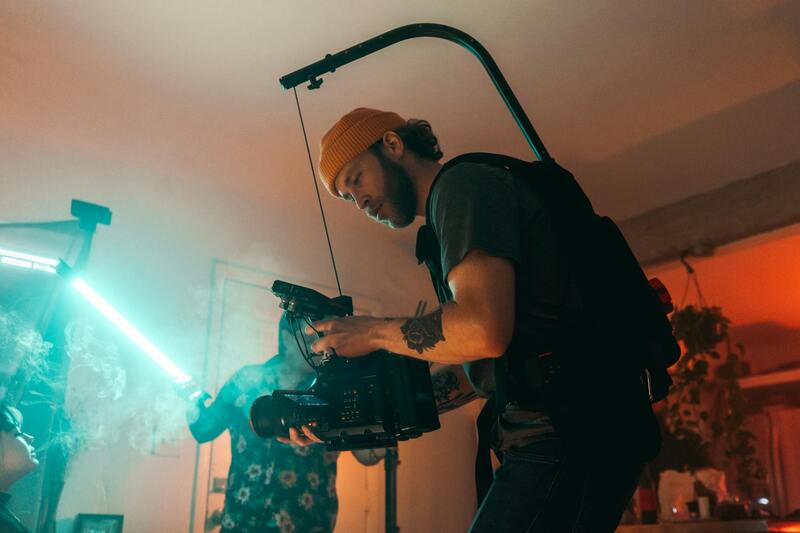
Technical Aspects of Live Streaming
Implementing a successful live stream requires a comprehensive understanding of the core technical components that ensure seamless delivery. Central to this process is the encoding system, which converts raw video and audio signals into digital formats suitable for transmission over the internet. High-quality encoders, whether hardware-based or software-driven, play a vital role in maintaining video clarity and synchronization with audio streams. Advanced encoders support multiple bit rates, enabling adaptive streaming that adjusts quality based on viewers' network conditions, thus minimizing buffering and enhancing the user experience.
Network infrastructure forms the backbone of a resilient live streaming setup. To prevent interruptions, businesses in Miami often leverage dedicated high-bandwidth internet connections, sometimes supplemented by secondary sources. This redundancy ensures continuous broadcast even in case of primary network failure. Upload speed is particularly critical, with recommended speeds being several multiples of the stream’s bitrate to accommodate fluctuations and spikes in data transfer.

Content Delivery Networks (CDNs) are indispensable for distributing live streams efficiently across diverse locations. They minimize latency and buffering by caching streams closer to viewers’ locations, especially in high-traffic regions like Miami. Protocol support further enhances compatibility; RTMP (Real-Time Messaging Protocol) is common for upstream encoding to streaming servers, while protocols like HLS (HTTP Live Streaming) and DASH (Dynamic Adaptive Streaming over HTTP) are employed for playback on end-user devices, accommodating a wide array of platforms from desktops to mobile devices.
Synchronization between video and audio streams is critical to prevent desynchronization artifacts that could distract viewers. Real-time monitoring systems provide live feedback on stream health, bandwidth utilization, and latency, enabling technical teams to intervene swiftly if discrepancies occur. Many live streams incorporate backup solutions, such as secondary encoders or alternative internet sources, to guarantee uninterrupted broadcast under any circumstances.
Benefits of Professional Live Stream Production for Miami Businesses
Investing in high-caliber live stream production services in Miami ensures a polished presentation that resonates with local and global audiences alike. Professional setups incorporate multi-camera configurations, professional lighting, and high-fidelity audio equipment that elevate content quality. Moreover, expert operators manage technical aspects such as audio mixing, camera switching, and graphics overlay, delivering a dynamic and engaging viewer experience.
Effective live streaming can significantly enhance brand visibility and credibility. For Miami companies, which often host events, product launches, or conferences, a professionally produced live stream extends reach beyond physical attendees, broadening audience engagement. It also enables real-time interaction through chat features and Q&A sessions, fostering community involvement and increasing event impact.
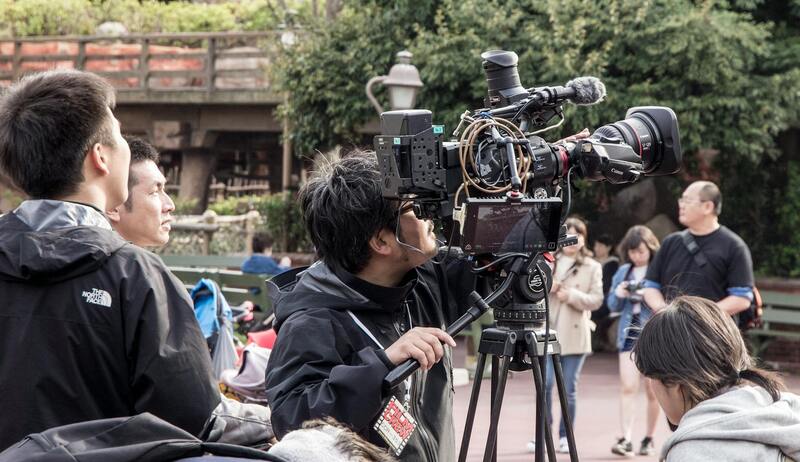
Furthermore, professional services typically include post-event analysis, providing valuable insights into viewer behavior, engagement metrics, and technical performance. These analytics guide future content strategies, optimize streaming processes, and enhance overall production quality, ensuring continuous improvement in Miami’s live streaming initiatives.
Comprehensive Strategies for Executing High-Quality Live Stream Productions in Miami
Successfully planning and executing a live stream event in Miami involves meticulous coordination across various technical and logistical aspects. Ensuring a seamless broadcast that captivates audiences requires leveraging advanced tools, strategic planning, and adherence to best practices, especially when partnering with seasoned live stream production services.
Pre-Event Planning and Coordination
- Objective Setting: Clearly define the purpose of the live stream, whether it’s a product launch, corporate conference, or community event. Articulate the key messages to be conveyed and establish measurable goals such as viewer engagement, registration numbers, or post-event actions.
- Audience Analysis: Understand target demographics to tailor content, presentation style, and interactive elements accordingly. This insight influences platform selection, content format, and promotional strategies.
- Technical Requirements: Collaborate with professional live stream production providers to identify necessary equipment, such as multi-camera setups, high-fidelity microphones, lighting systems, graphics, and internet bandwidth requirements. A comprehensive technical plan minimizes potential disruptions during the broadcast.
- Content Preparation: Develop detailed scripts, visual aids, and multimedia content. Coordinate rehearsals with hosts, speakers, or performers to ensure familiarity with the flow and technical cues.
- Platform Selection: Choose the most suitable streaming platforms to reach the target audience effectively. Consider factors like platform features, audience analytics, and integration capabilities with existing marketing tools.
Technical Setup and Testing
- Equipment Verification: Conduct thorough checks of all hardware and software components. Ensure cameras, audio, lighting, and streaming encoders are functioning correctly.
- Connectivity and Bandwidth: Secure reliable internet connections with ample upload speeds to support high-quality streaming, especially in outdoor or complex event environments.
- Rehearsals: Execute full run-throughs to troubleshoot technical issues, synchronize camera transitions, and verify audio-visual quality. Test overlays, graphics, and interactive features to ensure they operate smoothly during the live broadcast.
Execution and Monitoring
- Live Management: Assign dedicated roles such as technical director, camera operators, and moderators to oversee different aspects of the production. Employ real-time monitoring to promptly address any unforeseen issues.
- Audience Engagement: Use chat interfaces, polls, or Q&A sessions to foster interaction and keep viewers engaged throughout the event.
- Contingency Planning: Prepare backup solutions, including alternative internet sources, additional equipment, and redundant power supplies, to handle unexpected technical failures.
Post-Event Activities
- Content Repurposing: Edit and distribute recorded segments to extend the event’s reach and create additional marketing content.
- Analytics and Reporting: Analyze viewer metrics, engagement levels, and technical performance data to evaluate success and identify areas for improvement.
- Feedback Collection: Gather insights from attendees and stakeholders to refine future live streaming initiatives.