
Introduction to Corporate Live Streaming
Corporate live streaming services have transformed how businesses communicate, promote, and engage with their audiences in real time. These services enable organizations to broadcast events, presentations, and conferences directly to a global or targeted audience via the internet, ensuring seamless and professional delivery. Unlike traditional methods such as in-person gatherings or pre-recorded videos, live streaming allows for immediate interaction, enhanced engagement, and wider reach, making it an indispensable tool in modern corporate communication strategies.

In an era where digital connectivity is paramount, the importance of corporate live streaming services extends beyond just broadcasting. They serve as a vital bridge to convey key messages, showcase products, deliver training sessions, and host large-scale corporate events without geographical limitations. Whether it’s an annual shareholder meeting, a product launch, or a corporate town hall, these services provide a reliable and high-quality platform for organizations to communicate effectively.
The growing reliance on virtual events has been driven by the need for cost-effective solutions, increased accessibility, and the desire for more interactive experiences. Corporate live streaming solutions support these priorities by offering scalable and customizable options tailored to the specific needs of each event or campaign. From small seminars to large international conferences, professional streaming ensures that every detail is captured with clarity and technical precision.
Moreover, the integration of advanced technologies such as multi-camera setups, real-time graphics, and interactive chat features enriches the viewing experience. This enhances audience engagement, fosters two-way communication, and provides valuable feedback for organizations. Given the competitive nature of today’s business environment, leveraging high-quality live streaming capabilities positions companies as innovative and accessible industry leaders.
In summary, corporate live streaming services have become essential for modern business operations. They facilitate effective communication, bolster marketing efforts, and enable organizations to reach a broader audience with professionalism and impact. As digital engagement continues to evolve, so too will the capabilities and significance of live streaming in corporate strategies.
Key Features of Corporate Live Streaming Services
When selecting a corporate live streaming provider, understanding the essential features that ensure a successful broadcast is crucial. These features are designed to meet the demanding standards of corporate communication, marketing, and engagement strategies, offering a seamless experience for both organizers and viewers.
High-Quality Video and Audio
Ensuring crystal-clear visuals and pristine audio is fundamental. High-definition streaming, often at 1080p or 4K resolution, guarantees that every detail is visible, reinforcing professionalism. Advanced audio processing eliminates background noise and echoes, delivering clear sound that keeps audiences engaged. Synchronization between video and audio streams further enhances the viewing experience, providing a seamless transmission that maintains viewer attention.
Reliability and Uptime
Dependability is a cornerstone of corporate streaming. Robust infrastructure, including content delivery networks (CDNs) and redundant servers, minimizes the risk of interruptions. Backup systems and failover procedures ensure that streams remain uninterrupted even during unforeseen technical issues, preserving the company's reputation for quality and professionalism.
Scalability
Organizations often host events with varying audience sizes, from small internal meetings to large-scale webinars or global conferences. A scalable platform accommodates fluctuating viewer counts without compromising stream quality or performance. This flexibility allows companies to expand their reach effortlessly as event scope grows or scales down for more intimate sessions.
Interactivity
Engagement is enhanced through integrated interactive features such as live chat, Q&A sessions, polls, and real-time surveys. These tools foster two-way communication, making viewers active participants rather than passive observers. Interactive elements also provide immediate feedback and insights, guiding presenters to tailor their content dynamically.
Security and Privacy
Protecting sensitive information is paramount in corporate settings. Encryption protocols, secure login processes, and robust access controls prevent unauthorized viewing. Features like password protection, geo-restrictions, and streaming within secured platforms ensure that content reaches only intended audiences, adhering to organizational security policies.
Integration and Compatibility
To maximize reach and functionality, live streaming solutions should seamlessly integrate with existing corporate tools such as customer relationship management (CRM) systems, marketing automation platforms, and social media channels. Compatibility across devices and operating systems guarantees that audiences can access content effortlessly, whether on desktops, tablets, or smartphones.

Adopting a solution with these core features ensures that each streamed event maintains high quality, engages viewers effectively, and aligns with organizational objectives. Tailoring these capabilities to fit the specific needs of each event will optimize communication and extend the reach of corporate messages beyond traditional boundaries.
Technical Considerations for Successful Corporate Live Streaming
Ensuring a smooth and professional live streaming experience requires meticulous planning of various technical aspects. The backbone of effective corporate streaming is a robust internet connection capable of handling high bandwidth demands without fluctuations or interruptions. Typically, a dedicated fiber optic line or a high-speed wired connection is preferred to guarantee stability during the broadcast.
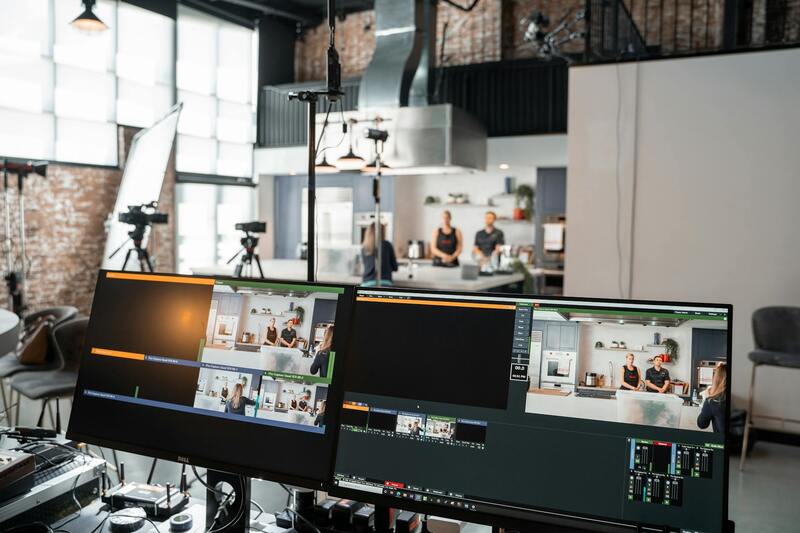
Hardware setup plays a pivotal role in delivering high-quality streams. Professional-grade cameras, microphones, and video switchers are standard to capture and transmit clear visuals and audio. Multi-camera configurations can enhance the viewer experience by providing different angles and perspectives, which is particularly advantageous during product launches or keynote addresses.

Lighting and sound quality also critically impact the perception of professionalism. Well-lit environments and soundproofing measures ensure visuals are sharp, and audio is free of echoes or background noise. Using external microphones and proper lighting kits can significantly elevate the production value.
Choosing the Right Streaming Platform
Several platforms cater specifically to corporate live streaming, offering features aligned with organizational needs. Selecting an appropriate provider involves evaluating the platform’s ability to support the expected viewer count, integrate with existing enterprise tools, and offer customization options. Platforms should provide reliable playback quality, scalability, and security measures to control access.
Pre-Event Testing and Rehearsals
Conducting extensive pre-event testing is essential to address potential technical issues. Rehearsals allow team members to familiarize themselves with the equipment, troubleshoot connectivity problems, and refine content delivery. Testing should include monitoring audio-visual synchronization, stream stability, and compatibility across different devices and browsers.
Optimizing for Audience Engagement
Encouraging interaction during the live session enhances viewer engagement and message retention. Incorporate real-time chat, polls, and Q&A sessions to foster active participation. Ensuring the streaming platform supports these features can help maintain viewer interest and facilitate immediate feedback.
Post-Streaming Practices
After the event, reviewing the stream’s technical performance provides insights into areas for improvement. Recording the live session allows for content repurposing, such as on-demand viewing or sharing highlights. Analytics data, including viewer count, engagement duration, and interaction rates, inform future event planning and content strategy.
Technical Aspects and Best Practices for Corporate Live Streaming
Executing a successful corporate live stream demands meticulous attention to technical configuration and adherence to established best practices. Ensuring optimal stream quality hinges on a comprehensive understanding of the necessary infrastructure, from hardware to network considerations. High-definition cameras and professional audio equipment significantly enhance the clarity and overall production value, creating a polished viewing experience that aligns with corporate standards.
Bandwidth capacity directly impacts stream stability. Adequate upload speeds should be secured, ideally surpassing the streaming platform’s recommended thresholds, to prevent buffering or quality degradation during the broadcast. Employing a dedicated internet connection minimizes interruptions caused by other network activities, maintaining a smooth delivery of content.
Compatibility across different devices and browsers is crucial. Testing the live stream on smartphones, tablets, desktops, and varying operating systems helps identify and resolve potential compatibility issues before the event. Employing adaptive bitrate streaming technologies allows the content to adjust dynamically based on the viewer’s device capabilities and internet speed, ensuring consistent quality for all participants.

Security Measures and Access Controls in Corporate Streaming
Securing sensitive corporate content is paramount in live streaming events. Implementing robust authentication protocols, such as single sign-on (SSO) or access codes, restricts entry to authorized viewers. Digital rights management (DRM) technology further safeguards proprietary material from unauthorized redistribution or recording.
Encryption protocols protect the data transmitted during the stream, making it inaccessible to malicious actors. The use of secure streams (e.g., HTTPS or RTMPS) ensures that the content remains confidential and tamper-proof. Additionally, employing firewalls and intrusion detection systems enhances the overall security posture of the streaming environment.
Maintaining a detailed access log and monitoring viewer activity in real-time allows organizations to detect suspicious behavior promptly. This proactive approach helps mitigate risks associated with unauthorized access and protects the company's reputation.
Efficient Content Management and Platform Integration
Integrating live streaming platforms with existing corporate tools streamlines event management and enhances user experience. Compatibility with enterprise platforms like Outlook, Slack, or internal intranet portals facilitates seamless registration, scheduling, and notifications for participants.
Content management systems (CMS) allow organizations to schedule streams, manage multiple sessions, and automate workflows. These integrations reduce manual intervention, ensuring that the live event progresses smoothly without technical bottlenecks.
Furthermore, APIs enable the customization of the streaming interface, aligning it with corporate branding and providing a cohesive experience for viewers. The ability to embed live streams directly into corporate websites or internal portals simplifies access and reinforces brand consistency.

Technical Requirements and Best Practices for Corporate Live Streaming
To deliver a smooth and engaging live streaming experience, organizations must adhere to several technical standards and best practices. The foundation of any successful live event relies heavily on the quality of equipment, stable internet connectivity, and effective management of streaming configurations.
High-Quality Streaming Solutions
Investing in professional-grade cameras, microphones, and encoding hardware ensures clear audio and crisp video signals. High-resolution cameras with multiple angles can enhance viewer engagement by providing dynamic visuals, especially for complex presentations or product demonstrations. Additionally, backup equipment is crucial to prevent technical disruptions during the event.
Reliable Internet Connectivity
Consistent high-speed internet with sufficient bandwidth forms the backbone of seamless live streaming. Organizations should opt for dedicated internet lines or wired Ethernet connections rather than relying solely on Wi-Fi networks, which are more susceptible to interference and fluctuations. Conducting network tests before the event helps identify potential issues and allows for adjustments to guarantee optimal performance.
Optimized Encoding Settings
Proper encoding settings are vital for balancing video quality and streaming stability. Adaptive bitrate streaming adjusts video resolution dynamically based on viewer bandwidth, minimizing buffering and ensuring a consistent experience. Using reliable streaming protocols, such as RTMP or HLS, provides a steady data flow between the broadcaster and viewers.
Audience Engagement Tools

Engagement features like live chat, question-and-answer sessions, polls, and real-time feedback platforms foster interaction between speakers and viewers. These tools should be integrated seamlessly within the streaming interface to keep the audience actively involved.
Security and Privacy Considerations
Implementing encryption protocols during transmission secures content against unauthorized access. Utilizing password-protected streams, secure tokens, or restricted access links help control who can view the event. Regularly updating streaming software and hardware firmware also minimizes vulnerabilities that could compromise the broadcast.
Preparation and Testing
Thorough testing of all equipment and streaming configurations well in advance of the event ensures technical issues are identified and resolved. Conducting rehearsal sessions allows presenters to familiarize themselves with the platform, check audiovisual quality, and troubleshoot potential problems.
Monitoring During the Event
Continuous oversight of stream health, viewer engagement metrics, and technical performance allows quick responses to any unforeseen issues. Having a dedicated technical support team on standby can greatly reduce downtime and maintain a professional broadcast standard.
Adopting these best practices not only enhances the quality of corporate live streams but also strengthens the organization's reputation by delivering a consistent, professional, and engaging virtual event experience for all participants.
Technical Integration and Secure Content Delivery
Executing a successful corporate live stream demands meticulous planning around technical infrastructure. Selecting a platform that seamlessly integrates with existing corporate systems ensures a smooth workflow from content creation to delivery. Many providers offer customizable APIs and SDKs, enabling companies to embed live streaming functionalities directly into their websites or intranet portals, enhancing user experience and branding consistency.
Reliable content delivery hinges on robust Content Delivery Networks (CDNs) that efficiently distribute streams to viewers regardless of their geographic location. This global infrastructure reduces latency, prevents buffering issues, and guarantees a high-quality viewing experience. When evaluating a corporate live streaming service, it's essential to confirm that the provider employs geo-redundant servers and offers adaptive bitrate streaming, which adjusts video quality in real-time based on viewers’ internet bandwidth.

Protection of Sensitive Content
Many corporations handle proprietary information or confidential data during live events. Implementing encryption protocols such as TLS/SSL ensures data protection during transmission, thwarting unauthorized interception. Access control measures like password protection, individualized secure tokens, and restricted access links are crucial for maintaining privacy. These security features help restrict viewership to authorized personnel only, safeguarding sensitive content from unintended audiences.
Additional layers of security include watermarking streams, which discourage unauthorized redistribution, and real-time monitoring tools that detect and block suspicious activities. Regular updates and patches to streaming hardware and software further reinforce defenses against emerging vulnerabilities, providing a dependable environment for sensitive corporate communications.
Optimizing User Experience for Viewers
Ensuring viewers have an engaging and frustration-free experience involves meticulous attention to delivery quality and interface design. Implementing adaptive streaming technologies automatically adjust video resolution based on the viewer's device and network conditions, preventing disruptions. High-quality audiovisual equipment, including cameras and microphones, combined with professional technical support during the event, elevates the overall broadcast quality.
Interactive features such as live chat, real-time polling, and Q&A sessions should be integrated within the platform. These tools foster active participation, enhance audience satisfaction, and deepen engagement. It’s also advisable to provide viewers with clear instructions on how to access and utilize these features to maximize their involvement.
Monitoring and Troubleshooting During Live Events
Real-time monitoring of streaming metrics—including stream health, bandwidth usage, and viewer engagement—provides insights into the broadcast’s performance. Surveillance dashboards allow technical teams to promptly identify and address issues such as connection drops or audio-visual sync problems. In instances where technical difficulties occur, quick response protocols and backup systems ensure minimal disruption to the event.
Having a dedicated technical support team on site or on call during the broadcast enhances operational agility. They can troubleshoot hardware or software glitches swiftly, communicate with viewers in case of interruptions, and execute contingency plans effectively. This level of preparedness ensures a consistently professional presentation, which is vital for maintaining organizational credibility.
Technical Requirements for Executing Seamless Corporate Live Streams
Implementing a successful corporate live streaming event hinges on the fulfillment of specific technical prerequisites that ensure a smooth and professional broadcast. First and foremost, a robust internet connection with high upload bandwidth is vital. This prevents buffering and lag, safeguarding the viewing experience regardless of the audience size. Preferably, a dedicated fiber-optic line with symmetrical bandwidth should be used, minimizing potential disruptions caused by network congestion.
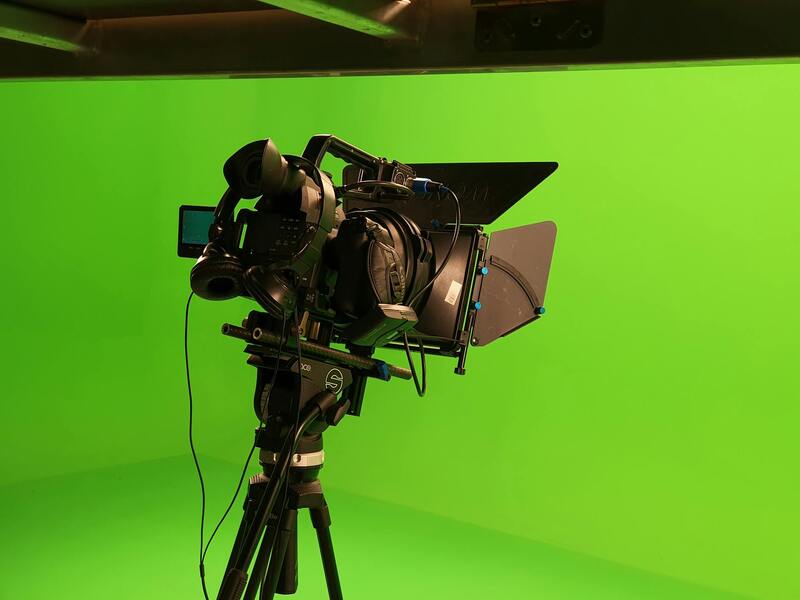
High-quality audiovisual equipment is essential. This includes professional-grade cameras capable of capturing clear, high-definition video, and microphones that deliver crisp, noise-free audio. The choice of equipment often depends on the scale and nature of the event, but investing in reliable gear ensures a polished presentation. Additional hardware such as encoders and streaming devices should be compatible with the chosen platform and capable of handling high-resolution streams.
Platform Compatibility and Integration
Selecting a streaming platform that integrates seamlessly with existing business tools is crucial. It should support multiple input sources, facilitate secure access controls, and offer analytics dashboards. Compatibility with popular conferencing tools and social media integration enhances reach and interactivity.
Technical Support and Contingency Planning
Engaging a dedicated technical team familiar with the streaming service ensures swift troubleshooting during live events. This team should oversee the stream’s health in real-time, addressing potential issues such as signal interruptions, audio desynchronization, or visual glitches immediately. Establishing backup systems, including secondary internet connections and redundant encoding workflows, provides an additional layer of security, allowing the broadcast to continue uninterrupted even in unforeseen circumstances.
Best Practices for a Flawless Streaming Experience
- Pre-Event Testing: Conduct comprehensive rehearsals and equipment checks before the live event to identify and resolve technical issues proactively.
- Clear Audio-Visual Guidelines: Provide all presenters and staff with guidance on lighting, audio setup, and on-camera presence to ensure visual consistency and professionalism.
- Audience Management Tools: Use chat moderation, real-time polling, and Q&A features to foster engagement while maintaining control over interactions.
- Monitoring and Feedback: Continuous monitoring during the broadcast helps detect issues early, and post-event feedback gathers insights for improvement in future streams.

Adhering to these technical standards and practices positions your organization to deliver professional, reliable live streams that reflect the company’s commitment to quality and engagement. Ensuring the availability of trained technical personnel, investing in cutting-edge hardware, and utilizing a well-chosen streaming platform are integral components that contribute to the success of your corporate broadcasting initiatives.
Ensuring Compliance and Upholding Professional Standards in Corporate Live Streaming
Conducting corporate live streaming events requires meticulous attention to legal and operational standards to ensure seamless broadcast quality and organizational integrity. It is essential to employ official, reputable streaming platforms that adhere to industry regulations and standards. These platforms typically offer secure, encrypted data transmission, robust user authentication, and reliable content delivery infrastructures, minimizing risks associated with unauthorized access or content breaches.
Utilizing licensed streaming services involves contractual agreements that clearly delineate responsibilities, service level commitments, and data protection protocols. These agreements often include compliance with data privacy regulations, especially when handling attendee information or sharing proprietary content. Ensuring that the streaming provider follows best practices for cybersecurity and content management safeguards your organization against potential operational interruptions or data violations.
When planning and executing live streams, it is prudent to establish comprehensive policies aligned with your company’s internal standards and external legal frameworks. This involves ensuring that all content aligns with intellectual property rights, avoiding unauthorized use of third-party materials, and maintaining transparent communication with stakeholders regarding content distribution and access.
Implementation of Secure Content Delivery Protocols
- Encryption Standards: Employ AES (Advanced Encryption Standard) protocols for secure data transmission, protecting content from interception or tampering.
- Access Control: Use secure login credentials, multi-factor authentication, and personalized streaming links to restrict access to authorized viewers only.
- Content Monitoring: Implement real-time monitoring tools to detect unauthorized streaming or sharing activities, enabling prompt action to mitigate risks.
- Backup and Redundancy: Ensure that backup servers, alternate internet connections, and content delivery networks (CDNs) are in place to guarantee continuity during unforeseen disruptions.
Standards for Content Quality and Presentation
Maintaining high production standards is vital to uphold a professional organization image. This includes adhering to established guidelines for audio clarity, visual quality, and overall broadcast presentation. Providing presenters with training on camera presence, lighting, and speech clarity ensures that the content resonates effectively with the online audience. Additionally, incorporating closed captioning, graphics, and branding elements can enhance viewer engagement and reinforce brand identity.
Furthermore, establishing a technical support team dedicated to monitoring the live stream ensures prompt resolution of any issues that arise, preserving the professional integrity of the event. Regular audits and post-event reviews contribute to continuous improvement, aligning future broadcasts more closely with industry best practices.
Engagement and Feedback Strategies for Continuous Improvement
Post-broadcast activities play a crucial role in assessing fulfillment of communication goals and identifying areas for enhancement. Collecting detailed analytics on viewer engagement, including attendance rates, interaction levels, and content retention, provides valuable insights. Feedback surveys can gauge attendee satisfaction, gather suggestions, and validate the effectiveness of the messaging.
Leveraging these insights enables organizations to refine content delivery, optimize technical performance, and enhance participant engagement in subsequent events. Additionally, implementing ongoing training sessions for staff, upgrading equipment, and maintaining compliance protocols ensures sustained delivery of high-quality corporate live streaming services.