
Overview of Live Broadcast Streaming Production Companies
Live broadcast streaming production companies specialize in the comprehensive planning, execution, and delivery of live video content across digital platforms. These companies are equipped with the technical expertise, advanced equipment, and industry experience necessary to produce seamless live streams for a wide array of events and organizational needs. In Miami, a vibrant hub for cultural events, corporate conferences, sports spectacles, and entertainment festivals, these companies play a pivotal role in enhancing audience engagement through high-quality live streaming solutions.
Unlike simple video recording, live broadcast streaming involves real-time transmission of content to viewers across the internet. This process requires meticulous coordination of multiple components, including video capture, encoding, transmission, and playback, all integrated to ensure minimal latency and optimal picture quality. Production companies in this space often collaborate with event organizers, content creators, and media outlets to deliver professional-grade streaming experiences that resonate with audiences regardless of their geographical location.
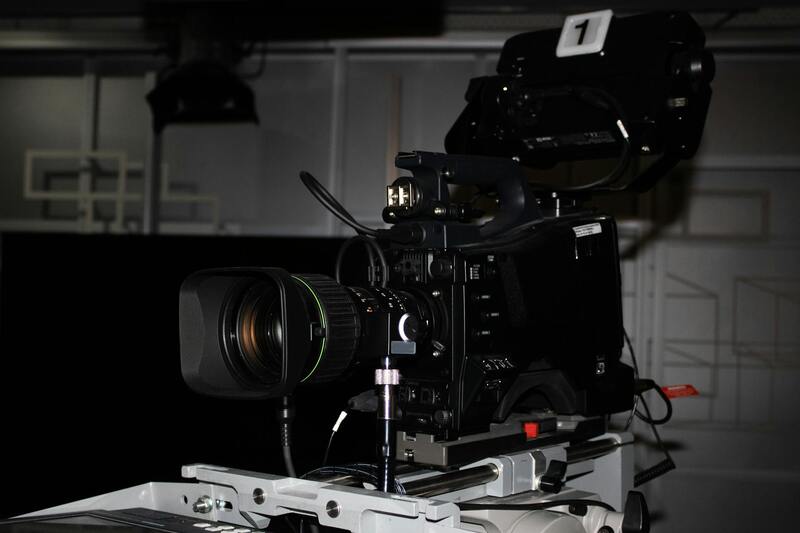
The importance of such companies extends well beyond technology. Their expertise includes content planning, staging, audio-visual coordination, and post-production support to produce polished, engaging live broadcasts. They ensure the professional execution of complex events such as corporate product launches, city festivals, sports tournaments, and educational forums, offering tailored solutions to meet specific client requirements. Miami’s dynamic and diverse event scene demands flexible and innovative streaming services, making the role of local production companies invaluable in delivering reliable online broadcast experiences.
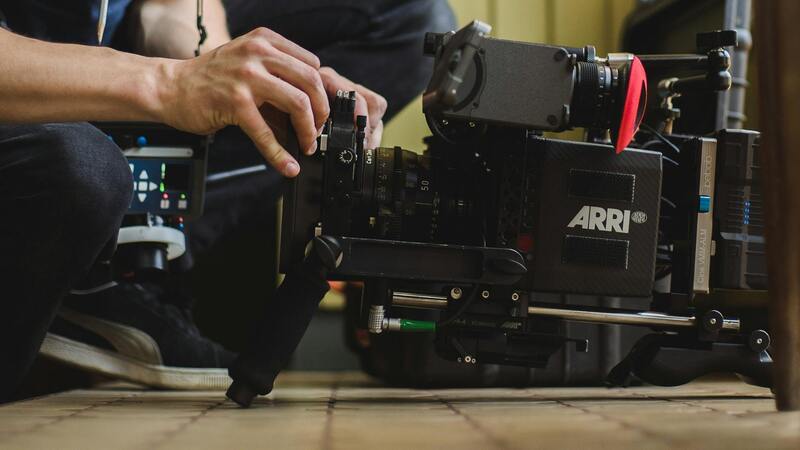
By providing end-to-end support—from pre-event planning to live operation and post-event analysis—these companies ensure that every streamed event maintains the highest standards of clarity, stability, and viewer engagement. Their contributions are essential in expanding the reach of local events, enabling global audiences to participate in Miami’s vibrant social, cultural, and business scenes. As technological advancements continue to evolve, live broadcast streaming production companies remain at the forefront of delivering innovative solutions that keep Miami’s events accessible and impactful in the digital era.
Key Services Offered by Streaming Production Companies
Live broadcast streaming production companies specialize in a comprehensive suite of services designed to ensure each event is executed flawlessly. Central to their offering is meticulous event coverage, where skilled technicians utilize multi-camera setups to capture different angles and perspectives, enriching the viewing experience. These cameras, often supported by high-definition video equipment, enable seamless switching between shots, a process managed by experienced directors during the live broadcast.
Another cornerstone service is live switching, where real-time editing allows for dynamic transitions, graphics integration, and overlays that enhance content professionalism. On-site setup encompasses everything from network infrastructure to camera positioning, lighting, and audio systems, ensuring optimal conditions for recording and broadcasting.
Post-production services are equally vital, providing high-quality editing and content enhancement that prepare recordings for on-demand distribution or archival purposes. These offerings may also include live captioning, subtitles, and integration of branding elements, all aimed at elevating the event’s production value and audience engagement.
By leveraging such a broad spectrum of services, Miami-based streaming production firms deliver tailored solutions optimized for the specific demands of each event—be it a corporate product launch, a cultural festival, or a sporting event. Their expertise ensures a seamless transition from pre-production to live broadcast and post-event follow-up, fostering a smoother overall experience for clients and viewers alike.
Technology and Equipment Used in Live Streaming
Advanced technology underpins the efficiency and quality of live streaming productions. High-definition cameras with zoom and pan capabilities capture crisp, clear visuals, while wireless video transmitters facilitate flexible camera placement without sacrificing signal stability. High-performance encoders convert video feeds into streaming data, supporting multiple bit rates to accommodate different viewer bandwidths.
Switching devices, often operated by skilled technicians, enable real-time blending of camera feeds, graphics, and overlays. Audio mixers and microphones ensure pristine sound quality, crucial for maintaining audience engagement and conveying the event’s atmosphere. Reliable internet connectivity, tested and optimized before each event, is critical for uninterrupted streaming.
Moreover, broadcasters increasingly integrate cloud-based solutions for scalable streaming, content delivery networks (CDNs) for broad reach, and remote management tools that allow control from off-site locations. Such an array of cutting-edge equipment and platforms ensures Miami’s live streaming services meet the highest industry standards.
Industry Sectors Served by Miami Streaming Companies
Miami’s live broadcast production companies serve a diverse array of sectors, reflecting the city’s vibrant economy and cultural landscape. Corporate clients rely on these services for product launches, shareholder meetings, and training sessions, often requiring high-quality, professionally produced streams to reach global audiences.
In the entertainment and cultural domains, streamers broadcast festivals, concerts, art exhibitions, and fashion shows, enabling wider participation and exposure. The sports sector benefits from live coverage of tournaments, marathons, and local competitions, ensuring fans worldwide can follow their favorite events in real time.
Educational institutions and conference organizers utilize live streaming to extend the reach of seminars, workshops, and symposiums, making learning accessible regardless of physical location. Additionally, government agencies and civic organizations leverage these services for city events, public forums, and community engagement initiatives.
This multi-sector approach underscores the versatility and necessity of professional live broadcast streaming companies in supporting Miami’s economic and cultural vitality.
Technology and Equipment Used in Live Streaming
Professional live broadcast streaming production companies leverage cutting-edge technology to deliver high-quality, uninterrupted streaming experiences. The backbone of these services consists of advanced hardware and software components meticulously integrated to ensure seamless transmission, clarity, and reliability. Key equipment includes high-definition cameras capable of capturing detailed visuals from multiple angles, combined with professional video switchers that enable real-time scene transitions and multi-camera production.
Encoding hardware plays a vital role in compressing live video feeds to optimize bandwidth without sacrificing quality. Modern encoders support multiple formats and resolutions, accommodating diverse client needs and streaming platforms. Reliable audio equipment, including microphones and mixing consoles, guarantees clear sound essential for engaging broadcasts.
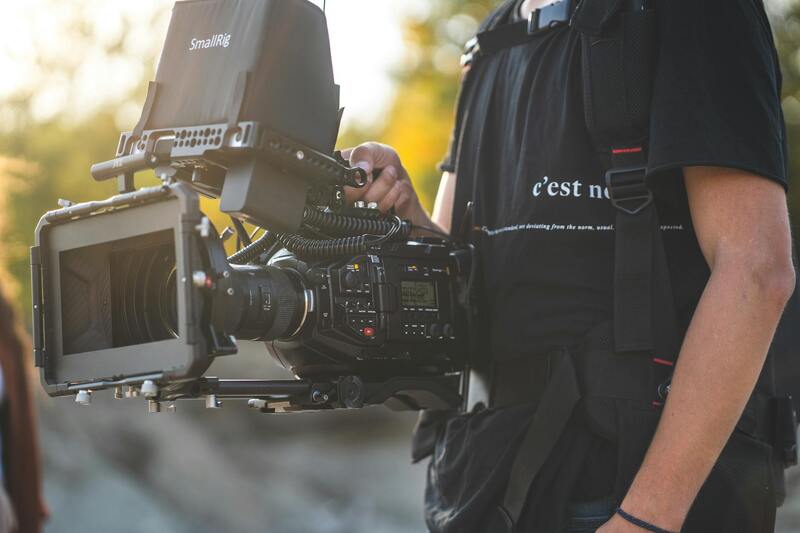
Software solutions such as professional video switching, graphics overlay, and real-time editing further enhance production quality. Content management systems facilitate efficient stream scheduling and multi-platform delivery, ensuring the broadcast reaches audiences on websites, social media, and streaming services simultaneously.
The integration of content delivery networks (CDNs) improves streaming stability by distributing content across multiple servers geographically closer to viewers, reducing latency and buffering. Additionally, remote production tools and cloud-based solutions enable control and collaboration from various locations, increasing flexibility for live events.
Overall, the selection of equipment and technology is vital in crafting compelling live broadcast experiences that meet industry standards and satisfy client expectations. Miami’s live stream production companies routinely update and refine their technical infrastructure to stay ahead in a competitive landscape, ensuring every event benefits from the latest innovations.
Technological Innovations Enhancing Live Streaming Quality
Advancements in live broadcast technology have revolutionized the way content is delivered, making high-quality streams accessible across diverse platforms. The incorporation of high-efficiency encoding hardware allows broadcasters to compress video signals effectively, maintaining clarity while reducing bandwidth consumption. These encoders are capable of supporting multiple resolutions concurrently, such as Full HD and 4K, catering to different viewer devices and preferences.
Reliable audio systems, including digital microphones and multi-channel mixing consoles, ensure that sound quality matches visual excellence. Clear audio is critical for engaging viewers, especially during interviews, panel discussions, or multi-speaker events. Sophisticated audio processing tools help eliminate background noise, balance audio levels, and synchronize sound with video feeds seamlessly.
On the software side, professional video switchers provide real-time control over multiple camera feeds, enabling smooth transitions and dynamic content presentation. Overlay graphics, including logos, lower thirds, and live statistics, are integrated using specialized software to enhance viewer engagement. Additionally, real-time editing tools allow for on-the-fly adjustments, ensuring the broadcast remains polished throughout.
Content management systems are essential for scheduling streams, managing different content streams, and multi-platform distribution. Modern streaming platforms leverage content delivery networks (CDNs) that distribute content to viewers from servers closest to their geographic location. This geographical distribution significantly reduces latency and buffering, delivering a smooth viewing experience even during high-traffic events.
Remote production and cloud-based solutions further extend operational flexibility. These technologies enable production teams to operate from different locations, collaborate efficiently, and adjust content dynamically without the need for extensive onsite equipment. This flexibility is especially valuable for multi-area events or when quick turnaround times are required.
Ultimately, the integration of innovative equipment and software tools not only guarantees professional-level broadcasts but also allows for scalable, efficient, and engaging live streaming experiences. Miami-based live broadcast streaming production companies continuously evaluate emerging technologies to maintain a competitive edge and deliver exceptional results for their clients.
Advanced Production Techniques and Quality Assurance
Leading live broadcast streaming production companies employ a range of advanced techniques to ensure high-quality, seamless streams. These techniques include multi-camera setups, synchronized switching, and real-time graphics integration, which together create engaging and professional presentations. The use of HD, 4K, or even higher resolutions guarantees sharp visuals that captivate viewers across all devices.
Sound quality is equally prioritized, with state-of-the-art microphones, digital audio mixers, and noise reduction technologies used to provide clear, balanced audio. This attention to detail ensures that the audio complements the visuals perfectly, creating an immersive experience for the audience.
Security and Data Integrity Measures
Secure streaming protocols are vital for protecting content integrity and maintaining viewer trust. Reputable production companies implement encryption techniques, such as Secure Real-Time Transport Protocol (SRTP) and Transport Layer Security (TLS), to prevent unauthorized access and tampering during live transmissions. Additionally, digital watermarking helps monitor content distribution, ensuring the content remains under proper rights management.
Backup systems, including redundant streaming servers and failover mechanisms, are crucial for maintaining broadcast continuity. These systems automatically switch to backup sources if primary streams face disruptions, minimizing downtime and guaranteeing uninterrupted viewing experiences.
Customization and Interactive Capabilities
Modern live streaming initiatives often incorporate customization features tailored to client needs. This includes branded overlays, custom transitions, and tailored on-screen graphics to reinforce brand identity. Interactive elements such as live polls, Q&A sessions, and viewer engagement tools are also integrated to foster real-time interaction, increasing viewer retention and satisfaction.
Enhanced interactivity is facilitated through integration with social media platforms, allowing viewers to comment, share, and participate directly within the live broadcast. These features help create a dynamic environment that encourages active participation, making streams more engaging and memorable.
Scalability and Flexibility in Production Solutions
One of the defining aspects of top-tier streaming companies is their ability to scale services based on the event size and complexity. For very large events, such as festivals or conferences, multi-site streaming workflows and multi-camera setups are employed to cover various aspects simultaneously. For smaller or more targeted broadcasts, simpler configurations are utilized to optimize costs and efficiency.
Flexible solutions also include remote production capabilities, permitting specialists to operate from different locations. Cloud-based infrastructure further supports this model, providing real-time access to production tools, content management, and live feeds, thus streamlining workflows and reducing on-site resource needs.
Continuous Innovation and Technological Adaptation
To maintain their competitive advantage, leading live broadcast streaming companies consistently evaluate emerging technologies. The rise of 5G connectivity, immersive formats like VR or AR, and AI-driven editing tools are becoming integrated into production workflows, elevating the quality and engagement level of live streams. Incorporating these innovations ensures that clients benefit from state-of-the-art broadcasting standards, meeting audience expectations in an ever-evolving digital landscape.
Overview of Live Broadcast Streaming Production Companies
Live broadcast streaming production companies serve as the cornerstone for high-quality digital event dissemination, providing end-to-end solutions that encompass planning, technical setup, execution, and post-production support. These companies specialize in transforming static content into engaging real-time experiences that connect audiences regardless of geographic boundaries. Their expertise ensures seamless transmission, high-resolution visuals, synchronized audio, and reliable connectivity, which are critical for the success of corporate presentations, major conferences, sports events, entertainment shows, and community gatherings.
Established players in this field leverage a blend of advanced technology, experienced personnel, and strategic project management to deliver broadcast solutions tailored to meet specific client needs. They often maintain a diverse portfolio of services, enabling them to adapt to various event sizes and formats. A notable aspect is their capacity to scale operations efficiently, whether for a small corporate town hall or a large-scale international music festival. Maintaining rigorous quality standards and incorporating current industry trends allow these production companies to consistently produce compelling live content that stands out in a crowded digital landscape.
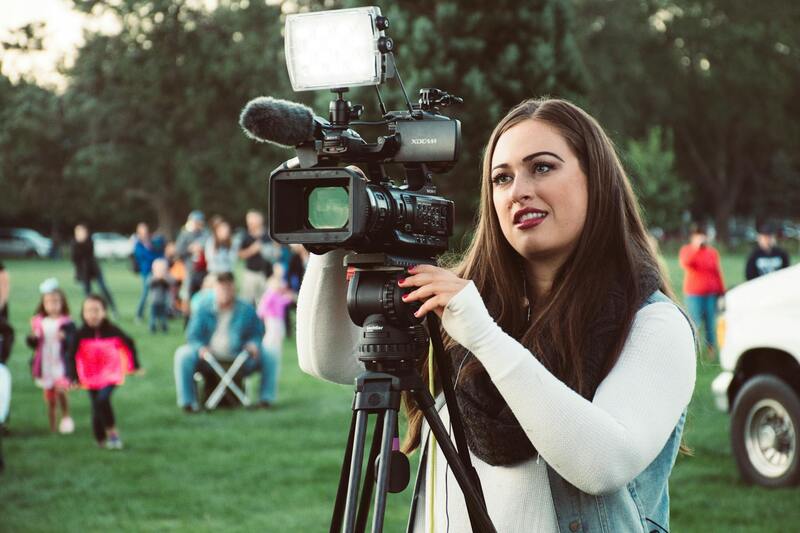
Key Services Offered by Streaming Production Companies
- Pre-Production Planning: Detailed consultation, content strategy development, and technical design to ensure a smooth production flow.
- Multi-Camera Live Switching: Utilizing multiple camera angles and live editing to create a dynamic viewing experience.
- Audio Engineering and Mixing: High-fidelity audio setup, mixing, and synchronization to ensure clear sound delivery.
- Graphics and Visual Effects: Real-time incorporation of lower thirds, logos, animations, and overlays to enhance visual appeal.
- Streaming Management and Delivery: Secure and scalable streaming platforms capable of handling varying audience sizes with minimal latency.
- On-Site and Remote Support: Skilled technicians managing live equipment, troubleshooting, and overseeing broadcast continuity from on-site or remote locations.
- Post-Event Content Production: Recording, editing, and distribution of recorded streams for on-demand access or promotional use.
Technology and Equipment Used in Live Streaming
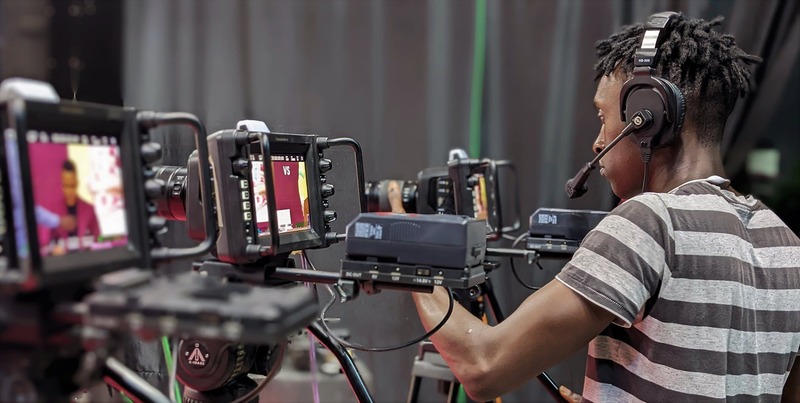
Leading live broadcast production companies utilize cutting-edge technology to ensure high-quality streams. This includes professional-grade cameras capable of 4K resolution, live switchers for real-time editing, and high-performance encoders that translate video signals into streamable formats. Video switchers enable seamless transitions between camera feeds and visual effects, which are essential for maintaining viewer engagement. Audio mixers and microphones provide pristine sound capture, crucial for conveying messages effectively.
The infrastructure supporting these services typically involves robust internet connectivity, often through bondings of multiple Ethernet lines or dedicated fiber optic links, to sustain the high bandwidth requirements of live streaming. In addition, technologies such as cloud-based streaming platforms and Content Delivery Networks (CDNs) are employed to distribute content efficiently to global audiences, reducing latency and buffering issues. Advances like remote camera control, wireless transmission, and integration of virtual sets further elevate production quality, aligning with the industry's push toward immersive and interactive broadcast experiences.
Factors to Consider When Choosing a Streaming Production Company
Selecting the right live broadcast streaming production company involves a comprehensive evaluation of their capabilities, experience, and infrastructure. To ensure a successful and smooth streaming experience, clients should focus on several critical factors that impact the quality, reliability, and overall effectiveness of their live events.
Experience and Portfolio
Review the company's history in handling live streaming projects relevant to your event type. A well-established company with a diverse portfolio demonstrates versatility and proficiency in managing various formats, audience sizes, and industry sectors. Request case studies or examples of previous work to assess their ability to deliver high-quality streams consistently.
Technical Expertise
The level of technical skill among the production team is vital for executing complex live broadcasts. This includes expertise in camera operation, switching, audio mixing, and encoding. A knowledgeable team can adapt to unforeseen challenges, such as connectivity issues or equipment malfunctions, ensuring a seamless broadcast.
State-of-the-Art Equipment
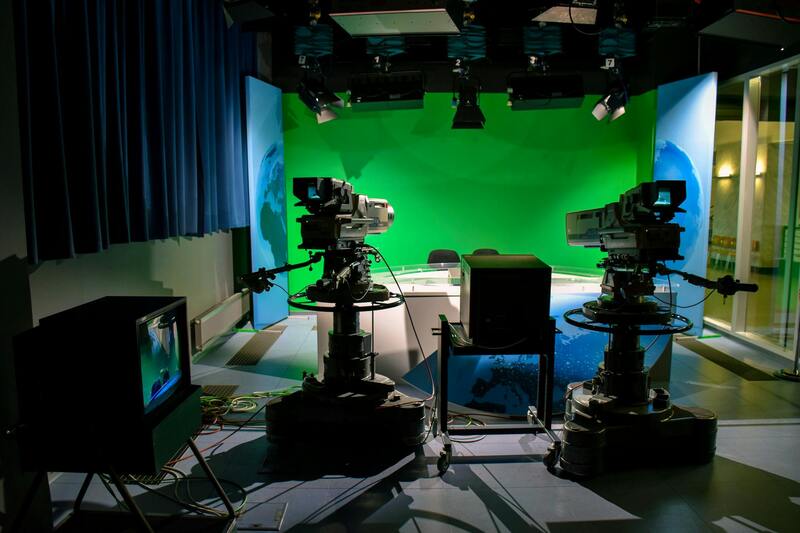
Reliable, professional-grade equipment is fundamental for high-definition streaming. Evaluate whether the company uses advanced cameras, switchers, encoders, and audio systems. The latest technology facilitates features like multi-camera angles, real-time graphics, and virtual sets, enhancing viewer engagement.
Network Infrastructure
A robust internet connection is non-negotiable for live streaming. Confirm that the company has access to high-bandwidth connectivity options, such as fiber optics or bonded Ethernet connections, to prevent buffering and latency issues. Additionally, their use of Content Delivery Networks (CDNs) helps distribute content globally with minimal delay.
Customization and Service Offerings
Every live event has unique requirements. A proficient streaming production company offers tailored solutions, including interactive features, live chat integration, multi-platform streaming, and on-demand content distribution. Clarify their ability to adapt to specific branding, technical needs, and audience engagement strategies.
Customer Support and Collaboration
Effective communication and reliable support are crucial during complex live broadcasts. Ensure the company provides dedicated project managers, pre-event rehearsals, and on-site technical assistance. Transparency in planning and execution fosters confidence and helps achieve the desired broadcast outcomes.
Cost Structure and Packages
While budget considerations are inevitable, the focus should remain on value rather than just price. Obtain detailed proposals that outline services, equipment, and support costs. A clear understanding of pricing helps avoid surprises and ensures the selected package aligns with your event’s scope and objectives.
By carefully assessing these factors, organizers can choose a Miami-based live broadcast streaming production company that not only meets technical standards but also understands the nuances of engaging digital audiences. Such a partnership guarantees that every live stream is executed flawlessly, maximizing visibility and viewer satisfaction without compromising on professionalism or reliability.
Exploring the Hiring Process for a Live Broadcast Streaming Production Company
Choosing the right live broadcast streaming production partner involves a strategic selection process rooted in careful evaluation and understanding of the company's capabilities. The process begins with a comprehensive needs assessment, where clients clearly outline their objectives, target audience, preferred platforms, and technical requirements. This stage ensures that potential providers can tailor their offerings appropriately.
Next, companies evaluate proposals and portfolios, scrutinizing previous work that aligns with the project's scope. Reviewing case studies or sample broadcasts helps gauge the provider’s technical expertise, creative approach, and ability to handle complex scenarios. Equally important is assessing their technological infrastructure, from camera equipment to streaming software solutions, to ensure high-quality output.
Once a shortlist is established, consultation sessions or meetings are scheduled to discuss the project in detail. During these interactions, clients should inquire about workflow processes, timelines, staffing, and contingency plans for technical issues. A reputable provider typically offers transparent communication, detailed project management strategies, and clearly defined roles for each team member.
Furthermore, organizations should evaluate the provider’s flexibility in accommodating specific branding needs, interactive features, and multi-platform distribution. Confirming their ability to meet deadlines, manage on-site technical support, and coordinate rehearsals ensures a seamless live event. The selection phase culminates in a contract agreement that clearly stipulates deliverables, costs, support services, and intellectual property rights to protect both parties’ interests.
Ultimately, the hiring process is about building a trusted partnership with a team that demonstrates professionalism, technical proficiency, and a proactive approach to problem-solving. This careful vetting guarantees that the chosen live broadcast streaming production company aligns with the event’s goals and can execute the project with precision and confidence.