
Understanding Live Streaming Production
Live streaming production encompasses the comprehensive process of planning, executing, and managing real-time broadcasts over the internet. A dedicated live streaming production company specializes in transforming broadcast ideas into seamless, professional-quality digital events. These companies leverage advanced technology, skilled personnel, and strategic planning to ensure each broadcast meets high standards of visual and audio quality, engages viewers effectively, and delivers a memorable viewing experience.
Professional live streaming services are crucial in today's digital age, where audiences expect uninterrupted, crystal-clear broadcasts across various platforms. Large-scale events such as conferences, concerts, sports competitions, and corporate meetings demand a level of expertise that guarantees smooth operation, minimal downtime, and a polished final product. Without proper technical support, even minor disruptions can diminish the impact of a live event, affecting audience perception and the overall success of a broadcast.
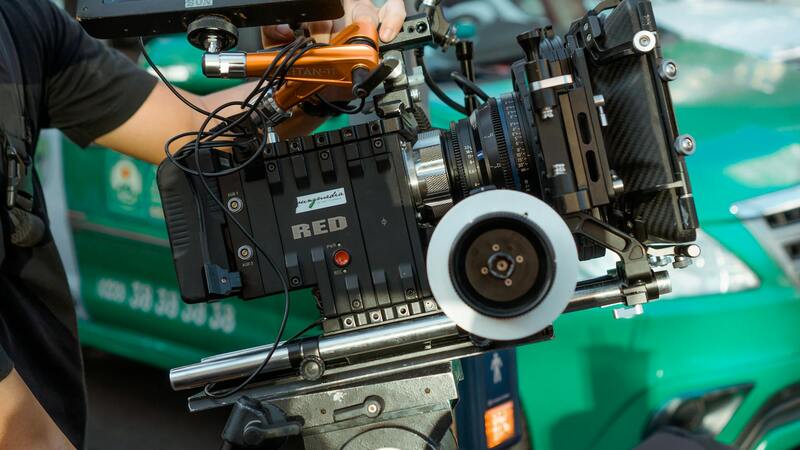
A live streaming production company manages various components, including camera operation, audio mixing, graphics integration, encoding, and streaming platform management. They coordinate these elements to ensure synchronization and visual coherence throughout the event. Additionally, these companies pre-plan content layout, incorporate branding elements, and troubleshoot potential issues proactively, creating a reliable environment for real-time content delivery.
In the competitive landscape of digital broadcasting, partnering with an experienced live streaming production firm enhances the professionalism of your event. They bring not only technical expertise but also creative input and logistical support, ensuring your message reaches your audience effectively, regardless of location or device. By employing the latest technology and industry best practices, a live streaming production company provides a crucial bridge between event organizers and viewers, elevating the standard of online broadcasts.
Types of Events Covered
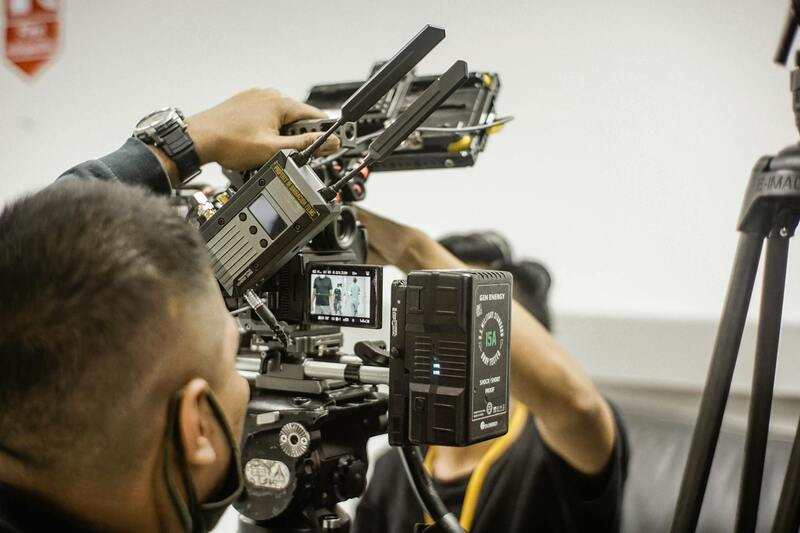
Live streaming production companies specialize in a diverse range of events, ensuring that each broadcast maintains high standards of quality and engagement. These companies cater to corporate functions such as product launches, annual meetings, and webinars, delivering professional visuals and clear audio that reflect brand professionalism. Additionally, they support cultural and entertainment events including concerts, theater performances, and festivals, which require dynamic camera angles, real-time graphics, and immersive sound management to captivate online audiences. Educational institutions also benefit from the expertise of live streaming firms when broadcasting commencement ceremonies, workshops, and seminars. These productions often involve multiple camera angles, interactive graphics, and on-screen information to enhance the learning experience. Sports organizations frequently rely on live streaming services to reach fans worldwide, providing high-definition coverage of competitions with instant replays and integrated score graphics. Similarly, faith-based communities utilize these services to extend their reach, offering services and spiritual events to congregants unable to attend physically. Specialized events such as virtual trade shows and hybrid conferences also depend on the proficiency of live streaming production companies to create an engaging online environment. These events often require seamless integration of multimedia content, live Q&A sessions, and interactive voting features. The versatility of a live streaming production company in handling various event types ensures a tailored approach that prioritizes audience engagement, visual clarity, and reliable delivery — all essential for achieving the intended impact regardless of the event’s nature or scale.

Technology and Equipment Used
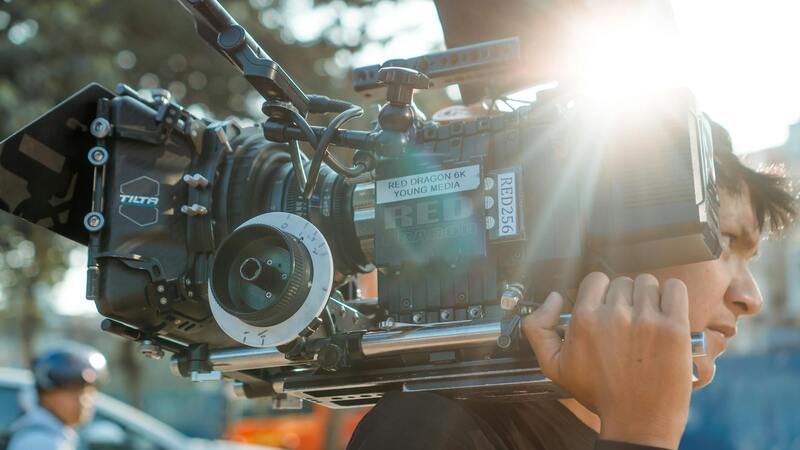
Effective live streaming production hinges on the deployment of advanced technology and state-of-the-art equipment. Top-tier live streaming companies invest in high-definition cameras capable of capturing detailed visuals across various angles, ensuring the audience experiences a crisp and immersive view of the event. These cameras are often complemented by professional-grade audio equipment, including wireless microphones and sound mixers, to guarantee clear and balanced audio delivery that encompasses every spoken word and musical note.
To facilitate seamless switching between camera feeds and incorporate real-time graphics, live switchers are vital. These devices allow producers to create dynamic visual presentations by transitioning smoothly between different camera angles, adding overlays, logos, lower thirds, and other on-screen graphics that enhance information dissemination.
Reliable encoding hardware is also crucial, as it compresses and transmits the live video feed over the internet with minimal latency, ensuring a lag-free viewing experience. Many companies utilize cloud-based encoding solutions to provide scalable bandwidth management and redundancy, reducing the risk of stream interruptions.
For interactive components such as live chat, polls, or Q&A sessions, streaming platforms integrated with the broadcaster’s custom interface are employed. These setups typically involve multiple servers and content delivery networks (CDNs) to distribute streams efficiently across various regions, reaching a global audience without buffering delays.
Understanding Live Streaming Production
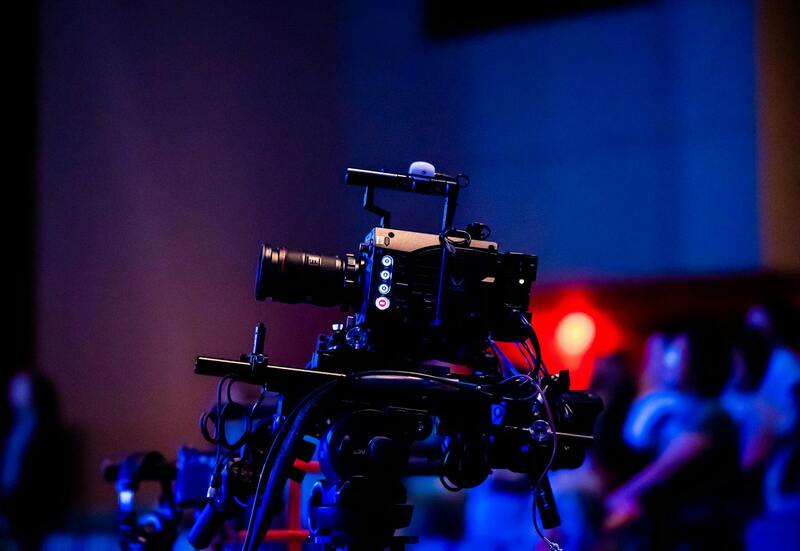
Live streaming production is a multi-faceted process that transforms a physical event into a real-time digital experience accessible to viewers across the globe. It involves meticulous planning, technical expertise, and cutting-edge hardware and software to ensure seamless delivery. Professional live streaming companies undertake a comprehensive approach, starting from initial equipment setup to the final broadcast, focusing on delivering high-quality visuals and audio that meet the expectations of diverse audiences.

Successful live streaming hinges on several core components: high-definition cameras, reliable encoding devices, robust internet connections, and sophisticated streaming software. Cameras used are often broadcast-grade, equipped with zoom and stabilization features to capture multiple angles and dynamic visuals, essential for engaging storytelling. Encoding devices compress and convert raw video into formats suitable for internet streaming, minimizing latency and ensuring smooth playback.
In addition, streaming hardware includes network switches, routers, and redundant internet connections to prevent interruptions. A dedicated streaming studio may also incorporate green screens, professional lighting, and audio mixing equipment to enhance overall production quality. These elements collectively contribute to a polished and professional broadcast experience that resonates with viewers.
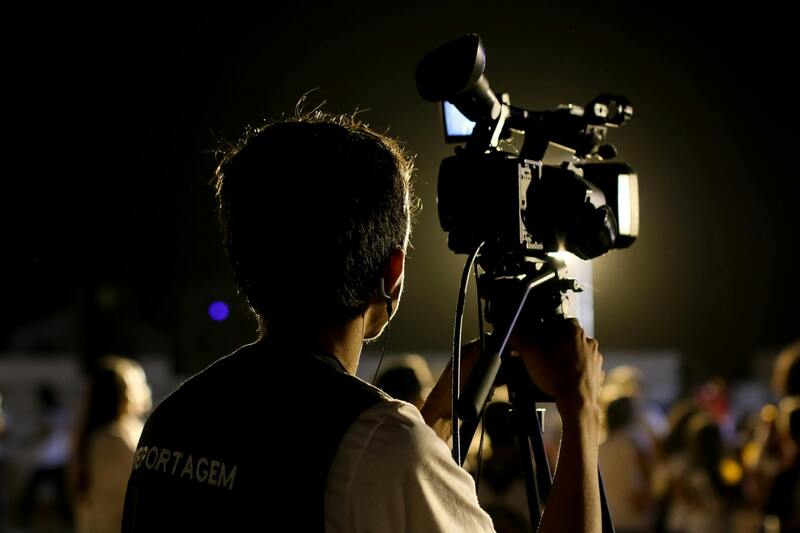
This technological foundation allows broadcasters to accommodate various event types efficiently, such as corporate meetings, sports events, concerts, and webinars. It also provides the flexibility needed for real-time editing, incorporating graphics, interview inserts, or live polls, which heightens audience interaction. The precision and reliability of these systems underscore the importance of partnering with experienced live streaming production professionals who understand how to leverage technology effectively for optimal results.
Benefits of Hiring a Local Miami Live Streaming Company
Choosing a local Miami-based live streaming production company provides distinct advantages that can significantly influence the success of your event. Local companies possess a nuanced understanding of the region’s logistical landscape, allowing for smoother setup and fewer logistical delays. Their familiarity with local venues, permits, and technical infrastructure ensures prompt execution and troubleshooting.
Furthermore, partnering with a Miami-based provider means more personalized service. It facilitates face-to-face planning sessions, on-site technical support, and quick adjustments if unforeseen challenges arise. Local companies also tend to have established relationships with other event vendors, such as lighting technicians, staging companies, and AV suppliers, providing a seamless integration of services.
Moreover, working with a Miami company often translates into cost efficiencies. Since the crew and equipment are local, expenses for travel and accommodation are minimized, often leading to more competitive pricing without compromising quality. This local expertise and flexibility make Miami-based live streaming companies preferred partners for a diverse array of events, from corporate launches to community festivals.
Factors to Consider When Choosing a Live Streaming Provider
When selecting a live streaming production partner, it’s vital to evaluate their technical proficiency, experience, and capacity to handle your specific event requirements. An ideal provider demonstrates a comprehensive understanding of the latest streaming technologies, including multiple streaming platforms, multi-camera setups, and audience interaction tools.
Assess their portfolio for similar event types, noting production quality, reliability, and viewer engagement. The provider should also have scalable solutions adaptable to various event sizes, whether a small conference or large concert. It’s equally important they possess robust technical support and contingency plans to address potential issues swiftly.
Client references and reviews serve as valuable insights into the provider’s track record. Transparent communication about deliverables, costs, and timelines is also crucial for aligning expectations. Furthermore, a provider with experience in your industry can better tailor the production to meet your branding and engagement goals.
Best Practices for a Successful Live Stream
To optimize the quality and impact of your live stream, meticulous planning is essential. Pre-event rehearsals enable technical teams to test equipment, confirm internet stability, and familiarize hosts and speakers with the broadcast setup. Creating a detailed run-of-show clarifies the sequence of segments, timings, and technical cues.
During the event, a dedicated technical director monitors the stream, making real-time adjustments to camera angles, graphics, and audio levels. Engagement tools like live polls, Q&A sessions, and chat moderation can enhance viewer involvement and retention. It’s also vital to have backup equipment and redundant internet connections to prevent disruptions.
Post-event, analyzing viewer data, feedback, and technical reports helps identify areas for improvement. Properly archiving the broadcast allows for future use as on-demand content, extending the event’s reach beyond the live session. Adhering to these best practices ensures your live streaming efforts not only meet but exceed your audience’s expectations.
Emerging Trends in Live Streaming Production
As technology advances, live streaming production continues to evolve rapidly. Innovations such as 4K streaming and virtual reality (VR) are offering immersive experiences that captivate global audiences. Artificial intelligence (AI) tools are now used for real-time editing, scene switching, and audience analytics, making broadcasts more engaging and data-driven.
Interactive features, including integrated social media feeds, multi-platform streaming, and augmented reality (AR) overlays, allow broadcasters to create more dynamic content. The rise of 5G connectivity is also transforming live streaming by significantly reducing latency and enabling high-quality streams on mobile devices in real-time.
The adoption of cloud-based production workflows provides greater scalability and flexibility, enabling remote teams to collaborate seamlessly. These emerging trends highlight the ongoing importance of partnering with a knowledgeable live streaming production company that stays ahead of technological developments to deliver innovative and compelling content.
Understanding Live Streaming Production
Live streaming production involves creating and broadcasting real-time video content over the internet to audiences across the globe. This process encompasses comprehensive planning, high-quality technical execution, and seamless delivery, ensuring that viewers experience the event as if they were physically present. For organizations and individuals seeking to reach a broader audience or deliver engaging virtual events, partnering with a specialized live streaming production company can significantly enhance the overall quality and impact of their broadcast.
At its core, live streaming production demands a combination of expert technical skills, state-of-the-art equipment, and strategic content management. From pre-event setup to post-broadcast analysis, each phase is critical in assuring successful delivery and viewer engagement. Professionally managed live streams not only provide crystal-clear visuals and pristine audio but also incorporate features like multiple camera angles, live graphics, and interactive overlays that elevate the viewer experience.
Key Elements of Live Streaming Production
- Pre-Production Planning: This phase includes event concept development, technical rehearsals, and equipment testing to identify potential issues beforehand.
- Production: Real-time operation utilizing multi-camera setups, live switching, and audio mixing to produce a dynamic broadcast.
- Post-Production: Reviewing the broadcast for quality control, analyzing viewer data, and archiving content for future on-demand access.
Why Professionalism Matters in Live Streaming
Engaging a skilled live streaming production company ensures that each segment of the event adheres to high-quality standards. It minimizes lag, buffering, and technical glitches that could detract from the viewer experience. Furthermore, a reliable production team brings creative solutions to integrate branding, multi-platform distribution, and audience interaction, making the broadcast more engaging and memorable.
Importance of Customization and Flexibility
A reputable live streaming provider offers tailored solutions reflecting specific event requirements, audience demographics, and technical environments. This customization guarantees that the broadcast aligns with organizational goals, whether it’s a corporate conference, product launch, or entertainment festival. Flexibility in scheduling, streaming platform selection, and technical support ensures seamless delivery regardless of logistical constraints.
Factors to Consider When Choosing a Live Streaming Provider
Selecting the appropriate live streaming production company requires a careful evaluation of several critical factors to ensure a seamless and high-quality broadcast. Experience and technical capabilities stand at the forefront; an established provider with a proven track record can navigate complex technical challenges and adapt to diverse event requirements. It is essential to verify the company's familiarity with various streaming platforms, encoding technologies, and multimedia integrations tailored to your specific audience and event type.
Customer support and communication play a vital role throughout the project. A responsive team that offers comprehensive pre-event consultations, on-site support, and post-broadcast analysis enhances operational reliability. Transparent pricing structures and detailed proposals help set realistic expectations and prevent unforeseen costs, ensuring your event stays within budget.
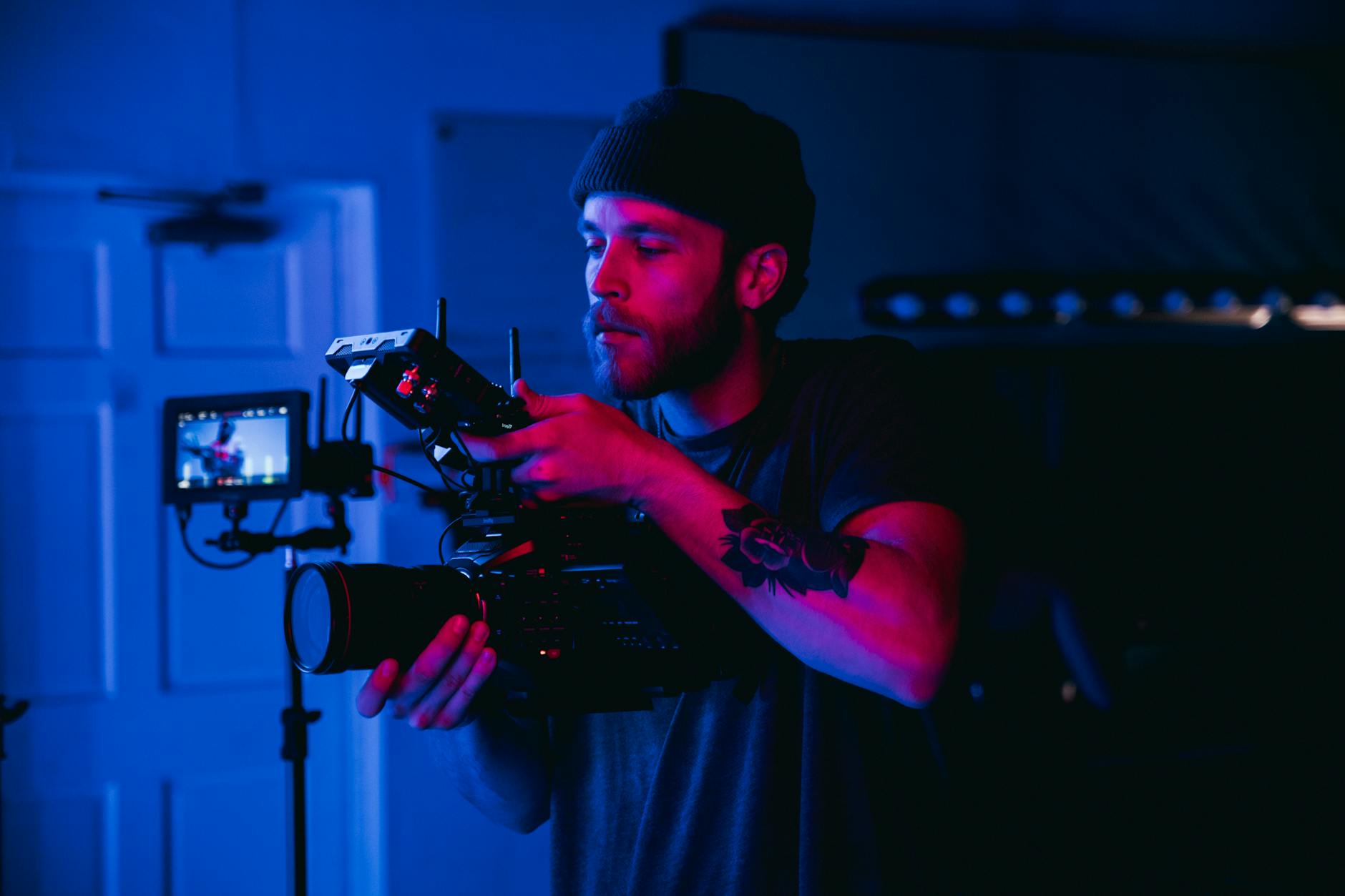
Modern live streaming providers employ cutting-edge equipment and innovative broadcasting techniques. They should utilize multi-camera setups, professional audio systems, and efficient encoding hardware to produce a polished visual experience. Additionally, the capability to handle contingency plans, such as backup internet connections and redundant streaming pathways, is crucial to mitigate potential disruptions.
Assess the provider’s capacity for scalability and flexibility, especially if your event expectations evolve or increase in size. Whether conducting an intimate webinar or a large-scale conference, the company's ability to customize services and accommodate specific technical demands ensures a tailored approach that aligns with your goals.
Best Practices for a Successful Live Stream
- Pre-Event Rehearsals: Conduct thorough technical rehearsals to identify potential issues and coordinate camera angles, audio levels, and streaming parameters.
- Clear Communication: Maintain continuous dialogue with the production team, providing detailed event schedules, branding guidelines, and audience engagement strategies.
- Optimized Internet Connectivity: Ensure a dedicated, high-bandwidth internet connection with sufficient upload speeds to prevent buffering and lag issues.
- Quality Content and Presentation: Use professional lighting, clear audio, and engaging on-screen graphics to enhance viewer retention and interaction.
- Platform Compatibility: Stream across multiple platforms if necessary, such as social media channels, corporate websites, and streaming services, to maximize reach.
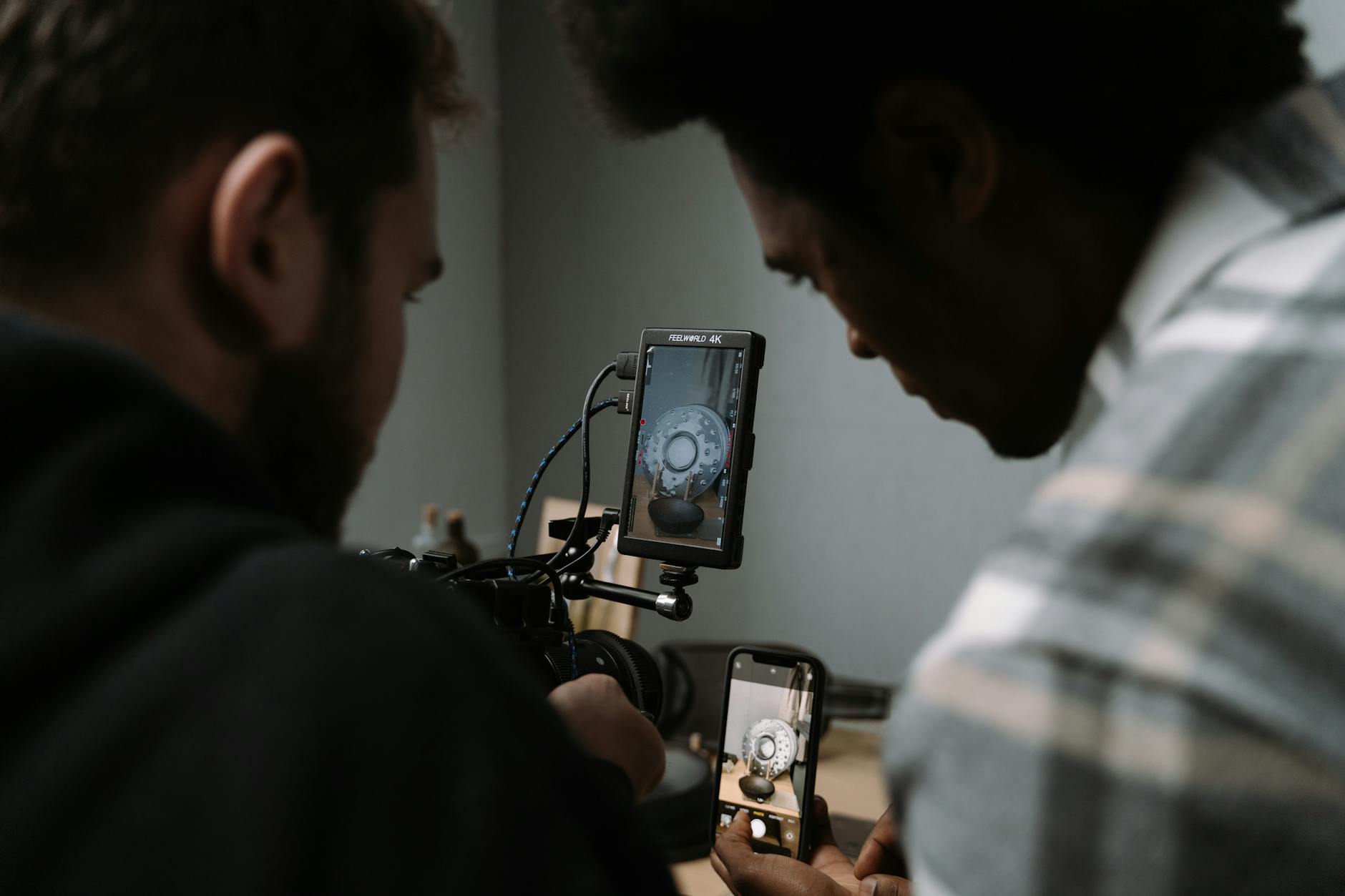
Post-broadcast analysis and viewer feedback collection are vital to measure success and identify areas for improvement. Monitoring metrics such as viewer count, engagement rates, and technical performance provide insights that help refine future live streaming strategies.
Understanding Live Streaming Production
Live streaming production encompasses the comprehensive process of delivering real-time video content to audiences via internet platforms. It involves multiple stages including planning, content creation, technical setup, broadcasting, and post-event analysis. Effective live streaming production ensures that the event’s message reaches viewers seamlessly, maintaining high-quality audio-visual standards and engaging content delivery. This process requires a blend of creative vision and technical expertise, often managed by specialized production teams who oversee camera operations, audio mixing, graphics insertion, and platform management. High-quality live streaming allows businesses, organizations, and individuals to extend their reach beyond physical boundaries, facilitating virtual conferences, product launches, webinars, and entertainment events with immediacy and professionalism.

Key Services Offered by Live Streaming Production Companies
- Pre-Event Planning and Consultation: Assessing client goals, content requirements, and technical specifications to develop a tailored streaming strategy.
- Camera Operation and Video Capture: Utilizing professional-grade cameras to capture different angles and perspectives, ensuring high-resolution footage.
- Audio Engineering: Managing sound quality with mixers and microphones to deliver clear, balanced audio for viewers.
- Graphics and Visual Enhancements: Incorporating branded graphics, lower thirds, and overlays to make the broadcast visually appealing and on-brand.
- Live Switching and Direction: Seamlessly transitioning between camera feeds, adding effects, and managing on-screen content in real-time.
- Streaming and Platform Management: Setting up and monitoring streams across various online channels such as social media, proprietary websites, or dedicated streaming services.
- Technical Support and Troubleshooting: Providing on-the-spot solutions to address equipment or connectivity issues during the broadcast.
- Post-Event Analytics and Reporting: Gathering data on viewer engagement, technical performance, and content effectiveness to refine future productions.
Technology and Equipment Used
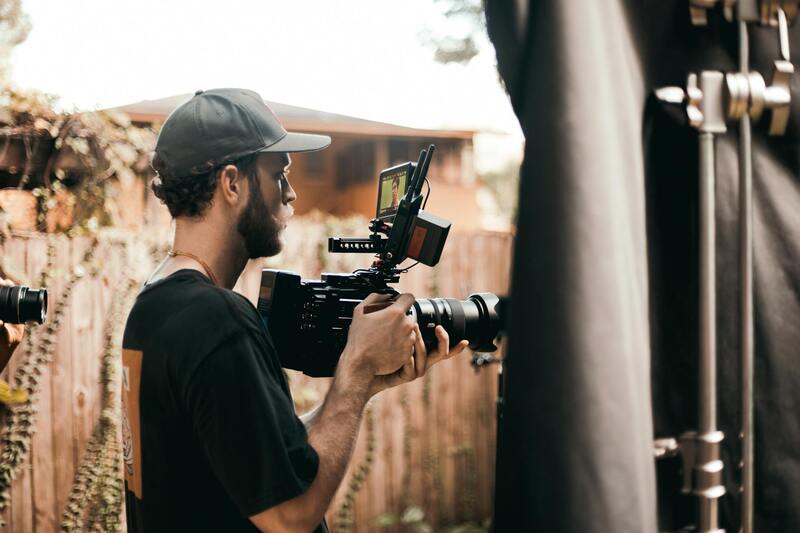
Modern live streaming production relies on advanced hardware and software tools to deliver quality content. Professional cameras, encoders, and switchers form the backbone of the production setup, enabling multi-camera angles and live editing. High-bandwidth internet connections, often with backup options, are crucial for uninterrupted streaming. Audio interfaces, microphones, and speakers guarantee crisp sound, while graphic design software enhances visual appeal. Cloud-based streaming platforms facilitate distribution to multiple channels simultaneously and provide real-time analytics. The integration of modern technology ensures a smooth, dynamic viewing experience across desktops, smartphones, and smart TVs.
Benefits of Hiring a Local Miami Live Streaming Company
Choosing a Miami-based live streaming production company provides numerous advantages that enhance the success of your virtual events. Regional providers possess an acute understanding of the local environment, including venue specifics, internet infrastructure, and weather conditions that may impact connectivity. They have established relationships with local vendors and venues, which streamlines the planning process and ensures quick troubleshooting if issues arise. Additionally, being geographically close allows for more personalized service, on-site support, and real-time communication, leading to smoother execution. Local expertise also enables companies to tailor content delivery to regional audiences, considering cultural nuances and preferences, thereby increasing viewer engagement and participation.
Factors to Consider When Choosing a Live Streaming Provider
- Experience and Portfolio: Review past projects and client testimonials to gauge the provider’s expertise in your event type.
- Technical Capabilities: Ensure they use up-to-date equipment and software essential for high-quality streaming.
- Customization Options: Confirm flexibility in service offerings to match your specific event needs and branding.
- Availability and Responsiveness: Check their availability and promptness in communication, especially as your event date approaches.
- Support and Contingency Planning: Verify their ability to provide comprehensive support during the event, including backup plans for technical failures.
- Pricing Structure: Understand their pricing model and ensure transparency regarding costs involved.
- Platform Compatibility: Ensure they can stream across your preferred platforms and handle simultaneous multi-channel distribution.
Advanced Strategies for Enhancing Live Streaming Quality
Maximizing the output of your live streaming events requires a strategic focus on the technical and logistical facets that influence broadcast quality and viewer engagement. Implementing best practices in planning, technology, and team coordination can significantly elevate the overall experience for your audience and stakeholders.
Pre-Event Optimization
Preparation begins well before the event goes live. Conduct comprehensive site surveys to evaluate network bandwidth, power sources, and venue acoustics. Performing test streams ensures equipment interoperability and identifies potential bottlenecks. Collaborating with your live streaming production company to develop a detailed technical plan aligns expectations and clarifies responsibilities. Establish clear communication channels among production teams, organizers, and speakers to facilitate seamless coordination.
Infrastructure and Connectivity
Reliable internet connectivity is the backbone of successful live streaming. Prioritize high-speed, dedicated fiber optic connections or bonded internet solutions that combine multiple sources to enhance stability. Utilize encoders and switching hardware capable of handling high definition streams with minimal latency. Redundancy systems, such as backup encoders and secondary internet lines, safeguard against unforeseen failures and ensure continuous broadcast flow.
On-Site Technical Expertise
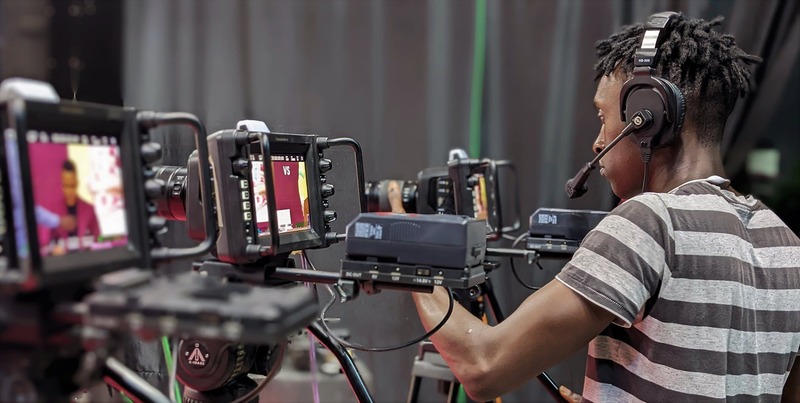
A skilled technical team experienced in live production is vital. They manage camera operations, live switching, audio mixing, and graphical overlays. Real-time monitoring enables prompt resolution of any issues that might arise during the event. Having an on-site support team familiar with your specific requirements accelerates troubleshooting and maintains stream integrity.
Post-Production Quality Control
After the live event concludes, reviewing the raw footage provides insights into areas for improvement. Many providers offer post-event editing, highlight reels, and on-demand content that can extend the reach of your event. These assets can be repurposed for marketing, archival, or future promotional efforts, adding enduring value to your investment.
Integration of Interactive Features
Engaging viewers in real-time enhances participation and satisfaction. Implementing live polls, Q&A sessions, chat functionalities, and social media integration fosters an interactive environment. Additionally, synchronized multi-platform streaming broadens your audience base and improves accessibility across devices and regions, especially when tailored to regional preferences and behaviors.
Measuring Success and Gathering Feedback
Effective measurement of streaming performance and audience engagement provides crucial data for refining future events. Analytics tools track viewer count, engagement rates, and drop-off points. Collecting feedback post-event from participants and stakeholders helps identify strengths and pinpoint areas for enhancement.