Overview of Live Broadcast Production Companies
Live broadcast production companies are specialized firms dedicated to delivering high-quality live streaming and real-time broadcasting services for various events and occasions. These companies operate with advanced technology, skilled professionals, and comprehensive equipment to ensure seamless transmission that reaches audiences across multiple platforms and devices. In the vibrant market of Miami, these firms serve a diverse clientele, ranging from corporate events and concerts to sports tournaments, religious gatherings, and community festivals.
A typical live broadcast production company handles every aspect of the live event, including pre-production planning, multi-camera setup, audio management, graphics integration, streaming optimization, and on-site coordination. The goal is to create engaging, professional broadcasts that uphold the client's branding and communication objectives while maintaining technical excellence. Miami-based companies also leverage regional insights and local infrastructure, ensuring that the production process aligns with specific community and cultural contexts.
When choosing an appropriate live broadcast production partner in Miami, it is crucial to consider their experience, equipment capabilities, and adherence to industry standards. Local firms often have a comprehensive understanding of permit requirements, weather conditions, and logistical considerations unique to the area. Their proximity enables faster response times and onsite support, which are vital for dynamic live events. A reputable production company enhances the overall event experience, providing clients with a reliable solution that can adapt to changing scenarios and technical demands.
In summary, a live broadcast production company plays an essential role in transforming live events into shared visual experiences accessible to remote audiences. Their expertise and technological prowess are especially significant in Miami’s diverse and dynamic event landscape, ensuring clients’ messages resonate effectively across digital platforms and geographic boundaries.
Key Equipment and Technology Used
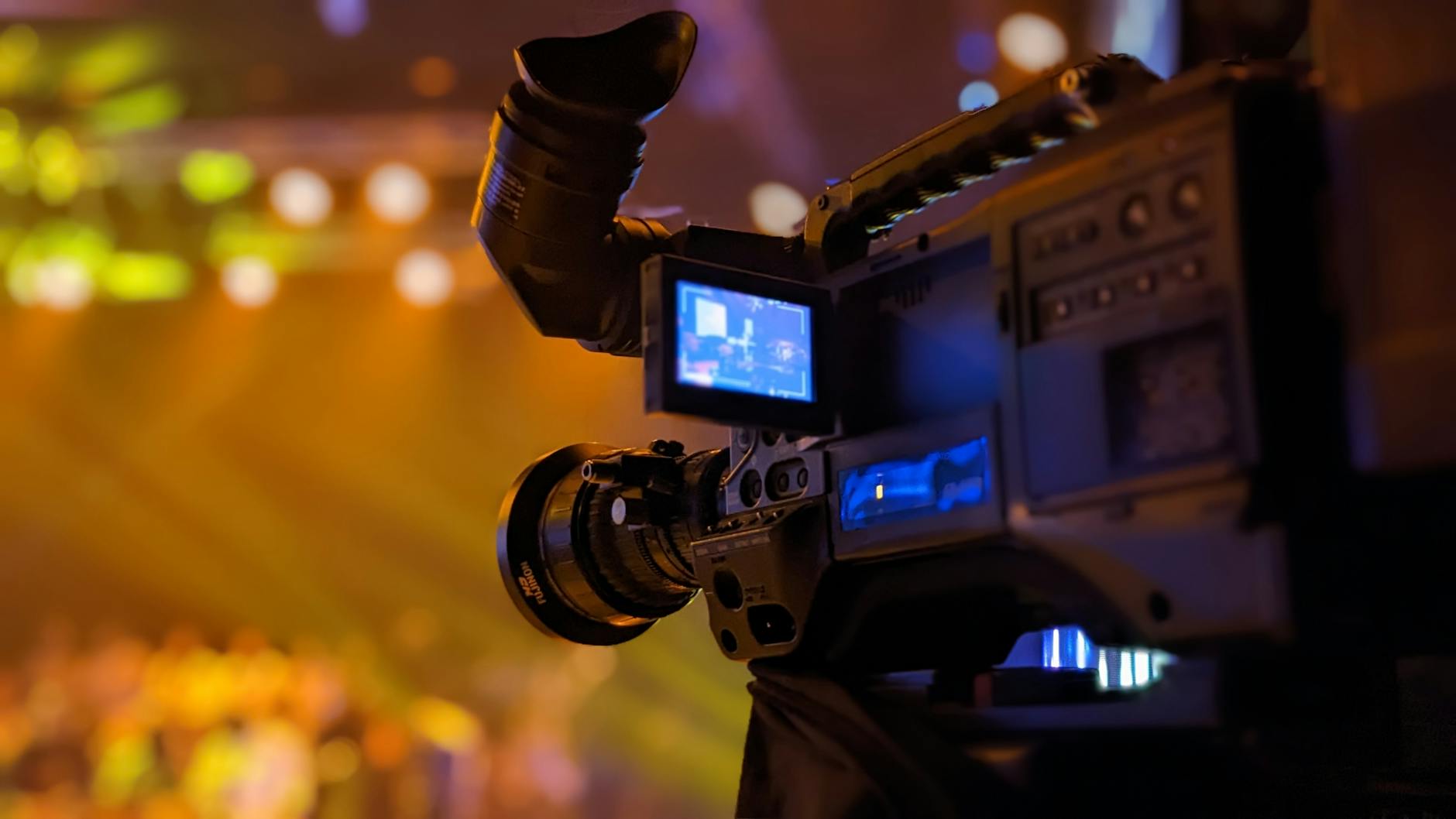
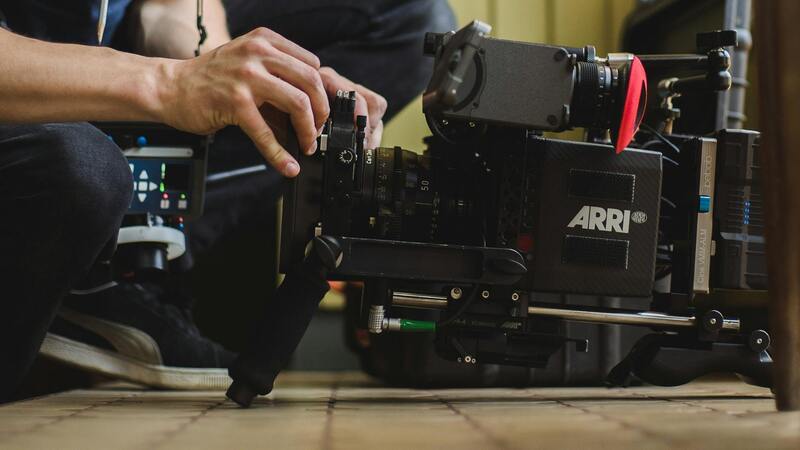
Effective live broadcast production relies heavily on advanced equipment and cutting-edge technology. High-quality cameras form the foundation of any professional live stream, with options ranging from 4K resolution models to high-frame-rate cameras for dynamic action. These cameras are often mounted on robotic or manual PTZ (pan-tilt-zoom) mounts, allowing for flexible shots and seamless transitions during live events.
In addition to cameras, video switchers are essential for managing multiple video feeds simultaneously. These devices enable real-time switching, layering, and effects, providing a polished visual experience. Equipment such as video servers and instant replay systems facilitate instant playback of pre-recorded clips or highlights, enriching the broadcast.
Audio technology also plays a pivotal role, with high-fidelity microphones, sound mixers, and wireless audio systems ensuring clear sound quality. Proper audio management requires balancing multiple sources and eliminating background noise, especially in outdoor or acoustically challenging environments.
Graphics and visual overlays are managed through dedicated software that allows real-time insertion of titles, lower thirds, logos, and other graphic elements. This visual enhancement not only clarifies information but also reinforces brand identity and message consistency.
Streaming infrastructure includes high-speed internet connections, either via fiber optic links or bonded cellular networks, to guarantee stable data transmission. Encoders convert high-quality video feeds into formats compatible with various streaming platforms, with redundant systems in place to prevent interruptions.
Emerging technologies like remote camera control, cloud-based production workflows, and AI-driven analytics are increasingly integrated to streamline operations, improve quality, and facilitate quick adaptations during live events. These technological advancements contribute significantly to the professionalism and reliability of Miami-based live broadcast production services.
Key Equipment and Technology Used
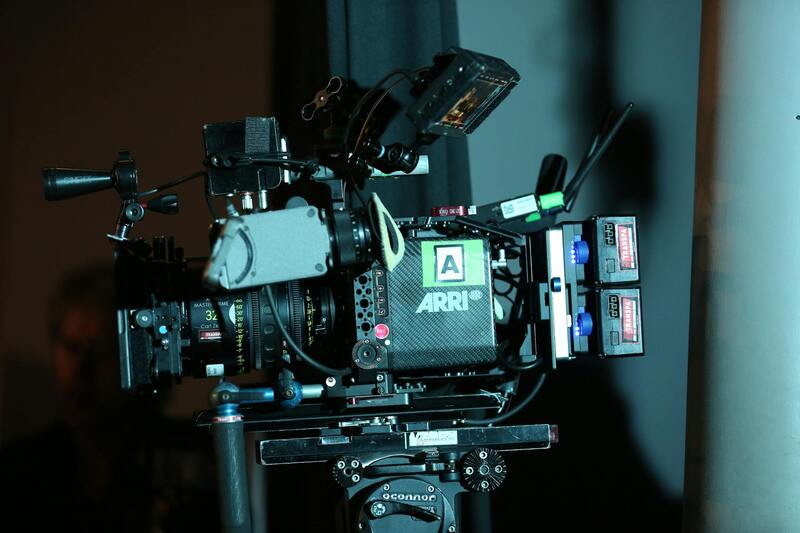
Miami-based live broadcast production companies leverage cutting-edge technological tools to deliver seamless live streams that meet professional standards. Central to any successful production are high-definition cameras capable of capturing multiple angles and delivering crystal-clear images, even in challenging lighting conditions. The latest camera systems often include robotic and remote-control capabilities, allowing operators to manage shots from a centralized location, which enhances efficiency and safety.
Video switchers play a critical role by enabling real-time transitions, overlays, and picture-in-picture effects; modern switchers support high-resolution outputs and integrated effects for a polished broadcast. Encoders are another vital component, as they convert raw video signals into streaming-compatible formats, ensuring smooth data flow during transmission. Redundant encoder systems safeguard against potential failures, maintaining uninterrupted broadcast streams.
Audio systems are meticulously designed for clarity and reliability, incorporating professional-grade microphones, digital mixers, and wireless frequency management to prevent interference. High-fidelity audio ensures that viewers experience crisp sound, whether for live commentary, interviews, or ambient noise. These audio setups often include multiple channels to manage separate sound sources and provide real-time adjustments during production.
State-of-the-art graphics systems enable dynamic visual overlays, including lower-thirds, logos, and event information, which enhance viewer comprehension and brand visibility. These visuals are inserted via software that update in real-time, synchronized with video feeds for a cohesive presentation. Additionally, graphics are customized to match event branding and aesthetic preferences.
Streaming infrastructure relies on resilient high-bandwidth internet connections, commonly through fiber optic lines or bonded cellular networks that ensure stable and continuous data transmission. Video encoders are configured to adapt to various online platforms, delivering optimal quality across social media, dedicated websites, or broadcasting channels. Redundant server architecture and backup connectivity are critical components that prevent disruptions during live events.
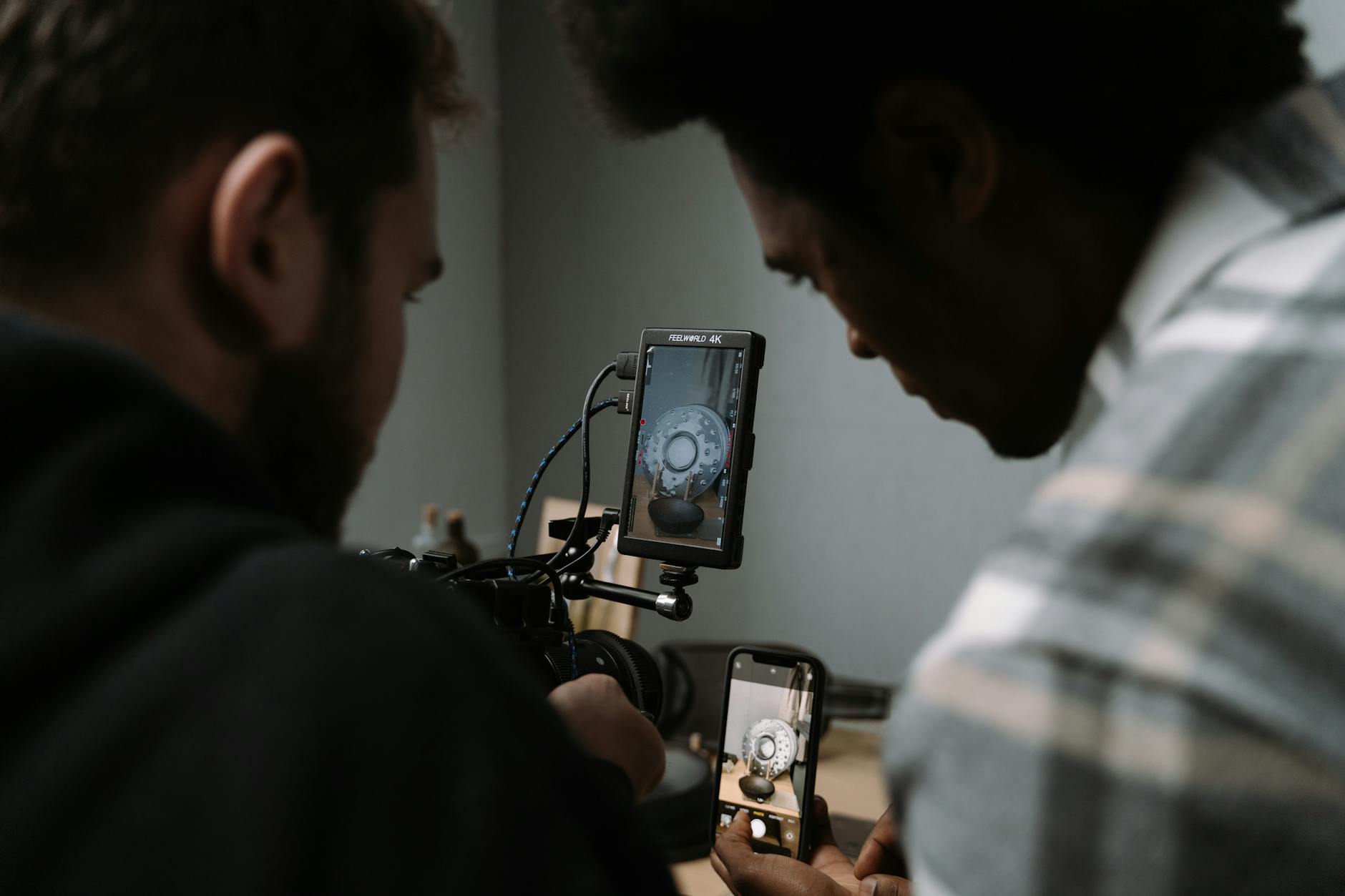
Emerging technologies such as remote camera control systems allow operators to manage multiple remotely mounted cameras, reducing manpower needs and expanding creative possibilities. Cloud-based workflows facilitate collaboration and post-production, enabling teams to access and edit footage remotely. Moreover, AI-powered analytics are increasingly integrated to assess viewer engagement, optimize content delivery, and adapt the broadcast in real-time for maximum impact.
Advanced Techniques and Industry Standards in Live Broadcast Production
Optimal quality and seamless execution in live broadcasts hinge on a combination of cutting-edge technology and meticulous planning. The integration of high-resolution cameras, professional-grade audio equipment, and sophisticated switching systems enables producers to deliver broadcasts that are visually stunning and technically impeccable. Utilizing multiple camera angles, including remote and robotic cameras, enhances viewer engagement by providing varied perspectives, especially for dynamic events such as concerts, sports, or corporate conferences.
Beyond hardware, software solutions play a crucial role in the real-time management of live content. Video switching platforms allow producers to smoothly transition between feeds, overlay graphics, and insert prerecorded content without latency. Video mixers equipped with multi-view monitoring facilitate comprehensive control over the live feed, ensuring that every visual element aligns perfectly with the broadcast's artistic and informational goals.
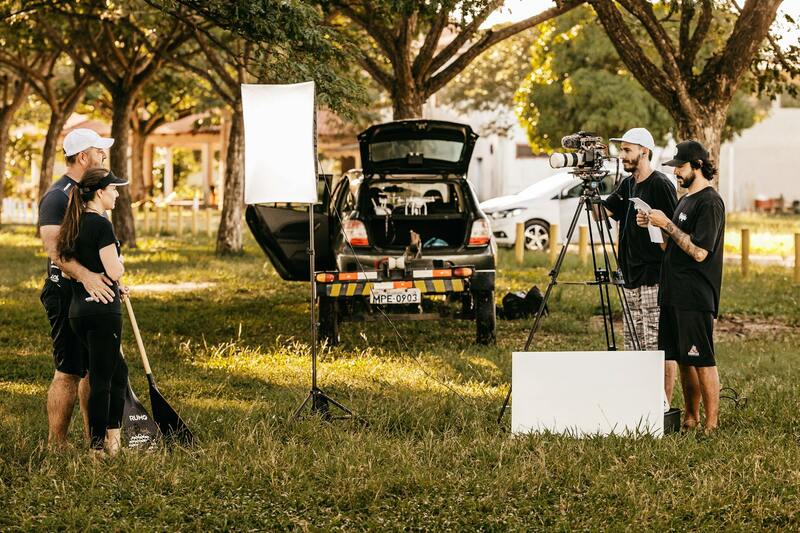
To guarantee a professional-grade live stream, production companies adopt robust streaming infrastructure, often leveraging fiber optic connections or bonding multiple internet sources. This setup enhances bandwidth capacity and provides redundancy, safeguarding the broadcast against interruptions caused by connectivity issues. Advanced streaming software ensures compatibility with various platforms, from social media sites to dedicated streaming services, while adaptive bitrate streaming optimizes the viewing experience across devices and network conditions.
In addition, many companies incorporate emerging technologies such as AI-driven content analysis and automated camera control. These tools enable real-time viewer engagement assessment and facilitate remote operation, reducing manpower requirements and expanding creative possibilities. Cloud-based workflows promote collaboration between teams working remotely, enabling seamless post-production edits, content archiving, and distribution planning. This comprehensive approach ensures that the live broadcast is not only technically proficient but also aligns with strategic communication objectives.
Implementation of Industry Certifications and Standards
Adhering to established industry standards and obtaining certifications for equipment and personnel ensure reliable and high-quality broadcasts. Certifications such as AOC (Apple’s Open Content Protocol) compliance and ISO standards for audiovisual production demonstrate a commitment to excellence, enhancing client confidence and audience trust.
Furthermore, live broadcast production companies often participate in industry training and accreditation programs. This ongoing education ensures staff are proficient in the latest techniques, software, and safety protocols. Maintaining rigorous standards in technical setup, health and safety procedures, and audience accessibility requirements contributes to the smooth execution of live events and maximizes viewer satisfaction.
Conclusion
Implementing advanced technology, maintaining rigorous standards, and fostering a culture of continual learning are fundamental to delivering top-tier live broadcast experiences. As the industry evolves with innovations in AI, cloud workflows, and interactive features, production companies that prioritize these elements will be positioned at the forefront of live event dissemination.
Importance of Professional Collaboration and Certification Standards
Partnering with a reputable live broadcast production company requires an understanding of the professional standards and certifications that underpin quality and reliability. Companies that adhere to established industry protocols and carry relevant certifications demonstrate a commitment to excellence. Certifications such as those related to audiovisual safety, equipment standards, and operational protocols are indicators of a company's dedication to delivering consistent, high-quality live broadcasts.
Engaging with companies that participate in ongoing industry training ensures staff remain updated on the latest technology, safety procedures, and production techniques. This ongoing education is crucial for maintaining efficiency and adapting to rapid technological advancements, such as cloud-based workflows, AI integration, and interactive broadcast features.
Implementing rigorous safety measures, technical standards, and audience accessibility practices is essential for managing live events smoothly. Companies that maintain these high standards are more likely to prevent technical failures, ensure safety for personnel, and deliver an inclusive broadcast experience.

The Strategic Role of Technical Expertise and Infrastructure
Technical proficiency is the backbone of any successful live broadcast. This involves a well-orchestrated integration of hardware, software, and network systems. Modern live broadcast production companies employ a range of sophisticated tools, including multi-camera setups, high-definition streaming hardware, and advanced audio processing systems, to ensure that every element of the broadcast aligns seamlessly.
Advanced encoding and streaming technologies facilitate stable and high-quality feed transmission to various platforms, supporting large audiences without interruption. Furthermore, backup systems — such as redundant servers and alternative data pathways — are critical components for guaranteeing broadcast continuity, especially during high-profile live events.
Additionally, onsite technical crews are equipped to troubleshoot and resolve unexpected issues swiftly, minimizing disruptions. The strategic placement of technical professionals ensures that every phase, from initial setup through to live operation and post-event review, maintains the highest standards.
Conclusion
Choosing a live broadcast production company involves assessing their adherence to industry standards, certification credentials, and technical infrastructure. Companies that emphasize professional certification, continuous staff training, and robust technical setups are best positioned to deliver seamless, high-quality live broadcasts. These elements collectively ensure that live events are executed with precision, offering audiences an engaging and professional viewing experience.
Execution and On-Site Production
During the live broadcast event, meticulous coordination between the technical team and on-camera talent is paramount. The production company ensures that all equipment is correctly set up, tested, and optimized before the show begins. This includes calibrating cameras for optimal angles, verifying audio quality, and establishing reliable internet connections. A dedicated director oversees the feed, making real-time decisions on camera switching, graphic overlays, and audio mixing to create a dynamic and engaging broadcast.
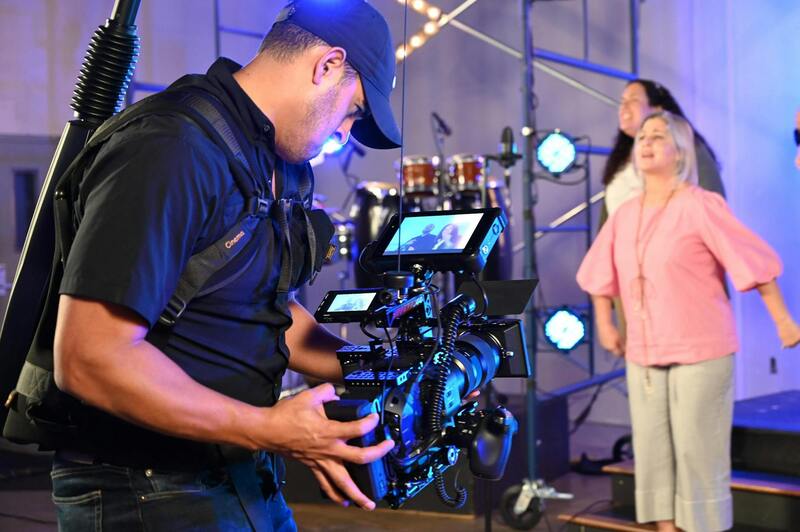
Multiple camera angles are employed to enhance viewer engagement and provide comprehensive coverage of the event. These cameras are often operated by experienced camera operators who can adapt to the flow of the live event, capturing crucial moments with precision. Additionally, portable or wireless cameras may be utilized to cover movement in large venues or outdoor locations, ensuring no significant moment goes unrecorded.
Audio management is equally critical, with sound engineers continuously monitoring levels from various sources—including microphones for speakers, musical performances, and environmental sounds. High-quality audio mixers allow real-time adjustments to maintain clarity and balance, which is essential for viewer experience. This involves filtering out unwanted noise, balancing levels to prevent distortion, and integrating live audio cues seamlessly into the broadcast feed.

In addition to visual and audio elements, on-site technical professionals handle the integration of graphics, subtitles, and branding elements to keep the broadcast professional and aligned with client specifications. The seamless coordination of these components ensures that the presentation is polished and consistent throughout the event.
Once the event concludes, the production team initiates the transfer of recorded footage for post-event editing, archiving, and distribution. The onsite team also compiles detailed reports on the technical performance to identify areas for improvement in future broadcasts. Effective on-site execution demands a highly organized approach, with all personnel well-trained and equipped to handle unexpected issues swiftly, maintaining broadcast integrity from start to finish.
Overview of Live Broadcast Production Companies
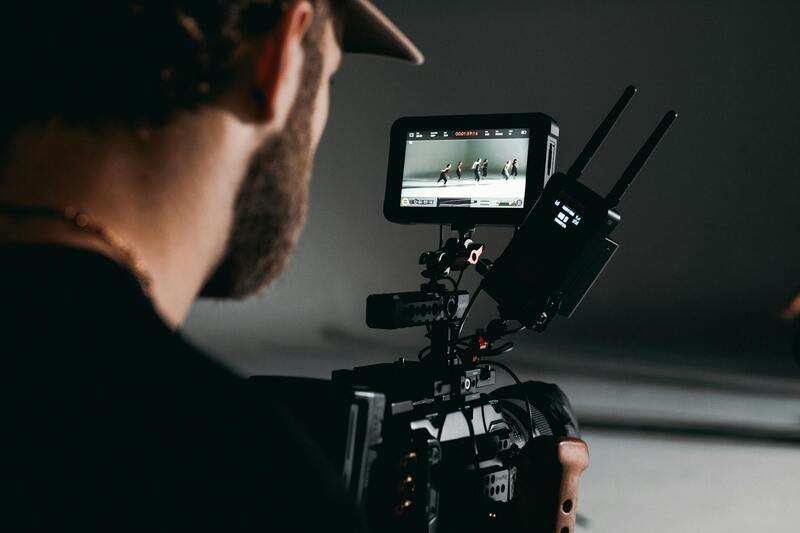
Live broadcast production companies serve as the backbone of real-time video delivery for events, conferences, sports, entertainment, and corporate communications. These companies specialize in creating engaging, seamless live streams that connect audiences across various platforms. By leveraging advanced technology, skilled personnel, and meticulous planning, they ensure that each broadcast maintains high quality, technical precision, and brand consistency. Their strategic approach encompasses pre-production, on-site execution, and post-production phases, providing clients with end-to-end solutions tailored to specific event needs.
Types of Live Broadcast Services Offered
Production companies typically offer a broad range of services to accommodate diverse event requirements. These include:
- Standard Live Streaming: Distributing real-time video to social media, websites, or dedicated streaming platforms.
- Multi-Camera Broadcasts: Utilizing multiple cameras for dynamic visuals, including switching between different angles and close-ups.
- Event Coverage: Providing comprehensive filming for conferences, product launches, and festivals with professional audio and visual integration.
- Webinars and Virtual Events: Hosting interactive online events that require live streaming with audience engagement features.
- Remote Production: Managing broadcasts from multiple locations, often combining feeds for a cohesive viewing experience.
- On-demand Content Creation: Capturing live events for later editing, distribution, or archival purposes.
Key Equipment and Technology Used
To ensure smooth and high-quality broadcasts, production companies rely on cutting-edge technology, including but not limited to:
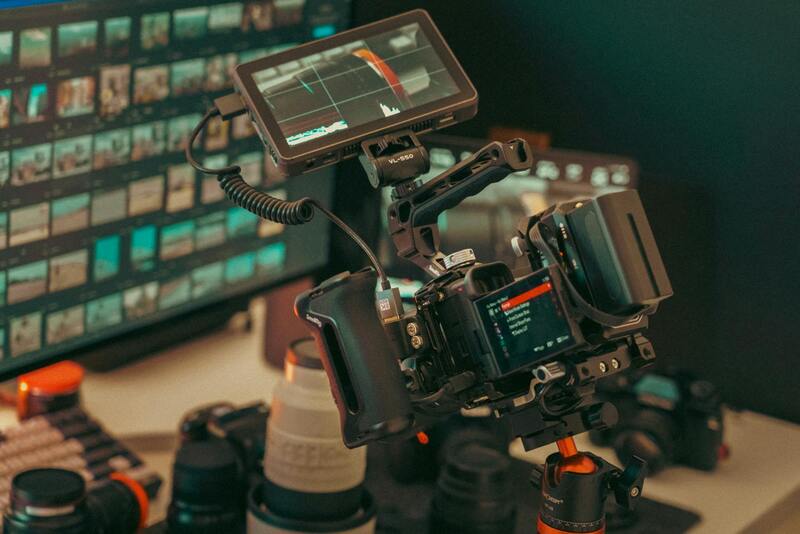
- Cameras: 4K-enabled professional cameras with remote control capabilities for versatile shot selection.
- Switchers: Video switchers that facilitate seamless transitions between camera feeds and graphic overlays.
- Audio Equipment: High-quality microphones, mixers, and monitoring systems to deliver crystal-clear sound.
- Encoding Hardware and Software: Advanced encoders ensure reliable live streaming with adaptive bitrate technology.
- Graphics and Templating Software: For real-time overlay of logos, lower thirds, and branding elements seamlessly integrated into the broadcast.
- Network Infrastructure: Robust internet connectivity with backup solutions guarantees uninterrupted streams.
Factors to Consider When Choosing a Production Company
Selecting the right live broadcast production company requires evaluating several essential factors to meet your event expectations efficiently. These include:
- Experience and Portfolio: Review their previous projects and client testimonials to gauge reliability and quality standards.
- Technical Expertise: Confirm their familiarity with current broadcasting technology and innovative solutions.
- Equipment Capabilities: Ensure they possess the necessary tools and infrastructure tailored to your event size and format.
- Customization and Flexibility: The company should tailor services to your specific event goals while offering flexibility in execution.
- On-Site Support and Personnel: Adequate staffing with technicians, directors, camera operators, and sound engineers is vital for smooth operation.
- Cost and Packages: Obtain clear pricing structures that align with your budget without compromising on quality.
- Connectivity and Backup Plans: Reliable internet and contingency plans for technical issues are key to avoiding disruptions.
Benefits of Hiring a Local Miami Live Broadcast Company
Engaging with a local Miami-based broadcast team offers distinct advantages, notably in logistical coordination and onsite responsiveness. Local companies possess in-depth knowledge of venues, permitting swift setup and efficient navigation of city-specific regulations. Their familiarity with Miami’s infrastructure ensures dependable internet, power sources, and transportation logistics. Additionally, hiring locally often facilitates better communication due to shared language and cultural context. Clients also benefit from reduced travel expenses and faster response times for technical adjustments or troubleshooting during live events. Furthermore, local companies tend to have established relationships with venues and vendors, which streamlines planning and execution processes, leading to smoother live broadcasts.
Planning and Pre-Production Process
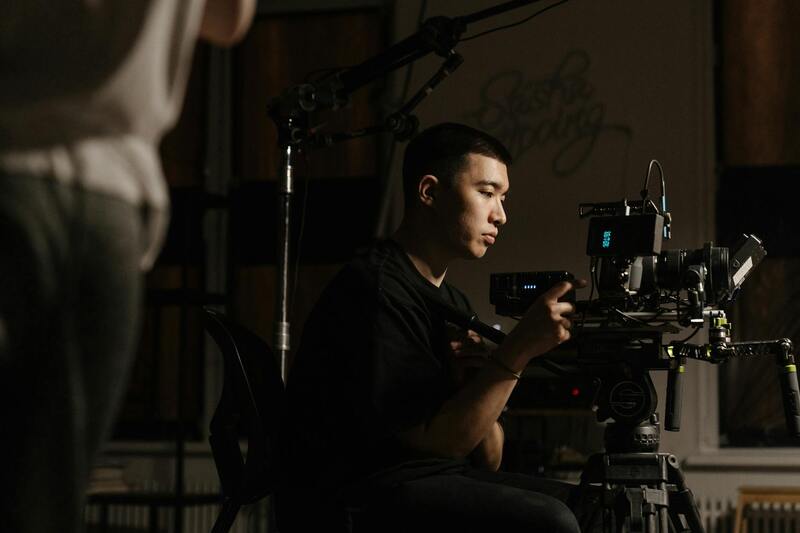
Effective live broadcast planning is critical in delivering professional results. This phase involves detailed logistical arrangements, technical scouting, and content strategizing. The production team collaborates with clients to define broadcast objectives, target audience, and desired outcomes. Site surveys are conducted to evaluate venues, lighting conditions, available power sources, and internet connectivity. Equipment requirements are meticulously planned, ensuring compatibility with the event’s scale and complexity. Scriptwriting, storyboard creation, and run-of-show timelines are developed to synchronize camera cues, graphics, and audio cues accurately. Pre-production meetings involve all stakeholders, including technical staff and on-site coordinators, to establish communication protocols, contingency workflows, and safety measures. Clear documentation and rehearsal schedules are established to minimize unforeseen issues during the live event, culminating in a well-orchestrated execution that adheres to client expectations and technical standards.
On-Site Technical Support and Post-Production Alignment
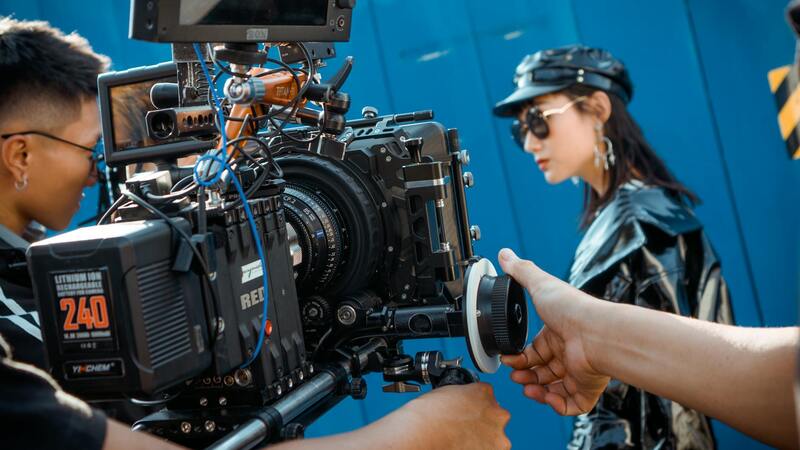
Ensuring seamless on-site operation during a live broadcast necessitates comprehensive technical support from a dedicated team. Reputable live broadcast production companies in Miami deploy highly trained technicians responsible for real-time monitoring of audio, video, and network systems. These professionals maintain constant communication with the director and technical director to swiftly address any issues that may arise, preventing disruptions and preserving broadcast integrity.
Moreover, meticulous alignment between on-site technical teams and post-production specialists forms a critical component of the overall broadcast strategy. This coordination guarantees that recorded content is captured with optimal quality, facilitating easier editing and repurposing for subsequent distribution channels. Real-time logging and annotation of key moments during the live event aid in quick post-broadcast editing, ensuring highlights and edited versions meet client standards.
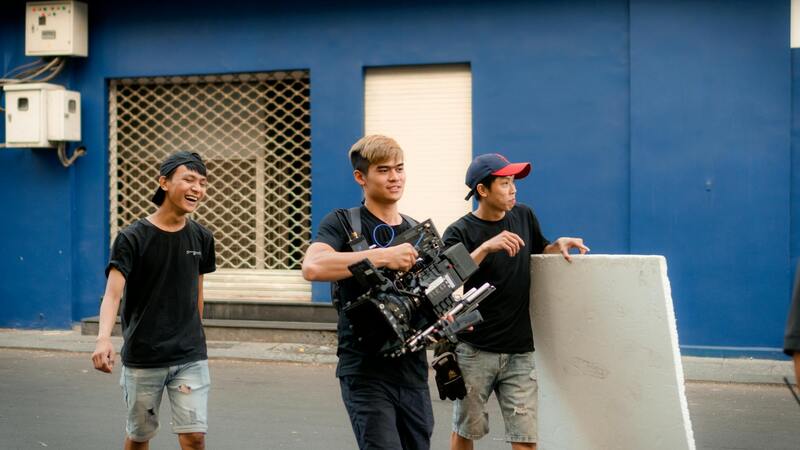
Post-event, the content undergoes rigorous editing, which may include color correction, audio enhancement, and graphics addition. This process aims to deliver polished videos suitable for multiple platforms, such as social media, corporate websites, or broadcast syndication. Additionally, archiving the event recordings provides valuable assets for future marketing efforts, training materials, or archival purposes.
Strategic Distribution and Analysis
Successful content distribution involves a tailored approach to reach the target audience effectively. Expert live broadcast companies assist clients in selecting optimal digital platforms and scheduling releases for maximum engagement. They also implement tracking mechanisms to analyze viewer metrics, including viewership numbers, engagement rates, and geographic distribution. Such data insights inform future broadcast strategies, enabling continuous improvement in content delivery and audience reach.
Implementing a comprehensive post-broadcast plan ensures clients capitalize on the event’s momentum. This includes promoting highlight reels, sharing behind-the-scenes footage, and engaging with viewers through social media to broaden impact. Analyzing the broadcast’s success and gathering feedback help refine procedures for subsequent events, fostering long-term partnerships based on consistent quality results.