
Overview of Live Stream Video Production
Live stream video production has become an essential component for businesses, organizations, and events seeking to expand their reach and engage audiences in real-time. This process involves capturing live footage, integrating various multimedia elements, and broadcasting the content seamlessly over the internet. In Miami, a vibrant hub for entertainment, commerce, and cultural events, the demand for professional live streaming services has grown significantly.
Effective live stream video production requires meticulous planning and execution to ensure high-quality output that captures the energy and essence of the event. It includes specialized equipment such as multiple cameras, sound systems, switching technology, and reliable internet connectivity. The goal is to deliver a smooth, professional viewing experience that mirrors the atmosphere of the physical event.
The importance of live streaming in Miami extends beyond just broadcasting. It enables organizations to reach a broader audience, enhance brand visibility, and generate real-time engagement through interactive features. For corporate meetings, webinars, concerts, sports events, and community gatherings, live stream production offers a dynamic platform to connect with viewers worldwide.
Furthermore, live streaming supports marketing and promotional efforts by allowing content to be shared in real-time across various channels, including social media, websites, and dedicated streaming platforms. This immediacy fosters a sense of immediacy and exclusivity, which can significantly boost audience participation.
With the evolution of digital media technologies, the quality and complexity of live stream productions have increased. Today’s productions often incorporate multi-camera setups, augmented reality overlays, live graphics, and instant replay features, elevating the viewing experience to professional broadcast standards. Miami’s competitive environment for events and corporate functions necessitates access to advanced live streaming capabilities to stand out.
In summary, live stream video production plays a pivotal role in modern content dissemination, offering unparalleled opportunities to engage audiences in real-time. It combines technical expertise, creative content management, and strategic planning to ensure that every broadcast meets the highest standards and effectively serves the objectives of the organization or event.
Key Components of Live Stream Setup
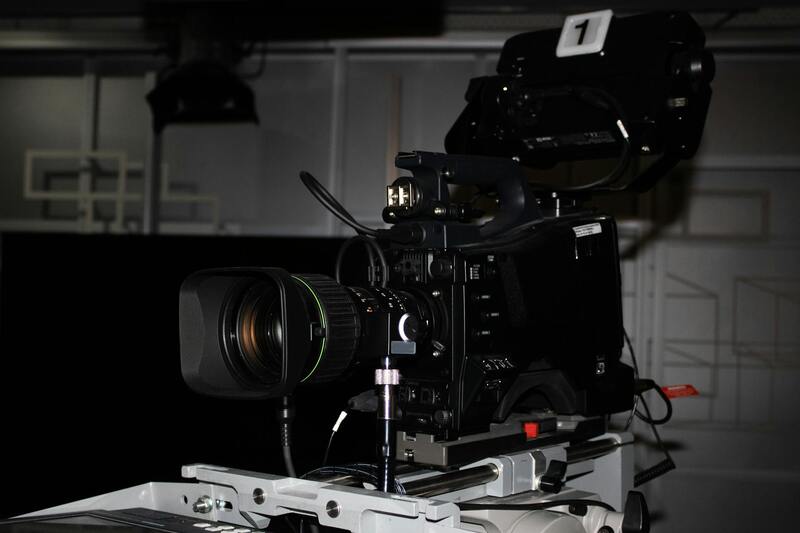
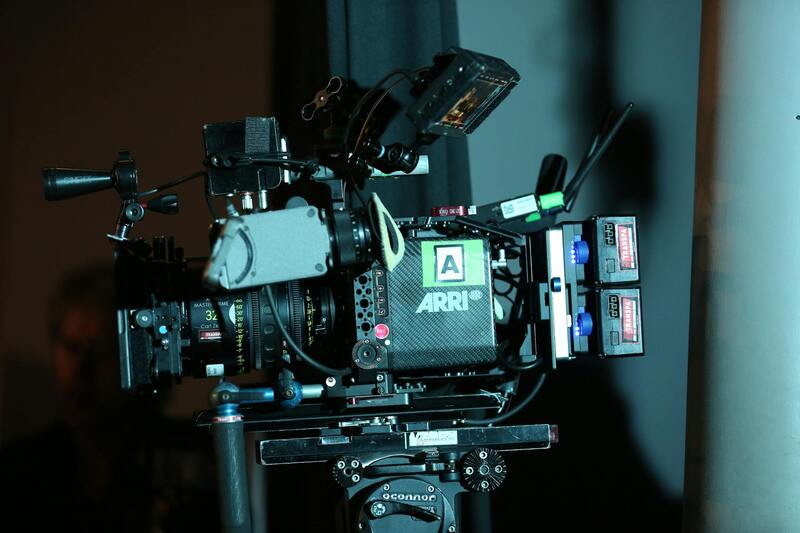
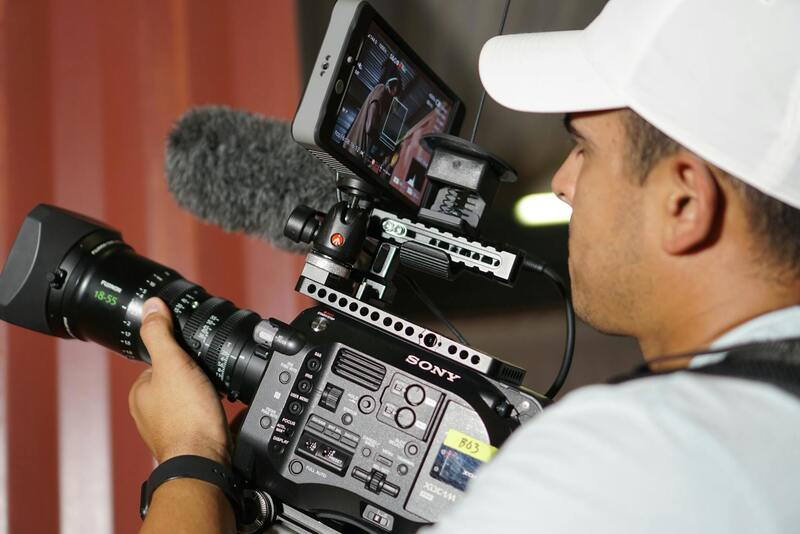
Establishing a successful live stream begins with a robust setup that integrates both hardware and software components tailored to the specific needs of each event. The core of any professional live stream involves the use of high-definition cameras capable of capturing clear, detailed footage from various angles, ensuring visual engagement and immersive viewing experiences. These cameras can be stationary or mobile, depending on the event’s dynamics and scope.
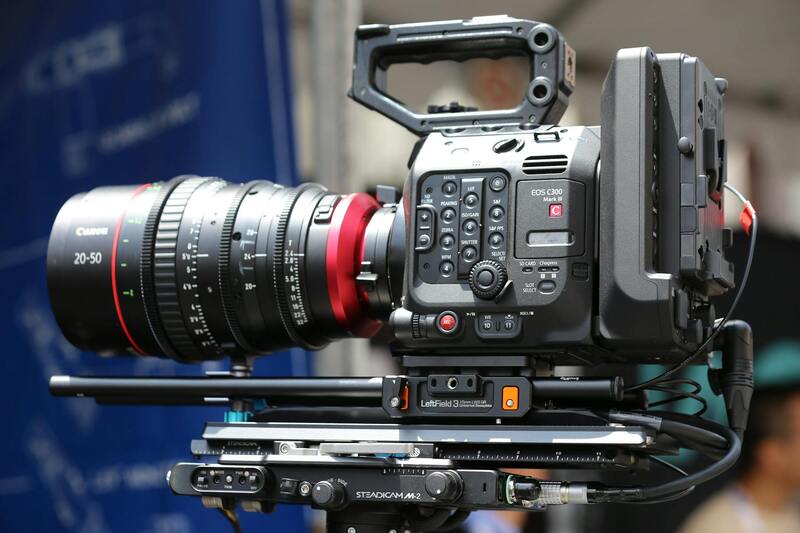
Complementing the cameras are professional-grade video switchers or switcher consoles that allow operators to seamlessly transition between different camera feeds, incorporate effects, and manage transitions in real-time. This equipment is vital for maintaining fluidity and professionalism during production, especially in complex event settings such as conferences or concerts.
Audio is equally critical; therefore, high-quality microphones and audio mixers are employed to ensure clear, balanced sound that enhances overall viewer engagement. Lavalier microphones for speakers and ambient microphones for crowd sounds are common choices, combined with audio processing equipment to eliminate background noise and optimize sound clarity.
For encoding and streaming, hardware encoders are used to compress video signals into streams compatible with various platforms. These devices convert raw footage into digital signals with minimal latency, ensuring smooth live broadcast quality. Advanced software encoders are also popular for their flexibility and additional control features, allowing technicians to add overlays, graphics, and real-time analytics seamlessly.
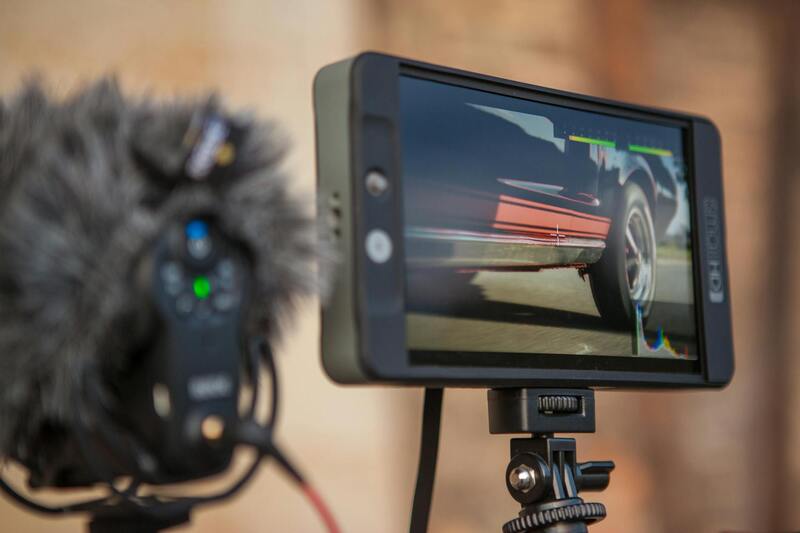
Monitoring equipment, including multi-view monitors and troubleshooting tools, helps technicians oversee multiple feeds and quickly address any technical issues that arise during the broadcast. Networking hardware, such as high-speed routers and switches, ensures a stable, high-bandwidth connection vital for uninterrupted transmission, particularly in venues with challenging network conditions.
Ultimately, the effectiveness of a live stream depends on the integration of these components into a streamlined workflow, driven by skilled technical personnel who are capable of operating diverse equipment in real-time. Investing in quality hardware and maintaining rigorous pre-event testing are crucial steps in delivering professional-grade live stream videos that meet the standards and expectations of Miami's competitive event landscape.
Production Techniques and Best Practices in Live Stream Video Production
Implementing effective production techniques is fundamental to delivering a high-quality live stream. This involves meticulous coordination of camera angles, camera movements, and shot compositions to maintain viewer engagement and ensure the visual narrative aligns with the event's purpose. Multi-camera setups are common, providing various perspectives that can be switched seamlessly during the broadcast to enrich the viewing experience.
Proper lighting plays a critical role in the clarity and professionalism of the video feed. Lighting equipment should be strategically positioned to avoid shadows and glare, enhancing the visibility of key subjects. Additionally, consistent color profiles across all cameras ensure visual cohesion, which can be maintained through proper calibration and color grading adjustments during the production process.
Audio quality must be monitored closely throughout the event. This includes employing directional microphones to isolate primary sound sources, using audio mixers to balance levels, and implementing noise reduction techniques to eliminate unwanted background noise. For venues with challenging acoustics, acoustic treatment and advanced audio processing equipment can help achieve clear, balanced sound.
Technical rehearsals are invaluable in identifying potential issues before the live event. These rehearsals allow production teams to test all equipment, verify audio and video synchronization, and practice seamless transitions between shots. By simulating the actual broadcast environment, teams can fine-tune their operations, ensuring that everything runs smoothly when the event is live.
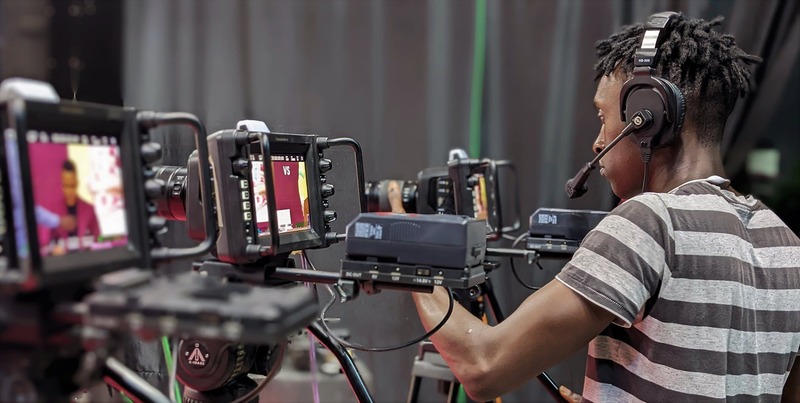
Real-time communication between crew members is facilitated through reliable communication systems such as intercoms or headsets, ensuring coordinated switching and troubleshooting. This teamwork is vital in responding swiftly to unforeseen challenges, such as technical glitches or unexpected changes during the event.
Implementing redundancy protocols, like backup hardware components and alternative internet connections, further ensures a stable broadcast. These measures protect against potential failures, allowing the production team to maintain continuous streaming quality even under adverse conditions.
Post-production editing, even for live streams, can include adding overlays, lower thirds, branding elements, and real-time graphics to emphasize key moments or information. Skilled operators should employ professional software tools for these tasks, enhancing the overall production value while preserving the authenticity of the live experience.
By adhering to these production techniques and best practices, Miami-based live stream video providers can deliver broadcasts that meet the high standards expected by diverse audiences. These concerted efforts in planning, execution, and oversight contribute significantly to the success of live streaming events across various industries, from corporate conferences to entertainment festivals.
Overview of Live Stream Video Production
Live stream video production involves a complex orchestration of technical elements, creative decision-making, and meticulous planning to transmit high-quality content in real-time. As a cornerstone of digital communication and entertainment, live streaming serves diverse industries including corporate communications, entertainment, education, and religious events. Mastery of this process requires a strong understanding of the technical infrastructure and the ability to adapt swiftly to changing variables during the broadcast.
Successful live stream production begins with a clear understanding of the event’s goals and target audience. Content creators and production teams must determine the scale of the event, the desired broadcast quality, and the platforms for distribution. This planning stage is crucial for aligning technical resources with the event's objectives, ensuring that every element functions seamlessly during the live session.
From high-definition cameras capturing multiple angles to sophisticated audio equipment that guarantees sound clarity, the components involved are vital for engaging viewers. Lighting techniques play a significant role in ensuring that on-camera talent and set elements are visually appealing under studio or outdoor conditions. Additionally, professional live streaming requires robust internet connectivity and backup systems to prevent interruptions and maintain stream stability.
The setup also includes selecting the appropriate streaming hardware and software solutions that facilitate real-time switching, graphics overlay, and synchronization of multiple video feeds. These systems are operated by skilled technicians who coordinate visual transitions, manage live graphics, and troubleshoot technical issues as they arise.
In terms of infrastructure, reliable encoding devices convert raw footage into data suitable for online transmission with optimal compression settings. Network configurations are optimized for bandwidth and latency considerations, reducing the risk of buffering or signal degradation. Redundant connections, such as backup internet sources or cellular fail-safes, further safeguard against potential disruptions.
During the event, continuous monitoring of the live feed is essential. Professional operators oversee the stream's quality, making instantaneous adjustments to camera angles or audio levels to maintain a polished presentation. This dynamic process underscores the importance of comprehensive pre-event rehearsals and thorough inspection of all equipment.
Streaming Platforms and Distribution
Effectively disseminating live stream video content hinges on selecting the right platforms and distribution strategies. Popular live streaming services such as YouTube Live, Facebook Live, and Twitch offer extensive reach and built-in audiences, making them prime choices for content dissemination. These platforms provide robust tools for scheduling, live chat interaction, and analytics, aiding producers in refining their broadcast approach over time. Additionally, enterprise solutions and custom embed options on dedicated websites enable organizations to present branded content seamlessly, maintaining a cohesive viewer experience.
Maximizing audience engagement involves strategic distribution methods. Multicasting, which entails streaming simultaneously across multiple platforms, can dramatically broaden exposure by tapping into diverse viewer bases. Implementation of Content Delivery Networks (CDNs) ensures that live streams reach audiences with minimal latency, regardless of geographical location. CDN services optimize data routing, reduce buffering times, and enhance overall streaming quality, especially during peak traffic periods.
For organizations looking to expand their reach beyond web platforms, integration with Smart TVs, media players, or social media amplifiers extends live content into new environments. Embedding live streams directly into existing websites offers a seamless experience for visitors and allows for customized branding elements and interactive features. Ensuring compatibility across devices and screen sizes is critical, requiring adaptive streaming protocols like HLS (HTTP Live Streaming) or DASH (Dynamic Adaptive Streaming over HTTP) to provide a consistent viewing experience.
To effectively manage distribution, leveraging analytics tools is essential. These tools provide insights into viewer demographics, engagement metrics, and device performance, informing future streaming strategies. Additionally, scheduling content strategically—such as timing broadcasts to coincide with peak user activity—can significantly enhance viewership. Producers should also consider employing geo-targeting features to deliver region-specific content, ensuring relevance and compliance with local regulations.
Ultimately, a comprehensive distribution plan that incorporates platform selection, technology integration, and data-driven adjustments ensures that live stream content reaches the intended audience efficiently and effectively. Proper preparation and continuous monitoring of distribution channels contribute to a professional, engaging viewing experience that reinforces brand presence and audience loyalty.
Legal and Regulatory Considerations in Miami
When executing a live stream video production in Miami, adherence to regional statutes and regulations plays a crucial role in ensuring smooth and trouble-free broadcasting. The city and state have specific requirements relating to intellectual property rights, public performance rights, and broadcaster licensing that must be carefully observed. For instance, obtaining necessary permissions for copyrighted content—such as music, video clips, or proprietary visuals—is vital to avoid infringement issues. This often involves securing licenses from rights holders or licensing organizations, which grants legal clearance for the content being streamed.
In addition to content rights, the use of local venues or public spaces for live events can introduce permitting obligations. Approvals from authorities might be necessary, particularly if the production involves large crowds, amplified sound, or temporary structures. Compliance with Miami’s noise ordinances and occupancy regulations ensures that events run smoothly without interference or penalties.
Moreover, data privacy and viewer consent protocols should be followed diligently. In accordance with regional data protection laws, broadcasters must inform viewers about data collection practices, secure user data appropriately, and obtain necessary consents when collecting personal information through interactive features or registration forms. This transparency helps build trust and maintains compliance, especially when engaging diverse audiences.
Furthermore, digital streaming must respect local advertising standards and content restrictions to prevent broadcast issues. Understanding regional sensitivities and avoiding content that could be considered inappropriate or offensive is important for brand reputation and operational legality.
Considering the dynamic regulatory environment in Miami, collaborating with legal professionals or experienced compliance consultants can streamline the process. They can assist in navigating licensing agreements, securing necessary permits, and ensuring adherence to all applicable rules and regulations—reducing the risk of disruptions during or after the live event.

Legal and Regulatory Considerations in Miami
When executing live stream video production in Miami, understanding and adhering to relevant laws and regulations is vital to ensure seamless operations. While traditional broadcasting regulations focus on content standards and licensing, digital streaming introduces additional layers of compliance, especially regarding data privacy, consent, and content restrictions.
One fundamental aspect involves securing proper permits for live events. Large-scale productions, especially those in public spaces or involving significant crowd involvement, often require specific authorizations from local authorities. These permits not only facilitate smooth event management but also establish a clear framework for safety protocols, noise control, and public health guidelines.
Data privacy regulations necessitate transparent communication with viewers about how their personal information is collected, stored, and used. This includes clear disclosure during sign-up processes and ensuring secure handling of data collected through interactive features like chat functions or registration forms. Obtaining explicit consent safeguards against potential issues related to data mishandling and fosters trust with your audience.
Furthermore, content restrictions must be respected to prevent broadcasting violations. Miami’s diverse cultural landscape requires sensitivity to regional norms and community standards. Content that may be deemed offensive or inappropriate can lead to obstruction, fines, or content takedowns. Broadcasters should familiarize themselves with local advertising standards and content guidelines, ensuring all streamed material respects regional sensitivities.
Staying aligned with Miami’s regulatory environment can be complex, making collaboration with legal professionals or compliance consultants advantageous. These experts assist in navigating licensing requirements, securing necessary permits, and understanding regional content policies. Their support reduces the risk of on-air penalties or delays, preserves brand reputation, and promotes an uninterrupted streaming experience.
In conclusion, meticulous preparation regarding permits, data management, content restrictions, and ongoing compliance is crucial. Ensuring adherence to all regional rules and regulations creates a foundation for successful, professional live stream video production in Miami's vibrant media environment. This proactive approach not only mitigates risks but also enhances viewer trust and operational efficiency over the course of any live streaming project.
Post-Production, Monitoring, and Ensuring Broadcast Quality
After the live stream concludes, the post-production phase begins, focusing on refining content, analyzing performance metrics, and ensuring the stability of future broadcasts. High-quality post-event analysis involves reviewing actual broadcast footage and data logs to identify areas for improvement. This process enables production teams to assess technical performance, viewer engagement, and overall content effectiveness, which is crucial for refining future live stream productions.
Monitoring tools play a critical role in maintaining broadcast quality during the live event. These tools include software that tracks stream health, latency, and connection stability in real-time, providing operators with immediate alerts for potential issues. Implementing robust monitoring systems helps mitigate disruptions, reduce downtime, and ensure a seamless viewing experience. A combination of hardware and software solutions enables operators to quickly identify and rectify problems, such as signal interruptions or bandwidth fluctuations.
Furthermore, ensuring the integrity of the live stream involves content validation, copyright compliance, and adherence to regional broadcasting standards. Stream quality can be affected by various factors, including network performance, hardware reliability, and encoding settings. Regularly scheduled maintenance of equipment, backup systems, and redundant streaming paths can mitigate risks associated with these variables.
To guarantee the highest broadcast standards, extensive testing prior to going live is essential. Conducting dry runs allows teams to identify potential technical issues, verify signal flow, and confirm the functionality of streaming setups. These rehearsals also provide an opportunity to test integrated multimedia elements such as graphics, overlays, and interactive features, ensuring they operate smoothly during the actual event.
Post-production editing of recorded streams enhances overall content quality and provides valuable assets for future marketing efforts. Edited clips, highlights, and full recordings can be repurposed across various platforms, amplifying audience engagement and brand visibility. Additionally, these assets serve as useful documentation for accountability and future planning.
In the context of Miami’s vibrant media landscape, leveraging cloud-based storage solutions facilitates easy access to recorded content and stream analytics from any location. Advanced analytics tools provide insights into viewer demographics, engagement levels, and content performance, informing strategic decisions for upcoming broadcasts. Such data-driven approaches optimize content delivery, improve viewer retention, and bolster the overall effectiveness of live stream video production efforts.
In conclusion, meticulous post-production processes, comprehensive monitoring systems, and rigorous quality assurance protocols are indispensable components of professional live stream video production in Miami. Implementing these measures ensures a consistent, high-quality viewer experience, minimizes technical disruptions, and supports continuous growth and innovation within the dynamic Miami media environment.