Understanding Live Streaming Video Production
Live streaming video production encompasses the process of creating real-time video broadcasts transmitted over the internet. It integrates a variety of technical elements, including multi-camera setups, professional audio, live switching, encoding, and streaming platforms. The goal is to deliver high-quality video experiences directly to viewers across multiple devices, whether for corporate events, sports, entertainment, education, or government communications.
This method of content delivery has revolutionized the way organizations engage with their audiences by providing instant, interactive, and accessible broadcast experiences. It allows businesses to reach a wider demographic without geographical limitations, making it an ideal solution for events such as product launches, conferences, webinars, and community outreach initiatives in Miami. As the urban hub of Florida, Miami benefits significantly from live streaming, offering local businesses, schools, and cultural institutions the opportunity to showcase their content on a global stage.
In addition to corporate and commercial applications, live streaming plays a vital role in sectors such as healthcare, religious organizations, and government agencies. Its ability to deliver information rapidly and transparently has made it an indispensable communication tool. The process involves meticulous planning, robust technical infrastructure, and skilled production teams to ensure seamless broadcasting with minimal latency and technical issues.
Modern live streaming platforms also facilitate features like viewer interaction through chat, polls, and Q&A sessions, enhancing engagement and participation. Furthermore, advancements in technology now support 4K streaming quality, multi-camera switching, graphic overlays, and real-time analytics, enabling content creators to deliver polished, professional broadcasts that captivate audiences and reinforce their brand presence.
Understanding the scope and complexity of live streaming video production is essential for organizations aiming for a successful broadcast. From initial concept development to post-event analytics, each phase requires expertise and strategic planning to maximize impact. This is where partnering with experienced live streaming video production companies, especially those with local Miami knowledge, can significantly elevate the quality and reach of your online broadcasts.
Key Services Offered by Live Streaming Companies
Live streaming video production companies provide a broad array of services tailored to meet diverse organizational needs. Their core offerings include:
- Event Broadcasting: Facilitates live transmission of conferences, trade shows, and community events, allowing remote audiences to experience the event in real time with high-quality visuals and audio.
- Corporate Meetings and Webinars: Ensures seamless delivery of executive meetings, training sessions, and product launches, often integrating interactive features such as polls and Q&A sessions to boost engagement.
- Live Concert and Entertainment Streaming: Provides platforms for artists and event organizers to broadcast performances globally, supporting high-resolution formats and multi-camera setups for a dynamic viewing experience.
- Religious and Community Services: Offers reliable streaming solutions for places of worship and community gatherings, expanding reach and ensuring continuous engagement irrespective of physical attendance limitations.
- Educational Content Delivery: Supports virtual classrooms, seminars, and workshops, utilizing multiple feeds, graphics, and real-time interactions to enhance learning experiences.
Each service is backed by state-of-the-art equipment, technical expertise, and strategic planning, ensuring the delivery of high-quality content that maintains professionalism and viewer engagement. Whether broadcasting a complex corporate presentation or a lively concert, these companies focus on technical precision, reliable connectivity, and polished production values to create impactful live experiences.
Advantages of Hiring a Local Miami Live Streaming Company
Local Miami-based live streaming video production companies offer distinct advantages that can significantly influence the success of your digital broadcast. Proximity allows for better on-site support and quick response times, which are crucial during live events where unforeseen technical issues can arise unexpectedly. Familiarity with Miami’s infrastructure and venues enables these providers to coordinate logistics smoothly and anticipate local challenges, leading to more efficient setup and execution.
Furthermore, companies rooted in Miami possess an understanding of regional audience preferences, cultural nuances, and local media landscapes. This insight enables them to tailor content, graphics, and engagement strategies to resonate effectively with the local community and beyond. Their established relationships with local vendors, equipment suppliers, and event venues streamline the planning process, reducing costs and ensuring timely delivery.
Additionally, collaborating with a Miami-based production team often results in more personalized service, ongoing support, and a clearer communication process. This local presence fosters trust and accountability, ensuring your live stream aligns precisely with your expectations and objectives. Whether you are hosting a corporate seminar, a religious service, or a community festival, leveraging local expertise can be a game-changer for your online outreach.
Factors to Consider When Choosing a Live Streaming Video Production Company
Selecting the right partner requires a careful assessment of several critical factors. Experience in managing similar events and familiarity with your type of content are essential indicators of competence. Review their portfolio to evaluate the quality of past productions, paying attention to visual clarity, audio quality, and overall professionalism.
Technical capabilities are equally important. Confirm the company’s ability to support high-resolution streaming (such as 4K), multi-camera switching, graphic overlays, and interactive features that enhance viewer engagement. Investigate their infrastructure, including redundancy measures like backup internet connections and power supplies, to ensure uninterrupted broadcasts.
Communication and project management are vital components of a successful live stream. Choose a provider whose team demonstrates clear, proactive communication and offers comprehensive support throughout the planning and execution phases. Flexibility and responsiveness to client needs often make a significant difference in handling last-minute adjustments or technical issues.
Cost transparency and value are also crucial. Obtain detailed quotes that outline all services included, avoiding hidden fees. Consider how the pricing correlates with the quality of equipment, technical expertise, and post-production support offered.
Technical Equipment and Technologies Used in Live Streaming
Modern live streaming relies heavily on cutting-edge hardware and software to deliver flawless broadcasts. High-definition cameras, often with pan-tilt-zoom capabilities, enable multi-angle captures that elevate production quality. Video switchers facilitate seamless transitions between camera feeds, creating a professional viewing experience.
Audio equipment, including wireless microphones and mixers, ensures clear sound delivery essential for engaging the audience. Encoder technology, whether hardware or software-based, compresses video signals for transmission over the internet without sacrificing quality. Reliable internet connections with sufficient upload bandwidth are critical to prevent buffering or latency issues.
Advanced graphic overlays, lower thirds, logo animations, and real-time analytics add polish and interactivity to streams. Platforms like streaming servers and content delivery networks (CDNs) extend reach by distributing content across multiple servers, reducing latency and buffering nationwide or worldwide.
Emerging technologies such as 4K streaming, multi-camera switching, and virtual sets continue to push the boundaries of remote broadcasting. Notably, integration with social media platforms and interactive tools facilitates real-time viewer engagement, making live streams more dynamic and participatory.
Understanding Live Streaming Video Production
Live streaming video production encompasses the entire process of planning, executing, and broadcasting live content across digital platforms. This specialized field combines creative elements with advanced technology to deliver real-time visual communication capable of reaching audiences across the globe. Its importance has grown exponentially, driven by a need for immediate interaction, event coverage, and content dissemination that is both engaging and accessible.
At its core, live streaming involves capturing high-quality video footage through professional-grade cameras, encoding the signals, and transmitting them over the internet via robust infrastructure. The objective is to ensure seamless delivery without noticeable lag or disruptions. Effective live streaming demands meticulous planning, from pre-production setup to on-the-fly adjustments during the broadcast, requiring skilled personnel and cutting-edge equipment. The strategic use of multiple camera angles, real-time graphics, and interactive features enhances viewer engagement, offering a polished experience comparable to traditional broadcast television yet with the flexibility of digital media.
Furthermore, live streaming is not solely about video transmission; sound quality plays a pivotal role. Clear audio captured through wireless microphones, mixers, and soundboards must synchronize precisely with visual elements to maintain viewer immersion. Complementary technologies such as drones, remote cameras, and virtual sets expand creative possibilities, enabling dynamic storytelling regardless of the event’s scale or complexity.
Another critical aspect of live streaming is the choice of software and hardware solutions tailored to specific broadcasting needs. Video switchers allow real-time switching between different camera feeds, while encoding hardware compresses raw footage for transmission. Content Delivery Networks (CDNs) distribute the streaming load, ensuring smooth playback for viewers worldwide. The integration of analytics tools provides real-time insights into viewer engagement and stream performance, allowing broadcasters to make immediate adjustments for optimal impact.
Technological innovations such as 4K streaming, augmented reality overlays, and virtual reality environments are further elevating the industry standard. These advancements enable broadcasters to produce immersive experiences that resonate deeply with audiences. As demand continues to surge for high-quality, interactive live content, the expertise of professional production teams becomes increasingly vital, underscoring the importance of partnering with established live streaming video production companies.
Technological Equipment and Innovations in Live Streaming
To deliver seamless, high-quality live streaming content, a live streaming video production company relies on a sophisticated array of technical equipment and cutting-edge technologies. Professional broadcasters utilize multi-camera setups, which may include high-definition (HD) and ultra-high-definition (4K) cameras to capture every detail from multiple angles. These cameras are often mounted on robotic or remote-controlled rigs, allowing for smooth, dynamic shots that enhance viewer engagement.
At the core of the live streaming process are video switchers—advanced hardware or software tools that facilitate the real-time transition between different video feeds. This capability is essential for producing polished broadcasts, enabling producers to seamlessly switch scenes, highlight speakers, and incorporate visual effects without interruption.
Encoding hardware plays a crucial role in compressing raw footage into optimized streams suitable for internet transmission. These encoders ensure that high-quality video is delivered efficiently across diverse network conditions, minimizing latency and buffering issues. Content Delivery Networks (CDNs) distribute the streaming load, ensuring stable, high-speed delivery to viewers regardless of their geographic location.
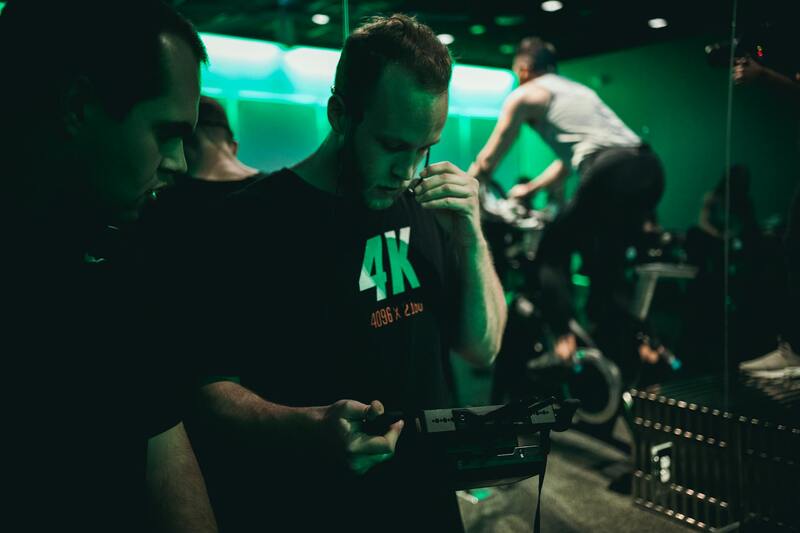
Beyond hardware, software solutions such as professional-grade streaming platforms enable broadcasters to integrate graphics, overlays, and interactive features. These tools support augmented reality (AR) overlays and real-time data visualization, enriching the viewer experience. Virtual sets and augmented reality environments are increasingly leveraged to create immersive virtual backgrounds and interactive elements that captivate audiences.
Emerging technologies such as 4K streaming, virtual reality (VR), and augmented reality (AR) are setting new standards for live broadcast productions. They enable broadcasters to deliver immersive, interactive experiences that transform traditional viewing into engaging, multi-dimensional environments. For instance, VR can simulate virtual environments that viewers can explore with compatible devices, and AR overlays can display additional information or branding over live footage, directly engaging audiences in innovative ways.
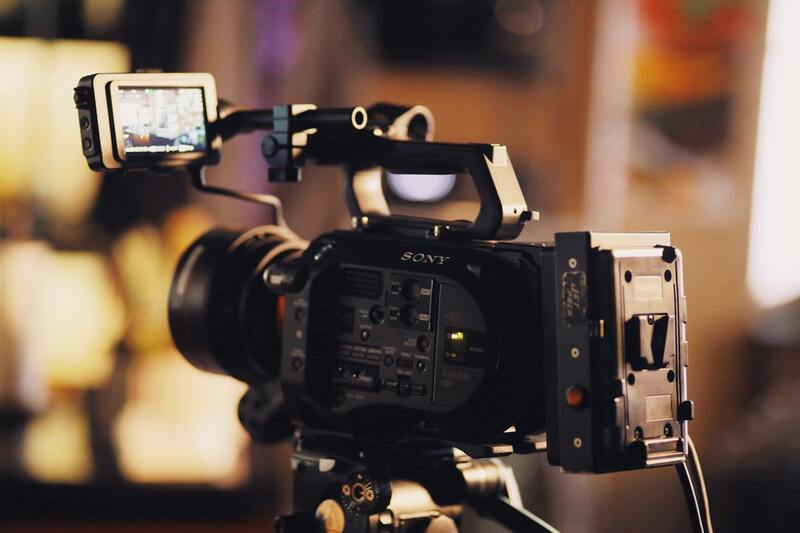
All these technological advancements depend on the expertise of a well-versed production team. Partnering with specialists equipped with advanced gear ensures that live streams are produced to meet the highest standards of clarity, stability, and interactivity. This professional support minimizes technical hitches and guarantees a smooth broadcast for every event, whether it is a corporate seminar or a large-scale concert.
Technical Equipment and Technologies Used in Live Streaming
Delivering high-quality live streaming videos requires an integration of advanced hardware and software tools meticulously selected to meet the demands of professional broadcast standards. The core components include high-definition cameras capable of capturing crisp visuals in various lighting conditions, ensuring that footage remains clear and vibrant regardless of the environment. These cameras are often paired with professional-grade lenses, tripods, and stabilization systems to deliver steady shots throughout the event.
Encoders are vital for converting raw video signals into digital formats suitable for live streaming. Hardware encoders are preferred for their reliability and ability to handle multiple streams simultaneously, making them ideal for large-scale productions. Additionally, software encoders offer flexibility and ease of use, allowing operators to adjust settings dynamically during a broadcast.
A robust streaming platform forms the backbone of the distribution process, facilitating seamless content delivery to viewers across various devices and network conditions. These platforms support features such as adaptive bitrate streaming, which adjusts video quality in real-time to optimize viewing experience.
Audio quality plays a critical role in overall broadcast excellence. Professional audio equipment, including shotgun microphones, wireless lavaliers, and audio mixers, ensure clear sound capture. These are complemented by monitoring systems that enable technicians to make immediate adjustments, preventing issues like background noise or audio delay.
Supplementary tools, such as teleprompters and graphics generators, enhance on-camera presentations and viewer engagement. Virtual sets and augmented reality overlays are increasingly integrated to produce immersive environments, transforming traditional streams into visually compelling productions.
Understanding Live Streaming Video Production
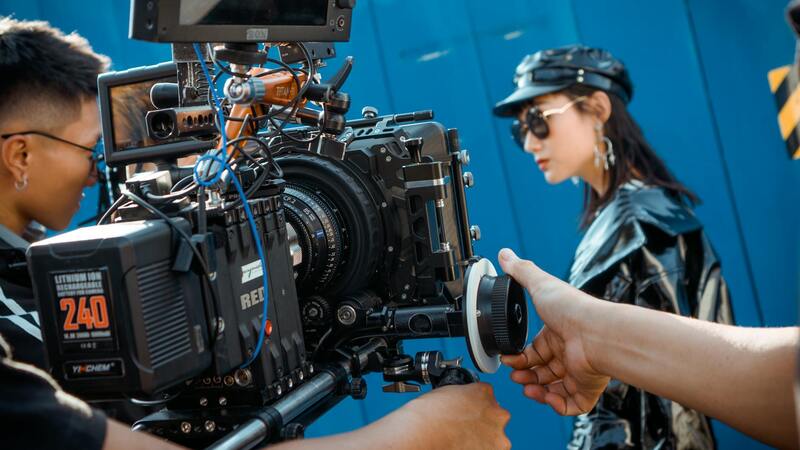
Live streaming video production involves a complex integration of technical expertise, advanced equipment, and creative storytelling to deliver real-time content to an online audience. It requires meticulous planning and execution to ensure a smooth broadcast across multiple platforms and devices. The process begins with pre-production activities such as content development, goal setting, and logistical coordination. During production, specialized hardware like professional cameras, switchers, encoders, and audio systems work in unison to capture and transmit high-quality video and sound. Post-production elements may include live graphics, overlays, and transitioning effects that enhance viewer engagement. The entire operation demands an understanding of streaming protocols, bandwidth management, and audience interaction tools to foster an immersive viewing experience. When executed proficiently by a dedicated live streaming video production company, the result is a seamless broadcast that aligns with the client's objectives, whether for corporate events, concerts, or sporting competitions.
Key Services Offered by Live Streaming Companies
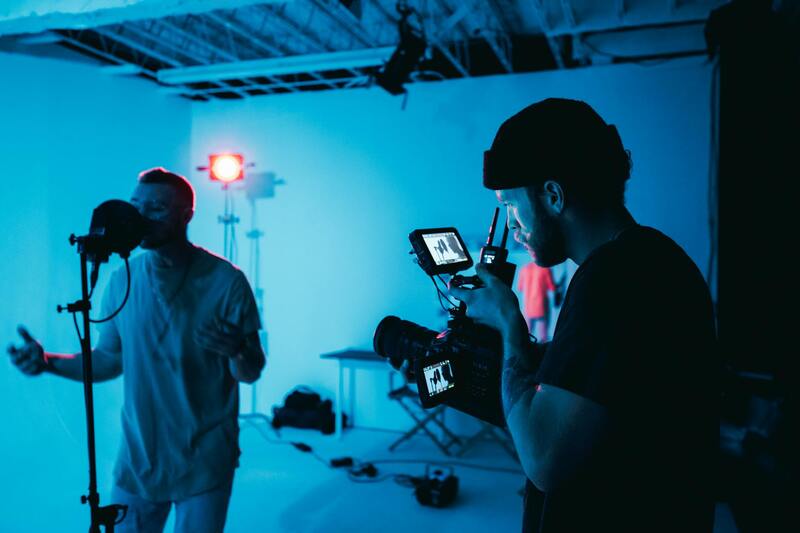
Leading live streaming companies provide a comprehensive suite of services designed to meet the diverse needs of their clients. These include end-to-end production solutions, content scheduling, multi-platform distribution, and live editing. Customizable options such as on-screen graphics, audience interaction features (like live polls or Q&A), and video replay functionalities enhance the overall broadcast experience. Additionally, many companies offer technical support throughout the event to troubleshoot issues promptly, ensuring minimal disruptions. With expertise in various event types—ranging from corporate webinars and product launches to large-scale concerts—these firms adapt their services to optimize content quality and viewer engagement.
Advantages of Hiring a Local Miami Live Streaming Company
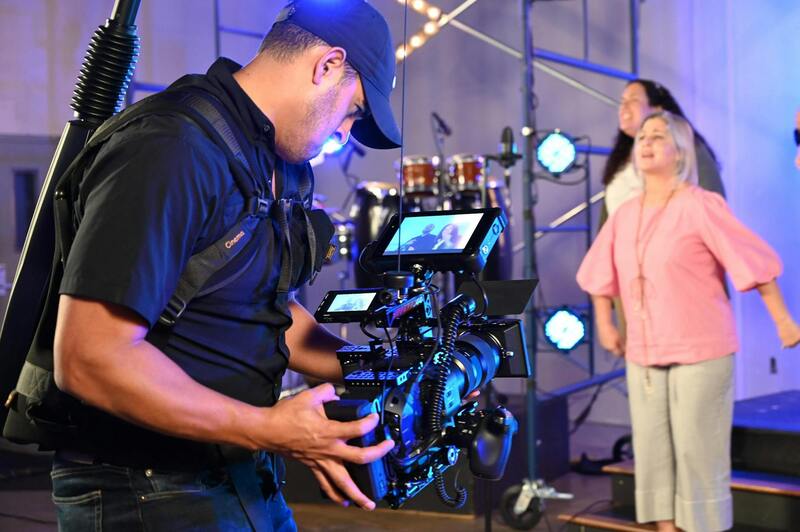
Engaging a local Miami-based live streaming video production company offers distinct benefits primarily rooted in proximity and local industry knowledge. These companies possess a deep understanding of the regional audience's preferences, cultural nuances, and popular events, allowing them to tailor content delivery more effectively. The geographic closeness enables quicker response times to unforeseen technical issues, on-site support, and smooth coordination with local venues and vendors. Additionally, local providers are often more familiar with Miami’s event venues and infrastructure, facilitating streamlined setup and optimized performance. They can also deliver personalized service and consultations, helping clients create impactful live streams that resonate with their target audience within the competitive Miami market.
Factors to Consider When Choosing a Live Streaming Video Production Company
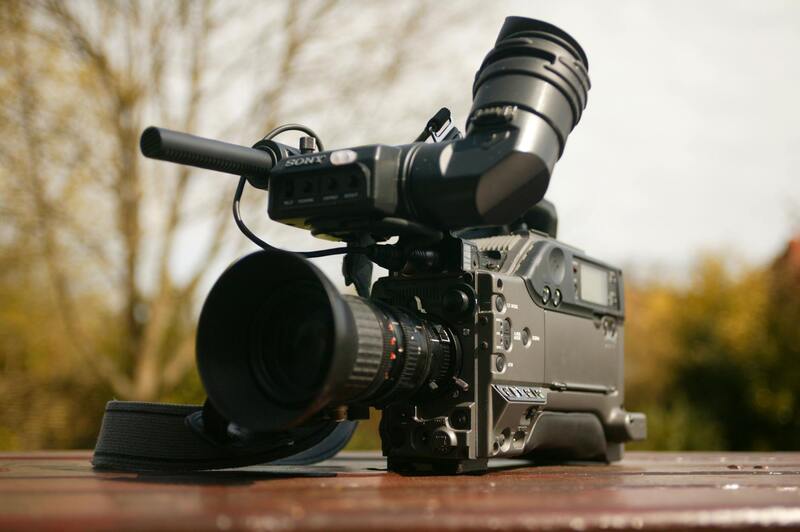
Selecting the right partner for live streaming video production requires careful evaluation of several critical factors. First, review their technical capabilities, including available equipment, streaming platforms supported, and experience with your event type. It’s vital to assess their portfolio and client testimonials to gauge their proficiency and reliability. The company’s ability to customize solutions and their understanding of your specific goals also play a key role. Additionally, consider their team’s expertise, including technical staff, producers, and on-camera talent, to ensure a cohesive and professional broadcast. Cost transparency and presence of comprehensive customer support are equally important; they provide assurance of consistent quality and prompt assistance throughout the event process. Ultimately, choosing a partner with a proven track record and a commitment to excellence guarantees a successful live streaming experience.
Technical Equipment and Technologies Used in Live Streaming
In the realm of live streaming video production, leveraging cutting-edge technology is paramount to delivering high-quality content that captivates viewers. Professional live streaming companies in Miami utilize a comprehensive array of equipment designed to optimize every facet of the broadcast. Central to this setup are high-definition cameras capable of capturing crisp, clear visuals from multiple angles, ensuring dynamic and engaging content delivery. These cameras are often complemented by professional-grade switchers that facilitate seamless transitions, picture-in-picture effects, and multi-camera coordination.
Streaming infrastructure plays a critical role in maintaining stability and minimizing lag during broadcasts. Reliable encoders, whether hardware or software-based, convert high-resolution video signals into digital formats compatible with various streaming platforms. Advanced encoders support adaptive bitrate streaming, allowing the video quality to adjust dynamically based on viewers’ internet speeds, which enhances user experience across diverse devices and network conditions.
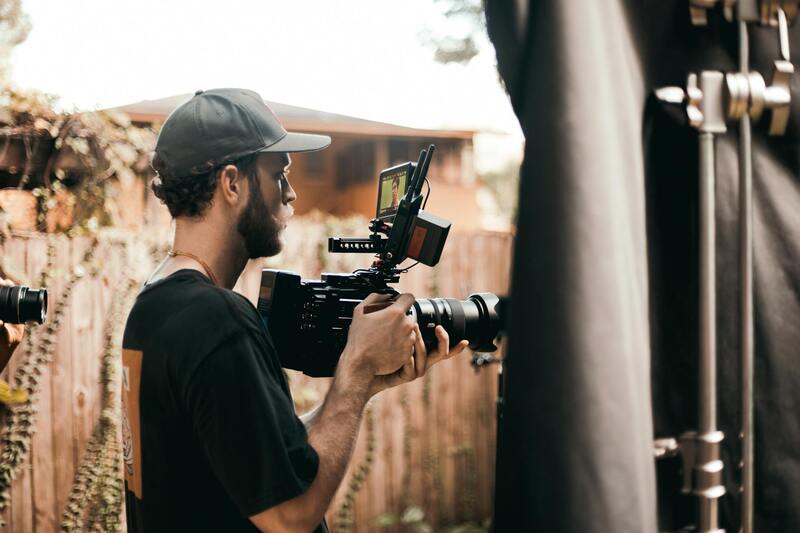
Audio quality is equally vital; thus, professional microphones and sound mixing consoles are integrated into the setup to ensure clear, balanced sound. Wireless microphones and lavalier systems are common for on-camera talent, facilitating mobility without sacrificing audio fidelity. Additionally, backup equipment and redundancy systems are incorporated to mitigate potential technical failures, guaranteeing uninterrupted streaming during critical events.
The use of cloud-based streaming solutions offers flexibility and scalability, especially for large, high-profile events. These platforms enable real-time monitoring and control, as well as seamless distribution across multiple channels such as social media, corporate websites, and dedicated streaming services. Integration of remote control interfaces allows producers to oversee the broadcast from any location, ensuring precise management and immediate troubleshooting if necessary.
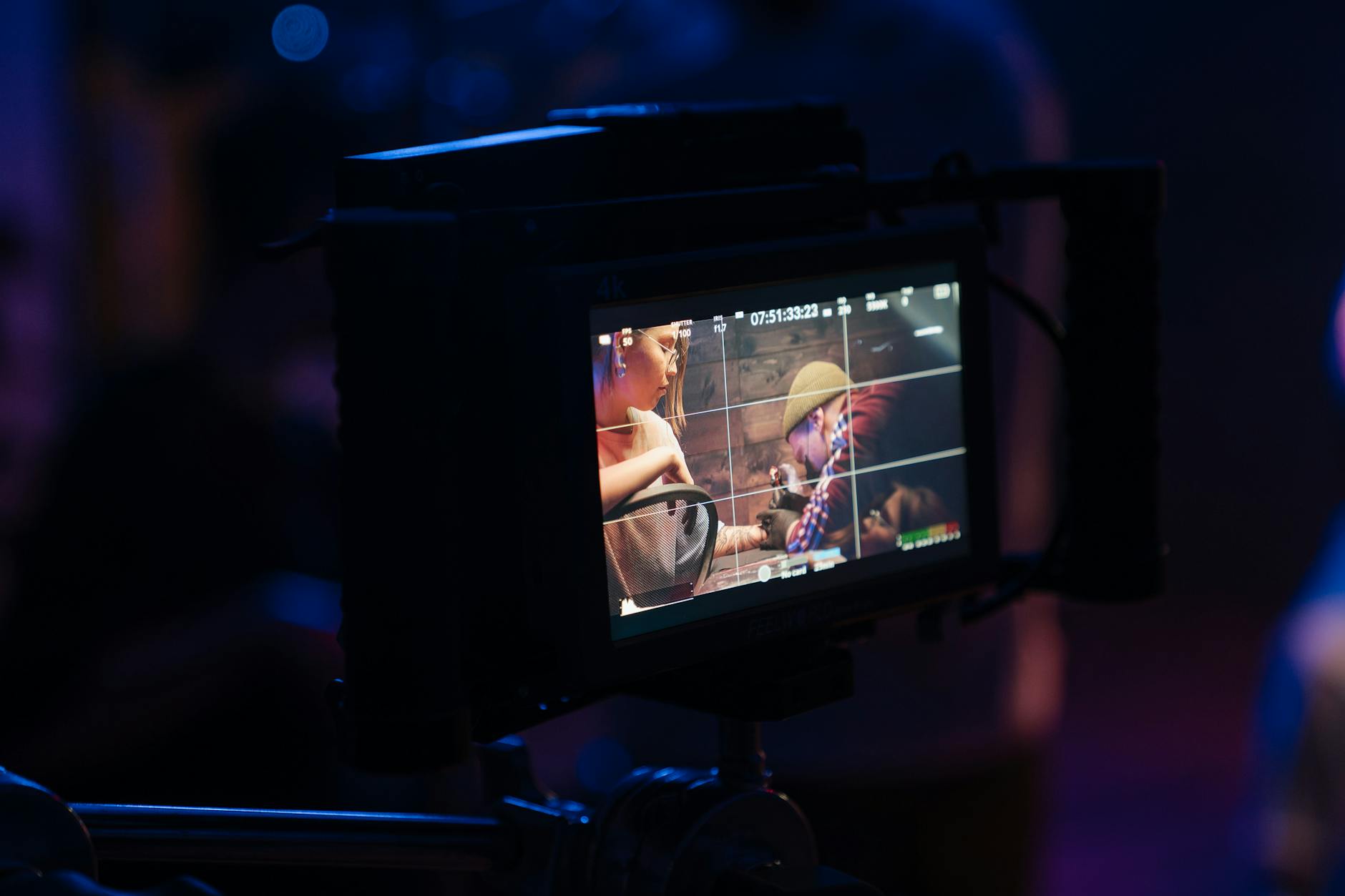
Emerging technologies like 4K resolution, virtual reality (VR), and augmented reality (AR) are also beginning to influence live streaming workflows. These innovations enhance viewer engagement and provide immersive experiences tailored to diverse audiences. As technical advancements continue to evolve, Miami-based live streaming companies invest in the latest gear and software to stay ahead of industry standards and deliver compelling live content that meets the highest expectations of clients and viewers alike.
Technical Equipment and Technologies Used in Live Streaming
Staying at the forefront of live streaming video production requires utilizing the most advanced and reliable technical equipment. This includes high-definition cameras capable of capturing crisp visuals, often in 4K resolution, to meet the demands of professional broadcasts. PTZ (pan-tilt-zoom) cameras are favored for their flexibility and ability to be controlled remotely, providing dynamic shots with minimal setup. Accompanying these are multi-channel video switchers that allow seamless transitions between camera feeds, graphics, and other media sources, ensuring a polished final output.
Audio quality is equally critical, necessitating the use of professional-grade microphones and audio mixers. Wireless microphones, including lavalier and handheld variants, provide mobility for speakers and talent without compromising sound clarity. Sound mixing consoles are integrated into the workflow, balancing levels across multiple sources and enhancing overall broadcast quality. Redundancy is built into the system, with backup equipment such as secondary microphones and additional cameras, to prevent any disruptions during live streams.
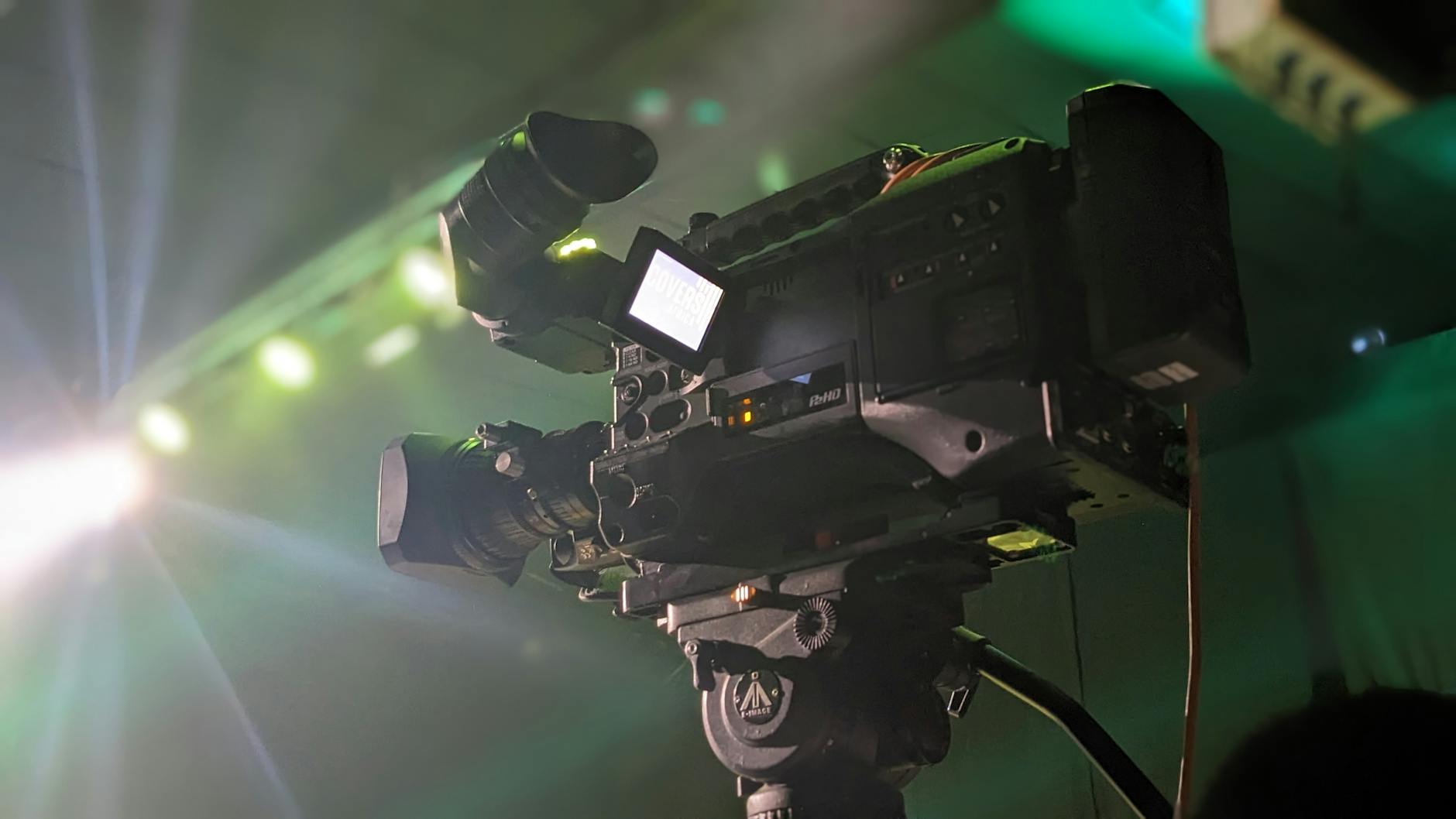
On the software side, robust encoding platforms and streaming servers are deployed to deliver smooth, lag-free content across multiple channels. Cloud-based streaming solutions facilitate scalability, enabling high-volume broadcasts to reach large audiences without latency issues. These platforms often include monitoring dashboards, real-time analytics, and remote control capabilities, allowing producers to oversee the event from virtually anywhere.
Emerging innovations like 4K streaming, VR, and AR are increasingly incorporated into live production workflows to elevate viewer engagement levels. Virtual reality setups, for example, create immersive experiences, while augmented reality overlays can enhance live presentations with dynamic graphics. To stay ahead of industry trends, Miami-based companies continually invest in the latest technology, ensuring their services meet evolving viewer preferences and broadcast standards.