
Understanding the Role of Live Streaming Production Experts
Live streaming production experts are highly trained professionals responsible for the seamless delivery of broadcast quality live events over digital platforms. Their core responsibilities include managing technical operations, overseeing equipment setup, and ensuring that the broadcast runs smoothly from start to finish. These specialists possess a deep understanding of video and audio production, as well as the software and hardware used to create engaging, professional live streams.
At their core, live streaming production experts are problem solvers. They troubleshoot technical issues, adapt to unforeseen challenges, and implement solutions swiftly to maintain a high standard of broadcast quality. Their expertise extends to coordinating with clients and event organizers to ensure that the content aligns with the vision and objectives of each event. This often involves collaborating with content creators, broadcasters, and technical teams to deliver cohesive, high-impact events that engage audiences in real time.
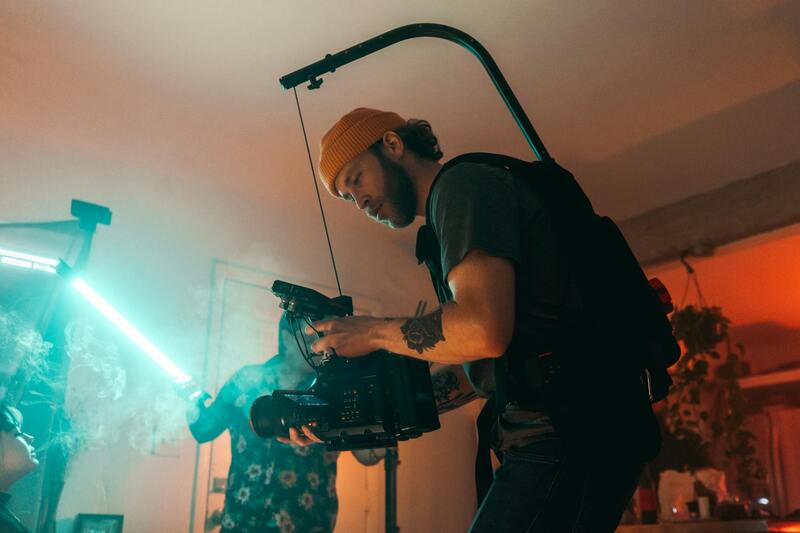
The skills required for live streaming production cover a broad spectrum, including proficiency in operating video switchers, streaming encoders, audio mixers, and network infrastructure. Additionally, these experts are adept with platform management tools, content delivery networks, and multi-camera production techniques. Their ability to adapt quick fixes during the live event can be the difference between a successful broadcast and a failed attempt, making their role vital to any live streaming operation.
Moreover, their responsibilities aren’t limited to technical execution; they also involve meticulous planning and coordination. Pre-event preparations include conducting equipment checks, setting up redundancy measures, and establishing clear communication channels among team members. During the live event, they monitor streams, adjust settings as needed, and respond proactively to any emerging issues. Post-event, they are involved in debriefs and performance analysis to continually improve future broadcasts.
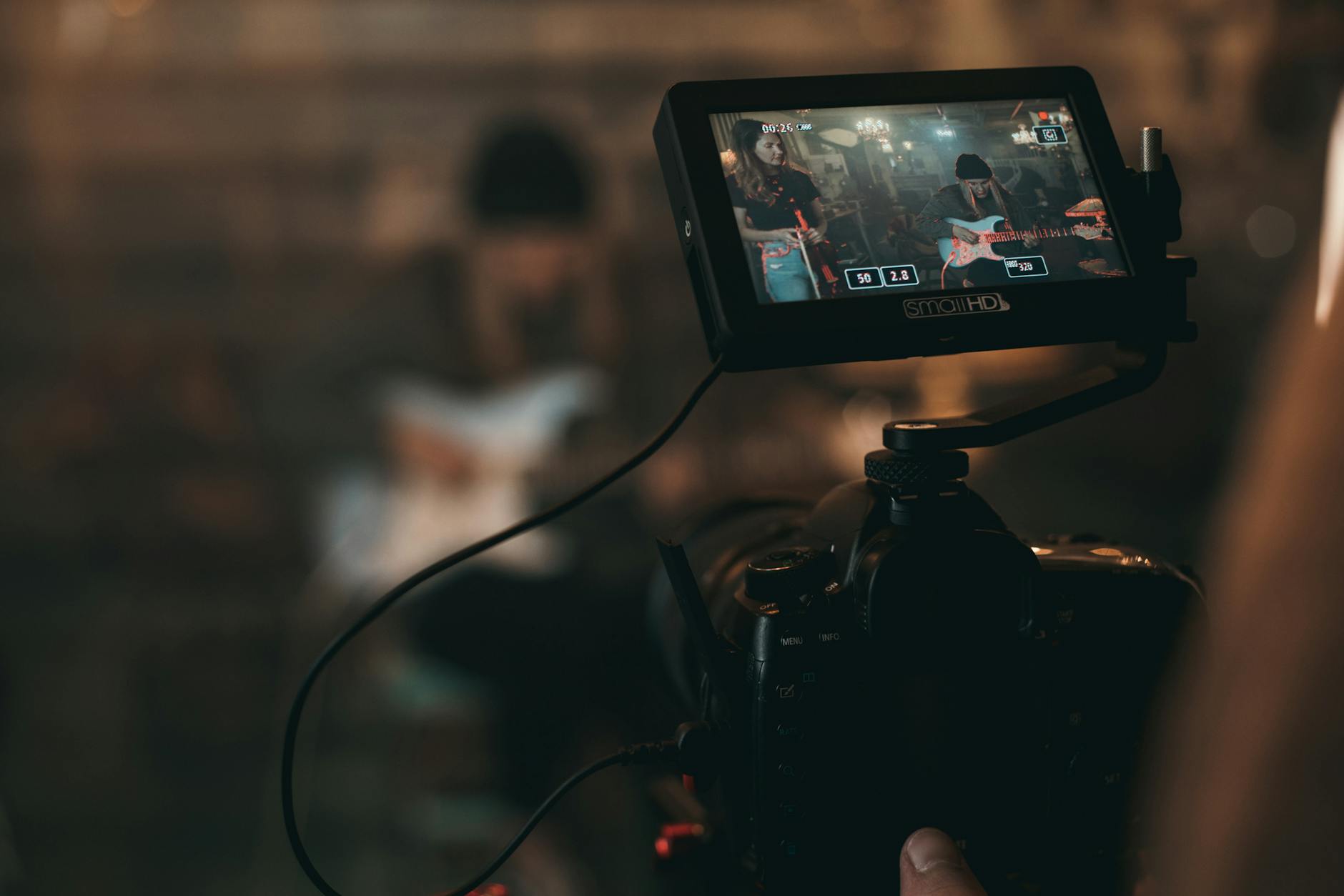
In high-profile live events, such as conferences, product launches, or sports broadcasts, having skilled production experts on board is essential for maintaining a professional appearance and delivering content seamlessly to audiences worldwide. Their technical expertise combined with strategic planning ensures that every aspect of the broadcast is polished, impactful, and aligned with the event’s goals. As technology continues to evolve, the role of live streaming production experts becomes even more critical in harnessing new tools and strategies to enhance broadcast quality and audience engagement.
Common Equipment and Technologies Used in Live Streaming Production
Effective live streaming hinges on the deployment of specialized equipment and cutting-edge technology. Production experts utilize a range of devices that ensure high-quality, reliable broadcasts. Essential components include professional video cameras capable of capturing multi-angle footage, switchers that allow seamless transitions between camera feeds, and audio mixing consoles to maintain sound clarity and balance. Additionally, high-grade encoders are employed to compress and transmit video data efficiently, minimizing latency and buffering issues.
In terms of infrastructure, robust internet connections with sufficient bandwidth are fundamental. Experts often set up dedicated fiber optic lines or bonded internet solutions to guarantee a stable stream. Asset management software assists in coordinating multiple equipment sources and streamlining workflows. The integration of hardware streaming servers and content delivery networks (CDNs) enables the reliable distribution of content to diverse platforms and geographic locations.
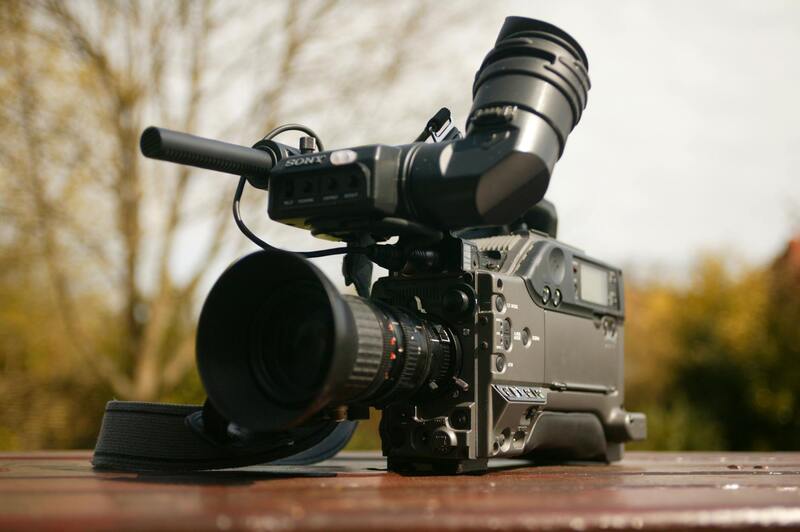
Emerging technological advances include the utilization of cloud-based production tools, which facilitate remote management and multi-site collaborations. Virtual sets and augmented reality overlays also enhance viewer engagement, providing immersive visual experiences. As live streaming technology continues to evolve, experts stay abreast of innovations such as 4K broadcasting capabilities, AI-driven analytics for viewer insights, and automated content moderation tools, which collectively elevate the production quality and operational efficiency.
Best Practices for Ensuring Successful Live Streaming Events
Achieving a flawless live broadcast requires meticulous planning and adherence to proven best practices. First, comprehensive pre-production preparations are critical. This involves conducting technical rehearsals to test all equipment, securing backup solutions for essential devices, and establishing clear communication protocols among the production team. Assigning specific roles ensures everyone understands their responsibilities during the event, reducing the likelihood of errors.
On the day of the broadcast, experts monitor the stream continuously, adjusting encoding settings or camera angles as needed. It’s crucial to have a dedicated team member overseeing internet stability, coordinating with internet service providers if necessary. Real-time diagnostics and quick troubleshooting are vital when unexpected issues arise, such as audio dropouts or video freezes.
Post-event, analysis of the stream’s performance provides insights to refine processes. Reviewing metrics such as viewer engagement, stream stability, and technical glitches helps to identify areas for improvement. Creating detailed post-mortem reports and implementing corrective measures ensures subsequent events benefit from previous learnings.
Advanced Technologies and Equipment Employed by Live Streaming Experts
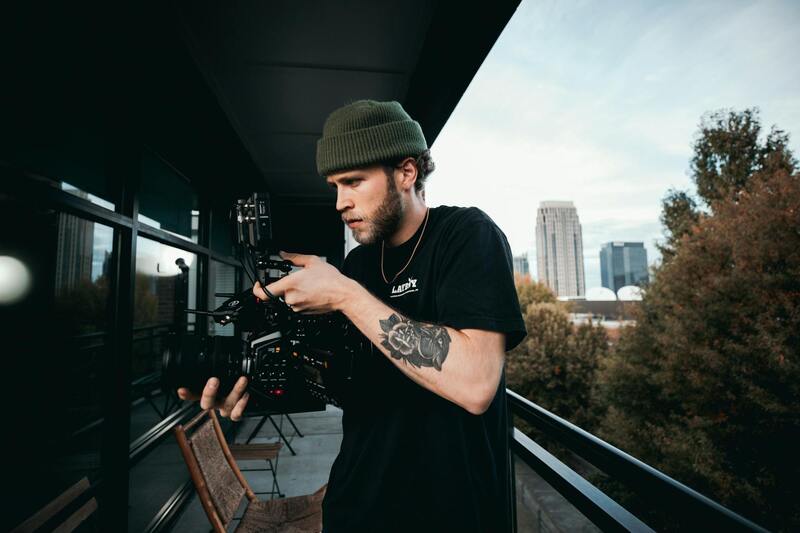
Live streaming production experts utilize a comprehensive array of hardware and software tools to ensure broadcast quality and reliability. High-definition cameras serve as the backbone of any professional stream, providing crisp visuals that engage viewers. These cameras are often equipped with pan-tilt-zoom (PTZ) capabilities, enabling smooth transitions and versatile framing during live events. Complementing the camera hardware, multi-channel video switchers facilitate real-time mixing of multiple feeds, offering seamless transitions and dynamic visuals.
Encoding hardware, such as hardware encoders or robust software solutions, compress and convert live audio-visual content into streamable formats compatible with various streaming platforms. Live production invariably requires top-tier audio equipment—including cardioid microphones, wireless systems, and audio mixers—to ensure clarity and minimize background noise. Additionally, expert technicians employ high-performance networking gear, such as managed switches and redundant internet connections, to maintain stable and uninterrupted streams.
Software tools play a crucial role in coordinating the live production process. Professional streaming software allows for real-time graphics overlays, branding elements, and on-screen text insertion, enhancing viewer engagement. Advanced chroma keying software is often used for green screen effects, enabling virtual backgrounds or thematic visuals. Additionally, cloud-based streaming platforms and content delivery networks (CDNs) are leveraged to distribute streams efficiently across multiple regions, reducing latency and buffering.
In addition to primary equipment, live streaming specialists incorporate auxiliary hardware like video extenders, mixers, and teleprompters, which enhance flexibility and streamline the production process. Regular maintenance, calibration, and upgrades of this equipment are essential to sustain high performance and adapt to technological innovations.
Understanding the Role of Live Streaming Production Experts
Live streaming production experts serve as the backbone of seamless online broadcasts, combining technical expertise with creative direction to deliver engaging content. Their responsibilities extend beyond basic camera operation, encompassing comprehensive planning, technical setup, real-time problem-solving, and post-event analysis. These professionals are skilled at managing complex workflows that involve multiple sources of audio and visual feeds, ensuring synchronization for a polished output.
One of the fundamental roles of live streaming production specialists is to coordinate all technical elements—cameras, audio, graphics, and streaming software—to work harmoniously. They carefully select and operate equipment best suited for the event’s requirements, such as multi-camera rigs for dynamic shots or high-fidelity microphones for crystal-clear sound. Their expertise also includes setting up redundant systems and backup plans to handle unforeseen technical issues, maintaining a professional and uninterrupted broadcast.
Moreover, these experts handle content integration and branding overlays, providing real-time graphics, lower thirds, and titles that enhance viewer engagement and comprehension. They employ specialized software to customize overlays, add transitions, and synchronize live inputs while monitoring stream health. Their proficiency in managing bandwidth and network infrastructure minimizes latency and buffering, which are critical to delivering a consistent viewing experience.
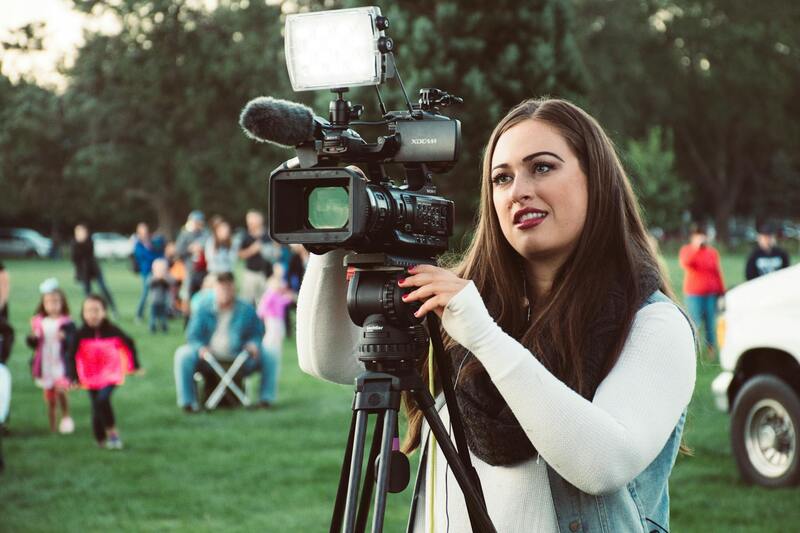
In addition to technological roles, live streaming production specialists act as coordinators, liaising with clients, performers, and technical teams to ensure the event aligns with strategic goals. They plan the event structure, schedule rehearsals, and manage the timing of segments to maintain a smooth flow. These experts also address legal and compliance considerations, verifying content rights and adhering to broadcasting standards.
Key Services Offered by Miami Live Streaming Agencies
Miami-based live streaming providers offer a spectrum of services that cater to diverse event needs, ranging from corporate conferences to entertainment festivals. Their offerings include end-to-end production management, ensuring that all stages of the live broadcast are expertly handled from initial planning to post-event analysis.
- Pre-Production Planning: This phase involves detailed coordination with clients to understand objectives, content requirements, and technical specifications. It includes site surveys, equipment selection, and schematic setup diagrams, ensuring every aspect of the event is preemptively addressed.
- Technical Setup and Integration: Experts set up cameras, audio systems, lighting, and streaming hardware tailored to the venue and event format. They also configure network infrastructure, including internet connections and servers, to support high-quality streams with minimal latency.
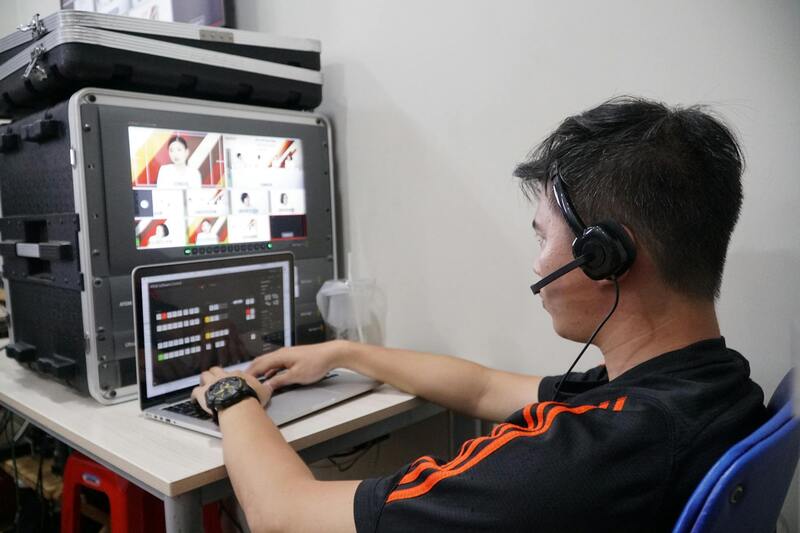
- Live Broadcast Execution: During the event, technicians monitor streaming quality, manage switching between multiple camera feeds, and implement graphics or overlays as needed. They coordinate with on-site staff to troubleshoot issues and ensure smooth transitions.
- Post-Event Services: After the live broadcast, agencies often provide recorded footage, analytics, and reports that assess viewer engagement, technical performance, and overall success. This data helps refine future live events.
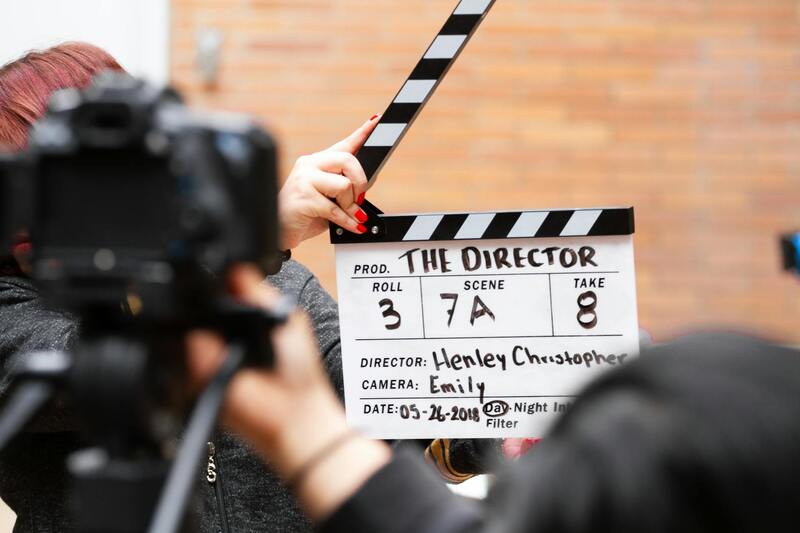
Clients benefit from these comprehensive services by focusing on content delivery while trusting technical precision to seasoned professionals. Whether the goal is audience engagement or broad digital outreach, Miami agencies tailor their solutions to meet specific organizational needs, employing industry-standard practices and state-of-the-art technology.
Understanding the Role of Live Streaming Production Experts
Live streaming production experts are highly skilled professionals responsible for orchestrating the seamless delivery of live video content from start to finish. Their expertise extends beyond mere operation of equipment; they serve as technical directors, project managers, and troubleshooting specialists, ensuring that every aspect of the broadcast aligns with the client’s objectives. These professionals possess in-depth knowledge of audiovisual technology, network infrastructure, and content management, enabling them to adapt and respond swiftly to dynamic event conditions. Their role is crucial in maintaining signal integrity, managing multiple camera feeds, integrating graphics, and verifying audio-visual synchronization. Additionally, live streaming experts often oversee the entire production workflow, from pre-event planning and content scheduling to post-event analysis, ensuring a cohesive and engaging viewer experience. The presence of seasoned professionals minimizes risks such as stream interruptions, quality degradation, or synchronization errors, providing clients with confidence that their message will be delivered with clarity and professionalism.
Key Services Offered by Miami Live Streaming Agencies
Miami-based live streaming agencies provide a comprehensive suite of services designed to accommodate the diverse needs of clients across sectors. These services typically include:
- Pre-Event Consultation: Involves detailed discussions to understand event goals, content goals, and technical requirements. This phase ensures that the production team tailors the setup to meet specific client expectations.
- Site Survey and Planning: Experts visit the venue to assess space, lighting conditions, electrical outlets, and internet connectivity. This step is crucial for designing a reliable production setup that can handle high-quality streams without interruption.
- Technical Setup and Equipment Integration: Deployment of professional-grade cameras, switchers, audio mixers, and streaming encoders. The team adapts equipment configuration to venue constraints and streaming platforms, ensuring optimal performance.
- Live Event Production: Real-time operation of streaming hardware, camera switching, multi-source management, and overlay graphics. This phase demands quick thinking and technical prowess to address unforeseen issues immediately.
- Post-Event Services: Delivery of recorded video, analytical reports on viewer engagement, and technical performance assessments. These insights support continuous improvement for future broadcasts.
Common Equipment and Technologies Used
High-quality live streaming relies on cutting-edge equipment and robust technological infrastructure. Miami experts typically employ:
- Professional Cameras: Multiple HD or 4K cameras with remote control capabilities for versatile shot options.
- Switchers and Encoders: Hardware or software tools that manage multiple video sources and compress streams for smooth transmission.
- Audio Equipment: Lavalier microphones, wireless microphones, and sound mixers to ensure clear audio pickup and mixing.
- Networking Hardware: Dedicated internet connections, routers, and network switches designed to support high-bandwidth data flow and redundancy.
- Lighting Systems: Stage lighting setups that enhance video quality and visibility under different venue conditions.

Best Practices for Successful Live Streaming Events
Achieving a flawless live event demands meticulous planning and execution. Key best practices include:
- Thorough Pre-Production Preparation: Detailed content scripts, technical checklists, and rehearsal sessions ensure all stakeholders are aligned.
- Reliable Internet Connectivity: Using dedicated or bonded internet connections minimizes the risk of stream interruption due to connectivity issues.
- Multiple Camera Angles and Sources: Employing diverse footage enhances viewer engagement and offers professional production value.
- On-Site Technical Support: Having a team of live streaming experts available during the event allows for immediate troubleshooting and adjustments.
- Clear Communication Protocols: Establishing effective communication channels between technical staff and event coordinators ensures swift decision-making and problem resolution.
- Post-Event Analysis: Reviewing analytics and viewer feedback helps refine techniques and equipment setups for subsequent streams.
Implementing these strategies significantly reduces the likelihood of technical issues, ensuring a professional and engaging broadcast that resonates with viewers and meets the objectives set by clients. The combination of advanced technology, comprehensive planning, and experienced personnel creates a seamless live streaming experience that delivers on quality and reliability.
Understanding the Role of Live Streaming Production Experts
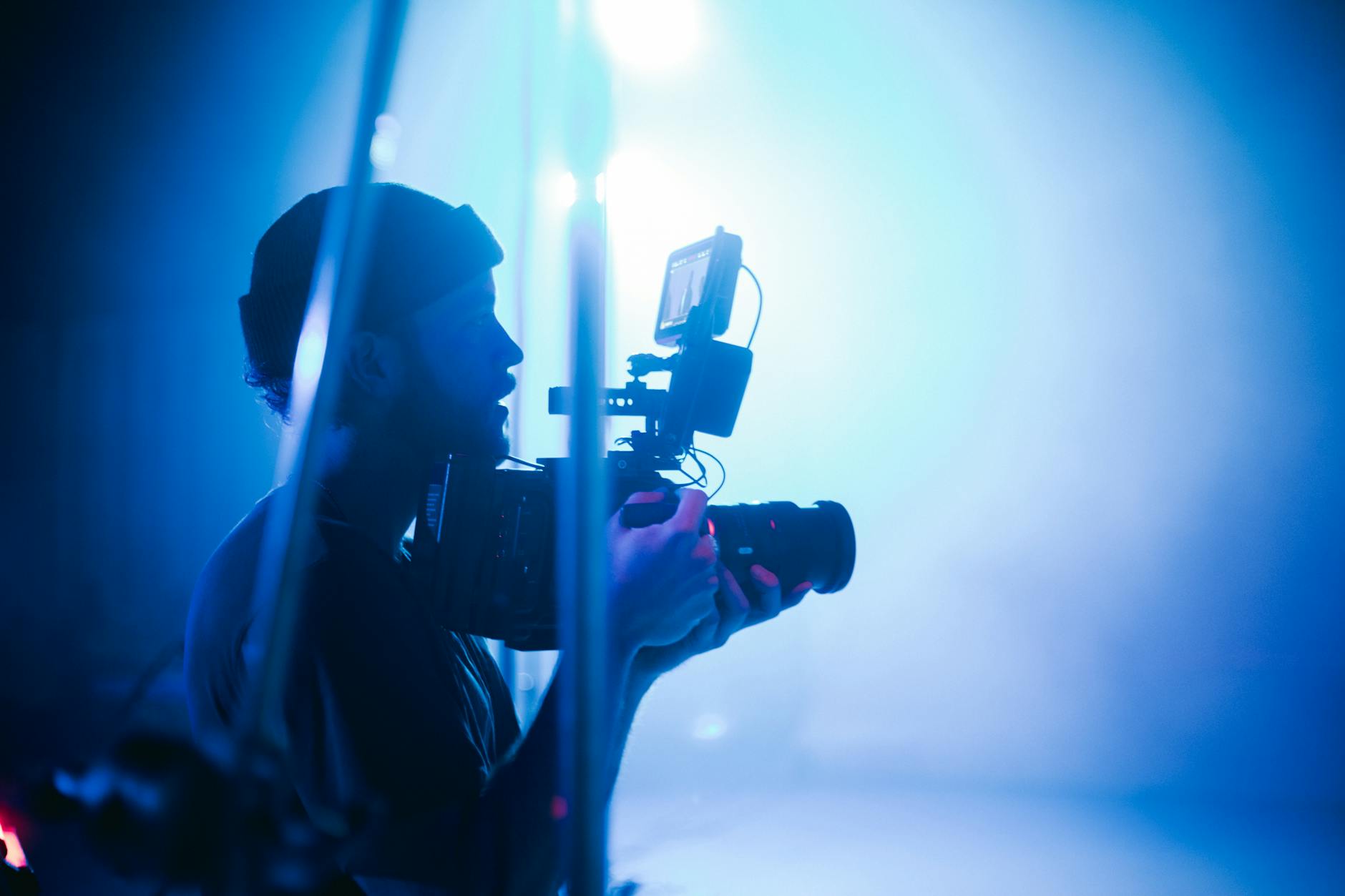
Live streaming production experts play a crucial role in transforming a simple broadcast into a compelling visual experience that engages viewers and meets the specific objectives of each event. These professionals possess a diverse skill set that encompasses technical mastery, creative vision, and project management capabilities. Their primary responsibility is to oversee every aspect of the live stream—from pre-production planning to real-time execution and post-event review—ensuring that the broadcast runs seamlessly without technical disruptions.
Expert live streaming producers are skilled in managing multi-camera setups, integrating various audio and visual sources, and operating sophisticated broadcasting equipment. They are adept at synchronizing live feeds, managing switching between different views, and ensuring high-quality audio-visual delivery. Additionally, they coordinate with content creators, event organizers, and technical teams to implement strategies that optimize audience engagement and transmission stability.
Beyond the technical side, these professionals also focus on content delivery, ensuring that the visuals align with the event's branding and messaging goals. Their experience allows them to anticipate potential issues and implement contingency plans to maintain broadcast continuity. The best live streaming production experts consistently leverage industry best practices, cutting-edge technology, and adaptive problem-solving skills to deliver professional-grade streams, regardless of the event size or complexity.
Key Attributes of Live Streaming Professionals
- Technical proficiency with industry-standard streaming hardware and software
- Strong understanding of internet infrastructure and network security
- Creative insight into visual storytelling and branding integration
- Ability to troubleshoot unexpected technical challenges swiftly
- Excellent communication and teamwork skills to coordinate multifaceted operations
The ability of these experts to operate under pressure while maintaining high standards of quality makes them invaluable for live events across various industries, including corporate, entertainment, education, and community initiatives. They serve as the backbone of successful live streaming projects, translating vision into a real-time, broadcast-ready format that captivates audiences and achieves event success.
Understanding the Role of Live Streaming Production Experts
Live streaming production experts serve as the pivotal force behind successful digital broadcasts, ensuring every element of an event is seamlessly transmitted to online audiences. Their responsibilities extend beyond mere technical setup, encompassing comprehensive planning, content coordination, and real-time troubleshooting. These professionals possess an in-depth understanding of both the technical and creative aspects of live streaming, enabling them to deliver high-quality, engaging content across multiple platforms.
Their expertise includes managing complex workflows that integrate audio-visual components, network configurations, and software solutions, all tailored to meet the specific needs of each event. From corporate conferences and product launches to entertainment festivals and educational seminars, live streaming professionals ensure that the broadcast remains stable, visually appealing, and aligned with the client’s messaging goals. They are adept at handling unforeseen technical issues swiftly, minimizing disruptions and preserving the event's professionalism.
Advanced training and experience allow these specialists to operate a diverse array of equipment—from high-definition cameras and specialized switchers to encoders and streaming servers. Their strategic approach involves meticulous pre-event planning, including site surveys and equipment testing, to reduce risks. During the live event, they coordinate all technical elements, monitor stream quality, and make real-time adjustments as necessary. Post-event, they often provide comprehensive reports and analytics, helping clients understand viewer engagement and optimizing future broadcasts.
By aligning technical precision with creative storytelling, live streaming experts enable brands and organizations to reach wider audiences, foster engagement, and elevate their digital presence. Their role is essential in translating vision into high-fidelity broadcasts that captivate viewers and reinforce the event’s objectives.
Key Services Offered by Miami Live Streaming Agencies
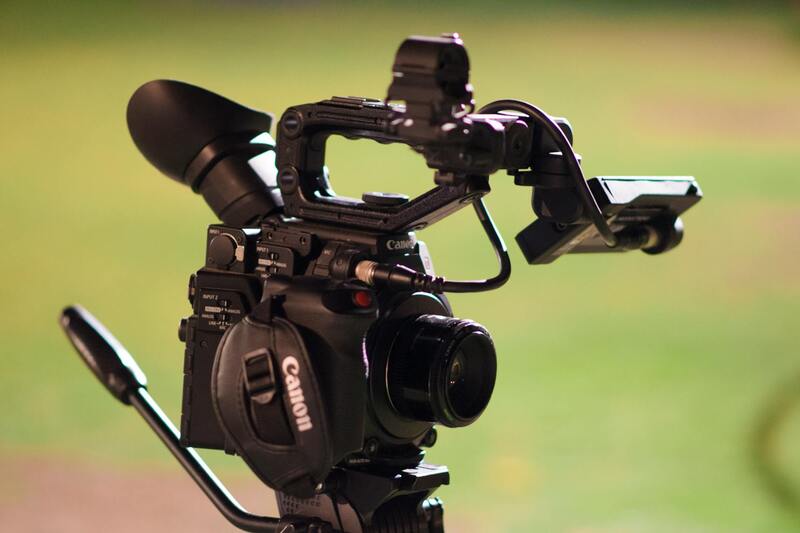
Miami-based live streaming agencies provide a comprehensive suite of services designed to facilitate professional and impactful broadcasts. These agencies deliver end-to-end solutions, encompassing planning, technical setup, execution, and post-event analysis.
- Pre-Event Consultation: Assessment of venue requirements, technical needs, and content strategy to tailor the streaming plan accordingly.
- Equipment Provision: Deployment of state-of-the-art cameras, audio gear, lighting setups, and encoders tailored to the event’s scale and scope.
- Multi-Platform Streaming: Simultaneous broadcasting across multiple channels such as Facebook Live, YouTube, and proprietary websites to maximize reach.
- Production Management: Coordination of all technical elements, including switching between camera angles, adding graphics, and integrating live feeds.
- Audio-Visual Enhancement: Improving sound clarity and visual quality through professional mixing and lighting techniques.
- Monitoring & Troubleshooting: Real-time oversight of stream quality, with immediate resolution of any technical hitches that may arise.
- Post-Event Reporting: Analytical insights into viewer engagement and performance metrics to inform future live streaming strategies.
Common Equipment and Technologies Used
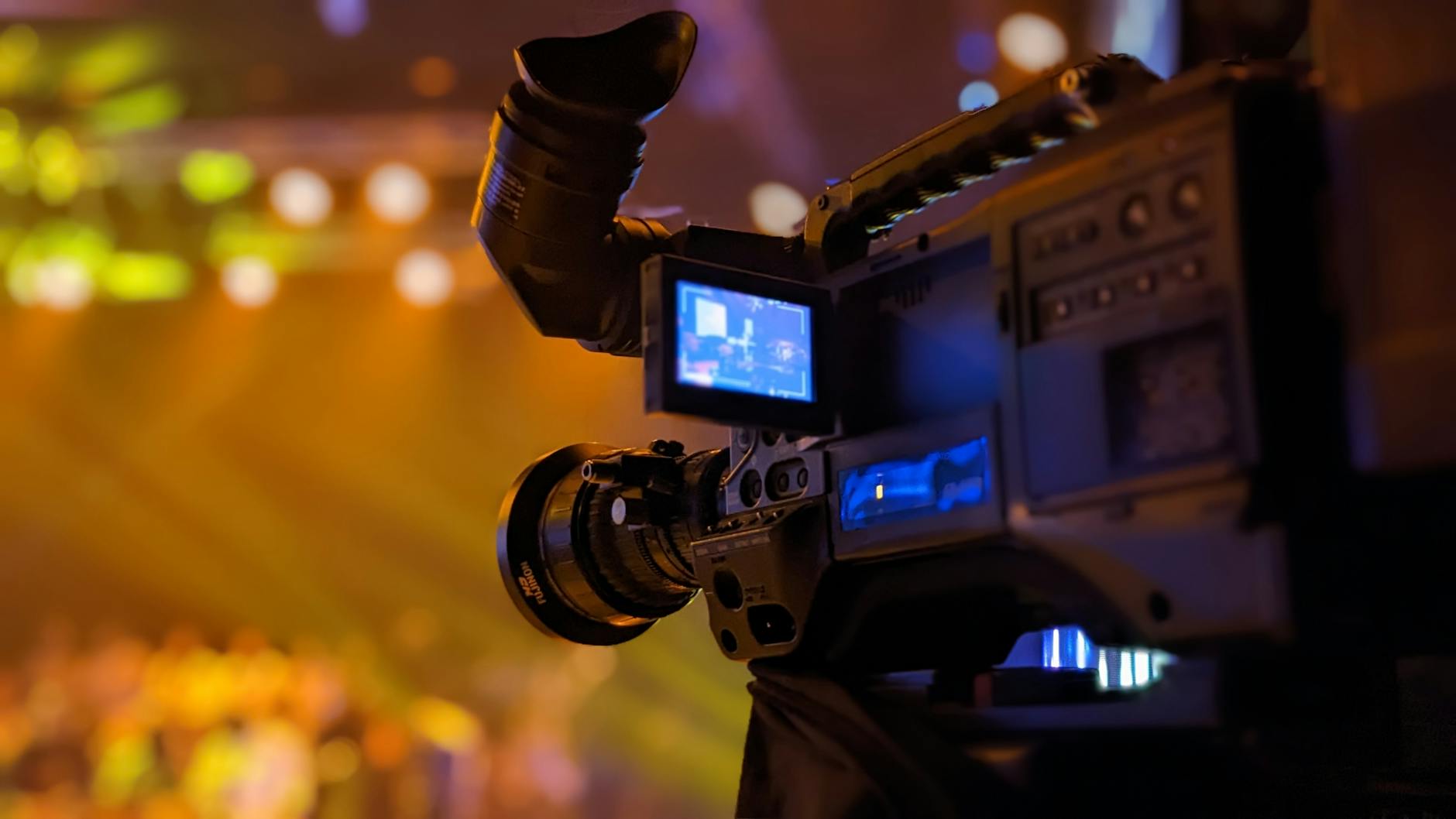
Effective live streaming hinges on a collection of advanced equipment and software designed to deliver high-quality broadcasts under varying conditions. The core hardware components typically include high-definition cameras, professional audio mixers, and encoders that convert video signals into streaming formats.
Software solutions play a critical role in managing live content. These encompass streaming platforms, video switchers, graphic overlays, and real-time analytics tools. Cloud-based services are increasingly integrated to facilitate redundancy and scalability, especially for large or complex events.
Network infrastructure is equally important, with dedicated internet connections and backup protocols like cellular bonding to maintain stream stability. These technologies enable live streaming experts to adapt swiftly to changing circumstances and ensure consistent delivery regardless of external factors.
Additional equipment such as stabilization rigs for mobile filming, wireless microphones, and advanced lighting enhance the production quality. When combined, these tools empower technicians to deliver broadcasting experiences that are polished, engaging, and technically sound.
Understanding the Role of Live Streaming Production Experts
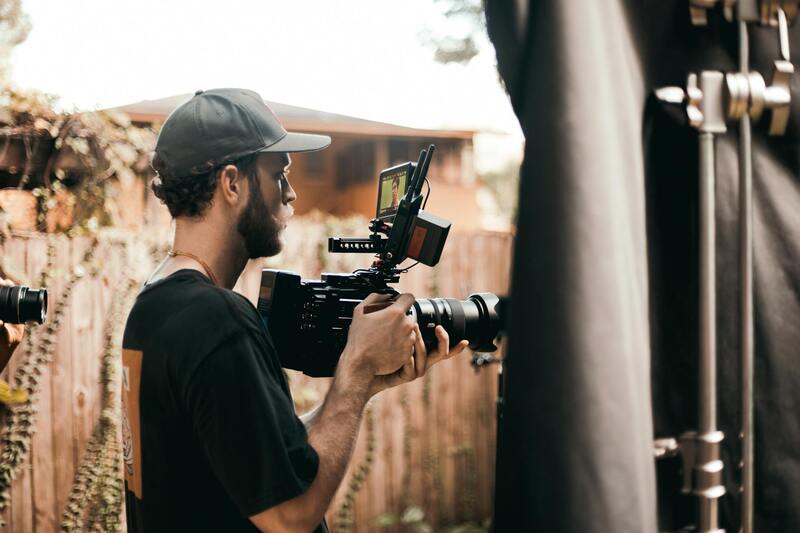
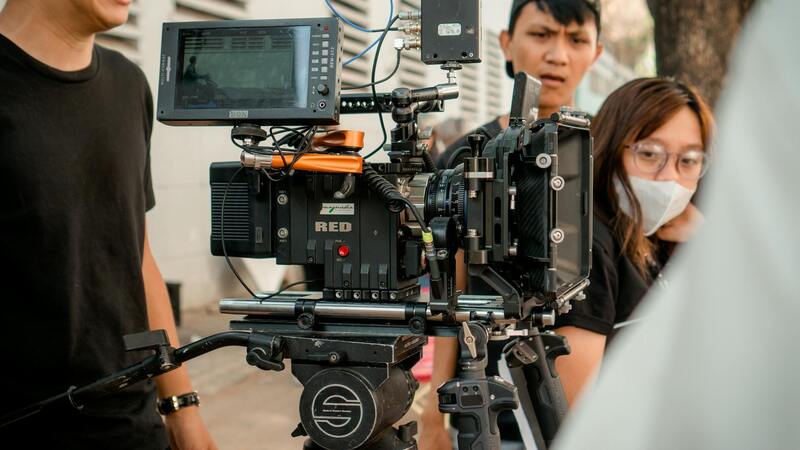
Live streaming production experts are professionals dedicated to delivering high-quality digital broadcasts that engage audiences effectively across various platforms. Their expertise spans technical proficiency, creative vision, and strategic planning, all aimed at producing seamless and professional live events. These specialists coordinate various elements such as camera operations, audio quality, video switching, and encoding to ensure each broadcast meets the desired standards. Their role extends beyond mere operation of equipment, involving meticulous planning, real-time troubleshooting, and adherence to best practices that guarantee a smooth viewing experience. Understanding the intricacies of live streaming allows organizations to leverage these experts' capabilities fully, ensuring their content reaches viewers without interruption or quality loss.
Key Services Offered by Miami Live Streaming Agencies
- Comprehensive Event Planning and Consultation: Tailoring streaming strategies to fit specific event goals and audience engagement requirements.
- Pre-Production Support: Including content scheduling, technical rehearsals, and equipment setup to ensure readiness for broadcast.
- Professional Camera Work and Live Switching: Capturing high-definition video from multiple angles and managing live edits for a polished presentation.
- Audio Engineering: Ensuring crystal-clear sound quality using advanced mixing techniques and wireless microphones.
- Encoding and Streaming Management: Utilizing cutting-edge hardware and software solutions to deliver stable streams across multiple platforms.
- Graphics and Overlays: Incorporating real-time graphics, lower thirds, and branding elements to elevate the visual appeal of the broadcast.
- Post-Event Analytics and Reporting: Analyzing viewer engagement metrics for continuous improvement of future streams.
Additional Custom Services
- Multi-Camera Production: Executing complex setups for large events such as conferences, concerts, or webinars.
- Social Media Integration: Broadcasting directly to various social channels to maximize outreach.
- On-Site Technical Support: Providing immediate assistance during live events to solve unforeseen technical issues.
- Content Archiving and On-Demand Delivery: Offering recording and distribution options post-broadcast for extended reach.
Common Equipment and Technologies Used
Modern live streaming relies heavily on advanced hardware and software components designed to optimize video and audio delivery. High-definition (HD) and 4K cameras are essential for crisp, professional visuals, often mounted on stabilization rigs to ensure steady footage. Professional-grade audio mixers facilitate clear sound capture, essential for engaging viewers. Encoders are crucial for converting raw video signals into streaming-compatible formats, allowing real-time transmission over the internet.
Software tools play a vital role in the production process. Video switchers enable seamless transitions between camera feeds, while graphic overlay systems add visual elements such as titles and branding. Live analytics platforms help monitor stream performance and viewer engagement, providing data-driven insights for adjusting content delivery in real time.
Network infrastructure is equally critical, with dedicated internet connections and backup protocols in place to prevent interruptions. Cloud-based streaming solutions enhance scalability and reliability, supporting large audiences and complex event setups. Additional equipment such as wireless microphones, lighting rigs, and mobile camera units further elevate production quality, making broadcasts more engaging and visually appealing.
Best Practices for Successful Live Streaming Events
- Thorough Planning and Rehearsals: Schedule comprehensive run-throughs to identify potential issues and familiarize the team with the event flow.
- Quality Equipment Setup: Use professional-grade hardware to ensure high-definition visuals and clear audio.
- Robust Network Connections: Secure dedicated, high-speed internet with backup options to maintain broadcast stability.
- Clear Communication Channels: Use real-time communication tools among team members for quick coordination and troubleshooting.
- Engagement Strategies: Incorporate multimedia overlays, live polls, and Q&A sessions to interact with viewers effectively.
- Post-Event Follow-Up: Analyze performance metrics, gather feedback, and archive content for future use.
Challenges in Live Streaming and How Experts Address Them
Live streaming is inherently complex, with potential technical issues such as bandwidth limitations, equipment failures, and latency problems. Experts proactively mitigate these risks through meticulous planning, including pre-event system checks, redundant hardware setups, and reliable network configurations. They implement real-time troubleshooting protocols to address unexpected glitches promptly, minimizing viewer disruptions. Additionally, professional experts stay updated with emerging technologies and industry standards, enabling them to adapt quickly to evolving broadcast requirements. This proactive approach ensures that the stream maintains high quality and consistency, even under challenging circumstances.