
Understanding live stream services production in Miami
Live stream services production encompasses a comprehensive array of processes involved in broadcasting live events through digital platforms. This practice combines advanced technology, skilled personnel, and strategic planning to deliver seamless, high-quality content to audiences in real time. For businesses and organizations based in Miami, harnessing professional live stream production can significantly enhance brand visibility, engagement, and reach, especially in a city renowned for its vibrant events, cultural festivals, corporate conferences, and entertainment industry.
In the dynamic landscape of Miami, where live events frequently attract diverse audiences both onsite and online, professional live stream production ensures that each moment is captured and transmitted with clarity, audio fidelity, and visual impact. From small corporate meetings to large-scale music festivals, effective live streaming can extend the event’s lifespan and accessibility, allowing viewers who cannot attend physically to participate virtually.
Moreover, the significance of live stream services extends beyond mere broadcast. It involves meticulous planning, real-time technical management, and post-event content optimization, all aimed at delivering a polished viewer experience. For Miami-based enterprises and event organizers, partnering with competent live stream production providers can mean the difference between an underwhelming broadcast and an engaging, professional presentation that resonates with audiences and amplifies their message.
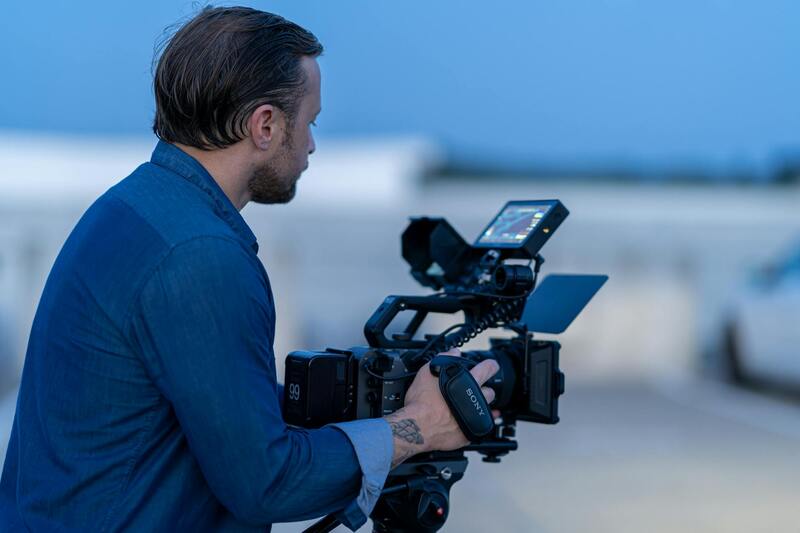
By understanding the core aspects of live stream services production, organizations in Miami can better strategize their digital broadcasting efforts, ensuring they leverage every opportunity to connect with their target markets effectively. The role of expert production teams is crucial in navigating the technical complexities and creative nuances that make a live stream compelling and reliable, especially in a city characterized by its diverse, fast-paced events and cultural vibrancy.
Key components of live stream production
Successful live streaming in Miami hinges on the seamless integration of several critical components that work together to deliver a high-quality broadcast. These components include advanced video capture technology, reliable encoding solutions, robust transmission channels, and user-friendly streaming platforms. Each element must be carefully selected and managed to accommodate the specific needs of the event, whether it’s a corporate conference, a music concert, or a community festival.
At the core of live stream production is the video capture system. Professional-grade cameras, such as HD or 4K camcorders, are essential for ensuring crisp visuals with accurate color reproduction. Multiple cameras might be employed to provide dynamic perspectives, especially during performances or multi-speaker panels. The choice of camera angles, framing, and lighting conditions directly impacts the overall visual quality and viewer engagement.
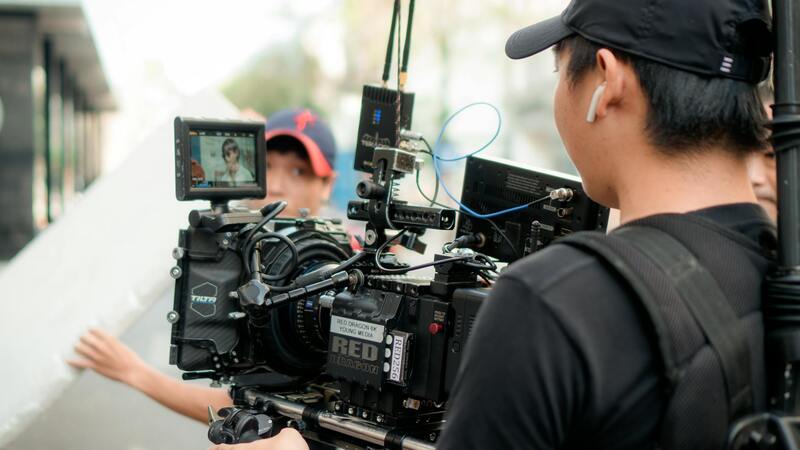
The captured footage must then be encoded using specialized hardware or software encoders. These devices compress the video feed into formats suitable for internet transmission, balancing quality with bandwidth efficiency. Proper encoding ensures minimal latency and prevents buffering issues, which are critical for maintaining viewer satisfaction. Many providers utilize adaptive bitrate streaming technologies, dynamically adjusting quality based on the viewer’s internet speed.
Transmission relies on stable and high-capacity internet connections. Miami-based live stream production teams often leverage fiber optic internet or dedicated bandwidth solutions to guarantee continuous, interruption-free broadcast signals. The choice of streaming platform is equally important; leading platforms offer compatibility with multiple devices, advanced security features, and analytics tools to monitor viewer engagement and performance metrics.
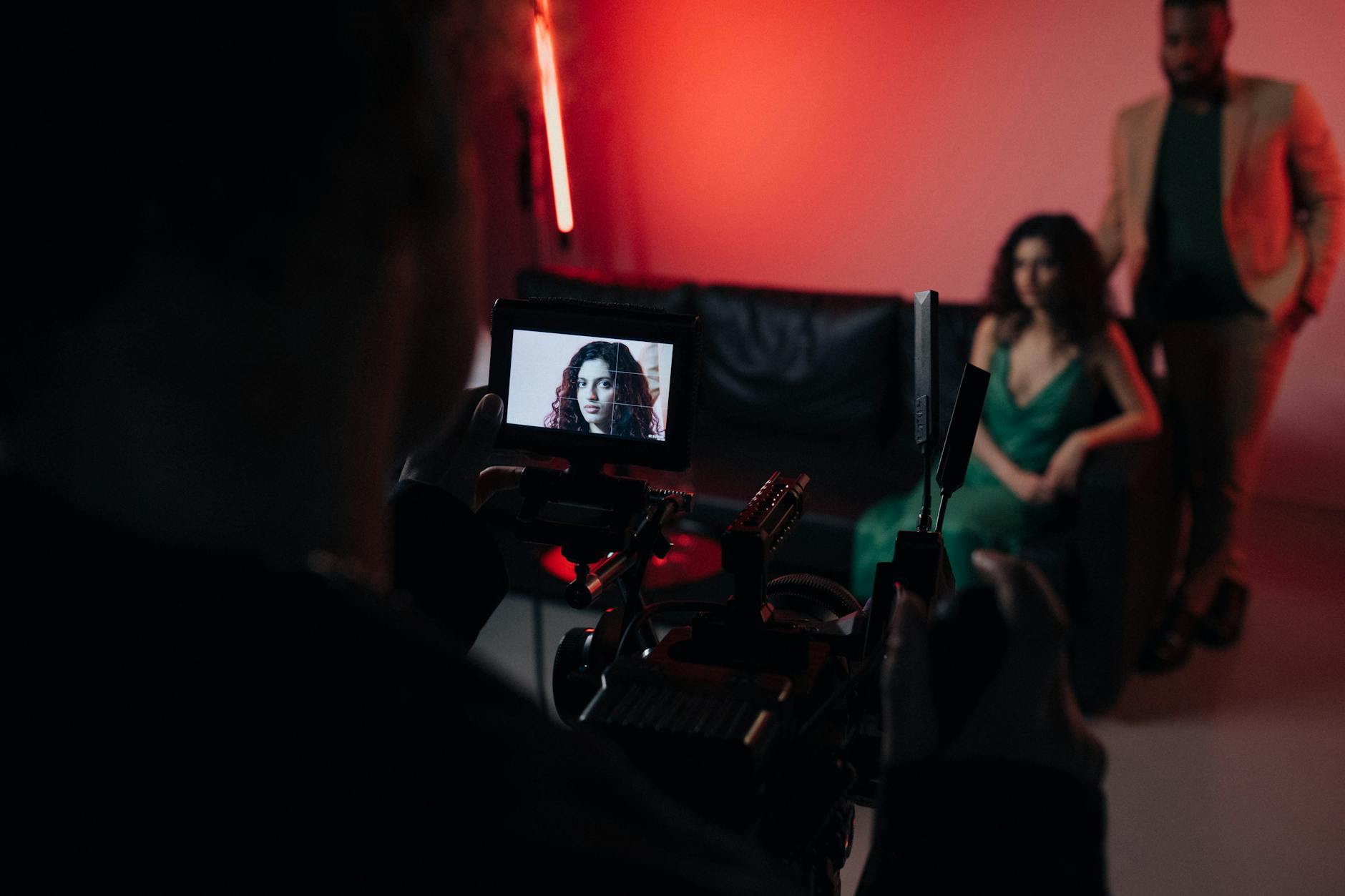
In addition, integrating audio technology such as high-fidelity microphones, mixing consoles, and audio processors ensures the sound quality extends to online viewers. Synchronizing audio and video feeds is essential for delivering an authentic event experience. All these components require meticulous setup, testing, and continuous monitoring during the live broadcast to adapt to any unforeseen technical issues promptly.
Planning and pre-production for live streaming events
Effective live stream production begins long before the event takes the virtual stage. It involves comprehensive planning, which encompasses defining the event's goals, audience analysis, and technical requirements. Early planning sessions help identify necessary equipment, personnel, and logistics for a smooth operation. This phase also includes script development, storyboard creation, and determining camera placements to maximize visual coverage.
Pre-production coordinators work closely with clients to establish a clear communication plan, assigning roles and responsibilities to the technical team, hosts, and on-screen talent. Conducting test runs and rehearsals is vital to troubleshoot potential issues and refine the technical setup. For multi-camera productions, rehearsals ensure camera operators are familiar with cues, angles, and transitioning techniques. This preparation fosters confidence and guarantees that on the day of the event, every aspect runs seamlessly.
Technical Equipment and Infrastructure Requirements
Successful live stream services production in Miami hinges on deploying robust technical infrastructure and high-quality equipment. The backbone of any professional live broadcast comprises several key components that work synergistically to deliver a seamless viewing experience. At the core, high-definition cameras are essential, offering varying angles to capture real-time events with clarity and vividness. These cameras are typically supported by professional-grade video switchers and streaming encoders, which facilitate live switching, graphics overlay, and real-time encoding to ensure a smooth broadcast feed.
An optimized network infrastructure is equally critical. Reliable internet connectivity with sufficient upload bandwidth prevents interruptions and buffering issues that could impair viewer engagement. Redundant internet connections are often employed as a safeguard, allowing seamless switching between primary and backup feeds in case of connectivity failure.
Audio quality significantly impacts overall production value. Deployment of lavalier microphones, shotgun mics, and mixing consoles ensures clear, consistent sound. Proper audio mixing and processing can eliminate background noise, balance multiple inputs, and synchronize sound with video streams. This synchronization is vital for maintaining professional standards and viewer immersion.
Lighting equipment tailored to the venue and event type enhances visual clarity and focus. Effective lighting setups highlight key subjects and create appealing visual aesthetics, especially crucial in multi-camera setups where different angles highlight various aspects of the event.
Figure placeholder for equipment setup preview: 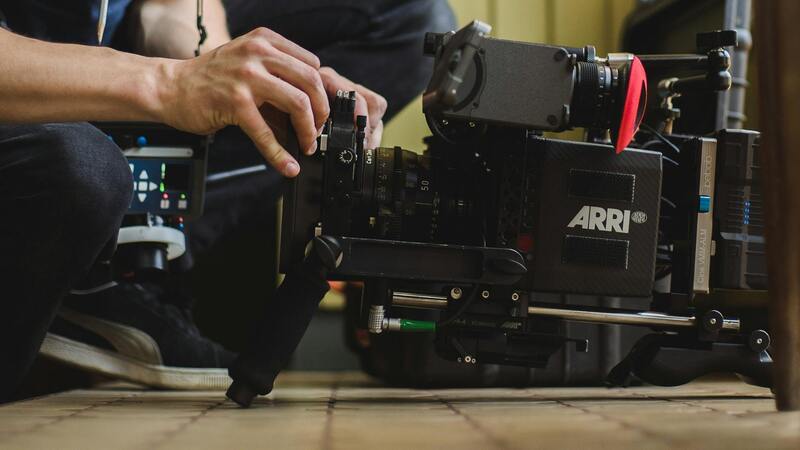
Technical Equipment and Infrastructure Requirements
Reliable live stream services production hinges on a suite of advanced hardware and software components. High-definition cameras, including 4K-capable models, are essential for capturing crisp visuals that engage viewers across various devices. These cameras should be paired with professional-grade video switchers and mixers, allowing operators to seamlessly transition between different angles or sources, creating a dynamic viewing experience.
Encoding hardware plays a crucial role in converting high-quality video signals into compressed streams suitable for the internet. Hardware encoders, such as streaming appliances or dedicated software solutions, ensure smooth transmission with minimal latency. They support various streaming protocols, including RTMP, HLS, and DASH, facilitating compatibility with multiple platforms.
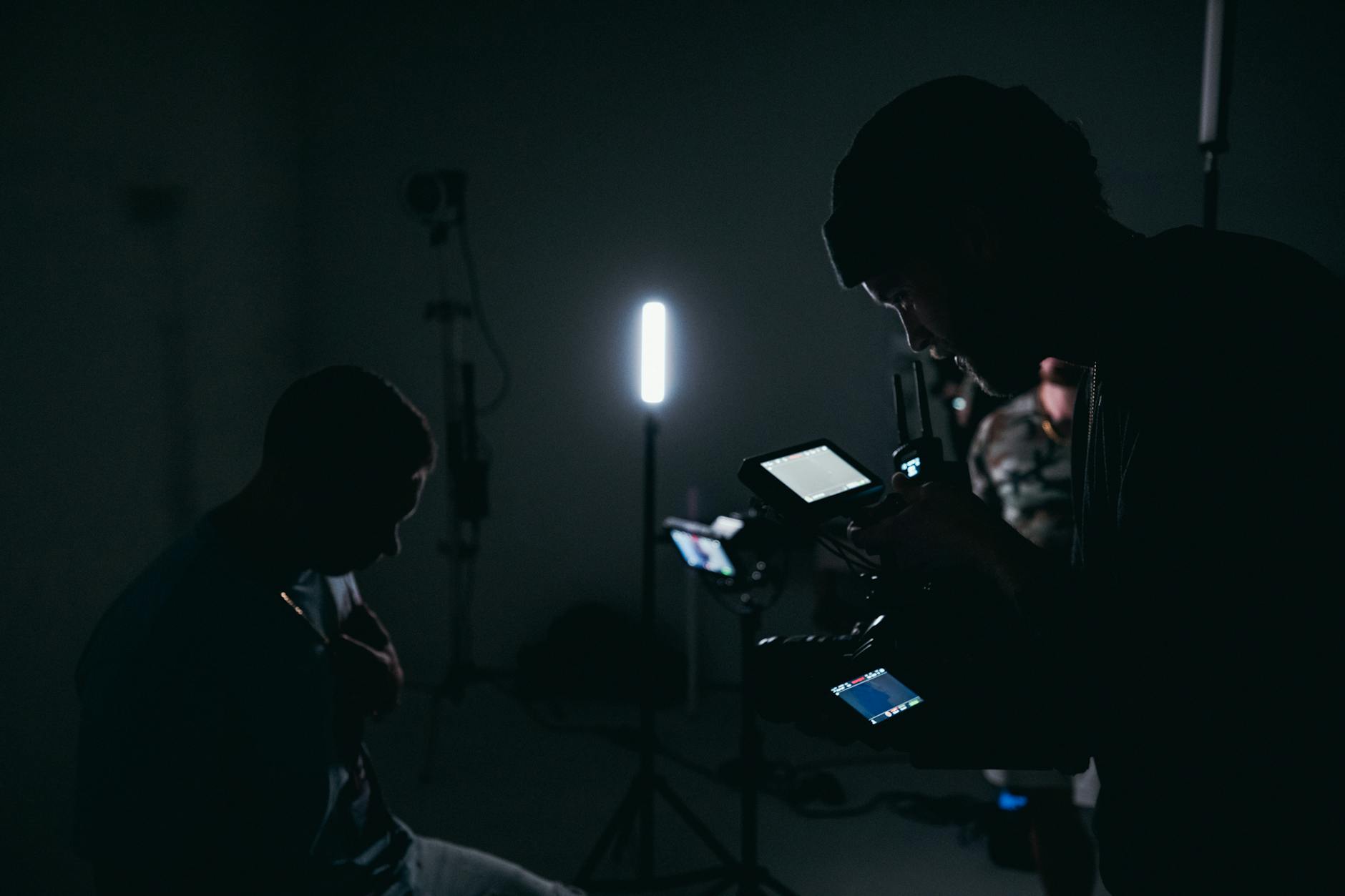
Network infrastructure must be robust and resilient. High-speed fiber-optic connections with sufficient upload bandwidth are essential to maintain consistent stream quality, especially during events with high viewer demands. Deploying dedicated internet lines or bonded network solutions helps optimize bandwidth and reduce disruptions.
Additional hardware elements include audio mixers and microphones of studio quality, which are vital for capturing clear sound. Auxiliary devices such as video extenders, graphic inserters, and multi-view monitors enable operators to manage complex live feeds efficiently.
Software solutions for content management, graphics integration, and real-time editing further enhance production quality. These tools enable real-time captions, branding overlays, and visual effects that elevate the overall viewer experience.
Execution and Real-Time Management
During live events, continuous monitoring of video feeds, audio clarity, and network stability is critical. Production teams leverage specialized software to oversee multiple streams, instantly addressing technical issues as they arise. Implementing redundant systems, such as backup encoders and secondary internet connections, ensures uninterrupted streaming even in unforeseen circumstances.
Multi-platform distribution involves preparing different output formats tailored for various social media, websites, or broadcast channels. Employing content delivery networks (CDNs) helps to distribute streams efficiently, reducing latency and buffering for viewers regardless of their location.
Post-Production and Content Optimization
After the live broadcast concludes, professional editing allows for the refinement of content. This includes trimming unnecessary sections, adding graphics, overlays, and subtitles to enhance accessibility and engagement. Archive footage can be repurposed for promotional materials or on-demand content, extending the lifespan of the event.
Optimizing streaming files and metadata ensures better discoverability on digital platforms. Analyzing viewer metrics and engagement reports provides valuable insights into audience preferences, guiding future content strategies.
Understanding live stream services production in Miami
The process of live stream services production in Miami encompasses a comprehensive approach to broadcasting events with precision, clarity, and maximum engagement. Professionals in this field utilize advanced technologies and expert workflows to deliver content that meets high standards of quality and reliability. Live stream production involves multiple phases, from meticulous planning and pre-production preparations to on-the-fly management during the event and post-broadcast content optimization. Leveraging this structured approach ensures that every live event maintains a professional edge and resonates with the intended audience.
Key components of live stream production
- Video Cameras and Capture Devices: High-definition cameras and professional capture equipment are fundamental for delivering sharp, clear visuals. Depending on the event scale, multiple camera angles and robotic cameras might be employed to provide dynamic viewing experiences.
- Audio Systems: Clear sound quality is vital for audience engagement. Wireless microphones, mixing consoles, and audio processing units work together to capture and refine live audio feeds, eliminating background noise and ensuring speech clarity.
- Encoding and Streaming Hardware: Encoders transform raw video and audio signals into digital streams compatible with various platforms. Hardware encoders are often preferred for their stability and real-time processing capabilities.
- Network Infrastructure: A robust and high-speed internet connection is non-negotiable. Redundant internet pathways and backup systems safeguard against disruptions, ensuring continuous streaming throughout the event.
- Production Crew and Operators: Skilled technicians manage camera switching, audio levels, and stream encoding. Their expertise in problem-solving and real-time adjustments guarantees a smooth broadcast.
Planning and pre-production for live streaming events
Pre-production is the foundation of successful live streaming. It involves strategic planning to define the event's objectives, target audience, and desired outcomes. Pre-visualization of camera shots, audio setup, and technical workflows help streamline the live operation. Collaboration with event organizers and stakeholders ensures alignment on branding, messaging, and content delivery expectations.
Creating a detailed production plan covers all technical requirements, timing schedules, and contingency measures. This prep work minimizes uncertainties and guarantees seamless coordination during the live event. Additionally, rehearsals are essential to troubleshoot potential issues, synchronize equipment, and familiarize team members with the event flow.
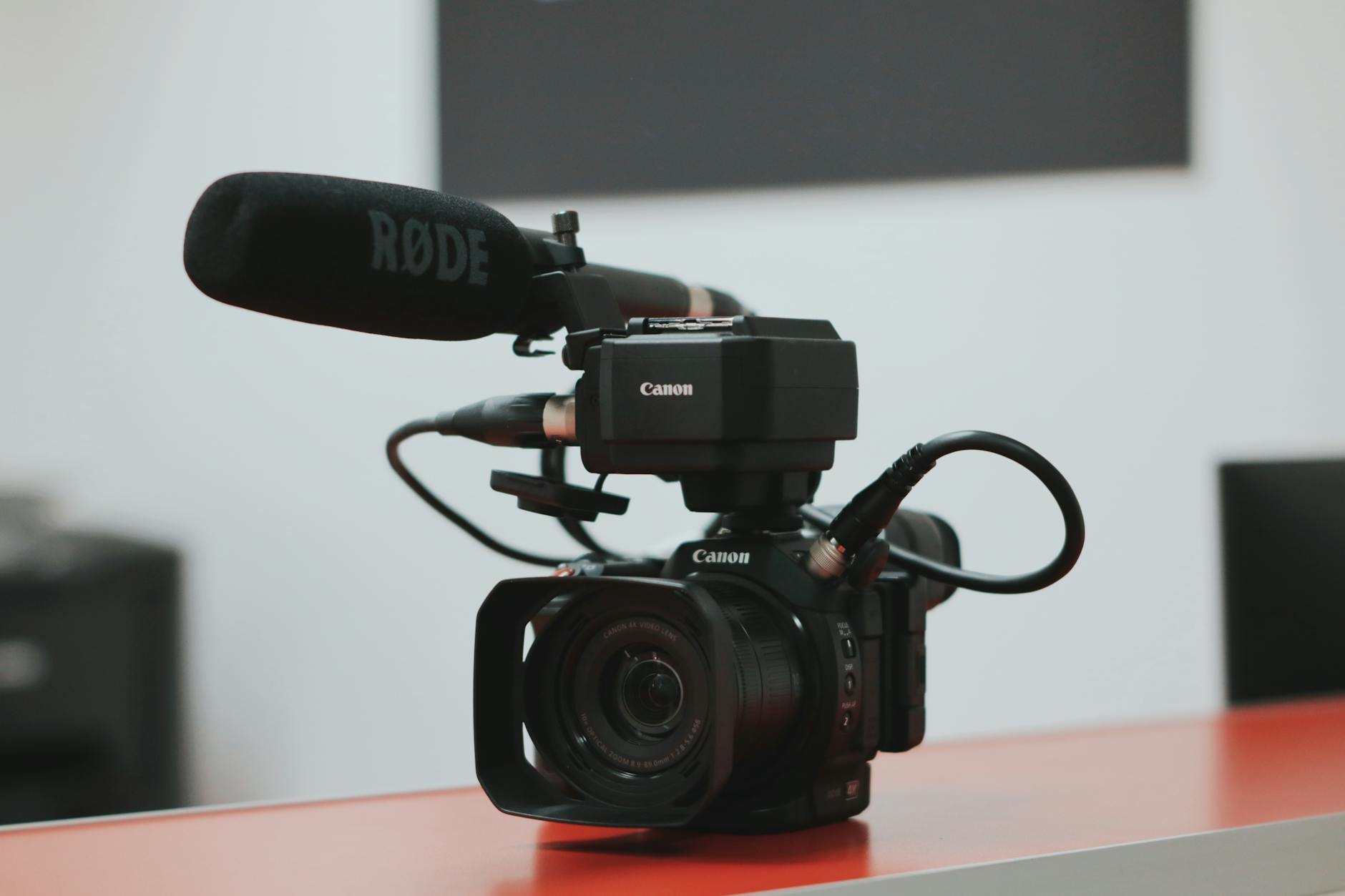
Technical equipment and infrastructure requirements
Effective live stream services depend heavily on the quality and reliability of technical infrastructure. High-speed internet with sufficient bandwidth allows real-time data transfer without buffering. Deployment of Content Delivery Networks (CDNs) facilitates efficient distribution, especially when streaming to multiple platforms or audiences across geographic locations.
Advanced hardware, including professional-grade encoders, video switchers, and resilient server systems, underpin the stability of the broadcast. Backup systems, such as secondary encoders and alternative internet connections, protect against outages, ensuring uninterrupted streaming. Video mixing consoles and integrated graphics systems enable dynamic visuals, overlays, and branding elements, enriching the viewer experience.
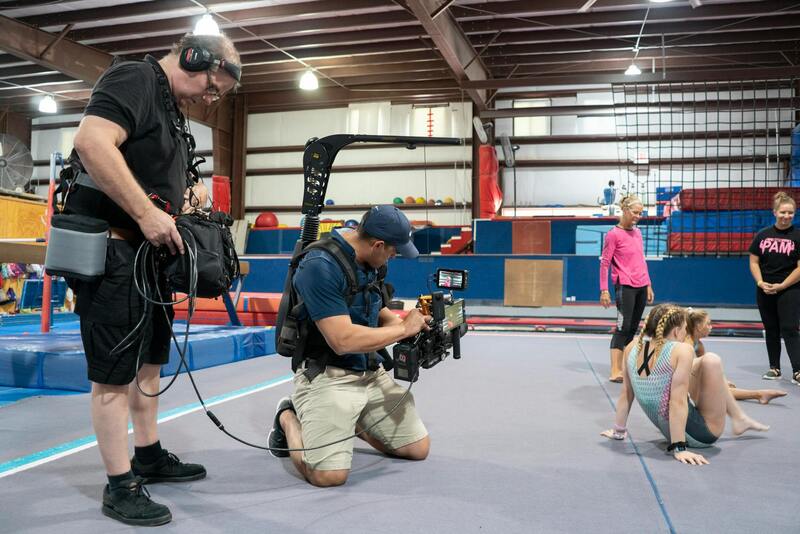
For optimal results, these systems are monitored continuously by experienced technical personnel. Real-time diagnostics and troubleshooting capabilities help identify issues promptly and implement corrective actions swiftly, minimizing disruptions during live coverage.
Execution and Real-Time Management
During a live streaming event, effective execution hinges on meticulous real-time management. This stage involves continuous monitoring of audio-visual feeds, ensuring signal quality, and maintaining synchronization across all video sources. Skilled technicians operate professional-grade switchers and graphics systems to facilitate seamless transitions, overlays, and branding elements that elevate the production value. Real-time diagnostics enable quick identification of potential issues, allowing immediate corrective actions to prevent broadcast interruptions.
Staff must be adept at handling live interruptions, technical glitches, and equipment malfunctions. For example, if an audio dropout occurs, technicians can swiftly switch to backup audio sources without disrupting the viewer experience. Similarly, if a video feed encounters latency or interruption, the production team can switch to alternate cameras or lower resolution streams temporarily. This agility is vital for delivering a continuously engaging broadcast.
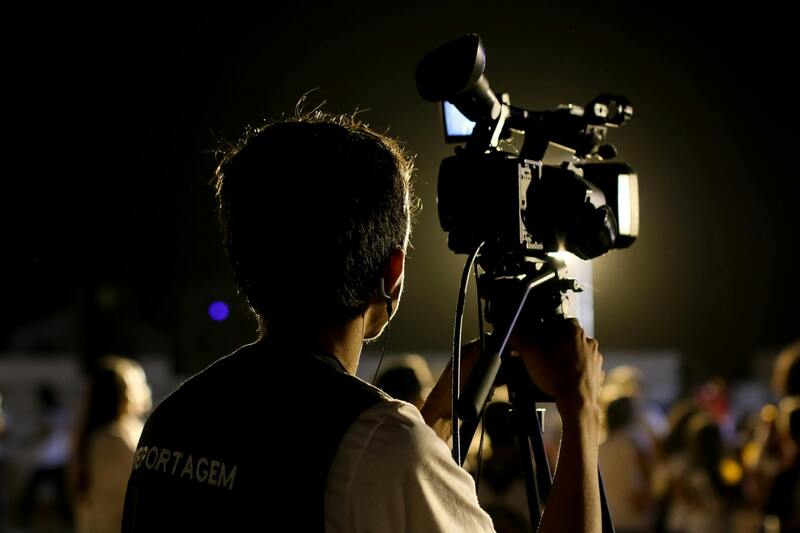
- Monitoring network stability: Constantly check internet bandwidth and connection integrity to prevent buffering or disconnections.
- Managing transitions: Use professional switchers to execute smooth camera cuts, overlays, and graphics in sync with the event flow.
- Audio control: Ensure audio levels are balanced, synchronized with video feeds, and free of distortions or echoes.
- Engaging visuals: Incorporate dynamic graphics, lower thirds, and branding elements that animate in real-time and reflect live content.
- Communication systems: Maintain clear, reliable communication channels among technical staff, on-camera talent, and organizers for coordinated execution.
To uphold broadcast integrity, experienced technical personnel continuously adjust parameters based on live feedback. They utilize sophisticated software tools for live editing, graphic insertion, and troubleshooting, ensuring a polished and professional appearance throughout the event. This level of control and responsiveness distinguishes top-tier live stream services in Miami from basic streaming solutions.
Understanding live stream services production in Miami
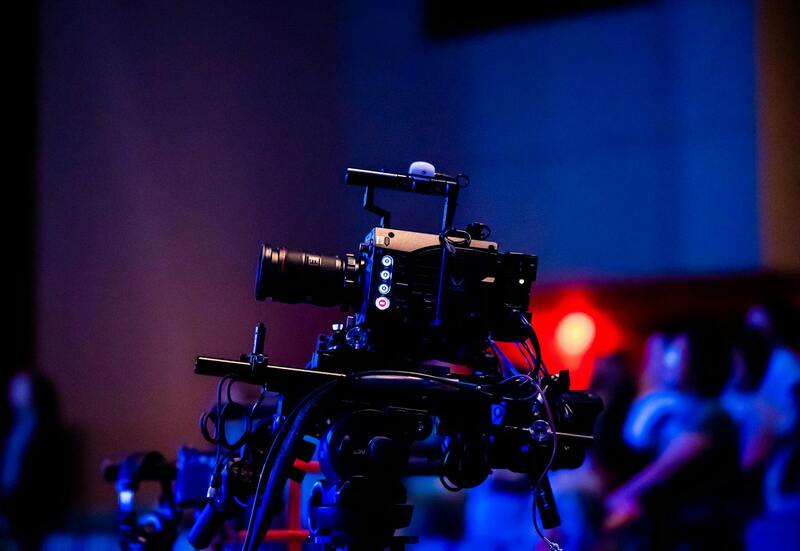
Live stream services production in Miami encompasses a comprehensive array of processes and technological expertise designed to deliver seamless broadcasting experiences. It involves coordinated efforts across multiple stages—from initial planning to post-event analysis—ensuring that live content reaches audiences with clarity, stability, and visual appeal. Miami’s vibrant event scene, combined with its diverse business landscape, necessitates tailored production solutions that can adapt to various formats such as corporate conferences, entertainment festivals, religious services, or educational webinars. The local production teams leverage state-of-the-art equipment and software to craft engaging streams that reflect the event’s objectives and brand identity. This specialization ensures audiences remain captivated, with real-time adjustments made to address unforeseen technical challenges or content shifts.
Key components of live stream production
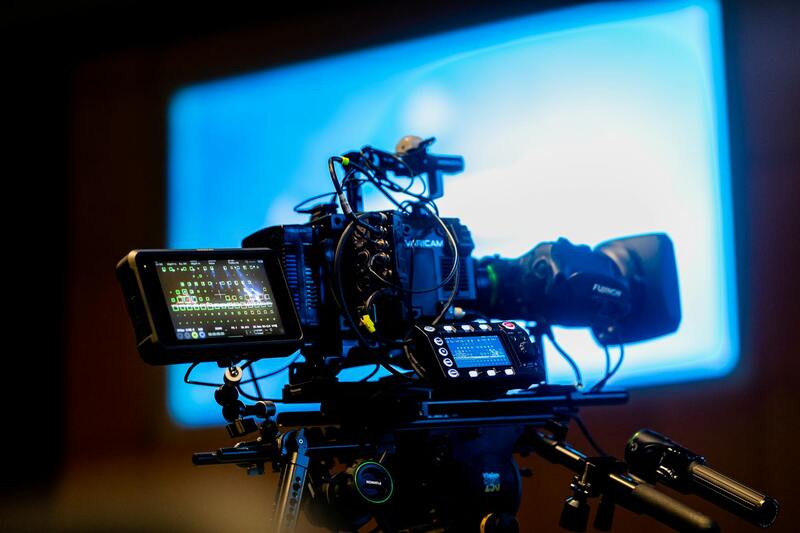
Effective live stream production hinges on several core components that work synergistically to deliver smooth and professional broadcasts:
- Cameras and Video Capture Devices: High-definition cameras provide crisp visuals, with options for PTZ (pan-tilt-zoom) units for dynamic angles.
- Switchers and Video Mixing Software: These tools enable seamless transitions between camera feeds, overlays, and graphics, fostering a polished presentation.
- Audio Equipment: Clear sound is vital; professional microphones and audio mixers ensure balanced sound quality free of distortion.
- Encoding and Streaming Hardware/Software: Reliable encoders convert video signals into digital streams compatible with various platforms like YouTube, Facebook, or custom CDNs.
- Network Infrastructure: Robust internet connectivity with dedicated bandwidth guarantees uninterrupted streaming without buffering or lag.
- Monitoring and Control Systems: Real-time monitoring tools allow technicians to oversee broadcast quality and swiftly address issues.
Planning and pre-production for live streaming events
Meticulous planning and pre-production are imperative to guarantee the success of live streams. This phase involves defining the event’s objectives, target audience, and desired outcomes. Detailed scripts or run sheets are created, outlining camera shots, segment transitions, graphics, and cues. A comprehensive technical rehearsal simulates live conditions, allowing team members to troubleshoot potential issues and synchronize all elements. Content rights, licensing, and branding materials are organized and integrated into the broadcast plan. Consistent communication channels among the production team, hosts, and event organizers are established to facilitate real-time coordination. Visual staging, lighting, and audio setups are tailored to venues to optimize visual clarity and engagement. This thorough groundwork minimizes risks and ensures that the live stream aligns precisely with the scheduled program.
Technical equipment and infrastructure requirements
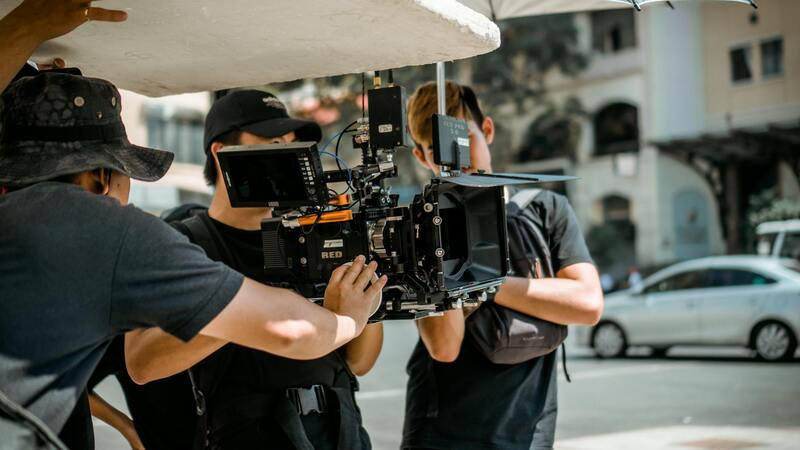
Implementing a successful live stream in Miami necessitates a sophisticated suite of technical infrastructure. Central to this is a high-bandwidth internet connection—preferably wired fiber optic—to sustain the data flow. Redundant network pathways or backup connections are utilized to prevent interruptions. Professional-grade cameras and video switching hardware are deployed to capture and control content dynamically. Encoders, often software-based or dedicated hardware units, are configured to optimize video quality and latency. Audio mixers and microphones are chosen to match the venue size and acoustics, ensuring uniform sound distribution. A resilient power supply and environmental controls maintain hardware performance during lengthy broadcasts. Additionally, Content Delivery Networks (CDNs) or cloud-based platforms distribute the stream efficiently, accommodating viewers both locally and globally. This infrastructure forms the backbone of Miami’s high-quality live streaming capabilities, supporting complex event demands while maintaining stability and clarity.
Advanced Strategies for Enhancing Live Stream Production Quality in Miami
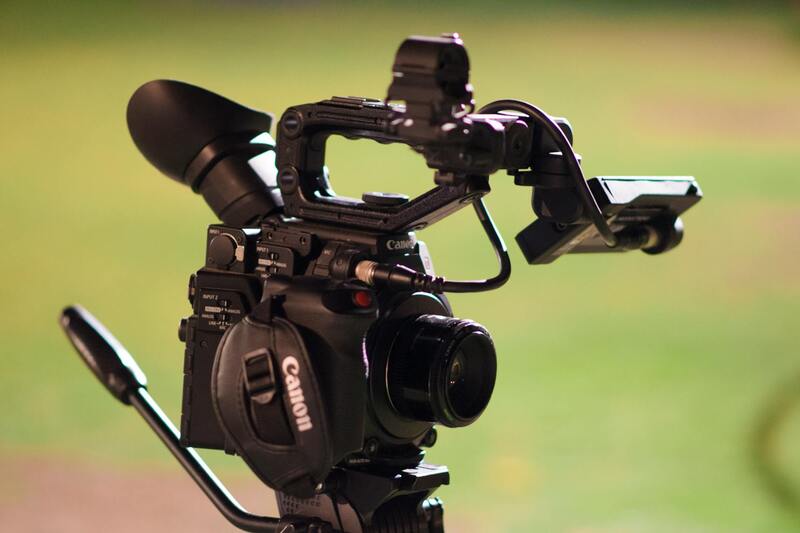
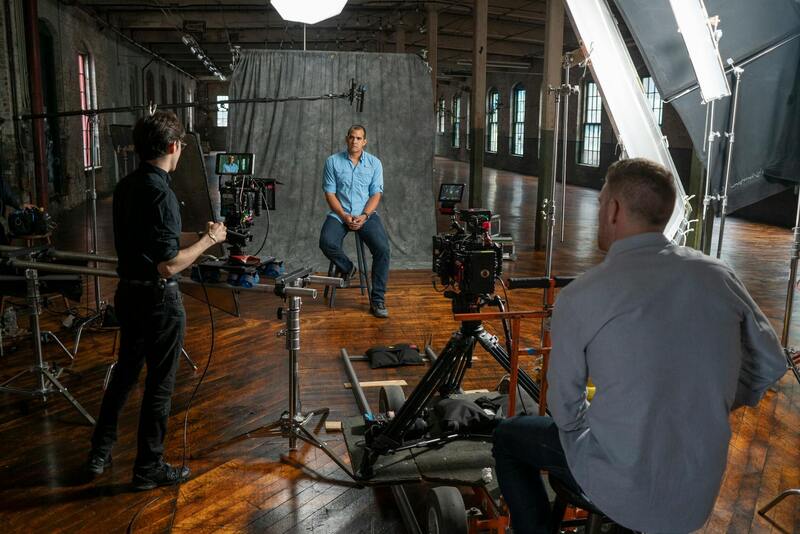
As live stream services production continues to evolve, Miami’s dynamic media landscape demands innovation and precise execution. To elevate live streaming quality, production teams incorporate emerging technologies such as 4K ultra-high-definition streaming, enabling viewers to enjoy crisp visuals even on large screens. Utilizing multiple camera angles, including drone footage and stabilized handheld shots, adds cinematic depth and immersive perspectives, keeping audiences engaged throughout the broadcast.
Implementing real-time analytics tools allows producers to monitor viewer engagement, stream quality, and latency metrics continuously. This immediate feedback facilitates swift adjustments, ensuring consistent broadcast performance. Advanced audio processing systems, such as spatial sound and noise reduction algorithms, enhance auditory clarity, making sure that spoken content and music are delivered with precision and richness.
Moreover, synchronization of multimedia elements—including graphics, captions, and interactive overlays—requires sophisticated software platforms capable of seamless integration. These enhancements foster a professional-grade viewing experience, aligning with Miami’s reputation for high-quality production standards.
Ensuring Security and Compliance During Live Streaming Events
Security is paramount in live stream production, particularly when broadcasting sensitive content or hosting high-profile events. Implementing end-to-end encryption protocols safeguards data transmission from interception or unauthorized access. Secure login and user authentication mechanisms prevent unwanted disruptions and ensure that only authorized personnel control the broadcast.
Content verification and moderation tools enable producers to filter inappropriate material or manage viewer interactions effectively. Compliance with local broadcasting regulations includes accurate content licensing, age restrictions, and copyright adherence, supported by vigilant monitoring systems.
Moreover, having a comprehensive contingency plan, including quick response protocols for technical failures or security breaches, minimizes risks. Regular audits and security assessments of hardware and network infrastructure further fortify the live stream’s integrity, maintaining the confidence of clients and audiences alike.

Future Trends in Live Stream Services Production in Miami
The live streaming industry in Miami is poised to adopt innovative trends that will redefine content delivery. Integration of 5G networks promises ultra-fast data speeds and lower latency, enabling smoother, higher-quality broadcasts even from remote locations. Artificial intelligence (AI) and machine learning (ML) are increasingly utilized for automated editing, content tagging, and personalized viewer recommendations, streamlining production workflows.
Virtual and augmented reality (VR/AR) technologies are expected to create immersive experiences, allowing viewers to explore virtual venues or participate interactively in live events. Cloud-based production tools will continue to evolve, providing scalable, flexible solutions that support remote collaboration among production teams across different geographies.
Data-driven insights will further enhance audience engagement strategies, enabling producers to tailor content dynamically based on viewer preferences and behaviors. As Miami's broadcasting ecosystem embraces these advancements, live stream services will become more versatile and engaging, setting new standards for the industry.