
Understanding Corporate Live Video Streaming
Corporate live video streaming has transformed how organizations communicate, showcase, and engage with their audiences in real time. This media format involves the broadcasting of live content over high-speed internet networks, enabling companies to deliver dynamic presentations, product launches, webinars, and internal communications seamlessly to viewers across various locations. For Miami-based enterprises, leveraging this technology offers a unique opportunity to expand reach and elevate brand presence within a competitive marketplace.
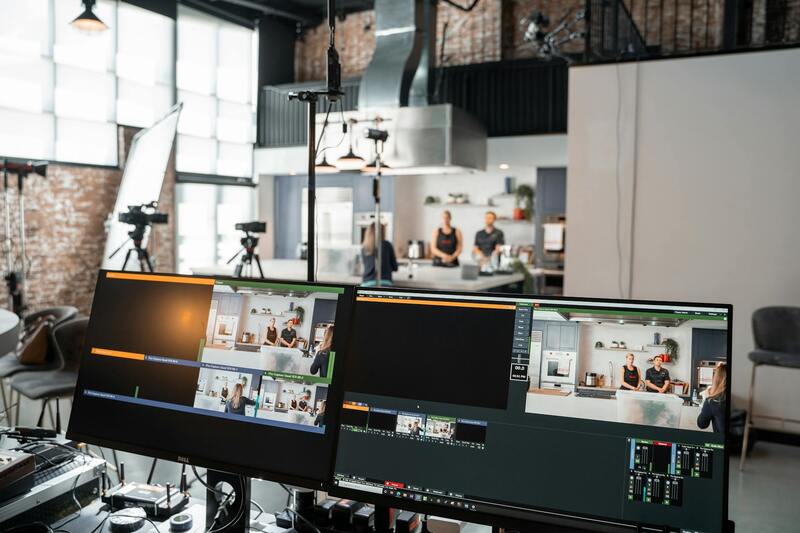
Among the primary uses of corporate live streaming are hosting large-scale events, conducting remote training sessions, engaging in investor relations, and facilitating virtual conferences. These applications allow firms to connect directly with clients, partners, and employees regardless of geographic barriers. Through live video, businesses can provide authentic, interactive experiences that foster trust and transparency, essential components in establishing long-term relationships and maintaining a competitive advantage.
For companies headquartered in Miami, embracing live streaming technology also presents notable advantages. It offers cost-effective solutions by reducing the need for physical venue rentals and associated logistics. Additionally, live streaming enables real-time feedback and community engagement, creating immediacy and a sense of exclusivity that enhances viewer engagement. The ability to track viewership metrics further helps organizations refine their communication strategies, ensuring message resonance and effectiveness.

As digital transformation accelerates, corporate live video streaming emerges as a vital tool for maintaining operational continuity and competitive agility. Whether broadcasting product launches, conducting quarterly earnings calls, or sharing corporate messages, live streaming provides a flexible, immediate, and scalable solution aligned with modern business demands. For Miami's diverse business community, adopting this technology can significantly enhance visibility, connectivity, and stakeholder engagement, positioning firms for sustained growth in an increasingly digital world.
Understanding Corporate Live Video Streaming
Corporate live video streaming has become a pivotal communication channel that allows organizations to connect with their audience in real time, regardless of geographical boundaries. Its application spans across various operational needs, from internal communications to external stakeholder engagement, emphasizing authenticity and immediate interaction. Such live broadcasts serve as a dynamic tool for showcasing company initiatives, product launches, and executive messages while fostering a sense of transparency that builds trust with viewers.
Embracing live streaming within a corporate framework demands adherence to certain technical standards and operational protocols. The core elements include high-definition video quality, robust and stable internet connectivity, and seamless audio-visual integration. These factors ensure that the broadcast maintains professionalism and clarity, which are critical for maintaining a reputable corporate image. Proper preparation of the streaming environment, including lighting, background, and audio setup, enhances the overall viewer experience and reflects the organization’s level of professionalism.

Moreover, effective live streaming solutions incorporate backend management tools that allow for real-time monitoring of the broadcast quality, viewer metrics, and engagement levels. Such tools enable companies to make immediate adjustments when necessary and gather valuable insights into their audience’s preferences and behaviors. This data-driven approach bolsters future content strategies, ensuring ongoing relevance and resonance with viewers.
Key Benefits of Professional Corporate Live Video Streaming
- Enhanced Engagement: Real-time interaction through chat, polls, and Q&A sessions encourages active participation and feedback.
- Global Reach: Overcoming geographical constraints expands the company's influence and accessibility to international markets.
- Cost Efficiency: Reduces expenses related to physical events, including venue hire, travel, and logistics.
- Brand Visibility: Increases brand awareness through consistent, high-quality content dissemination and social sharing capabilities.
- Immediate Feedback: Enables prompt response to audience questions and concerns, fostering transparency and trust.
- Measurable Outcomes: Provides analytics on viewer engagement, peak viewing times, and content performance, informing future strategies.
By integrating these features and benefits, companies can leverage live streaming not just as a broadcast medium but as a strategic component of their overall communication and marketing plans.
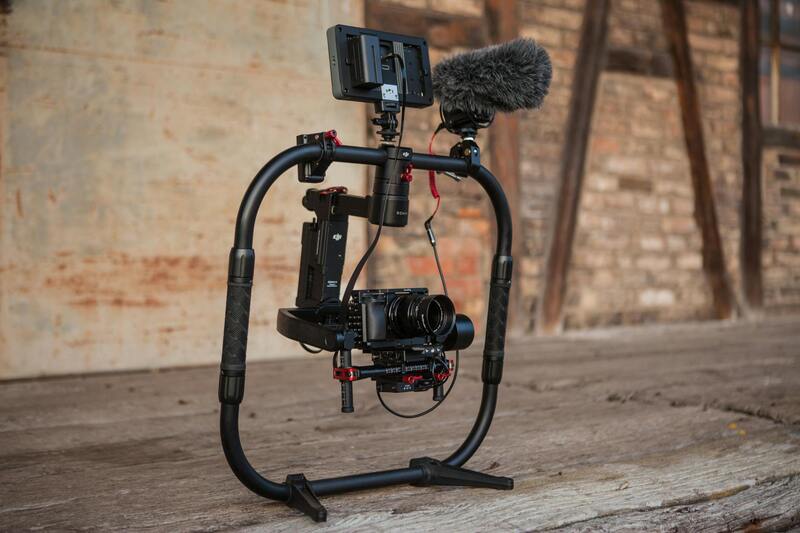
Selecting an appropriate platform that aligns with the company’s technical requirements and strategic goals is essential. The ideal platform offers high scalability, security, and compatibility with various devices for seamless access. It should support features such as multi-camera streaming, real-time chat, analytics, and DRM (Digital Rights Management) to protect content and ensure secure delivery.
Determining the Appropriate Streaming Solutions for Your Business Needs
Business requirements can vary significantly depending on the nature of the event and organizational goals. For instance, a product launch with extensive media coverage might necessitate a multi-camera setup with professional production services, while a quarterly earnings call can be efficiently streamed using simpler, high-definition streaming tools. It is essential to evaluate several factors, including audience size, interactivity levels, and technical infrastructure, to choose a platform that offers optimal performance and ease of use.

In sum, strategic planning and technological investing in the right live streaming infrastructure enable organizations to deliver compelling, reliable, and secure broadcasts that reinforce corporate messaging, enhance stakeholder relationships, and drive digital engagement. As technology continues to evolve, staying informed about the latest streaming innovations remains a key element in maintaining a competitive edge in the digital communication landscape.
Understanding Corporate Live Video Streaming
Corporate live video streaming has become a fundamental component of modern business communication strategies, enabling organizations to broadcast events, product launches, webinars, and conferences to a global audience in real-time. This technology offers a dynamic platform to showcase corporate initiatives, deliver training sessions, and facilitate stakeholder engagement without geographical barriers. It’s essential for companies to understand the nuances of this medium, including the technical requirements, audience engagement tactics, and security measures, to maximize the impact of their broadcasts.
Technical Foundations of Corporate Live Streaming
Effective live streaming relies on a robust technological infrastructure. At its core, a reliable high-speed internet connection ensures smooth video transmission, while content delivery networks (CDNs) distribute the stream efficiently across different regions. High-definition video quality, adaptive bitrate technology, and low latency are critical for maintaining viewer satisfaction, especially during interactive sessions or critical corporate announcements. Video encoding hardware or software compresses raw footage into a stream optimized for internet delivery, balancing quality and bandwidth consumption.
Security plays a vital role in corporate live streaming. Implementing digital rights management (DRM), secure login protocols, encrypted streams, and access controls safeguard sensitive content from unauthorized viewing. Compatibility across multiple devices—desktops, tablets, smartphones—ensures accessible viewing experiences. Additionally, integrated analytics tools provide insights into viewer engagement and behavior, allowing organizers to adapt content delivery strategies proactively.
Enhancing Corporate Messaging through Professional Production
While standard streaming setups suffice for some internal communications, large-scale corporate events benefit significantly from professional production services. High-quality cameras, audio equipment, lighting, and stage management contribute to a polished presentation that aligns with corporate branding standards. Multi-camera setups, live switching, graphic overlays, and synchronized audio-visual elements help craft a compelling storyline and keep viewers engaged. Moreover, professional production teams can manage real-time event logistics, troubleshooting technical issues to prevent disruptions.

Integrating features such as live chat, polls, and Q&A sessions creates an interactive environment that fosters participant engagement. These functionalities encourage active participation, gather instant feedback, and provide a sense of community among dispersed audiences. Simultaneously, data collection and analytics offer valuable insights into audience demographics, engagement metrics, and content performance, informing future streaming strategies and content development.
Strategic Planning for Successful Broadcasts
Effective planning is crucial to ensure seamless execution. Setting clear objectives and defining target audiences guide content and technological choices. Pre-event rehearsals help identify potential technical issues, synchronize equipment, and train speakers on live presentation protocols. Content scripts, visual aids, and timing schedules should be prepared in advance, with designated roles assigned to technical staff, hosts, and moderators.
Moreover, selecting an appropriate time slot that accommodates global audiences, promoting the event through multiple channels, and establishing contingency plans for potential disruptions contribute to the overall success. During the event, real-time monitoring of the stream allows quick responses to unforeseen issues, maintaining broadcast quality and reliability.
Image Placeholder

Post-event activities such as viewer feedback collection, content repurposing, and detailed reporting further enhance the value of live streaming initiatives. Leveraging high-quality, well-executed live video can significantly strengthen corporate reputation, foster stakeholder trust, and support strategic business objectives.
Official Methods for Corporate Live Video Streaming
Implementing a corporate live video stream relies on established, reputable methods that ensure quality, security, and compliance. Utilizing professional-grade streaming platforms designed specifically for business needs guarantees a high standard of broadcast performance. These platforms offer robust infrastructure, optimized for large audiences and diverse device compatibility, which is essential for maintaining a seamless viewing experience. Such solutions often include features like secure login options, encrypted data transmission, and content moderation tools that uphold organizational standards and protect proprietary information.
Employing dedicated streaming hardware or software integrated into your existing video infrastructure also supports official dissemination. This might involve hardware encoders, which convert high-quality video signals into streamable digital formats, or enterprise-level streaming solutions that allow for multi-camera setups, real-time switching, and integrated graphics enhancements. Ensuring that these systems are maintained by certified technical staff helps mitigate potential disruptions and guarantees high-definition output.

Adherence to Industry Standards and Protocols
Adhering to recognized industry standards and transmission protocols ensures consistency, reliability, and quality control across all broadcasts. Utilizing secure streaming protocols such as Real-Time Messaging Protocol (RTMP) or Hypertext Transfer Protocol Live Streaming (HLS) provides stable, adaptive streaming capabilities that dynamically adjust to different network conditions. These standards facilitate interoperability between different hardware and software solutions, promoting a unified approach to official corporate broadcasting.
Employing digital rights management (DRM) solutions further safeguards sensitive content from unauthorized distribution. These systems encrypt streams and restrict access to authorized viewers, aligning with organizational confidentiality policies. Implementing comprehensive user authentication and access controls maintains the integrity of live event streams, especially when broadcasting confidential corporate data or proprietary presentations.
Quality Assurance and Technical Support
Guaranteeing broadcast quality requires continuous quality assurance processes. This involves pre-broadcast testing of all equipment, internet connections, and streaming platforms to identify potential weaknesses and optimize performance. Establishing a dedicated technical support team during live events allows rapid troubleshooting of issues such as latency, buffering, or stream dropouts, ensuring a consistent viewer experience.
Organizations often partner with professional production agencies specializing in corporate live streaming. These agencies provide end-to-end solutions, including content planning, technical execution, and post-broadcast analysis. Their expertise ensures compliance with best practices for broadcast quality, security measures, and audience engagement tactics.
Leveraging Secure Content Delivery Networks (CDNs)
Official streaming methods typically leverage commercial Content Delivery Networks (CDNs), which distribute streams across connected servers globally. This reduces latency, improves load balancing, and enhances scalability during high-traffic events. CDNs employ advanced security measures, including encrypted data channels and DDoS mitigation, to protect against cyber threats that could compromise live broadcasts. Utilizing established CDN providers with proven track records guarantees that enterprise streaming initiatives run smoothly under heavy demand.

Legal and Compliance Considerations
Adhering to the appropriate legal standards and compliance requirements is paramount in corporate live video streaming. Organizations must ensure that all content broadcasted aligns with relevant intellectual property laws, including obtaining necessary permissions for copyrighted materials such as music, videos, and images used during the stream. Failure to secure these rights can lead to content takedowns, legal disputes, or reputational damage.
Additionally, companies should implement measures to protect sensitive and proprietary information. This involves deploying secure streaming protocols that prevent unauthorized access and interception. End-to-end encryption is an essential component, safeguarding the live feed from potential eavesdropping or hacking incidents. Access controls, such as login credentials and viewer authentication, help restrict viewing privileges to authorized participants only.
Data privacy considerations are also critical, particularly when live streams include personal information of attendees or participants. Organizations must comply with regulations like GDPR or CCPA, which govern data collection, storage, and usage. Clear privacy policies should be communicated to viewers, explaining how their data will be handled and securing consent where necessary.
Preparing for potential legal or compliance issues involves establishing a comprehensive content review process before the broadcast. Legal teams should review scripts, visuals, and any interactive components to ensure they do not infringe on third-party rights or violate broadcasting standards. Moreover, it’s beneficial to have a protocol in place for managing takedown requests or complaints that may arise during or after the live event.

Legal and Compliance Considerations
When implementing corporate live video streaming, organizations must adhere to a set of established legal and compliance frameworks to ensure smooth broadcast operations and protect stakeholder interests. This involves rigorous preparation and ongoing oversight to align content with industry standards, intellectual property rights, and data protection regulations.
One of the foundational steps is securing all necessary permissions for content included in the stream. This encompasses copyrighted materials such as images, music, videos, or third-party presentations. Obtaining explicit licenses and appropriate clearances before going live mitigates the risk of content removal or disruptions during the broadcast. Maintaining detailed records of licensing agreements serves as an important audit trail, demonstrating compliance and readiness to address any disputes or inquiries.
Organizations should establish clear policies and procedures for content review. This process involves internal teams scrutinizing scripts, visuals, and interactive elements to confirm they do not infringe on proprietary rights or violate broadcasting standards. Having a dedicated compliance officer or legal consultant review the content before transmission enhances oversight and minimizes the possibility of unintentional violations.

Furthermore, organizations need to implement robust data privacy protocols, especially when viewers or participants share personal information during the live event. Establishing clear privacy policies that specify data collection, storage, and usage practices is essential. These policies must comply with relevant regulations such as the General Data Protection Regulation (GDPR) or the California Consumer Privacy Act (CCPA). Transparently communicating these policies to viewers fosters trust and demonstrates commitment to privacy integrity.
During the live broadcast, real-time management of legal and compliance issues is critical. This includes monitoring the content for potential violations, such as inappropriate language or unauthorized disclosures. Having a response plan for addressing live complaints, takedown requests, or inadvertent infringements ensures swift action to minimize adverse impacts.
Additionally, organizations should prepare for post-event compliance by maintaining detailed records of the streamed content, viewer engagement data, and consent forms. This documentation supports accountability and facilitates audits or investigations if inquiries arise. Regular training and updates on compliance standards for involved personnel bolster organizational readiness and reduce risks associated with live streaming activities.
Summary of Key Practices for Ensuring Compliance
- Securing all necessary intellectual property rights and licenses before broadcast
- Implementing rigorous content review procedures involving legal oversight
- Establishing transparent data privacy policies aligned with applicable regulations
- Monitoring the live stream for any violations or inappropriate content
- Maintaining comprehensive records for accountability and auditing purposes
- Preparing contingency protocols for managing legal issues during and after the broadcast

Legal and Compliance Considerations
Implementing corporate live video streaming requires a thorough understanding of the multifaceted legal and compliance landscape. Ensuring adherence to relevant laws and regulations is essential for maintaining corporate integrity and avoiding potential disruptions. This involves meticulous management of privacy, intellectual property rights, and data security.
One of the primary areas of focus is safeguarding proprietary content and respecting third-party rights. Prior to broadcasting, organizations must verify that all visual and audio materials used are properly licensed or owned, preventing infringement issues. This includes obtaining necessary permissions for trademarks, copyrighted images, music, or videos integrated into live streams.
Data privacy compliance is another critical aspect. When streaming to a global audience, adherence to regional data protection standards such as the General Data Protection Regulation (GDPR) and other relevant frameworks becomes vital. Transparent privacy policies should be established, informing viewers about data collection and usage practices. Additionally, mechanisms for obtaining explicit consent from participants and viewers should be in place.
During live broadcasts, vigilant monitoring for content violations or unauthorized disclosures is crucial. Deploying real-time moderation tools and legal oversight can prevent the dissemination of sensitive information or inappropriate material. Preparing contingency plans for live issues ensures swift action, whether it involves removing problematic segments or issuing corrections.
Post-event, maintaining comprehensive documentation of the streamed content, compliance procedures, and participant consent records supports accountability and facilitates audits. This documentation serves as a safeguard, demonstrating responsible management of legal obligations. Regular training and updates for personnel involved in live streaming help sustain awareness of evolving legal standards and best practices, reducing risks of inadvertent breaches.

By rigorously managing these legal and compliance considerations, companies can leverage live streaming as a powerful communication tool while maintaining prudent risk management and upholding their corporate reputation.
Legal and Compliance Considerations
Implementing corporate live video streaming involves meticulous attention to legal standards and compliance protocols designed to protect all parties involved. Ensuring proper consent and data handling practices is foundational to maintaining trust and integrity throughout the streaming process. This begins with establishing clear privacy policies that articulate how viewer and participant information is collected, stored, and used. These policies should be prominently displayed and easily accessible to all viewers, allowing for informed decision-making before engagement.

In addition to transparent policies, obtaining explicit consent from participants prior to broadcasting is essential. This process involves informing individuals about the scope of the broadcast, potential audience reach, and the purposes for which their data may be used. Written or digital consent mechanisms serve as documentation that stakeholders are aware of and agree to these conditions.
During the live broadcast, vigilant content monitoring is critical to avoid inadvertent disclosures or unauthorized disclosures of sensitive information. Real-time moderation tools enable companies to swiftly address any inappropriate or unintended content, minimizing potential damage. Having a dedicated team or technical support ready to handle unforeseen issues ensures the stream continues smoothly and responsibly.
Contingency planning is also a key aspect of compliance management. Preparing protocols for technical failures, content violations, or other emergencies allows teams to respond effectively. This might include pausing or terminating the live stream, removing problematic segments, or issuing clarifications promptly. Keeping an audit trail of such incidents, including what was addressed and how, supports ongoing accountability.
Post-event documentation forms a crucial component of compliance, serving as records of what was broadcasted, consent obtained, and legal standards met. Maintaining comprehensive logs, participant consent records, and moderation reports ensures organizations are prepared for audits and reviews. Regular training sessions for personnel involved in live streaming are vital to stay updated on evolving legal standards and technological best practices. These educational efforts reinforce a culture of compliance, reducing inadvertent violations and enhancing the company’s reputation.

By giving due importance to these legal and compliance considerations, corporations can leverage live streaming as a secure, trustworthy communication channel. These measures bolster the company's professional image while fostering confidence among viewers, stakeholders, and participants alike. The strategic integration of legal safeguards with high-quality live streaming practices ensures that corporate messaging remains effective, authoritative, and compliant with applicable standards.