
Understanding Corporate Live Streaming
Corporate live streaming refers to the real-time broadcast of company events, presentations, seminars, product launches, and other business-related activities over the internet. This technology enables organizations to reach a broader audience beyond physical locations, offering seamless access to internal teams, clients, stakeholders, and the general public. The process involves capturing high-quality video and audio, encoding the content into a streamable format, and distributing it via specialized platforms or secure channels.
In today’s interconnected world, the significance of corporate live streaming is increasing rapidly. Businesses leverage this technology to enhance communication, showcase their offerings, and strengthen brand visibility in an interactive manner. Unlike traditional event hosting methods that limit access to physical attendees, live streaming allows remote viewers to participate in real-time, fostering engagement and immediacy.
The technology supporting corporate live events can vary widely depending on scale, complexity, and quality requirements. It typically involves a combination of professional cameras, audio equipment, streaming software, and reliable internet connections. The ability to deliver a consistent, high-quality broadcast hinges on meticulous planning and technical expertise.
There are different formats of live streaming used in corporate settings, including webinars, town halls, training sessions, and product unveilings. Each serves specific strategic objectives and audience engagement goals. The dynamic nature of the format allows for interactive features such as live Q&A, polls, and chat functions, which significantly enhance audience participation.
As companies increasingly adopt virtual event strategies, the importance of selecting proper equipment and experienced production partners becomes crucial. Well-executed live streaming can amplify corporate messaging, demonstrate thought leadership, and foster stronger relationships with audiences worldwide.
Key Equipment and Technology for Successful Live Streams
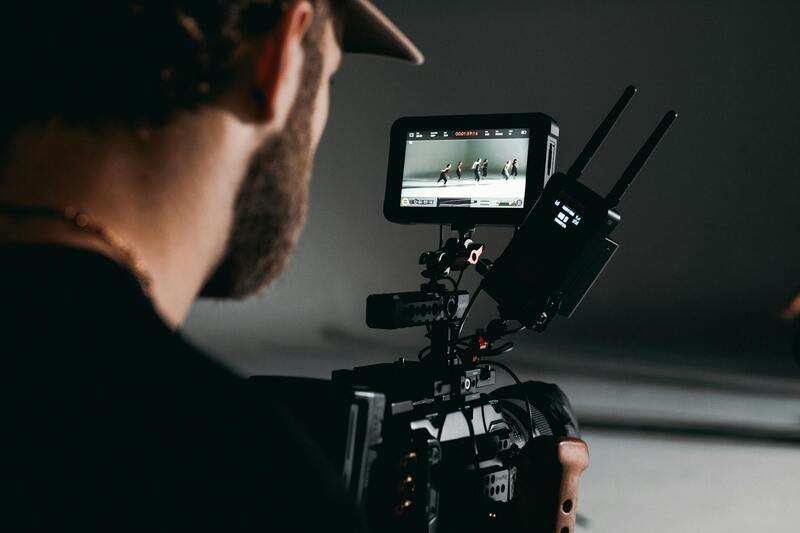
To execute a seamless and professional corporate live stream, selecting the appropriate equipment and technology is essential. High-definition cameras are the backbone of quality video production, providing clear and crisp visuals that uphold your brand’s professionalism. Complementing cameras with high-quality microphones ensures pristine audio, capturing every word accurately and engaging viewers with compelling sound.
Reliable streaming hardware, such as encoder devices, converts the video and audio signals into a digital format compatible with streaming platforms. These encoders must support high bitrates and multiple input sources to accommodate any event size or complexity.
Stable internet connectivity is vital for avoiding interruptions during the broadcast. Businesses should consider dedicated internet lines or bonded internet solutions that aggregate multiple connections for redundancy and bandwidth assurance.
Professional lighting enhances video clarity, reduces shadows, and highlights key presenters or visuals, creating a visually appealing experience. Additionally, teleprompters can assist speakers in delivering messages smoothly, particularly during impactful presentations or product launches.

Complementing hardware, robust streaming software platforms facilitate live broadcast management, real-time switching between video sources, graphics insertion, and interaction features. Features such as live chat, polls, and Q&A modules foster audience engagement, making the digital experience more interactive.
For companies in Miami seeking reliable results, leveraging equipment from reputable providers ensures consistent performance. Furthermore, partnering with local technical specialists allows access to quick support and tailored solutions aligned with specific event goals.

Incorporating redundant systems, such as backup power supplies and alternative internet sources, minimizes risks of disruption. Proper calibration and test runs before the event ensure all equipment functions optimally, delivering a polished broadcast consistently.
Understanding Corporate Live Streaming
Corporate live streaming involves broadcasting company events, presentations, product launches, and conferences in real-time over the internet to a wide or targeted audience. This method allows businesses to reach stakeholders, clients, and employees regardless of geographic boundaries, fostering instant engagement and interaction. It requires a blend of advanced hardware, reliable internet connectivity, and sophisticated software platforms to ensure smooth delivery of content in high definition. Successful corporate live streaming hinges on meticulous planning, from pre-production preparations such as scripting and rehearsals to choosing the appropriate technological infrastructure. The live format enables companies to demonstrate transparency, showcase innovation, and reinforce branding efforts with immediacy and authenticity. As the digital landscape evolves, integrating interactive elements—such as live polls, Q&A sessions, and chat features—becomes essential in maintaining audience interest and participation.
Critical Components of Effective Corporate Live Streaming
- Robust Internet Connection: Ensuring bandwidth and stability is fundamental. Dedicated lines or bonded internet solutions can be employed to prevent disruptions during transmission.
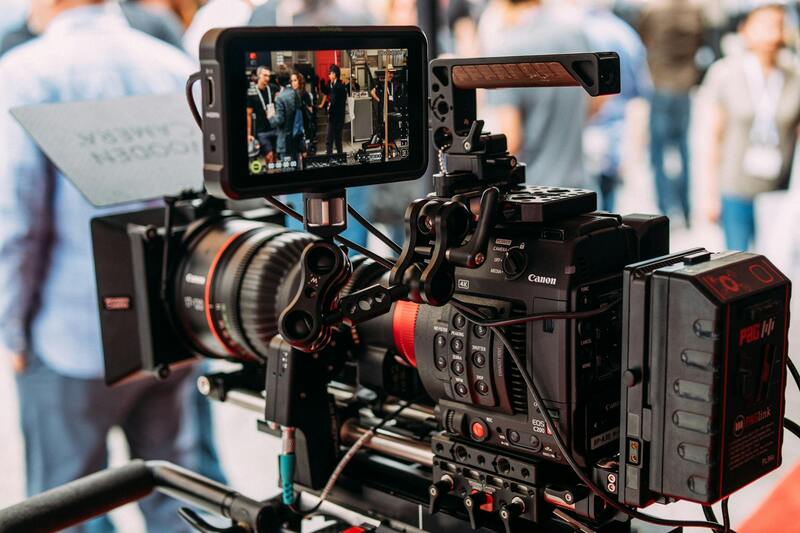
- High-Definition Cameras: Professional-grade cameras capture clear visuals, essential for maintaining viewer engagement and conveying professionalism.
- Superior Audio Equipment: Clear sound quality is vital. Using quality microphones and sound mixers enhances speech intelligibility and overall production quality.
- Lighting and Set Design: Proper lighting minimizes shadows and highlights presenters effectively. A well-designed set maintains visual interest and supports branding visuals.
- Streaming Software Platforms: These manage live feeds, enable switching between multiple video sources, and allow real-time graphics integration. Features like chat modules and audience interaction tools boost engagement.
- Backup Systems and Redundancy: Power backups and alternative internet sources mitigate risks of technical failures, ensuring continuous streaming even during unforeseen issues.

Optimizing the Live Streaming Workflow
Preparation is key to a flawless live broadcast. Companies should conduct comprehensive pre-event rehearsals, testing all hardware and software components to identify potential issues. Creating a detailed run sheet, including camera cues, speaker scripts, and graphics timeline, helps coordinate the production seamlessly.
It’s essential to assign dedicated roles within the production team—such as technical director, camera operators, and moderators—to streamline operation and troubleshoot effectively during the event. Employing a designated point of contact for technical support ensures rapid resolution of any unforeseen glitches.
Harnessing Data and Analytics Post-Event
Tracking audience engagement through metrics such as viewership numbers, participation rates in interactive elements, and viewer retention provides valuable insights. Analyzing this data helps shape future live streaming strategies, improve content delivery, and demonstrate the return on investment for stakeholders.
Legal and Security Considerations
Implementing robust measures to protect proprietary content and sensitive information is pivotal during corporate live streams. Companies should establish clear policies regarding access controls, ensuring only authorized personnel can manage or view the live feed. This involves restricting entry to streaming dashboards and managing user permissions meticulously.
Encryption plays a key role in securing data transmitted during live broadcasts. Utilizing secure transport protocols such as Secure Real-time Transport Protocol (SRTP) and Transport Layer Security (TLS) safeguards the integrity and confidentiality of the stream. These measures prevent interception or unauthorized access by malicious entities, maintaining the company's reputation and stakeholder trust.
For content rights management, companies should verify that all visual or audio material used in the live stream complies with copyright agreements. This includes securing appropriate licenses for music, videos, or imagery integrated into the broadcast, thus avoiding potential legal complications and intellectual property disputes.
Implementing reliable cybersecurity protocols is equally important. This entails regularly updating software and firmware for streaming hardware, using firewalls and intrusion detection systems, and conducting vulnerability assessments. These practices identify and mitigate potential security threats before they compromise the live event.

Furthermore, companies should prepare a comprehensive incident response plan tailored to live streaming scenarios. This plan outlines the steps to be taken in case of technical disruptions, cyber-attacks, or content breaches, ensuring swift action minimizes impact. Regular training and simulation drills equip staff with the necessary skills to respond effectively, safeguarding the company's digital assets during live broadcasts.

Overall, integrating these official and sophisticated security methods fosters a secure environment for corporate live streaming. This approach not only preserves the integrity of the event but also reinforces stakeholder confidence in the company's commitment to data protection and confidentiality throughout the broadcast process.
Legal and Security Considerations
Effective management of legal and security aspects is fundamental to conducting a seamless corporate live stream. Ensuring that content rights are properly managed is crucial. This involves verifying that all media assets, including videos, images, and music, are either owned or have appropriate licensing agreements. Unauthorized use of copyrighted material can lead to disruptions, takedown notices, or reputational damage, which underscores the importance of adhering to established intellectual property protocols.
Furthermore, organizations should implement robust access controls to regulate who can view or participate in the live stream. Utilizing secure authentication methods ensures that only intended audiences can access sensitive or proprietary content. Password protections, token-based access, and geo-restrictions are common techniques to reinforce access security.
To mitigate potential disruptions, companies should perform comprehensive risk assessments prior to the event. This includes evaluating the streaming infrastructure against possible cyber threats, network vulnerabilities, and technical failures. Establishing contingency plans—such as failover systems and backup networks—ensures continuity even in adverse conditions.
Employing encryption protocols during transmission is essential for safeguarding data integrity. End-to-end encryption prevents unauthorized interception of live content, maintaining confidentiality throughout the broadcast. Regular cybersecurity audits and updates to streaming software reduce vulnerabilities that could be exploited by malicious actors.

Another critical element involves compliance with industry standards and organizational policies. This includes data protection regulations, corporate security policies, and broadcast guidelines. Adequate staff training on cybersecurity best practices prepares teams to recognize and respond to potential threats swiftly and effectively.
Overall, integrating a strategic approach to legal and security considerations not only protects corporate assets but also enhances stakeholder confidence. When audiences trust that sensitive information remains secure and content is used responsibly, it fosters a professional reputation and encourages future engagement in corporate live streaming events.
Legal and Security Considerations
Implementing a corporate live streaming strategy in Miami requires meticulous attention to the routing and management of digital content. Businesses must adhere to established protocols for data privacy and intellectual property rights, ensuring all transmitted content aligns with regional and federal guidelines. This involves obtaining necessary permissions for copyrighted materials, such as branded visuals, music, or third-party content integrated into the broadcast.
Additionally, deploying robust cybersecurity measures is crucial to protect sensitive corporate information. Encryption technologies such as Secure Real-time Transport Protocol (SRTP) and Transport Layer Security (TLS) encrypt data streams, preventing unauthorized access during transmission. Security protocols should also include authentication mechanisms, secure login procedures, and role-based access controls to limit participation to authorized personnel only.
Monitoring tools play an integral role in detecting unusual activity that could signify security breaches. Conducting pre-event vulnerability assessments enables organizations to identify potential weaknesses within their streaming infrastructure and mitigate risks proactively. Regular updates and patches to streaming software enhance resilience against emerging threats and reduce vulnerabilities susceptible to exploitation.

Legal compliance extends beyond technical safeguards. Businesses should clarify content ownership rights and secure necessary licensing agreements beforehand. This is particularly important when incorporating third-party content into broadcasts to avoid copyright disputes and intellectual property infringements.
It's equally essential to maintain transparent communication with all stakeholders regarding data management policies and security procedures. This transparency fosters confidence in the company's commitment to safeguarding information and adhering to industry standards. By combining diligent legal practices with comprehensive cybersecurity measures, Miami-based corporations can deliver seamless, secure live streaming experiences that uphold the company’s reputation and facilitate continued growth.
Legal Rights, Licensing, and Content Management
Ensuring appropriate management of rights and licensing is fundamental to delivering polished corporate live streams that respect intellectual property boundaries and foster trust with audiences. Businesses must verify they possess the necessary permissions for all content showcased during the broadcast, including multimedia elements, music tracks, graphics, and third-party videos. This proactive approach prevents potential copyright disputes that could disrupt the streaming session or damage the company's reputation.
It is advisable to establish clear agreements with content creators and rights holders before the event, outlining usage rights, duration, and scope of broadcasting. These arrangements should be documented thoroughly to provide legal clarity and streamline content approval processes. Additionally, companies should maintain detailed records of licenses and permissions in case of audits or inquiries.

Content Security Policies and Digital Rights Management
Beyond obtaining licenses, implementing robust content security policies (CSP) and digital rights management (DRM) is critical to prevent unauthorized distribution or recording of live streams. These technologies can restrict access to specific viewers, prevent screen capturing, and control the redistribution of broadcast materials. By doing so, organizations protect sensitive information and uphold the integrity of their brand during digital presentations.
Using encrypted transmission channels such as HTTPS or secure streaming protocols adds an additional layer of security, safeguarding data from interception during transit. These measures are essential for safeguarding sensitive corporate information, including financial data, strategic plans, or proprietary technology that could be compromised if improperly accessed or shared.
Compliance with Industry Standards and Regulations
Adherence to relevant industry standards and regulations, such as GDPR or HIPAA, is vital for companies that handle personal data or health-related information. This compliance involves implementing secure data collection and storage practices, providing transparent privacy policies, and obtaining necessary consent from participants or viewers. Transparent communication about data handling practices fosters trust and reassures stakeholders that their information is protected.

Training and Internal Policies
Establishing thorough training programs and internal policies for staff involved in live streaming ensures compliance with legal and security procedures. Employees should be familiar with content rights, data privacy rules, and security protocols to prevent inadvertent breaches or violations. Clear guidelines on content approval, access controls, and incident reporting are essential to maintaining a secure broadcasting environment.
Regular audits and updates of security measures and content management policies help adapt to evolving technological landscapes and regulatory requirements. Keeping all stakeholders informed and trained ensures that the company’s live streaming operations remain both compliant and secure, fostering a trustworthy virtual presence that aligns with organizational values and legal standards.
Choosing the Right Miami-based Production Agency
Partnering with a reputable Miami-based production agency can significantly enhance the quality and security of your corporate live streaming events. These agencies possess the local expertise, technical proficiency, and industry connections necessary to execute seamless broadcasts that align with your corporate objectives. When selecting a partner, consider their experience with professional live streaming solutions, their understanding of regional regulations, and their capacity to tailor services to your specific needs.
An established agency should provide comprehensive solutions, including pre-production planning, equipment setup, on-site or remote broadcasting, and post-event analytics. They should also prioritize data security, ensuring that all streams are protected with encryption and access controls to safeguard sensitive content and participant information.

Effective communication and transparency are vital when working with a production partner. Clarify your goals, preferred platform integrations, and compliance requirements upfront. An experienced agency will guide you through best practices for content delivery, audience engagement, and security measures—helping your organization maximize the impact of each live event while maintaining operational integrity.
Ultimately, selecting a Miami-specific production team ensures that your corporate live streams are executed with local insight, technical excellence, and a steadfast commitment to security. This collaboration supports your organization in delivering compelling content that resonates with remote viewers and reinforces your brand’s professionalism.