
Overview of Live Streaming Video Production
Live streaming video production is a comprehensive process that involves capturing, encoding, and broadcasting real-time video content over the internet to a targeted audience. It is a vital tool for organizations seeking to broaden their reach, enhance engagement, and deliver dynamic content instantaneously. In today’s digital age, live streaming has become a standard method for sharing events, webinars, corporate announcements, product launches, and special occasions, providing an immersive experience that traditional media cannot match.
For businesses operating within Miami, leveraging live streaming video production solutions can significantly improve visibility and customer interaction. Miami’s diverse economy, which includes tourism, entertainment, real estate, and tech sectors, benefits immensely from high-quality live broadcasts. These solutions enable organizations to extend their content beyond geographical boundaries, creating a global presence that attracts and retains audiences from various parts of the world.
The key benefits of employing live streaming video production are multifaceted. It offers immediacy, allowing organizations to communicate live updates as they happen, fostering a sense of transparency and authenticity. Additionally, it is cost-effective compared to traditional event broadcasting, eliminating expenses related to travel, physical venue space, and printed materials. Furthermore, recorded live streams can be archived and repurposed for ongoing marketing campaigns, training, or content libraries.
Critical Role in Modern Business Strategies
Integrating live streaming into a business model serves as a strategic advantage. It enhances brand visibility, facilitates direct interaction with target audiences, and supports content marketing efforts. For Miami-based companies, adopting professional live streaming production solutions ensures they stay competitive in an increasingly digital marketplace. As industries continue to evolve, the importance of reliable, high-quality live broadcasts becomes even more evident, serving global markets and creating dynamic communication channels.
Overall, live streaming video production is an indispensable component of modern digital communication, offering businesses in Miami expansive opportunities for outreach, engagement, and brand growth. By embracing advanced techniques and innovative technology solutions, organizations can ensure impactful audience experiences that resonate and drive results.
Key Components of Live Streaming Solutions
Implementing high-quality live streaming video production requires a carefully curated set of equipment, software, and infrastructure that work seamlessly together to deliver a professional broadcast experience. From the selection of cameras to encoding hardware, every element plays a crucial role in ensuring smooth, engaging, and visually appealing content. The core components include:
- Professional Cameras: High-definition (HD) or Ultra HD cameras serve as the foundation of any live stream, providing crisp visuals and reliable performance under various lighting conditions.
- Video Encoders: Hardware or software encoders convert raw video signals into digital streams optimized for online delivery, enabling efficient transmission over high-bandwidth networks.
- Streaming Platforms and Servers: These platforms facilitate the distribution of live video content to audiences across multiple channels, ensuring robust delivery and compatibility with various devices.
- Audio Equipment: High-quality microphones and audio mixers capture and manage audio clarity, which is essential for viewer engagement and overall production professionalism.
- Switchers and Video Mixers: These tools enable producers to switch between multiple camera feeds, add graphics, overlays, and effects in real-time, enhancing the visual storytelling.
- Network Infrastructure: Reliable and high-capacity internet connections are vital for maintaining uninterrupted live streams, minimizing lag, and preventing buffering issues.
- Lighting Solutions: Proper lighting setups ensure consistent exposure and reduce visual noise, especially in indoor or controlled environments.
In addition to hardware, sophisticated software solutions for production management, real-time editing, and stream monitoring complement the technical setup. Integrated control systems streamline the broadcast process, providing operators with intuitive interfaces to manage multiple sources and execute live edits efficiently. The combination of high-grade equipment and advanced software forms the backbone of a professional live streaming operation, enabling organizations to deliver polished content that meets brand standards and audience expectations.

Choosing the right components tailored to specific event requirements, audience size, and distribution channels ensures optimal performance. Investing in high-caliber technology and reliable infrastructure minimizes technical issues, enhances viewer experience, and provides a competitive edge in dynamic digital landscapes.
Overview of Live Streaming Video Production
Live streaming video production has become an essential component for organizations aiming to reach their audiences in real-time with high-quality content. This process involves a complex integration of hardware, software, and network infrastructure to deliver synchronized, seamless video broadcasts across multiple online platforms. The growing demand for reliable and professional live streams has led to sophisticated solutions that incorporate multiple production phases, from pre-event planning to post-broadcast analytics, ensuring a polished output that aligns with the brand’s standards.
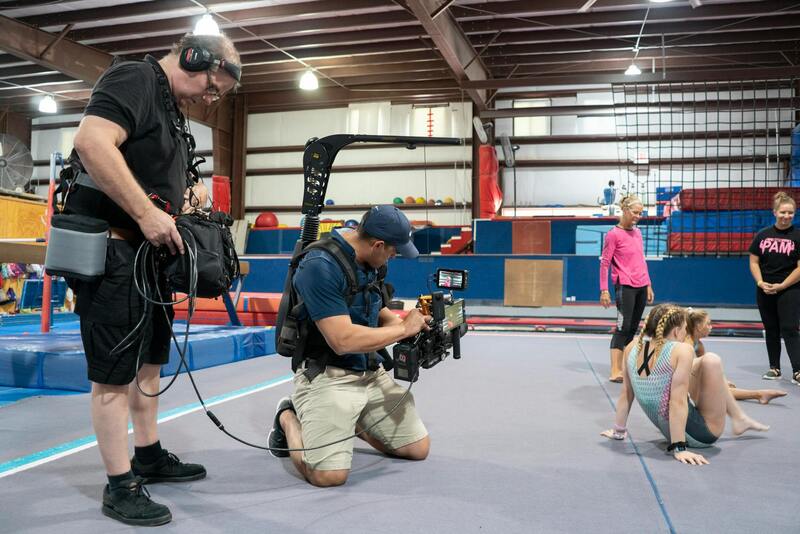
Achieving excellence in live streaming requires meticulous coordination among various technical elements. It begins with pre-production planning — defining the content, scheduling, and technical requirements. During the live event, the process involves capturing video feeds from various sources, mixing them in real-time, and broadcasting through a stable, high-capacity internet connection. Post-event analysis aids in evaluating performance and enhancing future broadcasts.
Key Components of Live Streaming Solutions
A successful live streaming video production hinges on several critical components, each contributing to the overall quality and reliability of the broadcast:
- Video Capture Equipment: Cameras and audio devices compatible with the event’s scope, whether fixed, portable, or drone-based, to capture clear, professional visuals and sound.
- Switchers and Video Mixers: Devices that enable seamless switching between multiple camera feeds, adding graphics, overlays, and effects in real-time, ensuring dynamic visual storytelling.
- Network Infrastructure: Highly reliable, high-bandwidth internet connections that prevent interruptions, buffering, or lag during live streams.
- Lighting Solutions: Proper lighting setups to maintain consistent exposure and reduce visual noise, especially in indoor settings.
- Software Solutions: Integrated production management platforms for real-time editing, stream monitoring, and controlling multiple sources efficiently.
Each element must be carefully selected and calibrated to match the specific demands of the event, considering factors such as audience size, platform distribution, and content type. The synergy between hardware and software, combined with robust network infrastructure, forms the foundation of a dependable, professional live streaming operation.

The selection process involves evaluating the event’s characteristics, including duration, expected viewership, and visual complexity. This ensures the deployment of appropriate cameras, switchers, and streaming encoders that will deliver optimal performance. Investment in quality equipment and infrastructure not only enhances the viewer experience but also reduces the likelihood of technical issues, providing a competitive advantage in the fast-paced digital media landscape.
Advanced Techniques for Secure and Professional Live Streaming
Implementing secure and professional live streaming methods involves a combination of emerging technologies and industry-standard practices that prioritize quality, protection, and scalability. The use of dedicated hardware encoders ensures that streams are encoded without delays or quality loss, providing a stable output suitable for high-stakes events. These hardware solutions are often equipped with redundancies to prevent interruptions in case of hardware failure, maintaining continuous broadcast capabilities.
Secure streaming protocols, such as RTMPS or SRT, are essential to safeguard live content against unauthorized access and potential cyber threats. These protocols encrypt data streams during transmission, reducing vulnerabilities and ensuring that the broadcast remains confidential and trusted by viewers. In regions with high internet traffic or sensitive content, deploying Content Delivery Networks (CDNs) can further optimize delivery by distributing streams across multiple servers globally, minimizing latency and buffering.
Quality assurance begins well before the live event, with thorough testing and pre-configuration of streaming hardware and software. This includes verifying network bandwidth, testing encoding settings, and conducting trial runs with all involved personnel to identify potential points of failure. Multiple backup streams, either through secondary encoders or dedicated backup internet connections, are configured to seamlessly take over if primary streams encounter issues.
Utilizing Cloud-Based Solutions for Enhanced Flexibility
The adoption of cloud-based production solutions offers significant advantages for live streaming video production, especially when flexibility, scalability, and remote access are priorities. Cloud platforms allow for real-time editing, transcoding, and multi-platform distribution without the need for extensive on-site hardware. This approach reduces physical infrastructure costs and offers the ability to expand capacity dynamically as audience sizes increase.
Cloud solutions facilitate collaboration among production teams working remotely, enabling live editing and graphics overlay without geographical constraints. Additionally, cloud-based security measures, such as role-based access controls and encrypted data pathways, ensure that the stream remains protected during all stages of the production process.

For Miami-based productions, leveraging local data centers in conjunction with global content delivery networks ensures fast, reliable streaming performance tailored to regional audience needs. This hybrid approach maximizes both speed and security, ensuring viewers experience high-quality, uninterrupted streams regardless of location.
Choosing the Right Live Streaming Equipment and Technology
Successful live streaming video production hinges on selecting the appropriate equipment and technology tailored to the specific needs of each event. High-quality hardware and robust software solutions ensure a seamless viewer experience, minimizing disruptions and maximizing professional appeal. When considering tools for live streaming, Miami-based clients should prioritize reliability, quality, and compatibility with their broadcasting goals.
Key equipment considerations include professional-grade cameras capable of capturing high-definition footage, durable audio equipment for clear sound, and versatile switchers for seamless transitions between multiple video sources. Encoding hardware, either hardware-based or software-driven, plays a crucial role in compressing and transmitting data efficiently, thereby reducing latency and ensuring a stable stream. Hardware encoders are often preferred for their reliability under high-demand scenarios, while software encoders provide greater flexibility and accessibility for smaller productions.

Furthermore, network infrastructure is vital. A dedicated, high-bandwidth internet connection with multiple failover options reduces the risk of interruptions. For Miami clients, integrating advanced networking hardware such as enterprise-grade routers and switches can optimize data flow and support multicamera feeds, graphics overlays, and real-time interactions.
Cloud-Based Platforms and Software Applications
Modern live streaming solutions often leverage cloud-based platforms, which provide scalable and cost-effective tools for encoding, managing, and distributing content. These platforms support features such as multi-platform streaming, real-time analytics, and remote management, essential for Miami-based businesses aiming to reach diverse audiences efficiently.
Popular software applications include professional streaming suites like OBS Studio, vMix, and Wirecast, which offer extensive customization options, transitions, and integrated graphics. Choosing the right platform depends on factors such as event complexity, production scale, and integration capabilities with existing systems. Cloud-based solutions also enable real-time editing and graphics overlay, enriching live content without the need for extensive on-site hardware.
Monitoring and Quality Control
Effective live streaming requires constant monitoring of video and audio feeds to ensure quality and stability. This involves real-time data analytics, visual monitoring through multiple screens, and dedicated technical staff to troubleshoot issues promptly. Miami clients benefit from remote monitoring capabilities, allowing experts to oversee streams from anywhere, minimizing downtime and technical failures.
Ensuring Future-Proof Technology
Investing in adaptable technology is essential for future growth and evolving broadcast standards. High-end equipment supporting 4K and HDR ensures the content remains relevant and engaging, while advancing compression standards like HEVC and AV1 optimize bandwidth use without sacrificing quality. Additionally, compatibility with emerging immersive formats such as VR and 360-degree video is increasingly vital for staying ahead in the competitive live streaming landscape.

Ensuring Video Quality and Reliability
Maintaining consistent video quality and stream stability is critical in professional live streaming video production solutions. High-quality visuals hinge upon the integration of advanced encoding technologies and reliable hardware components that can handle high data throughput without degradation. Equipment such as multi-core encoders, hardware streaming appliances, and dedicated graphics processing units (GPUs) allow for efficient compression, reducing latency and ensuring smooth delivery of content to viewers. HDMI and SDI outputs from professional cameras must be matched with high-bandwidth capture cards to preserve image fidelity throughout the production chain.
Reliability also depends on robust network infrastructure. Utilizing dedicated fiber optic connections or bonded internet solutions guarantees a stable upload bandwidth necessary for high-definition streams. Regular network stress testing and bandwidth management preparations prevent unexpected interruptions. Additionally, redundant systems—including backup encoders and power supplies—are essential for minimizing downtime, especially during high-profile live events.
Comprehensive monitoring tools enable real-time oversight of all video and audio feeds. Multi-monitor setups displaying various sources and metrics allow technical teams to quickly identify and rectify issues such as signal dropouts, audio sync errors, or hardware failures. Automated failover protocols immediately switch to backup streams if primary sources encounter problems, ensuring uninterrupted transmission. The deployment of edge servers and Content Delivery Networks (CDNs) helps distribute the load efficiently, offering viewers a seamless experience regardless of their location.
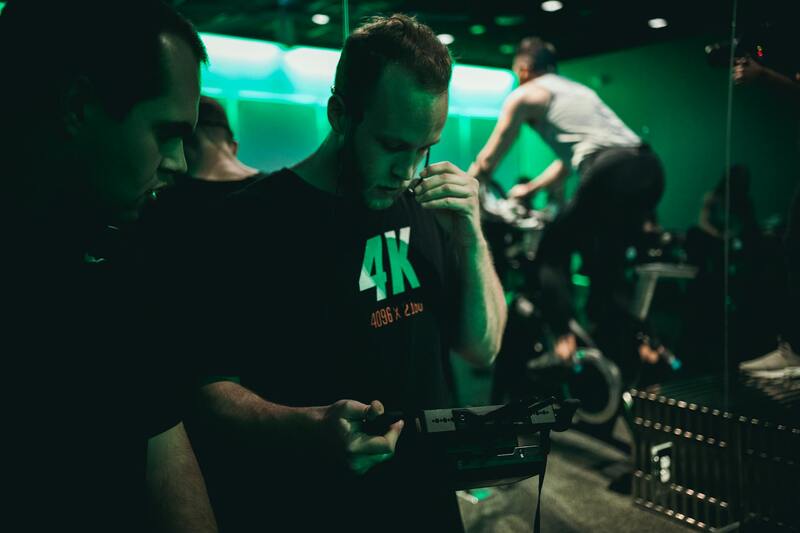
Furthermore, implementing standardized workflows and checklists during pre-production, live operation, and post-broadcast stages enhances overall quality control. Routine maintenance and calibration of broadcast gear prevent unanticipated failures. Training staff members thoroughly on equipment operation and troubleshooting techniques ensures quick response times during live activities. This proactive approach maximizes broadcast uptime while delivering consistent, high-quality content to diverse audiences.
Ensuring Video Quality and Reliability
Maintaining high-quality video and audio streams is fundamental to effective live streaming video production solutions. Achieving this requires the implementation of rigorous best practices, state-of-the-art equipment, and thorough planning at each stage of the production process. Ensuring the reliability of live broadcasts not only enhances viewer engagement but also reinforces the professional reputation of the content provider.
Optimizing Signal Transmission and Compression
One of the primary considerations is the optimization of signal transmission pathways. High-definition video signals demand robust encoding techniques that compress data efficiently without compromising clarity. Utilizing advanced codecs such as H.264 or H.265 ensures that streams maintain visual fidelity across diverse bandwidth conditions. These codecs enable smoother playback and reduce buffering risks, especially critical during large-scale or high-profile events.
Implementing Redundant Infrastructure
To prevent disruptions caused by hardware failures or network issues, redundant systems are essential. This includes deploying dual encoders, backup power supplies, and multiple internet connections. During live streaming, any single point of failure could disrupt the entire broadcast. Having backup systems ready to take over seamlessly minimizes downtime and guarantees continual transmission. Furthermore, maintaining multiple CDN endpoints helps distribute traffic effectively, reducing latency and ensuring seamless delivery to viewers worldwide.
Proactive Monitoring and Quality Control
Real-time monitoring is pivotal for detecting and resolving issues before viewers are affected. Deploying comprehensive monitoring solutions involves tracking video and audio parameters, network health, and hardware performance indicators. Automated alerts enable technical teams to respond swiftly to signal degradation, synchronization errors, or hardware malfunctions. Routine quality audits and calibration procedures further sustain optimal equipment performance, reducing the likelihood of unexpected failures during live events.
Assessing and Scaling Bandwidth Needs
Bandwidth considerations directly influence the stability and quality of live streams. Conducting pre-broadcast network stress tests allows teams to validate existing capacity and identify potential bottlenecks. Adjustments can then be made, whether by scaling up internet bandwidth or optimizing encoding settings. Additionally, deploying adaptive streaming technologies adjusts video quality dynamically based on viewers’ connection speeds, maintaining a smooth experience across all devices and networks.
Staff Training and Standardized Procedures
Equipping technical staff with comprehensive training enhances their proficiency in managing live streams and troubleshooting issues swiftly. Standardized workflows, checklists, and protocols streamline operations during pre-production, live transmission, and post-broadcast stages. Regular drills and maintenance routines help familiarize staff with emergency procedures, ensuring a coordinated response to unforeseen events. By institutionalizing these practices, production teams can uphold high standards of reliability under demanding live conditions.
Advanced Techniques and Best Practices in Live Streaming Video Production
Optimizing live streaming video production requires meticulous attention to a range of technical and operational details that directly impact the viewer experience. Professional producers utilize a combination of cutting-edge equipment, robust workflows, and strategic planning to deliver high-quality streams consistently. Ensuring seamless integration of audio-visual components, managing encoding settings, and maintaining synchronization across multiple feeds are fundamental to achieving professional standards. Adopting redundant systems and failover mechanisms act as safeguards against unforeseen technical disruptions, preserving the continuity of live broadcasts.
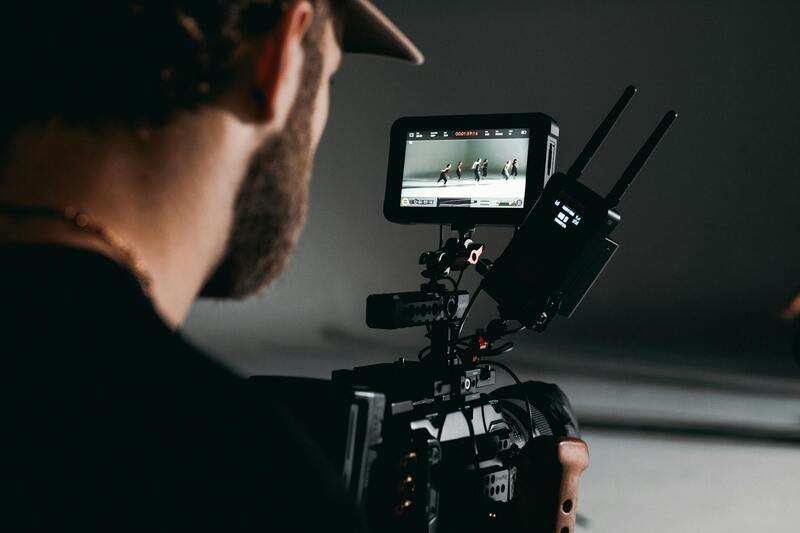
One of the core factors in reliable live streaming is the implementation of comprehensive quality control procedures. Regular calibration and testing of equipment, along with routine performance audits, help detect potential issues before they impact the broadcast. Advanced monitoring tools facilitate real-time tracking of stream health, including latency, buffering rates, and error logs, enabling quick interventions when anomalies arise. Lip-sync accuracy and correct framing are maintained through precise editing and timing controls, ensuring a polished final product.
Surveillance and Troubleshooting Protocols
- Continuous real-time monitoring of streaming metrics
- Built-in alerts for hardware malfunctions or network interruptions
- Pre-established troubleshooting procedures for common issues
- Onsite technical support during live events
Advanced encoding technologies and adaptive bitrate streaming dynamically adjust video quality based on viewers’ internet speeds, reducing buffering and enhancing the overall experience. Employing multi-CDN (Content Delivery Network) distribution provides multiple delivery pathways, further reinforcing stream stability and reach. These strategies collectively ensure that content remains accessible and visually consistent, regardless of geographic variations in network infrastructure.
Enhancing Viewer Engagement and Interaction
Live streaming video solutions now incorporate interactive features such as live polls, Q&A sessions, and real-time chat to foster viewer participation. Integration with social media platforms extends reach and maximizes audience engagement, allowing viewers to share content instantly and participate actively. Moreover, personalized notifications and multi-angle viewing options cater to diverse preferences, elevating the overall impact of live broadcasts.

Technical teams also focus on optimizing the user interface and accessibility settings, ensuring content is inclusive and easy to navigate across devices and screen sizes. By layering engaging content with professional-grade production techniques, organizations can strengthen their brand presence and achieve their communication objectives effectively through live streaming operations.