Overview of Broadcast Streaming Production Services
Broadcast streaming production services encompass a comprehensive range of solutions designed to facilitate the live and recorded dissemination of events across digital platforms. These services are vital for organizations looking to reach broad audiences in real-time or to provide high-quality recorded content for later viewing. In Miami, a vibrant hub for business, entertainment, and cultural events, broadcast streaming production plays a crucial role in amplifying the reach and impact of various occurrences, including corporate meetings, concerts, sports events, and community festivals.
At their core, broadcast streaming production services involve the meticulous planning, execution, and delivery of audiovisual content. These solutions utilize advanced technology to capture, encode, and transmit video and audio data efficiently and reliably. This process allows organizations to connect with global audiences without the constraints of physical venue limitations.

In the dynamic Miami market, these services cater to a diverse array of industries, including entertainment, hospitality, corporate business, education, and government sectors. Whether it’s a single camera setup for a small seminar or a sophisticated multi-camera broadcast for a large conference, broadcast streaming production ensures that the content delivered is professional, engaging, and seamlessly transmitted.
The key benefit of utilizing dedicated broadcast streaming services lies in their ability to enhance audience engagement and extend event visibility. By leveraging expert technical teams and premium equipment, clients can ensure that every broadcast maintains high standards of quality and stability. This is especially important in Miami, where event organizers often seek to maximize exposure and real-time interaction with viewers from around the world.
Furthermore, these services are adaptable to various formats and platform integrations, enabling live streams on social media, dedicated websites, or proprietary apps. They also include options for on-demand content, offering additional avenues for content monetization and audience retention. As Miami continues to grow as a hub for innovative event productions, the role of broadcast streaming production services becomes even more integral to strategic communication efforts across multiple sectors.
Key Components of Broadcast Streaming Production
Effective broadcast streaming production hinges on a suite of sophisticated components that work together to deliver a seamless viewing experience. At its core, high-quality camera setups are essential, offering different angles, zoom capabilities, and resolutions that adapt to the event's scale and nature. Multi-camera configurations enable producers to switch dynamically between shots, capturing keynote speakers, audience reactions, and behind-the-scenes moments, thus maintaining viewer engagement and conveying the event’s energy.
Audio equipment is equally vital. Clear, balanced sound ensures that message delivery is not compromised, particularly during interviews, panel discussions, or musical performances. Professional-grade microphones, mixers, and audio processors help eliminate background noise and optimize sound quality across diverse acoustic environments.
Switching technology is fundamental for real-time production. Video switchers facilitate the smooth transition between camera feeds, overlays, and graphics, creating a polished broadcast akin to traditional television production. These switchers also support effects such as picture-in-picture, slow motion, or branding overlays that enhance audience engagement.
Encoding solutions convert raw video and audio signals into digital formats suitable for transmission over the internet. Advanced encoding equipment ensures minimal latency and high fidelity, even over varying network conditions. High-performance encoders manage multiple streams, adaptable compression settings, and encryption to secure content delivery.
Transmission technology involves reliable streaming servers and Content Delivery Networks (CDNs) that distribute content efficiently worldwide. These systems optimize bandwidth utilization, ensure minimal buffering, and maintain broadcast stability, which is critical for large-scale events or live webinars attracting global audiences.
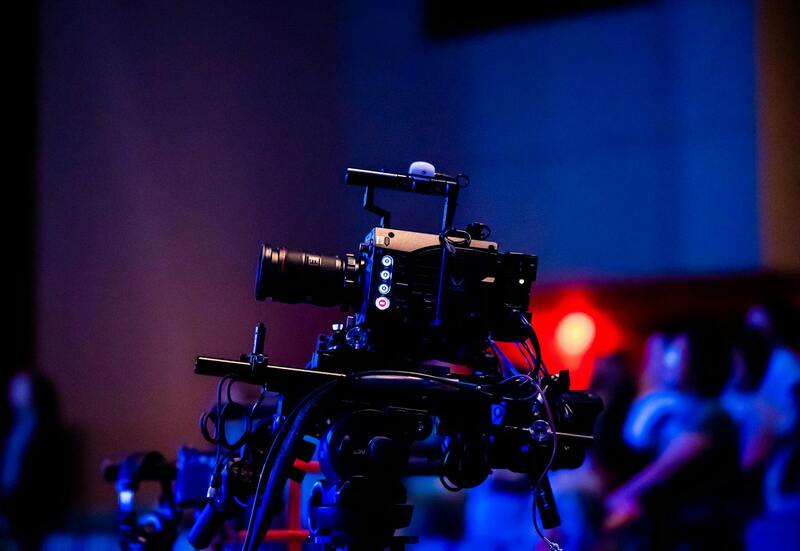
These elements collectively form the backbone of broadcast streaming production, requiring careful integration and professional oversight. The choice of equipment and the configuration process are tailored to each event’s unique needs, guaranteeing a high-quality, reliable live stream that captures the essence of the occasion and reaches viewers across multiple platforms seamlessly.
Technology and Equipment Used in Miami Streaming Services
Miami's broadcast streaming production services utilize a comprehensive array of cutting-edge technology and professional-grade equipment to ensure high-quality live streams. Central to these operations are high-definition cameras capable of capturing detailed visuals from multiple angles, allowing for dynamic production that engages viewers effectively. Integration of PTZ (pan-tilt-zoom) cameras offers remote control flexibility, making it easier to focus on specific aspects of a live event without additional crew members.
Audio quality is equally prioritized, employing professional microphones, audio mixers, and noise reduction systems to deliver clear, immersive sound. This attention to detail ensures viewers experience a broadcast that maintains audio-visual sync and clarity regardless of their device or internet connection quality.
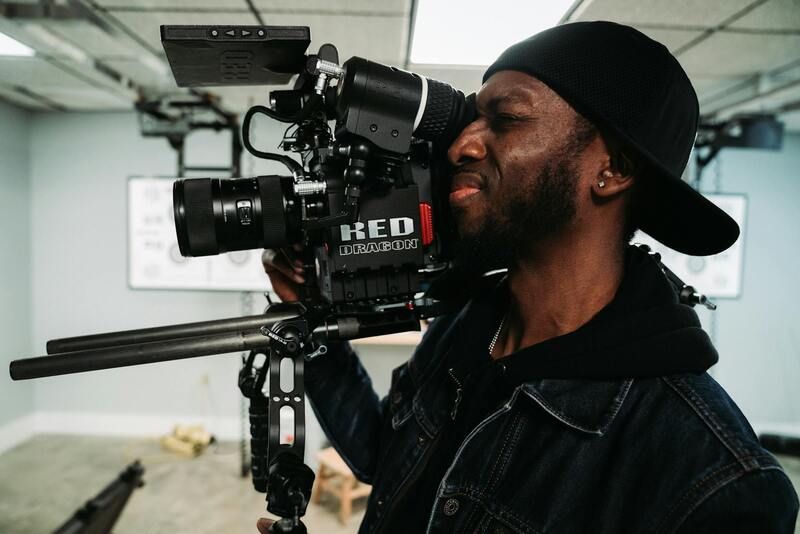
To handle the digital conversion process, advanced encoders are deployed. These devices compress video and audio signals into optimized digital formats that facilitate efficient online transmission while maintaining fidelity. Key features include adaptive bitrate streaming, which adjusts quality based on the viewer’s internet speed, and encryption capabilities to secure content from unauthorized access.
Transmission infrastructure is supported by robust streaming servers and Content Delivery Networks (CDNs). These components distribute the content globally, ensuring viewers experience minimal buffering and consistent playback, even during high-traffic periods. Redundancy systems, such as backup servers and multi-path routing, are crucial in maintaining uninterrupted streams in case of technical anomalies.

In addition to core hardware, production teams incorporate software tools for real-time graphics, overlays, and live editing. These tools allow for seamless integration of branding elements, live statistics, or external media feeds, enhancing the overall viewer experience. Video switchers enable smooth transitions between different camera angles or media sources, contributing to a polished, professional broadcast presentation.
Finally, for remote production needs, mobile streaming units are equipped with the same high-quality technology but designed for portability. This flexibility allows for on-location broadcasting of outdoor events, corporate functions, or sporting events, broadening the scope of services provided in Miami’s vibrant event landscape.
Technology and Equipment Used in Miami Streaming Services
Miami's broadcast streaming production services leverage a suite of advanced technological tools to deliver high-quality live content that meets the demands of diverse clients. Central to this ecosystem are state-of-the-art live video switchers, media servers, and cloud-based platforms, each playing a critical role in ensuring seamless transmission and dynamic content presentation.

Live video switchers enable producers to swiftly transition between multiple camera feeds, incorporate graphics, overlays, and external media sources, creating a visually engaging broadcast. These switchers support high-resolution outputs, multi-layer compositing, and real-time effects, allowing for a professional and polished appearance. Media servers, on the other hand, facilitate the management and playback of pre-recorded content, advertisements, and interactive elements, ensuring smooth incorporation into live streams.
Cloud-based platforms have revolutionized Miami's broadcast production landscape by enabling remote collaboration, real-time editing, and scalable content delivery. These platforms provide versatile solutions for transcoding, encoding, and distributing streams across various devices and bandwidths. They also offer robust data security features, ensuring that sensitive content remains protected during transmission.
Utilized Software and Hardware Solutions
- Professional Live Switchers: Hardware switchers equipped with multi-channel inputs, 4K support, and integrated graphics capabilities.
- Media Asset Management Software: Applications for organizing, scheduling, and deploying multimedia content during live broadcasts.
- Cloud Streaming Platforms: SaaS solutions that facilitate multi-platform streaming, real-time analytics, and audience engagement tools.
- Encoding Hardware and Software: Compressors and encoders optimized for minimal latency and high fidelity across various streaming protocols.
- Remote Production Equipment: Portable hardware units and connectivity kits that support outdoor and on-location broadcasting scenarios.

These technological tools are supplemented by an array of software applications that enhance the overall production workflow. Depending on the specific event requirements, Miami production teams incorporate real-time graphics generators, color correction software, and audience engagement platforms. The integration of hardware and software solutions ensures that every streaming event adheres to the highest standards of quality and reliability, regardless of scale or complexity.
Moreover, the implementation of redundancy protocols, such as failover systems and backup streams, safeguards against potential technical failures. This comprehensive approach to technology deployment guarantees uninterrupted service delivery, allowing clients to focus on their event content with confidence in the technological foundation supporting their broadcast.
Overview of Broadcast Streaming Production Services
Broadcast streaming production services encompass a comprehensive suite of technical and creative resources designed to deliver high-quality live and on-demand content over digital platforms. These services are tailored to meet the specific demands of various industries, including corporate, entertainment, sports, and religious organizations, ensuring seamless delivery of multimedia content across multiple channels. They combine advanced hardware, sophisticated software, and seasoned technical personnel to produce engaging, reliable broadcasts that reach audiences globally.
Offering professional-grade production capabilities, these services often include video switching, multi-camera editing, real-time graphics integration, and synchronized audio management. By leveraging state-of-the-art technology, such as cloud-based streaming platforms and high-definition encoders, companies like Miami Video Services ensure that streamed content maintains clarity, stability, and minimal latency. The strategic deployment of these tools guarantees that viewers experience live events as if they were physically present, fostering greater audience engagement and interaction.
Additionally, broadcast streaming services provide comprehensive project management, encompassing logistical planning, content scheduling, and compliance with broadcasting standards. This holistic approach ensures that every aspect of a streaming event is meticulously coordinated — from initial concept development to post-production analysis. With an emphasis on technical precision and creative presentation, these services support organizations in delivering memorable and impactful live broadcasts that reinforce their brand and communication goals.
Key Components of Broadcast Streaming Production
The core elements of broadcast streaming production are designed to collaborate seamlessly, creating a cohesive workflow that ensures optimal broadcast quality. Essential components include:
- Video Capture Devices: Professional-grade cameras capture high-definition content suitable for large-scale broadcasts and streaming in various resolutions.
- Production Switchers: Hardware and software tools facilitate real-time switching between multiple video sources, enabling dynamic live editing.
- Encoding Hardware and Software: Encoders convert raw video feeds into compressed streams compatible with various internet protocols, minimizing latency and ensuring high fidelity.
- Audio Equipment: High-quality microphones, mixers, and audio processors deliver clear sound, essential for maintaining broadcast professionalism.
- Graphics and Visual Effects: Real-time graphic overlays, lower thirds, and animated intros enhance visual engagement without disrupting the flow of the broadcast.
- Network Infrastructure: Reliable internet connectivity, including fiber-optic links and redundant pathways, is vital for continuous streaming without interruptions.
- Monitoring and Control Systems: Operator interfaces allow real-time oversight, troubleshooting, and quality control throughout the broadcast process.
These components are integrated within a flexible infrastructure that adapts to various event sizes and environments, from small conference rooms to sprawling outdoor venues. Miami-based streaming providers leverage this advanced equipment to deliver seamless, high-quality broadcasts aligned with client objectives.
Types of Events Covered by Streaming Production Services
Miami broadcast streaming production services are capable of supporting a wide array of live and pre-recorded events, ensuring high-quality delivery tailored to the unique requirements of each occasion. These services extend to corporate events, including annual meetings, product launches, and investor conferences, where professionalism and clarity are paramount. Conferences and seminars benefit from multi-camera setups, real-time graphics, and multiple audio feeds, creating an engaging experience for remote attendees.
Educational institutions frequently utilize streaming services for lectures, seminars, and graduation ceremonies, enabling broader accessibility and archiving for future reference. Live sports events require instantaneous transmission, high frame rates, and minimal latency to preserve the dynamic action and viewer engagement. Similarly, entertainment productions such as concerts, theater performances, and festivals leverage advanced streaming solutions to reach expansive audiences with stunning visual quality and synchronized sound.
Religious gatherings, community celebrations, and charity events also benefit from professional streaming, broadening participation and community involvement. Corporate training sessions and webinars demand reliable streaming platforms that support interactive features such as chat, polls, and Q&A, enhancing user engagement. Additionally, government and public safety organizations utilize streaming solutions for live updates, emergency communications, and transparency initiatives, emphasizing the versatility of broadcast streaming production services.
Tailoring Content for Diverse Broadcast Needs
Effective streaming production involves customizing content presentation to suit the specific type of event and intended audience. This includes selecting appropriate visual styles, integrating branded graphics, and ensuring audio clarity. For instance, a corporate webinar might focus on clear speaker audio and slide-based visuals, while a live concert emphasizes immersive visual effects and multi-camera angles. The ability to adapt equipment and production workflows accordingly is fundamental to delivering seamless streams that meet client expectations.
Clients benefit from the extensive experience of professional Miami streaming teams, which collaborate closely during the planning stage to identify the best technical solutions, finalize production schedules, and troubleshoot potential challenges ahead of time. This meticulous approach ensures that the final broadcast maintains high standards of quality, reliability, and viewer engagement across all event types.
Enhancing Audience Engagement with Advanced Streaming Technologies
Utilizing cutting-edge streaming technologies significantly improves the overall broadcast experience, making live events more interactive and immersive for viewers. High-definition (HD) and ultra-high-definition (UHD) streaming options provide crisp visuals, ensuring viewers feel as if they are part of the event. Multi-camera setups enable dynamic shot changes, capturing different angles and perspectives to keep the audience captivated.
In addition to visual clarity, integrating real-time graphics, animated overlays, and on-screen information enriches the viewing experience. These elements can display live scores, speaker names, or social media feeds, fostering a sense of community and interaction. Advanced encoders and streaming servers allow for adaptive bitrate streaming, which dynamically adjusts video quality based on the viewer’s internet connection, reducing buffering issues and maintaining a smooth broadcast regardless of network conditions.
Audio quality remains a critical component in broadcast streaming production. Utilizing professional-grade microphones and mixing consoles ensures clean, echo-free sound that complements high-quality video. Some services incorporate closed captioning and multilingual subtitles to cater to diverse audiences, enhancing accessibility and compliance with broadcasting standards.
Live chat integrations, social media sharing, and interactive polls facilitate active viewer participation, transforming passive viewing into a more engaging event. These features are especially valuable during webinars, conferences, and concerts, where audience interaction can significantly elevate the broadcast’s impact and reach.
Ensuring Reliable Connectivity and Bandwidth Management
A critical aspect of broadcast streaming production involves meticulous planning around internet connectivity. Reliable, high-bandwidth internet connections are essential to prevent disruptions during live broadcasts. Service providers often use redundant internet sources and bonding technology to combine multiple connections, ensuring continuous transmission even if one connection experiences issues.
Bandwidth management extends to optimizing data flow by prioritizing streaming traffic over other network activities. This helps in maintaining high quality without lag or pixelation. Specialized network equipment and software also monitor real-time data transfer, allowing operators to swiftly address any issues that may arise during the broadcast.
Moreover, local network assessments and pre-event testing are conducted to identify and resolve potential bottlenecks. These efforts minimize the risk of latency, buffering, or disconnections, thereby ensuring a stable viewing experience for remote audiences. For large-scale events, dedicated internet lines or satellite links are deployed to guarantee sufficient capacity and coverage across all streaming points.
Post-Production and Content Archiving
Effective broadcast streaming production extends beyond the live event. Post-production processes include editing recordings, enhancing video and audio quality, and incorporating captions or graphics to produce polished content for on-demand viewing. This allows clients to maximize the lifespan of their content by sharing it through various digital platforms, playlists, or archives.
Archiving streamed content also provides valuable resources for future marketing, training, or internal review purposes. High-resolution recordings stored securely ensure that the content remains accessible and can be repurposed with minimal effort. Some streaming services offer automated editing and formatting tools to streamline post-event workflows, enabling quick turnaround times and high-quality deliverables.
Additionally, detailed analytics derived from the streaming platform provide insights into viewer engagement, such as viewership numbers, geographic distribution, and audience retention rates. These metrics inform future broadcast strategies, helping clients optimize content and delivery for enhanced results in subsequent events.
Advanced Content Distribution and Security in Broadcast Streaming Production
Effective dissemination of streaming content in Miami requires adherence to robust distribution channels that optimize reach and viewer engagement. Leveraging multiple content delivery networks (CDNs) ensures scalable and resilient streaming, providing consistent quality regardless of geographic viewer distribution. Strategic placement of CDN nodes throughout Miami and neighboring regions reduces latency and buffering, facilitating smooth streaming experiences for audiences.
Implementing secure encryption protocols safeguards streaming content from unauthorized access and digital piracy. Technologies such as Secure Reliable Transport (SRT) and Advanced Encryption Standards (AES) play pivotal roles in maintaining content integrity during transmission. These security measures are often complemented by token-based access controls and domain licensing, which restrict content access to authorized viewers, ensuring that streams are protected without compromising user experience.

For organizations with sensitive material or proprietary content, digital rights management (DRM) solutions offer an additional layer of security. DRM technologies control how content can be viewed, copied, or downloaded, preserving intellectual property rights and preventing unauthorized distribution. When integrated with streaming platforms, DRM ensures content remains accessible solely to permitted users, providing peace of mind for broadcasters and clients alike.
Real-Time Monitoring and Technical Support
Live monitoring systems are indispensable in Miami broadcast streaming production. These tools provide continuous oversight of stream health, including video quality, audio synchronization, and platform performance. Immediate alerts trigger quick response actions to technical anomalies, minimizing disruptions during live events. Dedicated support teams handle troubleshooting, ensuring that any issues are swiftly addressed, thereby maintaining viewer satisfaction.
Furthermore, detailed analytics dashboards offer real-time insights into viewer engagement, geographic distributions, session durations, and dropout rates. These data points enable broadcasters to make on-the-fly adjustments during live streams, such as improving bitrate allocation or optimizing stream sources, to enhance overall delivery quality.
Integration with Multi-Platform Delivery
To maximize audience reach, broadcast streaming production services in Miami integrate seamlessly across multiple digital platforms. This includes live feeds on social media networks, corporate websites, and streaming aggregators, which expand visibility and accessibility. Multi-platform integration requires advanced transcoding and adaptive streaming technologies that automatically adjust video quality based on viewer connection speeds. This ensures viewers experience high-quality streams regardless of device or bandwidth limitations.
Optimizing multi-platform distribution also involves synchronizing content schedules and implementing analytics tracking across channels. These strategies provide comprehensive engagement metrics, facilitating targeted marketing campaigns and audience insights that inform future streaming strategies.