
Overview of Livestream Production Services
Livestream production services encompass the comprehensive process of creating high-quality live video broadcasts for various events, corporate functions, educational seminars, and entertainment shows. These services integrate advanced video and audio technology, strategic planning, and technical expertise to deliver seamless live content to audiences across multiple platforms. In Miami, where dynamic business environments and vibrant cultural scenes thrive, professional livestream production has become essential for expanding outreach and ensuring meaningful engagement.
The core objective of livestream production services is to provide a professional, reliable platform for real-time broadcasting. This involves capturing live footage through multiple cameras, mixing different video sources, synchronizing audio, and employing sophisticated streaming solutions to transmit content smoothly over the internet. These services also include pre-event planning, content coordination, and post-event analysis, making them a vital asset for organizations aiming to maximize their event’s impact.
Effective livestream production demands a combination of technical skill and creative insight. It allows event organizers and businesses to reach a broader audience, reduce barriers of location, and save costs associated with physical attendance. In Miami, where events range from corporate conferences to music festivals, professional livestream services help elevate the quality and professionalism of broadcasts, creating memorable experiences for viewers and participants alike.
The significance of these services extends beyond simple video transmission. They enable real-time audience interaction through live chat, social media integration, and interactive features, fostering greater engagement and brand visibility. As digital consumption continues to rise, the demand for experienced livestream production providers in Miami underscores their role as a crucial component of modern event execution.

Key Components of Livestream Production
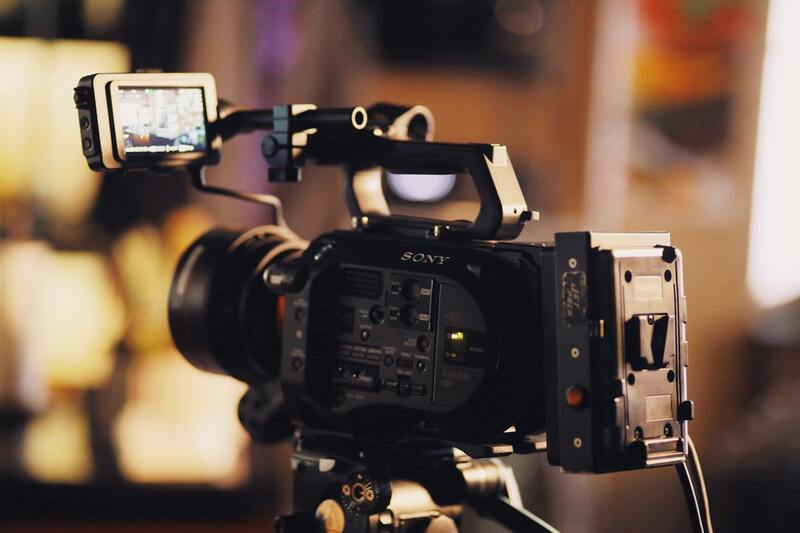
Successful livestream production hinges on a combination of sophisticated technology and skilled personnel working seamlessly together. Core components include high-definition cameras strategically positioned to capture every angle of the event, professional audio equipment to ensure clear sound, and robust encoding devices that convert raw footage into streaming-compatible formats. The integration of switchers enables real-time video source selection and graphic overlaying, elevating the visual presentation of the broadcast.
Managing the production requires expert operators who coordinate camera switching, graphic insertion, and audio adjustments live. Multi-camera setups afford flexibility and comprehensive coverage, while high-quality video switchers allow for smooth transitions and professional visual effects. Simultaneously, audio engineers balance multiple sound sources—such as microphones, musical instruments, or presentation audio—to maintain clarity and consistency throughout the livestream.
Streaming Infrastructure
At the heart of any livestream production lies a reliable internet connection capable of handling high data transfer rates to prevent buffering or interruptions. Encoders and streaming platforms work together to broadcast the live feed to a designated online channel, often utilizing Content Delivery Networks (CDNs) to ensure global accessibility and minimize latency. Stream security measures, such as encryption and access controls, safeguard the content from unauthorized access or disruptions.
Real-Time Monitoring and Control
Monitoring tools provide supervisors with live feedback on stream quality, allowing immediate troubleshooting if issues arise. Control rooms equipped with multiple screens display different video feeds, audio levels, and stream health metrics, enabling efficient management of the production. This setup facilitates dynamic content switching, captioning, and overlay updates, ensuring the broadcast remains engaging and professional throughout.
Factors to Consider When Choosing a Livestream Production Service
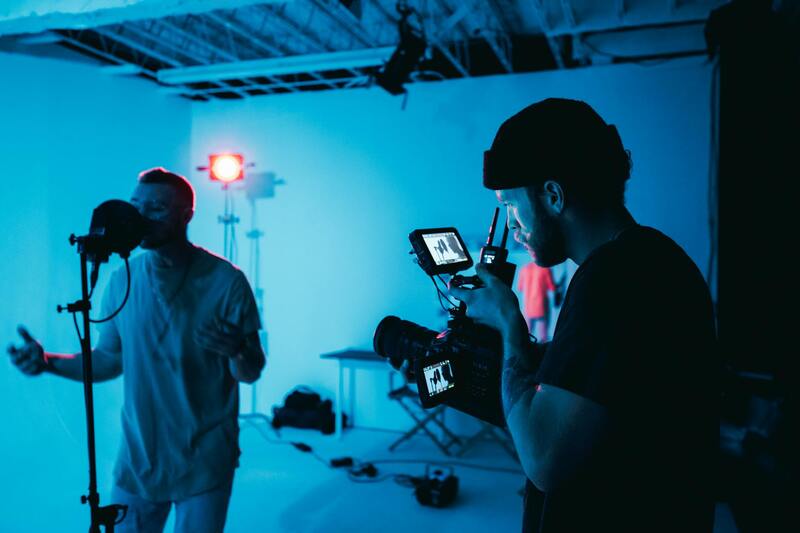
Selecting the right provider involves assessing several critical factors that influence the quality and success of your event broadcast. First, evaluate their technical expertise and experience with similar event types, whether corporate conferences, live concerts, or community events. It’s important that they demonstrate proficiency in managing multi-camera setups, live graphics, and interactive features.
Next, consider the range and quality of equipment employed—state-of-the-art cameras, sound systems, and streaming infrastructure are essential for a seamless broadcast. The provider’s ability to customize solutions to match your specific needs—such as adding branding overlays, multilingual subtitles, or audience engagement tools—is equally vital.
Reputation and client feedback serve as indicators of a provider’s reliability and professionalism. Transparent communication, detailed project planning, and post-event analytics are signs that they prioritize client satisfaction and continuous improvement.
Technical Support & Backup Plans
In the dynamic environment of live broadcasting, technical support is indispensable. Ensure the service provider offers comprehensive on-site and remote support, along with contingency plans for potential failures. Backup equipment, redundant streaming pathways, and rapid issue resolution protocols are critical components that safeguard the broadcast against unforeseen disruptions.
Customizing Livestreams for Different Event Types
Every event demands a tailored approach to livestream production to resonate effectively with its target audience. Corporate webinars benefit from branded graphics, speaker overlays, and interactive Q&A features to foster engagement. Music festivals and entertainment events require high-resolution visuals, multi-camera angles, and crowd shots to capture the energy of the event.
Educational seminars may incorporate slide synchronization and real-time polling, whereas sports events often demand ultra-low latency streams combined with multiple viewing angles for comprehensive coverage. Flexibility in content presentation and technical execution ensures that each livestream aligns perfectly with the event’s objectives and audience expectations.
Key Components of Livestream Production
Successful livestream production relies on a combination of specialized equipment, skilled technical personnel, and efficient streaming platforms. Each element plays a crucial role in delivering a seamless broadcast that meets quality standards and audience expectations.
Video and Audio Equipment
High-definition cameras are fundamental for capturing clear, crisp visuals that engage viewers. Multiple camera setups, including static and robotic cameras, enable dynamic shot changes and varied angles to enhance storytelling. Professional lighting systems are essential to ensure consistent and flattering illumination, especially in indoor settings or poorly lit environments.
For audio, high-quality microphones—such as lavalier mics for speakers or shotgun mics for ambient sounds—are used to guarantee clarity and minimize background noise. Audio mixers and processors help balance and optimize sound levels in real-time, ensuring the broadcast’s auditory aspect remains professional and free of distractions.
Streaming Platforms
Choosing the right streaming platform is vital for accessibility, reliability, and audience engagement. Platforms like YouTube Live, Facebook Live, and specialized enterprise solutions provide varying features such as chat integration, audience analytics, and multi-language support. The choice depends on the scope of the event, anticipated viewership, and specific technical requirements.
Organizations often prefer cloud-based streaming services that offer scalable bandwidth, redundancy, and security features. These platforms facilitate smooth delivery even during high traffic periods, prevent interruptions, and allow viewers to access the content across different devices seamlessly.
Technical Crew and Support
An experienced technical team is the backbone of professional livestreams. They operate and manage the equipment, troubleshoot issues on the spot, and coordinate between different production elements. Roles include camera operators, audio technicians, streaming engineers, and production directors, each contributing to a polished final product.
In addition to on-site staff, comprehensive support includes pre-event planning, equipment testing, and on-site contingency measures. Having backup hardware and redundant streaming channels minimizes the risk of disruptions, ensuring the broadcast continues smoothly even if unforeseen technical problems arise.
Essential Methods for Legally Conducting Livestreams
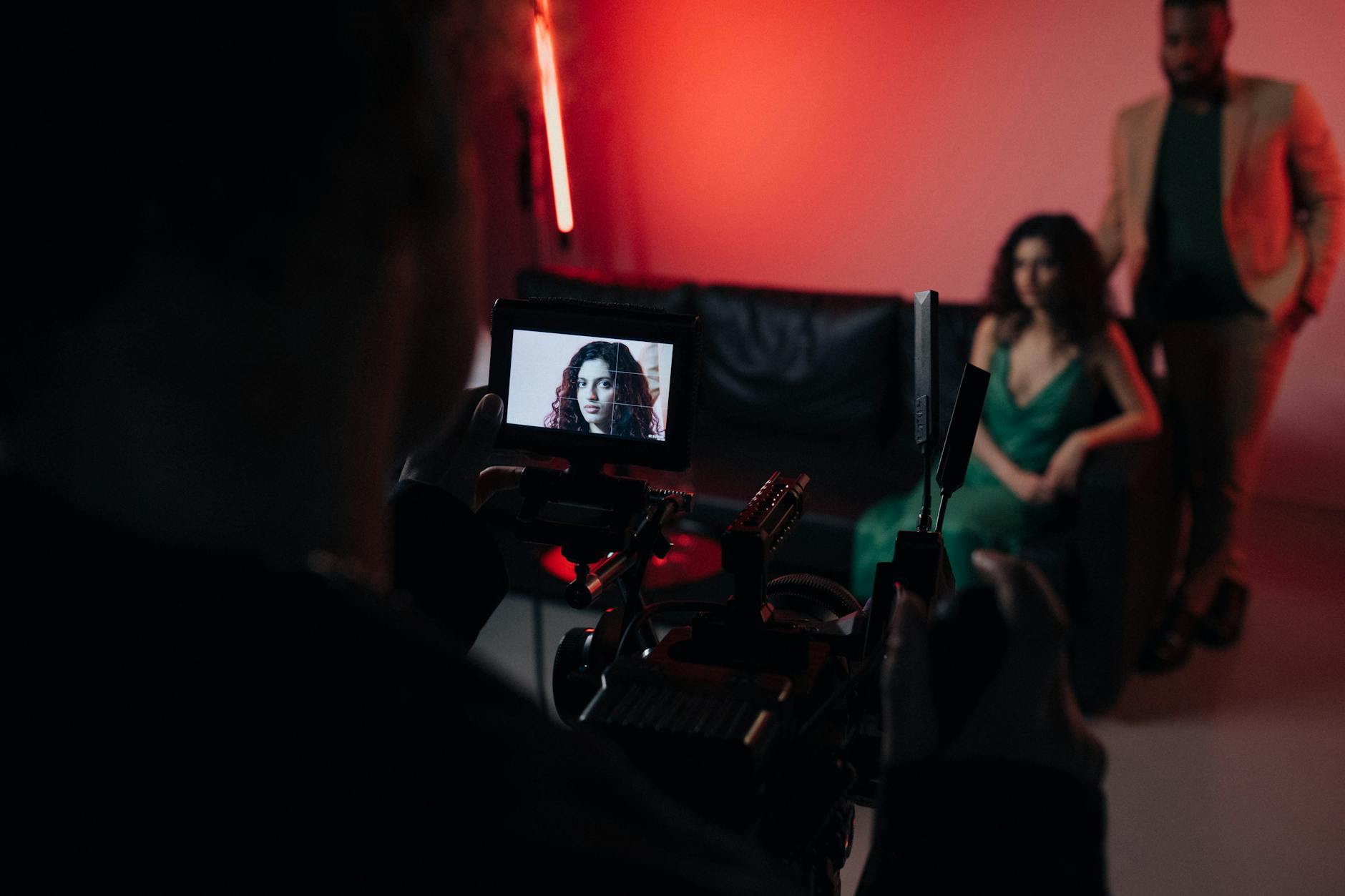
Ensuring that your livestreams adhere to established legal standards involves utilizing official and authorized methods for content distribution. One fundamental approach is partnering with recognized streaming platforms that hold licenses to distribute digital content. These platforms, such as YouTube Live, Facebook Live, or specialized enterprise streaming solutions, provide secure channels that comply with content rights regulations and provide audience management tools.
Utilizing licensed software for encoding and broadcasting is crucial. Reputable streaming software, provided by well-known developers, ensures stability, security, and compliance with copyright laws. These software solutions often include features such as digital rights management (DRM), encryption, and secure authentication processes that help prevent unauthorized access and distribution.
Another major aspect involves obtaining the necessary permissions for third-party content. When broadcasting copyrighted music, videos, or images, securing licensing agreements from rights holders ensures the lawful inclusion of such material in livestreams. Many organizations collaborate with licensing bodies or music rights organizations to manage these permissions effectively.
Maintaining clear documentation is also part of legitimate livestream operations. Keeping records of licenses, permissions, contractual agreements, and platform usage logs provides an audit trail that demonstrates compliance with relevant regulations. This practice is especially important during audits or if disputes arise concerning content rights.
It is also wise to implement robust moderation practices. Using official moderation tools and adhering to platform-specific community guidelines help prevent the dissemination of prohibited material. Automated moderation, alongside human oversight, supports the enforcement of content policies, ensuring a safe and compliant viewing experience.
Furthermore, adhering to regional and international broadcast standards guarantees that your livestreams are compliant across legal jurisdictions. This includes following regulations related to advertising disclosures, privacy policies, and data protection laws such as GDPR in Europe or CCPA in California.

Ensuring Proper Content Management and Compliance
Maintaining high standards in livestream production involves meticulous content management and adherence to official protocols. Leveraging authorized methods for content creation and distribution not only safeguards the integrity of the broadcast but also enhances viewer trust and platform engagement. Implementing a structured workflow that incorporates verified content approval processes ensures that all material meets platform guidelines and regional regulations.
For live event coverage, it’s essential to utilize official streaming channels provided by licensed platforms. These platforms offer built-in controls and compliance tools, which help in monitoring content flow and preventing unauthorized material from being broadcast. This approach reduces risks associated with content infringement and ensures that the transmission aligns with legal standards.
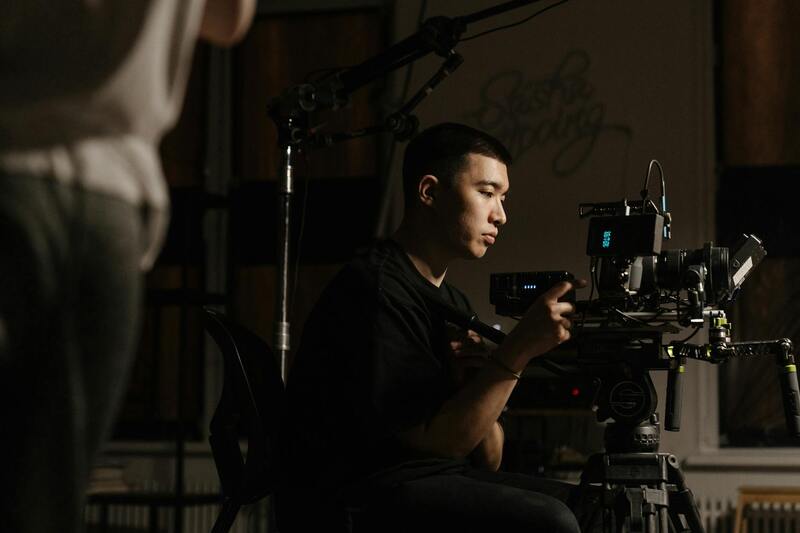
Another critical aspect is the use of verified sources for media assets. Employing licensed music, videos, and graphics guarantees that all content used in the livestream is authorized for public dissemination. This prevents copyright issues and potential legal complications that could interrupt or invalidate the broadcast.
Documenting every step of the production process—from permissions obtained to content used—is fundamental for accountability and compliance verification. Keeping detailed records aligns with best practices for transparent operations and provides an audit trail that demonstrates adherence to guidelines and regulations.
Furthermore, implementing official moderation tools integrated with your streaming platform helps manage real-time interactions effectively. Automated moderation combined with human oversight can filter out prohibited content or inappropriate comments, maintaining a professional and compliant environment during the live event.
Special attention should be given to regional and international broadcast standards. Different jurisdictions may have specific rules regarding privacy disclosures, advertising transparency, or data collection practices. Ensuring compliance with these standards across all regions where content is accessible broadens the reach of the livestream without risking regulatory infringements.
Content Distribution Through Authorized Channels
Distributing your livestream through officially sanctioned channels, such as licensed social media platforms or dedicated streaming services, plays a vital role in compliance. These platforms adhere to regional regulations, offer built-in safety features, and provide analytics tools to monitor content performance and audience engagement securely.
Partnering with a reputable Miami-based livestream production service that specializes in official content dissemination guarantees that every aspect—from recording to delivery—is handled within legal frameworks. Professional services understand the intricacies involved in compliant content management and can offer strategic advice for navigating regional and international broadcast requirements.
Factors to Consider When Choosing a Livestream Production Service
Selecting the right livestream production partner in Miami involves evaluating several critical factors to ensure that your event runs smoothly, meets all regulatory standards, and reaches your target audience effectively. The key is to assess the service provider's expertise, technological capabilities, and adherence to official compliance standards. By doing so, you can facilitate a seamless live broadcast that aligns with your organizational goals.
Technical Expertise and Infrastructure
Professional livestream production services should possess advanced technical resources, including high-quality cameras, reliable streaming hardware, redundant internet connections, and professional-grade audio equipment. Such infrastructure minimizes the risk of technical failures during a live event. Moreover, an experienced team familiar with various broadcasting platforms can optimize the stream quality and troubleshoot issues swiftly, ensuring a stable and engaging viewer experience.
Knowledge of Regulatory and Compliance Standards
In the realm of official livestreaming, understanding the nuances of regional and international broadcast standards is essential. A seasoned Miami-based provider should have a comprehensive grasp of content licensing, copyright restrictions, privacy regulations, and advertising disclosures. This knowledge guarantees that the livestream adheres to all legal parameters, safeguarding your organization from potential complications.
Customization and Event-Specific Solutions
Every event has unique needs that demand tailored solutions. Whether it's a corporate conference, a sports event, or a cultural festival, the service provider should offer customizable features such as branded overlays, multi-camera setups, live chat moderation, and interactive elements. Customization enhances viewer engagement while maintaining a professional presentation aligned with your branding objectives.
Experience in Content Distribution and Compliance
Distributing live content through authorized channels ensures compliance with regional broadcasting regulations. A reliable provider should be proficient in managing distribution through licensed social media platforms or dedicated streaming services that comply with content regulations. They should also take responsibility for content management, including rights management and monitoring viewership metrics, to provide comprehensive support throughout the broadcast process.
Reputation and Client References
A proven track record of successful livestream projects, supported by testimonials and case studies, indicates a provider’s capability to handle complex events. Reviewing their portfolio can reveal their expertise in managing different event types, their compliance adherence, and their ability to deliver high-quality productions consistently.
Customer Support and Communication
Effective communication is crucial from planning through execution. An ideal livestream partner should offer dedicated project managers, clear timelines, and responsive support teams. During the event, swift troubleshooting and real-time communication channels ensure any unforeseen issues are resolved promptly, preserving the event's professionalism.
Tech Trends Influencing Livestream Production
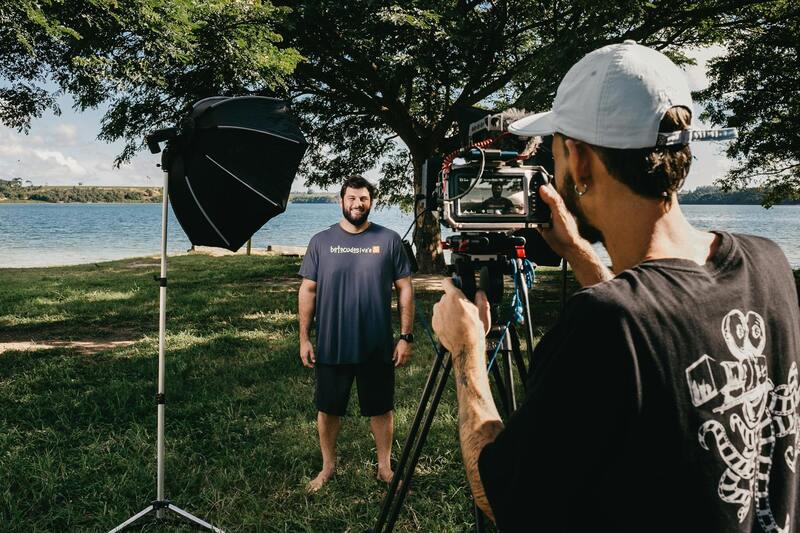
Staying abreast of technological advancements is crucial for delivering high-quality livestream experiences that meet modern audience expectations. Today’s livestream production services leverage cutting-edge innovations such as 4K streaming, which significantly enhances visual clarity and detail, providing viewers with an immersive viewing experience. Multi-camera setups have become standard, allowing for dynamic shot transitions, varied angles, and professional production values that replicate traditional broadcast quality. These setups enable producers to capture different perspectives simultaneously, creating engaging visual narratives that hold the audience’s attention.
Interactive features have also gained prominence, transforming passive viewing into active participation. Features like live polls, Q&A sessions, real-time chat integrations, and virtual audience engagement tools foster a sense of community and interaction, increasing viewer retention and satisfaction. Advanced graphics overlays and real-time data visualization further enhance the viewer’s experience by providing contextually relevant information seamlessly integrated into the broadcast.
Moreover, the advent of cloud-based solutions has enabled scalable and flexible production workflows. Cloud streaming services facilitate real-time transcodification and distribution to multiple platforms simultaneously, ensuring a wider reach with minimal latency. Adaptive bitrate streaming ensures smooth playback across varying internet speeds, reducing buffering and enhancing overall viewer experience.
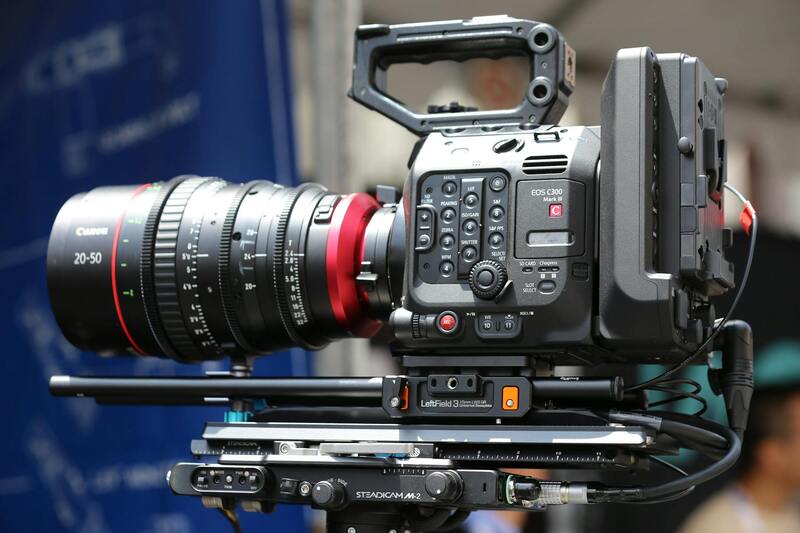
Talent and technical expertise are also critical components influenced by these tech trends. Skilled operators and production teams proficient in these technologies help organizations maximize their livestream’s visual and engagement potential. As technological trends continue to evolve, partnering with a provider that invests in the latest tools and training ensures your livestream maintains a competitive edge and meets audience expectations for quality and interactivity.
Comprehensive Approaches to Ensuring Authentic and Secure Livestream Content
Maintaining the integrity and security of livestream content is paramount for organizations aiming to provide reliable and trustworthy broadcasts. Employing official and established streaming methods minimizes the risk of unauthorized access, copyright infringement, and technical disruptions. These methods incorporate robust encryption protocols, secure content delivery networks, and authenticated platforms that verify the identities of both broadcasters and viewers. Leveraging trusted service providers who utilize industry-standard security measures ensures that the content delivered reaches the intended audience without interference or hacking attempts.
Utilizing Official Streaming Platforms
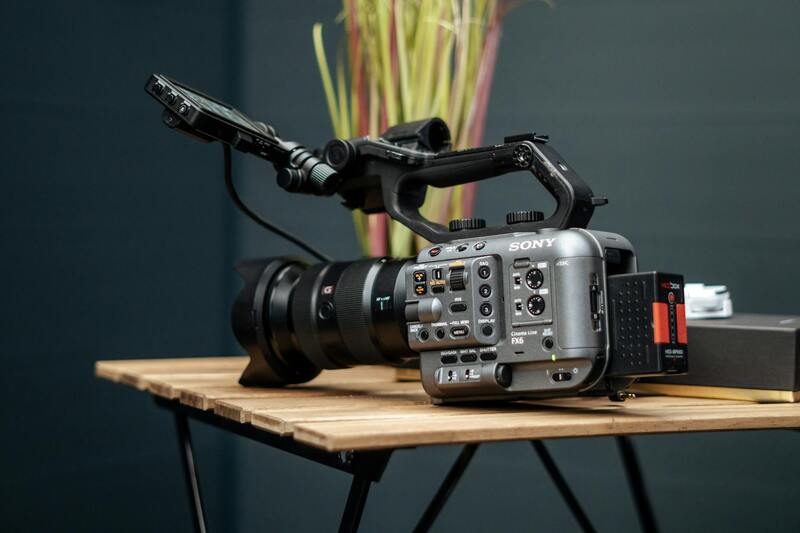
- Certified Platforms: Platforms like YouTube Live, Vimeo Livestream, and Facebook Live adhere to strict security standards, offer end-to-end encryption, and maintain compliance with content protection policies.
- Subscription-Based Services: Premium streaming services often provide additional security features, such as customizable access controls, password-protected streams, and geo-restrictions to prevent unauthorized viewing.
- Dedicated Enterprise Solutions: For organizations with higher security demands, enterprise-grade streaming solutions provide controlled environments, real-time monitoring, and comprehensive audit trails to safeguard content integrity.
Implementing Digital Rights Management (DRM) and Access Controls
DRM technologies prevent unauthorized redistribution or copying of live content, ensuring only authorized viewers with valid credentials can access the stream. Complementing DRM with strict access control mechanisms—such as single sign-on (SSO), two-factor authentication, and IP whitelisting—further enhances broadcast security by restricting entry points and verifying viewer identities.
Ensuring Reliable Content Delivery and Data Privacy
- Content Delivery Networks (CDNs): Utilizing reputable CDNs provides scalable and resilient delivery channels that distribute streams efficiently, reducing latency and buffering issues while guarding against potential denial-of-service attacks.
- Data Encryption: Encrypting streams using protocols like TLS (Transport Layer Security) ensures that data transmitted between servers and viewers remains confidential and tamper-proof.
- Regular Security Audits: Conducting periodic assessments of streaming infrastructure helps identify vulnerabilities, verify compliance with security standards, and implement necessary updates promptly.
Training and Protocols for Live Broadcasts
Staff involved in livestream production should undergo training on security best practices and emergency protocols. Establishing clear procedures for handling unexpected disruptions or security breaches enhances the overall resilience of the broadcast. This preparedness includes real-time monitoring for suspicious activities, swift response plans, and coordination with security teams to address threats proactively.
Partnering with Reputable Providers
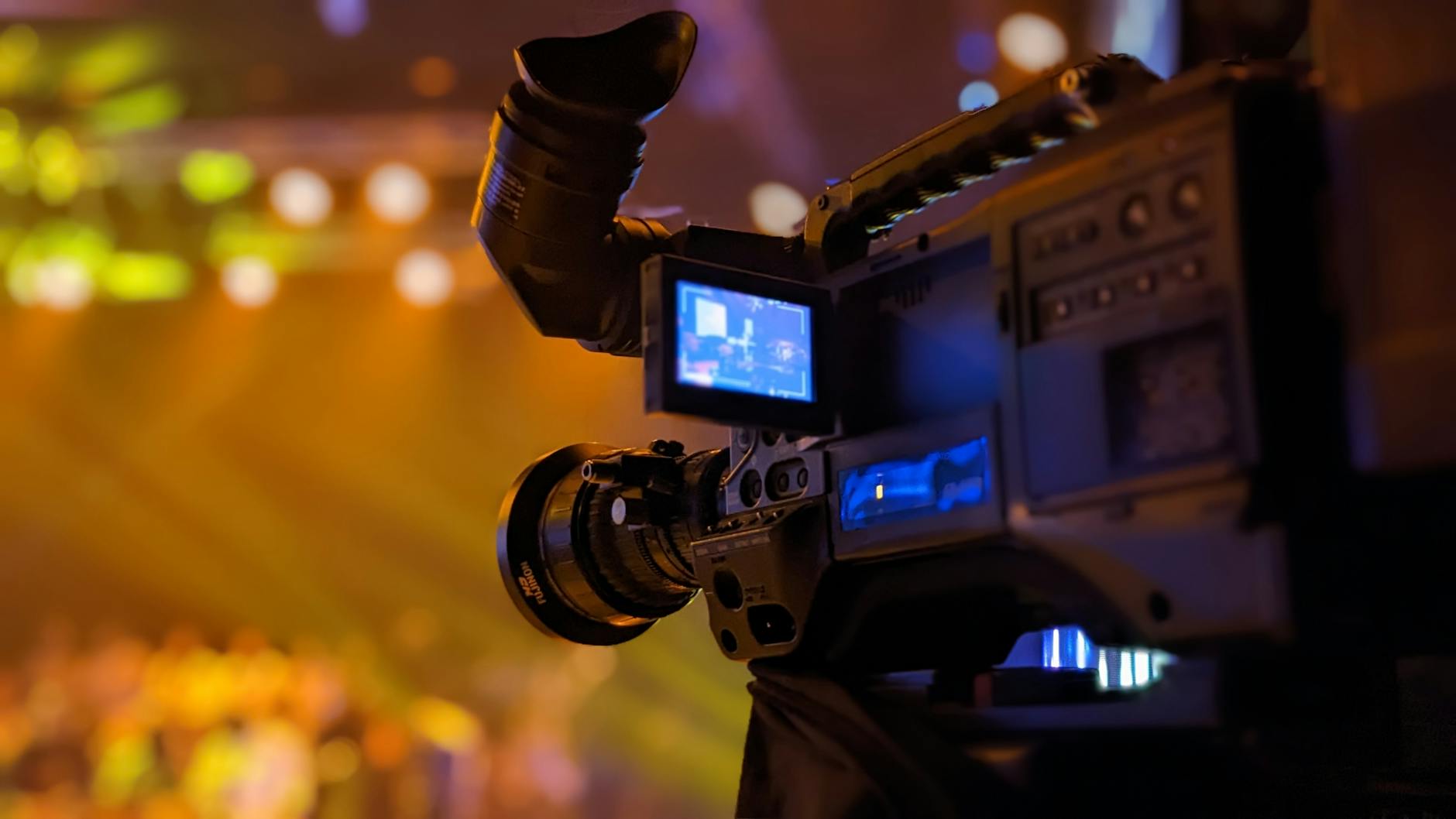
Choosing a livestream production services provider with proven expertise in secure streaming practices ensures your content remains protected throughout the entire broadcast process. Established providers invest in the latest security technologies, staff training, and compliance measures, offering peace of mind that your live streams are delivered safely and reliably to your audience.