
Overview of Live Streaming Video Production Services
Live streaming video production services have become an essential component for individuals, organizations, and businesses aiming to reach audiences in real-time with high-quality broadcast content. In Miami, a vibrant hub for events, entertainment, corporate gatherings, and cultural festivals, these services provide a seamless way to broadcast live events to viewers across various platforms. The core purpose of live streaming is to deliver engaging, high-definition video content directly to an online audience, allowing for instantaneous interaction and engagement.
From corporate conferences and product launches to music festivals and religious gatherings, live streaming services support an array of activities that require professional-grade video production. These services enable organizers to extend their reach beyond physical attendance, ensuring that remote viewers experience the event as if they were there in person. The ability to broadcast live also enhances viewer engagement through features like real-time chat, viewer polls, and social media integration, fostering a dynamic and interactive viewing environment.
In Miami, leveraging local live streaming video production services offers several advantages. These providers are well-versed in handling the city’s diverse event landscape, equipped with advanced technology and seasoned professionals who ensure the content is captured, produced, and transmitted without glitches. Whether the goal is to entertain, inform, or promote, live streaming services help organizations maximize their visibility and achieve their communication objectives effectively.
Furthermore, Miami-based service providers understand the unique logistical and technical demands of local events, enabling efficient planning and execution. Their expertise ensures high-quality video output, reliable transmission, and synchronized audio-visual content delivery. This is particularly critical in environments with variable internet connectivity and outdoor settings, where technical expertise can make the difference between a successful broadcast and a compromised viewing experience.
Overall, live streaming video production services serve as an indispensable tool for modern event organizers in Miami seeking to expand their reach, boost audience engagement, and deliver compelling content in real-time. With professional support, organizations can ensure their broadcasts are visually impressive, technically smooth, and aligned with their strategic goals.
Key Equipment and Technologies Used
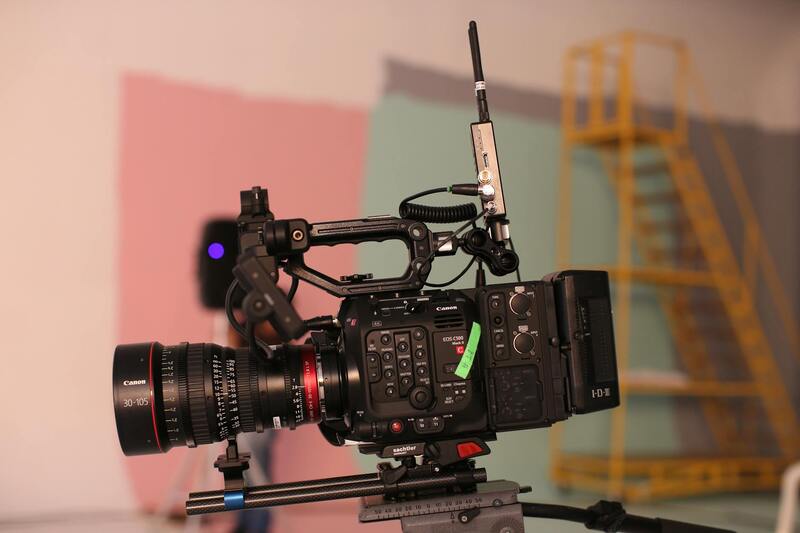
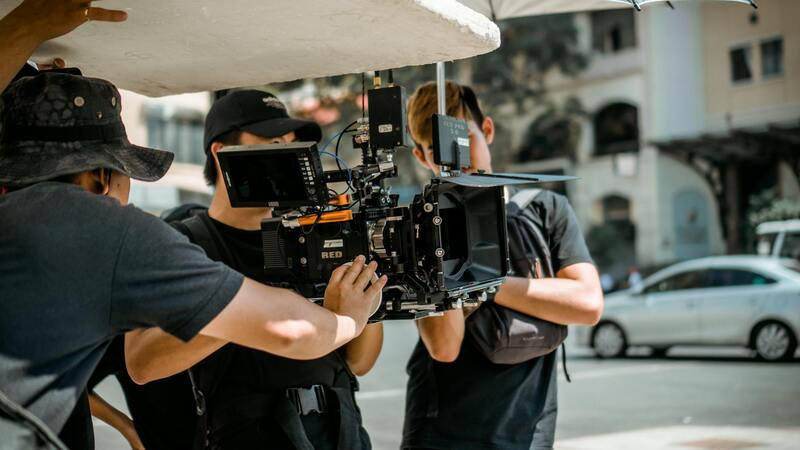
Successful live streaming video production hinges on a combination of state-of-the-art equipment and sophisticated technologies to deliver seamless broadcasts. The core components include high-definition cameras capable of capturing clear, detailed images in various lighting conditions, ensuring that viewers receive a professional visual experience. These cameras are often complemented by multiple angle setups, allowing producers to switch perspectives in real-time for dynamic coverage.
Audio quality is equally vital, with professional-grade microphones, wireless systems, and mixing consoles employed to capture crisp, clear sound. Audio interfaces with noise reduction features help eliminate extraneous background noise, creating an immersive experience for viewers.
Streaming hardware, such as encoders and streaming servers, transforms captured content into digital signals compatible with various streaming platforms. These encoders compress high-quality video streams without sacrificing clarity, ensuring efficient transmission over the internet.
For reliable broadcasting, especially in outdoor or variable connectivity environments, wireless transmission systems and backup internet connections are commonly integrated. Additionally, software tools for real-time video switching, graphics overlay, and live titling enable producers to customize broadcasts instantly, enhancing viewer engagement and professionalism.
Advanced virtualization and cloud-based services are increasingly utilized to augment traditional setups. Cloud platforms enable remote monitoring, multi-location streaming, and scalable bandwidth options, making it easier to manage complex productions with multiple camera feeds and interactive elements.
In all cases, the choice of equipment and technology should be aligned with the specific needs of each event, ensuring a flawless, engaging presentation that meets the determined quality standards.
Overview of Live Streaming Video Production Services
Live streaming video production services encompass a broad spectrum of technical expertise and creative strategies aimed at delivering seamless, high-quality digital broadcasts. From event coverage and corporate presentations to religious services and entertainment productions, these services are tailored to meet diverse client needs. Their core function is to capture live footage, encode it efficiently, and disseminate it across multiple platforms, ensuring viewers experience a real-time connection with the content. A professional live streaming provider employs cutting-edge equipment, skilled technicians, and strategic workflows that guarantee clarity, stability, and engagement throughout the broadcast. This comprehensive approach ensures that every aspect—from camera angles and audio fidelity to graphic overlays and viewer interaction—is meticulously managed to produce a flawless viewing experience.
Types of Live Streaming Services Offered
Miami-based providers offer a diverse range of live streaming solutions, each designed to suit specific event requirements and audience expectations. These services include:
- Event Broadcasts: Covering conferences, concerts, sports tournaments, and cultural festivals, with focus on capturing dynamic visuals and ambient sound to engage viewers in real time.
- Corporate Live Streams: Facilitating internal and external communications, product launches, shareholder meetings, and training sessions that require professional presentation quality.
- Educational Streaming: Live broadcasts for seminars, conferences, and classroom settings, often supplemented with real-time Q&A sessions and interactive elements to foster engagement.
- Religious Services: Edifying live streams of sermons, prayers, and community events that connect congregations regardless of their physical location.
- Social Media Streaming: Customized content optimized for platforms like Facebook Live, Instagram Live, and YouTube Live, ensuring maximum reach and viewer interaction.
Each service type necessitates tailored technical setups and production workflows to optimize viewer experience. Whether it requires multi-camera angles, live graphics overlays, or social media integration, Miami's live streaming specialists are equipped to execute these tasks seamlessly.
Key Equipment and Technologies Used
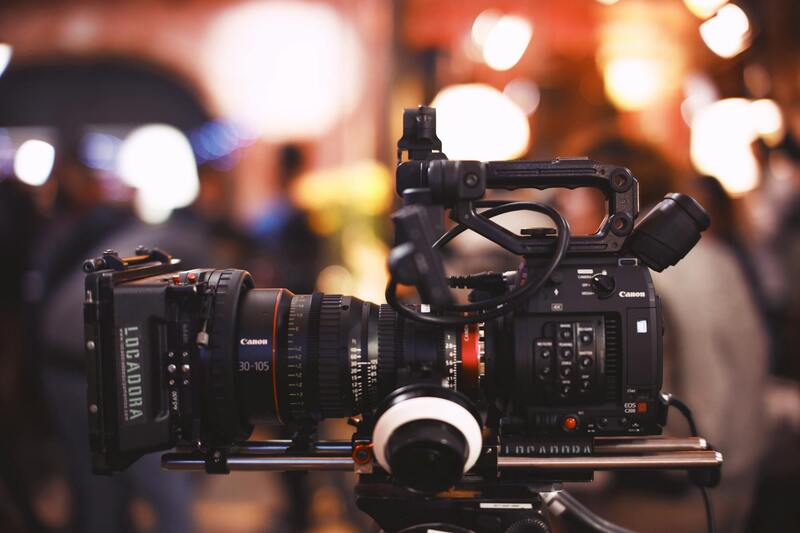
Understanding the foundation of high-quality live streaming video production services hinges on the sophisticated equipment and cutting-edge technologies employed by professional providers. These tools ensure that every broadcast is clear, stable, and engaging, capable of capturing the essence of live events accurately. The core components include high-definition cameras, robust streaming encoders, switchers, and reliable internet connectivity solutions.
High-definition cameras are the cornerstone of live streaming, offering crystal-clear visuals that adapt depending on the event's scale and lighting conditions. These cameras often feature multiple angles, allowing for dynamic shots that enhance viewer engagement. They are connected to professional-grade production switchers and video mixers, enabling real-time transitions between different camera feeds, overlays, and graphic elements.
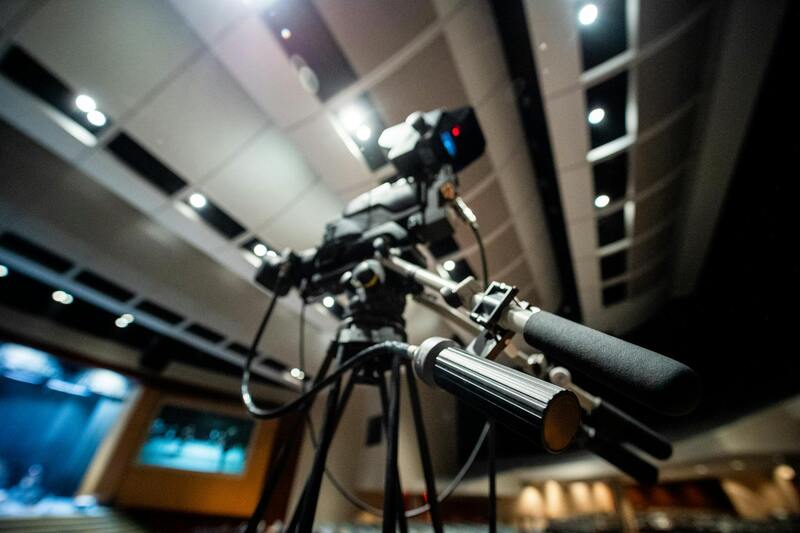
Producing a polished live stream also requires high-quality audio equipment. Professional microphones, sound mixers, and audio interfaces ensure that speech and environmental sounds are captured with optimal clarity, balancing audio levels for a natural listening experience that synchronizes with visual content.
Encoding hardware plays a vital role in transmitting live video over various platforms. Professional encoders compress the footage without sacrificing quality, enabling smooth streaming even with fluctuating internet speeds. These encoders are integrated with adaptive bitrate technology, which automatically adjusts the stream quality to prevent buffering or interruptions.
Reliable internet connectivity is paramount for uninterrupted broadcasts. Many service providers utilize dedicated fiber-optic lines and backup internet solutions, such as cellular bonding and satellite connections, to mitigate risks associated with network instability.
Beyond hardware, software platforms serve as the control centers for live productions. Professional-grade streaming software facilitates multi-camera switching, real-time graphics overlay, and live chat integration, allowing producers to maintain a professional and interactive broadcast. These platforms often include analytics tools to monitor viewer engagement and stream performance during and after the event.
Ensuring Robust Internet Connectivity and Transmission Reliability
For live streaming video production, maintaining a stable and high-speed internet connection is indispensable. Service providers in Miami often employ dedicated fiber-optic lines to deliver superior bandwidth, reducing latency and enhancing stream stability. Additionally, many utilize backup internet solutions such as cellular bonding, which combines multiple cellular connections to create a resilient link capable of sustaining uninterrupted broadcasts even during primary network disruptions. Satellite connectivity can also serve as an alternative, especially in locations where terrestrial options are limited, ensuring continuous transmission regardless of environmental factors.
Alongside internet stability, the choice of encoding hardware significantly influences the quality and reliability of live streams. Professional hardware encoders perform real-time compression of video signals, balancing high-definition quality with manageable data rates. Advanced encoders incorporate adaptive bitrate technology that dynamically adjusts the streaming quality based on current network conditions, minimizing buffering while providing optimal viewing experiences. These systems often integrate with multi-platform streaming software, enabling simultaneous broadcasts on various social media channels or dedicated streaming platforms without compromising performance.

Utilizing Software for Control and Engagement
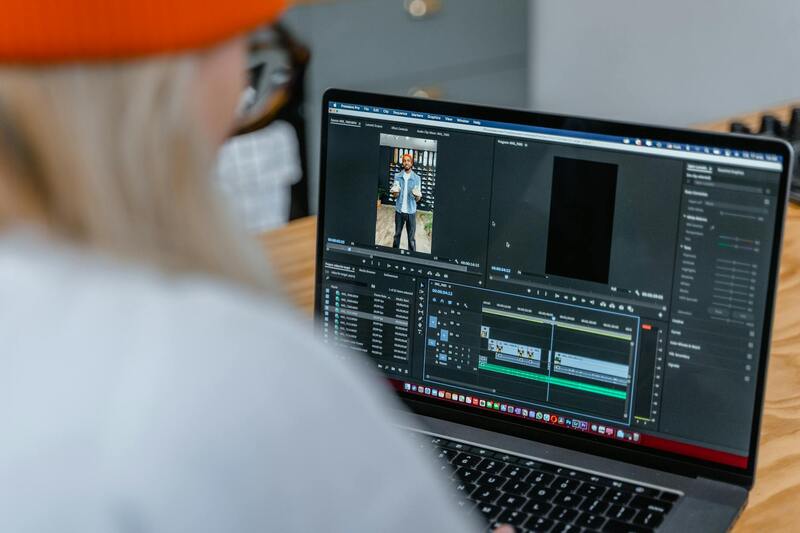
Software solutions form the core of professional live streaming workflows. They provide user-friendly interfaces for multi-camera switching, allowing operators to select different angles and shots without interrupting the live feed. Graphics overlays, such as logos, lower thirds, and real-time annotations, can be integrated effortlessly, elevating the broadcast’s professionalism. Additionally, live chat features enable real-time viewer interaction, fostering audience engagement and participation.
Broadcast management software often includes analytics tools that track viewer metrics, stream performance, and engagement levels. These insights help producers fine-tune content delivery strategies and improve future broadcasts. Furthermore, integration with social media platforms ensures wider dissemination, enabling broadcasts to reach diverse audiences instantly while maintaining synchronization across all channels.
Quality Control and Post-Production Enhancements
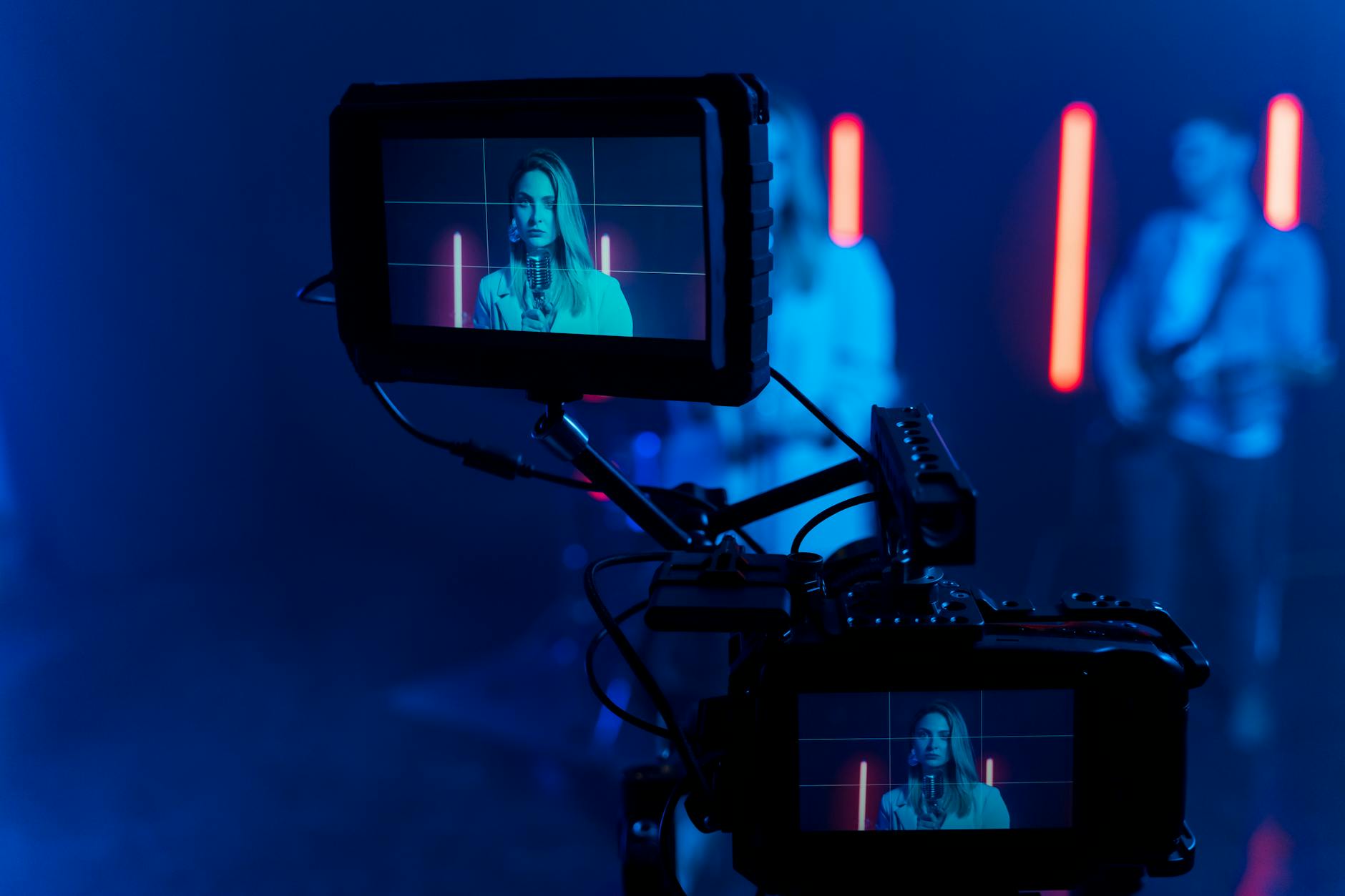
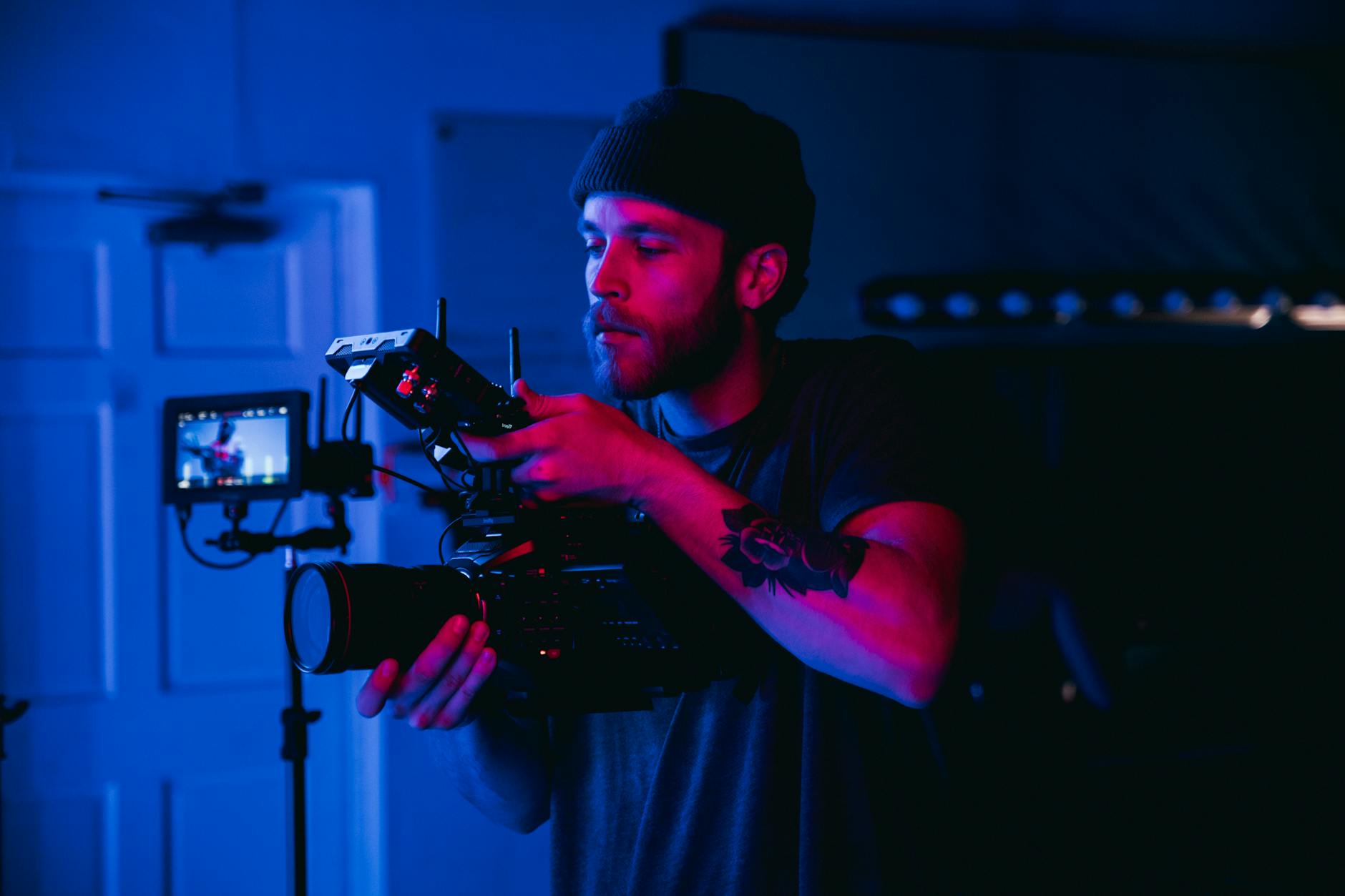
Effective live streaming extends beyond raw transmission. Real-time quality checks are performed through dedicated monitoring screens, allowing technical teams to identify issues like audio imbalance, visual artifacts, or signal dropouts immediately. This proactive approach minimizes disruptions and maintains high broadcast standards.
Post-event analysis offers valuable insights into viewer behavior, stream stability, and engagement peaks. These evaluations guide future improvements, such as refining camera angles, adjusting audio levels, or optimizing streaming schedules. High-quality recordings of live streams can also be archived for on-demand viewing, providing additional content value and expanding audience reach long after the event concludes.
Common Challenges and Solutions
While live streaming video production offers numerous advantages, it is not without its challenges. Technical issues such as unstable internet connections can disrupt the flow of a broadcast, leading to buffering, quality degradation, or complete signal loss. To address these problems, professional live streaming services typically employ dedicated bandwidth management tools and conduct thorough pre-event testing to ensure robust network performance. Using multiple internet sources and failover systems further reduces the risk of interruptions, maintaining a seamless viewing experience.
Equipment malfunctions also pose a significant concern. Faulty cameras, audio devices, or switching gear can compromise broadcast quality. Experienced production teams perform meticulous equipment checks and employ redundant hardware setups to mitigate this risk. Regular maintenance and calibration of all devices ensure optimal performance throughout the broadcast.
There are also issues related to synchronization between audio and video streams, which can lead to delays or mismatch in content delivery. Professional solutions include deploying high-quality encoders that support low-latency streaming and employing real-time monitoring systems that detect and correct synchronization issues promptly.
Furthermore, managing live viewer interactions can be complex, especially when integrating chat features, polls, or Q&A sessions. Skilled producers oversee these interactions to prevent spam, manage moderation, and foster positive engagement. Clear communication protocols and dedicated moderation teams are crucial for maintaining an organized and engaging live environment.
To navigate these challenges effectively, engaging experienced live streaming production professionals in Miami can provide specialized expertise, advanced equipment, and strategic planning. Their proactive approach minimizes disruptions and ensures a professional, polished broadcast that meets high standards of quality and reliability.
Advanced Techniques and Best Practices in Live Streaming Video Production
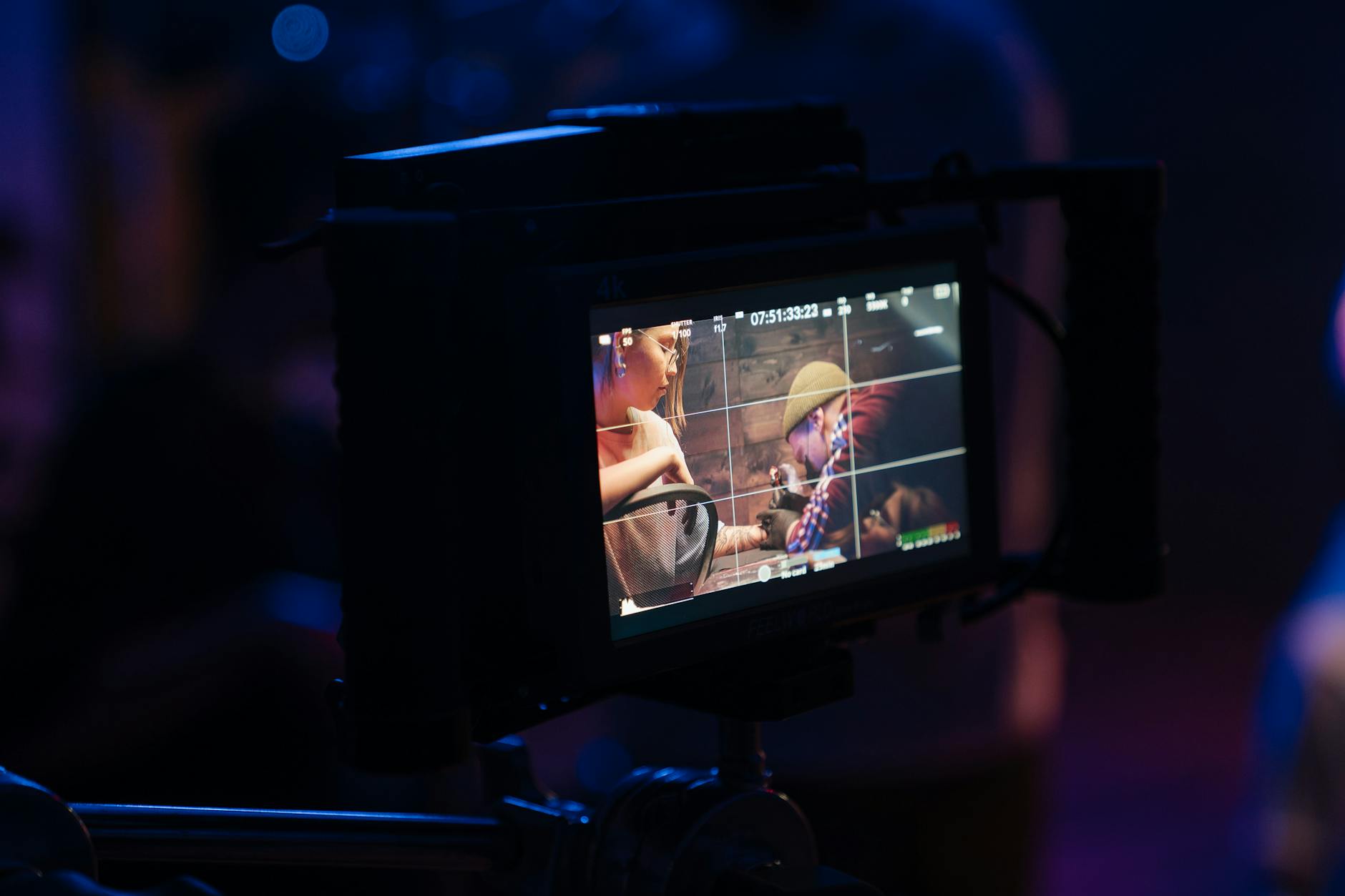
Effective live streaming video production requires more than just high-quality equipment—it demands a strategic approach that blends technical expertise with creative execution. To deliver seamless, engaging broadcasts, production teams in Miami employ a range of advanced techniques and adherence to best practices that optimize viewer experience and ensure broadcast reliability.
Implementing Multi-Platform Streaming
One key strategy is multi-platform streaming, which involves broadcasting simultaneously across multiple channels such as social media platforms, dedicated streaming services, and the client’s website. This approach maximizes audience reach and engagement. It requires the use of sophisticated encoders capable of encoding multiple streams concurrently while maintaining low latency and high quality. Properly managing bandwidth and stream bitrates is vital to prevent buffering and ensure consistency across platforms.
Utilizing Adaptive Bitrate Streaming
Adaptive bitrate streaming dynamically adjusts the quality of the video based on the viewer’s internet connection. This technique minimizes interruptions and enhances viewer satisfaction, especially for those accessing the stream via mobile devices or fluctuating network conditions. High-performance streaming servers calibrated to support adaptive bitrate protocols contribute to a resilient broadcast that maintains visual clarity regardless of network variability.
Implementing Professional Audio Management
Clear audio is fundamental to a successful live broadcast. Using professional-grade microphones, wireless audio systems, and sound mixers ensures high-fidelity sound. Sound engineers regularly calibrate audio levels and employ ambient noise reduction techniques. Additionally, employing audio delay systems ensures synchronization with video streams, which is crucial during interviews or multi-camera setups.
Optimizing Visual Presentation
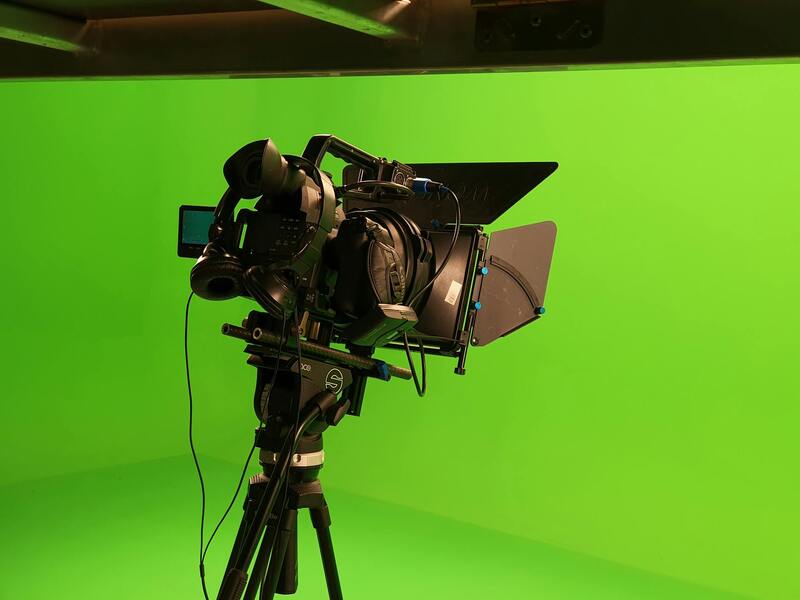
Multiple camera angles, high-definition switching, and real-time graphics enhance the production quality and viewer engagement. Virtual sets and chroma key technology allow seamless integration of graphics and backgrounds, creating a polished, professional appearance. These visual elements not only improve aesthetics but also serve informational purposes, such as branding or displaying live data.
Protocols for Emergency Management
Despite meticulous planning, technical issues can still occur. Establishing emergency protocols, such as backup streaming sources, real-time troubleshooting procedures, and clear communication channels among crew members, mitigates potential disruptions. Continuous monitoring during the broadcast enables immediate response to any unforeseen issues, preserving the broadcast’s integrity and professionalism.
Training and Skill Development
Investing in ongoing training for production staff ensures they stay abreast of evolving technologies and industry standards. Mastering new live streaming software, understanding hardware upgrades, and practicing emergency response procedures contribute to delivering flawless broadcasts. Experienced teams also adapt to unique client needs, providing tailored solutions that align with specific event goals and target audiences.
Choosing the Right Live Streaming Provider in Miami
Selecting the ideal partner for live streaming video production services requires careful consideration of several critical factors. In Miami, a vibrant hub for diverse events, ensuring compatibility with the latest technologies and a proven track record of executing complex productions can significantly influence the success of your live broadcast.
It is essential to evaluate a provider’s portfolio to understand their range of capabilities and experience with different event types, from corporate conferences to entertainment festivals. Client testimonials and case studies offer insight into their reliability, professionalism, and ability to deliver high-quality streams consistently.
Technical expertise is paramount. Top-tier providers invest in cutting-edge equipment and stay updated with the latest software solutions. This not only enhances production quality but also ensures seamless integration of multiple data streams, high-definition video output, and real-time graphics. Additionally, their team should possess comprehensive knowledge of streaming protocols, encoding standards, and network configurations to prevent potential disruptions.
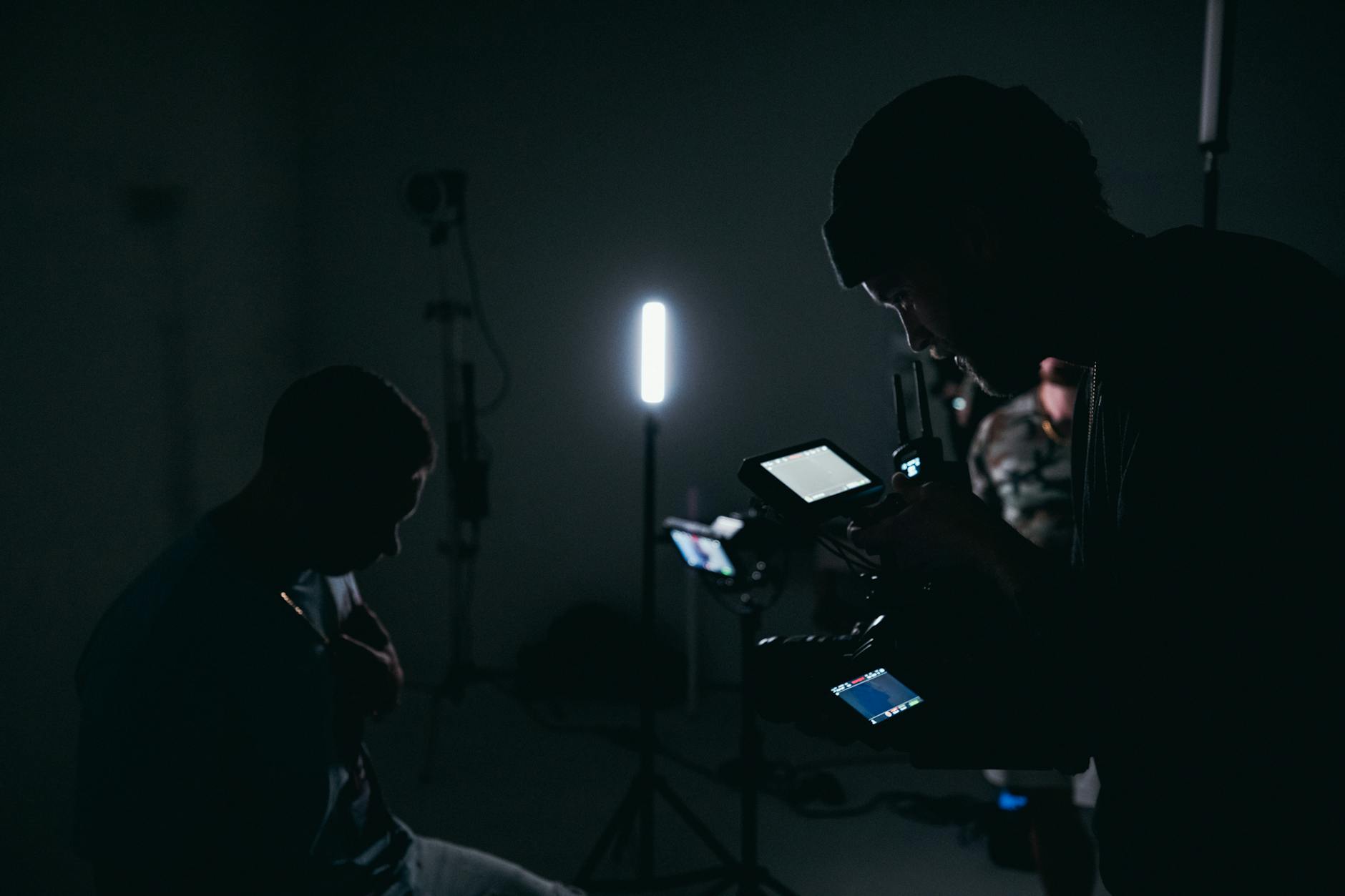
Communication skills and responsiveness are equally vital. A professional provider maintains clear, proactive dialogue during planning and execution phases, providing clients with detailed project timelines, technical workflows, and contingency plans. Their ability to adapt quickly to unforeseen technical hiccups can prevent minor issues from escalating into major disruptions.
Cost transparency and flexibility are also critical. The best providers offer comprehensive packages tailored to specific event requirements, avoiding hidden fees and ensuring your budget aligns with your expectations. They should also accommodate last-minute adjustments without compromising quality.
Finally, adherence to industry standards and compliance with broadcasting guidelines reinforce the provider’s credibility. This adherence, combined with thorough staff training and ongoing technological upgrades, guarantees a professional streaming experience tailored to diverse Miami events, whether they involve live concerts, corporate seminars, or community festivals.