
Understanding Live Stream Broadcast Services
Live streaming broadcast services have revolutionized how organizations, businesses, and event organizers share content with audiences in real-time. These services facilitate the transmission of live video and audio over the internet, enabling viewers to participate in events as they happen, regardless of their geographic location. For businesses in Miami, leveraging professional live stream broadcast services ensures a seamless, high-quality delivery that can enhance brand visibility, customer engagement, and event reach.
At its core, a broadcast company's role involves the integration of various technical components—including cameras, encoders, internet connectivity, and streaming platforms—to deliver a consistent viewing experience. These companies employ advanced equipment and expertise to handle complex setups ranging from simple webinars to large-scale conferences and sporting events. The importance of professional live stream broadcast services extends beyond mere transmission; it encompasses pre-event planning, technical support, and post-event analysis to ensure comprehensive coverage and maximum impact.

For Miami-based enterprises and event coordinators, utilizing a dedicated broadcast company for live streaming can significantly elevate the presentation quality, ensuring that the content reaches the audience without delays or technical issues. As live streams are often used for product launches, corporate meetings, community events, or entertainment shows, the stakes for quality and reliability are higher than typical video uploads. Thus, choosing a professional provider becomes crucial in maintaining a consistent, engaging viewer experience and securing a positive reputation in the digital landscape.
Additionally, live streaming services can be customized to fit specific needs, whether it involves multi-camera setups, real-time graphics, or interactive features like chat and polls. These enhancements not only increase viewer engagement but also provide valuable tools for feedback and analytics. The ever-growing accessibility of high-speed internet and mobile devices in Miami further amplifies the importance of having a competent broadcast partner that can adapt to various platforms such as websites, social media, and dedicated apps.
Key Features of a Reliable Broadcast Company
- Advanced Video and Audio Equipment
- Experienced Technical Staff
- Secure and Stable Internet Connectivity
- Real-Time Monitoring and Troubleshooting
- Flexible Streaming Platform Compatibility
- Customized Solutions to Fit Event Needs
Different Types of Live Streaming Solutions Offered
Broadcast companies specializing in live streaming provide a variety of solutions tailored to meet the diverse needs of clients. These services often include multi-camera live production, which is ideal for events requiring dynamic visuals and multiple perspectives. Multi-camera setups allow for seamless switching between different angles, creating a professional and engaging viewing experience. Additionally, these providers offer server-based streaming options, enabling broadcasts to reach multiple platforms simultaneously, such as social media channels, websites, or custom applications.
Another common solution is the incorporation of real-time graphics and overlays. This feature enhances the visual appeal of the stream by displaying branding elements, live statistics, or other pertinent information. For interactive engagements, some companies deliver chat integration, real-time polls, and viewer feedback tools, fostering a two-way communication channel that boosts audience participation.
To cater to specific event formats, broadcast firms also offer hybrid streaming services, which blend live footage with pre-recorded segments. This approach is particularly effective for hybrid conferences, award shows, or church services, where a mix of live and pre-arranged content ensures a smooth flow. Furthermore, many companies provide on-demand access options post-event, enabling audiences who missed the live broadcast to view content at their convenience.

Understanding Live Stream Broadcast Services
In today’s digital landscape, selecting the appropriate broadcast company for live stream events is crucial to ensure high-quality transmission and audience engagement. A comprehensive understanding of the core components and technical capabilities of live streaming services helps clients make informed decisions tailored to their specific needs.
At the heart of effective live stream broadcast services is the integration of advanced broadcasting infrastructure and skilled technical personnel. These professionals leverage state-of-the-art equipment, such as high-definition cameras, professional audio gear, and robust encoding hardware or software, to deliver pristine video and audio quality. This ensures that viewers experience seamless streams with minimal latency, buffering, or interruptions, which are critical for maintaining audience retention and satisfaction.
Modern broadcast companies employ multi-platform streaming technology, allowing simultaneous broadcasting across various digital outlets. Whether it’s social media channels, dedicated websites, or custom applications, multi-platform distribution maximizes reach and accessibility. This ability to multicast enhances event visibility and provides viewers with flexible viewing options, accommodating different devices and viewer preferences.
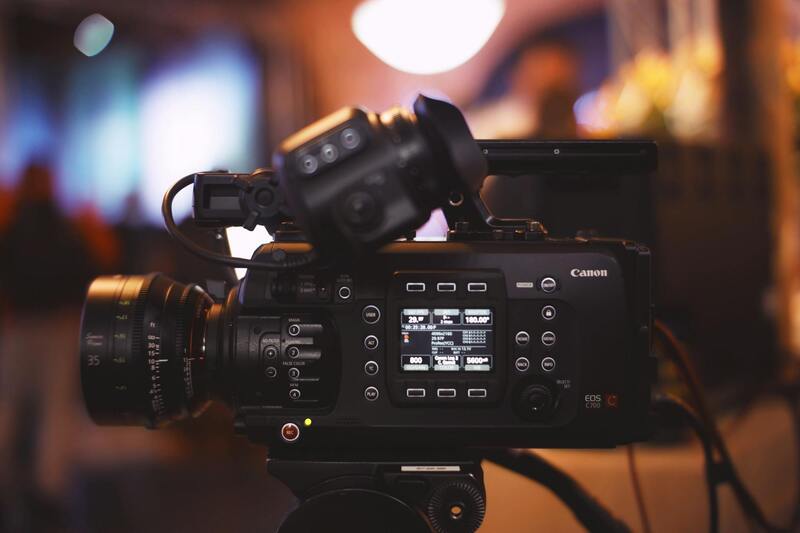
Another key service component includes real-time graphics, overlays, and data integration. These features enable the display of dynamic branding, live statistics, and pertinent information that elevate the visual experience. Interactive elements like live chat, polls, and viewer feedback modules foster a two-way communication channel, increasing active participation during the broadcast. This engagement is vital for events such as webinars, corporate conferences, or cultural festivals where real-time interaction enhances viewer satisfaction.
Flexible content management is also essential. Broadcast firms often provide hybrid streaming capabilities that combine live footage with pre-recorded segments. This method ensures a polished and cohesive presentation, which is particularly effective for hybrid events, rehearsed ceremonies, or remote church services. Post-event access options, including on-demand playback, serve audiences who wish to revisit the content or join late, extending the lifespan of the broadcast beyond the live moment.

Technical support and monitoring represent another vital aspect of live streaming services. Professional broadcast companies provide continuous oversight throughout the event, promptly resolving any issues that may arise. They employ redundant streaming servers and backup systems to guarantee uptime and stability, even in challenging network environments. This commitment to reliability ensures that the event proceeds smoothly without technical distractions.
Understanding the full scope of these services enables organizations to customize their live streaming approach effectively. From corporate meetings to large-scale festivals, a dependable broadcast partner brings technical expertise and cutting-edge solutions to fulfill diverse event objectives. The key to a successful live stream lies in combining advanced technology with experienced personnel dedicated to delivering professional quality during every broadcast, fostering a positive viewer experience and achieving strategic goals.
Equipment Compatibility and Technical Requirements
When selecting a broadcast company for live streaming, it is essential to assess their equipment compatibility with your existing technical setup. A professional provider utilizes high-quality cameras, professional audio gear, and encoders that are compatible with various streaming platforms and hardware configurations. They should also be capable of integrating seamlessly with your venue’s infrastructure, including fiber optic lines, Wi-Fi networks, and power sources, to ensure stable and uninterrupted transmission.
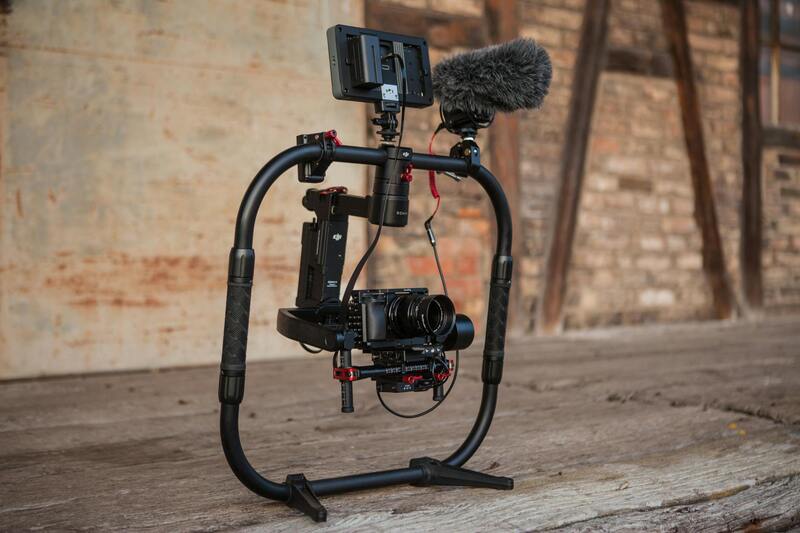
Furthermore, the provider should employ adaptable encoding hardware or software capable of adjusting to different bandwidth conditions, which is crucial for maintaining stream quality across variable network environments. Compatibility with multiple streaming protocols and platforms allows broader audience reach, including social media channels, dedicated websites, or internal portals, without compromising the viewing experience.
Advanced Network and Stream Reliability
Reliable live streaming is heavily dependent on the stability of the network infrastructure used by the broadcast company. Certified providers utilize redundant internet connections, such as dual Ethernet links or bonded internet solutions, to minimize the risk of connectivity issues. This redundancy is vital during live events, where even brief interruptions can detract from audience engagement and professional reputation.
In addition to robust network solutions, top-tier broadcast companies deploy multi-layered backup systems. These include duplicated stream servers and automatic failover mechanisms that activate instantly if primary streams experience disruptions. Real-time monitoring systems allow technical teams to identify and resolve potential problems swiftly, often before they impact viewers. These proactive measures are integral to ensuring a seamless and continuous live stream, regardless of unforeseen circumstances.
Scalability and Capacity Management
Different live events demand different streaming capacities, from small internal meetings to large public broadcasts reaching thousands of viewers. A versatile broadcast partner offers scalable solutions that can adjust to your event’s size and complexity. This flexibility ensures optimal quality without overextending resources or incurring unnecessary costs.
By leveraging cloud-based streaming services or content delivery networks (CDNs), providers can distribute the digital signal efficiently across various geographic locations. This approach enhances accessibility and reduces buffering or lag issues, resulting in a consistent experience for all viewers, no matter where they are located.
Examples of Proven Technical Expertise
Technical proficiency is demonstrated not only in equipment and infrastructure but also in the personnel managing the broadcasts. Skilled operators and technical directors are trained to troubleshoot and adapt swiftly to any challenges that arise during live streaming. They are familiar with various broadcasting protocols, dynamic switching between sources, and integrating multiple media types such as videos, slides, or live feeds. Their experience ensures that the event runs smoothly, with minimal technical hiccups and a polished presentation.
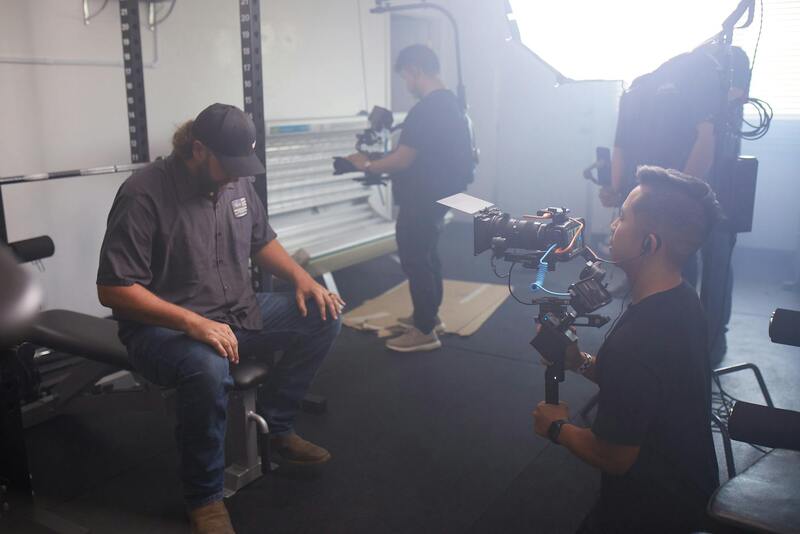
When a broadcast company demonstrates comprehensive technical expertise, it signifies a readiness to deliver a high-quality live stream tailored to your specific needs. This professionalism fosters confidence in your event’s success and enhances your organization’s reputation among viewers and stakeholders.
Choosing the Right Technical Infrastructure for Broadcast Quality
Investing in the appropriate technical infrastructure is fundamental to achieving a high-quality live stream. Modern broadcast companies for live streaming typically utilize advanced hardware and software solutions, such as state-of-the-art encoders, switchers, and streaming servers that support multiple resolutions and formats. These tools enable smooth transitions between camera angles and media sources, ensuring a professional presentation.
High-definition video and crisp audio fidelity are essential components that demand reliable equipment and optimized network setups. Companies often employ redundant systems and backup power supplies to minimize disruptions during the event. This redundancy ensures that even in unforeseen circumstances, the stream remains consistent and accessible to viewers without interruption.
Another crucial aspect involves bandwidth management. Professional broadcast services utilize adaptive streaming protocols that automatically adjust video quality based on viewer connection speeds. This technique reduces buffering and enhances user experience, further reinforcing the importance of a robust and scalable network infrastructure.
Advanced Technologies Facilitating Live Stream Reliability
Reliable live streaming heavily depends on the integration of cutting-edge technologies, including Content Delivery Networks (CDNs). CDNs distribute streams across multiple servers geographically dispersed to decrease latency and increase stability for viewers regardless of location. This distributed approach reduces load on any single server, preventing potential system overloads during high-traffic events.
Utilizing cloud-based streaming platforms offers additional flexibility. These platforms allow for dynamic scaling depending on audience size, ensuring that the broadcast can handle large viewership without compromising quality. Cloud solutions also facilitate remote management and monitoring, allowing technical teams to address potential issues proactively before they impact the viewer experience.
Furthermore, real-time analytics tools provide insight into viewer engagement and streaming performance. These metrics enable broadcasters to make immediate adjustments, optimizing the flow and ensuring the broadcast maintains high standards throughout the event.
Pre-Event Testing and Technical Rehearsals
Comprehensive pre-event testing is a critical step in ensuring a seamless live stream. Experienced broadcast companies conduct thorough technical rehearsals, verifying all equipment, network configurations, and streaming workflows are functioning optimally. These sessions help identify and mitigate potential issues before the actual event, reducing the risk of technical failures during the live broadcast.
During rehearsals, the technical team simulates real event conditions, testing audio-video quality, transitions, graphics, and signal switching. They also test connectivity and load capabilities, especially when expecting large concurrent viewers. This proactive process allows stakeholders to understand the technical process better and ensures everyone involved is aligned on procedures and contingency plans.
Continuous communication between the production team, hosts, and technical staff during these rehearsals enhances coordination, leading to a smoother live event. Such preparation underlines the importance of meticulous planning and professional execution in maintaining broadcast integrity and viewer satisfaction.
Understanding Live Stream Broadcast Services
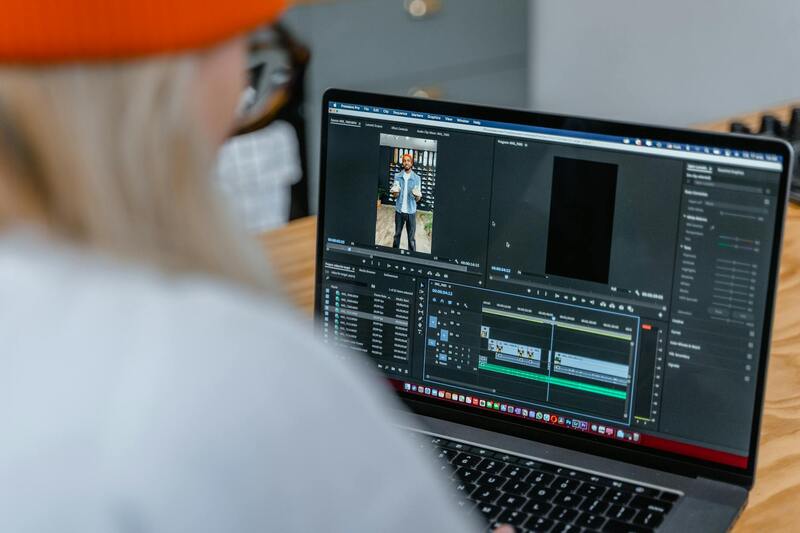
Live stream broadcast services encompass a comprehensive suite of solutions designed to deliver real-time video and audio content over the internet. These services include equipment setup, signal acquisition, encoding, distribution via content delivery networks (CDNs), and monitoring to ensure smooth transmission. The primary goal is to ensure that audiences receive an uninterrupted, high-quality viewing experience regardless of their location or device. Professional broadcast companies specialize in managing these complex technical processes, allowing content creators, event organizers, and brands to focus on the quality of their content and audience engagement. As live streaming becomes increasingly integral to marketing, corporate communications, and entertainment, partnering with a broadcast company that understands the nuances of live transmission is crucial for achieving operational excellence and viewer satisfaction.
Key Features of a Reliable Broadcast Company
- State-of-the-art equipment for video capture, switching, and streaming
- Expertise in multi-platform distribution to reach diverse audiences
- Comprehensive pre-event testing and rehearsal procedures
- Real-time monitoring and technical support during live events
- Scalable solutions capable of handling varying audience sizes
- Secure encoding and transmission protocols to protect content integrity
Types of Live Streaming Solutions Offered
- Event Streaming: Ideal for conferences, concerts, sports, and corporate gatherings requiring high-quality, reliable transmission.
- Webinars and Virtual Conferences: Interactive solutions that include features like Q&A, polls, and screen sharing to enhance audience engagement.
- On-Demand Hosting: Post-event content delivery allowing viewers to access recordings at their convenience.
- Multilingual Streaming: Solutions that support multiple audio channels for audiences with diverse language needs.
- Hybrid Event Streaming: Combining in-person and virtual attendance for maximum reach and flexibility.
Factors to Consider When Choosing a Broadcast Partner
- Experience in your specific event or content type
- Availability of advanced streaming technology and infrastructure
- Customization options to meet unique event requirements
- Track record of maintaining high stream stability and quality
- Proximity to your event location, especially for live productions
- Comprehensive technical support during and after the event
- Transparent pricing models aligned with your budget constraints
- Positive client testimonials and proven case studies
Benefits of Working with a Local Miami Broadcast Company
Partnering with a Miami-based broadcast company offers numerous advantages that can significantly enhance the success of your live events. Local providers possess in-depth knowledge of the region's infrastructure, allowing them to optimize network connections and minimize latency issues. They are familiar with local venues, permitting seamless integration of broadcasting equipment and infrastructure. Additionally, proximity facilitates faster on-site response times, crucial during technical emergencies or last-minute adjustments. Local broadcast companies often have established relationships with regional venues and service providers, streamlining event planning and execution. Their understanding of the local market and audience preferences enables tailored solutions that resonate with regional viewers, ultimately maximizing engagement and visibility. Working with a nearby broadcast partner ensures more direct communication, personalized service, and the ability to promptly address unforeseen challenges, leading to smoother, more reliable streaming experiences.
Ensuring Quality and Reliability During a Live Stream
Secure, consistent delivery of live content hinges on employing advanced technical standards and rigorous pre-event preparations. It is essential to partner with a broadcast company that prioritizes redundancy, which involves multiple fail-safes to mitigate potential disruptions. Redundancy measures include backup internet connections, dual streaming encoders, and alternate power supplies, ensuring that even if one component fails, the live stream remains uninterrupted.
Implementing adaptive bitrate streaming technology significantly enhances viewer experience by dynamically adjusting video quality according to the viewer's bandwidth. This prevents buffering issues and maintains a smooth broadcast regardless of network fluctuations. Additionally, real-time monitoring systems are crucial; they provide immediate alerts on stream health, allowing technicians to troubleshoot issues proactively rather than reactively.
Technical support during the event plays a critical role in preserving stream integrity. Access to skilled engineers and technicians ensures any technical anomalies are promptly addressed. These professionals oversee all aspects of the broadcast, from signal transmission to encoding and distribution, maintaining optimal quality throughout the event.

Moreover, thorough pre-event testing is a foundational practice. This includes checking all hardware equipment, testing internet connections, verifying audio and video synchronization, and conducting dry runs to simulate live conditions. These rehearsals help identify potential points of failure and allow technical teams to address issues proactively, ensuring a glitch-free broadcast.
Choosing a broadcast company with established protocols for quality assurance is essential. These protocols encompass detailed checklists, routine maintenance schedules for equipment, and strict adherence to technical standards. They also involve employing high-quality broadcasting equipment such as professional-grade cameras, switchers, and audio mixing consoles, which contribute to the clarity and professionalism of the live stream.
For organizations aiming to host high-stakes productions—such as corporate conferences, concerts, or public presentations—quality assurance measures should be comprehensive. Assistance with content management, multi-camera setups, and seamless transition effects contribute to a polished live presentation that captivates the audience and upholds your brand's reputation.
Ultimately, a reliable live streaming operation is characterized by meticulous planning, state-of-the-art technology, and proactive support teams. These elements collectively safeguard the broadcast’s continuity, quality, and audience engagement, reaffirming the importance of partnering with professionals dedicated to excellence in live content delivery.
Ensuring Quality and Reliability During a Live Stream
Maintaining high-quality, uninterrupted live streaming requires diligent planning and real-time management to address potential challenges proactively. Meticulous testing of all equipment prior to the event is crucial. This involves running comprehensive checks on cameras, audio equipment, streaming hardware, and internet connectivity to confirm optimal performance under live conditions. Regular calibration and updates ensure that all devices function seamlessly together, minimizing the risk of technical failures.
Implementing backup plans is essential to safeguard the broadcast against unforeseen issues. This includes having secondary internet connections, such as mobile hotspots or redundant fiber links, that can be activated instantly if primary connectivity fails. Spares for critical hardware components like encoders, microphones, and cameras should be on hand, along with pre-configured backup settings for quick switchovers.

Active monitoring throughout the event plays a vital role in delivering a successful live stream. Real-time oversight of streaming metrics—including bitrate, buffering rates, and viewer engagement—enables the technical team to identify and resolve issues promptly. Dedicated personnel should be assigned to monitor the stream constantly, with established protocols for troubleshooting common problems such as audio delays, video glitches, or signal disruptions.
Employing a professional broadcast company for live streaming brings several advantages in this context. Experts bring experience in managing live events, utilizing sophisticated monitoring tools and protocols to maintain stream integrity. They are adept at responding swiftly to technical hiccups, utilizing their knowledge and resources to keep the broadcast running smoothly. Their proactive approach minimizes viewer frustration and enhances brand reputation, especially during high-stakes events such as corporate presentations, product launches, or public celebrations.
For organizations aiming to achieve flawless live streams, collaboration with a seasoned provider entails several key practices:
- Pre-event testing: Conducting dry runs and equipment checks to simulate the live environment.
- Redundancy planning: Setting up backup internet, power sources, and hardware components.
- Continuous monitoring: Employing remote monitoring tools that analyze stream health in real-time.
- Dedicated technical support: Having technicians available throughout the event to troubleshoot instantly.
This comprehensive approach ensures that any potential issues are addressed swiftly, thereby preserving the quality of the broadcast, preserving audience engagement, and upholding the professionalism expected from a reputable live streaming service provider.