Overview of Live Streaming Video Industry
The live streaming video industry has experienced unprecedented growth over the past decade, fundamentally transforming the way individuals, organizations, and businesses communicate and share content. This sector encompasses a broad spectrum of services that enable real-time video transmission across digital platforms, fostering instant interaction and engagement. As technology advances, the importance of live streaming has cemented itself within the fabric of digital communication, marketing, entertainment, education, and corporate events. Notably, the proliferation of mobile devices and high-speed internet connections has significantly contributed to this expansion, making live streaming more accessible than ever.
In the context of Miami, a vibrant hub for media, entertainment, tourism, and business ventures, the demand for professional live streaming services continues to escalate. Local companies specialize in delivering high-quality, reliable streaming tailored to diverse market needs. These providers serve a wide array of clients, from live event broadcasters and local governments to corporate firms and content creators. The industry's growth is driven by the need for immediate, engaging content delivery that enhances audience participation and brand visibility.

This expanding industry demonstrates a movement toward more interactive and real-time digital experiences. As Miami continues to develop its media infrastructure, the role of professional live streaming companies becomes increasingly crucial for executing seamless broadcasts that meet the high standards of quality, stability, and security demanded by clients.
Emerging Significance in Digital Communication
Within Miami’s dynamic market landscape, live streaming serves as a vital conduit for instantaneous updates, marketing initiatives, and community engagement. Businesses leverage live broadcasts to showcase products, host webinars, or broadcast conferences with immediacy and authenticity. Furthermore, with the global reach of digital platforms, local Miami-based streamers have the ability to connect with international audiences, expanding opportunities for exposure and engagement.
In essence, the evolution of the live streaming video industry reflects a broader shift towards more immediate and interactive digital communications, positioning Miami as a significant player on the national and international stage. The integration of sophisticated technologies and professional services ensures that content is delivered seamlessly, supporting the city's vibrant economic and cultural activities.
Types of Live Streaming Services Offered
Live streaming video companies in Miami offer a comprehensive range of services tailored to diverse client needs across multiple sectors. From corporate to entertainment, the versatility of these providers ensures high-quality broadcast experiences regardless of industry or event scale.
Among the most common services are:
- Corporate Events: Live streaming of conferences, seminars, and company meetings to reach stakeholders, remote employees, and global audiences instantly. These services often include integrated features like Q&A sessions, polls, and real-time chat to boost engagement.
- Webinars and Training Sessions: Interactive broadcasts designed for educational purposes, allowing organizations to deliver training programs or product demonstrations directly to trainees or clients with seamless screen sharing and recording capabilities.
- Sports and Live Events: Covering local or regional sports competitions, marathons, and other live-action events, with professional multi-camera setups that capture every critical moment with clarity and stability.
- Music and Entertainment Concerts: Streaming concerts, festivals, and theater performances to audiences worldwide, often with high-definition visuals, multi-camera perspectives, and synchronized audio for immersive experiences.
- Community and Cultural Events: Facilitating local events for community engagement, including parades, cultural celebrations, and charity fundraisers, to foster broader participation and visibility.
- Product Launches and Promotions: Live showcasing of new products, demonstrations, and promotional campaigns aimed at generating real-time buzz and immediate consumer interaction.
These services are typically customized to match client objectives, ensuring features such as multi-platform distribution, on-site technical support, live chat moderation, and post-event analytics are incorporated to maximize impact and audience retention.

Key Features of Live Streaming Video Companies
Choosing a reliable live streaming video company requires careful consideration of several core features that ensure seamless delivery, high engagement, and professional quality. These factors play a crucial role in the overall success of any live broadcast, whether for corporate events, entertainment, or community engagement.
High-Quality Video Production
At the foundation of effective live streaming is the ability to produce crisp, clear visuals paired with synchronized, high-fidelity audio. Leading providers utilize advanced cameras, professional lighting, and high-definition encoding equipment to capture every detail with precision. This not only enhances viewer satisfaction but also reflects positively on the brand or event being showcased.
Real-Time Editing and Graphics
In addition to traditional filming, many companies offer real-time editing capabilities, such as switching between multiple camera angles, overlaying graphics, and inserting logos or informational banners. These features add a layer of professionalism and engagement that can elevate the overall viewing experience, making live broadcasts more dynamic and visually appealing.
Multiple Platform Integration
Effective live streaming services ensure that content is accessible across various platforms such as social media sites, company websites, and dedicated apps. This multi-channel approach maximizes reach and enables targeted audience engagement. Providers often include tools for simultaneous streaming to platforms like Facebook Live, YouTube, and custom apps, simplifying distribution and expanding viewership potential.
Viewer Engagement Tools
Engagement features are fundamental for maintaining audience interest during live broadcasts. These can include real-time chat rooms, polling capabilities, Q&A sessions, and social media integration. Many providers also offer analytics dashboards to track viewer interactions, duration, and geographic data, providing valuable insights for future planning.
Stable and Scalable Infrastructure
A crucial aspect of live streaming is the robustness of the technical infrastructure. Providers utilize redundant servers, adaptive bitrate streaming, and cloud-based networks to ensure minimal latency, buffer-free viewing, and scalability to handle varying audience sizes. This infrastructure supports both small-scale local streams and large-scale international broadcasts without interruption.
Customer Support and Technical Assistance
Professional live streaming companies offer comprehensive support ranging from pre-event planning to on-site technical assistance and post-broadcast analytics. Responsive customer service and skilled technical personnel are essential for troubleshooting issues quickly, ensuring that the event proceeds smoothly without technical hindrances.

Incorporating these features, the top-tier live streaming video companies in Miami are equipped to deliver engaging, high-quality broadcasts tailored to meet diverse client needs, ensuring a memorable viewer experience and maximum engagement for every event.
Technologies and Equipment Used
Miami-based live streaming video companies leverage cutting-edge technology to ensure seamless and high-quality broadcasts. Central to their setup are professional-grade cameras capable of capturing high-resolution video in various lighting conditions, whether indoor or outdoor. These cameras are often supplemented by robotic or remote-controlled units for complex shot compositions, especially during large events.
Encoding hardware forms the backbone of a smooth streaming experience. These specialized devices compress and format raw video signals into streams compatible with multiple platforms. Many companies opt for hardware encoders that support adaptive bitrate streaming, which dynamically adjusts video quality based on the viewer’s internet connection, reducing buffering and providing a consistent viewing experience.

Streaming platforms integrated into the infrastructure are selected based on stability, scalability, and compatibility with various distribution channels. Popular cloud-based services facilitate multi-platform broadcasting, enabling live streams to reach audiences via social media, dedicated websites, and third-party streaming sites simultaneously.
Support systems include robust network connectivity, often backed by fiber optic internet connections for minimal latency. To monitor the live stream's health, companies deploy professional monitoring tools that track stream quality, bandwidth usage, and viewer engagement metrics in real-time. These systems allow rapid response to potential issues, maintaining an uninterrupted viewing experience.
An efficient technical setup also involves audio equipment such as professional microphones, mixers, and audio processing units to ensure clear sound quality. Additionally, lighting setups tailored for live broadcast environments optimize visual clarity and aesthetic appeal, especially for indoor or studio productions.
All these technological elements are installed and maintained by skilled technical teams, trained to troubleshoot problems swiftly and adapt to the dynamic nature of live events. This integration of advanced equipment and expertise elevates the quality of live streaming solutions provided by Miami companies, catering to diverse industries including corporate, entertainment, education, and sports.
Types of Live Streaming Services Offered
Live streaming video companies in Miami provide a diverse array of services tailored to meet the specific needs of various industries and event formats. These services encompass corporate webinars, live concerts, sports broadcasts, educational seminars, religious services, and large-scale conferences. Each service is crafted to maximize engagement and ensure seamless delivery, leveraging advanced technology and dedicated support teams.
For corporate clients, live streaming solutions often include interactive webinars and product launches, enabling real-time communication with global audiences. Companies focus on high-quality video and audio, integrated chat functions, and secure streaming protocols to protect sensitive content. Similarly, the entertainment sector benefits from multi-camera setups, augmented reality features, and synchronized streaming across multiple platforms, creating immersive viewing experiences.
Sports organizations and event organizers frequently rely on live streaming services that incorporate multi-angle views, instant replays, and player tracking analytics. These capabilities enhance viewer engagement and provide immersive insights into live events. Educational institutions utilize live streaming for lectures, campus tours, and virtual classrooms, often requiring options for audience interaction and multimedia integration.
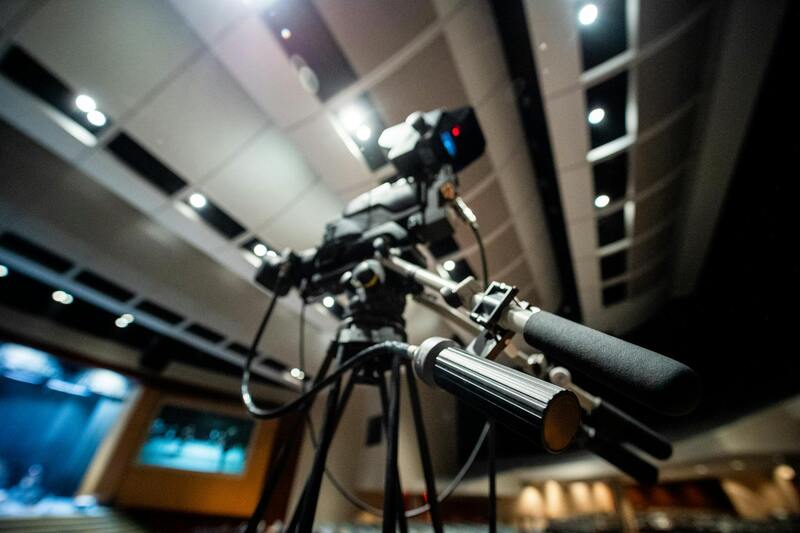
Additionally, religious organizations utilize live streaming to reach congregants beyond physical location, offering features like closed captioning and multiple language options. Large-scale events may involve custom branded streams, multi-camera arrangements, and real-time moderation to ensure a professional presentation that aligns with the brand's identity and audience expectations.
Most Miami-based live streaming providers also offer on-demand video archiving, enabling viewers to access content after the live event concludes. This feature is particularly valuable for marketing, training, and education, extending the reach and lifespan of live broadcasts. Integration with social media platforms and third-party distribution channels allows for broader engagement, attracting larger audiences through a coordinated digital strategy.
Key Features of Live Streaming Video Companies
- High-definition video quality with options for 4K or HDR broadcasting
- Multi-platform streaming compatibility, including social media, websites, and apps
- Real-time viewer analytics and engagement tracking
- Secure streaming protocols with encryption and access controls
- Professional audio equipment for pristine sound clarity
- Multi-camera setups for dynamic coverage
- On-site technical support and post-event analytics
- Custom branding and interactive features like polls and Q&A sessions
These features ensure reliable, engaging, and professionally delivered live streams. Providers armed with cutting-edge technology can adapt to the unique demands of each event, ensuring high audience retention and an optimal viewing experience.
Technologies and Equipment Used
Behind a successful live streaming broadcast lies a sophisticated technological framework. Miami-based live streaming companies typically utilize professional-grade cameras, including 4K and HDR-capable models, for crisp, detailed visuals. These are often paired with high-quality audio equipment, such as broadcast-grade microphones, sound mixers, and audio processors, to guarantee clear and balanced sound output.
Streaming hardware often includes encoder devices that convert raw video feeds into digital signals suitable for transmission. Software encoders further facilitate live edits, overlays, and multi-camera switching, providing a fluid broadcast. Cloud-based streaming platforms serve as the backbone, offering scalable bandwidth and multi-platform distribution capabilities, which are essential for reaching diverse audiences simultaneously.
Robust network infrastructure is critical; fiber optic internet connections are standard to minimize latency and avoid disruptions. In addition, live stream monitoring tools track stream health, bandwidth usage, and viewer engagement in real-time, allowing technicians to promptly address any technical issues. Lighting setups are optimized for indoor and outdoor production environments, ensuring visual clarity and aesthetic appeal for indoor studio recordings and outdoor broadcasts alike.
The seamless integration of these technologies is maintained by highly skilled technical teams that perform onsite setup, calibration, and troubleshooting. Their expertise ensures a stable broadcast, even under challenging conditions, making it feasible to deliver professional-grade live streams consistently.
Overview of Live Streaming Video Industry
The live streaming video sector has experienced exponential growth driven by evolving technology, changing consumer habits, and increased demand for real-time content. As businesses and content creators seek to reach global audiences instantly, live streaming has become an essential channel for marketing, entertainment, education, and event coverage. The industry incorporates diverse segments including corporate broadcasts, sports events, concerts, webinars, and community happenings, each demanding tailored solutions for quality, reliability, and interactivity. With the advent of high-speed internet and advanced broadcasting technologies, live streaming has transitioned from basic webcasts to immersive, multi-platform experiences, requiring specialized expertise, infrastructure, and innovation from providers.
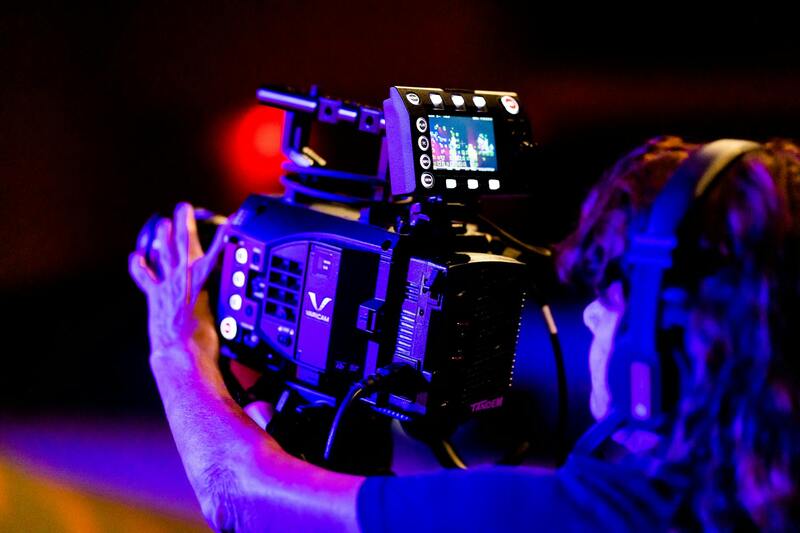
Types of Live Streaming Services Offered
- Event Streaming: Professional coverage of conferences, seminars, and large gatherings, optimized for multi-camera operation and audience engagement.
- Corporate Live Streams: Internal communications, product launches, and shareholder meetings that require secure, branded broadcasts.
- Entertainment Broadcasts: Live concerts, theater shows, and esports tournaments that demand high-quality video and audio to captivate viewers.
- Educational Content: Webinars, workshops, and training sessions designed for interactive learning with real-time Q&A features.
- Community and Local Events: Coverage of local festivals, charity events, and public gatherings, emphasizing accessibility and community involvement.
Key Features of Live Streaming Video Companies
Leading providers distinguish themselves through several core capabilities. These include high-definition broadcasting standards such as 4K and HDR, ensuring pristine visual quality across devices. Advanced audio solutions, like studio-grade microphones and sound engineering, guarantee clear communication. Multi-platform streaming support enables content delivery to social media, websites, and dedicated apps simultaneously, broadening audience reach. Real-time analytics and engagement tools allow broadcasters to monitor viewer behavior and adjust content dynamically. Security measures such as encrypted streams and authentication protocols protect content integrity and privacy. Additionally, auxiliary services like content archiving and on-demand access extend the life and utility of live events.

Technologies and Equipment Used
State-of-the-art broadcast systems revolve around robust hardware and sophisticated software solutions. High-definition cameras, including 4K and HDR models, serve as the backbone for crisp visuals. These are complemented by professional-grade audio equipment to capture clear, well-balanced sound. Encoding hardware and software facilitate seamless transmission of raw video signals, with cloud-based streaming platforms managing scalable bandwidth and multi-channel distribution. Switching equipment allows dynamic scene changes, overlays, and captions to enhance broadcast engagement. Fiber optic internet connectivity minimizes latency, providing a smooth viewer experience. Lighting setups are customized for indoor and outdoor environments, ensuring optimal visibility and aesthetic appeal. Live stream monitoring tools enable technicians to observe stream health, bandwidth consumption, and audience interaction, allowing for timely adjustments during broadcasts. The entire workflow is supported by highly skilled technical teams capable of on-site setup, calibration, and troubleshooting to ensure uninterrupted delivery of professional streaming content.
Benefits of Hiring Local Miami Live Streaming Providers
Engaging Miami-based live streaming companies provides several strategic advantages. Local providers possess an intrinsic understanding of the region's logistical landscape, enabling efficient planning and execution of events. Their familiarity with the local environment allows for quick troubleshooting and on-site support, which is crucial for maintaining broadcast quality. Additionally, partnering with local firms fosters community engagement and network-building, fostering trust and authenticity in content delivery. These providers often have established relationships with local venues, vendors, and technical specialists, streamlining the production process. The ability to offer personalized services tailored to Miami’s unique event landscape ensures a high level of customer satisfaction and operational efficiency, ultimately resulting in a polished, professional live stream that resonates with local audiences.
Overview of Live Streaming Video Industry
The live streaming video industry has experienced exponential growth over the past decade, transforming how content is consumed, events are broadcasted, and businesses engage with audiences. This sector encompasses a wide array of services ranging from corporate webinars and live product launches to entertainment events, sports broadcasts, and educational sessions. As technology advances, the industry has become more sophisticated, offering seamless, high-definition streaming experiences across multiple platforms. These developments require companies specializing in live streaming to adapt by adopting cutting-edge solutions that ensure reliability, scalability, and interactive capabilities.
Market Expansion and Industry Standards
The market expansion is driven by increased demand for real-time content delivery and advancements in internet infrastructure, including the proliferation of high-speed fiber optics and 5G connectivity. This allows for higher quality streams with minimal latency, even in densely populated or remote areas. To meet these evolving demands, live streaming video companies continuously refine their infrastructure and employ industry standards to optimize streaming quality and security. They focus on compliance with data protection regulations and employ encryption technologies to safeguard content and viewer information.
Segment Diversity and Industry Challenges
The industry is highly segmented, offering specialized services tailored to various sectors such as entertainment, corporate, educational, and government. Each segment has unique technical requirements, audience expectations, and regulatory considerations. Challenges include managing bandwidth fluctuations during large-scale events, minimizing latency, ensuring accessibility across devices, and maintaining high production quality under varying environmental conditions. Addressing these challenges requires ongoing investments in technology, skilled personnel, and strategic partnerships.

Types of Live Streaming Services Offered
Live streaming companies provide a broad spectrum of services tailored to meet diverse client needs. These services include:
- Event Broadcasts: Corporate conferences, music festivals, sports matches, and community events are streamed live, enabling real-time audience engagement regardless of geographical barriers.
- Webinars and Virtual Conferences: Designed for corporate training, panel discussions, and product launches, these services often incorporate interactive features such as Q&A sessions and polls.
- Educational Content: Institutions and educators leverage live streaming for classrooms, seminars, and workshops, expanding reach and enhancing interactivity.
- Live Commerce: Facilitating real-time shopping experiences, these streams allow viewers to see product demonstrations and make instant purchases, boosting sales and customer engagement.
- Government and Public Service Broadcasts: Live streams of public announcements, emergency alerts, and civic events ensure timely dissemination of information to residents.
Specialized services such as multi-camera setups, augmented reality integrations, and interactive viewer engagement tools further enhance these offerings, ensuring that content is professional, engaging, and tailored to audience preferences.
Key Features of Live Streaming Video Companies
Leading live streaming providers distinguish themselves through several core features that enhance broadcast quality and user experience:
- High-Quality Video and Audio: Utilization of 4K or HD resolutions with professional-grade audio equipment for crystal-clear visuals and sound.
- Reliable Infrastructure: Deployment of redundant servers and content delivery networks (CDNs) to prevent buffering and ensure consistent streaming performance.
- Interactive Capabilities: Integration of chat functions, live polls, and viewer participation tools to foster engagement and real-time feedback.
- Platform Compatibility: Support for multiple streaming platforms including social media, dedicated websites, and enterprise portals.
- Scalability: Ability to handle varying audience sizes, from small webinars to large-scale events with thousands of viewers.
- Security Measures: Encryption, access control, and digital rights management to protect content and uphold privacy standards.
Technologies and Equipment Used
Effective live streaming relies on a combination of advanced technologies and high-end equipment. These include:
- Capture Devices: Professional cameras capable of high-definition footage, along with microphones that ensure clear audio capture.
- Encoding Hardware and Software: Tools that compress raw video signals into streamable formats, optimizing quality while minimizing bandwidth usage.
- Streaming Servers and CDNs: Distributed servers that deliver content efficiently to viewers across different regions, reducing latency and buffering issues.
- Production Software: Platforms for switching between camera angles, overlaying graphics, and managing live feeds seamlessly.
- Monitoring and Control Systems: Real-time stream health monitoring tools that detect and resolve issues promptly, ensuring uninterrupted delivery.
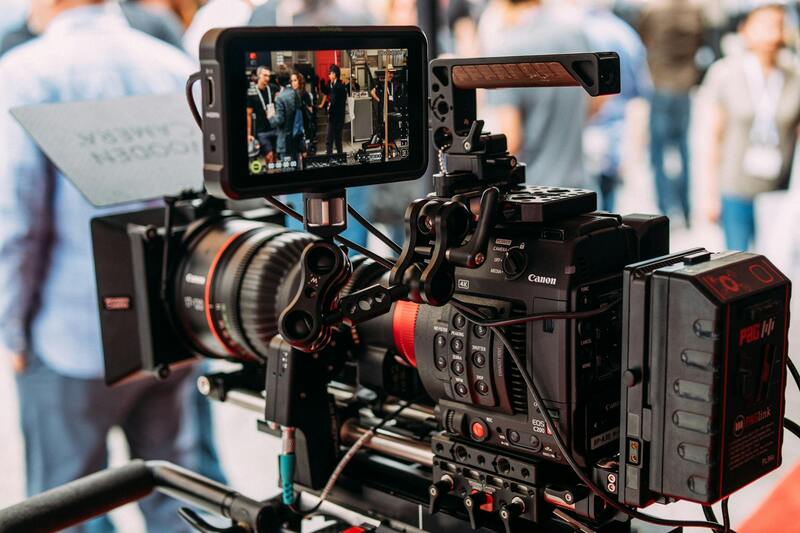
Future Trends in Live Streaming Video Services
Emergence of Virtual and Hybrid Events
As technology continues to evolve, live streaming video companies are increasingly facilitating virtual and hybrid events that blend physical and digital experiences. These platforms support seamless integration of live attendance with online participation, allowing audiences from around the world to engage with conferences, product launches, and entertainment events in real-time. High-quality streaming solutions enable event organizers to deliver immersive experiences that mimic in-person interactions, including virtual breakout rooms, interactive Q&A sessions, and multi-angle viewing options, enhancing engagement and accessibility.
Advancements in Interactivity and Audience Engagement
The future of live streaming is characterized by heightened interactivity. Incorporating features such as live chat, real-time polls, viewer reactions, and augmented reality overlays creates a more dynamic viewing environment. These enhancements foster deeper audience participation and generate valuable feedback for content creators. As technology integrates more sophisticated data analytics, streaming services will be able to personalize content delivery, tailor viewer experiences, and deliver targeted advertising, ultimately increasing viewer retention and satisfaction.
Enhanced Bandwidth and Streaming Technology
Continual improvements in internet infrastructure, including 5G deployment and fiber optic networks, will drastically reduce latency and buffering, resulting in smoother streams even during peak viewing times. Streaming platforms are adopting adaptive bitrate streaming technologies that automatically adjust quality based on viewers' internet speeds, ensuring uninterrupted service despite fluctuations. High-efficiency codecs and cloud-based encoding solutions will further optimize data compression, enabling high-definition broadcasts without excessive bandwidth consumption.
Integration with Emerging Technologies
Innovations such as virtual reality (VR), augmented reality (AR), and mixed reality (MR) are beginning to influence live streaming dynamics. These technologies offer more immersive experiences, particularly in industries like real estate, education, and entertainment. For instance, viewers can virtually explore properties or attend live concerts through VR headsets, providing an experiential quality that surpasses traditional streaming. Additionally, the integration of artificial intelligence (AI) will enhance content moderation, personalized recommendations, and automated production processes, making live streams more engaging and efficient.