
Understanding Live Streaming Video Services
Live streaming video services have become an essential component of modern multimedia delivery, offering real-time broadcasting capabilities that connect audiences across the globe. These services enable organizations, event organizers, and content creators to transmit live video content directly to viewers via the internet with minimal latency, fostering instant engagement and interaction. Whether it's for corporate events, concerts, sports tournaments, or citywide festivals, live streaming ensures that content reaches a broad audience without geographical constraints.
The significance of live streaming video services lies in their ability to extend reach and accessibility, effectively replacing or supplementing traditional broadcasting methods. As internet infrastructure advances, the quality, reliability, and scalability of these services improve, allowing for high-definition streams with dynamic multimedia features. Audience engagement tools, such as live chat, polls, and viewer analytics, further enhance the viewing experience, making live streaming an invaluable asset in contemporary media strategies.
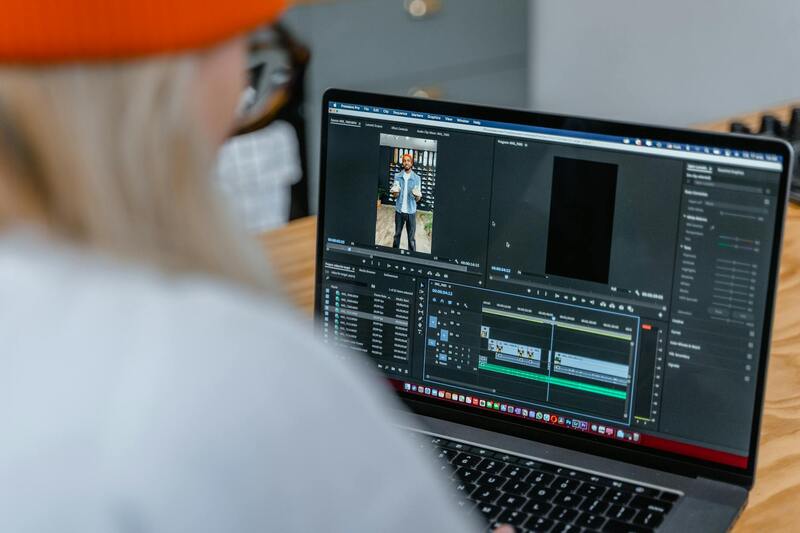
For Miami-based production companies and event organizers, leveraging professional live streaming video services means delivering seamless, high-quality content that can significantly boost visibility and attendee interaction. These services cater to a variety of event types, from city-wide celebrations to private corporate meetings, ensuring that each broadcast maintains high production standards. The ability to broadcast live from any location, supported by robust online infrastructure, makes live streaming an indispensable tool for expanding the impact and reach of any event or broadcast initiative.
Moreover, live streaming facilitates content archiving, allowing for later viewing and sharing, which maximizes the longevity and value of the broadcast. As businesses and organizations increasingly recognize the importance of digital presence, understanding the capabilities and applications of live streaming video services becomes crucial for professionals seeking to optimize their event delivery and audience engagement strategies.
Key Features of Live Streaming Platforms
To maximize the potential of live streaming video services, it is essential to understand the core features that distinguish advanced platforms from basic ones. These features directly impact the quality, reliability, and engagement level of the broadcasts, making them pivotal for Miami-based production agencies and event organizers.
High-Quality Video Transmission
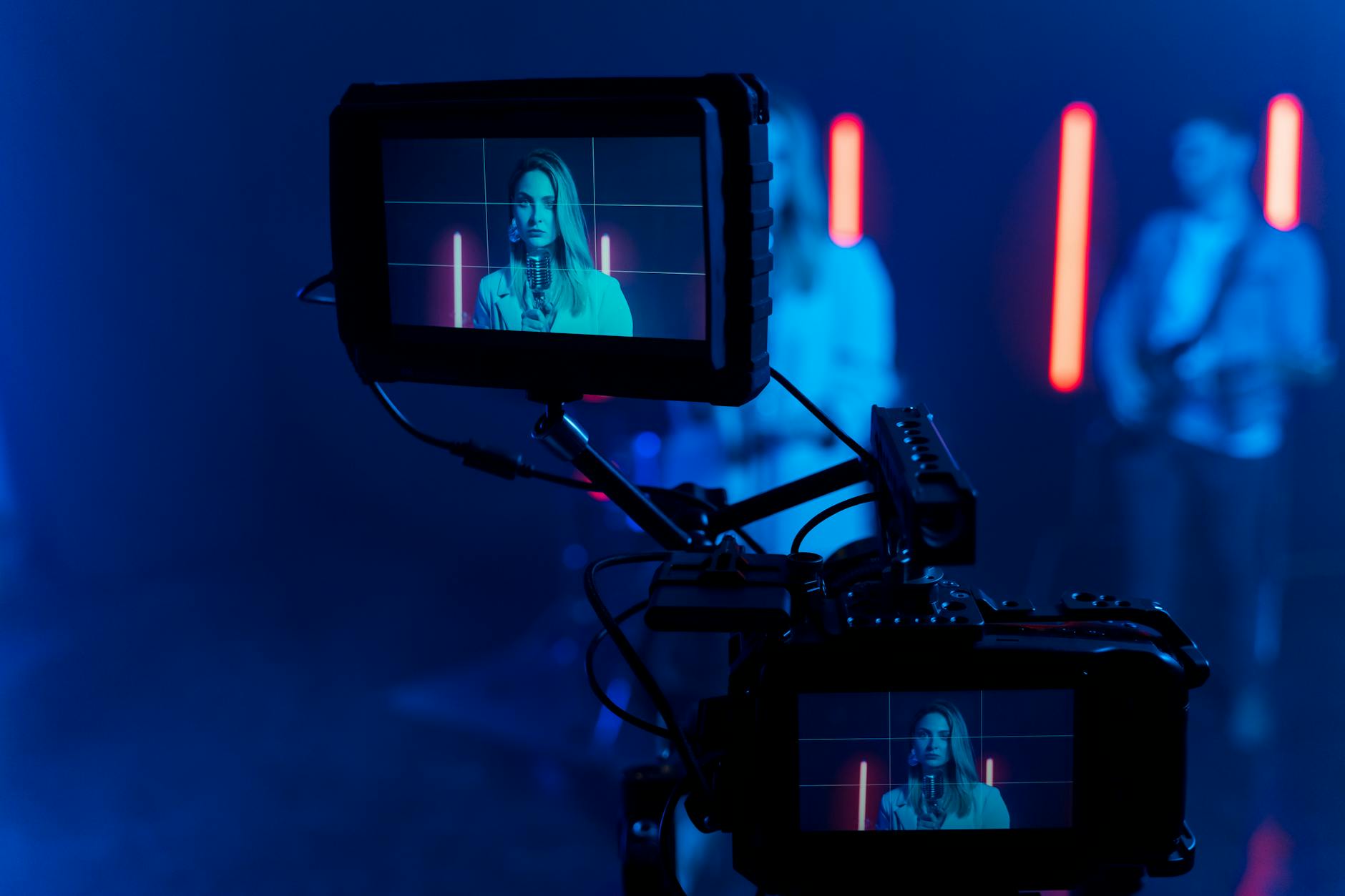
At the heart of any effective live streaming service is the ability to deliver crisp, clear video content. This involves support for high-definition (HD) and ultra-high-definition (UHD) formats, ensuring viewers experience detailed visuals with smooth motion. Platforms equipped with adaptive bitrate streaming automatically adjust video quality based on viewer bandwidth, minimizing buffering and buffering delays, thus maintaining viewer satisfaction even during fluctuating network conditions.
Bandwidth Management and Scalability
Efficient use of bandwidth is critical for uninterrupted streaming, especially during high-traffic events. The platform’s capability to dynamically allocate resources ensures consistent delivery without overwhelming the network. Scalability features allow broadcasters to handle varying audience sizes, from small webinars to large public events, without compromising quality or stability.
Multi-Platform Support
Modern live streaming services facilitate simultaneous broadcasting across multiple digital platforms, including social media channels, streaming aggregators, and dedicated websites. This multi-platform support expands the reach of broadcasts, ensuring audiences can access content via smartphones, tablets, desktops, or connected TVs, regardless of their preferred medium.
Audience Engagement Tools
Engaging viewers is a vital aspect of successful live streams. Features such as real-time chat, interactive polls, viewer analytics, and reaction overlays enable direct interactions with the audience. These tools not only enhance participation but also provide valuable data to optimize future broadcasts.
Security and Content Protection
Reliable live streaming platforms incorporate encryption protocols, secure login procedures, and digital rights management (DRM). These measures safeguard the content from unauthorized access or piracy, maintaining the integrity of the broadcast and protecting proprietary media assets.
Analytics and Reporting
Post-broadcast analytics offer insights into viewer demographics, engagement levels, and viewing patterns. These metrics are instrumental in evaluating the success of a stream and refining strategies for future events, whether for marketing, training, or entertainment purposes.
Seamless Integration and Customization
Platforms that support API integrations enable customization of the streaming interface and connection with external systems like ticketing platforms, live chatbots, or CRM tools. Custom branding options also help maintain consistent visual identity across broadcasts, enhancing professionalism and brand recognition.
Visual Representation of Platform Features
Understanding Live Streaming Video Services
Live streaming video services have revolutionized the way organizations, businesses, and content creators deliver real-time content to audiences across various locations. These platforms enable broadcasters to transmit high-quality video and audio directly to viewers' devices over the internet, eliminating geographical barriers and expanding reach exponentially. Unlike traditional broadcasting methodologies that rely on satellite or cable infrastructure, online live streaming leverages internet protocols and robust content delivery networks (CDNs) to ensure smooth and uninterrupted viewing experiences. This shift has provided a dynamic, interactive medium for numerous applications ranging from corporate events, educational webinars, and religious services to entertainment concerts and sports tournaments.
The core of any effective live streaming video service involves a combination of sophisticated encoding hardware, powerful streaming servers, and flexible delivery options that adapt seamlessly to different viewer devices and network conditions. To achieve optimal performance, service providers often employ adaptive bitrate streaming techniques, which automatically adjust video quality based on the viewer's internet speed. This ensures minimal buffering and enhances overall user satisfaction. Additionally, scalability is crucial; platforms must support large viewership volumes without compromising on video quality or stability, especially during high-profile events with significant audience engagement.
Key Features of Live Streaming Platforms
Modern live streaming platforms integrate a suite of features designed to maximize the effectiveness and reach of broadcasts. These features encompass multiple dimensions of broadcast management, viewer interaction, security, and analytics, creating a comprehensive ecosystem for content delivery.
- Multi-Platform Support: Compatibility with desktops, smartphones, tablets, smart TVs, and streaming devices ensures content is accessible on any device, expanding audience reach.
- Real-Time Engagement Tools: Interactive chat, reactions, polls, and Q&A sessions enable direct audience participation, fostering a more immersive experience.
- Content Protection Measures: Encryption protocols, secure login credentials, and digital rights management (DRM) safeguard the content against unauthorized access and piracy.
- Analytics and Data Insights: Post-event reports provide detailed data on viewer demographics, engagement metrics, and viewing patterns, informing strategic decisions for future broadcasts.
- Customization and Integration: API capabilities allow integration with ticketing systems, live chatbots, and customer relationship management (CRM) platforms, while customizable interfaces support branding consistency.
These features collectively contribute to delivering professional-grade live streams capable of capturing audiences' attention and maintaining high engagement levels, vital for the success of any event broadcasted online.
Ensuring High-Quality Streaming Through Proper Technical Setup
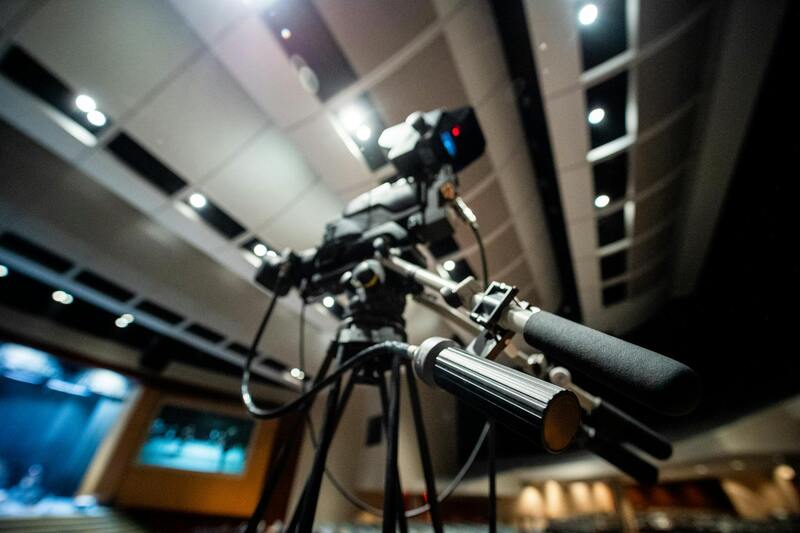
Achieving a seamless live streaming experience hinges heavily on the choice of technical equipment and setup. High-quality video and audio are fundamental to maintaining viewer engagement and professionalism. To accomplish this, Miami production agencies should consider integrating professional-grade transmission tools, including high-definition cameras capable of capturing crisp visuals under various lighting conditions. Complementing this with high-fidelity microphones ensures clear audio delivery, vital for conveying important information and creating an immersive experience.
In addition to capturing devices, encoding hardware or software is necessary to compress video signals efficiently for smooth streaming. Selecting reliable encoders allows for real-time processing and transmission, reducing the risk of lag or buffering issues that can frustrate viewers. Similarly, a robust internet connection provides the backbone for uninterrupted streaming; agencies should aim for high bandwidth with dedicated upload speeds to manage the data flow comfortably.
Furthermore, the choice of a streaming platform compatible with the setup is crucial. Platforms offering adaptive bitrate streaming can dynamically adjust video quality based on viewer bandwidth, ensuring a consistent experience across different devices and network conditions. Wireless solutions, such as wireless transmission kits, offer flexibility for on-location shoots, enabling mobility without compromising signal quality.

Strategies for Managing Live Broadcasts Effectively
Active management during a live event is critical for a successful broadcast. Efficient use of switching equipment, like video mixers and multi-camera controls, allows for dynamic content presentation that keeps viewers engaged. Continuous monitoring of both the streaming feedback and production feeds helps preempt and resolve technical issues swiftly.
Employing dedicated technical personnel to oversee the streaming operation reduces downtime and enhances overall output quality. These specialists handle real-time adjustments, manage on-screen graphics, and coordinate transitions to maintain a professional flow. Additionally, establishing a detailed production plan and backup protocols ensures resilience in the face of unforeseen disruptions.
Engaging viewers should extend beyond the broadcast itself. Incorporating interactive elements such as live polls, chat moderation, and Q&A sessions encourages active participation. This direct engagement fosters a sense of community and heightens viewer retention.
Optimizing Post-Event and Ongoing Content Delivery
Post-event content management entails recording streams for on-demand access, which can significantly extend the event’s lifespan and reach. Platforms with integrated archiving functionalities enable agencies to deliver high-quality recordings easily. Subsequently, leveraging analytics tools helps assess viewer engagement and behavior during the live event, providing valuable insights for future content planning.
Distributing recordings via multiple channels—such as social media, dedicated websites, or streaming platforms—broadens accessibility. Agencies should also consider the use of closed captions and multilingual options to enhance inclusivity and cater to diverse audiences.
Collaborating with content delivery networks (CDNs) ensures rapid distribution and minimal latency globally. These networks help mitigate regional bottlenecks, creating a smoother viewing experience regardless of the audience’s location.
Technical Considerations and Equipment
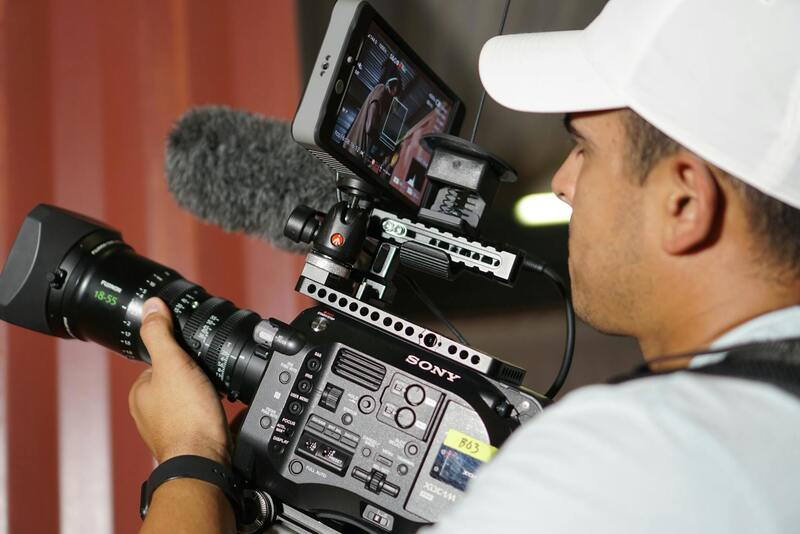
When planning a live streaming video service, the selection and configuration of equipment play a critical role in delivering a seamless broadcast. High-definition cameras are essential for capturing clear, professional-quality visuals. These cameras should be capable of handling variable lighting conditions and offer multiple outputs to facilitate multi-angle shooting.
Encoding devices serve as the backbone of the streaming process, converting raw footage into a digital format suitable for transmission. Hardware encoders provide robust, real-time encoding capabilities, reducing latency and ensuring consistent quality. Cloud-based encoding solutions can also be effective, especially for smaller productions or remote setups, by offloading processing tasks and simplifying hardware requirements.
Reliable internet connectivity is vital for uninterrupted streaming. A dedicated, high-bandwidth connection with minimal latency ensures stable transmission, while redundant internet sources act as backups in case of primary connection failures. Utilizing wired Ethernet connections is preferred over Wi-Fi to minimize interference and packet loss.
Audio quality should not be overlooked; professional microphones and audio mixers help capture and manage clear sound. Additionally, integrating multiple audio sources allows for flexibility during live productions, enabling commentary, live music, or ambient sounds to be incorporated seamlessly.
Supporting equipment such as video switchers, streaming software, and monitoring monitors enables technicians to manage feeds, add graphics, and observe stream quality in real-time. Incorporating stable power supplies and backup generators ensures continuous operation during power outages, preventing disruptions.
Investing in a comprehensive technical setup and having contingency plans in place is crucial to handle unforeseen circumstances effectively. Proper testing and rehearsals before the actual event help identify potential issues and fine-tune equipment configurations for optimal performance.
Incorporating scalable infrastructure allows Miami-based agencies to adapt quickly to different event sizes and technological demands. Whether it's streaming a small community event or a large corporate conference, the right combination of equipment and technical planning is fundamental to a successful live broadcast.
Implementing Official Methods for Live Streaming Video Services
To ensure seamless and professional live streaming, it is essential to utilize official and recognized methods for content delivery. The foundation of a high-quality broadcast begins with choosing a reputable streaming platform that complies with industry standards and provides reliable infrastructure. This includes platforms endorsed by major streaming service providers, offering features such as content encryption, reliable servers, and scalable bandwidth options.
Content delivery networks (CDNs) play a crucial role in broadcasting live streams efficiently across various geographic locations. Entrance into agreements with established CDN providers allows Miami-based production agencies to distribute their streams reliably, reducing buffering times and ensuring consistent quality regardless of viewer location. These providers also implement security protocols that protect streams from unauthorized access or interruptions, maintaining the integrity of the broadcast.

Using certified streaming hardware and software from trusted manufacturers guarantees compatibility and support. These tools include encoders, switchers, and streaming software that are developed following exacting standards, minimizing the risk of technical failures during live events. When configured properly, these systems deliver crisp video and audio, providing viewers with an engaging experience.
Furthermore, the adoption of official streaming apps and services that integrate with major social media platforms offers versatility in content distribution. They make it easier to schedule, monitor, and analyze live streams, ensuring performance metrics are met and audience engagement is maximized.
Content licensing and rights management are also vital components of legitimate live streaming practices. Ensuring that all media used in broadcasts—be it footage, music, or graphics—is properly licensed prevents potential disputes and reinforces the professionalism of the service provider. Licensing agreements should be established through official channels, with clear documentation aligning with the content shared during broadcasts.
Monitoring tools provided within established platforms enable real-time analytics and stream health monitoring. These features facilitate quick troubleshooting and adjustments, minimizing disruptions. Implementing secure login procedures and authentication methods for access control further safeguards the stream from unauthorized viewing or hacking attempts. Ensuring adherence to these structured, official practices results in a smooth, credible live streaming experience for clients and audiences alike.
Technical Considerations and Equipment
Executing a successful live streaming event requires meticulous planning around the technical infrastructure and equipment used. The foundation of high-quality streaming lies in deploying reliable hardware and software solutions that adhere to industry standards. Professional-grade cameras, like 4K or HD camcorders, ensure crisp visuals, while high-fidelity microphones and audio mixers guarantee clear sound quality, vital for maintaining viewer engagement.
To achieve seamless transmission, encoders play a pivotal role. Hardware encoders provide robust, dedicated processing power, reducing latency and minimizing signal loss. Software encoders, typically integrated within live streaming platforms or specialized applications, allow flexibility and ease of use. When choosing encoders, it’s crucial to consider compatibility with streaming services and the capacity to handle the desired resolution and bitrate.
Network connectivity is another critical element. A stable, high-bandwidth internet connection ensures uninterrupted streams, particularly during high-traffic events. It’s advisable to have a dedicated internet line or failover solutions like bonded internet connections to mitigate potential disruptions.
In addition, live streaming platforms often offer integrations for hardware control panels, video switchers, and multi-camera setups. This integration facilitates smooth transitions between shots and the management of multiple video sources, elevating the production quality.
For enhanced security and control, employing VPNs, firewalls, and secure login protocols is essential. These measures prevent unauthorized access and protect the integrity of the stream. Proper calibration of streaming bitrate and resolution is vital, balancing quality and bandwidth efficiency to cater to viewers with diverse devices and internet speeds.
Finally, comprehensive testing of all equipment and internet connections before the actual event helps identify potential issues, ensuring a flawless broadcast. Detailed setup checklists and technical rehearsals are valuable in confirming all systems operate harmoniously under real-world conditions.
Advanced Techniques to Maximize Your Live Streaming Experience
Optimizing live streaming involves more than just selecting the right platform and equipment—it requires deploying advanced techniques that elevate broadcast quality and viewer engagement. Leveraging multi-angle camera setups, for example, can significantly enhance the visual storytelling power of live events. Utilizing wireless camera systems allows fluid mobility and diverse shot compositions, creating a more dynamic viewing experience for audiences who are watching remotely.

Integrating real-time graphics and overlays during a live broadcast adds a professional touch, making informative content like sponsor logos, event schedules, or live statistics more visible and engaging. Many advanced streaming solutions support software that enables these enhancements, allowing producers to customize each broadcast seamlessly.
Audio quality remains a crucial component of a compelling live stream. Using professional-grade microphones, audio mixers, and wireless transmitters ensures crisp, clear sound that complements high-quality video. Incorporating multiple audio sources, such as microphones for speakers and ambient sound captures, enriches the overall production value.
- Implementing a multi-layered audio setup with redundancy minimizes disruptions due to technical failures.
- Employing audio latency management tools ensures synchronization between audio and video feeds across different camera angles.
For viewers tuning in on varied devices, adaptive streaming technologies automatically adjust the quality based on their internet bandwidth, guaranteeing a smooth experience regardless of connection speed. This process is essential for maintaining audience engagement during high-traffic Miami events, where fluctuating network conditions are common.
Utilizing content delivery networks (CDNs) improves broadcast reach and reduces latency, making sure that the stream remains stable and fast, even in densely populated areas. Proper configuration of CDNs alongside robust encoding settings allows the stream to scale effectively during peak viewership periods.

Effective moderation and interaction tools can also be integrated into the streaming platform. These features enable real-time chat, Q&A sessions, and viewer polls, increasing audience participation and satisfaction. Strategic use of analytics helps streamers understand viewer behavior, preferences, and engagement levels, which can inform future content planning and technical adjustments.
Implementing these advanced techniques requires a thorough understanding of both the technical infrastructure and the audience’s expectations. Continuous training for production teams on the latest tools and practices ensures that live streams are executed professionally and efficiently, creating memorable viewing experiences for the Miami audience.