
Overview of Live Broadcasting Services
Live broadcasting services have become an essential element in modern event coverage, offering real-time streaming of events to audiences worldwide. These services facilitate immediate access to live content, making them invaluable for conferences, corporate events, entertainment festivals, sports competitions, and community gatherings. They enable organizations in Miami to reach broader audiences without geographic constraints, ensuring impactful and engaging event promotion. Through the integration of advanced camera systems, high-speed internet connectivity, and robust streaming platforms, live broadcasting services ensure seamless delivery of high-quality video and audio content. These services also provide interactive features such as live chat, audience engagement tools, and multi-platform streaming, which amplify viewer participation and satisfaction. For businesses and event organizers in Miami, employing professional live broadcasting solutions enhances their ability to communicate effectively while saving costs associated with physical attendance. Additionally, live streams serve as a permanent digital record of events, offering ongoing promotional and marketing opportunities. As the demand for immediate content consumption increases, the role of reliable live broadcasting services continues to grow in significance across various industries.
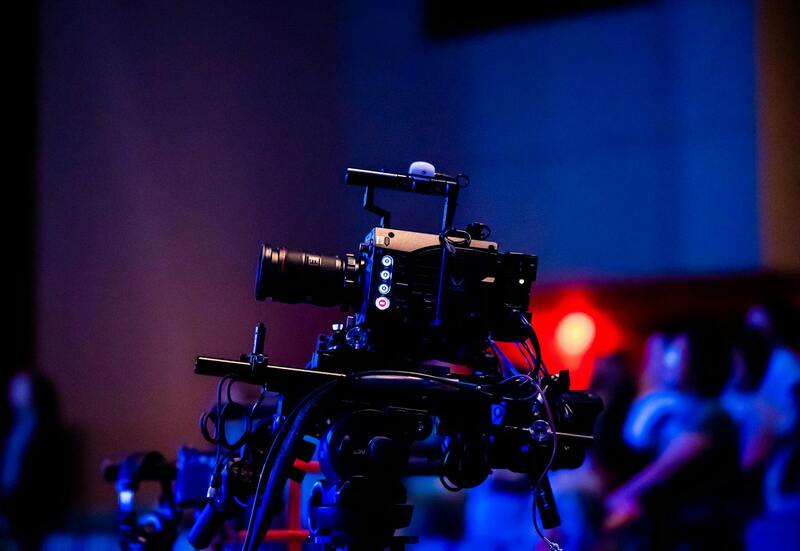
Types of Live Broadcasting Methods
There are several methods employed in delivering live broadcasts, each suited to different event types and client needs. Understanding these methods helps organizations choose the most effective approach for their specific requirements:
- Single-Camera Streaming: Ideal for small-scale events or presentations, utilizing one camera to transmit content in real-time. This method is simple and cost-effective, suitable for webinars or small meetings.
- Multi-Camera Broadcast: Uses multiple cameras to capture the event from different angles, offering a dynamic viewing experience. This approach enhances production value and is suitable for large conferences, concerts, or sports events.
- Mobile Live Streaming: Employs smartphones or portable devices to broadcast on the go, perfect for spontaneous coverage or events in remote locations within Miami.
- Web-Based Streaming Platforms: Solutions like YouTube Live, Facebook Live, or custom platforms provide accessible options for hosting and distributing live content across multiple channels.
- Satellite Live Broadcasts: Used for high-profile events requiring nationwide or international coverage, utilizing satellite technology for expansive reach.
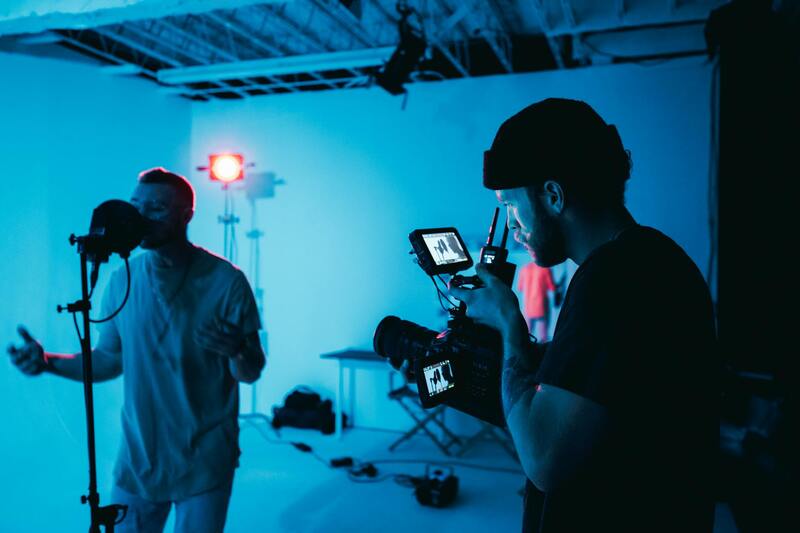
Various methods of live broadcasting suited to different event scales and needs Key Features of Professional Live Broadcasting
Professional live broadcasting services incorporate several vital features to ensure the success of each event:
- High-definition video quality for clear visuals
- Multi-platform streaming capabilities for wider reach
- Low latency transmission to minimize delays
- Reliable internet and backup systems to prevent interruptions
- Advanced audio equipment for crisp sound
- Custom graphics and branding integrations
- Audience interaction tools such as real-time chat or polls
Equipment and Technology Used
Delivering professional live broadcasts requires sophisticated equipment and technology, including:
- High-definition cameras and camcorders
- Video switchers and mixerboards for live production
- Streaming encoders and decoders
- Robust internet connections, often utilizing bonded or dedicated lines
- Audio mixing consoles and wireless microphones
- Lighting setups to optimize video quality
- Streaming platforms and content delivery networks (CDNs)
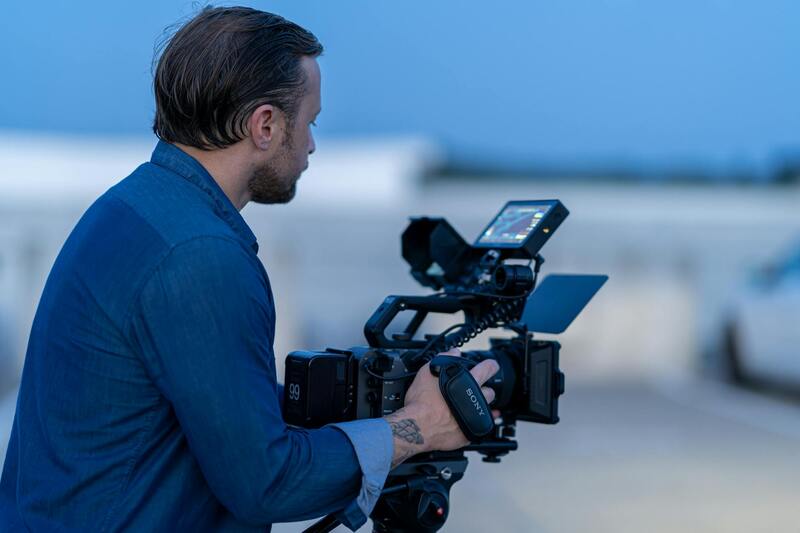
State-of-the-art equipment used for professional live broadcasting in Miami Equipment and Technology Used in Miami's Live Broadcasting Services
Implementing high-quality live broadcasts in Miami demands the latest technology and equipment to ensure seamless production. Professional-grade cameras, such as 4K digital camcorders and PTZ (pan-tilt-zoom) cameras, capture crisp, detailed visuals suitable for large audiences and high-profile events. These cameras are often mounted on stabilized rigs or drone platforms to capture dynamic shots from various perspectives.
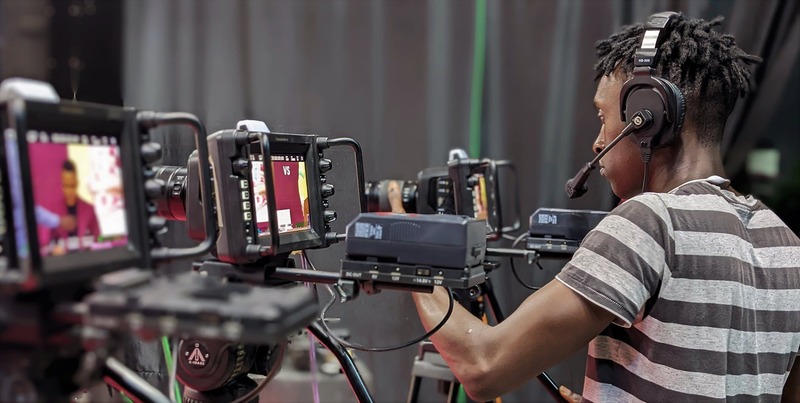
Professional live broadcasting setup in Miami with multiple camera angles Video switchers, also known as production switchers, are essential for managing multiple camera feeds, transitions, and special effects in real-time. These devices allow operators to seamlessly cut between shots, overlay graphics, and incorporate live feeds from remote locations. Accompanying this are encoder and decoder units that translate raw video signals into streams compatible with online platforms, ensuring smooth delivery without buffering issues.
Reliable internet connectivity is the backbone of any successful live broadcast. Miami-based service providers often utilize bonded internet connections, combining multiple sources to increase bandwidth and stability. Dedicated fiber-optic lines directly connected to content delivery networks (CDNs) further enhance streaming reliability and minimize latency.
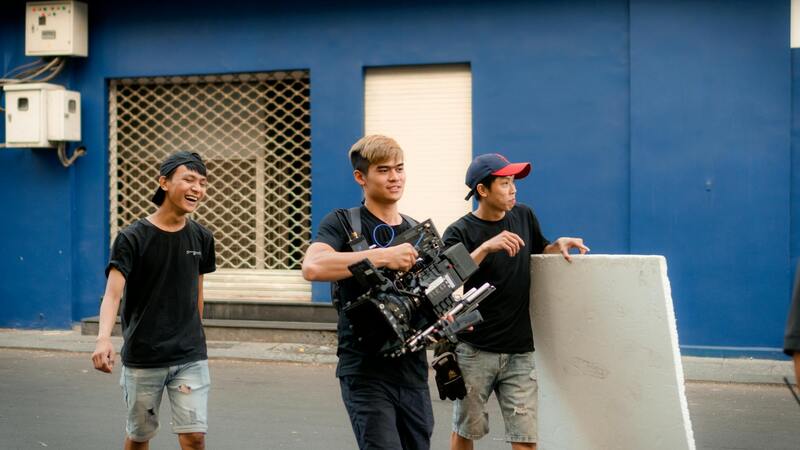
State-of-the-art equipment for professional live events in Miami Audio quality is equally important, with wireless microphones and portable audio mixing consoles used to capture clear sound from hosts, speakers, or performers. Lighting setups—including LED panels and softboxes—are strategically employed to ensure optimal video quality, especially in indoor or low-light environments.
In addition to hardware, software platforms facilitate real-time graphics, subtitles, and audience interaction features such as live chat or polling options, enriching the viewer experience. Content delivery networks (CDNs) distribute the live stream globally, ensuring viewers in Miami and beyond receive high-definition content with minimal latency.
Equipment and Technology Used
Executing high-quality live broadcasts in Miami necessitates an array of sophisticated equipment and cutting-edge technology to guarantee seamless delivery and professional-grade production. Central to this setup are high-definition cameras capable of capturing detailed visuals across various angles. These cameras are often paired with remote-controlled pan-tilt-zoom (PTZ) functionalities, allowing operators to smoothly switch shots and maintain dynamic visual storytelling.
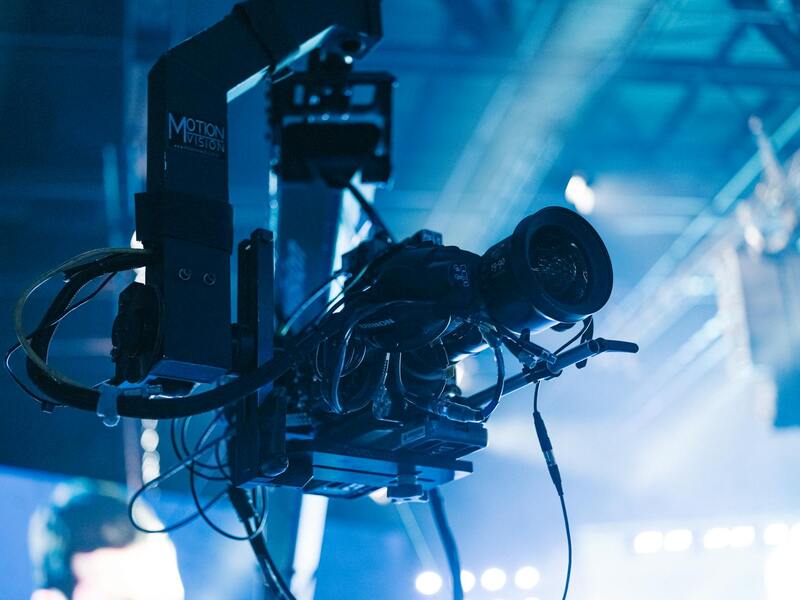
Modern live broadcasting setup with multiple cameras and control systems Audio components also play a vital role, with professional-grade wireless microphones, portable audio mixers, and noise-canceling headsets ensuring crystal-clear sound. These elements are integrated with broadcasting software to facilitate real-time audio mixing, leveling, and effects, providing an immersive audio-visual experience.
State-of-the-art encoding devices convert raw video and audio signals into secure, high-quality streams compatible with various online platforms. These encoders support streaming at multiple bitrates, allowing for adaptive delivery based on viewers’ internet bandwidth, minimizing interruptions due to buffering.

High-performance encoders and hardware for live streaming Supportive infrastructure such as dedicated fiber-optic internet lines ensures stability and high-speed data transfer essential for uninterrupted streams. Mobile broadcasting units equipped with bonded cellular internet connections enable live coverage from remote locations, further expanding the versatility of Miami-based live services.
Additional Hardware and Software Elements
- Switchers and mixers: Facilitate multi-camera switching and live scene composition.
- Graphics and overlays: Incorporate titles, lower thirds, and branding elements in real-time.
- Content Delivery Networks (CDNs): Optimize global distribution, reducing latency and buffering.
- Audience interaction tools: Enable live chat, polls, and Q&A sessions to foster engagement.
Implementing these advanced tools ensures that live broadcasts delivered by Miami-based providers maintain a high standard of quality, reliability, and viewer engagement, meeting the expectations of diverse audiences and versatile event types.
Equipment and Technology Used
High-quality live broadcasting hinges on the deployment of cutting-edge equipment and robust technological infrastructure. Miami-based production agencies often harness a diverse array of professional tools to guarantee seamless streaming experiences. Central to this setup are advanced cameras, which include 4K resolution models capable of capturing detailed visuals in dynamic environments. These cameras are often complemented by high-end lenses that optimize clarity and focus, even in challenging lighting conditions, ensuring every shot is crisp and vibrant.
Encoders form the backbone of digital streaming, translating raw audio and video signals into compressed data suitable for online platforms. Miami agencies tend to favor hardware encoders with real-time encoding capabilities, supporting multiple bitrates to adapt to viewers’ varying internet speeds and reduce buffering delays. Switching and mixing equipment, such as professional video switchers, facilitate multi-camera setups, allowing operators to effortlessly transition between various angles and scenes, creating a polished and professional live broadcast.
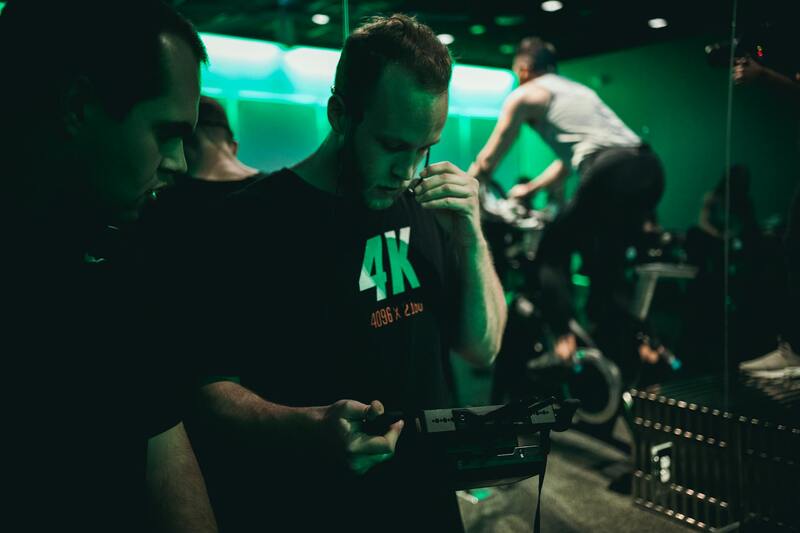
Advanced broadcasting equipment used by Miami production agencies ensures high-quality live streams. Reliable internet connectivity forms the foundation of any successful live broadcast. Miami agencies typically utilize dedicated fiber-optic lines, providing high bandwidth and minimal latency, crucial for uninterrupted streams. In remote situations where wired connections are impractical, bonded cellular internet solutions are employed to aggregate multiple cellular signals, ensuring stable connectivity in outdoor or hard-to-reach locations.
Other essential hardware includes audio mixing consoles, wireless microphones, and sound mixers, which collectively manage audio clarity and balance. Real-time graphics generators and overlay systems enable the integration of branding elements, lower thirds, and live titles, enhancing viewer engagement and informational clarity.
To maximize global reach and reduce latency, Content Delivery Networks (CDNs) are utilized. These networks distribute the live feed across multiple servers worldwide, ensuring viewers across different regions experience minimal delays. Audience interaction tools such as live chat integrations, polls, and Q&A modules foster direct engagement, making the broadcast more interactive and dynamic.
In essence, the synergy of high-caliber cameras, encoding devices, comprehensive audio-visual hardware, and advanced internet solutions makes Miami-based live broadcasting providers a top choice for diverse event coverage. These technologies are meticulously selected and operated by skilled technicians to deliver broadcasts that meet professional standards of quality, reliability, and viewer experience.
Equipment and Technology Used
For professional live broadcasting, a comprehensive array of equipment and advanced technology is essential to ensure seamless transmission and high-quality visuals. High-definition cameras equipped with zoom and stabilization capabilities capture crisp, detailed footage suitable for various event types. These cameras are often paired with professional-grade video switchers that allow live editing, scene switching, and integration of multiple video feeds, facilitating a dynamic broadcast experience.
Encoding devices play a pivotal role in compressing video signals for efficient streaming without compromising quality. They are typically configured to support multiple output formats, ensuring compatibility across a range of devices and platforms. To handle high-quality audio, technicians deploy sound mixers and wireless microphones that deliver clear sound, even in challenging acoustic environments. The integration of audio consoles with the video system allows for synchronized audio-visual output, delivering a polished viewing experience.
Graphics systems are utilized to overlay real-time captions, logos, and branded visuals that enhance branding and viewer engagement. These systems enable quick updates and customization during the live event. Additionally, reliable internet infrastructure, including dedicated fiber-optic lines or bonded cellular solutions, guarantees stable connectivity, preventing interruptions. Content Delivery Networks (CDNs) distribute the live feed globally, reducing latency and buffering issues.
State-of-the-art cameras and encoding equipment at a Miami broadcasting hub Moreover, audience engagement tools such as live polling, chat integrations, and interactive Q&A platforms are incorporated to foster real-time interaction. These technologies, meticulously managed by experienced technicians, are fundamental in delivering a professional-standard live broadcast that meets the expectations of diverse audiences.
Overview of Live Broadcasting Services
Live broadcasting services encompass a comprehensive array of video streaming solutions designed to deliver real-time content to audiences across multiple platforms. These services are integral for organizations seeking to reach viewers instantly, ensuring immediate engagement and interaction. The core of live broadcasting involves capturing video content through high-quality cameras, transmitting it via robust internet connections, and streaming it to viewers' devices seamlessly. Leveraging advanced encoding software and hardware, live broadcasts can be optimized for various internet speeds and device types, providing a reliable experience regardless of the viewer's location or equipment.
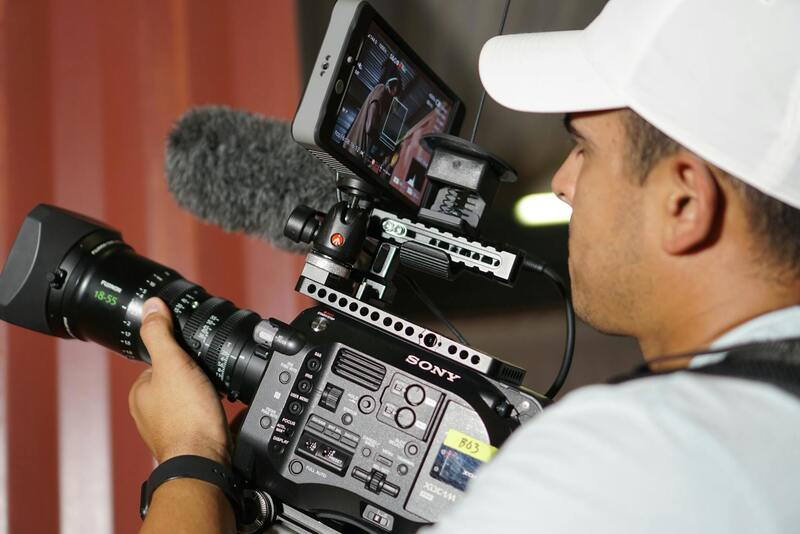
High-Quality Equipment Powering Live Broadcasts Operators of live broadcasting services often incorporate multiple layers of reliability. These include redundant internet connections, multiple streaming servers, and real-time technical monitoring to preempt and resolve any potential issues proactively. In professional settings, the integration of advanced graphics, on-screen overlays, and synchronized audio-video feeds further elevates the production quality, creating engaging and memorable viewing experiences for audiences of all sizes.
Types of Live Broadcasting Methods
Live broadcasting can be executed through various methods tailored to the specific needs of an event or organization:
- Web-Based Streaming: Utilizes internet streaming platforms to deliver content directly to audiences via web browsers or dedicated apps. This method is ideal for a broad public audience, offering platforms like YouTube Live, Facebook Live, or enterprise solutions.
- Satellite Broadcasting: Employs satellite transmission to broadcast to large-scale, geographically dispersed audiences, especially useful for expansive events or regions with limited internet infrastructure.
- Dedicated Streaming Servers: Involves deploying private servers that provide more control over the broadcast, reducing lag and buffering, and offering customized streaming solutions for corporate or niche audiences.
- Hybrid Models: Combines multiple delivery methods to optimize reach and reliability, such as streaming via the internet supplemented with satellite support for regions with connectivity challenges.
Key Features of Professional Live Broadcasting
Professionally managed live broadcasts incorporate an array of features to ensure high-quality delivery and audience engagement:
- Multi-Camera Setups: Utilizing several cameras to capture different angles, enhancing visual interest and providing a dynamic viewing experience.
- Real-Time Graphics and Overlays: Adding logos, captions, and other visual elements to reinforce branding and provide contextual information.
- Audio Engineering: Employing sound mixers and wireless microphones to deliver crisp, clear sound that is synchronized with the visual feed.
- Interactive Features: Integrated live chat, polls, and Q&A sessions engage viewers actively during the broadcast.
- Stream Monitoring and Recording: Continuous oversight ensures smooth transmission, with options for recording for later access or highlights creation.
Equipment and Technology Used
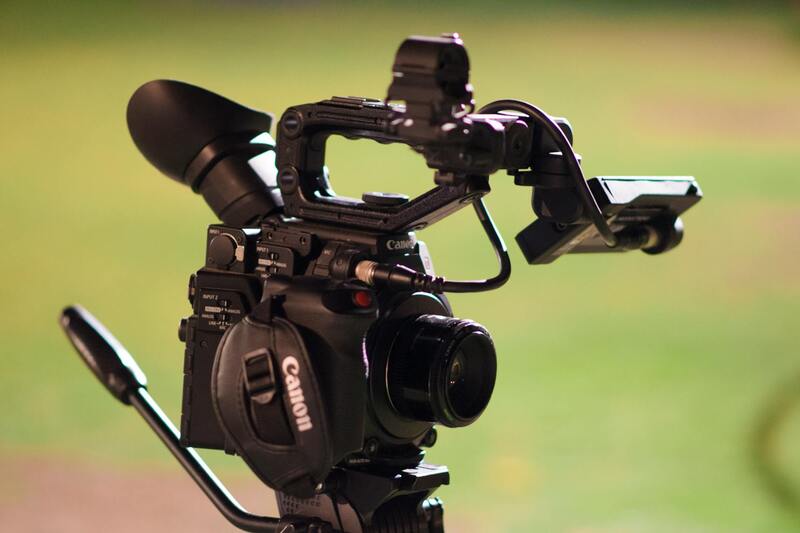
State-of-the-Art Equipment for Live Streaming High-caliber live broadcasting relies on specialized equipment designed for durability and exceptional performance. This includes professional-grade cameras capable of high-definition footage, encoders that compress and optimize video signals, and mixing consoles that synchronize audio feeds seamlessly. Additionally, fiber-optic internet lines or bonded cellular devices ensure stable, high-bandwidth connections essential for uninterrupted streaming.
Graphics systems expand branding opportunities by overlaying real-time visual content, while audio consoles and wireless microphones guarantee pristine sound quality. These technological components are orchestrated by skilled technicians who monitor every aspect of the broadcast, making real-time adjustments to handle any unexpected issues efficiently. Streaming servers, Content Delivery Networks (CDNs), and robust internet infrastructure collectively form the backbone that sustains high-quality, low-latency broadcasts.
Benefits of Hiring a Local Miami Production Agency
Engaging a Miami-based live broadcasting production agency offers distinct advantages, particularly in understanding the local event landscape and logistical considerations. Local agencies possess intimate knowledge of Miami’s event venues, permitting them to plan and execute broadcasts with precision. They are familiar with regional regulations, permitting processes, and vendor networks, ensuring smoother coordination and resource management. The proximity allows for swift deployment of equipment and personnel, reducing setup times and mitigating potential technical setbacks.
Furthermore, a Miami agency understands the unique demographics and audience preferences in the area, enabling tailored content delivery that resonates more effectively. This local expertise enhances the overall quality of the broadcast, ensuring it meets immediate needs and exceeds expectations. Agencies also tend to maintain established relationships with local service providers, which can translate into cost savings and priority access to premium technology and facilities.
Equipment and Technology Used in Professional Live Broadcasting
Implementing high-quality live broadcasting services requires a comprehensive suite of advanced equipment and cutting-edge technology. This investment ensures seamless streaming experiences, clarity in audio, and vivid visuals that captivate viewers regardless of their geographical location. Central to these operations are professional cameras, which boast high-definition resolutions and optimal frame rates, allowing producers to capture every detail with precision. These cameras are often supported by stabilization rigs and swift pan/tilt mechanisms to facilitate dynamic shots in fast-paced environments.
Audio quality is equally vital and is achieved through the use of high-fidelity microphones, audio mixers, and sound processing units. These tools filter out unwanted noise and enhance speech clarity, ensuring that viewers receive an immersive audio-visual experience. For larger venues or outdoor events, wireless microphone systems provide flexibility without compromising sound fidelity.
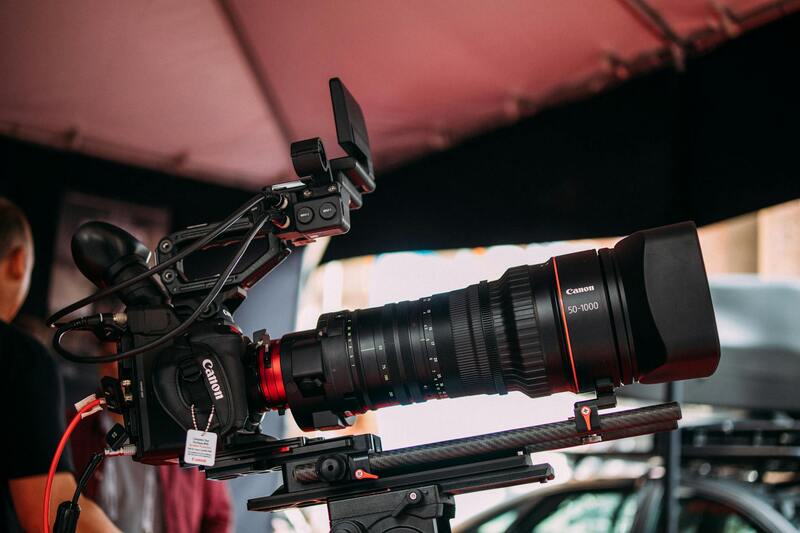
State-of-the-art equipment crucial for professional live broadcasting Streaming hardware, such as dedicated encoders and decoders, play a pivotal role in converting raw footage into broadcast-ready content. These devices handle compression algorithms to minimize bandwidth usage while retaining video quality. Content Delivery Networks (CDNs) are employed to distribute streams efficiently across various platforms, reducing latency and buffering times. Robust internet infrastructure, including high-speed fiber optic connections, forms the backbone of uninterrupted live streams.
Supplementing hardware are software solutions for multi-camera switching, real-time editing, and graphic overlays. These tools enable production teams to deliver polished broadcasts with professional overlays, transitions, and branding elements, enhancing viewer engagement. Additionally, remote control and monitoring systems allow technicians to oversee multiple streams from centralized locations, swiftly addressing any technical difficulties that may arise during a broadcast.
Benefits of Hiring a Local Miami Production Agency
Partnering with a Miami-based live broadcasting provider offers various strategic advantages rooted in local knowledge and specialized expertise. Such agencies are well-versed in the nuances of Miami’s diverse event landscape, ensuring efficient planning and execution. They possess longstanding relationships with local vendors, venues, and service providers, which streamline logistical coordination and facilitate access to premium technology and facilities.
The proximity of a local agency allows for rapid deployment of equipment and personnel, substantially reducing setup and takedown times. This agility is essential for time-sensitive events or last-minute adjustments. Local expertise also translates into a better understanding of regional audience preferences and cultural nuances, enabling tailored content that resonates more deeply with viewers. This personalized approach can significantly enhance engagement and overall broadcast quality.
Furthermore, Miami-based agencies often maintain a comprehensive stock of modern equipment and continuously upgrade their technology infrastructure to stay at the forefront of industry standards. This ensures clients benefit from high-quality production values without the need for significant investments in hardware or technical personnel.
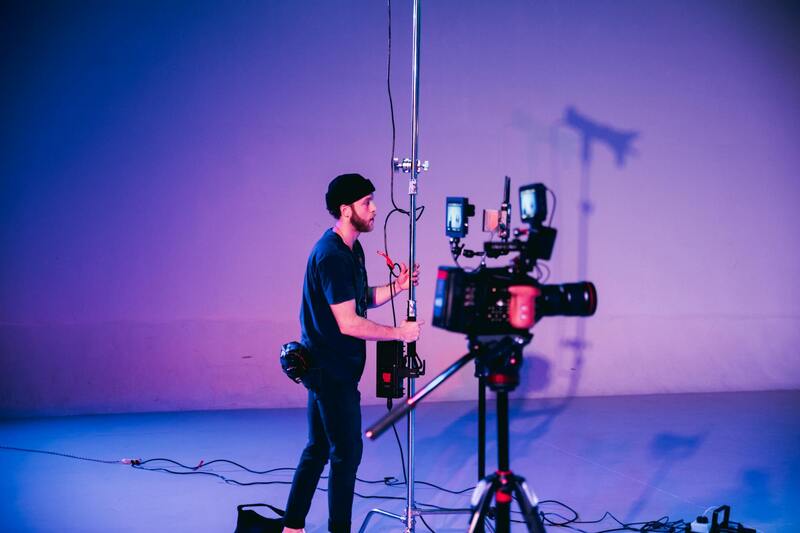
Efficient deployment and expert support from local Miami agencies enhance broadcast quality Types of Live Broadcasting Methods
Live broadcasting services encompass a variety of methods tailored to meet different event needs and audience engagement strategies. The most prevalent methods include traditional satellite streaming, internet-based streaming, and hybrid solutions that combine elements of both for enhanced reliability and quality.
Satellite streaming involves transmitting live events via dedicated satellite links. This method is often used for large-scale events such as concerts, festivals, and international conferences due to its capacity to reach vast audiences without relying on local internet infrastructure. It ensures stable and high-quality transmission, especially in venues where internet access may be unreliable or inadequate.
Internet-based streaming, on the other hand, leverages platforms like Content Delivery Networks (CDNs) and streaming services to distribute live content through high-speed broadband connections. This approach is more flexible and cost-effective, suitable for corporate webinars, product launches, local sport events, and virtual conferences. It allows for easy integration with social media platforms, amplifying audience reach and engagement.
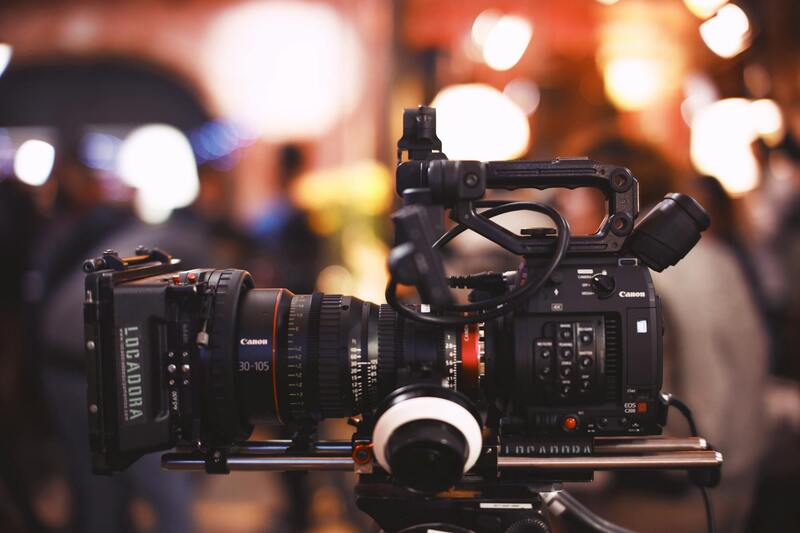
Different live broadcasting techniques tailored for various event types Hybrid streaming combines satellite and internet methods, providing a robust solution that ensures continuous broadcast even if one channel encounters issues. This approach is especially beneficial for critical events requiring high reliability, such as governmental briefings or sporting finals. The hybrid setup involves multiple transmission pathways, automatic failover mechanisms, and real-time monitoring to guarantee seamless delivery of content to viewers.
Advantages of Multiple Broadcast Methods
- Redundancy and reliability: Combining different transmission channels minimizes interruptions due to technical failures.
- Expanded reach: Satellite broadcasts cover broader geographical regions, while internet streams can target specific demographics or localized audiences.
- Cost-efficiency: Internet streaming provides a scalable solution with lower costs, while satellite transmission offers stability for larger audiences.
- Enhanced interactivity: Internet-based platforms facilitate live viewer interaction, real-time questions, and social media engagement.
Choosing the Optimal Method
The selection of the appropriate broadcast method depends on several factors, including event scale, expected audience size, budget, and venue infrastructure. Professional live broadcasting service providers conduct comprehensive assessments of these elements to recommend the most suitable approach. Their expertise ensures that the chosen method aligns with the overall event goals, delivering high-quality content reliably to viewers across Miami and beyond.