
Understanding Live Streaming Production
Live streaming production represents a sophisticated blend of technical expertise, creative planning, and state-of-the-art equipment to broadcast events, presentations, or performances directly over the internet in real-time. This process involves the seamless integration of various components, including video capture, audio management, encoding, and distribution, to deliver engaging content to viewers across diverse digital platforms. As a pivotal element in contemporary communication and marketing strategies, live streaming provides organizations with an unmatched opportunity to reach global audiences instantly, fostering real-time interaction and engagement.
For organizations and events based in Miami, live streaming production is especially valuable given the city’s vibrant cultural scene, bustling business environment, and the diverse demographic landscape. Whether it's a corporate conference, music festival, charity fundraiser, or city event, live streaming expands reach beyond physical boundaries, allowing participants and viewers to connect regardless of location. This method enhances visibility, promotes inclusivity, and provides measurable insights through analytics. Moreover, high-quality live streaming can elevate the professional image of Miami-based entities, showcasing their commitment to innovative communication practices.

Effective live streaming production necessitates a comprehensive understanding of its core components, including technical setup, content planning, and platform selection. Mastering these elements enables organizations to deliver captivating streams that meet their audience’s expectations and achieve strategic goals. As this technology continues to evolve, keeping pace with emerging trends and tools remains crucial for maximizing these capabilities and ensuring smooth, professional broadcasts that reinforce trust and credibility among viewers.
Essential Equipment and Technology for Live Streaming Production
Achieving a seamless live streaming experience relies heavily on deploying the right mix of equipment and technology. High-quality production begins with reliable hardware that ensures clear audio, crisp visuals, and smooth operation. Key components include professional cameras with high-definition capabilities, audio mixers for balanced sound, and encoders that convert raw footage into a broadcastable format suitable for the internet.
In addition to cameras and audio, efficient network infrastructure such as wired internet connections or dedicated high-bandwidth wireless solutions is critical. This minimizes latency and prevents interruptions during the live broadcast. Video switchers or production mixers enable operators to switch between multiple camera feeds, add graphics, and enhance visual presentation in real-time, leading to more engaging content.
Complementing hardware, a robust streaming platform interface and management system are essential for scheduling, monitoring, and controlling the stream. These platforms often come equipped with features like multi-camera switching, graphic overlays, and live chat integration, which help elevate production quality and viewer interaction. For organizations aiming for professionalism, hardware redundancy, such as backup power supplies and secondary internet feeds, ensures uninterrupted streaming even during unforeseen technical issues.
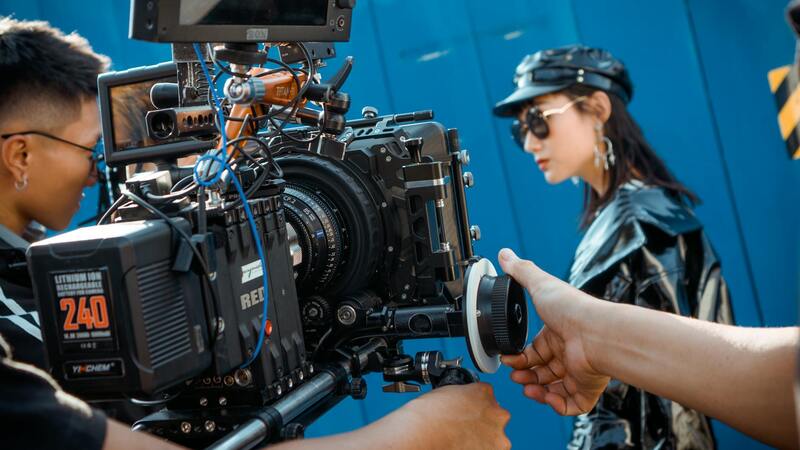
Advanced streaming software solutions further empower producers with tools for synchronized multi-camera feeds, remote control capabilities, and real-time analytics. These digital tools are designed to streamline production workflows, improve efficiency, and provide detailed insights into viewer engagement and technical performance, thus enabling continuous improvement of broadcast quality.
Key Tech Innovations in Modern Live Streaming
- 4K Resolution Cameras for high-detail visuals
- Wireless and wired encoders optimized for live performance
- Cloud-based content delivery networks (CDNs) for scalable streaming
- Instant graphics insertion and on-screen annotations
- Automated switching systems with AI-driven scene detection
- Wireless audio systems for flexibility and mobility
- Dedicated internet circuits with fiber optic connections for stability
Utilizing these innovative tools ensures the production team can deliver a polished, professional stream that captivates viewers and aligns with your branding goals. Evaluation of the specific scope, audience size, and broadcast complexity guides the selection of equipment, allowing for tailored solutions that optimize the overall viewing experience.
Choosing the Right Streaming Platforms for Optimal Reach
Successful live streaming production hinges on selecting platforms that best align with your target audience and content goals. In the Miami market, venues like Facebook Live, YouTube Live, and Vimeo offer diverse features tailored to different types of broadcasts. Facebook Live provides seamless integration with social media, fostering direct engagement with viewers through comments and reactions, ideal for community-driven events or promotional content. YouTube Live, with its extensive reach and high-definition support, is suitable for larger audiences, including corporate webinars, sporting events, and concerts. Vimeo offers a more professional environment, emphasizing HD quality and privacy controls, making it optimal for corporate communications or private functions.
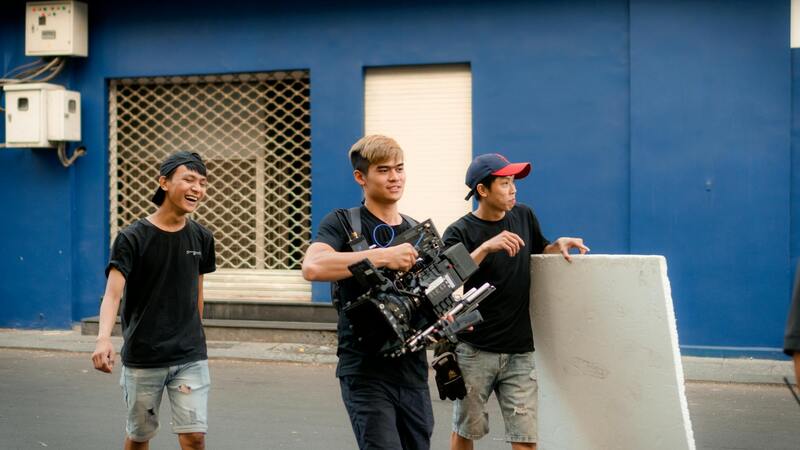
Choosing the right platform involves examining technical specifications, audience analytics, and content monetization options. Integration capabilities with other production tools, such as live chat moderators, analytics dashboards, and advertising support, play a vital role in delivering a seamless viewing experience. Additionally, using multiple platforms simultaneously can amplify reach and engagement, enabling your organization to tap into diverse viewer bases. This strategic approach ensures that the live stream maximizes its impact and aligns with broader marketing and communication objectives.
Optimizing Broadcast Distribution through Technology
Efficient distribution of your live content requires robust technological infrastructure. Content Delivery Networks (CDNs) are critical, as they distribute streams across multiple servers worldwide to minimize latency and buffering issues. Implementing a scalable CDN setup allows for accommodating fluctuating viewership, particularly during peak times or viral events. For organizations broadcasting events in Miami and beyond, selecting a provider with a global reach ensures consistent, high-quality viewing experiences regardless of geographical location.
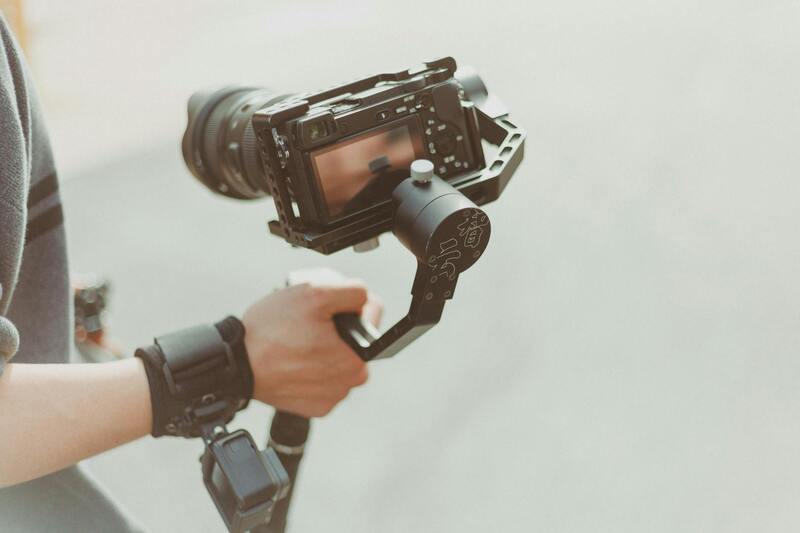
Another crucial component is the encoding system. Hardware encoders dedicated to live streaming transmit high-quality video signals to the internet, reducing latency and enhancing stability. Software encoders, often integrated within advanced broadcast software, provide flexibility and ease of use for smaller productions. Combining these tools with sufficient bandwidth, preferably via fiber optic internet connections, guarantees reliable data transmission, essential for maintaining broadcast integrity during live production.
Implementing Adaptive Streaming Techniques
Adaptive streaming adjusts video quality dynamically, based on viewers’ internet speeds. This method minimizes interruptions, ensuring that viewers experience uninterrupted streams, even in fluctuating network conditions. Techniques like HLS (HTTP Live Streaming) and DASH (Dynamic Adaptive Streaming over HTTP) are widely adopted for their compatibility across devices and browsers.
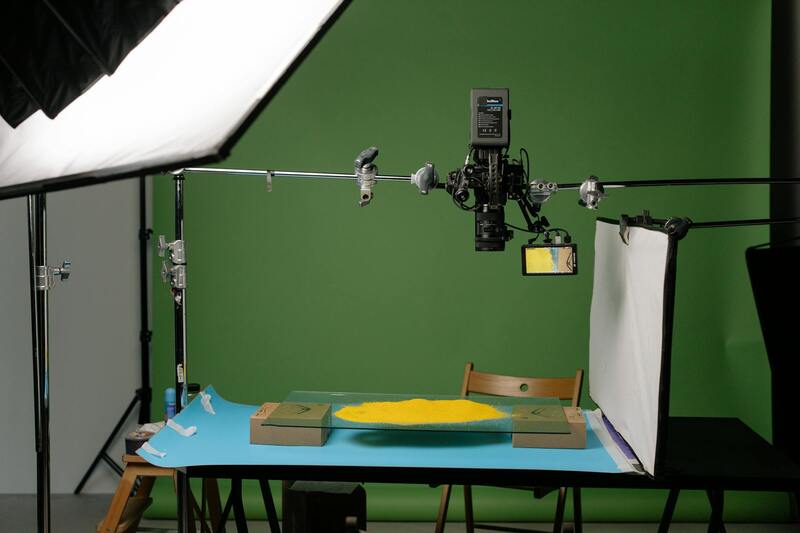
By integrating these technologies, live streaming productions can deliver consistent quality, reduce buffering, and enhance overall viewer satisfaction. Moreover, employing multi-bitrate streams allows broadcasters to target different device types and connection speeds, expanding accessibility and engagement across diverse audiences. This approach is vital for that live events aimed at maximizing reach and providing a professional-grade experience tailored to each viewer’s technology setup.
Technical Considerations for Live Streaming Production
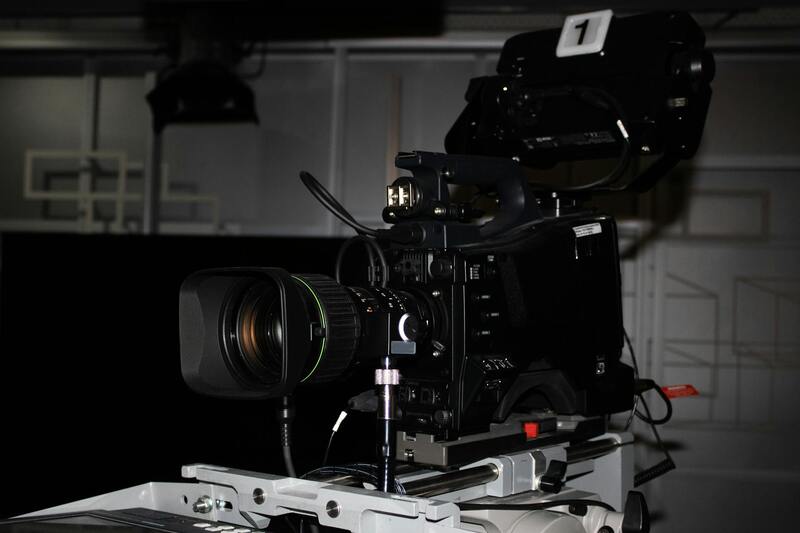
Achieving a seamless live stream requires meticulous attention to the technical setup and adherence to proven methods for capturing, encoding, and transmitting content. The choice of camera systems plays a crucial role; professional-grade cameras deliver high-resolution visuals necessary for engaging broadcasts. These cameras should be compatible with professional video switchers and capable of outputting clean feeds, ensuring pristine image quality throughout the production.
Audio quality is equally vital. High-fidelity microphones, sound mixers, and audio processors contribute to clear, balanced sound that matches the visual professionalism. Proper microphone placement and soundcheck routines prevent audio issues such as clipping, background noise, or uneven volume levels, which can distract viewers and diminish overall broadcast quality.
Reliable internet connectivity forms the backbone of live streaming success. Fiber optic connections are preferred for their high bandwidth and low latency, reducing the risk of stream interruptions. Multiple internet sources, such as backup LTE or satellite connections, can be employed for redundancy, ensuring continuous transmission even if primary internet links fail.
Encoding solutions are the next critical component. Hardware encoders dedicated to live streaming provide unparalleled stability and performance. These devices encode high-quality video feeds into formats suitable for streaming platforms with minimal delay. Simultaneously, software encoders within advanced broadcasting tools offer flexibility and ease of control, especially for smaller productions or rapid content adjustments.
Implementing adaptive streaming technologies, such as HLS and DASH, adjusts video quality dynamically based on viewers’ internet speeds. This minimizes buffering and ensures a consistent viewing experience across diverse devices and network environments. Multi-bitrate streaming not only broadens audience accessibility but also allows broadcasters to cater to viewers on smartphones, tablets, or high-definition screens, maximizing engagement potential.
Testing is an integral part of the pre-production phase. Conducting comprehensive test runs helps confirm that all equipment, including cameras, microphones, encoders, and internet connections, work harmoniously. These rehearsals allow the production team to identify and resolve issues before the live event, reducing the likelihood of disruptions during the actual broadcast.
In sum, a robust technical infrastructure, combined with strategic planning and rigorous testing, forms the foundation of successful live streaming production. It ensures that content is delivered seamlessly, maintaining viewer engagement and content integrity throughout the broadcast.
Implementing Official and Secure Methods for Content Delivery
To ensure a seamless live streaming experience, it is crucial to utilize official and secure methods for the delivery and distribution of content. These methods not only safeguard the integrity of the broadcast but also optimize viewer engagement by maintaining consistent quality and minimizing interruptions. Using licensed streaming platforms and adhering to established protocols in content delivery are fundamental components of a reliable live streaming production.
Content transmission should be carried out through reputable streaming services that provide end-to-end encryption and robust infrastructure support. These services are designed to handle high traffic volumes and deliver streams efficiently across different regions and network conditions. Leveraging such platforms guarantees that your content reaches audiences without undue latency or buffering issues, which are detrimental to viewer retention.
For organizations handling sensitive or proprietary content, implementing secure stream protocols such as Secure RTMP (Real-Time Messaging Protocol) or SRT (Secure Reliable Transport) adds an additional layer of protection. These protocols encrypt the data during transmission, reducing the risk of unauthorized interception or distribution. Employing multi-factor authentication for access to live streams further enhances security, ensuring that only authorized personnel can manage or view the broadcast.
Another vital aspect is digital rights management (DRM), which controls how content is accessed and shared beyond the initial broadcast. Implementing DRM solutions helps prevent unauthorized copying or redistribution of copyrighted material, preserving content value and respecting intellectual property rights.
Ensuring compliance with broadcasting standards and technical requirements required by chosen streaming platforms is paramount. This includes adhering to recommended encoding formats, bitrates, and resolution specifications. Properly configuring these settings ensures high-quality streams that meet platform and viewer expectations, avoiding issues such as pixelation, artifacts, or audio desynchronization.
Altogether, using licensed, officially supported platforms paired with secure transmission protocols and rights management practices creates a robust framework for live streaming production. These measures uphold content quality and security, enhance viewer trust, and foster a professional broadcast environment that aligns with industry standards and audience expectations.
Understanding Live Streaming Production
Live streaming production encompasses a series of meticulously coordinated steps that ensure a seamless and professional broadcast. It involves not just capturing and transmitting video content, but also managing the technical workflow, integrating various media elements, and maintaining high-quality delivery standards. Effective live streaming production relies heavily on the integration of cutting-edge technology, strategic planning, and skilled personnel to create an engaging experience for viewers. From initial concept development, through technical setup, to on-the-fly management during the broadcast, each phase plays a crucial role in the success of the live event. This process starts well before the actual stream begins, with detailed planning that aligns content goals with technical capabilities, ensuring both visual and audio fidelity meet industry standards. Properly executed live streaming production boosts viewer engagement, enhances brand image, and can significantly improve the reach and impact of the broadcast.
Key Components of a Robust Live Streaming Production
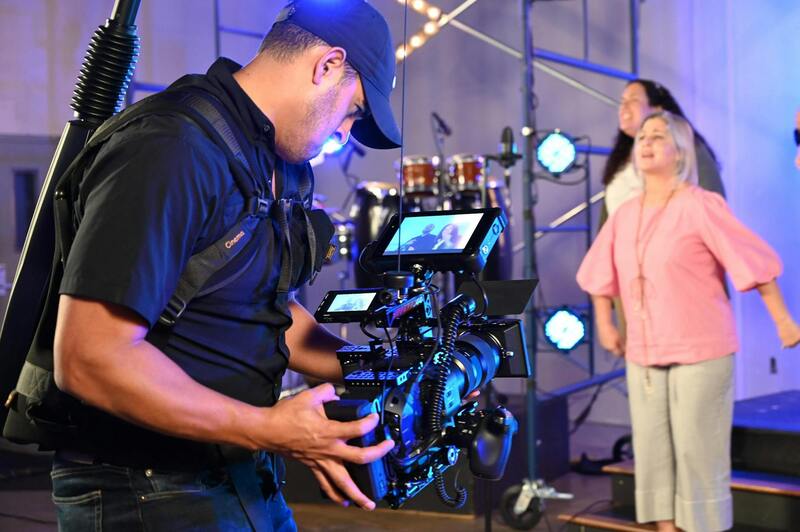
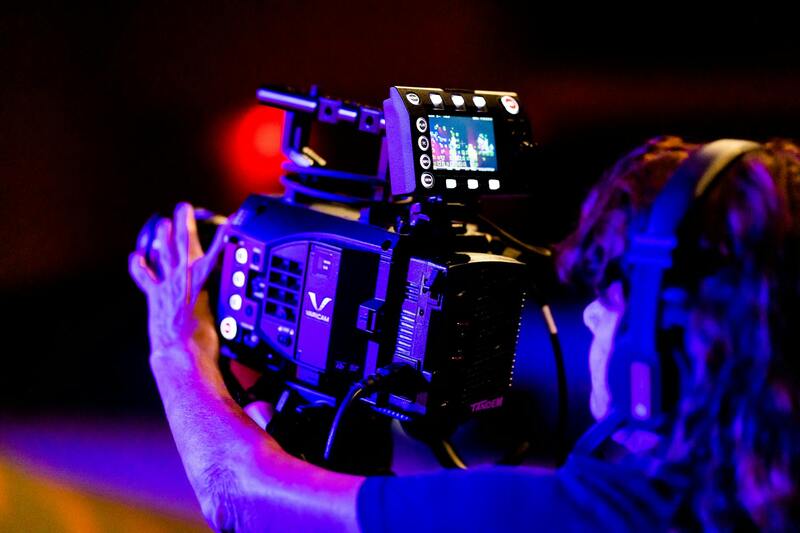
- Video Capture Devices: Professional cameras and switchers to provide versatile shot options and real-time control over visuals.
- Audio Equipment: High-fidelity microphones, audio mixers, and monitoring systems that guarantee clear sound quality.
- Encoding Hardware/Software: Reliable encoding solutions convert raw footage into streams compatible with various platforms, maintaining high resolution and minimal latency.
- Network Infrastructure: Dedicated and high-bandwidth internet connections prevent lag or interruptions, supporting stable streaming even during high audience engagement.
- Production Control Room: A centralized station equipped with video switchers, graphics inserts, and audio mixing consoles enables real-time management of all broadcast elements.
Technical Coordination and Team Roles
Successful live streaming production also depends on a well-coordinated team, including directors, technical directors, camera operators, sound engineers, and graphics specialists. Clear communication channels ensure real-time coordination, allowing for smooth transitions, effective troubleshooting, and immediate response to any issues that arise during the broadcast. Training personnel in the specific workflows, safety protocols, and emergency procedures is vital to minimizing disruptions and maintaining a polished presentation. As this technology continues to evolve, leveraging automation and integrated control systems can further streamline operations, improve reliability, and reduce operational costs.
Understanding Live Streaming Production
Effective live streaming production hinges on meticulous planning, robust technology, and seamless execution. It involves managing multiple technical elements, such as video and audio quality, encoding, and reliable network connectivity, to deliver a professional broadcast experience. The process encompasses every stage—from initial concept development and equipment setup to real-time management during the event, culminating in post-event analysis for continuous improvement. At its core, live streaming production ensures that content reaches audiences in real time without interruptions, maintaining high visual and audio standards that engage viewers and reinforce brand credibility.
Genre-Specific Content Planning
The nature of the content greatly influences production strategies. Whether it's a corporate webinar, music concert, sporting event, or community festival, understanding the target audience and desired engagement level is essential. For instance, high-energy visual effects and multi-camera angles work well for concerts, whereas clear, informative graphics support business presentations. Tailoring your approach to the event type helps optimize viewer experience and audience retention.
Creating a Detailed Production Timeline
Developing an exhaustive schedule from pre-production to post-stream activities minimizes the risk of oversight. This includes allocating time for equipment checks, rehearsal, technical rehearsals, and contingency planning for potential issues. A well-structured timeline facilitates smooth transitions during live broadcasts and ensures all team members are aligned on their responsibilities.
Coordination with Content Creators and Hosts
Working closely with hosts, speakers, or performers ensures content delivery matches production quality standards. Providing guidance on timing, cues, and technical requirements enables a cohesive presentation. Additionally, rehearsals reinforce timing and technical cues, reducing on-air mishaps and enhancing overall broadcast professionalism.
Ensuring Equipment and Technology Readiness
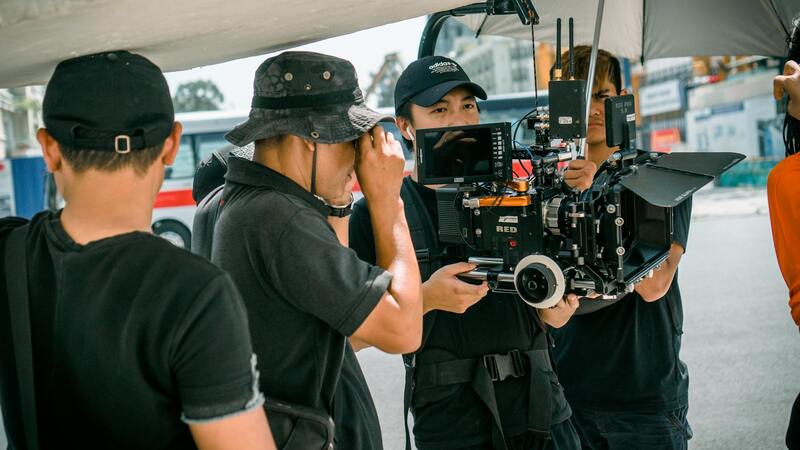
Preparing your technical infrastructure is vital for a glitch-free live stream. This includes selecting high-quality cameras capable of capturing detailed visuals in various lighting conditions, along with switchers that allow dynamic shot adjustments. Audio equipment, such as directional microphones, audio mixers, and monitoring systems, guarantees pristine sound that complements the visual content.
- Encoding Solutions: Hardware or software encoders must efficiently convert raw footage into streaming-compatible formats, preserving high resolution and minimizing latency.
- Network Stability: A dedicated, high-bandwidth internet line is critical. Redundant internet connections and load balancing can prevent disruptions caused by network fluctuations.
- Production Control Room: Centralized control stations equipped with video switchers, graphics systems, and audio controls facilitate real-time adjustments and ensure a polished broadcast.
Setting Up for Live Streaming
Technical setup begins with selecting a suitable venue that accommodates all equipment while providing optimal acoustics and lighting. Proper camera placement captures multiple angles, enhancing visual engagement. Audio setup involves positioning microphones strategically to pick up sound clearly, balancing levels to avoid distortions. Network connection quality should be tested thoroughly prior to the event to ensure stable live transmission.
Connections between all hardware components must be secure, with backup systems ready to deploy in case of failure. For complex productions, including overlays, graphics, or multiple feeds, utilizing dedicated video switchers and streaming hardware ensures seamless operation during the live event.
Streaming Platforms and Distribution
Choosing appropriate streaming platforms is critical to reaching your target audience effectively. Platforms like dedicated streaming services, social media channels, or proprietary websites each offer unique benefits regarding audience engagement and analytics. When planning distribution, consider platform capacity, latency requirements, and audience interaction capabilities.
- Multistreaming Capabilities: Simultaneously broadcasting to multiple platforms increases reach and visibility.
- Custom Branding and Integration: Using platforms that allow overlays, chat features, and branding ensures a cohesive viewer experience.
- Audience Accessibility: Ensuring streams are accessible across devices and regions broadens potential viewership.
Real-Time Production and Monitoring
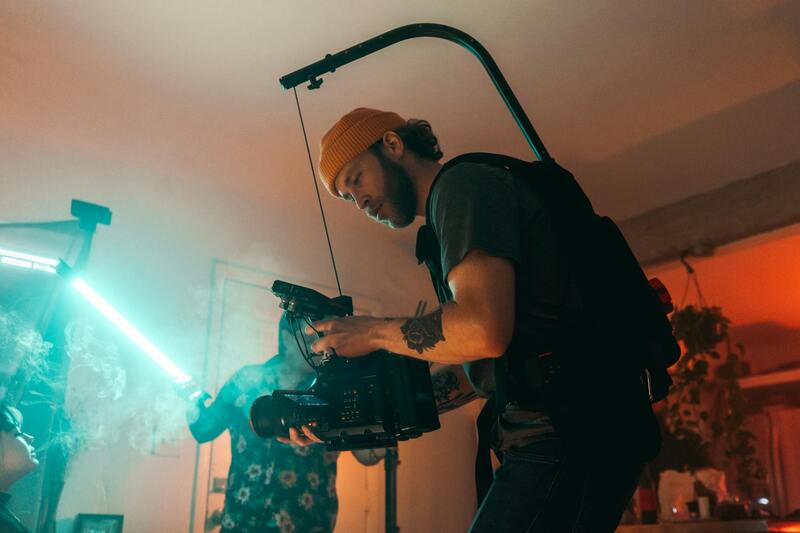
During live streaming, continuous monitoring of video feeds, audio levels, and stream health is essential. This involves overseeing multiple camera angles, managing overlays and graphics, and adjusting audio for clarity. Technical staff operate switchers and graphics systems in real-time, responding promptly to any issues or viewer feedback.
Network performance must be regularly checked to prevent lag or buffering. The use of monitoring tools provides live statistics on latency, stream stability, and viewer engagement metrics. Having a dedicated team available to troubleshoot technical issues ensures a smooth broadcast, minimizing downtime and maintaining the event's quality standards.
Ensuring Quality and Legality in Live Streaming Production
When conducting live streaming productions, adhering to proper methods and authorized content sources is essential to delivering a professional broadcast that respects intellectual property rights and maintains audience trust. The core approach involves utilizing licensed media, authorized assets, and official distribution channels to ensure content integrity and compliance with industry standards.
Utilizing Licensed Media and Content
Incorporating licensed music, videos, and images into live streams guarantees that all visual and audio elements are used within the bounds of rights and permissions. This process involves sourcing media from legitimate providers or directly obtaining permissions from content creators. Employing licensed assets prevents copyright infringements and potential takedowns, safeguarding the stream's continuity and reputation.
Official Distribution Platforms
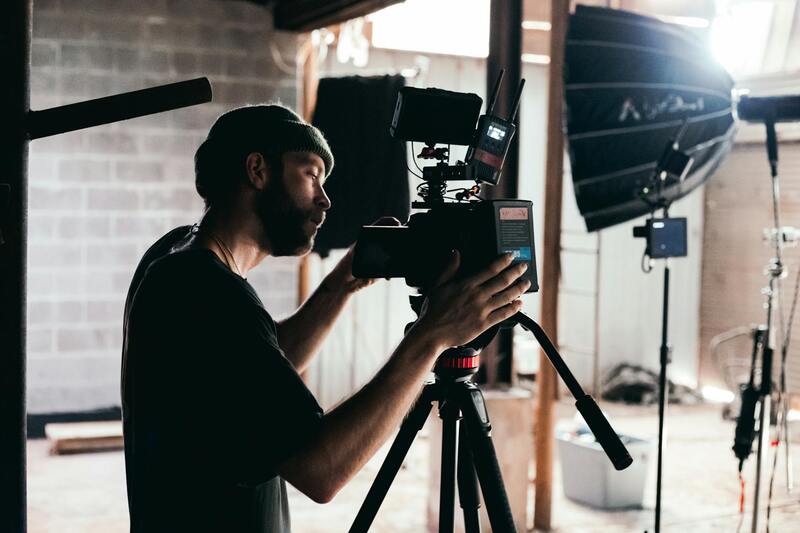
Distributing your live content through verified platforms such as established streaming services, social media channels, or proprietary websites is crucial. These platforms offer robust infrastructure, ensuring high-quality streaming with minimal lag and comprehensive viewer analytics. Select platforms that support multi-device accessibility, chat integration, and customizable branding to enhance viewer experience.
Secure and Authorized Streaming Infrastructure
Employing secure streaming servers and content delivery networks (CDNs) ensures data protection and stream reliability. Use verified encoding and streaming software authorized by technical standards to prevent vulnerabilities and maintain high-quality output. Regular updates and security patches for streaming software bolster defenses against interruptions or malicious attacks.
Monitoring and Quality Control
During live broadcasts, staying aligned with legal and quality standards involves constant oversight of streaming parameters. Employ monitoring tools that track real-time video and audio quality, stream stability, and viewer engagement. Establish protocols for quick troubleshooting of issues such as buffering, audio sync problems, or feed disruptions. Ensuring proper licensing compliance for all content used during the broadcast is a vital aspect of this process.

Post-Broadcast Compliance and Documentation
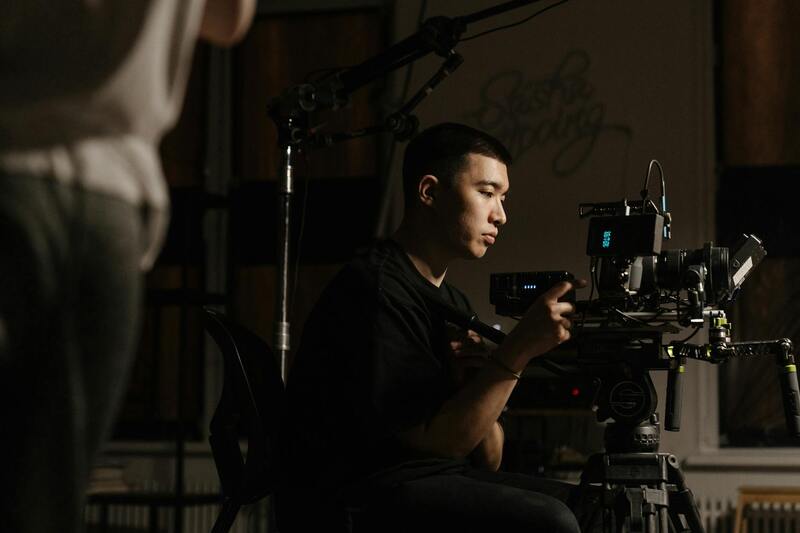
After a live stream concludes, maintaining comprehensive records of licensing agreements, content sources, and distribution details is vital. This documentation serves to verify that all content was used legitimately and can support audits or disputes. Analyzing viewer engagement and technical performance metrics not only informs future productions but also ensures ongoing adherence to best practices for authorized streaming.
Incorporating these practices ensures that live streaming production remains reputable, lawful, and of high quality, fostering trust with viewers and content providers alike.