
Understanding Live-Streaming Video Production
Live-streaming video production has become an indispensable component of modern communication, marketing, and entertainment strategies. It enables organizations and individuals to broadcast real-time content to a global audience, creating immediate engagement and interaction. This form of media delivery is highly versatile, serving a range of purposes from corporate meetings and product launches to concerts and educational seminars. At its core, live-streaming involves capturing video and audio content through a series of equipment and transmitting it over the internet using specialized software and hardware. The primary goal is to deliver high-quality, seamless live content that maintains viewer interest and ensures effective communication. As technology advances, the scope and complexity of live-streaming projects have expanded, requiring more sophisticated planning and execution. Key components of live-streaming include a camera or multiple cameras for video capture, microphones for audio, a production switcher or encoder for managing the content feed, and a reliable internet connection capable of handling high bandwidth requirements. These elements work together to produce a professional broadcast, whether it’s a simple single-camera setup or a multi-camera production with mixed media content. Popular use cases span across a variety of industries. Businesses utilize live-streaming for hosting webinars, product demonstrations, and virtual conferences, enabling real-time interaction with their target audiences. Media organizations rely on live broadcasts to deliver news and special events, while entertainment providers stream concerts, sports competitions, and cultural events to global viewers. Educational institutions increasingly adopt live-streaming to facilitate remote learning, making it possible to reach students worldwide. Efficient live-streaming production demands a clear understanding of the purpose behind each broadcast and the audience’s expectations. It also requires meticulous planning and execution to ensure a smooth transmission experience. As the industry evolves, advancements in technology—such as improved compression algorithms, cloud-based production tools, and integrated streaming solutions—continue to enhance the quality and reach of live-streamed content. In essence, live-streaming video production bridges the gap between content creators and their audiences, offering an immediate, engaging, and high-impact medium to share information, entertainment, and experiences in real time.
Understanding Live-Streaming Video Production
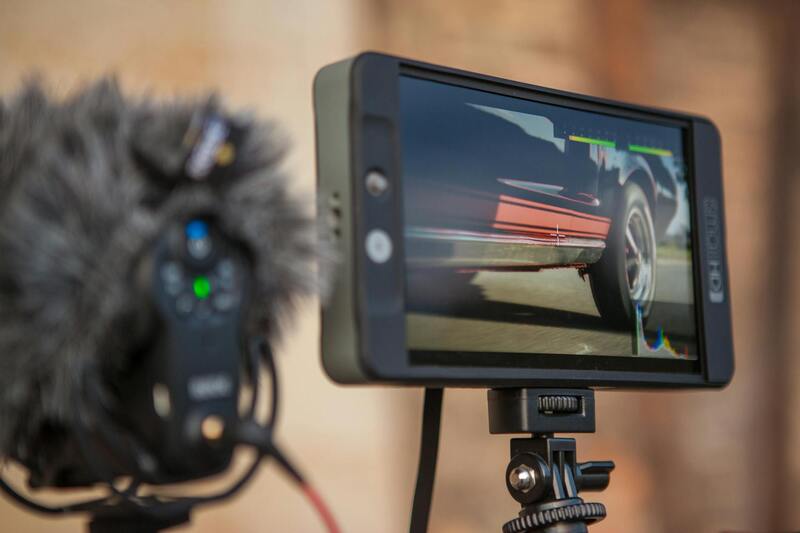
To achieve a seamless and engaging live-streaming experience, a thorough understanding of the production process is essential. This process involves multiple technical and logistical components that work harmoniously to deliver high-quality content to viewers in real time. Professional live-streaming production relies heavily on robust infrastructure, reliable hardware, and well-coordinated workflows — each element playing a critical role in the broadcast's overall success.
Core Elements of Live-Streaming Production
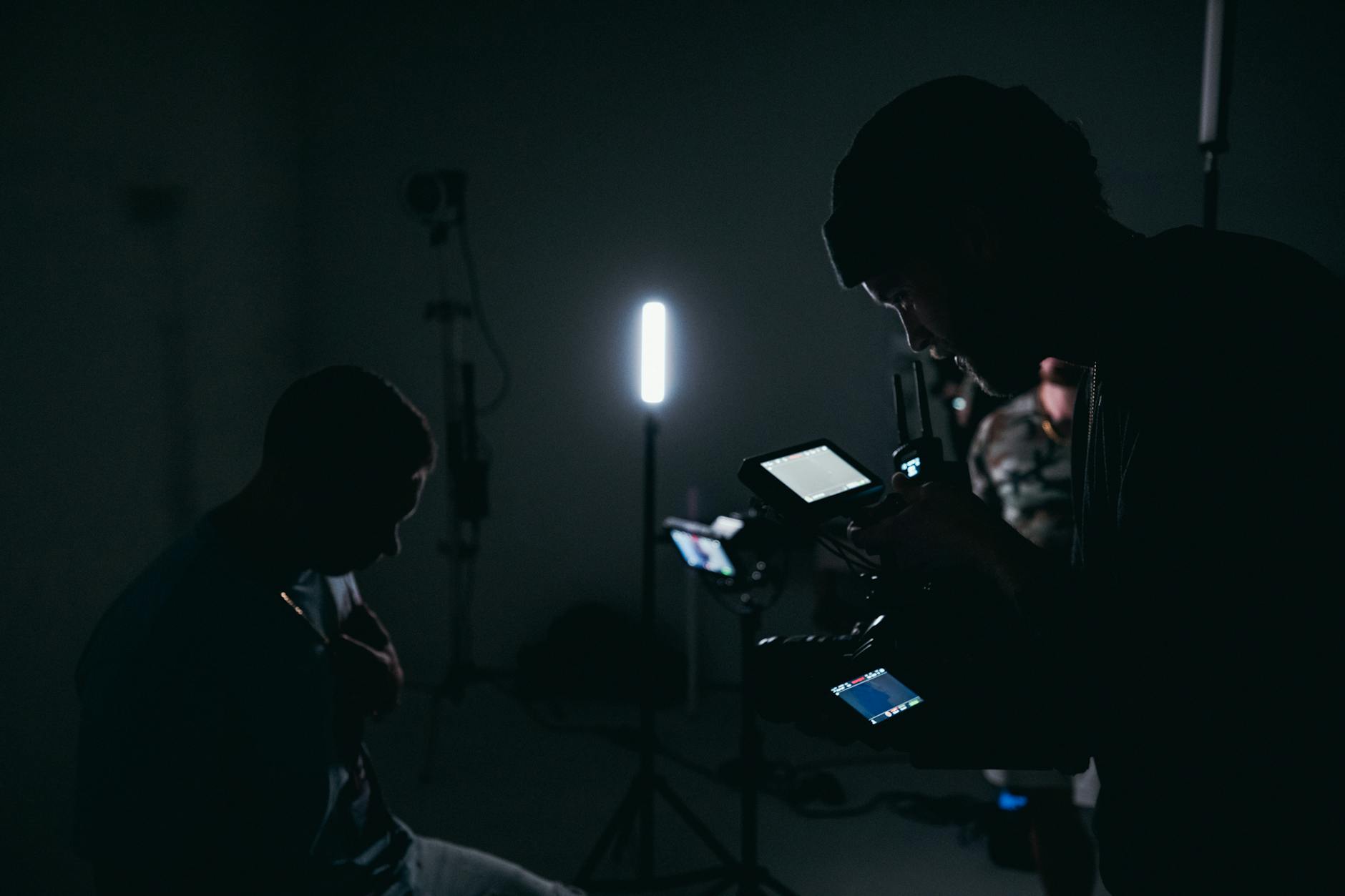
- Content Planning: Establishing clear objectives, scripting segments, and preparing visual content that aligns with the event’s purpose and target audience.
- Camera and Audio Equipment: Utilizing professional-grade cameras and microphones to capture crisp visuals and clear sound, essential for viewer engagement.
- Switching and Mixing: Implementing video switchers and mixers to seamlessly transition between camera angles and sources, creating a dynamic viewing experience.
- Encoding Solutions: Converting raw audio and video feeds into digital signals suitable for streaming, often performed by dedicated hardware or software encoders.
- Streaming Infrastructure: Leveraging servers and Content Delivery Networks (CDNs) capable of handling high traffic volumes while maintaining low latency and high reliability.
Technical Considerations for Professional Production
Live video production demands meticulous technical setup, aimed at minimizing disruptions and ensuring broadcast quality. This includes ensuring stable internet connections with adequate bandwidth, configuring redundant systems to prevent failures, and conducting comprehensive testing prior to the event. Proper lighting conditions, background settings, and sound checks are non-negotiable standards to guarantee a visually appealing and acoustically sound live stream.
Monitor and Control Systems
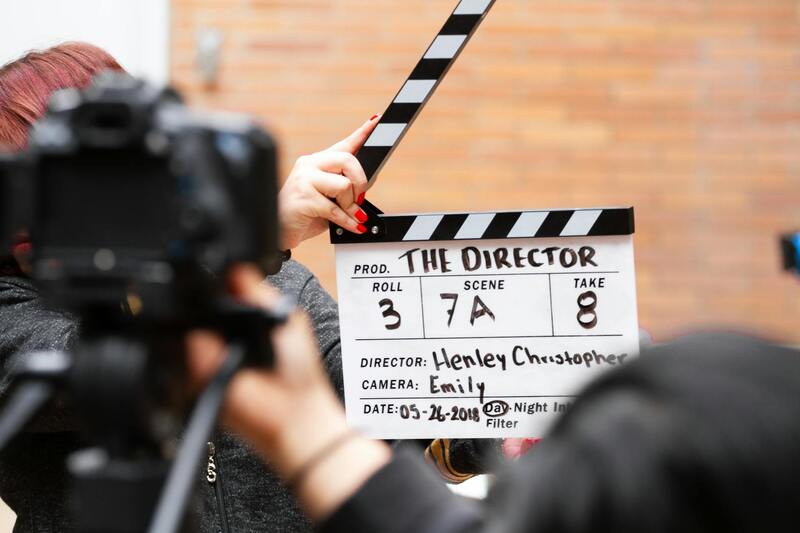
Operator stations with multi-view monitors enable real-time oversight of all video feeds, technical parameters, and chat interactions. This setup allows production teams to quickly identify issues and adapt on the fly, providing a polished final broadcast. Skilled technicians managing the various feed sources, transitions, and audio levels are crucial for maintaining a professional standard throughout the live event.
Ensuring Compliance and Security
Securely managing live streams involves implementing access controls, encrypting data transmission, and adhering to platform guidelines to prevent unauthorized interruptions or content theft. Additionally, captioning and closed captioning services should be integrated to enhance accessibility for all viewers, further expanding reach and engagement.
Setup and Technical Setup
Achieving a seamless live-streaming video production requires precise technical arrangements that form the backbone of the broadcast. This encompasses configuring hardware and software components to work harmoniously, ensuring that each facet of the production - from audio levels to camera angles - operates flawlessly. Proper setup begins with selecting high-quality input devices, such as professional cameras and microphones, which feed optimized signals into the streaming system.
Facilitating a robust network infrastructure is fundamental. The internet connection should have sufficient upload bandwidth to accommodate high-definition stream data, typically requiring at least 10 Mbps for HD quality. Redundant internet connections via dual providers or failover systems can serve as backup during primary connection disruptions, preventing interruptions during critical moments.
Streaming encoders are pivotal, translating the raw video and audio input into a format suitable for transmission. Hardware encoders are often preferred for their stability and lower latency, but software encoders offer flexibility and ease of updates. Configurations should be optimized for resolution, bitrate, and encoding protocols such as RTMP or HLS, tailored to the target platform and audience expectations.
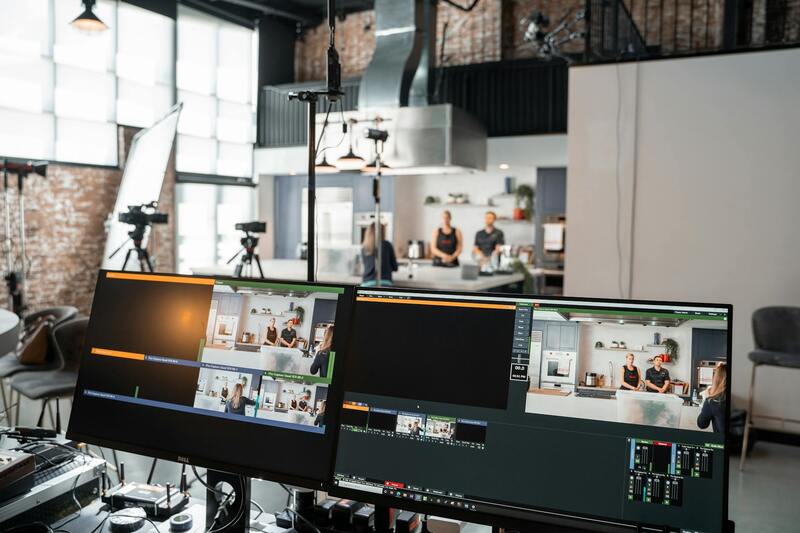
Color matching, camera synchronization, and proper lighting are critical to achieving attractive visuals. Lighting should eliminate shadows and provide even illumination, while background settings should be free of distractions and aligned with the event’s branding. Sound checks are equally vital, ensuring that microphones and audio processing equipment deliver clear, balanced sound across all delivery channels.
Additionally, the control room layout should support efficient operation, with clearly designated spaces for video mixing, audio management, and technical supervision. Real-time monitoring of all video feeds and system statuses enables quick response to any technical issues, maintaining stream integrity throughout the broadcast.
Streaming Platforms and Integration
Integrating streaming platforms effectively is essential for reaching audiences across multiple channels. These platforms support various protocols and provide APIs that enable live events to be broadcast simultaneously or routed to specific viewers. Ensuring compatibility with popular platforms like YouTube Live, Facebook Live, or bespoke enterprise solutions involves configuring streaming parameters and verifying feed quality prior to going live.
Stream integration often involves embedding the live source into a content management system or website, allowing for additional branding overlays, viewer engagement tools, and real-time chat functionalities. Professional stream management software helps coordinate multiple streams, handle transcoding for different resolutions, and monitor performance metrics during the event.
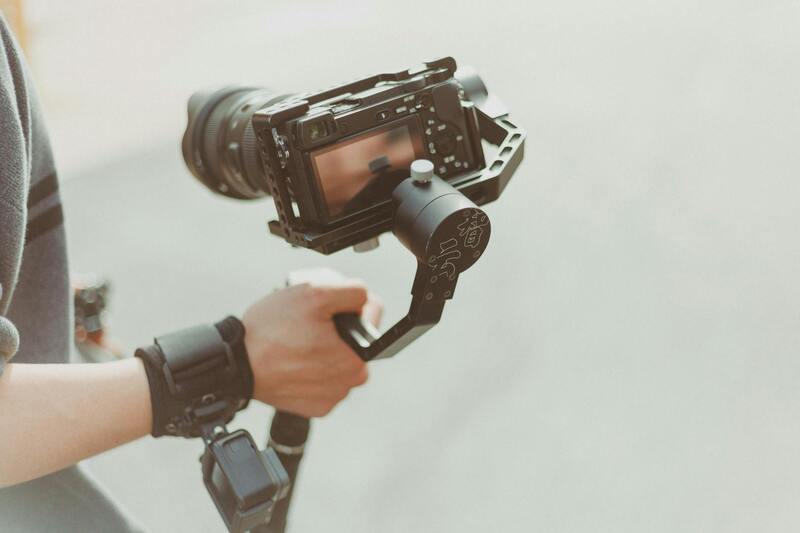
Automated workflows for switching between different sources, managing overlays, and controlling viewer interactions streamline production complexity, ensuring a high-quality viewing experience for the audience. Well-planned integration reduces delays and keeps the live broadcast aligned with real-time event dynamics.
Production Techniques and Best Practices
Applying refined production techniques enhances the professionalism of live streams. Employing multiple camera angles allows for dynamic visual storytelling, keeping viewers engaged through varied shots and close-ups. Proper scene transitions, such as wipes or fades, should be used judiciously to maintain flow without distracting viewers.
Directional cues, like countdowns or on-screen graphics, keep the production synchronized with the event timeline. Using teleprompters for hosts or speakers ensures natural delivery while minimizing eye contact disruptions. Real-time graphics, such as lower thirds or event branding overlays, should be consistent in style and not obstruct critical visual content.
Sound balance, including noise reduction and audio leveling, ensures clarity and avoids listener fatigue. Employing a mix-minus setup prevents audio feedback and echo issues during interactions or panel discussions. The use of a dedicated technical director who oversees the entire production workflow helps coordinate transitions, cue changes, and troubleshooting, bolstering the overall quality.
Practicing run-throughs is recommended to identify potential issues and establish smooth operational procedures. Regular rehearsal sessions, coupled with comprehensive checklists, contribute to a disaster-free live event and elevate viewer satisfaction.
Technical Setup and Network Infrastructure
Implementing a reliable live-streaming video production requires meticulous configuration of hardware and network components. High-quality encoders, such as hardware or software encoders, are essential for translating the video signal into a streamable format while maintaining optimal balance between quality and latency. These encoders should be compatible with the chosen streaming platform and capable of handling the targeted resolution and frame rate.
The selection of cameras plays a critical role in production quality. Professional-grade cameras with HDMI or SDI output support higher resolutions (such as 4K or 1080p) and afford flexible shooting angles. Coupling multi-camera setups with video switchers enhances the visual narrative, allowing seamless transitions and multi-angle coverage.
Audio quality is equally vital. Incorporating multiple microphone types (lapel, shotgun, or boundary microphones) ensures clear sound capture across various event scenarios. An audio mixer or audio interface should be used to balance sound levels across sources, with real-time monitoring to prevent distortion or clipping.
Internet Connectivity and Bandwidth Considerations
Streaming stability hinges on robust internet connectivity. A symmetrical fiber optic connection with sufficient upload bandwidth (preferably 10 Mbps or higher for HD streams) guarantees uninterrupted data flow. Redundant internet connections, such as dual ISPs, can ensure continuous streaming in case of primary network failure.
Wireless connections are generally less reliable; hence, wired Ethernet connections are preferred for critical streams. Signal shielding and proper network configurations help reduce latency and packet loss. It's also advisable to perform speed tests and network audits prior to the event to confirm bandwidth adequacy and identify potential issues.
Stream Overlay and Graphic Integration
On-screen graphics, overlays, and lower thirds enhance the professionalism and branding consistency of a live stream. Incorporating templates with transparent backgrounds allows overlays of titles, speaker names, and event branding without obstructing key visual content. Transition animations between scenes should be smooth to maintain viewer engagement.
Advanced software solutions facilitate the synchronization of multiple overlays and real-time graphics. These tools enable dynamic updates, such as live scoreboards, social media feeds, or interactive polls, to be displayed seamlessly during the broadcast.
Managing Production Workflows and Troubleshooting
An effective live-streaming operation involves designated roles, such as a technical director, camera operators, and audio engineers, working cohesively. The technical director oversees scene transitions, manages real-time adjustments, and responds promptly to any technical glitches.
Pre-event rehearsals are crucial for establishing smooth workflows. These dry runs help identify potential delays, equipment inconsistencies, and audio-visual misalignments. Backup plans, including spare hardware and redundant feeds, ensure continuity in case of unforeseen issues.
Understanding Live-Streaming Video Production
Live-streaming video production involves delivering high-quality, real-time visual content over the internet, requiring meticulous planning and execution. It combines various technical elements, including camera operations, audio management, graphics integration, and seamless switching between different visual sources. The core objective is to create an engaging viewing experience that maintains professionalism throughout the broadcast. Such productions often serve corporate events, sports tournaments, concerts, religious services, and educational webinars. Achieving this level of quality necessitates a well-organized approach, employing official methods and industry-standard equipment to ensure smooth transmission and viewer satisfaction.
Planning and Pre-Production Processes
Effective live-streaming begins with comprehensive planning. This phase involves defining objectives, understanding the target audience, and determining the most suitable platforms for distribution. A detailed script or storyboard should be prepared to outline key moments, transitions, and visual cues. Technical assessments are crucial, including evaluating internet bandwidth, hardware capabilities, and compatibility of software tools. It’s essential to coordinate with all team members—camera operators, audio technicians, and graphics designers—to streamline workflow and minimize surprises during the event. Conducting rehearsals enables the identification of potential issues in camera angles, audio levels, and overall timing, allowing adjustments to ensure the final output aligns with the intended quality standards.
Essential Equipment for Live-Streaming
Official and reliable live-streaming production relies on a robust array of equipment designed to deliver crisp visuals, clear audio, and stable connections. Core components include:
- Professional Cameras: High-definition cameras with remote control capabilities for varied shot types and angles.
- Audio Equipment: Lavalier and shotgun microphones, audio mixers, and interface units to capture clean, balanced sound.
- Encoding Hardware or Software: Hardware encoders or software solutions like OBS Studio, Wirecast, or vMix facilitate live video compression and transmission.
- Lighting: Proper lighting setups ensuring consistent and flattering visuals.
- Network Infrastructure: Dedicated, high-bandwidth internet connections with backup options prevent interruptions and packet loss during streaming.
Setup and Technical Configuration
Proper setup involves strategic placement of cameras and lights, configuring audio levels, and establishing a stable network connection. All hardware components must be tested prior to the event, including internet speed tests, to verify that the streaming platforms receive a reliable feed. Software settings should optimize video quality while accommodating bandwidth limitations, avoiding excessive latency or buffering. Configuring overlays, lower thirds, and graphics templates in the chosen software enhances branding and viewer engagement. Integrating multiple audio feeds and camera sources necessitates meticulous calibration for synchronization and minimal delay. It’s equally important to establish clear communication protocols among team members to facilitate quick adjustments during live production.
Understanding Live-Streaming Video Production
Effective live-streaming video production hinges on the application of meticulous techniques, reliable equipment, and seamless coordination among production team members. It extends beyond merely broadcasting a video feed; it involves crafting an engaging, professional-quality presentation that resonates with viewers and maintains their interest throughout the stream. The process encompasses multiple stages, from pre-production planning to post-broadcast analysis, each critical in achieving a successful live event.
Production Techniques and Best Practices
Implementing advanced production techniques ensures the delivery of high-quality live streams. One essential practice is the dynamic switching between camera angles, which can add visual interest and focus attention on key moments or speakers. Using video switchers or live production software enables operators to manage multiple camera feeds efficiently, seamlessly transitioning between different views to maintain viewer engagement. When integrated thoughtfully, these switches help narrate the story more convincingly, creating a cinematic experience for the audience.
Adding graphics and overlays during a live stream enhances branding and provides viewers with pertinent information. Lower thirds displaying speaker names or event titles are common, while promotional graphics or sponsorship banners can be incorporated strategically without disrupting the flow of content. Ensuring these graphics are pre-designed and integrated into the streaming software allows for quick deployment during the broadcast.
Audio management is equally vital. Consistent audio levels, background music balance, and clear narration contribute significantly to the perceived professionalism of the stream. Utilizing audio mixers with multiple inputs enables the combining of different audio sources, such as microphones, music tracks, or pre-recorded clips, with precise control over gain and EQ settings.
Real-time communication management is facilitated through dedicated intercom systems, chat channels, or integrated software solutions, which allow the production team to coordinate effectively. This synchronization is crucial for responding swiftly to technical issues, adjusting camera angles, or managing live interactions with viewers, such as Q&A sessions or social media comments.
Key Techniques for Effective Live-Stream Production
- Multi-camera switching for varied perspectives
- Pre-set graphics and overlays for branding and information sharing
- Consistent audio levels with specialized mixing equipment
- Use of seamless transitions and effects for professionalism
- Integration of social media interactions and viewer engagement features
- Pre-recorded segments inserted gracefully into the live feed when appropriate
- Regular testing of equipment and internet connectivity before the scheduled start
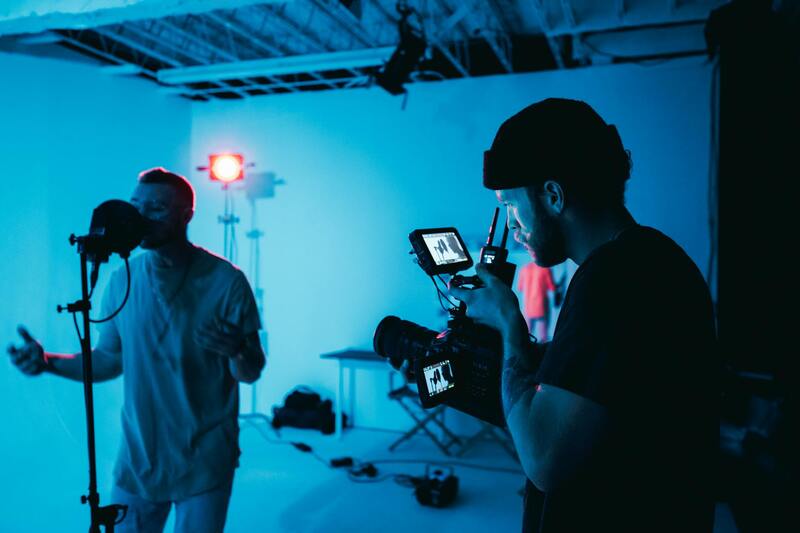
Incorporating these techniques demands a disciplined approach and a deep understanding of the available tools and configurations. Skilled operators and well-planned production workflows are essential for executing these practices successfully, ultimately producing a high-caliber live event that captivates viewers and delivers the intended message with clarity and impact.
Understanding Live-Streaming Video Production
Live-streaming video production involves a multifaceted approach to delivering engaging and seamless live content to audiences across various platforms. It begins with meticulous planning, continues with the precise setup of technical equipment, and requires a deep understanding of streaming technology and target platforms. The integrity and professionalism of a live-stream are significantly impacted by the quality of production, which hinges on proper equipment choice, effective setup, and adept management of live content elements, including video switching, graphics, and audio control.
Key Technical Components for Professional Live-Streaming
- Video Capture Devices: High-definition cameras with flexible control options ensure crisp visuals and smooth transitions, crucial for engaging viewers and maintaining visual interest.
- Encoding Hardware or Software: Reliable encoders manage the compression and transmission of video signals, ensuring latency is minimized and stream stability is maintained.
- Audio Equipment: Professional microphones, audio mixers, and audio interfaces facilitate pristine sound quality, essential for clear communication and audience retention.
- Network Infrastructure: A robust and dedicated internet connection with sufficient upload bandwidth prevents interruptions and buffering issues during the live event.
- Backup Systems: Redundant equipment and backup internet options diminish the risk of technical failures, ensuring continuous transmission regardless of unforeseen issues.
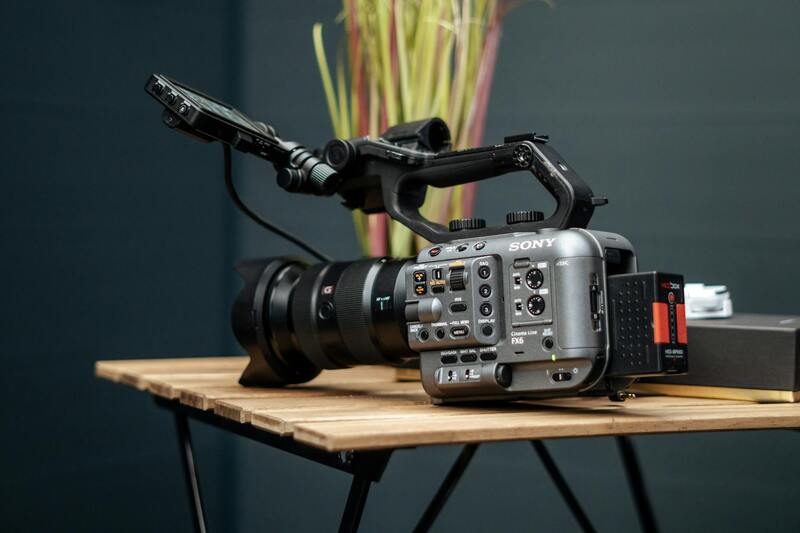
Operational Strategies for High-Quality Live-Streaming
Operational excellence in live-streaming relies on detailed planning and disciplined execution. Planning involves defining the content schedule, storyline, or agenda, as well as identifying key moments for camera angles, graphics, and interactive elements. During the production process, a well-coordinated team manages multi-camera setups, switches between feeds, employs visual overlays, and controls audio levels to ensure clarity and engagement.
It is also vital to conduct thorough technical rehearsals before the live event. These rehearsals help identify potential issues with equipment, internet stability, or software workflows, thereby minimizing disruptions during the actual broadcast. Continuous monitoring during the event allows operators to respond swiftly to any technical or content-related issues, maintaining a smooth viewer experience and professional presentation standards.
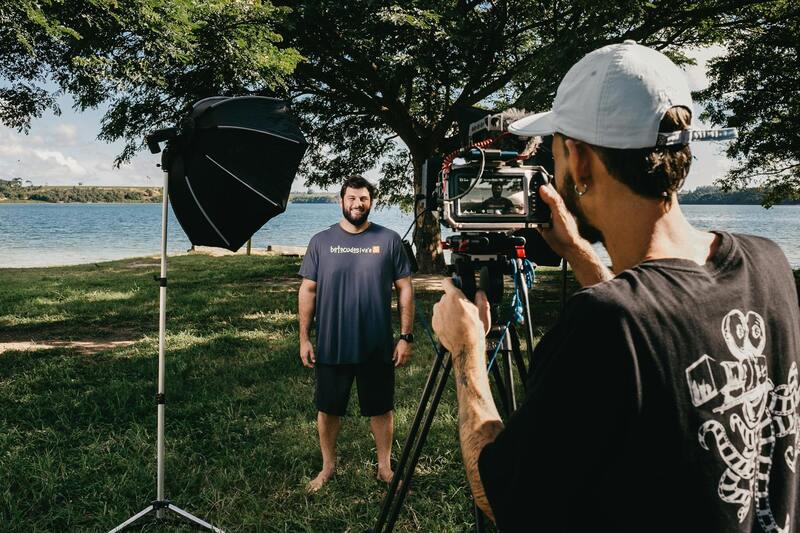
Effective Integration with Streaming Platforms
Successful live-streaming hinges on proper integration with platforms that suit the event’s objectives. This includes configuring streaming software or hardware encoders to connect with platforms such as dedicated streaming servers or cloud services. It is essential to configure stream keys and server URLs correctly, test the feed, and synchronize audio and video signals beforehand.
Platforms often offer APIs or SDKs for enhanced customization and interaction features, which can be integrated into the broadcast workflow. For example, chat features, viewer polls, or social media feeds can be embedded seamlessly into the live stream, encouraging real-time interaction and increasing viewer engagement.
Proper platform integration also involves considering copyright and content rights management to ensure compliance with licensing agreements and platform policies. These controls safeguard the broadcaster from potential disruptions or content removal requests, supporting a smooth live-streaming process from start to finish.
Understanding Live-Streaming Video Production
Live-streaming video production is a complex process that combines technical expertise, strategic planning, and creative execution to deliver real-time visual content to audiences across various digital platforms. It involves capturing live footage, encoding the video feed, and transmitting it via a reliable internet connection to viewers globally. Given the rapid advancements in digital technology, live streaming has become a vital tool for businesses, broadcasters, educators, and event organizers aiming to reach audiences instantaneously and interactively.
The core of professional live-streaming involves a seamless integration of hardware and software components designed to ensure high-quality output. Video sources can vary—from professional cameras and mobile devices to computer screens and graphic overlays—each contributing to the overall production quality. The utilization of advanced switching equipment allows seamless transitions between cameras and visual elements, creating engaging and polished broadcasts. Audio quality is equally crucial; clear, synchronized sound enhances viewer experience and complements the visual content.
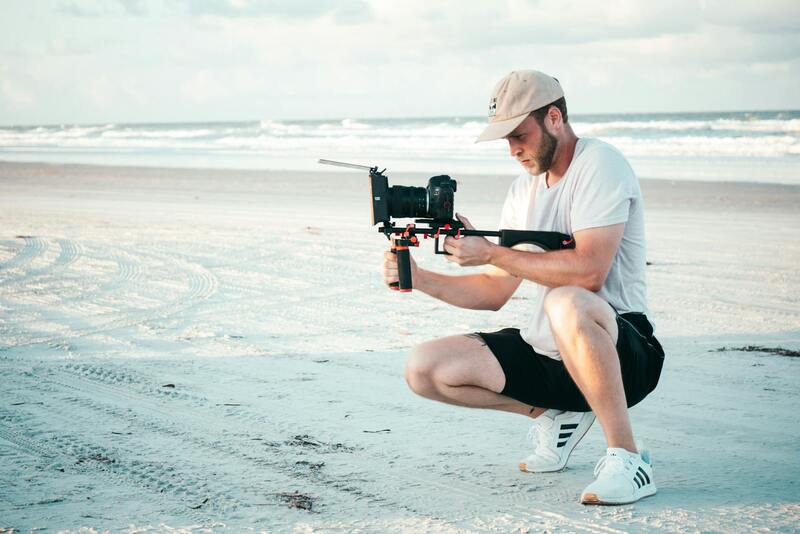
Planning and Pre-Production Processes
Effective live-streaming begins with meticulous planning. This phase involves defining the event’s objectives, target audience, and desired engagement level. Developing a detailed script or storyboard helps organize the content flow, ensuring all technical and creative elements are accounted for prior to the broadcast. Creating a comprehensive production timetable aligns all team members and equipment logistics, reducing last-minute complications.
Pre-production also includes securing and testing all technical hardware and software components. Equipment like cameras, microphones, lighting, and encoders should be thoroughly inspected and configured based on the event requirements. Additionally, establishing a reliable internet connection through bandwidth assessment is essential to prevent disruptions. Backup plans, such as secondary internet lines or redundant hardware, safeguard against potential technical failures, ensuring continuous transmission.
Essential Equipment for Live-Streaming
- Cameras: High-definition or 4K cameras for crisp visuals
- Microphones: Lavalier, shotgun, or desktop microphones for clear audio
- Lighting: Proper lighting setups to enhance image quality
- Encoding Hardware/Software: Encoders convert raw footage into digital streams suitable for transmission
- Switchers: Hardware or software switchers for managing multiple video feeds smoothly
- Internet Connectivity: Wired Ethernet connections preferred for stability, with backup options in place
- Mixers and Audio Interfaces: Devices for balancing multiple audio sources
- Monitoring Equipment: External monitors and headphones for real-time quality checks

Setup and Technical Setup
The setup process involves assembling all hardware components at the broadcasting location. Proper cabling, power management, and spatial arrangements are critical to minimize technical mishaps. Once physical installation is complete, configuring streaming software or hardware encoders follows, including setting up stream keys, server URLs, and video/audio encoding parameters.
Sound and video signal synchronization is vital. Operators should perform initial test runs to identify and resolve any latency issues or signal disruptions. During the live event, continuous monitoring of internet stability, hardware performance, and stream health allows timely interventions if anomalies arise. Integrating auxiliary tools such as chroma key backgrounds, overlays, and lower thirds enhances visual appeal and professionalism.
Streaming Platforms and Integration
Choosing the right platform is crucial for achieving broadcast goals. Popular live-streaming services include dedicated streaming servers or cloud-based platforms capable of handling varying viewer loads. Proper integration involves configuring streaming software to connect seamlessly with these platforms, ensuring reliable data flow.
Implementing features like real-time chat, viewer polls, or social media feeds within the stream encourages viewer participation, fostering a more engaging experience. Furthermore, understanding licensing and copyright permissions for content and media used during the broadcast is essential for maintaining compliance and avoiding potential content removal or censorship issues.
Production Techniques and Best Practices
Employing professional production techniques heightens the quality and impact of live streams. This includes dynamic camera work with multiple angles, effective lighting to highlight speakers or presenters, and strategic use of graphic overlays to emphasize key information. Transition effects and synchronized audio cues contribute to a polished presentation.
Effective communication within the production team is essential for smooth operation. Using intercom systems or chat tools ensures real-time coordination among directors, camera operators, and technical staff. Precise timing synchronized with event cues ensures viewers receive a coherent and engaging experience, minimizing delays or miscaptions.
Post-Stream Management and Analytics
Once the live event concludes, reviewing performance metrics helps understand viewer engagement levels, technical issues, and areas for improvement. Platforms often provide analytics such as viewer counts, watch time, geographic distribution, and interaction data. Analyzing this information guides future content strategy and technical enhancements.
Archiving the broadcast allows for on-demand viewing, extending the lifespan of the event content. Moreover, sharing recordings across social media channels or on-demand portals increases reach and visibility. Collecting audience feedback through surveys or engagement metrics fosters ongoing improvement and audience relationship management.