Overview of Live Streaming Video Production
Live streaming video production has become an essential component of contemporary digital communication for businesses in Miami. It involves capturing real-time events or content and broadcasting it over the internet to audiences across various platforms. This process enables organizations to engage with their audience instantly, fostering a sense of immediacy and interaction that traditional media cannot match. In Miami’s vibrant market, where both corporate interests and creative ventures thrive, live streaming serves as a powerful tool to enhance brand visibility, deliver product launches, host webinars, or showcase live events such as conferences, concerts, and trade shows.
The demand for high-quality live streaming is driven by the need for authentic and engaging content. Consumers increasingly prefer immediate access to information and entertainment, which live streaming provides without the delays associated with pre-recorded videos. For Miami-based companies, leveraging professional live streaming video production ensures that their digital presence remains competitive and relevant in an increasingly crowded market.
Effective live streaming involves meticulous planning, technical expertise, and the right equipment to deliver seamless broadcasts. This not only elevates the viewer experience but also reinforces the credibility of the brand behind the broadcast. In a city like Miami, where diverse industries such as tourism, fashion, technology, and entertainment intersect, professional live streaming production provides a strategic advantage by enabling organizations to connect with their audiences dynamically and authentically in real time.
Moreover, as digital engagement continues to grow, live streaming has the potential to expand reach exponentially beyond local audiences. Through strategic planning and execution, Miami businesses can tap into global markets, increase the visibility of their products and services, and foster stronger relationships with both existing customers and prospects. This makes understanding and investing in high-quality live streaming video production increasingly vital for organizations aiming to stay competitive in the digital age.
Key Components of Live Streaming Production
Achieving high-quality live streaming video production requires a comprehensive approach that integrates multiple essential elements. These components ensure that each broadcast runs smoothly, maintains viewer engagement, and delivers professional-grade content that reinforces your brand’s credibility. The core elements include strategic planning, advanced equipment, a skilled technical crew, and compelling content creation.
Effective planning begins with understanding your target audience, defining the objectives of the live stream, and determining the most suitable formats and platforms for dissemination. This phase involves detailed workflow development, scheduling, and logistical arrangements to synchronize all facets of the production.
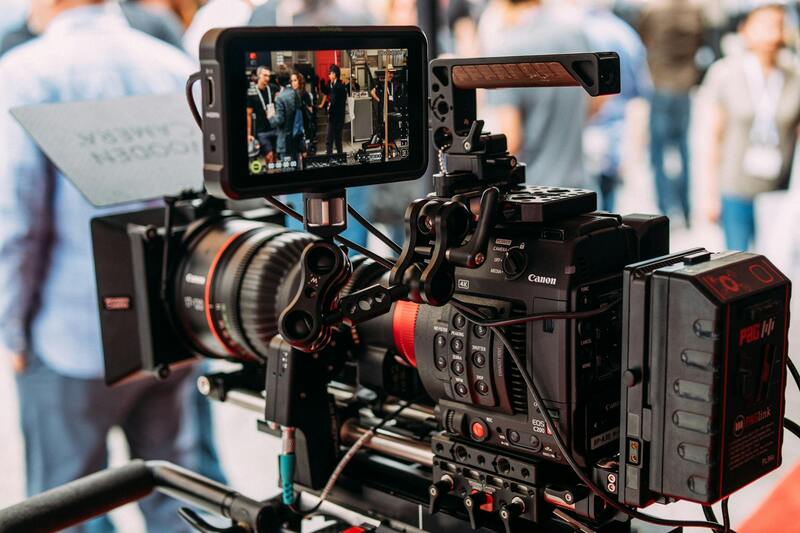
Equipment selection plays a pivotal role in maintaining broadcast quality. High-definition cameras, professional microphones, reliable encoding hardware, and multi-platform streaming software are standard tools that contribute to a seamless viewing experience. Additionally, integrating backup systems, such as secondary cameras and redundant internet connections, minimizes the risk of technical disruptions.
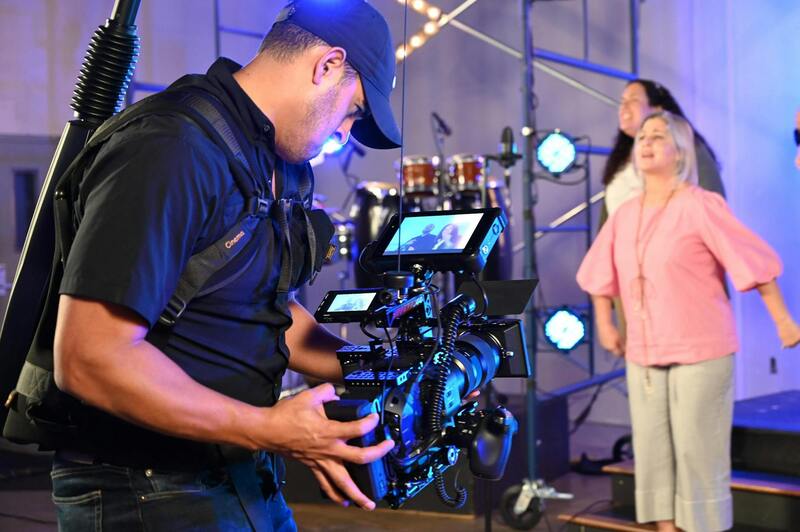
Behind the scenes, a dedicated crew is indispensable. This team typically includes a director overseeing the broadcast flow, camera operators capturing footage from different angles, audio technicians managing sound quality, and technical support staff ensuring all equipment functions correctly throughout the live event.
Content creation deserves equal emphasis. Clear scripting, engaging visuals, and interactive elements like live chats or polls enhance viewer participation. Professional producers also ensure that transitions, graphics, and on-screen information align with the brand’s messaging and aesthetic standards.
Types of Live Streaming Content
There is a diverse range of live streaming content tailored to different industries and audience preferences. Recognizing these variations allows Miami-based organizations to craft content that resonates effectively with their target demographics.
- Corporate Events: Including conferences, product launches, and shareholder meetings, these streams prioritize professionalism, clarity, and engaging visuals to communicate key messages efficiently.
- Educational and Training Sessions: Live webinars, workshops, and classes are designed to inform and educate audiences, often incorporating interactive features to enhance learning experiences.
- Entertainment and Live Performances: Concerts, fashion shows, and artistic displays require high production values, dynamic camera work, and immersive audiovisual elements to captivate viewers.
- Tourism and Promotion: Showcasing Miami’s vibrant cityscape and attractions through live tours can significantly boost tourism and local business exposure.
- Religious Services and Community Events: Live streams of church services and community gatherings foster connectivity and inclusivity for audiences unable to attend in person.
Overview of Live Streaming Video Production
Live streaming video production entails a comprehensive process that transforms planned content into real-time visual broadcasts accessible to viewers across various digital platforms. This process combines technical expertise with creative storytelling to ensure broadcasts are seamless, engaging, and polished. As Miami’s digital landscape evolves, organizations increasingly rely on professional live streaming services to deliver high-quality content that aligns with their strategic objectives. This involves meticulous planning, high-end equipment, skilled personnel, and robust infrastructure to support smooth transmission without interruptions. By leveraging the latest technology and industry best practices, live streaming providers can produce content that not only reaches a broad audience but also preserves the brand's integrity and message clarity.
Key Components of Live Streaming Production
Technical Equipment
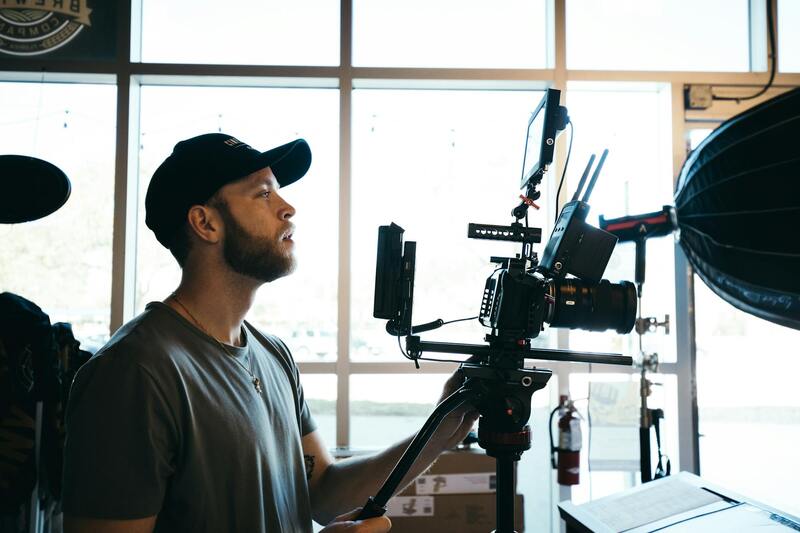
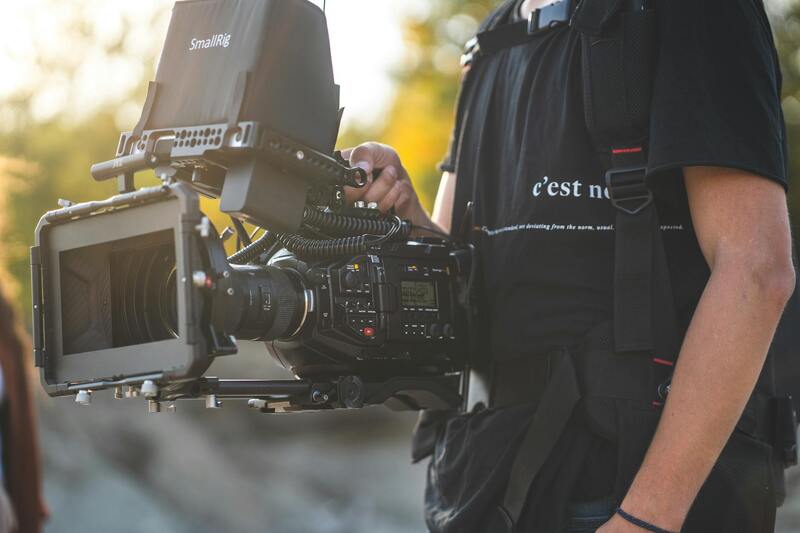
High-quality cameras, professional audio gear, streaming encoders, and reliable internet connections form the backbone of live streaming production. Modern camera systems offer crisp visual output and flexibility in varied shooting scenarios, while professional audio equipment ensures clarity and sound fidelity. Encoders manage the compression and transmission of video signals onto streaming platforms, demanding robust hardware to maintain live feed stability. Internet connectivity, preferably via dedicated fiber connections, must support high bandwidth to prevent buffering and latency issues, ensuring the uninterrupted flow of content.
Personnel and Expertise
Expertise in directing, camera operation, sound mixing, and technical troubleshooting is essential. Skilled directors coordinate all visual and audio elements, making instantaneous decisions to adapt to changing on-site conditions. Camera operators frame shots to optimize visual storytelling, and sound engineers manage audio levels for consistency. Technical operators oversee encoding, switching between multiple camera feeds, and monitor stream health throughout the broadcast. The collaboration of these professionals guarantees a seamless viewing experience, reflecting a high production standard.
Pre-Production Planning
Successful live streaming begins with thorough pre-production planning, which includes defining objectives, scheduling, scripting, and technology testing. Content creators and producers work closely to map out the flow of the event, determine camera angles, lighting conditions, and graphics. In Miami’s varied environments, site surveys and equipment checks are necessary to identify logistical challenges beforehand. A well-structured plan minimizes risks and prepares the team to handle unexpected issues efficiently during the live event.
Content Management and Delivery
Effective content management involves integrating graphics, overlays, and interactive features that elevate the broadcast quality. Streamers select appropriate platforms—such as Facebook Live, YouTube, or custom RTMP servers—based on target audiences and engagement goals. Ensuring compatibility with multiple devices and operating systems is crucial for broad accessibility. Delivery protocols must prioritize low latency and high security to protect content integrity. Additionally, engaging with viewers through chat moderation, polls, and call-to-action prompts enhances interaction and retention.
Efficient management of all these components ensures that live streaming video production in Miami meets industry standards and exceeds audience expectations. The result is a professional, reliable broadcast that effectively communicates the intended message while maintaining viewer engagement across diverse platforms and demographics.
Optimal Methods for Distribution and Archiving of Live Streaming Content
Effective distribution of live streaming content relies heavily on the strategic use of reliable delivery platforms and content management systems. Professional live streaming providers utilize multiple delivery channels such as Content Delivery Networks (CDNs) to ensure broadcast stability and minimal latency across geographically dispersed audiences. These networks optimize data routing, reducing buffering times and enhancing viewer experience regardless of their location or device. Additionally, employing adaptive bitrate streaming allows the broadcast to dynamically adjust quality based on the viewer's internet speed, enhancing accessibility and reducing disruptions.
Post-broadcast archiving is essential for maintaining an accessible digital library of live events. High-quality recordings facilitate on-demand viewing and content repurposing for marketing or educational purposes. For highest fidelity, original streams are captured at high bitrates and stored in formats compatible with multiple platforms. Proper metadata embedding during archiving aids in content discoverability, while organized cataloging ensures easy retrieval for future use.
Integrating Content Management Systems (CMS) with the live production workflow allows smoother transition from live broadcast to on-demand content. These systems enable efficient tagging, categorization, and indexing of streams, facilitating targeted searches and organizing large volumes of recorded segments. Furthermore, incorporating security measures like digital rights management (DRM) and encrypted storage helps protect proprietary content from unauthorized access.
While live distribution caters to immediate viewer engagement, robust archiving and delivery mechanisms ensure long-term value from each streamed event. This approach maximizes return on investment and strengthens the overall content strategy for businesses and organizations utilizing live streaming video production services in Miami.
Stages of Live Streaming Video Production
Executing a successful live streaming event involves a series of meticulously planned stages that ensure seamless delivery and top-quality viewing experiences. Each phase plays a crucial role in the overall production workflow, demanding specialized skills and precise coordination across various departments.
Pre-Production Planning and Logistics
This initial stage sets the foundation for a smooth broadcast. It involves identifying the event’s objectives, defining target audiences, and selecting appropriate content formats. Collaboration with clients or stakeholders ensures alignment on key messaging, visual branding, and technical specifications. A comprehensive script or rundown guides the flow of the live event, incorporating cues for speakers, transitions, and multimedia elements.
Logistical considerations include choosing suitable venues or locations, assessing available internet bandwidth, and securing necessary permits or permissions. At this phase, the production team conducts site surveys and technical assessments to evaluate lighting, acoustics, power sources, and backup systems to mitigate potential disruptions. Additionally, a detailed schedule ensures synchronization among all team members, from camera operators to streaming engineers.
Setup and Technical Rehearsals
As the event date approaches, the focus shifts to configuring all technical equipment. Cameras, microphones, switchers, encoders, and streaming servers are calibrated and tested extensively. A dedicated calibration session helps optimize video and audio quality, ensuring signals are clear and consistent. During this phase, rehearsals simulate the real-time event, allowing operators to practice camera movements, transitions, and graphics integration. These dry runs help identify and address potential technical issues before the live broadcast.
Live Execution and Monitoring
During the live event, the production team manages real-time operations, including switching between cameras, adding graphics, managing audio levels, and integrating multimedia content. Continuous monitoring of internet stability and stream health is vital to preempt buffering or disconnections. Skilled directors and technical operators coordinate through communication systems, ensuring that content flows smoothly and any unforeseen issues are resolved promptly.
Post-Production Review and Content Distribution
After the live broadcast concludes, the focus shifts to reviewing the event’s performance. This involves analyzing viewer engagement metrics, stream stability data, and overall production quality. Post-event editing may include trimming segments, adding overlays, or enhancing audio and video quality for on-demand content. Proper archiving ensures the footage is stored securely, tagged with relevant metadata for easy retrieval.
Distribution continues beyond the live event by uploading recorded segments to video hosting platforms, embedding streams into websites, or sharing via social media channels. Effective post-production practices maximize content reuse, extend audience reach, and provide additional value to viewers who may have missed the live broadcast. Moreover, collecting viewer feedback can inform improvements for future productions, fostering continuous enhancement of live streaming capabilities.
Stages of Live Streaming Video Production
Executing a high-quality live streaming event involves multiple carefully coordinated stages to ensure seamless delivery and optimal viewer experience. Each phase is integral to the overall success of the broadcast, requiring meticulous planning, technical expertise, and real-time management.
Pre-Production Planning
Pre-production is the foundation of any professional live stream. It involves defining the objectives of the broadcast, understanding the target audience, and selecting appropriate content and formats. At this stage, the production team conducts site surveys, evaluates available internet bandwidth, and determines the best locations for camera setups and production equipment. Detailed storyboarding or run of show documents are prepared, outlining camera angles, graphics, overlays, and other visual elements. Equipment requirements, including broadcast cameras, audio inputs, and streaming hardware or software, are identified and tested beforehand. Additionally, logistics such as staffing, roles, and contingency plans are established to handle unforeseen issues, ensuring a smooth flow during the live event.
Setup and Testing
This phase involves physical setup and technical testing of all equipment. Cameras, microphones, encoders, and streaming platforms are configured and tested in real-world conditions. Connection stability, audio quality, and video clarity are verified to prevent disruptions during the actual broadcast. Redundancies, such as backup internet connections and power supplies, are implemented to mitigate risks. Technical crews work collaboratively to troubleshoot potential problems, ensuring seamless integration between all hardware and software components. Comprehensive rehearsal sessions simulate the live broadcast, allowing adjustments and familiarization with the event flow and cues.
Live Production
During the event, the live production team operates in real-time, managing multiple tasks to maintain a high-quality stream. Video switching between cameras is handled by skilled directors, who coordinate with camera operators and on-screen talent via communication headsets. Graphics, overlays, and multimedia content—including videos and images—are integrated to enhance visual appeal. Audio engineers monitor sound levels continuously, adjusting as needed to prevent distortions or inaudibility. Simultaneously, the streaming operator manages the broadcast feed, ensuring stability and optimal quality. Monitoring tools track internet speeds, latency, and stream health, allowing rapid responses to any technical issues that may arise. The goal is a flawless live experience that mirrors the professionalism of a broadcast television production.

Post-Production and Distribution
Following the live event, the focus shifts to post-production review and content maximization. This involves analyzing stream data, viewer metrics, and production quality to assess overall performance. Editors may refine the footage by trimming segments, adding graphic overlays, or enhancing audio/video clarity to create on-demand versions. Archiving the recorded content securely with relevant metadata simplifies future retrieval and reuse. Distribution extends beyond the live event, with recorded segments uploaded to various video platforms, embedded within websites, or shared across social media channels. These practices boost audience engagement, expand reach, and generate additional value from the content. Collecting feedback from viewers and technical reports informs strategies to improve future live streams, ensuring continuous enhancement of production quality and efficiency.
Legal and Compliance Considerations in Live Streaming Video Production
Maintaining adherence to established guidelines and standards during live streaming is fundamental for a seamless and professional broadcast. It involves comprehensive planning, streamlined coordination, and meticulous oversight to ensure that all content shared aligns with industry best practices. This includes securing the necessary permissions for copyrighted materials such as music, footage, or branded visuals incorporated into the stream. Additionally, content creators and producers should verify that all audiovisual elements meet the respective technical specifications and quality thresholds, minimizing the risk of broadcast interruptions or quality degradation.
In the context of live streaming events, especially within dynamic urban environments like Miami, understanding restrictions on location-based content is crucial. Certain venues or public spaces might require permits or consent to record and broadcast, particularly if they involve private property or sensitive areas. It is equally important to respect privacy rights by obtaining explicit consent from individuals who appear prominently in the broadcast. This proactive approach not only guarantees compliance but also fosters trust with viewers and participants.
Technical readiness involves ensuring device compatibility and network stability, which are essential for uninterrupted streaming. Implementing reliable internet connections, such as dedicated fiber lines or bonded cellular solutions, helps prevent disruptions caused by fluctuating bandwidth. Regular testing of all equipment prior to live sessions is part of the prudent preparation, reducing the likelihood of unforeseen issues during the broadcast.
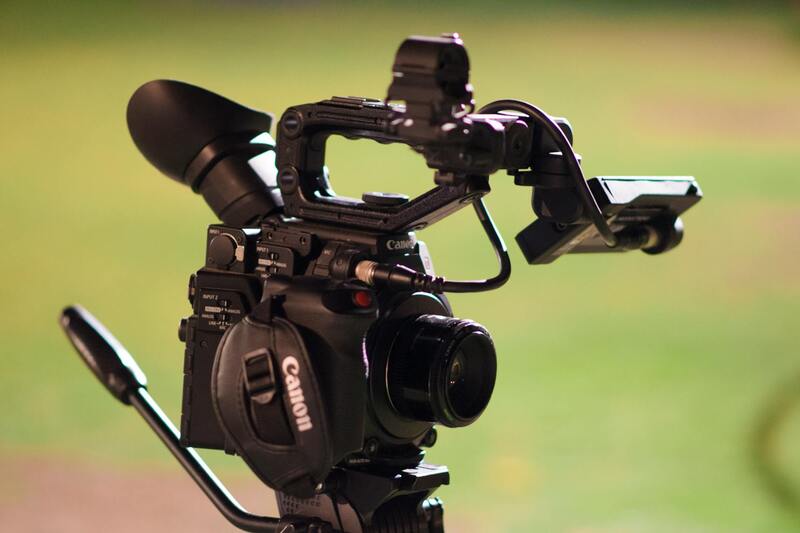
Content moderation and real-time monitoring also play significant roles. Live production teams need to keep an eye on chat interactions, viewer feedback, and technical metrics, ready to intervene if inappropriate content appears or if streaming quality drops. Establishing clear protocols and having qualified personnel on-site further enhances this oversight, ensuring the broadcast adheres to established standards and maintains audience trust.
Adopting official, proven methods for managing rights, permissions, and technical integrity ensures the live streaming session runs smoothly. Whether it's a corporate event, a public seminar, or a cultural festival in Miami, proper compliance guarantees a professional, secure, and respectful broadcast environment that elevates the quality and credibility of the finished product.
Advanced Techniques for Enhancing Live Streaming Video Production
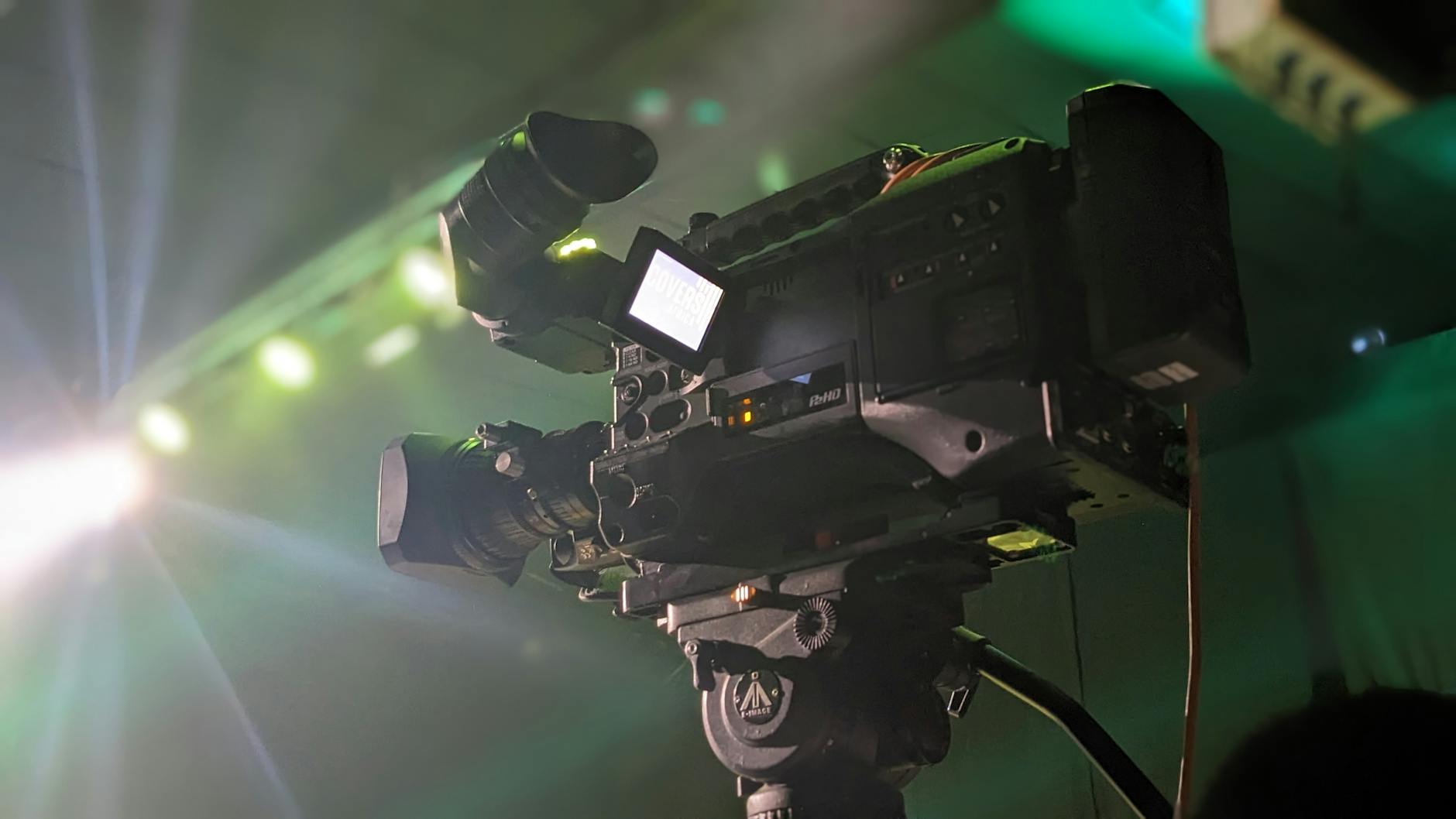
When it comes to elevating the quality and engagement levels of your live streaming events in Miami, employing advanced production techniques is crucial. These methods not only improve visual and audio clarity but also ensure smooth, professional broadcasts that captivate audiences and reinforce brand credibility. Utilization of multi-camera setups, for instance, allows producers to switch between different angles, providing a dynamic viewing experience that mimics traditional broadcast standards. Incorporating robotic cameras or remote-controlled PTZ (pan-tilt-zoom) units offers flexibility and precision, especially in complex or large-scale events.
High-quality audio remains a critical aspect of professional live streams. Employing shotgun microphones, lapel mics, and digital audio mixers ensures clear sound capture, reducing background noise and enhancing speech intelligibility. Additionally, integrating audio monitoring tools allows producers to promptly address audio issues, maintaining a seamless auditory experience.
Real-Time Graphics and Overlays
The use of real-time graphics, overlays, and lower thirds adds a layer of professionalism and informational value to live streams. Live production software and hardware enable the insertion of logos, event information, social media feeds, and interactive elements, enriching viewer engagement and brand visibility. For Miami-based events, customized graphics that reflect local culture can also foster community connection.
Encoding and Streaming Optimization
Proper encoding settings are vital for delivering high-quality streams that are compatible across various devices and network conditions. Adaptive bitrate streaming dynamically adjusts quality based on viewers’ internet speeds, minimizing buffering and ensuring consistent playback. Selecting reputable streaming platforms or content delivery networks (CDNs) further enhances reliability, especially amid Miami’s dense urban environment with high traffic volumes.
Backup Systems and Redundancies
Implementing backup systems, including secondary internet connections and redundant hardware, safeguards against unexpected technical failures. Live production teams routinely test failover mechanisms, ensuring continuity even if primary systems encounter disruptions. This proactive approach is indispensable for large-scale or high-stakes broadcasts, where downtime can severely impact event credibility and audience trust.
Post-Production and Analytics
Though live streaming emphasizes real-time delivery, post-production editing and analytics play essential roles in maximizing the impact. Recording sessions allow for on-demand content repurposing, while detailed analytics offer insights into viewer behavior, engagement levels, and technical performance. This data informs future strategies, helping Miami’s content creators and businesses refine their live streaming approaches for better audience retention and stronger brand recognition.