
Overview of Live-Streaming Production Services
In today's digital era, live-streaming production services have become vital for a diverse range of events and organizations looking to reach wider audiences through real-time broadcast. From corporate conferences and product launches to entertainment events and community gatherings, live streaming offers an effective platform for engagement and dissemination of information. In Miami, a vibrant hub of business, culture, and innovation, live-streaming production services are increasingly essential for entities aiming to amplify their presence and connect with audiences both locally and globally.
Professional live-streaming production entails a comprehensive setup that ensures high-quality broadcasts, seamless connectivity, and engaging viewer experiences. These services often include pre-production planning, technical setup, content management, and post-broadcast analysis. The importance of such services lies in their ability to deliver clear visuals and audio, manage multiple input sources, and adapt to various streaming platforms and devices, ensuring the content reaches viewers without interruption or technical issues.
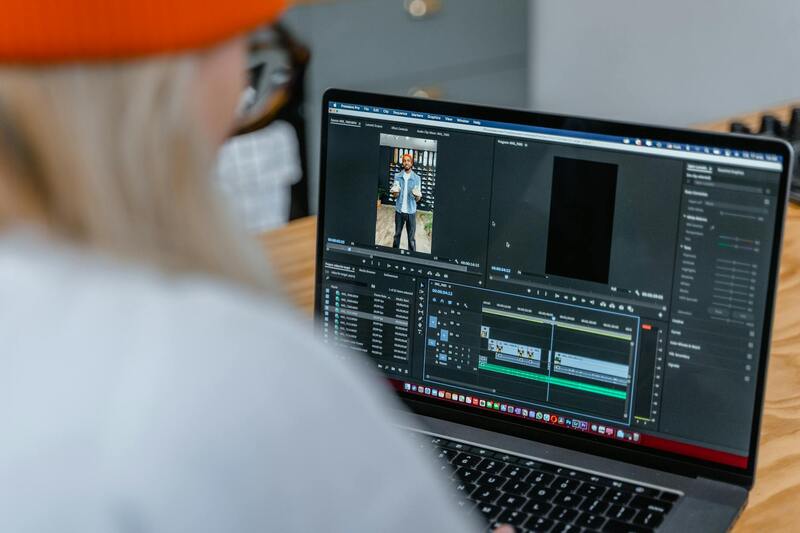
For businesses and organizations in Miami, professional live-streaming services are an invaluable resource to expand their outreach, enhance brand visibility, and foster community engagement. Whether broadcasting an animated town hall or a product demonstration, these services enable real-time interaction and feedback, creating a dynamic experience for viewers. Additionally, live streaming allows for robust analytics and data collection, helping entities refine their future content strategies.
Enhancing Engagement and Reach
Miami's diverse demographic and vibrant events scene make live-streaming an effective channel to connect with various audiences. Companies can extend their event reach beyond physical attendees and accommodate remote viewers, including international audiences. This inclusivity broadens engagement scope, increases participation, and adds value to the presented content.
Live-streaming production services also support different types of content, from formal corporate reports to entertainment showcases, education seminars, and faith-based services. The versatility of professional equipment and experienced technical staff ensures that each broadcast maintains a consistent quality standard, enhancing the overall perception of the organizing entity.
Key Components of Live-Streaming Production
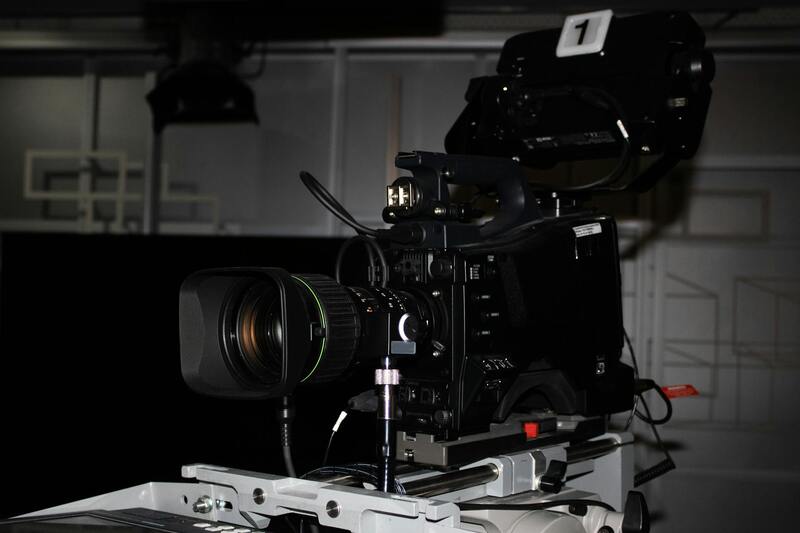
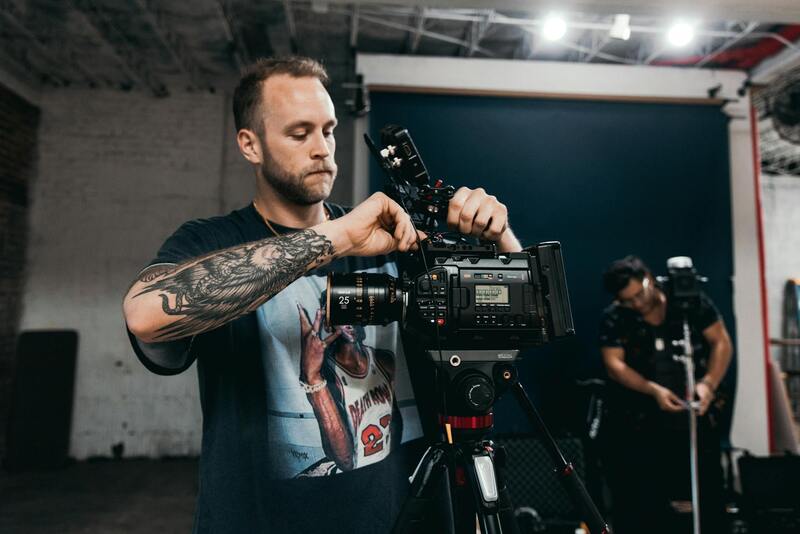
Achieving a high-quality live stream requires a meticulous integration of several core components, each playing a vital role in delivering a seamless and professional broadcast. The foundation begins with advanced camera technology that captures content in crisp resolution, with options ranging from high-definition (HD) to 4K setups for superior clarity and detail. These cameras need to be strategically positioned to optimize framing and coverage, whether for single presenter scenarios or large multi-camera setups for events and performances.
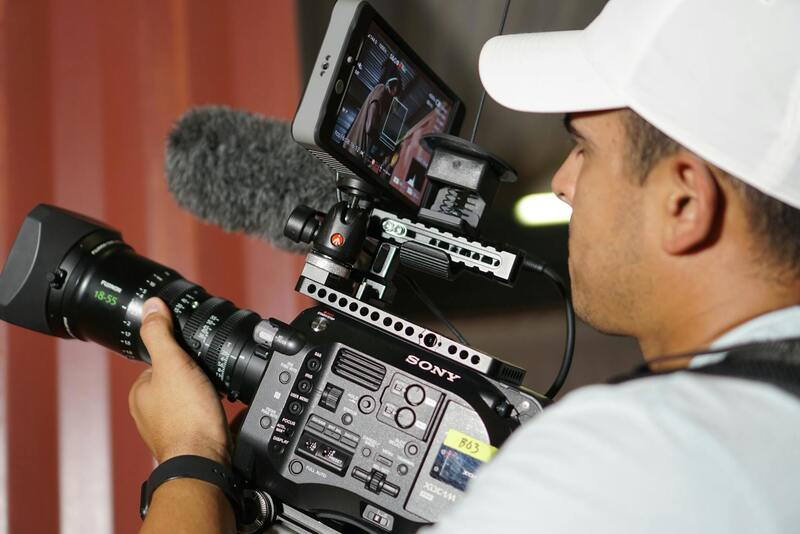
Complementing the visual hardware, high-quality audio systems are essential to ensure clear sound delivery. Industry-standard microphones, audio mixers, and wireless transmission devices are used to capture and transmit audio with minimal latency and background noise. Proper sound engineering guarantees that viewers experience consistent volume levels and intelligible speech, which are crucial for engagement and comprehension.
The visual and audio signals from these devices are routed through sophisticated switching equipment, which allows the production team to seamlessly toggle between different camera feeds, incorporate graphics or visual effects, and manage multiple sources in real-time. This switching is vital for maintaining viewer engagement and conveying a polished appearance during dynamic live events.
Encoding solutions process and compress the raw audio and video feeds into formats compatible with various streaming platforms. These encoders adapt the high-quality streams for delivery over the internet, ensuring minimal latency and consistent playback across different devices. Reliable encoding hardware or cloud-based solutions are selected based on the scale of the event and the desired broadcast quality.
Additional Elements Ensuring Success
- Stable Internet Connectivity: A dedicated, high-bandwidth internet connection is essential for uninterrupted streaming, preventing buffering and delays. Multiple internet sources can be used for load balancing and failover in case of disruptions.
- Production Software: Advanced broadcast software supports real-time editing, graphics integration, and multi-platform streaming. It enables production teams to customize content dynamically and add branded overlays or informational cues.
- On-site Technical Staff: Experienced technicians monitor all equipment during the live event, ready to troubleshoot issues promptly and adjust settings as needed to maintain quality.
Types of Live-Streaming Services Offered
Live-streaming production services encompass a broad spectrum of event types, each requiring tailored approaches to ensure optimal delivery and viewer engagement. Webinars are among the most common offerings, providing platforms for interactive educational sessions, corporate training, and panel discussions. These streams often integrate features such as real-time Q&A, polls, and downloadable resources to enhance viewer interaction.
Corporate events are another prevalent category, including product launches, press conferences, and company town halls. These streams aim to project a professional image, often incorporating branded graphics, multiple camera angles, or testimonial segments to communicate key messages effectively.

Music concerts, theater performances, and cultural festivals also benefit from specialized live-streaming setups that can accommodate high-quality audio and video, multi-camera shoots, and immersive visual effects. The goal is to replicate the energy of live-attendance for remote viewers while maintaining clarity and production value.
Sports events are uniquely demanding, requiring synchronized multi-camera coverage, instant replay capabilities, and robust streaming infrastructure to handle large audiences. These productions frequently use a combination of fixed and mobile cameras, along with real-time graphics to display scores, player stats, and other vital information.
Hybrid event solutions combine in-person components with virtual participation, leveraging advanced streaming techniques to facilitate live interaction between onsite audiences and remote viewers. This approach ensures wider accessibility, increased engagement, and more comprehensive event coverage.
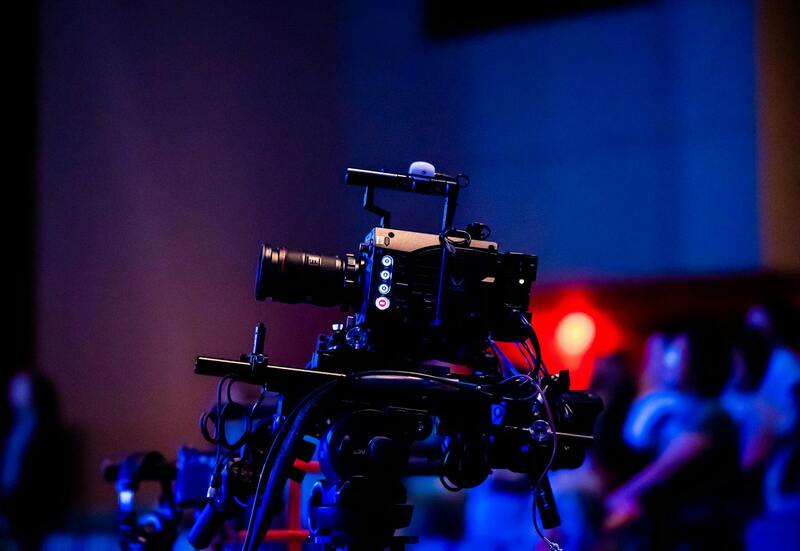
Each type of service requires specific technical configurations, equipment, and planning strategies to deliver seamless, high-quality broadcasting experiences. Professional production teams tailor their services to meet the unique needs of each event, ensuring every detail aligns with the client’s objectives and audience expectations.
Overview of Live-Streaming Production Services
Live-streaming production services encompass the comprehensive planning, setup, and execution of live broadcasts across various platforms. These services are vital for organizations seeking to reach audiences in real-time with high-quality audio and video content. Whether for corporate events, concerts, or large-scale conferences, professional live-streaming providers ensure a seamless experience that maintains viewers' engagement while showcasing the event’s production value.

By integrating advanced broadcasting equipment, skilled technicians, and cutting-edge software, live-streaming production services facilitate a professional-grade audience experience. These services often include multi-camera setups, on-screen graphics, real-time editing, and reliable streaming infrastructure capable of handling large viewerships. Ensuring smooth transmission free of interruptions or delays is paramount, especially for events where timing and presentation are critical.
The importance of these services is increasingly recognized as organizations aim to expand their reach, engage remote audiences, and generate impactful digital content. Leveraging experienced professionals ensures that every detail—from audio clarity to visual transitions—is meticulously managed, resulting in a broadcast that matches the production standards of traditional in-person events.
Key Components of Live-Streaming Production
- High-definition video cameras capable of capturing multi-angle perspectives to enhance viewer immersion.
- Professional audio equipment that ensures clear sound quality, essential for music performances, speeches, and panel discussions.
- Live switching consoles that seamlessly transition between camera feeds, overlays, and graphics, creating a dynamic viewing experience.
- Encoding and streaming hardware/software that broadcast the final output to multiple platforms simultaneously, accommodating varied viewer preferences.
- Stable internet connection with sufficient bandwidth to support high-quality streaming without buffering or lag.
- Technical support team on-site to manage equipment, troubleshoot issues, and adapt to any unexpected circumstances during the event.
Types of Live-Streaming Services Offered
The scope of live-streaming production services is diverse and tailored to cater to specific event requirements. These include:
- Corporate Live Streams: For webinars, product launches, and company announcements, emphasizing clear presentation, branding, and audience interaction capabilities.
- Entertainment & Music Festivals: High-quality audiovisual capture combined with immersive visual effects to replicate the energy of live attendance.
- Sports Events: Multi-camera coverage, instant replays, and graphics display scores and statistics in real-time.
- Cultural & Community Events: Capturing the essence of local traditions and performances with an emphasis on audience engagement.
- Hybrid Events: Combining in-person attendance with virtual streaming, allowing remote participants to interact and contribute to the event experience.
Each service type involves distinct technical configurations and creative approaches, all managed by professional production teams skilled in delivering customized, high-impact broadcasts that meet or exceed client expectations.
Factors to Consider When Choosing a Live-Streaming Provider
Selecting the right live-streaming production service requires careful evaluation of several critical factors to ensure a seamless and impactful broadcast. The provider’s technical expertise, experience, and equipment quality directly influence the overall quality of the event. A service provider with a proven track record of managing diverse live events indicates their capability to handle unforeseen challenges during a broadcast.
Bandwidth capacity and internet stability form the backbone of a successful live stream. Providers should utilize dedicated, high-speed internet connections with sufficient upload speeds to support high-definition video transmission continuously. Redundant internet connections are also vital to mitigate the risk of interruptions caused by connectivity issues.
Another essential aspect is the scope of technical services included. This encompasses pre-production planning, live switching, audio and video mixing, graphics overlay, and real-time monitoring. An experienced production team should demonstrate proficiency in adapting to different event formats, whether it’s a corporate webinar, a music concert, or a sports event. Their ability to incorporate branding elements and audience interaction features enhances viewer engagement and brand visibility.
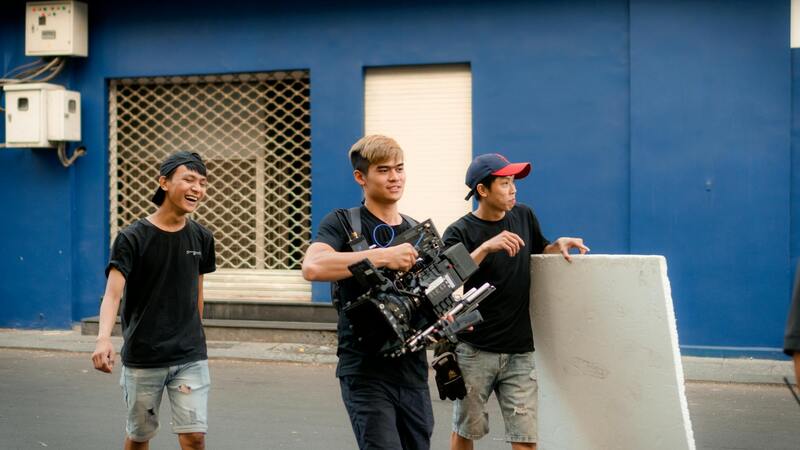
Customer support during the event is another crucial consideration. The provider should offer dedicated on-site or remote technical assistance, allowing for immediate troubleshooting of any issues that emerge. Clear communication channels and detailed contingency plans help in maintaining broadcast continuity, especially during multi-platform streams or hybrid event setups.
Cost and Customization Options
Live-streaming production services vary widely in cost based on the complexity of the event, technical requirements, and additional features such as multiple camera angles, graphics, or interactive modules. It is beneficial to choose a provider offering flexible packages tailored to specific event needs and budgets. Transparent pricing structures and detailed project proposals enable clients to understand the scope of services included and avoid unexpected expenses.
Compliance and Security Measures
Ensuring content security and compliance with broadcasting standards is vital. The chosen provider should have robust measures to prevent unauthorized access, protect intellectual property, and manage data privacy. Additionally, they should stay updated with platform-specific publishing guidelines to avoid content removal or demonetization issues during the live stream.
By evaluating these factors thoroughly, organizations can select a live-streaming production partner capable of delivering professional, high-quality broadcasts that effectively reach and engage their target audiences across various platforms and devices.
Legal and Technical Considerations in Live-Streaming
When planning and executing high-quality live streams, it is essential to pay close attention to various legal and technical considerations that can influence the success and integrity of the broadcast. Ensuring proper licensing and rights management for all content utilized is fundamental. This encompasses copyrighted music, videos, images, and any proprietary material that may appear during the stream. Securing clear permissions and adhering to licensed usage rights help prevent potential disputes and content takedowns.
Technical expertise plays a pivotal role in live-streaming production. The process demands meticulous attention to details such as encoding, bandwidth management, and signal routing. Transmission reliability depends heavily on having backup systems and failover protocols in place to mitigate potential disruptions. Technical personnel must also be proficient in configuring streaming hardware and software to optimize video and audio quality, ensuring a seamless viewing experience for audiences across different devices and network conditions.

Content Rights and Permissions
- Verify ownership and licensing of all multimedia content used during the stream.
- Obtain necessary permissions from creators, rights holders, and stakeholders.
- Be aware of platform-specific content guidelines to prevent removal or restrictions.
Technical Infrastructure Requirements
- Assess available bandwidth and network stability to maintain uninterrupted streaming.
- Use reliable streaming hardware, including professional cameras, switchers, and encoders.
- Implement redundant systems such as backup internet connections and duplicate streaming setups to mitigate technical failures.
- Optimize streaming settings for different platforms and devices to reach a wider audience effectively.
Data Privacy and Security Measures
- Deploy encryption protocols for transmitting live content to prevent interception.
- Control access through secure login credentials and restricted streaming links.
- Ensure compliance with data protection standards and platform privacy policies.
- Regularly update and maintain security software to defend against cyber threats and unauthorized access.
By diligently managing these legal and technical elements, organizations can conduct live streams that are both compliant and technically sound, fostering trust and confidence among viewers and stakeholders alike. A comprehensive approach guarantees that the broadcast maintains high standards, supports brand reputation, and maximizes audience engagement without unforeseen issues.
Technical Infrastructure and Quality Assurance in Live-Streaming Production
Establishing a robust technical infrastructure is essential for delivering seamless and high-quality live streams. A dependable internet connection, with sufficient bandwidth and stability, forms the backbone of successful transmission. Organizations should consider dedicated internet lines or bonded connection solutions to prevent bandwidth fluctuations that can cause buffering or lag.
Utilizing professional-grade hardware is equally crucial. High-definition cameras, reliable video switchers, and advanced hardware encoders are fundamental components that enhance visual quality and streamline production workflows. These devices enable smooth transitions, multi-camera setups, and real-time graphics integration, elevating the overall viewer experience.
In addition to primary equipment, backup systems are vital. An auxiliary internet connection, redundant streaming encoders, and spare hardware components help mitigate unforeseen technical failures. Preparing for potential disruptions ensures that the live stream remains uninterrupted even in unexpected circumstances.
Optimizing streaming settings based on the target platform and audience devices enhances compatibility and accessibility. Adaptive bitrate streaming adjusts video quality dynamically, providing a smooth viewing experience across various network conditions and devices. Proper configuration minimizes latency and ensures real-time delivery, which is critical for engaging live interactions.
Quality Control and Monitoring
- Real-time monitoring of stream health, including bandwidth usage, audio levels, and video quality, enables prompt detection and resolution of issues.
- Employing software tools that offer analytics and live feedback assists production teams in maintaining high standards throughout the broadcast.
- Implementing multi-view outputs allows producers and technical staff to oversee multiple camera feeds and transitions seamlessly.
Furthermore, post-broadcast analysis provides valuable insights. Review of stream metrics, viewer engagement, and technical performance informs future improvements and enhances ongoing live-streaming strategies.
Adhering to these technical best practices and continuously refining workflow processes are instrumental in delivering professional live-streaming services that meet or exceed client expectations. The interplay of high-quality hardware, resilient infrastructure, and vigilant quality assurance creates a foundation for impactful and reliable broadcasts that engage viewers and support brand objectives effectively.
Legal and Technical Considerations in Live-Streaming
Executing a successful live-stream requires meticulous attention to both technical specifications and legal best practices. Ensuring that all content complies with intellectual property laws is fundamental, which involves securing appropriate permissions for copyrighted materials, music, and visuals used during broadcasts. This not only safeguards the production from potential disputes but also maintains the integrity of the brand.
On the technical side, robust infrastructure is vital. High-capacity servers, reliable internet connections, and advanced encoding software help deliver seamless streams to audiences across different devices and network conditions. Employing multi-bitrate streaming optimizes viewer experience by dynamically adjusting video quality, preventing buffering, and minimizing latency—particularly important for real-time interactions.
Monitoring tools are essential for maintaining stream quality throughout the broadcast. These tools provide real-time feedback on bandwidth use, audio levels, and connection stability, enabling swift intervention to address potential issues before viewers are affected. Implementing multi-view outputs allows technical teams to oversee multiple camera feeds and transitions simultaneously, ensuring visual consistency and professionalism.
Post-broadcast analysis, including reviewing stream metrics and viewer engagement data, offers valuable insights for future productions. Such evaluations help refine streaming workflows, enhance viewer experience, and optimize technical performance.
Investing in comprehensive contingency plans—such as backup internet sources, failover servers, and redundant power supplies—furthers stream stability. Regular equipment maintenance and staff training are also critical to prevent technical disruptions.
By combining state-of-the-art technology with strict adherence to content standards, providers can deliver professional live-streaming services that meet precise audience expectations and organizational goals. Continuous refinement of technical protocols and operational procedures ensures consistent delivery of high-caliber broadcasts, reinforcing reputation and viewer loyalty.