
Understanding Live-Streaming Production
Live-streaming production encompasses the comprehensive process of transmitting real-time video and audio content over the internet for diverse audiences. Its importance has grown exponentially among Miami-based content creators and businesses seeking dynamic ways to engage viewers, showcase products, or deliver events directly to an online audience. At its core, live-streaming production involves several integrated components that must work seamlessly to ensure a high-quality broadcast.
Fundamentally, live-streaming production includes planning, capturing footage, encoding the signal, and transmitting it through a reliable streaming platform. This procedure requires expert coordination to maintain clear visuals, crisp audio, and minimal latency. For Miami companies and creators, mastering these elements can significantly enhance online visibility, brand positioning, and viewer interaction.
In the dynamic landscape of Miami’s digital scene, live-streaming stands out as an effective method to reach diverse audiences, from local communities to global viewers. Its significance extends beyond routine broadcasts; it is instrumental in virtual events, conferences, product launches, and cultural showcases. As Miami continues to emerge as a hub for innovative media, understanding the integral components of live-streaming production becomes essential for organizations aiming to maximize their digital outreach.
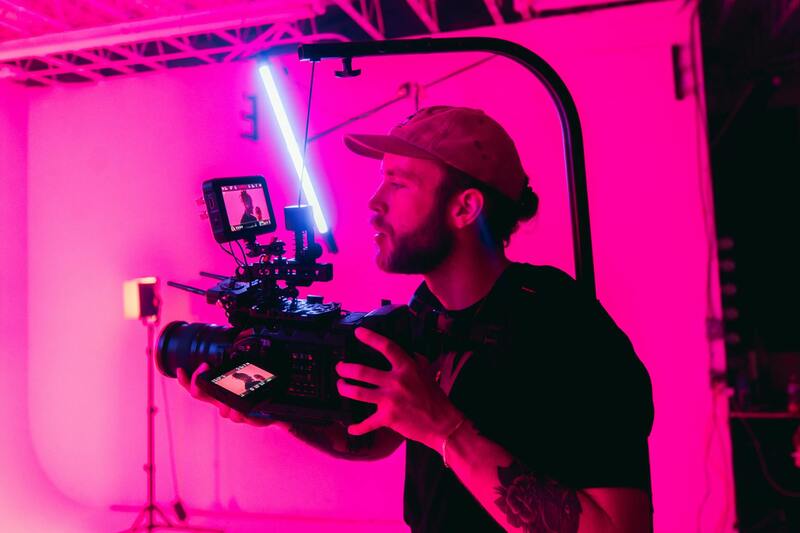
Since live production demands precision and technical expertise, it involves an array of specialized equipment including professional cameras, audio mixing consoles, lighting setups, and encoding hardware. Additionally, stable internet connectivity and advanced streaming software are crucial to ensure a smooth and uninterrupted broadcast. For Miami entities, leveraging these resources effectively can significantly elevate the quality and professionalism of their live content.
Furthermore, live-streaming production incorporates real-time monitoring and control systems that allow producers to manage multiple camera angles, switch scenes, and communicate with hosts or presenters seamlessly. This multifaceted approach ensures that every live event is engaging, visually appealing, and synchronized with the intended message.
As the industry continues to evolve, live-streaming's role in content creation and business marketing becomes more prominent. It offers unparalleled immediacy and interaction capabilities that traditional media cannot match. Therefore, mastering the essentials of live-streaming production is fundamental for Miami’s content creators and companies aiming to build authentic connections and stand out in a competitive digital environment.
Key Equipment and Technology for Live-Streaming
To achieve professional-grade live-streaming production, it is vital to utilize industry-standard equipment and innovative technology. This combination ensures high-quality visuals, clear audio, and seamless streaming experiences that captivate audiences and meet organizational goals.
At the core of any successful live stream are high-definition cameras that provide crisp visuals and versatile framing options. These include tripod-mounted professional camcorders or PTZ (pan-tilt-zoom) cameras, which can be operated remotely for dynamic shot composition. Coupled with multiple camera setups, content creators can switch angles in real-time, adding depth and engagement to their streams.
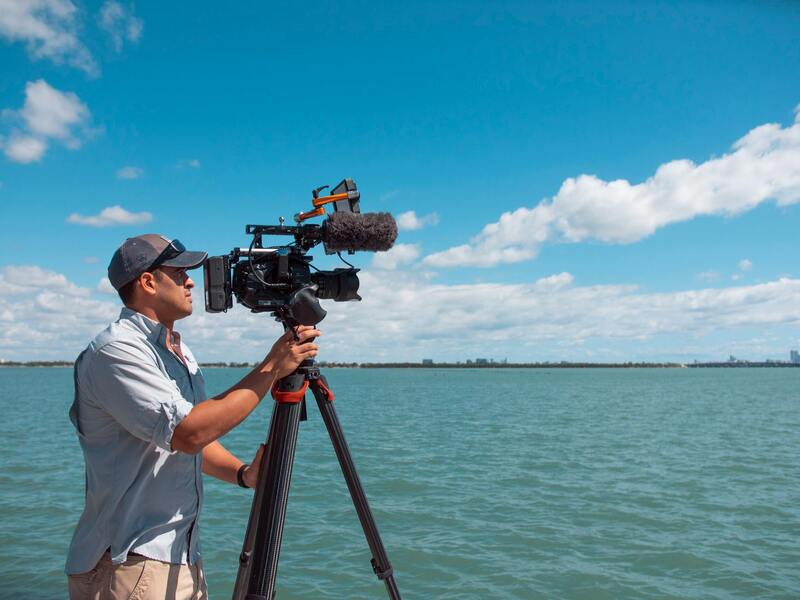
To encode the raw video feed into streamable formats, advanced hardware encoders are employed. These devices convert video signals into universal formats compatible with various streaming platforms while maintaining high fidelity. Software encoders are also prevalent, offering flexibility and easier integration with existing workflows.
Lighting plays a crucial role in enhancing visual quality. Proper lighting setups help eliminate shadows, improve clarity, and ensure subjects are well-illuminated across all camera angles. Adjustable LED lighting kits are commonly used because they provide consistent illumination and can be controlled remotely to match the ambiance or mood required for the broadcast.
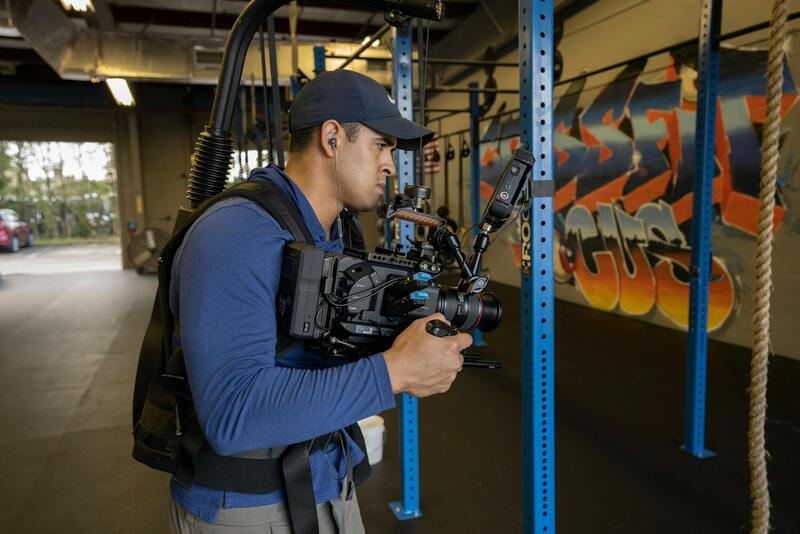
Audio quality is just as important as video. Microphones, audio mixers, and sound processing software work together to capture, amplify, and optimize sound. Lavalier microphones are ideal for hosts or presenters, while shotgun microphones can capture ambient sounds or audience reactions. Audio mixing consoles allow for balancing multiple sound sources, minimizing noise, and ensuring speech intelligibility.
Streaming platforms and management software are indispensable tools that facilitate live transmission across various channels. These platforms provide stability, analytics, and interactive features such as real-time chat, polling, or viewer reactions. Advertising and monetization features can also be integrated within these tools, enabling organizations to maximize their outreach and engagement.
Technological Innovations Enhancing Live-Streaming Production
- 4K and HDR Support: Higher resolution broadcasting delivers sharper images and richer colors, elevating the viewer experience.
- Wireless Transmission: Advances in Wi-Fi and 4G/5G networks enable flexible setups and mobility, especially useful for outdoor or location-based streaming.
- Cloud-Based Multicamera Control: Cloud platforms allow remote switching, monitoring, and controlling multiple camera feeds, streamlining operations and reducing local hardware dependencies.
- Artificial Intelligence (AI): AI-driven features such as automated scene switching, real-time noise cancellation, and captioning improve production quality and accessibility.
Investing in reliable, scalable, and state-of-the-art equipment ensures a professional output that positively influences brand perception and viewer engagement. With the rapid development of streaming technology, staying current with the latest advancements allows Miami-based content creators and organizations to stand out in a competitive landscape and deliver compelling, memorable live experiences.
Technical Best Practices for Live-Streaming Production
Implementing professional live-streaming production involves adherence to established technical standards that guarantee a seamless broadcast. High-quality video and audio feeds are essential, requiring the use of top-tier cameras, microphones, and audio mixers. Proper calibration ensures clarity and prevents distortion, which is critical for engaging viewers and maintaining a reputable image.
Synchronization between audio and video sources, often managed through video switchers and audio interfaces, is vital for maintaining production quality. Utilizing redundant streaming pathways and backup systems minimizes the risk of broadcast interruptions, especially during crucial live events. Reliable internet connectivity, preferably via wired connections, should be prioritized to sustain stable data transmission and prevent latency or buffering issues.
On-site infrastructure must include adequate lighting setups tailored to the environment and subject matter. Proper lighting enhances visual clarity and highlights key moments or presenters, creating an immersive viewing experience. Video encoding hardware or software transcodes the live feed into appropriate formats and bitrates compatible with various distribution platforms. Adaptive streaming techniques dynamically adjust quality based on viewers’ bandwidth, providing a buffer-free experience across different devices and internet speeds.
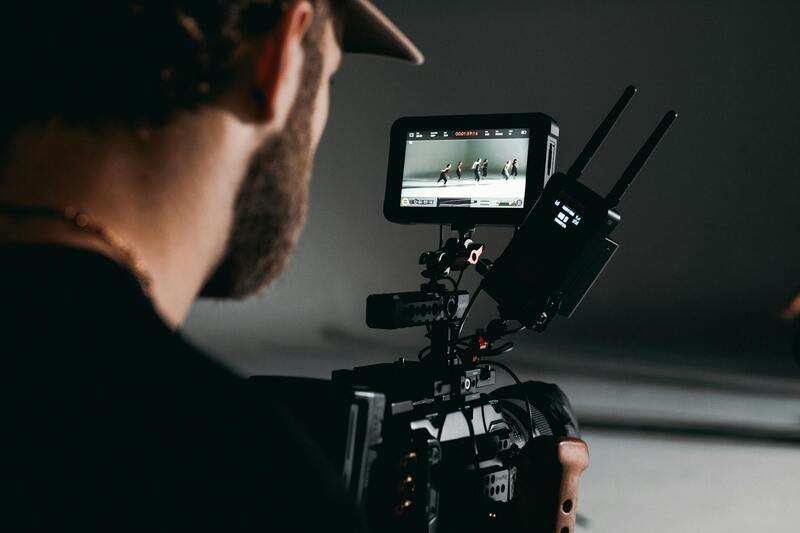
For multi-camera productions, remote camera control solutions and video routing systems enable seamless switching and monitoring. These configurations facilitate complex live shows, such as televised events or conferences, where fluid transitions and coordinated visuals are crucial. Additionally, incorporating network security measures protects the integrity of the live stream against unauthorized access and cyber threats.
Furthermore, the integration of real-time analytics and stream monitoring tools allows producers to evaluate stream health, viewer engagement, and potential technical issues during the broadcast. Such oversight ensures prompt detection and resolution of any on-the-fly problems, maintaining a top-tier production standard.
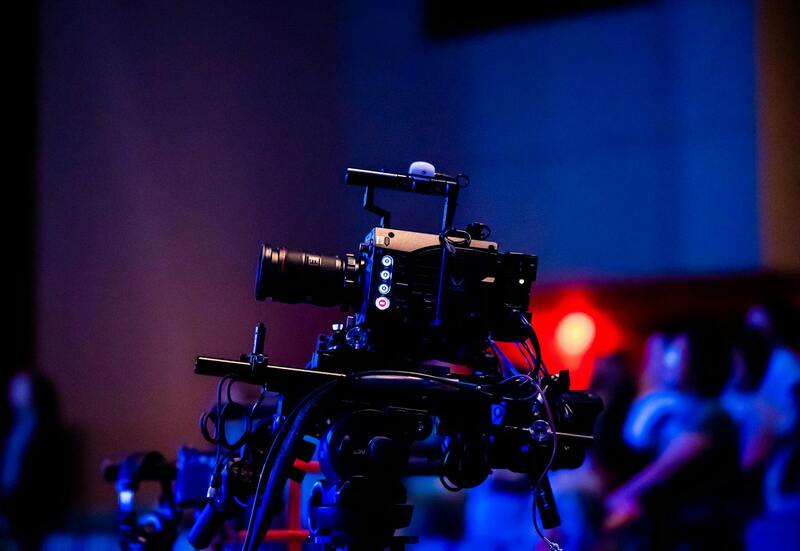
Overall, precision in planning, equipment selection, and execution forms the backbone of successful live-streaming production. Employing industry-approved practices and current technological innovations guarantees a professional, engaging, and reliable live broadcast experience for audiences across Miami and beyond.
Production Setup and Execution
Setting up for a successful live-streaming event requires meticulous arrangement of all technical components to ensure a seamless broadcast. The on-site setup usually begins with selecting the appropriate location, which should be accessible for equipment installation and conducive to optimal lighting and acoustics. Proper placement of cameras is critical, often involving multiple angles to capture different perspectives and provide visual richness to the stream.
High-quality video capture begins with professional-grade cameras capable of broadcasting in 4K or Full HD resolutions. These cameras should be equipped with fast autofocus and low-light performance features to adapt to varying lighting conditions. For dynamic events, robotic or remote-controlled cameras facilitate versatile angles without requiring extra personnel, allowing for smooth transitions during the production.
Audio management is equally vital to ensure clear communication. Using professional microphones, including lapels, shotguns, and ambient mics, helps capture various sound sources distinctly. An audio mixer enables real-time adjustments to balance levels, eliminate background noise, and incorporate live commentary or interviews seamlessly. Wireless audio systems can add mobility, providing flexibility in capturing movement without compromising sound quality.
Directing techniques play a pivotal role in shaping engaging live content. The director oversees camera feeds, cues, and scene transitions, coordinating with technical staff to keep the broadcast fluid. Using a reliable production switcher allows switching between camera sources instantaneously, incorporating graphics overlay, pre-recorded segments, and special effects as needed. Clear visual cues and communication protocols among team members are essential to respond promptly to any technical issues that arise during the broadcast.
Ensuring consistent power supply and network stability is crucial during production. Redundant power sources and backup internet connections help maintain uninterrupted streaming in case of technical failures. Additionally, incorporating real-time monitoring tools allows operators to track stream quality, bandwidth usage, and system health, enabling immediate troubleshooting when necessary.
Streamlined communication among the production team, including headphones and designated signals, ensures swift coordination. As a result, the live event remains professional, engaging, and free from disruptions. Properly executing the on-site setup and operational procedures guarantees that the live-streaming production meets high standards, delivering a compelling experience for viewers across Miami and the broader digital landscape.
Advanced Techniques for Live-Streaming Production
Achieving a polished and professional live-stream requires more than just basic equipment and setup. Integrating advanced production techniques elevates the quality of the broadcast and enhances viewer engagement. This includes employing multi-camera configurations for varied angles, which create a dynamic viewing experience and help tell a compelling story. Skilled camera operators seamlessly switch between shots during critical moments, enhancing the visual narrative and maintaining audience interest.
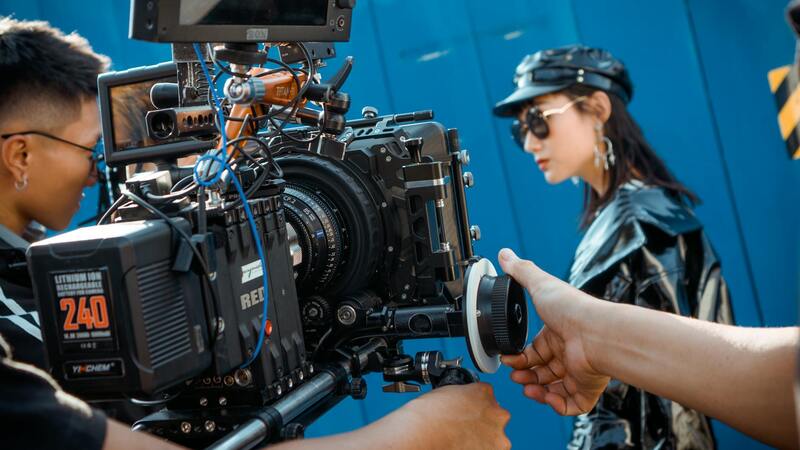
In addition, high-quality audio mixing ensures clear, balanced sound that complements the visual elements. Utilizing professional microphones, audio mixers, and audio feeds from different sources guarantees that commentary, music, or ambient sounds are crisp and free from distortion. Overlaying graphics, trademarks, and lower-third titles in real-time adds a professional polish that reinforces branding and provides viewers with relevant information seamlessly.
Another key aspect is incorporating real-time graphics and animations, which can highlight important data, promote upcoming segments, or display live social media feeds. Advanced software solutions such as broadcast switchers and graphics engines allow producers to overlay dynamic visuals instantly, making the broadcast more engaging and visually appealing. These elements not only enhance branding but also deliver crucial content in an easily digestible format, boosting overall viewer retention.
Streamlining the Live-Streaming Workflow
Efficiency and reliability are critical during live events. Implementing a comprehensive checklist for each stage of production minimizes the risk of errors. This includes technical rehearsals, test runs for streaming platforms, and coordination with all team members. Establishing clear roles and communication channels—such as headsets and cues—enables swift responses to unexpected issues, ensuring the broadcast runs smoothly from start to finish.
Utilizing professional production software and hardware, including direct-to-stream transcoders and encoders, ensures optimal compression and streaming quality. Troubleshooting tools and monitoring dashboards provide real-time feedback on stream health, allowing operators to address latency, buffering, or connectivity issues before they affect the audience experience.
Ensuring Connectivity and Power Stability
Maintaining a stable connection is paramount for uninterrupted live streams. Redundant internet connections—such as backup wired connections or LTE/5G failovers—guard against unexpected disconnection. Similarly, power backup solutions like uninterruptible power supplies (UPS) protect sensitive equipment from power outages that could disrupt production. Proper grounding and surge protection reduce the risk of electrical issues interfering during critical moments.
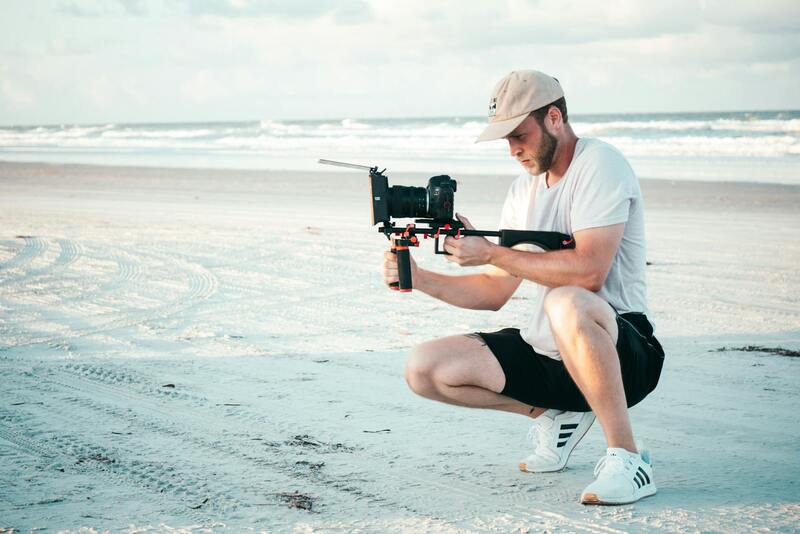
Monitoring tools allow the production team to oversee network performance, server loads, and streaming quality constantly. These systems provide alerts and diagnostics, so adjustments can be made swiftly to maintain a seamless broadcast. Combining robust hardware, strategic planning, and automated monitoring creates a resilient infrastructure capable of handling high-profile live-streams across Miami and beyond.
Ultimately, the success of a live-stream depends on meticulous planning, cutting-edge technology, and expert execution. By focusing on advanced production techniques and ensuring the stability of technical systems, organizations can deliver engaging, high-quality live content that resonates with audiences and elevates their digital presence.
Implementing Reliable Signal Transmission Methods
In professional live-streaming production, establishing a dependable signal transmission pathway is fundamental to achieving high-quality broadcasts. Utilization of dedicated fiber-optic connections ensures low latency and minimized interference, which is especially critical when transmitting high-definition video and audio feeds. These connections provide a stable backbone, reducing vulnerabilities associated with shared or congested networks. Additionally, Satellite links can serve as an alternative or backup in locations where terrestrial infrastructure is limited, offering immediate redundancy and geographical flexibility.
Radio Frequency (RF) transmission, when properly managed with encrypted, high-bandwidth channels, provides another legitimate avenue for transmitting live signals from remote locations. This method is particularly useful for outdoor events or large festivals where traditional wired connections are impractical. It is essential that RF systems are configured to prevent cross-interference and are operated within operational standards to ensure clear, uninterrupted transmission.
Furthermore, live IP (Internet Protocol) streaming technology leverages secure, dedicated channels over experienced Content Delivery Networks (CDNs). These networks optimize routing dynamically to maintain consistent stream quality. They also incorporate adaptive bitrate streaming, which adjusts stream quality in real-time based on the viewer’s internet speed, reducing buffering and enhancing viewer experience.

Advanced Signal Transmission Techniques in Live-Streaming Production
Maintaining a seamless and high-quality live broadcast relies heavily on sophisticated signal transmission methods. In professional live-streaming production, utilizing a combination of wired and wireless solutions creates a resilient infrastructure capable of adapting to various operational environments. Fiber optics remain the gold standard for stable, high-bandwidth signal delivery, offering minimal latency and interference. When paired with wireless options such as RF links, LTE, or 5G, producers can establish flexible configurations that respond swiftly to dynamic onsite conditions.
Implementing redundant pathways is essential to ensure uninterrupted streams. For instance, dual internet connections—one via fiber-optic line and another through LTE/5G—offer immediate failover capabilities, safeguarding the broadcast against potential connectivity issues. Hardware encoders with built-in redundancy further enhance reliability; should the primary encoder experience a malfunction, secondary units can automatically assume the workload without disrupting the live event.
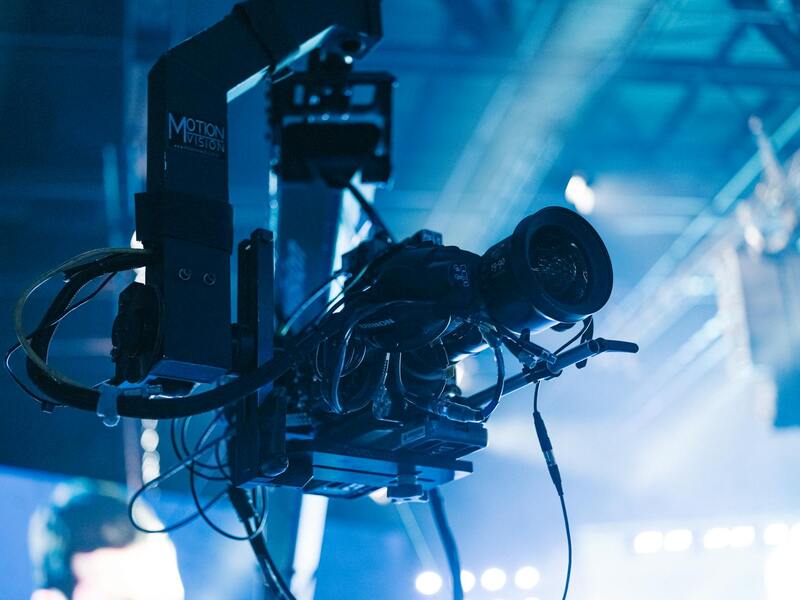
Security protocols also play a significant role in protecting signal integrity. Employing secure VPNs for remote streaming and encrypted signal pathways fortifies the broadcast against unauthorized access and potential interference. Routine testing and system audits guarantee that all transmission components—wired and wireless—operate optimally, supporting the high data flow requirements typical of professional live events.
Implementing Industry-Standard Security Measures
To uphold the quality and confidentiality of live-streamed content, production teams must adhere to best practices for signal encryption. This includes utilizing robust encryption protocols during data transmission and maintaining up-to-date firmware on hardware devices. Firewall protections and access controls should be strictly enforced, reducing vulnerability to cyber threats. Regular security assessments and live simulations help identify gaps and refine protective measures, ensuring the broadcast remains secure from start to finish.
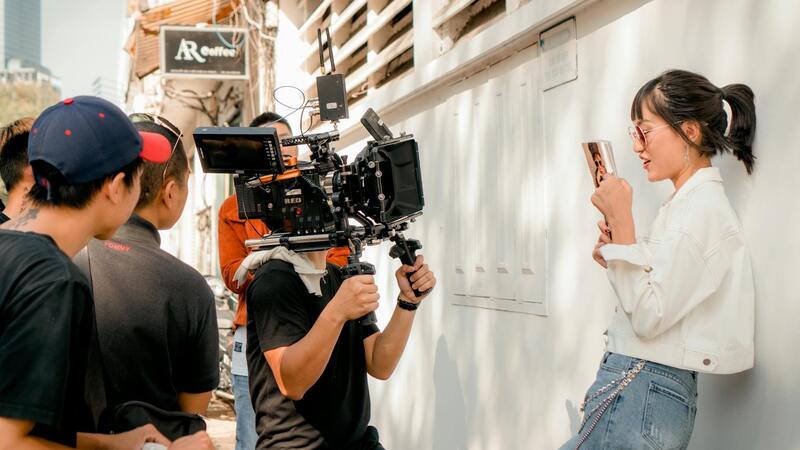
Optimizing Signal Quality and Latency Management
High-quality live streams require meticulous control over signal latency and bandwidth management. Techniques such as adaptive bitrate streaming enable dynamic adjustment of video quality based on real-time network conditions, preventing buffering or stalling. Using multi-bitrate encoders allows production teams to serve different audience segments on various devices seamlessly. Advanced network monitoring tools provide continuous insight into signal health, enabling swift troubleshooting before issues impact viewers.
Furthermore, network prioritization and Quality of Service (QoS) configurations ensure that streaming data receives the highest importance over other network traffic. This focus minimizes latency and packet loss, critical factors for professional broadcasters aiming for a flawless live presentation.
Innovations in Live-Streaming Signal Transmission
Dynamic advancements such as low-latency streaming protocols and edge computing are increasingly integrated into production workflows. Low-latency protocols like SRT (Secure Reliable Transport) or WebRTC enable near real-time delivery, essential for interactive broadcasts and live commentary. Edge computing solutions bring data processing closer to the event site, reducing the load on core network infrastructure and improving responsiveness. These innovations empower Miami-based production companies to deliver cutting-edge broadcast experiences, elevating their service offerings in a competitive market.
Advanced Techniques for High-Quality Live-Streaming Production
Achieving outstanding live-streaming production quality involves implementing the most current and effective technical methods. These methods ensure smooth broadcast delivery, excellent video and audio clarity, and an engaging viewer experience. Utilizing robust encoding technologies is fundamental, including hardware encoders that offer higher reliability and performance over software-based solutions. Hardware encoders use dedicated processors to encode high-definition video streams efficiently, minimizing latency and reducing the risk of stream disruptions. These devices support multi-channel inputs, allowing seamless switching between multiple cameras and audio sources, which enhances the production's professionalism and dynamism.
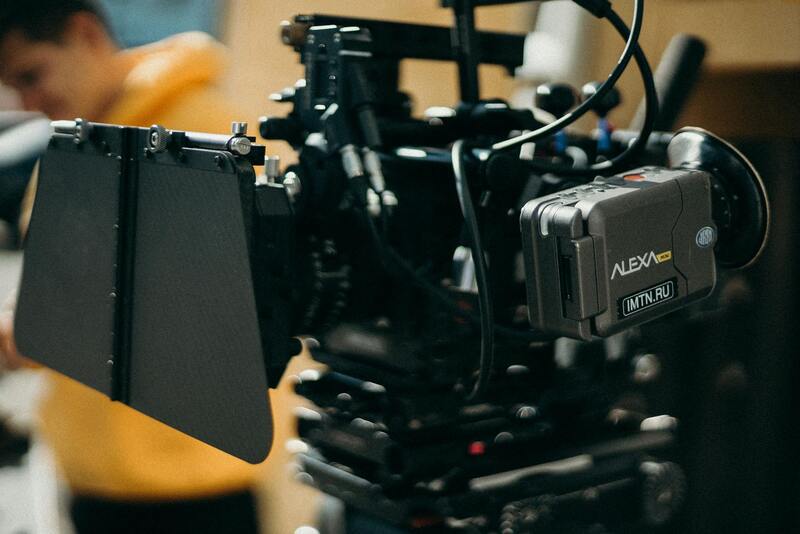
Integration of cutting-edge streaming protocols like SRT (Secure Reliable Transport) and WebRTC further bolsters the resilience and latency performance of live broadcasts. SRT, for instance, ensures reliable transmission even over unpredictable networks, while WebRTC provides real-time communication capabilities crucial for interactive streams, such as live Q&A sessions or real-time comments. Additionally, deploying Content Delivery Networks (CDNs) optimized for live streaming distributes the video content across multiple servers geographically closer to viewers, drastically decreasing buffering times and improving overall viewing quality.
Ensuring Signal Integrity and Low Latency
Maintaining signal integrity is a cornerstone of professional live-streaming. Employing network monitoring tools and bandwidth management solutions guarantees that the streaming data flows without interruption. Techniques like adaptive bitrate streaming dynamically adjust video quality based on the viewer's network capacity, ensuring viewers with slower internet connections still receive a stable, viewable stream. This adaptability helps cater to diverse audiences, maximizing reach without sacrificing quality.
Enhancing Audio Quality
Clear audio is often overlooked but equally critical in live production. High-fidelity microphones and sound mixers optimize audio input, ensuring clarity and minimizing background noise. Digital audio interfaces with built-in noise reduction further enhance sound quality. For interactive broadcasts, implementing real-time sound leveling and noise suppression tools maintains a professional audio experience throughout the live stream.
Utilizing Multi-Camera and Graphics Integration
Multi-camera setups provide dynamic and engaging visuals. Professional video switchers allow operators to seamlessly transition between different camera angles, adding visual interest and emphasizing key moments. Combining live graphics, overlays, and lower thirds enhances information delivery and brand consistency, making the broadcast more polished. Software solutions like OBS or vMix support sophisticated scene composition, enabling real-time inclusion of graphics, social media feeds, and other visual elements that enrich the viewer experience.
Implementing Audience Interaction Features
Engagement tools such as live chat, polls, and real-time feedback can be integrated into the broadcast platform. These features promote viewer participation, increase retention rates, and foster community interaction. Interactive elements need to be well-coordinated to avoid disrupting the flow of the live event, necessitating dedicated staff or automated moderation systems to manage audience input effectively.
Post-Stream Content Optimization and Distribution
Post-production editing and content repurposing extend the lifespan and reach of live-streamed content. Creating highlight reels, behind-the-scenes footage, and edited versions allows the content to be reused across various channels. Optimizing video files for different platforms ensures compatibility and high performance on social media, websites, or internal corporate channels.
Furthermore, embedding analytics tools provides detailed insights into viewer engagement, helping producers refine future broadcasts. Metrics like viewer count, average watch time, and interaction rates inform strategic decisions, leading to continuous improvements in live-streaming quality and audience satisfaction.
Dedicated Miami-Based Live-Streaming Production Experts
Partnering with a professional production agency in Miami guarantees access to experienced specialists who understand the local market dynamics and technical demands. These experts bring advanced knowledge of live-streaming technology, ensuring seamless execution from pre-production to post-broadcast analytics. They can customize solutions to match specific project needs—from corporate conferences and sporting events to entertainment streams—delivering results that elevate brand visibility and viewer engagement.