
Understanding Live Streaming Production
Live streaming production encompasses the comprehensive process of planning, executing, and broadcasting live events over digital platforms. It involves multiple stages, from initial concept development to the final delivery that reaches viewers worldwide. The complexity of live streaming production demands a coordinated effort between technical teams and creative professionals to ensure a seamless viewing experience.
At its core, live streaming production includes key components such as video capture, audio management, lighting, and real-time encoding. These components work together to deliver high-quality content that is synchronized and visually engaging. The process begins with detailed pre-production planning, which sets the foundation for all subsequent steps.
During production, multiple cameras and microphones may be employed to provide dynamic visuals and clear audio. A live director oversees the switching between camera angles, cues, and graphics, ensuring that the broadcast remains engaging and aligned with the event’s objectives. Technical controls such as live switching, overlay graphics, and on-screen text are incorporated to enhance the presentation.
Broadcasting live involves encoding the raw footage into a suitable digital format and transmitting it through a reliable streaming platform. The selected platform must support sufficient bandwidth to handle the audience size while maintaining high-definition quality. The entire process requires meticulous coordination, real-time troubleshooting, and adherence to a well-structured workflow.
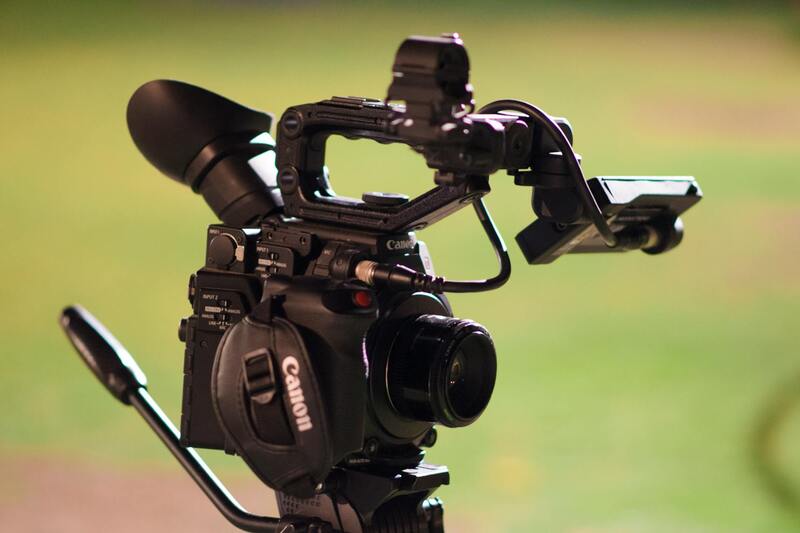
Today’s live streaming production relies heavily on advanced technology and professional-grade equipment to meet the demands of live digital content delivery. The importance of skilled personnel in managing and operating this technology cannot be overstated, ensuring that the broadcast runs smoothly and meets high standards of quality and reliability.
Essential Equipment and Technology in Live Streaming
Effective live streaming production hinges on the deployment of specialized hardware and software tools optimized for high-quality digital content delivery. These components work synergistically to produce seamless broadcasts capable of engaging a broad audience. Central to this setup are professional-grade cameras, which capture footage with clarity and precision, often featuring multiple angles to provide dynamic visual storytelling. High-definition video capture requires advanced encoders that convert raw footage into compressed, streamable formats, supporting various streaming protocols for broad compatibility and minimal latency.
Lighting equipment plays a vital role in ensuring subject visibility and maintaining a consistent visual tone throughout the broadcast. Proper lighting minimizes shadows, enhances color accuracy, and creates an inviting atmosphere, especially for indoor productions. Audio quality is equally critical; professional microphones and mixers ensure clarity and prevent background noise, delivering crisp voice transmission to viewers.
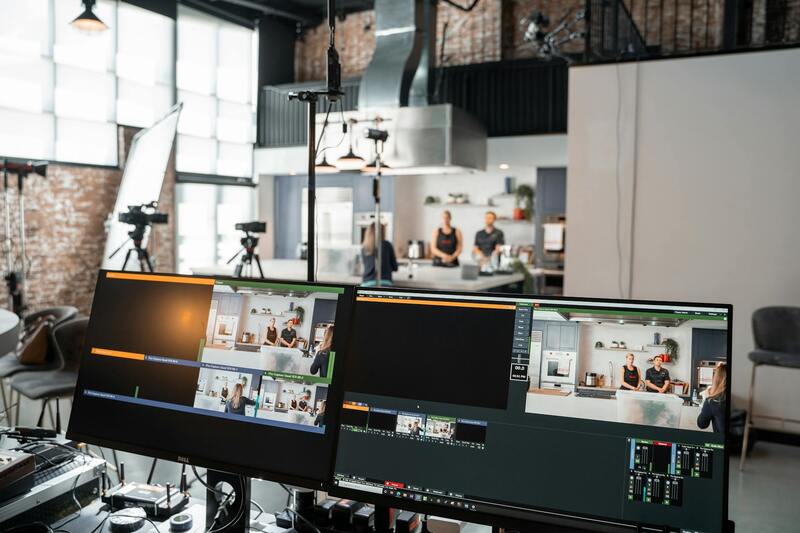
Stream management is facilitated by reliable streaming platforms, which handle the transmission of encoded content to audiences across diverse devices. These platforms often incorporate features such as adaptive bitrate streaming, bandwidth management, and integrated analytics. For real-time interactions and overlays, specialized software tools are employed. These enable producers to insert graphics, lower thirds, live polls, and chat overlays smoothly during a broadcast, enhancing viewer engagement and interactivity.
Hardware and software integration is managed through a dedicated control room or mobile setup, often requiring customizable routing equipment, switchers, and stream monitors. The choice of equipment directly influences the stability, quality, and scalability of live streams. As the technology evolves, emerging tools like virtual sets, augmented reality overlays, and multi-camera live switching systems are becoming increasingly prevalent, providing a richer viewing experience.
Investing in the right combination of equipment and maintaining it properly is crucial for consistently high-quality live streaming. Proper calibration, routine maintenance, and training ensure that the production team can respond swiftly to technical issues, minimizing disruptions during live broadcasts.
Advanced Techniques for Enhancing Live Streaming Quality
To ensure a seamless live streaming experience, it is essential to leverage advanced production methods that elevate broadcast quality and viewer engagement. Implementing multi-camera setups allows for dynamic switching between different angles, providing a more professional and engaging presentation. Using primary cameras complemented by dedicated close-up and wide-angle captures ensures comprehensive coverage of an event or presentation.
Incorporating real-time graphics and overlays, such as lower thirds, branding elements, and live annotations, can significantly enhance viewer understanding and retention. These visual augmentations require specialized software that integrates smoothly with live feeds, enabling on-the-fly updates without interrupting the broadcast flow.
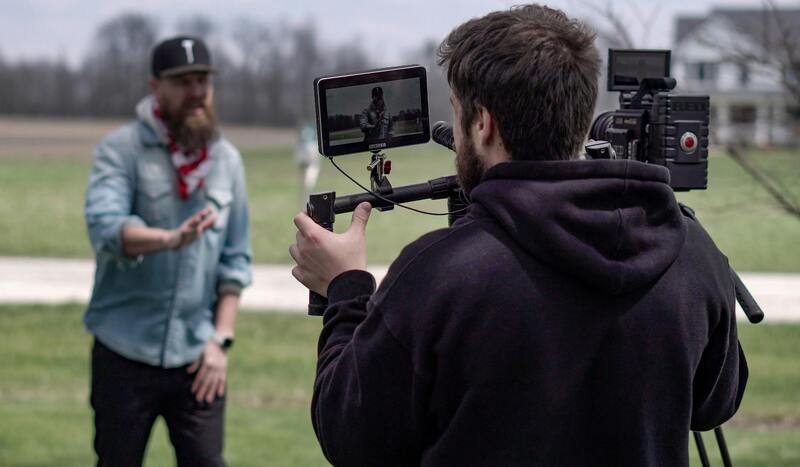
Audio quality remains paramount in live streaming. Utilizing professional microphones, audio mixers, and soundproofing techniques ensures that speech, music, and other audio elements are crisp and clear. Advanced audio processing tools can eliminate background noise, adjust levels dynamically, and apply echo reduction, resulting in a polished sound profile.
Anticipating technical issues through comprehensive testing prior to the event is critical. Conduct rehearsals to verify connectivity, synchronization, and equipment functionality. During the live event, having a dedicated technical director monitor the feed allows for immediate troubleshooting, ensuring the stream's stability.
Latency optimization is another crucial factor. Minimizing delay between the source and viewer enhances interactivity, especially for live Q&A sessions, polls, or social media integrations. Techniques such as low-latency streaming protocols and dedicated bandwidth allocation play vital roles in achieving this goal.
Emerging technologies like virtual sets, augmented reality (AR), and multi-layer compositing are transforming live production capabilities. Virtual sets create a realistic environment for presentations without physical set changes, while AR overlays add interactive elements directly into the live view. These tools require sophisticated hardware and software, but when executed correctly, they provide a compelling and innovative viewing experience.
On the technical side, seamless integration between hardware components—such as switchers, servers, and display monitors—is essential. Control systems like video routers and live switchers enable the director to seamlessly transition between feeds, add effects, and adjust audio levels in real-time. These equipment choices must align with the scale and scope of the production to ensure reliability and scalability.
As live streaming technology advances, the role of automation and remote control becomes more prominent. Automated camera presets, remote directing via IP, and AI-powered analytics facilitate more efficient production workflows. These innovations not only improve operational efficiency but also expand possibilities for creative storytelling in live broadcasts.
Proper maintenance and calibration of equipment, along with ongoing staff training, are vital. Establishing standard operating procedures (SOPs) for equipment setup and troubleshooting ensures consistency across productions. Additionally, staying updated on the latest technological trends equips production teams to deliver high-quality streams that meet modern viewer expectations.
Types of Live Streaming Events
Live streaming has become an integral part of various event formats, each demanding tailored production approaches to fulfill specific objectives. Understanding the different types of live streaming events allows producers to optimize their technology and content delivery methods for maximum impact.
Corporate Events
Corporate live streams encompass product launches, company announcements, webinars, and virtual conferences. These events require professional-grade production to ensure clear visual and audio quality, as well as seamless presentation transitions. High-quality graphics, real-time data overlays, and multiple camera angles help convey professionalism and engage remote audiences.
Quasi-Entertainment and Sports
Live streaming of sports competitions, concerts, and entertainment shows demands rapid switching between camera feeds, high bandwidth, and low latency. Multiple angles and high-definition visuals deliver an immersive experience, while integrated commentary and live chat functionalities foster viewer interaction.
Educational and Religious Services
Educational webinars, church services, and seminar series benefit from reliable streaming setups that support presentation tools and interactive features. Chosen platforms should facilitate real-time Q&A, polling, and document sharing to enhance viewer participation.
Community and Public Events
Festivals, town hall meetings, and social gatherings require scalable streaming solutions that accommodate varying audience sizes. A focus on accessibility, such as closed captioning and multilingual options, broadens reach and ensures inclusivity.
Execution of Live Streaming Production: Technical Workflow
Implementing a successful live streaming event involves meticulous coordination of numerous technical components, ensuring a smooth and engaging broadcast. Once the pre-production phase is complete, the production team moves into the execution stage, which demands precision and real-time management of various elements.
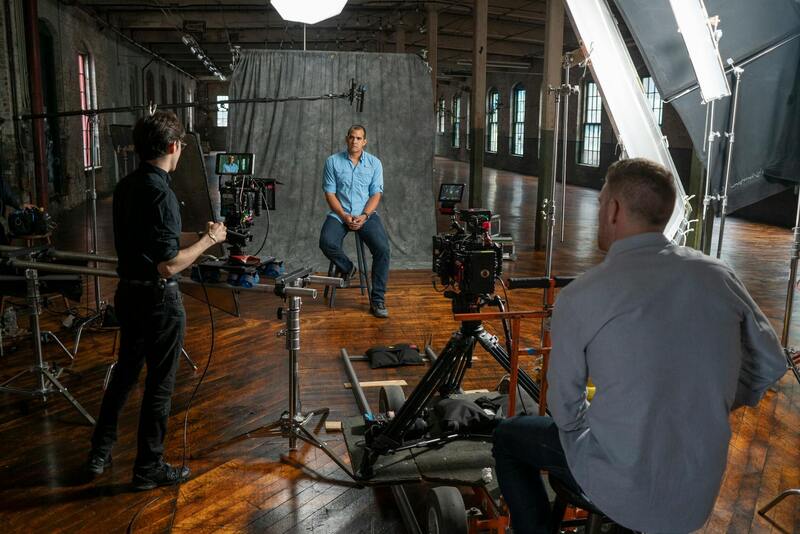
The process begins with the setup of camera systems based on the event's scope and requirements. High-definition professional cameras are synchronized with video capturing equipment and mounted on stabilizers or tripods to deliver steady footage. Multiple camera angles offer dynamic visual perspectives, enriching the viewer experience. These video feeds are transmitted to a central switching station where operators select the appropriate angles, switching seamlessly between cameras to maintain visual interest.

Audio management is equally critical. Directional microphones, lapel mics, or ambient audio sources are connected to mixing consoles. These allow the crew to balance sound levels, filter background noise, and ensure clarity, vital for conveying messages effectively. Audio signals are synchronized with video feeds to prevent lip-sync issues.
Graphics and overlays are integrated into the live stream to enhance branding and convey real-time information. These include lower thirds, event branding, or data overlays like live polling results. Software-based graphics systems enable quick updates and customization during the event, contributing to a polished presentation.
The live feed is then encoded using professional streaming hardware or software encoders, which compress the digital signals into formats suitable for transmission over the internet. These encoders include options for multi-bitrate streaming, ensuring compatibility with various viewer devices and internet speeds. Transmission is generally done via high-bandwidth internet connections, often supported by backup links to ensure uninterrupted delivery.
Stream management extends beyond technical execution; monitoring tools track stream health, latency, and viewer engagement. Technical staff continuously oversee the broadcast, ready to troubleshoot issues such as dropped signals, audio mismatches, or visual artifacts. This proactive approach minimizes disruptions and maintains quality throughout the session.
Distributing the live stream involves streaming platforms or content delivery networks (CDNs). Multi-platform streaming, also known as simulcasting, allows simultaneous broadcast across different channels—such as social media, corporate websites, or dedicated streaming platforms—maximizing reach. Each platform may require specific encoding settings or integration methods to ensure compatibility and stability.
Post-event, the recorded footage can be archived for on-demand access or further editing, but during the event itself, the focus remains on live, real-time delivery. This integrated workflow requires experienced technical personnel, advanced equipment, and well-orchestrated processes to ensure the production's success from start to finish.
Understanding Live Streaming Production
Effective live streaming production involves a seamless integration of multiple technical and creative elements to deliver a professional broadcast experience. It starts with careful planning, where the content, target audience, and message are clearly defined. This foundation guides decisions related to equipment selection, crew roles, and the overall production flow. In addition to the technical setup, creative elements such as script development, visual design, and on-screen graphics enhance viewer engagement and reinforce branding. High-quality live streaming production emphasizes stability, clarity, and interactivity, requiring meticulous coordination between technical teams and content creators.
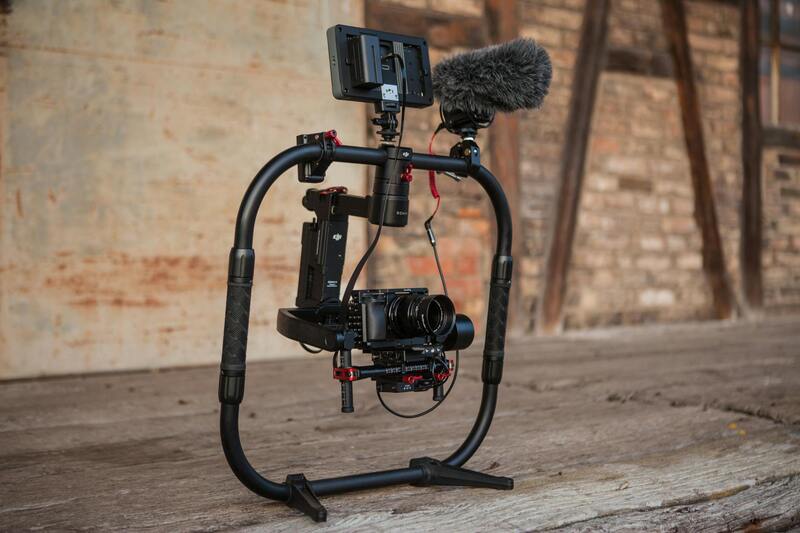
In many cases, professionals leverage multiple camera angles to create a dynamic viewing experience that mimics traditional broadcast productions. Switching between camera feeds in real-time, alongside overlays and graphics, requires a skilled operator or producer managing the broadcast control room. This process includes ensuring synchronized audio and video feeds, adjusting for lighting conditions, and maintaining the flow of content. Reliable internet connectivity is critical, often requiring dedicated lines or bonded connections to support uninterrupted streaming. Using redundant systems, such as backup encoders or secondary internet sources, helps mitigate risks related to technical failures.
Key Equipment and Technology in Live Streaming
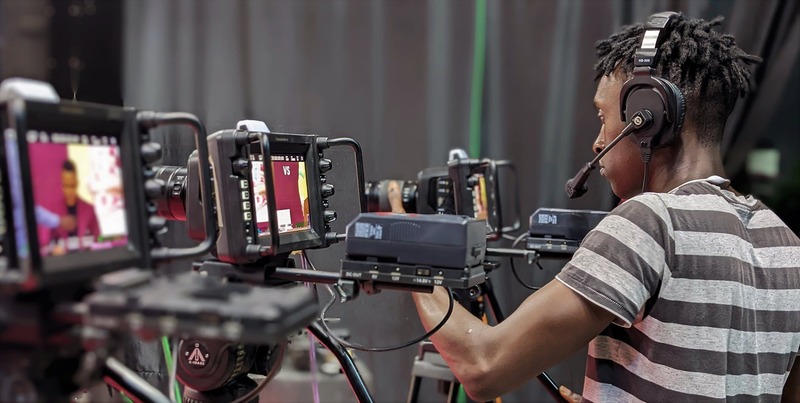
A comprehensive live streaming setup depends on a mix of hardware and software tools. Essential equipment includes high-definition cameras, professional audio interfaces, switchers, and encoders. Hardware encoders convert raw video signals into compressed digital streams, optimized for transmission. Software encoders, such as OBS or vMix, offer flexibility for customization, overlays, and multi-source management. Streaming servers or content delivery networks facilitate the distribution of content to viewers across multiple platforms simultaneously, ensuring scalability and low latency.
- High-definition cameras for clear visuals
- Professional microphones and audio mixers for pristine sound
- Switchers and vision mixers to control camera feeds and graphics
- Hardware or software encoders for effective compression
- Reliable internet connection, preferably with backup options
- Streaming platforms integrated with the production pipeline
Types of Live Streaming Events
Live streaming encompasses a diverse range of event types, each requiring tailored production approaches. Corporate events such as webinars, product launches, or executive presentations demand professionalism and brand consistency. Entertainment events, including concerts, theater performances, or awards ceremonies, highlight visual and audio production quality to captivate audiences. Educational sessions, workshops, and conferences focus on clear content delivery and interaction capabilities. Sports broadcasts and competitive gaming require high frame rates, low latency, and multiple camera feeds for immersive viewer experiences. Each event type presents unique challenges and opportunities for engaging audiences effectively.
Pre-Production Planning for Live Streaming
Pre-production is a crucial phase that ensures the success of any live streaming event. It begins with defining goals, selecting appropriate platforms, and establishing technical requirements. Content scripting, storyboarding, and rehearsals help identify potential logistical issues and refine presentation formats. Collaborating with hosts, speakers, and technical teams sets clear roles and responsibilities. Detailed shot lists, camera angles, and graphics cues are prepared to streamline on-site operations. Securing necessary permits, coordinating with venue staff, and testing all equipment prior to the event reduces the likelihood of errors. Effective pre-production planning results in a smooth, professional broadcast and enhances overall viewer satisfaction.
Choosing the Right Infrastructure for Live Streaming Production
Developing a robust infrastructure is crucial for delivering seamless live streams that meet audience expectations for quality and reliability. Establishing a dedicated, high-bandwidth internet connection helps prevent interruptions and buffering issues during the broadcast. Utilizing enterprise-grade network equipment ensures stable data transfer rates and allows for the handling of multiple data streams simultaneously, which is essential for broadcasts with several camera angles or additional graphic overlays.
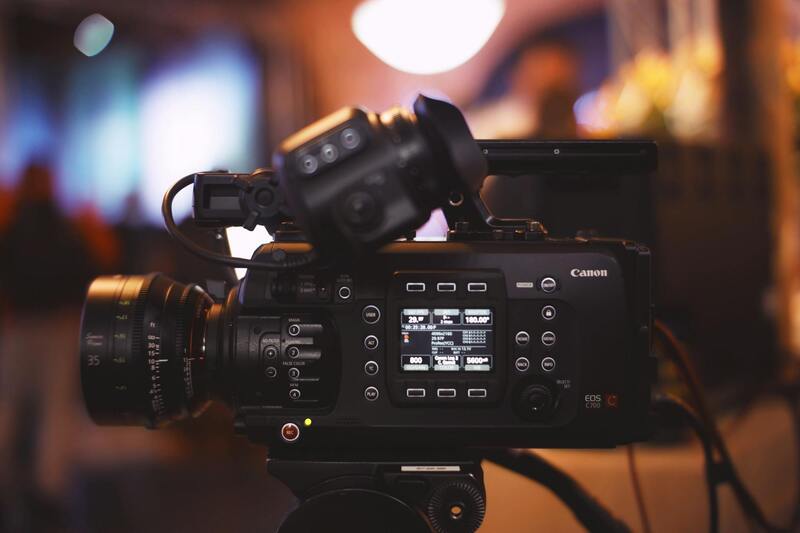
Implementing redundant systems, such as backup internet connections and power supplies, minimizes risks associated with technical failures. These redundancies allow the production to switch over seamlessly in case of primary system issues, ensuring continuous broadcast delivery. Employing quality hardware like professional-grade encoders, video switchers, and audio mixers is also fundamental. These devices provide the flexibility and stability needed to manage complex live production setups effectively.
Optimizing Audio and Video Quality
- Video Encoding: Use of advanced encoding algorithms optimizes video quality while minimizing bandwidth usage. Hardware encoders designed for live streaming deliver superior performance compared to software-based options, especially in high-production scenarios.
- Audio Clarity: Professional microphones, audio mixers, and noise suppression technology ensure clear sound reproduction. Proper audio monitoring allows for real-time adjustments, maintaining consistent audio quality throughout the stream.
- Lighting: Adequate illumination enhances video clarity and reduces noise. Proper lighting setups contribute significantly to a polished, professional look.
Leveraging Cloud-Based Solutions
Cloud-based platforms facilitate scalable and flexible streaming, allowing production teams to adapt quickly to changing event needs. These solutions support multi-platform streaming, real-time analytics, and remote production capabilities, reducing the need for extensive on-site equipment. Integrating cloud services with traditional setups can streamline workflows, improve collaboration among remote teams, and facilitate higher-quality broadcasts.
Implementing Effective Workflow Management
From setup to live transmission, a defined workflow enhances efficiency and minimizes errors. Detailed checklists for equipment setup, testing procedures, and role assignments keep the production organized. Pre-event rehearsals should include full simulation of the live stream, allowing technical teams to identify and resolve potential issues beforehand. During the event, real-time monitoring of stream health, audio levels, and visual elements enables immediate corrective actions, ensuring a polished broadcast.
By investing in the right infrastructure and optimizing all technical components, live streaming production can achieve a level of professionalism that resonates with audiences and meets their expectations for high-quality content.
Advanced Techniques for Ensuring High-Quality Live Streaming Production
Achieving a seamless and professional live streaming experience requires meticulous attention to advanced production techniques that extend beyond basic setup. Incorporating techniques such as multi-camera switching, real-time graphic overlays, and high-quality audio mixing significantly enhances viewer engagement and ensures the broadcast maintains a polished appearance. Utilizing multi-camera setups allows producers to capture different angles, providing a dynamic viewing experience that keeps audiences engaged. Real-time graphics, including lower thirds, captions, and branding elements, can be integrated smoothly with live footage, elevating the production value. In addition to visual enhancements, sound design plays a crucial role in live streaming quality. Employing professional audio mixers, optimizing microphone placement, and utilizing noise suppression techniques lead to clearer, balanced audio that complements the visual content. Advanced audio processing can also include spatial audio effects to create a more immersive experience, especially for virtual events.
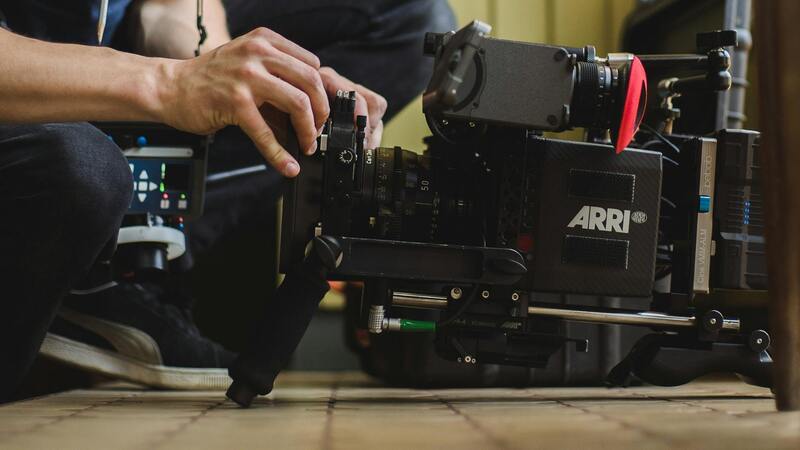
Implementing reliable streaming protocols such as Secure Reliable Transport (SRT) or Real-Time Messaging Protocol (RTMP) enhances stream stability and reduces latency. These protocols are vital for maintaining a consistent broadcast, particularly in scenarios involving variable internet conditions. Integrating redundant streaming pathways with backup internet connections minimizes downtime and ensures continuous transmission. Furthermore, employing professional encoding hardware that supports hardware acceleration can improve compression efficiency and video quality while reducing latency. Encoders with adaptive bitrate streaming capabilities dynamically adjust quality based on viewer bandwidth, providing a smooth experience across diverse devices and network conditions.
Effective Monitoring and Troubleshooting During Live Streams
Active monitoring tools are indispensable for maintaining quality throughout a live event. Real-time dashboards displaying metrics such as bit rate, buffer rates, and watermarks enable technical teams to detect and address issues swiftly. Automated alerts for signal drops or audio discrepancies facilitate immediate responses, preventing minor issues from escalating. Troubleshooting strategies include having pre-configured contingency plans, such as switching to alternate feeds or lower-quality streams when technical difficulties arise. Regular rehearsals and technical checks before the live event contribute to identifying potential weak spots in the production workflow.
Scaling Live Streaming Production for Larger Audiences
Scaling live streaming to accommodate larger audiences involves optimizing infrastructure and employing content delivery networks (CDNs). CDNs distribute content efficiently across global servers, reducing latency and buffering issues for viewers regardless of their location. To manage high concurrent viewers, using load balancing techniques ensures no single server becomes a bottleneck. Additionally, multi-channel streaming strategies distribute content across various platforms, such as social media and dedicated websites, expanding reach and engagement. Proper planning includes estimating bandwidth requirements, deploying sufficient server capacity, and coordinating with streaming service providers to ensure scalable performance.
Implementing Security Measures in Live Streaming Production
Protecting live streams from unauthorized access and interference is a top priority in professional production. Implementing secure streaming protocols, such as encryption and tokenized access, prevents unauthorized viewing. Regular security audits and updates to streaming software are essential to address vulnerabilities. Secure production environments also involve controlled access to production equipment and live feeds. Limiting network access through firewalls and VPNs ensures that only authorized personnel can manage streaming workflows. These measures secure the integrity of the broadcast and uphold the professionalism of the production.