
Overview of Live Broadcast Services
Live broadcast services have become an integral component of modern media dissemination, offering real-time streaming of events to audiences across the globe. These services encompass a comprehensive range of solutions designed to deliver high-quality audio and video content directly to viewers, whether through online platforms, television networks, or corporate channels. The core feature of live broadcast services is their ability to transmit live footage instantly, providing an immersive experience for viewers who seek immediate access to events such as conferences, concerts, sports matches, or corporate announcements.
At the heart of this technology is a sophisticated infrastructure that ensures seamless data transfer from production locations to the audience’s screens. High-definition video production, synchronized audio, reliable internet connectivity, and real-time editing are all critical components that contribute to a flawless broadcast. These services not only enable live transmission but also facilitate interactive features such as viewer polls, live chat, and real-time social media engagement, amplifying audience participation and engagement.

For production agencies, deploying live broadcast services is a strategic approach to expanding their reach and enhancing event visibility. The importance of these services lies in their ability to bridge geographical gaps, allowing remote viewers to experience events as they happen, with minimal delay and maximum clarity. As digital consumption continues to grow, the demand for reliable, high-quality live streaming solutions rises correspondingly. This shift underscores the necessity for professional live broadcast services that can handle the technical complexity involved in delivering seamless live content.

In essence, live broadcast services are more than mere transmission solutions; they are dynamic tools for storytelling, marketing, and corporate communication. Their ability to provide real-time, engaging content makes them invaluable for a multitude of applications, from breaking news coverage to large-scale entertainment events. As technology advances, these services continue to evolve, integrating new features such as 4K streaming, multi-camera feeds, and cloud-based production workflows, further enriching the viewing experience and expanding the possibilities for event coverage.
Equipment and Technology Used in Live Broadcasting
To ensure a seamless and high-quality live streaming experience, professional live broadcast services in Miami employ state-of-the-art equipment and advanced technological solutions. Central to this setup are high-definition cameras capable of capturing every detail with clarity, even in challenging lighting conditions. These cameras are often complemented by professional-grade switchers and mixers that allow real-time transitions, overlays, and effects, enhancing the visual presentation of the broadcast.
Audio quality is equally critical, and the use of high-fidelity microphones, mixers, and sound processors ensures that every word or sound source is delivered with precision and clarity. This attention to audio detail ensures that viewers feel engaged and are not distracted by poor sound quality.
For transmission, these services utilize robust encoding hardware and software that compress high-definition signals efficiently, reducing latency and buffering. This is complemented by reliable content delivery networks (CDNs) and servers strategically positioned to distribute live content globally with minimal delay. The deployment of cloud-based infrastructure allows for flexibility and scalability, enabling broadcasters to handle large audiences seamlessly.
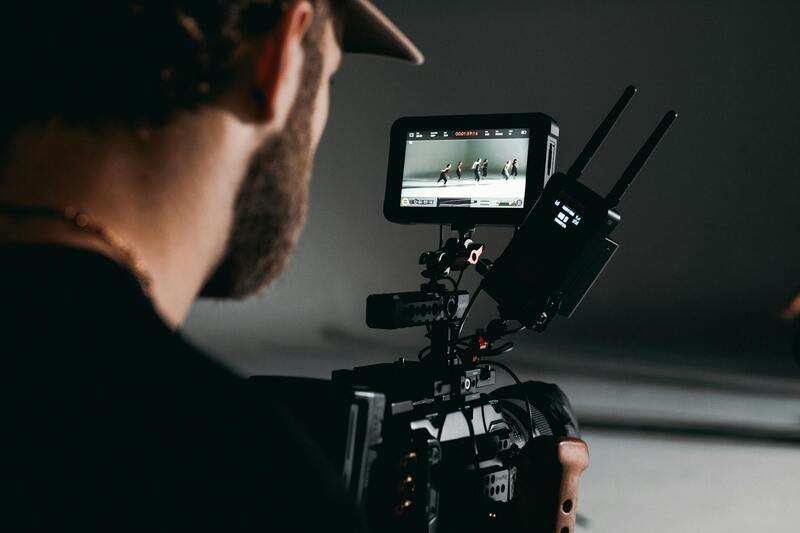
Additional technological innovations such as multi-platform streaming software permit simultaneous distribution across various social media channels and websites, expanding reach and maximizing engagement. Live broadcasters also rely on real-time analytics tools to monitor stream quality, viewer interactions, and engagement metrics during the event, allowing immediate adjustments if necessary.
Furthermore, remote production capabilities have become integral, enabling technicians and directors to manage the broadcast from different locations, coordinated through high-speed internet connections and secure VPNs. This distributed approach not only reduces onsite complexity but also ensures continuity and high performance regardless of physical location constraints.
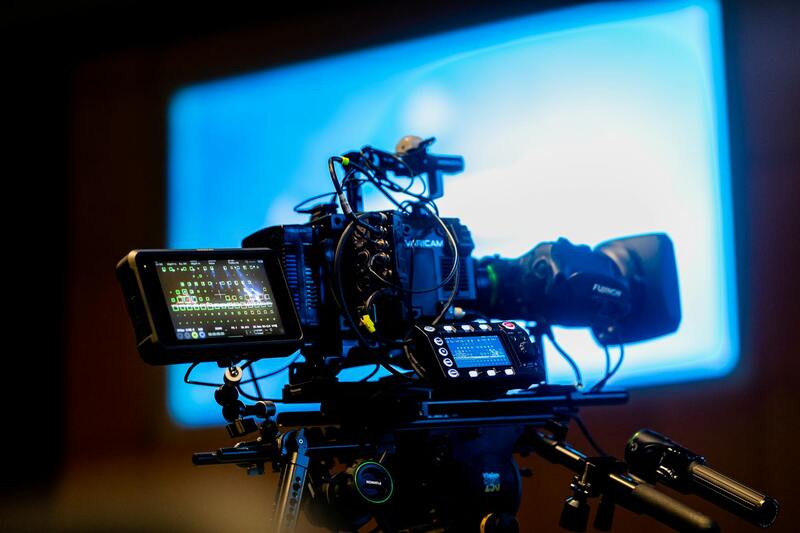
By leveraging these specialized tools and sophisticated technology stacks, live broadcast services in Miami deliver crisp visuals, synchronized audio, and low-latency streams that meet the highest standards of professionalism. This technological foundation is essential for producing content that captivates audiences and meets the expectations of modern digital viewers, whether during corporate events, concerts, or live sporting occasions.
Equipment and Technology Used in Live Broadcasting
Successful live broadcast services rely heavily on a sophisticated array of equipment and cutting-edge technology to guarantee seamless streaming experiences across various platforms. The core hardware includes high-definition cameras capable of capturing both wide-angle shots and detailed close-ups, ensuring that the visual quality remains sharp and engaging for viewers. In addition to cameras, professional-grade audio equipment such as wireless microphones, mixing consoles, and digital soundboards optimize audio clarity and synchronization, which are crucial for conveying the atmosphere and emotions of live events.
Connectivity solutions form the backbone of any high-quality live broadcast. Robust internet connections, often supported by dedicated fiber-optic lines, ensure stable data transmission and minimize latency issues. Redundant internet links are commonly deployed to prevent disruptions in case of primary connection failure, thereby maintaining uninterrupted streams. Routers, switches, and network hardware optimized for high bandwidth and low latency facilitate an efficient data flow from onsite production to streaming servers.
Software tools play a pivotal role in orchestrating the live broadcast process. Live switching software allows operators to seamlessly transition between multiple camera feeds, overlay graphics, and incorporate real-time special effects. Stream management platforms enable encoding, transcoding, and multi-platform distribution, ensuring that the final content is compatible across various social media channels, websites, and broadcasting networks. Real-time analytics tools are integrated to monitor stream quality, viewer engagement, and technical performance, providing immediate feedback to operators for necessary adjustments.
Furthermore, remote production systems leverage high-speed internet and virtual private networks (VPNs) to manage broadcasts from distant locations. These setups allow directors, producers, and technical staff to collaborate and direct the live stream without being physically onsite. Additionally, hardware such as video encoders and decoders converts signals into live streams, optimizing the delivery process for high-definition, low-latency content.
Execution of Live Broadcasts
Effectively executing a live broadcast requires meticulous coordination between the technical team, production crew, and on-air talent. The core of this process involves ensuring that all equipment functions seamlessly and that the broadcast maintains optimal quality throughout its duration. Prior to going live, comprehensive system checks and test runs are conducted to identify any potential issues that could disrupt the streaming experience. During the broadcast, dedicated operators monitor the live stream’s health, including video and audio quality, latency, and real-time viewer engagement metrics.
An efficient live broadcast setup involves multiple coordinated steps:
- Video and Audio Management: Skilled directors and technical operators switch between camera feeds, manage graphic overlays, and control audio levels to ensure a polished final presentation.
- Stream Stability Monitoring: Continuous oversight of internet bandwidth, encoder performance, and server health to prevent interruptions or quality degradation.
- Communication Protocols: Use of clear, established communication channels among crew members ensures swift responses to technical issues or changes during the broadcast.
- Engagement and Interaction: Incorporating real-time viewer interactions, such as live polls, comments, or Q&A sessions, can enhance audience engagement and provide immediate feedback for adjustments.

Post-Broadcast Services and Content Repurposing
Once the live event concludes, the focus shifts towards post-broadcast activities aimed at maximizing content value. High-quality recordings of the stream are saved for on-demand viewing, enabling extended audience engagement beyond the live window. Editors can utilize these recordings to produce highlights, teaser clips, or condensed versions suited for social media sharing.
Content repurposing involves several specific strategies:
- Clipping Highlights: Creating short, impactful segments that can be easily shared across different platforms, increasing visibility and reach.
- Transcription and Captioning: Adding accurate captions or transcripts enhances accessibility and SEO performance, making content more discoverable.
- Segmented Edits: Breaking the full broadcast into thematic sections allows for targeted marketing and content distribution.
- Distribution across Multiple Platforms: Releasing content on social media portals, video-sharing sites, and streaming platforms to broaden audience outreach.
Execution of Live Broadcasts
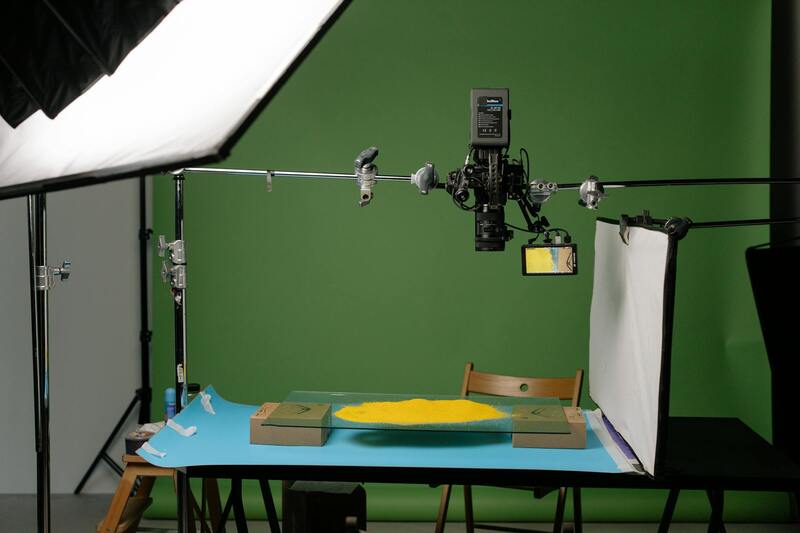
Effective execution of live broadcasts hinges on meticulous coordination of various technical elements to ensure a seamless viewing experience. During the live event, professionals deploy a comprehensive setup involving multiple high-definition cameras, each positioned strategically to capture different angles and aspects of the event. These cameras are operated by skilled technicians who continuously monitor the footage, switching seamlessly between camera feeds based on the action or focus of the scene.
Audio management is equally vital, requiring real-time adjustments to sound levels, balancing microphones, and filtering out background noise to maintain clarity. Specialized audio mixing consoles facilitate this process, allowing operators to prioritize different audio sources such as speakers, interviews, or background sounds, ensuring the broadcast remains engaging and intelligible.
One of the core responsibilities during live broadcasting involves managing live switching, which requires precise coordination between technical operators and directors. Switching involves transitioning smoothly between camera feeds, multimedia inserts, or graphics overlays, all while maintaining narrative flow. This process demands an experienced team to anticipate moments that require visual emphasis, ensuring the broadcast maintains a professional and polished appearance.
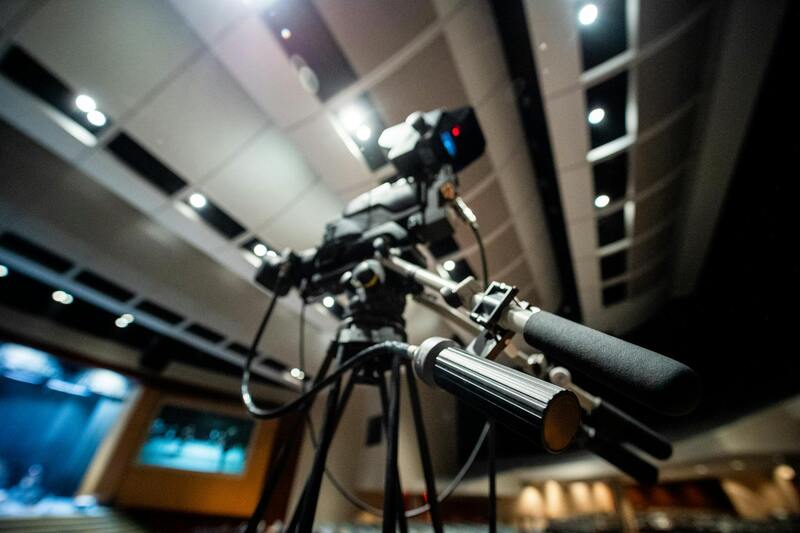
Real-time troubleshooting is crucial to handle unexpected issues promptly. This includes addressing potential connectivity disruptions, resolving audio or video glitches, and managing software or hardware malfunctions. Having backup systems and technical expertise on hand minimizes downtime and guarantees the broadcast proceeds without interruption.
Advantages of Using Professional Equipment and Technologies
- High-Resolution Video Capture: Ensures a crisp, clear picture that enhances viewer engagement and accommodates larger screens.
- Advanced Encoding Hardware: Enables efficient, high-quality streaming with minimal latency.
- Reliable Internet Connectivity: Critical for continuous, uninterrupted live streaming; often supplemented with backup internet sources.
- Interactive Streaming Platforms: Facilitate real-time viewer engagement through chat, polls, and Q&A features, making broadcasts more interactive and dynamic.
- Integrated Graphics and Overlays: Enhance visual appeal with branding, lower thirds, and live annotations.

Utilizing the latest technology not only improves broadcast quality but also increases operational efficiency. It simplifies complex production processes and enables the delivery of content that meets professional standards. Furthermore, these tools provide flexibility for on-the-fly adjustments, which is critical in maintaining the broadcast's flow and viewer engagement in real-time.
Execution of Live Broadcasts
Proper execution is integral to delivering a seamless live broadcast that engages the audience and upholds production standards. This phase involves meticulous coordination among the technical team, hosts, and production staff to ensure that all elements are synchronized and functioning optimally. Prior to going live, comprehensive checklists are employed to verify equipment operation, connectivity stability, and content readiness.
During the broadcast, continuous monitoring is essential. This includes real-time surveillance of video and audio feeds, ensuring clarity and synchronization, and managing transition effects or graphics. Technical operators are tasked with overseeing encoder performance, managing live chat interactions, and implementing any pre-planned interjections or overlays. Flexibility and quick decision-making are vital, especially when unexpected issues arise.

In addition to handling live technical challenges, the team manages audience engagement strategies, including moderated chat and interactive polls, increasing viewer retention and participation. The seamless transition between segments, camera angles, and multimedia overlays relies heavily on skilled directing and real-time coordination.
Monitoring and Troubleshooting During the Broadcast
- Constant system diagnostics to detect latency or connectivity issues
- Quick identification and resolution of audio/video discrepancies
- Backup systems activation when primary equipment encounters faults
- Adjustment of camera angles or graphic overlays to keep the broadcast dynamic and professional
- Effective communication among crew members through headsets or signaling systems
Effective troubleshooting minimizes disruptions, ensuring the audience experiences a high-quality stream without noticeable issues. Post-broadcast, a thorough review of the live event helps identify areas for improvement and consolidates lessons learned for future productions.

Execution of Live Broadcasts
Successfully delivering a live broadcast requires meticulous execution, seamless coordination, and real-time problem-solving. During the event, technical teams continuously monitor the streaming channels to ensure optimal video and audio quality, minimal latency, and stable connectivity. This ongoing supervision involves checking bandwidth usage, verifying encoding processes, and adjusting parameters as necessary to prevent disruptions.
Operators oversee camera switching, graphic overlays, and multimedia integrations, ensuring that transitions are smooth and visually appealing. They rely on real-time data and communication tools to make rapid adjustments, such as switching camera angles, inserting logos, or updating on-screen information to keep the broadcast engaging and professional.
Communication plays a crucial role during live events. Crew members use headsets and signaling systems to coordinate actions, address unexpected issues, and implement contingency plans promptly. When technical difficulties like audio dropouts, synchronization issues, or streaming lags occur, the team identifies and resolves them swiftly, activating backup systems when necessary to maintain broadcast continuity.
Dynamic camera management, including multi-camera setups and live switching, contributes significantly to the viewer experience. Skilled operators utilize robotic cameras, switchers, and real-time editing software to create a polished, broadcast-quality presentation. This technical orchestration requires a high level of expertise and patience, especially when adapting to live audience reactions and spontaneous moments.
Furthermore, real-time engagement features such as live chat moderation, interactive polls, and instant overlays are managed efficiently to foster viewer participation and sustain interest throughout the stream. Proper coordination ensures seamless integration of these elements, enhancing the overall impact of the broadcast.
Post-event, a comprehensive review examines performance metrics, viewer feedback, and technical logs. This analysis helps identify strengths and pinpoint areas for improvement, enabling continuous refinement of live production strategies and technologies. Maintaining a high standard through expert execution guarantees that each live broadcast solidifies the audience’s trust and consolidates the brand’s reputation.
Ensuring Quality and Authenticity in Live Broadcasts
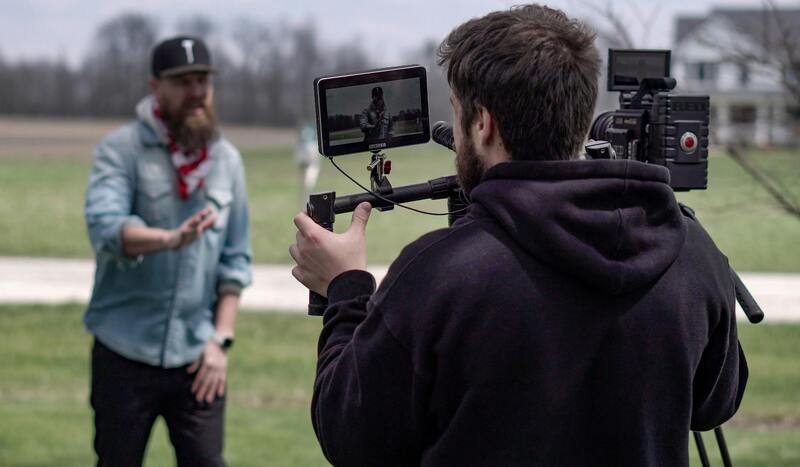
To guarantee a seamless and high-quality live streaming experience, organizations must utilize official and reputable live broadcast services. Engaging with experienced providers that adhere to established standards ensures the broadcast aligns with industry best practices, guaranteeing reliability and security throughout the streaming process.
Official live broadcast services employ cutting-edge technology and adhere to rigorous quality control measures. This includes using certified streaming platforms and secure content delivery networks (CDNs) to prevent interruptions and protect sensitive content. Such providers typically have robust infrastructure, including redundant servers and backup systems, which are essential for maintaining broadcast continuity even during unforeseen technical issues.
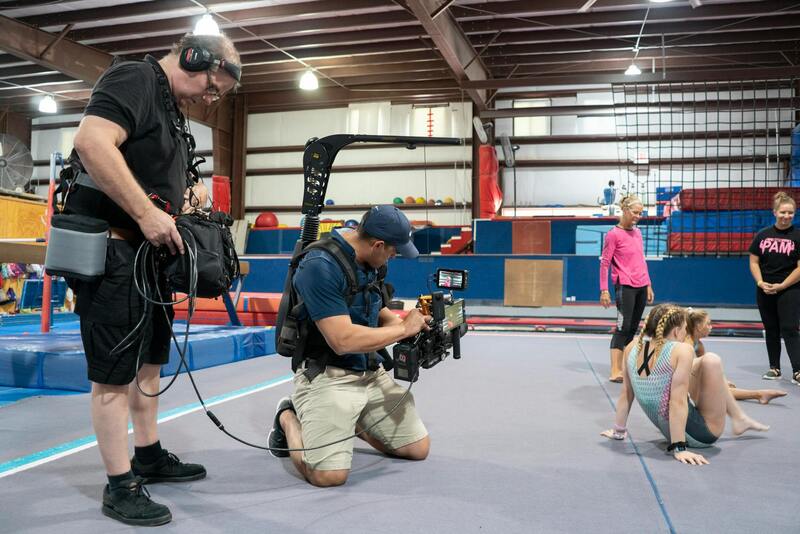
Content authenticity is equally critical. Official service providers source licensing agreements, utilize licensed distribution channels, and follow regulatory guidelines designed to ensure that all content shared is legitimate. This adherence supports a transparent broadcasting environment, fostering trust with viewers and stakeholders.
Established Methods for Authentic Broadcasts
- Secured Streaming Platforms: Utilizing well-known, verified streaming platforms with proven track records for uptime and security.
- Encrypted Data Transmission: Implementing encryption protocols to safeguard live content against unauthorized access or interception.
- Content Certification: Ensuring all content is verified for originality and licensing compliance before broadcast.
- Professional Verification Processes: Employing detailed checks and standardized workflows for quality assurance and content validation.
Maintaining Transparency and Trust
Partnerships with broadcasters that uphold industry standards and have transparent operational procedures are vital. They provide clients with detailed reporting, real-time monitoring, and technical support, which collectively contribute to a trustworthy streaming environment. Reliable services also include comprehensive contingency plans that address potential disruptions, ensuring the stream remains active regardless of issues that may arise.
Opting for Certified Equipment and Technology
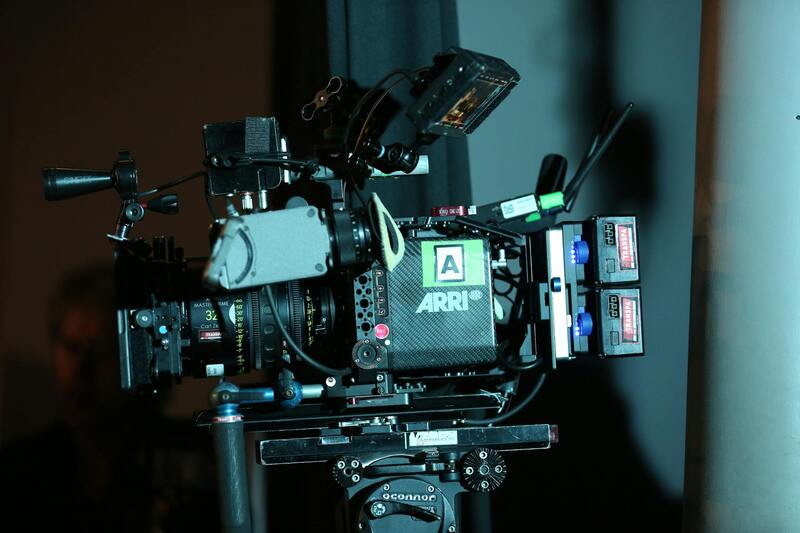
Authentic live broadcast services use certified and high-precision equipment, including professional-grade cameras, audio devices, and broadcasting hardware. The integration of modern encoding and compression technologies ensures the best possible resolution and minimal latency, creating a broadcast that looks professional and feels engaging to the audience.
Technical Support and Ongoing Monitoring
A hallmark of legitimate broadcast services is dedicated technical support, available during the entire live event. This support includes real-time troubleshooting, detailed performance monitoring, and rapid response to technical issues, all aimed at maintaining a smooth and professional broadcast experience. Continuous monitoring ensures that technical issues are swiftly identified and mitigated, limiting viewer impact.
Conclusion
Opting for official live broadcast services that adhere to industry standards and utilize verified technology not only guarantees a professional presentation but also fosters viewer trust and engagement. By prioritizing quality, security, and transparency, organizations can deliver compelling live content that elevates their brand and achieves their communication goals effectively.