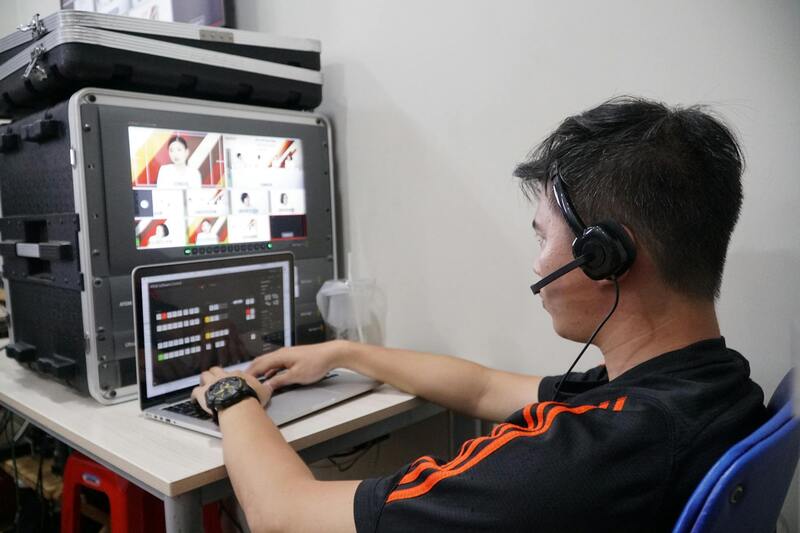
Understanding Live Video Streaming Services
Live video streaming services have become an essential component of modern digital communication, enabling real-time content delivery across various industries. These services facilitate the seamless broadcast of live events, webinars, corporate meetings, educational sessions, and entertainment shows to audiences around the world. The core function of a live video streaming company is to provide reliable infrastructure, advanced technology, and tailored solutions that ensure high-quality, uninterrupted streaming experiences. As a vital part of digital marketing and information dissemination, live streaming allows businesses and organizations to engage with their audiences interactively and instantly, fostering stronger connections and expanding reach.
At its essence, a live video streaming service involves capturing live footage through specialized cameras, encoding this data for efficient transmission, and delivering it via robust content delivery networks (CDNs) to viewers' devices. The entire process demands precision, speed, and scalability to handle varying audience sizes, from small corporate meetings to large public events. These services often include features such as multi-platform compatibility, live chat interactions, and real-time analytics, which enhance viewer engagement and provide valuable insights for content optimization.

Providers typically manage end-to-end solutions that encompass setting up the necessary streaming infrastructure, ensuring network stability, and offering support for content monetization when needed. The demand for professional-grade live streaming is growing across sectors such as entertainment, sports, education, corporate communications, and government announcements. Their significance lies in enabling instant global communication, boosting brand visibility, and creating immersive experiences that are crucial in today's fast-paced digital landscape.
Understanding how these services work and what they entail is fundamental for organizations aiming to leverage live video streaming's full potential. By partnering with established providers, they can ensure that their broadcasts are technically sound, compliant with relevant standards, and capable of meeting audience expectations for quality and reliability.
Key Technologies and Infrastructure
At the core of a successful live video streaming service lies a robust technological infrastructure capable of supporting high-quality, real-time content delivery. Essential components include advanced encoders, reliable content delivery networks (CDNs), powerful servers, and scalable bandwidth solutions. Encoders are responsible for compressing and converting video inputs into streamable formats, ensuring minimal latency and optimal resolution. Reliable CDNs act as the backbone of the streaming ecosystem, distributing content efficiently across geographic regions to reduce buffering and latency, especially critical in a vibrant and diverse market like Miami.
Modern streaming providers leverage cutting-edge technology stacks that incorporate adaptive bitrate streaming, enabling viewers to enjoy uninterrupted playback regardless of their device or internet speed. This technique dynamically adjusts video quality based on real-time network conditions, delivering a consistent viewing experience. Additionally, multi-platform compatibility is non-negotiable; the infrastructure must seamlessly support streaming on desktops, mobile devices, smart TVs, and even emerging connected devices.
Supporting infrastructure also includes content management systems (CMS) that facilitate live event scheduling, user access control, and content archiving. Backup systems and redundancy protocols are vital to maintain service continuity during unforeseen outages or technical issues. Security features such as encryption and secure token authentication help safeguard content and prevent unauthorized access.
In terms of hardware, top-tier streaming providers utilize state-of-the-art servers housed in data centers in close proximity to Miami or within the region to reduce latency. This local presence facilitates rapid support and troubleshooting, ensuring the uptime and reliability of broadcasts. High-capacity internet connections, often with multiple fiber optic links, are essential to handle large viewer volumes without degradation of quality.
Overall, the combination of advanced encoding solutions, globally distributed CDNs, and high-speed, secure networking forms the backbone of efficient live video streaming operations. These technological pillars are what allow providers to meet the high standards demanded by users in Miami for professional, seamless broadcasting experiences.

Customization and Content Delivery
Effective live streaming solutions are distinguished by their capacity for customization, allowing content providers to tailor the broadcast experience to their specific audience and branding requirements. This customization ranges from personalized overlays, interactive features, and branded interfaces to advanced access controls.
Content delivery methods are equally pivotal. Providers typically employ adaptive streaming techniques, such as HLS (HTTP Live Streaming) or DASH (Dynamic Adaptive Streaming over HTTP), which adjust video quality in real-time to accommodate varying internet speeds among viewers. This ensures that users, whether accessing via high-speed fiber or mobile networks, receive the best possible quality without interruption.
For events targeting local Miami audiences, geo-restrictions and region-specific content delivery networks help optimize latency and reduce regional buffering issues. Additionally, multi-language support or localized content integrations can enhance engagement for diverse demographic groups within Miami.
Interactive features like live chat, polls, and viewer reactions can be integrated into the stream, fostering real-time engagement and community building. Content scheduling and on-demand access options also empower organizers to maximize reach and monetization potential.
Security remains a top priority, with features such as secure streaming tokens, DRM (Digital Rights Management), and encrypted transmissions to protect intellectual property and ensure a trusted viewing environment.
Combining these adjustable elements with efficient content delivery strategies enables organizations to create compelling, engaging live broadcasts that resonate with Miami's diverse and dynamic viewer base.

Client Types and Use Cases in Miami
Miami's vibrant business landscape and diverse cultural scene present a broad spectrum of opportunities for live video streaming services. Corporate entities leverage live streaming for product launches, investor presentations, and internal communications, especially in a region known for its dynamic commercial activities. Educational institutions utilize live streams for lectures, seminars, and virtual campus tours, catering to students locally and internationally.
Event organizers and entertainment venues frequently deploy live streaming to broadcast concerts, festivals, and sports events to maximize audience reach beyond physical attendance. The robust demand for broadcasting cultural and community celebrations, such as Miami Art Week or Art Basel, underscores the importance of high-quality live streams for event promotion and engagement.
Government and municipal services in Miami use live streaming to communicate public safety information, city events, and community outreach programs. Religious organizations harness live broadcasts to reach congregations spanning diverse neighborhoods.
Non-profits and advocacy groups also employ live streams to foster awareness and facilitate fundraising campaigns with real-time engagement. Similarly, real estate firms utilize live virtual tours to showcase properties to potential buyers across the globe.
In terms of use case diversity, Miami's live streaming services support a range of formats from simple single-camera broadcasts to sophisticated multicamera productions with integrated graphics, overlays, and remote guest participation. This versatility allows providers to cater to the unique demands of each client sector, ensuring high-quality, impactful content delivery.

Key Technologies and Infrastructure
Successful live video streaming hinges on a robust technological foundation that ensures seamless and high-quality broadcasts. Central to this infrastructure are advanced streaming platforms, which serve as the backbone for encoding, processing, and delivering live content to viewers across multiple devices and networks. These platforms should support a wide range of streaming protocols, such as RTMP, HLS, and MPEG-DASH, to optimize compatibility and playback performance. Equally critical are professional-grade streaming equipment, including high-definition cameras, encoders, and audio interfaces. The choice of hardware directly impacts the clarity, stability, and overall production value of the broadcast. Modern encoders with hardware acceleration capabilities facilitate real-time compression, reducing latency and ensuring minimal buffering for viewers. Network connectivity forms the third pillar of a dependable live streaming setup. High-bandwidth internet connections, preferably with redundant pathways, help maintain uninterrupted streams even under network fluctuations. For larger events or enterprise broadcasts, dedicated fiber optic lines provide the needed speed and reliability. Additional infrastructure components such as streaming servers or content delivery networks (CDNs) are essential for distributing your streams efficiently. CDNs help to reduce latency and buffer times by caching content in multiple geographic locations, allowing viewers in Miami and beyond to enjoy a smooth viewing experience. The integration of these technological elements must be backed by rigorous testing and stability protocols. This approach minimizes technical issues during live broadcasts, safeguarding the professional image of your organization or event. Proper infrastructure setup, combined with expert knowledge, ensures that live streaming in Miami meets the high standards expected by audiences and stakeholders alike.
Advanced Security and Privacy Measures in Live Streaming
Implementing robust security protocols is essential for protecting live video streams from unauthorized access and potential cyber threats. Live video streaming companies often incorporate encryption technologies such as Secure Real-Time Protocol (SRTP), Transport Layer Security (TLS), and Digital Rights Management (DRM) to safeguard content during transmission and playback. These measures ensure that only authorized viewers can access the stream, maintaining the integrity of the broadcast and protecting proprietary content.
Access control mechanisms play a crucial role as well. This includes implementing secure login procedures, token-based authentication, and IP whitelisting to restrict entry to authorized users. For events requiring heightened security, multi-factor authentication (MFA) can be employed to verify user identities thoroughly.
Besides securing the streamed content, data privacy for viewers is equally important. Live streaming companies adhere to strict privacy policies, complying with relevant regulations to handle viewer information responsibly. This may involve anonymizing data, enabling viewers to control their privacy settings, and providing transparent disclosures about data collection practices.

Seamless Multi-Platform Streaming Capabilities
Modern live video streaming companies leverage multi-platform distribution techniques to maximize reach and engagement. This involves broadcasting simultaneously across various channels such as social media platforms, corporate websites, and dedicated streaming apps. Multi-platform capabilities ensure that audiences can access the content conveniently on their preferred devices—be it desktops, tablets, or smartphones—without compromising quality or stability.
Utilizing adaptive streaming protocols like HLS (HTTP Live Streaming) and DASH (Dynamic Adaptive Streaming over HTTP) allows streams to automatically adjust quality based on viewers’ internet speeds. This adaptability prevents buffering and provides a consistent viewing experience regardless of location or network conditions.
Another aspect of multi-platform distribution is integrating live chat, polls, and interactive features directly within streams. These tools foster real-time audience engagement, making broadcasts more dynamic and responsive to viewer input. For event organizers and businesses, this approach translates into higher viewer satisfaction and increased participation rates.

Monitoring and Analytics for Optimized Performance
Effective live video streaming services incorporate comprehensive monitoring tools to track stream health, viewer engagement, and overall platform performance. Continuous monitoring allows technical teams to identify and resolve issues proactively, minimizing downtime and ensuring a reliable broadcast. Metrics such as buffer times, viewer dropout rates, and bandwidth usage provide insights into stream quality and viewer experience.
Analytics dashboards are instrumental for gathering data on viewer demographics, geographic distribution, and engagement patterns. This information helps content providers tailor future broadcasts to better meet audience preferences, optimize content delivery strategies, and demonstrate value to stakeholders.
Real-time alerts notify operators of issues like stream interruptions or degraded quality, enabling immediate corrective actions. Post-broadcast reports highlight success metrics and areas for improvement, supporting ongoing enhancements in live streaming capabilities.

Advanced Content Delivery Methods for Optimal Streaming
Implementing cutting-edge content delivery techniques is essential for a live video streaming company seeking to provide seamless and high-quality broadcasts in Miami. These methods include the use of Content Delivery Networks (CDNs) that distribute streams efficiently across multiple geographic locations, reducing latency and buffering issues. By leveraging local edge servers within Miami, a streaming provider can significantly minimize the physical distance between content sources and viewers, ensuring faster data transfer and a more responsive viewing experience.
Adaptive bitrate streaming is another critical technology that dynamically adjusts the quality of the video based on the viewer's internet connection speed. This ensures uninterrupted viewing, whether the audience member is on a high-bandwidth fiber connection or a slower mobile network. As a result, viewers encounter fewer disruptions, and content providers can maintain high engagement levels.
Moreover, implementing advanced encoding standards such as H.264 and H.265/HEVC enhances video compression efficiency, allowing for high-definition streaming with lower bandwidth consumption. This technological synergy guarantees that live streams are delivered with optimal clarity and minimal lag, which is vital for professional broadcasts and critical real-time events.

Security and Privacy Measures in Live Streaming
Security is paramount in live video streaming services, especially when distributing sensitive content or proprietary information. Implementing robust encryption protocols ensures that broadcasts are protected from unauthorized access or interception during transmission. Secure WebSocket connections and HTTPS protocols establish encrypted channels that safeguard data integrity.
In addition to encryption, integrating multifactor authentication for access control on streaming dashboards and administrative platforms reinforces security measures. Content providers can also utilize Digital Rights Management (DRM) systems to control who can view or record streams, preventing unauthorized duplication and distribution.
Another key aspect is the deployment of secure token authentication with time-limited access links. This method ensures that only authorized viewers can access streams for a specified period, reducing risks associated with unauthorized sharing or pirating. Combining these security strategies with continuous monitoring and intrusion detection systems helps maintain a trustworthy streaming environment.

Ensuring High Availability and Redundancy
High availability is critical for live video streaming companies operating in Miami, where uninterrupted service can directly impact client satisfaction and brand reputation. Deploying a redundant infrastructure that includes multiple data centers and failover systems guarantees that streams remain online despite hardware malfunctions or network issues. Load balancing across servers prevents overloads during peak viewing times by distributing traffic efficiently.
Implementing automatic failover mechanisms ensures rapid switching to backup servers in the event of a primary server failure. This reduces downtime and maintains a consistent viewing experience. Additionally, regular infrastructure testing and maintenance are essential to identify potential vulnerabilities before they impact viewers.
Utilizing cloud services that offer scalability and geographic redundancy further enhances system robustness. Cloud-based solutions enable dynamic resource allocation in response to fluctuating demand, maintaining optimal stream quality at all times.

Optimization of Streaming Quality and User Experience
Achieving optimal streaming quality is essential for maintaining viewer engagement and brand reputation in Miami's competitive live video streaming landscape. This involves leveraging advanced codecs and adaptive bitrate streaming technologies. Adaptive bitrate streaming dynamically adjusts video quality based on the viewer's internet connection, ensuring smooth playback without buffering interruptions. For a live video streaming company operating in Miami, integrating these technologies is crucial to provide a seamless viewing experience across diverse devices and network conditions.
Furthermore, deploying Content Delivery Networks (CDNs) strategically positioned around Miami and the broader Southeast Florida region can significantly reduce latency and enhance delivery speeds. CDNs cache content closer to end-users, which minimizes the distance data must travel and reduces potential bottlenecks. This setup ensures that high-definition streams reach viewers without degradation, even during high traffic periods, such as major local events, sports matches, or live concerts.
Comprehensive analytics tools form an integral part of ongoing service optimization. By monitoring key metrics such as buffer rates, viewer engagement, and geographic viewer distribution, streaming companies can identify areas for improvement and promptly address issues. Regularly updating encoding settings and infrastructure based on analytics insights helps sustain high-quality delivery tailored to Miami’s dynamic audience needs.
Support for Interactive and Multi-Platform Content
Modern live video streaming companies in Miami increasingly incorporate interactive features to enhance viewer engagement. These features include real-time chat, Q&A sessions, polls, and social media integration, creating a participatory viewing environment that resonates with Miami’s vibrant and diverse community.
Multi-platform support is equally vital. Streaming services should be optimized for desktop, tablet, and mobile devices, ensuring accessibility regardless of the viewer’s preferred medium. Employing responsive design and adaptive streaming protocols guarantees consistent quality and usability across various screen sizes and connection types.
Additionally, the integration of captioning and multilingual options caters to Miami’s multicultural demographic, providing inclusive access to live content. This approach broadens the reach and enhances the overall viewer experience.
Real-Time Support and Reliability Measures
Providing round-the-clock support is critical for live video streaming in Miami. Rapid issue resolution minimizes disruptions and preserves the integrity of live broadcasts. Having a dedicated technical support team ensures immediate responses to connectivity problems, stream quality concerns, or platform glitches that may arise.
Reliability also depends on implementing proactive monitoring tools that track system performance continuously. These tools can detect anomalies and trigger automatic corrective actions, reducing downtime and preventing potential stream interruptions. Incorporating redundant hardware and network pathways further fortifies system reliability, especially during peak periods or unforeseen failures.
For streaming companies, establishing clear escalation procedures and maintaining a knowledgeable support team dedicated to Miami’s local infrastructure enhances overall service dependability and fosters client trust.
Secure and Transparent Data Management Practices
Implementing robust data management practices is fundamental for maintaining trust and operational efficiency in live video streaming. A reputable Miami-based streaming provider adheres to strict protocols for data collection, storage, and transmission, ensuring all content is handled with integrity. This includes encrypting data streams to prevent unauthorized access, especially when sensitive information or exclusive content is involved. Furthermore, compliance with established standards for data privacy enhances the confidence of clients and viewers alike.

Clear policies regarding data retention are also essential. Premium streaming companies in Miami maintain transparent practices, informing clients about how their data is stored and used. They regularly audit their security infrastructure, applying updates and patches promptly to address emerging vulnerabilities. Clients benefit from knowing that their live broadcasts and viewer data are safeguarded against potential breaches, fostering a reliable streaming environment.
Scalability and Flexibility of Streaming Solutions
As the demand for live content grows in Miami, having access to scalable streaming infrastructure becomes increasingly important. Top-tier live video streaming companies offer flexible solutions that can expand to accommodate more viewers and higher data loads without compromising quality. Cloud integration plays a pivotal role here, enabling seamless scalability by dynamically allocating resources based on real-time needs.
- Elastic bandwidth: Adjusts to viewer demand, preventing buffering and lag even during peak times.
- Adaptive encoding: Ensures viewers receive the best possible quality tailored to their device and connection speed.
- Multilocation streaming: Distributes content across multiple data centers in Miami for redundancy and load balancing.
This flexibility allows clients to confidently plan live events of varying sizes, from small seminars to large-scale conferences, while maintaining optimal streaming performance throughout.
Comprehensive Support and Training Resources
Choosing a live video streaming company in Miami involves considering the level of support offered. Leading providers offer detailed onboarding, technical training, and ongoing assistance to ensure clients can maximize the platform’s capabilities. They provide comprehensive tutorials, readily available customer service, and dedicated account managers who understand the unique requirements of Miami’s diverse market.

This support ecosystem helps clients deploy their live streaming strategies effectively, troubleshoot issues swiftly, and adapt to evolving technology standards. Furthermore, regular updates and feature enhancements are communicated proactively, ensuring users stay ahead in an increasingly competitive environment.
Conclusion
Investing in a reputable live video streaming company within Miami requires careful evaluation of security, scalability, support, and customization capabilities. Ensuring that content delivery remains seamless and trustworthy not only enhances viewer engagement but also solidifies the reputation of your brand or event. By selecting a provider with deep local expertise and a commitment to technical excellence, clients can harness the full potential of live streaming technology to meet their dynamic needs in Miami’s vibrant market.
Advanced Playback and Audience Engagement Features
To maximize the impact of live video streaming, Miami-based companies often incorporate advanced playback options and interactive features that enhance audience engagement. These include multi-platform compatibility, adaptive bitrate streaming, and real-time analytics, which collectively improve the viewer experience and provide valuable insights for content providers.
Adaptive bitrate streaming adjusts the video quality dynamically based on the viewer's internet connection, ensuring smooth playback regardless of network fluctuations. This approach minimizes buffering and latency issues, fostering a seamless viewing experience. Multi-platform compatibility allows content to reach audiences across desktops, smartphones, tablets, and smart TVs, broadening the reach and accessibility of live streams. These features are essential in Miami’s diverse digital landscape, where viewers expect high-quality, uninterrupted content on their preferred devices.
Interactive Technologies and Audience Participation
Engagement tools such as live chat, polls, Q&A sessions, and social media integrations serve to actively involve viewers during a live broadcast. Miami’s vibrant event scene benefits from these features by creating a more interactive environment, encouraging real-time participation and feedback. Advanced streaming solutions integrate these tools directly into the viewer interface, facilitating a more immersive and responsive experience.

Security and Content Protection Measures
Protecting live content from unauthorized access is paramount. Reliable streaming companies in Miami implement robust security protocols such as encrypted streams, digital rights management (DRM), and secure token authentication to safeguard content. These measures prevent unauthorized sharing or piracy, maintaining the integrity and exclusivity of proprietary content. Additionally, real-time monitoring helps detect and mitigate threats promptly, ensuring continuous, uninterrupted streaming experiences for legitimate viewers.
Scalability and Redundancy
Miami's dynamic event environment demands scalable solutions that can handle sudden surges in viewer traffic. Top-tier live streaming providers utilize cloud-based infrastructure that allows for rapid scaling to accommodate large audiences seamlessly. Redundancy strategies, including multiple data centers and CDNs, ensure reliable content delivery even in case of hardware failures or network disruptions. This resilience is essential for high-stakes events such as regional conferences, sports tournaments, and cultural festivals.
Data Analytics and Performance Metrics
Leveraging detailed analytics enables content providers and event organizers to understand viewer behavior, demographics, and engagement levels. Metrics such as viewer retention, click-through rates, and geographic distribution inform future content strategies and technical improvements. In Miami’s competitive market, data-driven insights help optimize streaming quality, customize content delivery, and enhance overall audience satisfaction.
Future-Proofing with Emerging Technologies
Emerging technologies such as 4K and 8K ultra-high-definition streaming, augmented reality (AR), and virtual reality (VR) are starting to influence live streaming services. Miami's innovative event organizers and broadcasters are exploring these options to create more immersive experiences. As hardware and internet infrastructure continue to improve, the adoption of these advanced formats will become more widespread, offering richer visual experiences and interactive capabilities to viewers.