Understanding Live Stream Productions
Live stream productions have become an essential element in the modern landscape of event management, corporate communications, and entertainment. They refer to the comprehensive process of capturing, transmitting, and broadcasting live video content over the internet to reach audiences in real time. This method enables organizations to connect with viewers regardless of geographical boundaries, providing an immediate and engaging experience.
In the context of Miami, a vibrant hub for cultural events, corporate events, and entertainment ventures, live stream productions serve as a vital tool for expanding reach and increasing audience engagement. Whether broadcasting a corporate seminar, a music festival, or a community gathering, live streaming facilitates instant accessibility, fostering broader participation and interaction.
The importance of professional live stream productions lies in their ability to deliver high-quality content consistently. Properly executed streams maintain clear audio-visual standards, reinforce brand presence, and ensure seamless viewer experiences. This requires meticulous planning, technical expertise, and a comprehensive understanding of broadcasting technologies.
High-end live stream productions also include elements such as multi-camera setups, graphical overlays, live switching, and real-time feedback. When executed with precision, they elevate the perceived value of the event, making it more compelling and memorable for viewers.
The growing demand for live streaming in Miami underscores its effectiveness in reaching diverse demographics. As more organizations recognize the benefits of professional broadcasts, the need for specialized services and solutions becomes increasingly apparent. This underscores the importance of understanding the full scope of live stream productions, from initial planning to post-event engagement.
Technical Setup and Equipment
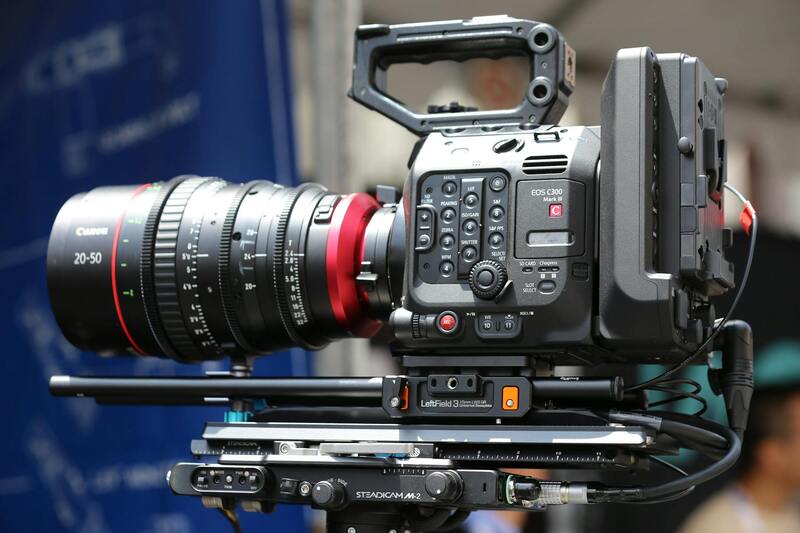
Implementing a successful live stream production hinges on meticulous technical setup. The foundation begins with selecting state-of-the-art equipment that ensures crisp visuals and clear audio. High-definition cameras, capable of capturing detailed footage under various lighting conditions, are essential. These cameras should be compatible with professional-grade lenses to facilitate diverse shot compositions and ensure flexibility during live events.
Equally important is a robust audio setup. Using directional microphones and sound mixers guarantees that speech, ambient sounds, and other audio elements are transmitted with clarity. Employing wireless microphones can add mobility for presenters or performers, enhancing the overall production quality.
Reliable internet connectivity forms the backbone of live streaming. To prevent interruptions, providers often utilize dedicated bandwidth, dual internet connections for redundancy, or wired Ethernet connections rather than relying on wireless networks. These measures ensure a stable stream even during high traffic loads or unforeseen disruptions.
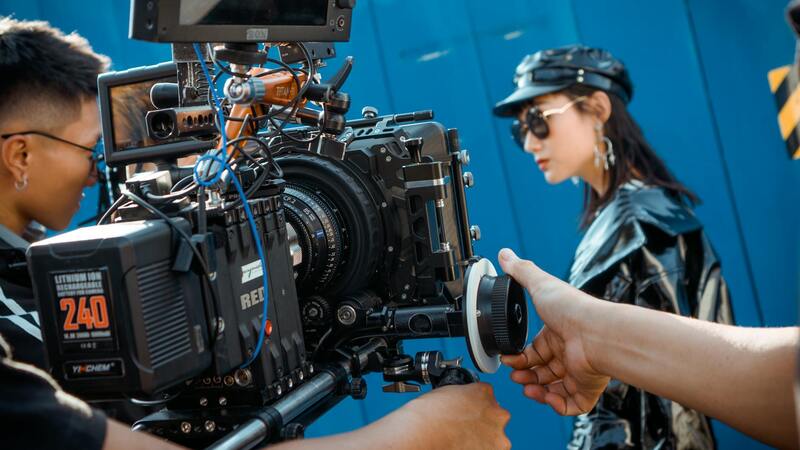
Streaming hardware such as encoders and switchers plays a critical role in managing multiple camera feeds and graphical overlays in real-time. Hardware encoders convert the video signals into compressed streams compatible with various streaming platforms, supporting low latency and high stability. Video switchers enable live transitions between camera angles, adding a professional touch to the broadcast.
Additionally, the use of professional streaming software provides extensive control over the broadcast. These software solutions facilitate tasks like overlay insertion, real-time titling, multi-camera switching, and integration of multimedia content. Seamless operation of such tools requires trained personnel well-versed in broadcasting workflows.
Moreover, backup equipment should be part of the setup plan to mitigate potential technical failures. Redundant power supplies, backup storage, and secondary internet connections ensure that the live stream remains uninterrupted, maintaining a high standard of reliability throughout the broadcast.
Technical Setup and Equipment
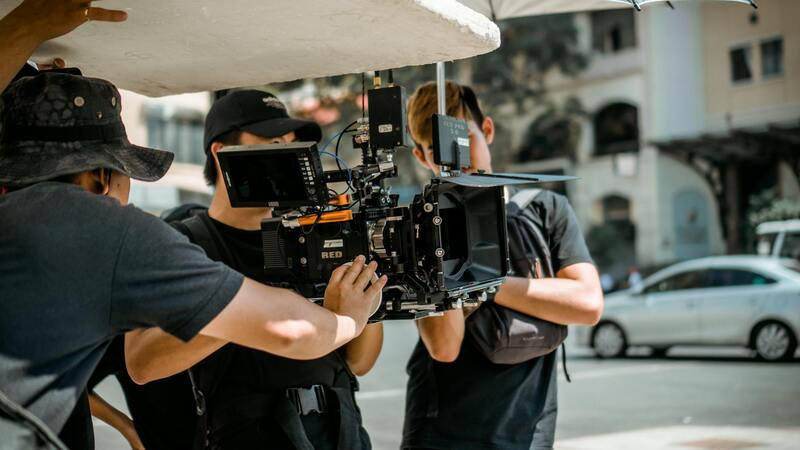
Implementing a professional live stream production demands meticulous planning and precise technical setup. Central to this process is selecting the appropriate hardware and software to achieve seamless broadcast quality. High-definition cameras are a staple for capturing crisp visuals, and when paired with professional-grade audio equipment, they ensure clear sound accompaniment. These elements combined create an engaging viewer experience that mirrors traditional broadcast standards.
Encoding devices, such as hardware encoders, play a pivotal role by converting raw video signals into compressed streams suitable for online distribution. These devices support various protocols to facilitate compatibility across different streaming services. For live switching, broadcast switchers enable producers to transition smoothly between camera views, insert graphics, and add effects in real-time, providing a polished presentation.
Complementing hardware are specialized streaming software solutions. These platforms offer advanced functionalities like multi-source overlays, real-time titling, and integrated chat features, enhancing interaction and viewer engagement. It’s essential to employ solutions that are intuitive yet powerful, allowing operators to maintain control over the live broadcast without technical hiccups.
Supporting this setup with robust infrastructure is equally important. Employing high-speed wired Ethernet connections minimizes latency and connectivity issues, particularly in busy event environments. Redundant internet access with failover capabilities safeguards against potential disruptions, ensuring that the live stream remains stable throughout the event.
Additionally, backup and auxiliary equipment are vital components of the technical infrastructure. Spare cameras, extra batteries, backup power supplies, and secondary streaming devices act as safeguards, enabling quick response in the face of equipment failures. This preparedness contributes to the overall reliability of the broadcast, preserving a consistent stream quality regardless of unforeseen interruptions.
Planning and Pre-Production for Live Streaming
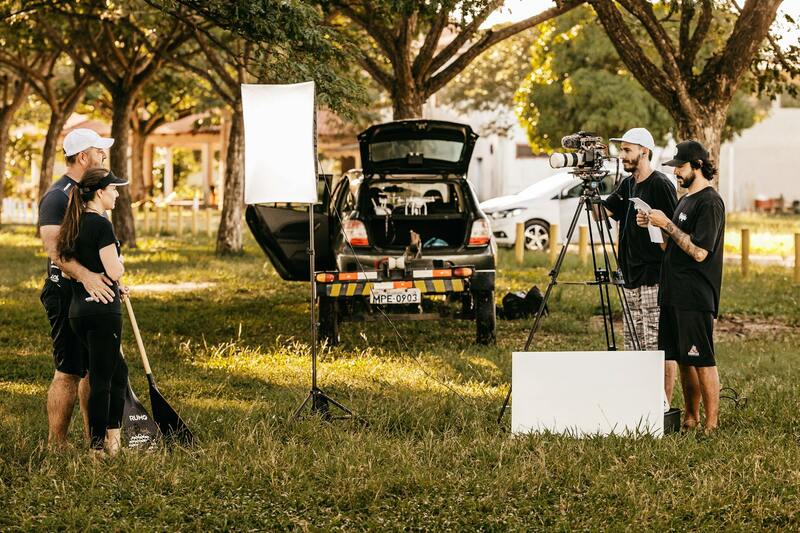
Thorough pre-production planning sets the foundation for a successful live stream. This phase involves detailed content scripting and storyboard creation, ensuring clarity in messaging and visual presentation. Scheduling rehearsals and run-throughs aligns the team’s efforts, helps identify potential technical issues, and refines the overall flow of the broadcast.
Site assessment is critical, particularly when streaming from Miami venues with unique logistical considerations. Factors such as lighting conditions, available space, power supply, and network infrastructure must be evaluated to optimize equipment placement and technical setup. Securing appropriate permissions and coordinating with venue staff facilitate a smooth operational process.
Equipment preparation includes testing all hardware and software components prior to the event. This testing phase verifies connectivity, audiovisual synchronization, and broadcasting stability. It’s also an opportunity to train the technical team on operation protocols, contingency procedures, and troubleshooting tactics, ensuring everyone is prepared for live execution.
Effective planning and pre-production efforts contribute significantly to the professionalism and overall success of the live stream, with particular importance for Miami-based productions that often cater to diverse and demanding audiences.
Technical Setup and Equipment
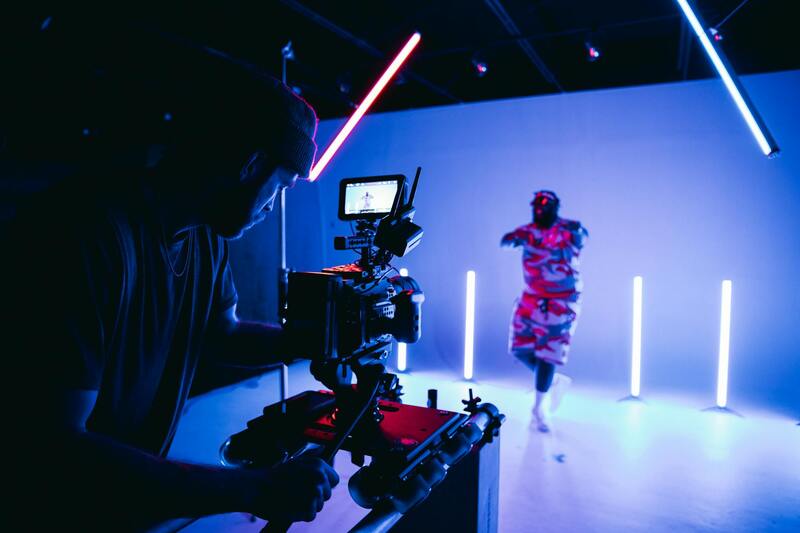
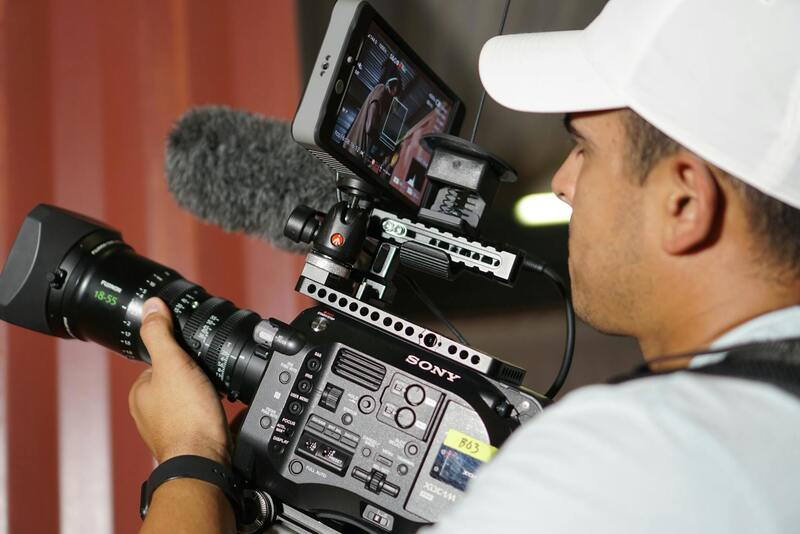
Implementing a robust technical foundation is essential for delivering high-quality live stream productions. Central to this setup are cameras, which should be chosen based on the nature of the event, desired shot composition, and lighting conditions. High-definition (HD) or 4K cameras equipped with professional zoom and stabilization features are standard to capture clear, dynamic visuals. Multiple camera angles enable a more engaging viewing experience, allowing broadcasters to switch seamlessly between wide, close-up, and specialty shots.
Complementing the camera systems are advanced audio solutions. A crisp, clear sound is paramount for audience engagement. This involves utilizing professional-grade microphones—lapel mics for interviews, shotgun mics for directional sound, and line array systems for larger venues. Audio mixers with real-time volume adjustment and noise reduction functions help produce balanced audio tracks.
Lighting also plays a crucial role in ensuring visuals are vibrant and visually appealing. Proper lighting setups—including key lights, fill lights, and backlights—enhance the clarity and depth of the broadcast. For indoor venues, LED panels and softboxes are popular options, while for outdoor events, weather-resistant fixtures with adjustable brightness are necessary.
In addition to physical equipment, reliable broadcasting hardware such as encoders, switchers, and capture cards facilitate smooth data transmission to streaming platforms. Live streaming servers and backup connections are critical for maintaining broadcast stability, especially during high-traffic events. These systems ensure that any issues with primary internet connections do not disrupt the streaming process.
Role of Broadcasters and Technical Operators in Miami Events
Experienced broadcasters and technical operators manage the entire technical process during live streams. Their responsibilities include setting up and calibrating equipment, monitoring live feeds, managing transitions, and troubleshooting errors in real-time. In Miami, where live events often involve diverse venues and complex logistics, having local technical experts familiar with the environment greatly enhances operational efficiency.
Operators are trained to handle network fluctuations, adjust camera angles on the fly, and ensure audio-video synchronization, all while maintaining a professional broadcast appearance. Their expertise ensures that the final output is polished, engaging, and free from unnecessary interruptions, catering to a broad audience that expects seamless streaming quality.
Execution and Live Management
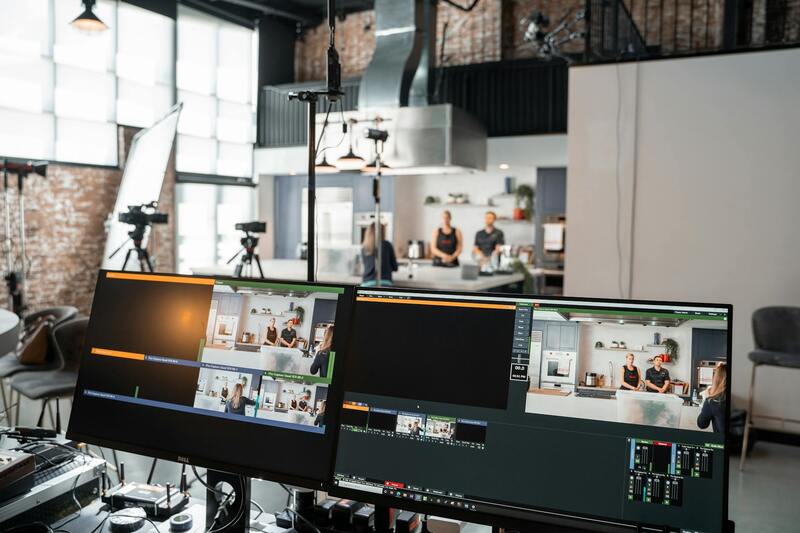
During the live stream, meticulous coordination is crucial to ensure a seamless broadcast. Experienced live producers oversee the entire event, managing transitions between camera angles and media feeds, while monitoring audio and video quality. They make real-time decisions to adapt to unforeseen issues, like sudden technical glitches or unexpected content changes. Operators on-site must be prepared for rapid adjustments, whether it involves switching camera views, adjusting audio levels, or correcting visual issues immediately to prevent disruptions.
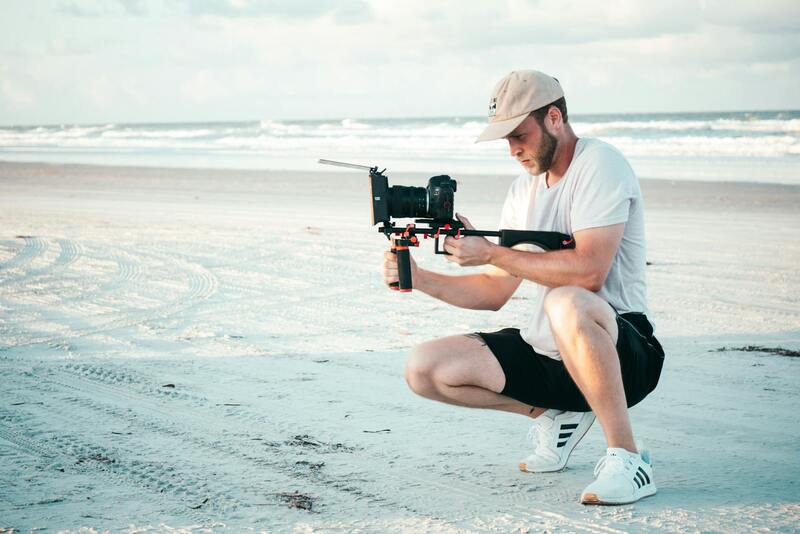
Effective communication channels among camera operators, audio technicians, and the main production team are vital. Modern communication tools such as wireless intercom systems facilitate instant coordination, allowing team members to react quickly to dynamic situations. This synchronization ensures that the live production maintains a professional quality, engaging the audience without noticeable delays or technical faults.
In Miami, where outdoor and high-profile events are common, additional considerations include monitoring weather conditions, managing lighting changes, and safeguarding equipment from environmental factors. Backup plans, such as secondary internet connections and redundant hardware, are implemented to mitigate potential failures, ensuring a reliable broadcast regardless of external challenges.
Post-Production and Audience Engagement
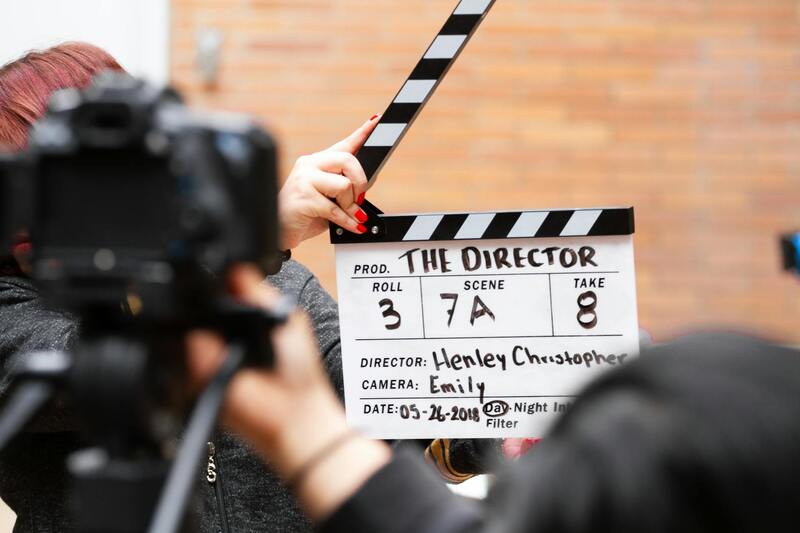
Following the live event, the focus shifts to post-production tasks. This phase includes editing video footage to create highlight reels, promotional clips, or refined recordings for on-demand access. High-quality editing enhances the viewer experience by removing any minor errors or technical issues that may have occurred during the live broadcast.
Engaging the audience post-event is equally important. Utilizing social media platforms, email campaigns, and dedicated websites helps to extend the reach of the content. Interactive features like Q&A sessions, polls, or feedback forms foster a sense of community and encourage viewers to participate actively. Additionally, analyzing viewer data and engagement metrics offers insights into audience preferences, shaping future live stream productions to better meet viewer expectations.
In Miami’s vibrant media landscape, leveraging professional post-production services ensures that live stream content is polished and impactful, maintaining credibility and audience interest over time.
Understanding Live Stream Productions
Live stream productions have become an essential element for delivering real-time content across various industries, including corporate events, entertainment, education, and public conferences. They involve a meticulously coordinated process that combines technical expertise with creative execution to produce a seamless viewing experience for audiences tuning in from anywhere in the world. With advancements in streaming technology and widespread internet access, organizations are increasingly opting for professional live stream services to ensure high quality, reliability, and engagement capabilities. This process encompasses everything from pre-event planning and technical setup to on-the-fly management and post-event content dissemination. As the demand for engaging virtual experiences continues to rise, understanding the nuances of live stream productions is crucial for planning successful broadcasts that meet organizational goals and audience expectations.
Key Components of Live Stream Production
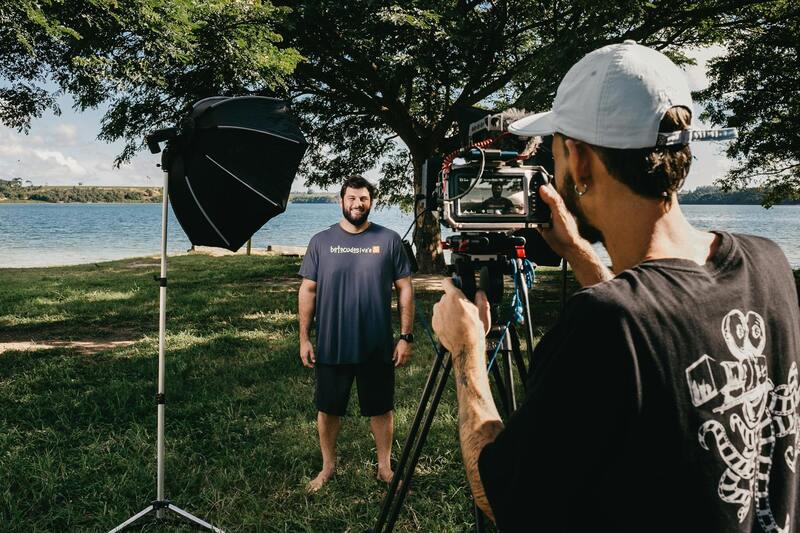
- Pre-Production Planning: Establishing goals, identifying target audiences, selecting content, and scheduling were to ensure smooth execution.
- Technical Equipment: Cameras, audio devices, encoders, switchers, and stable internet connections are fundamental to capturing, transmitting, and broadcasting high-quality streams.
- Production Crew: Skilled operators manage camera feeds, adjust audio levels, and coordinate switching between different video sources during the broadcast.
- Streaming Platforms: Selection of appropriate channels and services for distribution, considering audience reach and functionality.
- Engagement Strategies: Interactive features such as live polls, Q&A sessions, and chat integrations help maintain viewer attention and foster interaction.
Planning and Pre-Production for Live Streaming
Effective planning begins with a clear understanding of the event’s objectives, audience demographic, and desired outcomes. Developing a detailed run sheet or script ensures that all involved personnel are synchronized. Venue inspection and site surveys are necessary to assess lighting conditions, power sources, and internet reliability. Pre-recorded segments or backup content should be prepared to provide contingency options in case of unforeseen issues. Coordination with speakers, performers, or presenters beforehand guarantees they are comfortable with the technical requirements, such as cueing microphones and timing their segments. Establishing communication protocols among team members through walkie-talkies or dedicated chat channels enhances real-time coordination. A comprehensive risk management plan is also vital to address potential technical failures or environmental challenges that could disrupt the broadcast.
Technical Setup and Equipment
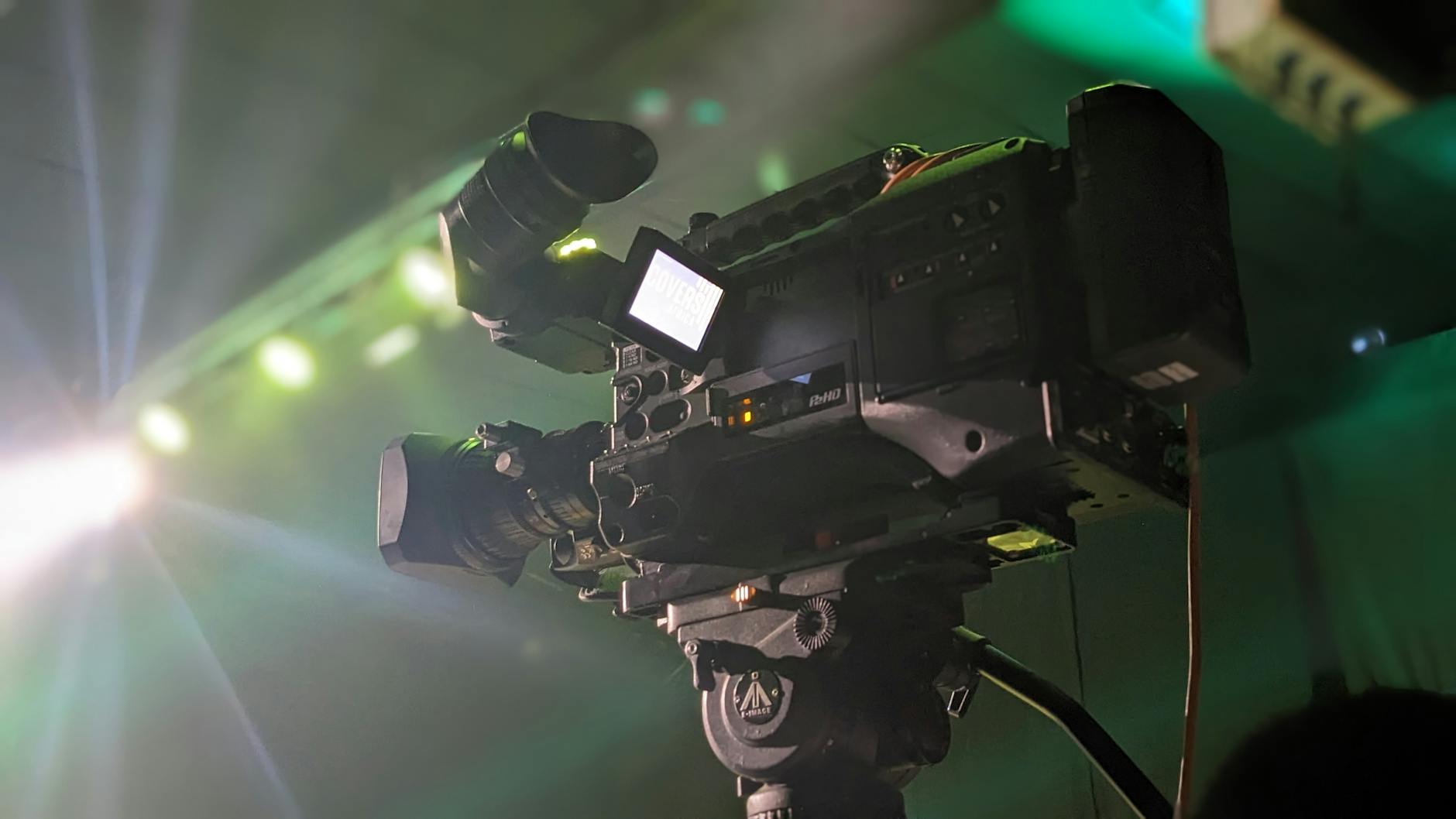
A technically sound setup is the backbone of any successful live stream production. High-definition cameras, such as shoulder-mounted or studio-grade units, provide crisp visuals. Multi-camera configurations enable dynamic shots and varied perspectives, enriching the viewer experience. Audio quality is equally important; professional microphones, audio mixers, and soundproofing measures ensure clarity and minimize background noise. Video switchers facilitate seamless transitions between camera feeds, while encoders compress and transmit the signal to streaming platforms efficiently. Robust internet connectivity, preferably with dedicated bandwidth or redundant connections, minimizes latency and buffering issues. Power backups like generators or uninterruptible power supplies (UPS) are critical to prevent disruptions caused by electrical outages. Lighting setups should be tailored to venues, highlighting key subjects and creating an inviting atmosphere. Technical rehearsals allow the team to troubleshoot issues, verify equipment compatibility, and refine camera and audio setups before the live event.
Technical Setup and Equipment for Live Stream Productions
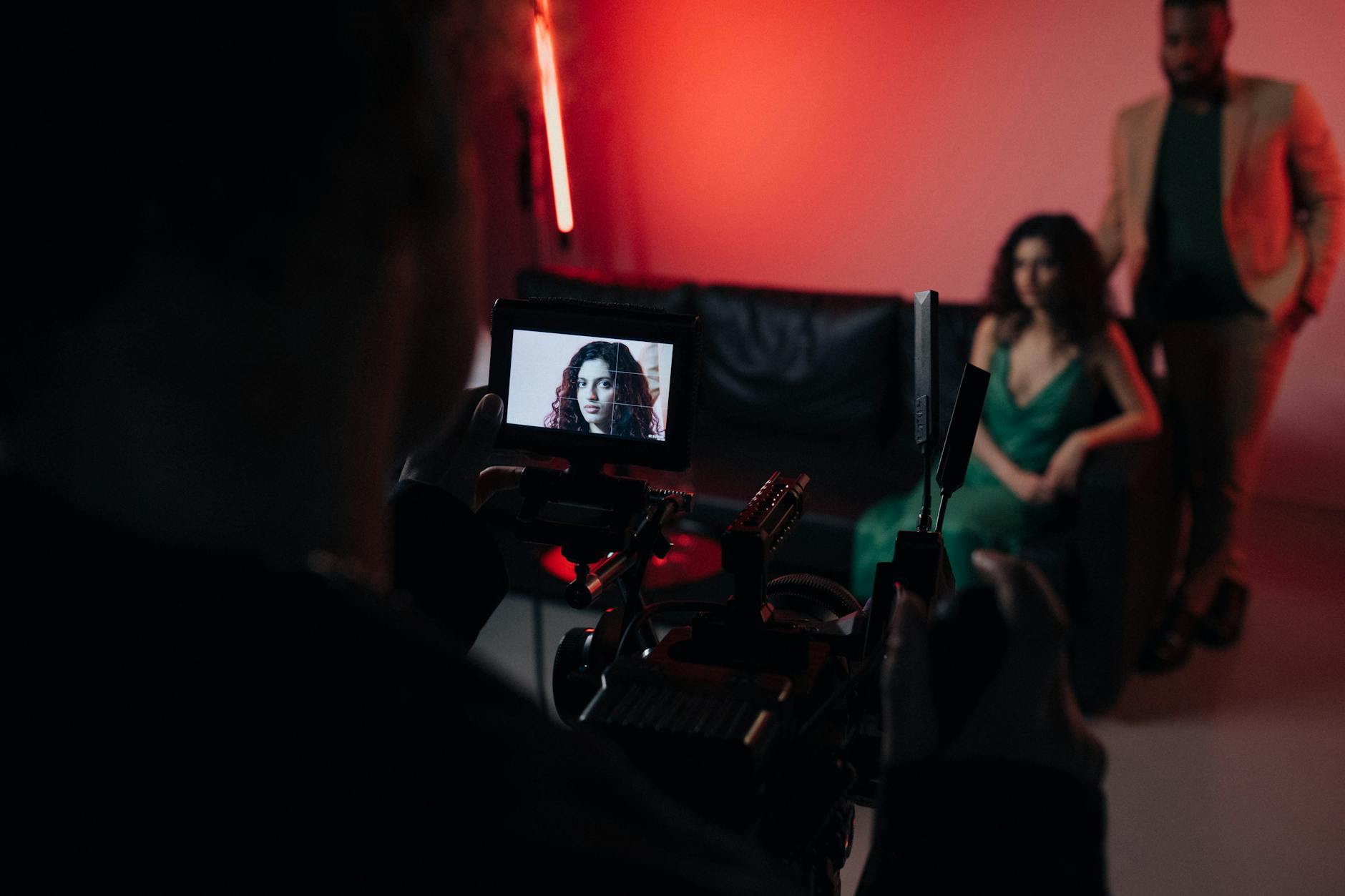
Achieving a seamless live stream demands meticulous attention to technical details, ensuring all components function harmoniously for optimal broadcast quality. A high-definition video feed is imperative; professional-grade cameras such as shoulder-mounted units or studio cameras provide sharp, vibrant visuals. Multiple camera angles enable a dynamic viewing experience, allowing viewers to see different perspectives and details, which can significantly increase engagement. Proper placement and calibration of these cameras are essential to capture the subject matter effectively without obstructing the view or creating distractions.
Audio clarity often determines the success of a live streaming event. Employing professional microphones—such as lavalier, shotgun, or boundary microphones—ensures clear capture of speech and environmental sounds. An audio mixer allows for real-time adjustments to sound levels, balancing different audio sources to eliminate background noise and prevent audio distortion. Incorporating soundproof barriers or dedicated audio zones within the venue minimizes unwanted noise interference, maintaining pristine audio quality.
Video switchers are indispensable for managing multiple camera feeds, enabling smooth transitions, picture-in-picture effects, or overlays during the broadcast. Encoders are responsible for compressing and transmitting the video signal optimally to streaming platforms, ensuring minimal latency and buffering. Hardware encoders provide stability, particularly during high-quality streams, while software encoders may offer greater flexibility and customization options.
Reliable internet connectivity is foundational. Employing dedicated bandwidth, preferably with a wired Ethernet connection, reduces latency and packet loss. Redundant internet connections or backup networks ensure the stream remains stable even if primary connections experience interruptions. Power reliability is equally vital; uninterruptible power supplies (UPS) or backup generators safeguard against power failures that could cause broadcast interruptions.
Effective lighting setups are tailored to each venue and event, emphasizing focal subjects and creating inviting atmospheres. Proper lighting enhances video quality, reducing shadows and glare, and contributing to a professional appearance. Rigging lights and diffusers strategically ensures even illumination across the stage or subject areas.
Before the live event, technical rehearsals are crucial. These simulations allow technical teams to identify and resolve potential issues, verify camera angles, test audio levels, and ensure all equipment operates in concert. Rehearsals also provide an opportunity to fine-tune lighting and troubleshoot connectivity or equipment compatibility issues, ultimately leading to a polished broadcast.
Officiating and Live Stream Production
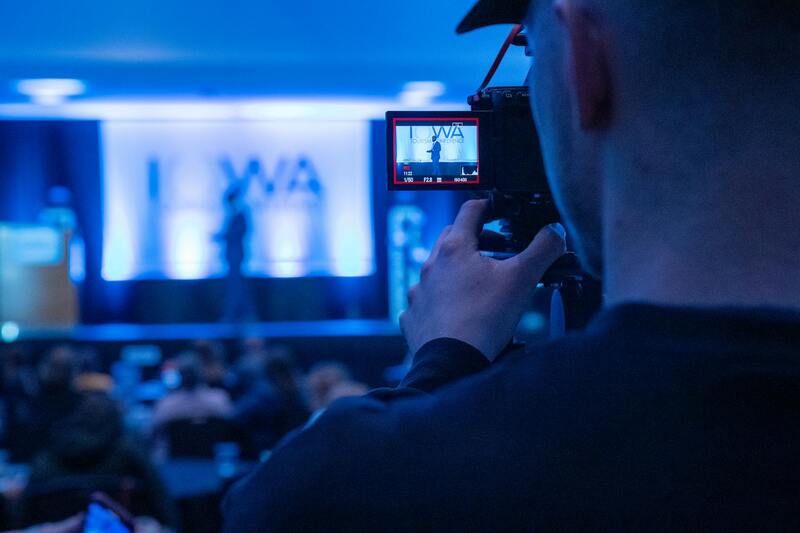
Professional live stream productions are governed by meticulous adherence to established standards and methodologies that guarantee high-quality broadcasts. The execution phase demands rigor in monitoring real-time data, managing feed transitions seamlessly, and ensuring synchronization across all streaming channels. Skilled production teams employ advanced switching equipment and multi-camera setups to deliver dynamic content that maintains viewer engagement and visual interest. They utilize high-fidelity audio mixing boards and real-time graphics overlays to enhance the viewer experience, aligning visuals and sound with the event's tone and pace.
During the live transmission, constant communication between technical staff and on-site personnel is vital. This cooperation simplifies troubleshooting, manages unexpected technical issues swiftly, and maintains the broadcast’s flow. Effective communication protocols often include intercom systems and real-time monitoring tools, which allow for immediate adjustments to camera angles, audio levels, or streaming quality as needed.