
Overview of Live Video Streaming Industry
The live video streaming industry has experienced significant growth over recent years, transforming how audiences consume content across various sectors. As organizations and content creators seek more dynamic and immediate ways to engage their viewers, the demand for high-quality, reliable live streaming services has surged. In Miami, a vibrant hub for media, entertainment, and business, live video streaming companies play a crucial role in facilitating real-time digital communication, event broadcasting, and corporate presentations. These companies offer a wide array of services, from basic live broadcast solutions to complex multi-camera productions tailored to meet diverse client needs.
The current landscape is marked by increasing competition among service providers, each vying to deliver seamless streaming experiences. With the proliferation of high-speed internet and advanced broadcasting technologies, Miami-based live video streaming companies are equipped to handle content for local events as well as international audiences. The market demand is fueled by sectors such as entertainment, sports, corporate marketing, education, and government agencies, all seeking innovative ways to connect with their audiences instantly. As a result, the industry continues to evolve rapidly, adopting cutting-edge solutions that enhance live broadcast quality, stability, and viewer engagement.
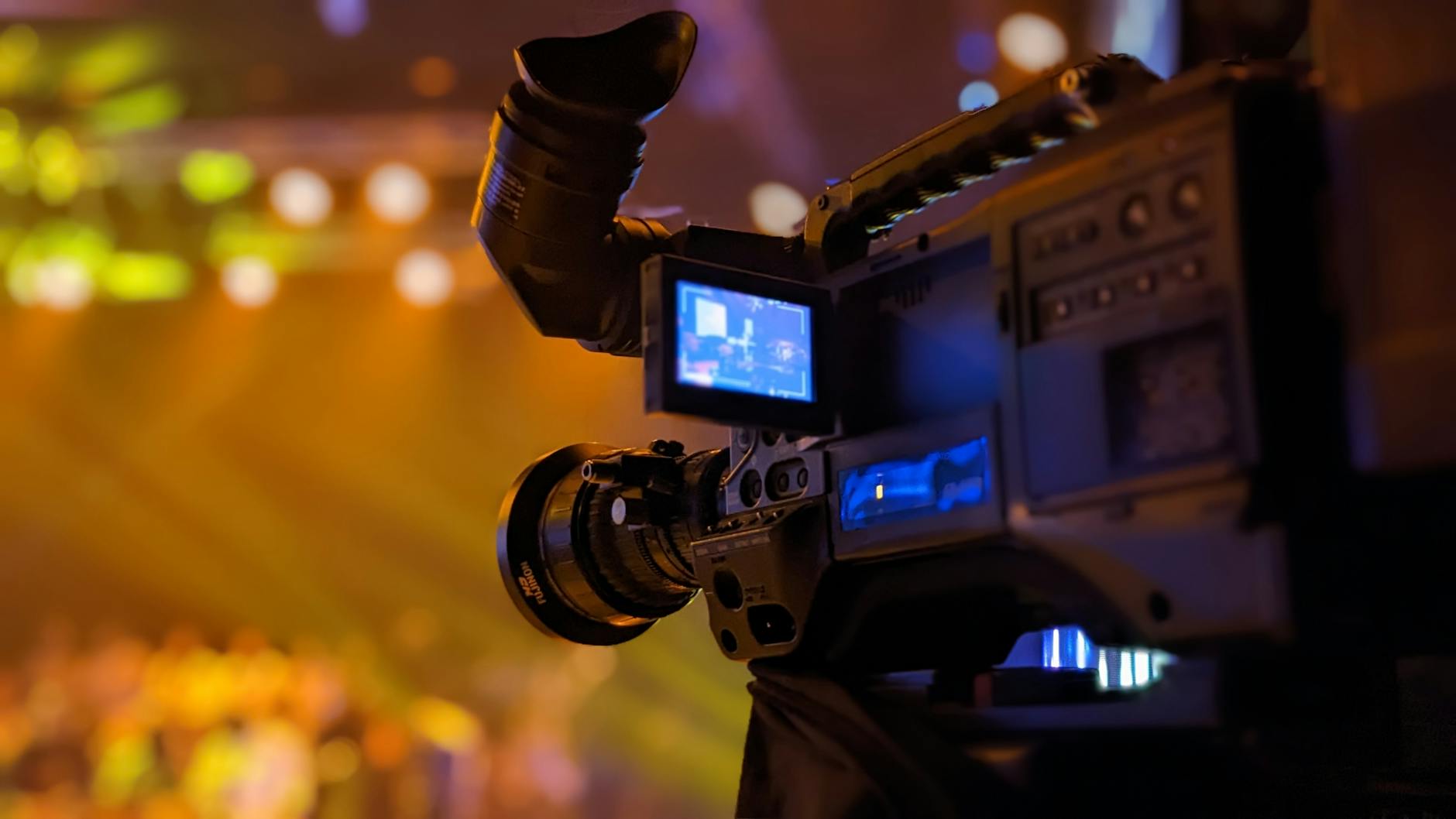
This growing industry requires proficiency in various technical disciplines, including streaming technology, content delivery networks, and interactive features, to meet the high expectations of today's digital audiences. Miami’s strategic location as a gateway to Latin America and the United States further solidifies its position as a key city for live video streaming innovation and deployment. Consequently, local companies are increasingly investing in advanced equipment and skilled professionals to stay competitive and fulfill the rising market demand for flawless live content delivery.
Technology and Equipment Used in Live Streaming
Professional live video streaming companies in Miami leverage cutting-edge technology to ensure high-quality, reliable broadcasts. At the core of their operations are robust hardware components including high-definition cameras capable of capturing images in 4K resolution, professional-grade video switchers, and encoder systems designed to optimize video compression without sacrificing quality. These elements work together to provide smooth, stable streams even in challenging environments.
State-of-the-art encoding hardware is essential for transmitting live content efficiently across multiple platforms. These encoders convert raw video signals into digital streams compatible with various content delivery networks (CDNs). Modern encoders are equipped with features like adaptive bitrate streaming, which adjusts video quality dynamically based on viewers' internet speeds, ensuring an uninterrupted viewing experience.
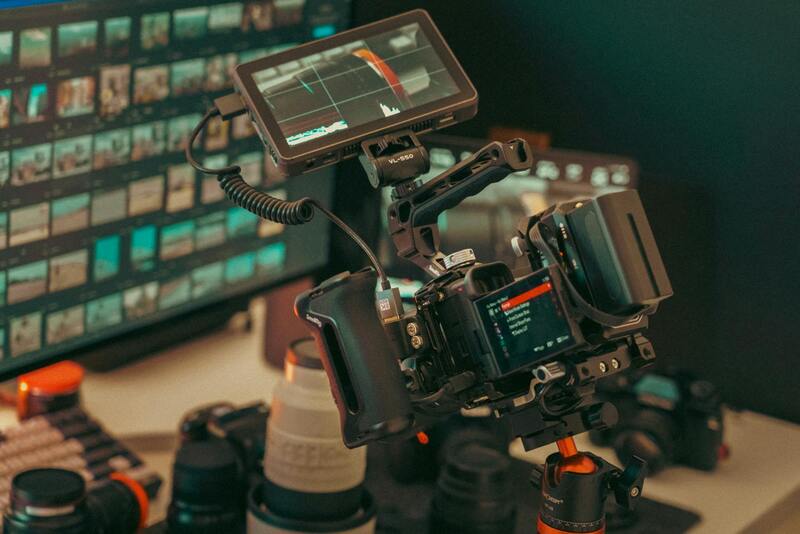
To manage live broadcasts effectively, companies also deploy professional audio equipment, including wireless microphones, mixers, and noise-canceling technology to produce crystal-clear sound alongside crisp visuals. Multi-camera setups often include robotic or remotely operated cameras, providing versatile angles and dynamic camera switching capabilities that enhance viewer engagement.
Supporting infrastructure such as redundant internet connections ensures broadcast stability against potential disruptions. Content delivery is optimized via strategically located servers and edge computing solutions, reducing latency and buffering issues. Additionally, many providers incorporate multi-platform encoders to facilitate simultaneous streaming across social media, websites, and dedicated apps.
Industry-Specific Applications and Use Cases
Live video streaming companies in Miami serve a broad spectrum of industries, each with tailored content production and distribution strategies. For corporate events, high-definition live streams facilitate real-time product launches, press conferences, and webinars that reach audiences worldwide. In entertainment, live concerts and theater productions are broadcast to global viewers, expanding reach and audience engagement.
Sports organizations utilize live streaming to broadcast games and tournaments, providing interactive features like instant replays, multiple camera angles, and real-time statistics. Educational institutions leverage live video to host virtual classrooms, seminars, and workshops, transcending geographical barriers and opening access to a wider community.
Government agencies and public services employ live streaming for emergency communications, public announcements, and civic engagement initiatives. These applications require not only high-quality transmission but also secure and compliant solutions to address sensitive content.
Technology and Equipment Used in Live Streaming
Successful live video streaming hinges on the integration of advanced hardware, sophisticated software solutions, and reliable connectivity infrastructure. In Miami, leading live streaming companies utilize high-definition cameras capable of capturing crisp, vibrant visuals in various lighting conditions, ensuring content quality remains top-notch regardless of setting. These cameras are often paired with professional-grade audio equipment, including mixers and microphones, to deliver clear, immersive sound that enhances viewer engagement.
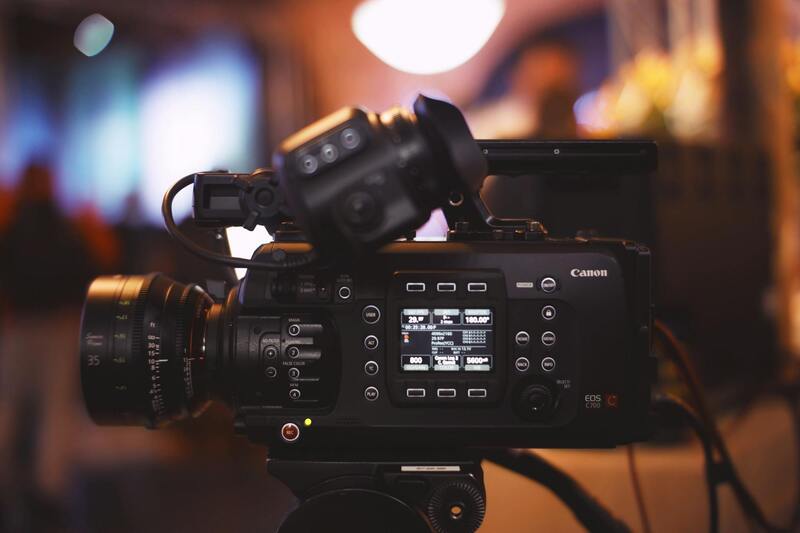
On the hardware front, encoders are vital components that convert audio-visual signals into digital formats suitable for transmission over the internet. Many providers favor hardware encoders for their stability and low latency, essential for maintaining smooth, real-time broadcasts. Software encoders are also employed for greater flexibility and ease of use, especially in live production environments.
Connectivity plays a critical role in ensuring uninterrupted live streams. Miami-based providers often use redundant internet connections—such as primary fiber-optic links complemented by LTE/4G/5G backup channels—to safeguard against network failures. This multi-layered approach minimizes downtime and buffering, promoting a seamless viewing experience.
Moreover, content delivery is optimized through the deployment of geographically distributed servers and edge computing technologies. These measures reduce latency, improve streaming speed, and enhance scalability, allowing broadcasters to reach larger audiences without compromising quality.
For ensuring interactive and multi-platform streaming capabilities, many companies employ integrated software solutions that support simultaneous broadcasting to social media platforms, dedicated apps, and websites. Such tools enable real-time analytics and viewer engagement features, further elevating the overall streaming experience.
Industry-specific applications and use cases
Live video streaming companies in Miami serve a diverse range of sectors, each with unique requirements and standards for content delivery. In the corporate realm, live streams facilitate product launches, webinars, and virtual conferences, enabling businesses to reach global audiences with high engagement and interactivity. These companies often provide integrated solutions that include professional-grade audio and video production, real-time analytics, and secure streaming channels to ensure brand integrity and smooth communication.
Within the sports industry, Miami-based live streaming services specialize in broadcasting live games, tournaments, and athletic events, often with multiple camera angles and instant replays. High-bandwidth and low-latency technology are crucial to deliver real-time coverage that matches the excitement of in-person attendance. Replay features and multi-platform distribution expand viewer access, fostering wider reach and fan engagement.
Entertainment sectors, including concerts, fashion shows, and film screenings, rely heavily on professional live streaming. These providers focus on delivering cinematic-quality visuals, immersive audio, and seamless transitions. Integrated chat features and interactive elements enable audiences to engage with performers or presenters, creating a more dynamic experience.
Religious organizations in Miami have adopted live streaming to extend their outreach beyond physical gatherings. Streaming services tailored for spiritual services focus on high-quality video and sound, accessible platforms, and features like multilingual support to cater to diverse congregations. This approach ensures inclusivity and continuous community engagement.
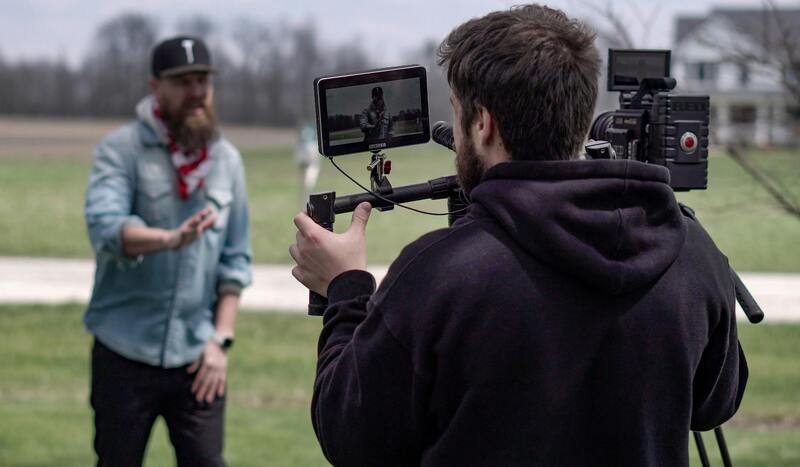
Each application demands specific technical setups, from multi-camera production in sports broadcasting to secure, encrypted streams for corporate content. These tailored solutions underscore the importance of collaborating with providers who understand industry needs, ensuring high-performance delivery regardless of the event scale or audience size.
Technology and Equipment Used in Live Streaming
Implementing high-quality live video streaming requires a sophisticated array of technology and equipment. Professionals utilize a blend of hardware and software solutions to ensure their broadcasts are seamless, visually compelling, and capable of engaging large audiences across multiple platforms. A fundamental component is high-definition cameras, which are selected based on the event's scale and desired visual fidelity. These cameras often include robotic or PTZ (pan-tilt-zoom) models for remote operation and multi-angle coverage, providing a dynamic viewing experience.
Audio quality is equally important, and providers leverage professional-grade microphones, mixers, and digital audio processors to capture and transmit clear sound. This ensures that viewers perceive the energy and nuance of live performances, discussions, or speeches without distraction. Additionally, live streaming setups incorporate powerful encoders—hardware or software—that convert raw video feeds into compressed digital streams compatible with internet delivery, balancing quality and bandwidth efficiency.
Network infrastructure plays a pivotal role in maintaining stream stability. High-speed, dedicated internet connections with robust upload capacities minimize latency and prevent interruptions. Many providers deploy redundant systems and backup servers to swiftly address unforeseen issues, maintaining continuous transmission even under challenging conditions.
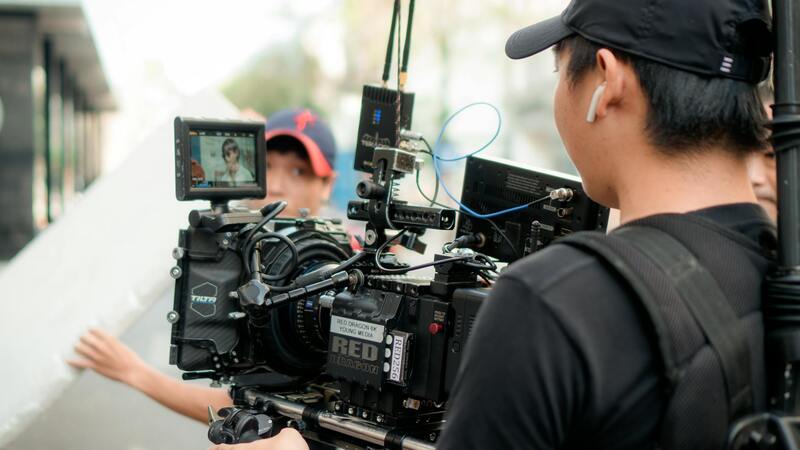
Post-encoding, the streams are distributed via Content Delivery Networks (CDNs), which optimize delivery by caching content closer to viewers, reducing buffering and latency. Integration with streaming platforms such as Facebook Live, YouTube Live, and custom embeddable players expands reach and accessibility. For interactive sessions, companies also embed features like live chat, polls, and social media overlays, which require additional software solutions capable of seamless integration.
Modern live streaming relies heavily on software solutions for production control and multistream management. Features like multi-camera switching, real-time graphics overlays, and instant replays are operated through professional broadcasting software. This enables producers to craft engaging broadcasts with cinematic presentation quality, suitable for corporate events, sports, entertainment, or religious services.
In totality, the technology ecosystem supporting live video streaming combines high-grade hardware, reliable network solutions, advanced encoding and distribution platforms, and interactive software. Working with providers proficient in these areas guarantees a high-performance broadcast capable of meeting diverse client needs and audience expectations.
Industry-specific applications and use cases
Live video streaming companies in Miami serve a diverse range of industries, providing tailored solutions that meet unique operational needs. Corporate entities leverage live streaming to broadcast conferences, product launches, and shareholder meetings, facilitating real-time engagement with global audiences. Educational institutions utilize live streaming to deliver lectures, seminars, and workshops to remote students, expanding accessibility and outreach. Religious organizations rely on professional live streaming services to reach congregations beyond physical locations, fostering community participation through virtual services.
Event organizers benefit from high-quality live coverage of concerts, festivals, and sporting events, enabling broader audience participation and creating new revenue streams through ticketed streams or sponsorship integrations. The hospitality and tourism sectors employ live streaming to showcase venues, special events, and local attractions to entice potential visitors. Additionally, non-profit organizations use live streaming platforms to broadcast fundraising events, awareness campaigns, and community initiatives, increasing visibility and support.

These applications illustrate how live streaming services are integral to modern communication strategies across sectors. By implementing professional-grade technology and customized solutions, Miami-based live video streaming companies help organizations improve outreach, engagement, and operational efficiency.
Selection criteria for choosing a live streaming provider
When selecting a provider for live video streaming needs, several critical factors ensure the delivery of high-quality broadcasts that align with organizational objectives. Technical expertise and experience in live streaming are fundamental, as they impact the provider’s ability to troubleshoot issues swiftly and adapt to unique project demands. A comprehensive understanding of industry-specific requirements helps providers deliver tailored solutions that optimize performance.
Infrastructure reliability is another crucial aspect, encompassing robust bandwidth, redundant systems, and secure data transmission to ensure uninterrupted streaming sessions. Providers should also utilize state-of-the-art hardware such as professional cameras, encoders, and broadcasting software to guarantee broadcast clarity and professionalism.
Compatibility with various platforms and integration capabilities facilitate broader audience access. Providers that support popular social media channels and customizable embedding options enable organizations to distribute their content effectively. Additionally, features like multi-camera switching, real-time graphics, and interactive tools—such as live chat and polls—are vital for engaging viewers and creating dynamic broadcast experiences.
Cost considerations, including transparent pricing structures and scalable service options, help organizations manage budgets while achieving desired broadcast quality. Customer support and post-broadcast analytics are also important, allowing organizations to assess engagement levels and refine future streaming strategies.
Industry-specific Applications and Use Cases
Live video streaming has become an integral component for a diverse range of industry sectors, each leveraging real-time digital broadcasts to enhance engagement, expand reach, and deliver critical content efficiently. In event management, for instance, organizers utilize professional streaming services to broadcast conferences, festivals, and exhibitions to a global audience, ensuring inclusive access while maintaining high production quality. This allows attendees who cannot be physically present to participate actively through interactive features such as live chats and Q&A sessions.
In the corporate domain, live streaming is a potent tool for internal communications, product launches, and training sessions. Companies benefit from seamless, scalable streaming solutions that facilitate real-time interaction across geographically dispersed teams. Professional providers supply the necessary hardware and software to produce polished broadcasts with features like multi-camera angles, on-screen graphics, and real-time analytics, which improve viewer engagement and provide valuable insights.
The media and entertainment industry also heavily relies on live streaming to deliver news coverage, sports events, and entertainment shows. Here, latency reduction and broadcast reliability are paramount, with providers employing sophisticated encoding technologies and CDN networks to ensure smooth, high-definition streams unaffected by network fluctuations.

Educational institutions integrate live streaming to facilitate remote learning, offering real-time lectures, seminars, and workshops. This method not only broadens access but also enhances interactive learning through live polls, breakout rooms, and instant feedback mechanisms. In healthcare, live video is used for telemedicine consultations, training medical professionals, and conducting live surgeries for educational purposes.
Finally, in public safety and governmental communications, live streaming enables authorities to broadcast emergency alerts, public service announcements, and town hall meetings, fostering transparency and responsive engagement with citizens.
How to evaluate and work with live streaming companies
Choosing an appropriate live video streaming provider involves a comprehensive evaluation process to ensure the service aligns with your specific objectives and operational requirements. It is essential to scrutinize several factors, including the company's technical expertise, infrastructure capacity, and client support capabilities.
Assessing company credentials and experience
- Review their portfolio of past projects to gauge the quality and diversity of their work.
- Verify the company's certifications and industry accreditations, which attest to their adherence to professional standards and technical excellence.
- Seek client references and testimonials to understand their reliability, responsiveness, and overall client satisfaction.
Effective communication and project management
Clear and consistent communication forms the backbone of a successful partnership. A professional provider should demonstrate transparency in their planning process, offering detailed proposals and timelines. Their project management approach should include designated point-of-contact personnel to facilitate seamless coordination and quick resolution of any issues.
Technical readiness and capability
- Ensure the provider employs state-of-the-art equipment and software suitable for your streaming needs.
- Discuss their capacity to handle high-traffic events and their contingency plans for technical disruptions.
- Confirm their familiarity with current streaming protocols, CDN services, and encoding technologies to deliver high-quality, uninterrupted streams.
Customization and scalability
Evaluate if the service provider can tailor streaming solutions to your unique requirements, including branding, interactive features, and multi-platform distribution. Additionally, scalability options should be available to accommodate growth, changes in audience size, or additional event features in the future.
Pricing transparency and contractual terms
Request detailed quotes, ensuring all costs—including technical support, licensing fees, and potential additional charges—are transparent. Carefully review contractual agreements to clarify service levels, deliverables, and cancellation policies, safeguarding your interests throughout the partnership.

Working effectively with a live streaming company requires proactive collaboration and a shared understanding of objectives. Establishing clear expectations from the outset facilitates smooth coordination. Regular progress updates, contingency planning for potential technical issues, and post-event evaluations contribute to continuous improvement in streaming quality and operational efficiency.