
Overview of Conference Streaming Services
Conference streaming services have become essential tools for organizations that aim to reach a broader audience through virtual and hybrid events. These platforms enable the live broadcast of conferences, seminars, workshops, and corporate meetings over the internet, allowing participants to join from any location with internet access. By providing real-time streaming capabilities, these services ensure that events can maintain their intended reach and engagement levels, regardless of physical distance.
Historically, conferences relied heavily on in-person attendance, which often posed logistical and financial challenges. The advent of advanced streaming solutions has transformed this landscape, making it possible to deliver high-quality audiovisual content directly to viewers in different parts of the world. Conference streaming services facilitate seamless transmission of presentations, panel discussions, keynote addresses, and interactive sessions, thereby enhancing accessibility and inclusivity for diverse audiences.

These services are particularly vital during times when travel restrictions or health concerns limit physical gatherings. They also offer a cost-effective alternative to traditional event hosting by reducing expenses related to venue rental, travel, and accommodation. Additionally, conference streaming solutions often include tools for registration, session scheduling, and attendee engagement, helping organizers streamline the entire event management process.
Organizations across various sectors—including corporate, educational, healthcare, and government—utilize conference streaming services to adapt to the evolving demands of digital communication. As a result, these platforms are integral to maintaining continuous operations, sharing knowledge, and fostering collaboration in an increasingly interconnected world.

Technology Infrastructure for Conference Streaming
Implementing a robust technology infrastructure is fundamental to delivering seamless conference streaming experiences. Reliable bandwidth connectivity is essential to support high-definition video streams without interruptions. Hosting platforms should be equipped with scalable cloud services to accommodate large attendee volumes, ensuring consistent performance regardless of user load.
Server capacity and geographic server distribution play critical roles in reducing latency and buffering issues, especially for international audiences. Content delivery networks (CDNs) are increasingly employed to distribute streaming data efficiently across multiple locations, enhancing load balancing and decreasing latency. Adaptive bitrate streaming technology adjusts video quality dynamically based on each viewer's internet speed, delivering optimal visual clarity while minimizing buffering incidents.
Furthermore, network security measures are indispensable. Secure data transmission protocols and encryption safeguard confidential information, while multi-factor authentication ensures only authorized participants access the event. Backup systems and redundancies should be in place to prevent downtimes; this includes secondary servers and failover mechanisms that activate immediately if primary systems encounter issues.
Hardware considerations include the use of professional-grade cameras, microphones, and encoders that capture and transmit crystal-clear audio-visual content. These devices should be complemented by reliable streaming software capable of integrating various data streams, managing live interactions, and recording sessions for later access.
Technical staff or production teams operating in tandem with the streaming platform are vital for real-time monitoring, troubleshooting, and ensuring seamless content delivery throughout the event. Infrastructure planning must align with the specific requirements of each conference, considering audience size, session interactivity, and content complexity to establish a foundation for successful streaming endeavors.
Technology Infrastructure for Conference Streaming
Establishing a robust technology infrastructure is fundamental to delivering a seamless virtual event experience. This involves a combination of high-performance hardware, reliable software solutions, and a resilient network setup. Each component must work in harmony to support stable, high-quality streaming that can accommodate varying audience sizes and interactive elements.
Hardware Requirements
The backbone of any effective conference streaming setup includes professional-grade cameras capable of capturing high-definition video, along with advanced microphones that ensure clear audio capture. Encoders are vital devices that compress and transmit audio-visual signals efficiently, facilitating smooth streaming without excessive bandwidth consumption.

Additional hardware such as switching consoles, monitors, and audio mixers contribute to a polished production. Reliable backup hardware should also be integrated to mitigate potential failures, ensuring uninterrupted broadcast continuity. Participants’ devices, whether desktops, tablets, or smartphones, should meet specific technical standards to guarantee optimal viewing experiences.
Software Solutions
The choice of streaming software directly impacts the flexibility and interactivity of an event. Platforms that offer multi-camera support, real-time editing, and integrated chat features enable the production team to create dynamic presentations that engage viewers. Additionally, recording capabilities allow for session archiving, facilitating later access and on-demand viewing.
Stream management tools should come equipped with analytics and monitoring features to track viewer engagement and troubleshoot issues proactively. Secure login portals and access controls are imperative to restrict unauthorized entry and protect sensitive content.
Network and Connectivity
A fast, dedicated internet connection with ample bandwidth is critical. Utilizing wired Ethernet connections over wireless networks reduces latency and minimizes interference. Content Delivery Networks (CDNs) help distribute streams efficiently across different geographic locations, ensuring consistent quality for remote viewers.
Redundancy plans should incorporate multiple internet connections and failover systems that automatically switch to backup networks if primary connections experience disruptions. This setup helps maintain uninterrupted streams regardless of network fluctuations.
Integrating Support Systems
Effective conference streaming depends not just on raw hardware and software but also on comprehensive support infrastructure. Managed IT services, technical teams for on-site and remote assistance, and integrated communication channels all contribute to a smooth event. These teams monitor streams in real-time, troubleshoot issues promptly, and coordinate with speakers to ensure content delivery aligns with the event agenda.
Furthermore, automation tools for scheduling, content switching, and live voting serve to streamline interactions and reduce manual workload, enhancing overall efficiency and engagement during the conference.
Choosing the Right Conference Streaming Service Provider
Selecting an appropriate conference streaming service provider is critical for ensuring a seamless and professional virtual event experience. When evaluating potential partners, organizations should prioritize providers that offer scalable solutions capable of accommodating growth in audience size. Compatibility with various device types and operating systems guarantees accessibility for all attendees, regardless of their technical setup.
Customization options also play a significant role in creating an engaging and tailored experience. Features such as branding integrations, personalized attendee interactions, and specific media configurations allow organizers to align the streaming platform with their event’s unique goals and identity. Technical support services are equally vital; providers should deliver dedicated assistance before, during, and after the event to swiftly resolve any issues that may arise.
Robust security measures are essential to protect sensitive content and attendee data. A comprehensive platform should include secure encryption protocols, authentication processes, and access controls that prevent unauthorized viewing. Compliance with prevailing data protection standards ensures that the organization upholds its responsibilities toward participant privacy and maintains trust.

Another aspect to consider is the provider’s ability to integrate with existing event management tools and support advanced features such as multi-language translation, real-time analytics, and audience engagement tools like live polls and Q&A sessions. These functionalities contribute to an interactive environment that fosters attendee participation and satisfaction.
Lastly, reviewing case studies, client testimonials, and service level agreements offers valuable insights into the provider’s experience and reliability. Establishing clear expectations and communication channels from the outset helps form a collaborative partnership focused on delivering a flawless conference experience.
Overview of Conference Streaming Services
Conference streaming services have become indispensable for organizations aiming to reach a global audience efficiently and effectively. They facilitate real-time broadcasting of seminars, workshops, keynote speeches, and panel discussions across various devices and locations. These platforms ensure that participants, whether attending virtually or in-person, experience high-quality audio-visual content seamlessly. As virtual engagement grows in prominence, selecting an appropriate conference streaming service involves understanding platform capabilities, scalability, and user engagement tools to maximize the impact of each event.

Some services offer integrated solutions that combine live streaming, on-demand content, and comprehensive attendee management, simplifying the logistics involved in large-scale virtual events. Their ability to deliver consistent and reliable streaming experiences helps organizations maintain professional standards and foster impactful communications regardless of geographical barriers.
Key Features of Effective Conference Streaming Platforms
Choosing the right platform hinges on the availability of features that support both technical performance and audience engagement:
- High-Quality Video and Audio Streaming: Ensuring clear, smooth visuals and audio is fundamental to professional presentation.
- Adaptive Streaming Technology: Platforms should automatically adjust video quality based on attendee bandwidth, providing an optimal viewing experience across devices and network conditions.
- Interactive Tools: Enabling live polls, Q&A sessions, chat functionalities, and feedback mechanisms fosters active participation.
- Audience Management: Features such as registration tracking, attendance analytics, and personalized access controls improve event organization.
- Multi-language Support: Offering translation and subtitles broadens accessibility and enhances engagement among diverse audiences.
- Security Measures: Secure streaming, content encryption, and access controls protect intellectual property and sensitive information.
- Integration Capabilities: Seamless connection with existing event management software, CRM systems, and marketing tools streamline pre-event and post-event processes.
Technology Infrastructure for Conference Streaming
Effective conference streaming relies on a robust technological foundation, including high-speed internet connections, scalable servers, and reliable content delivery networks (CDNs). Deployment of cloud-based solutions ensures flexibility in handling fluctuating viewer numbers, reducing latency and buffering issues. Advanced encoding hardware and software optimize video quality with minimal delay, ensuring that the live stream remains synchronized across all participants.
Content management systems underpin the organization’s ability to manage multiple streams, recordings, and multimedia assets efficiently. Furthermore, analytics tools integrated into streaming platforms gather real-time data on viewer engagement, helping organizers adapt content delivery and marketing strategies dynamically.

Choosing the Right Conference Streaming Service Provider
Selection begins with evaluating providers based on their technical offerings, support capabilities, and track record of delivering reliable streams. It's essential to consider the provider's experience in your specific industry or event type, as well as their ability to customize solutions that align with your event goals.
Establishing clear communication channels early ensures that expectations regarding platform features, content security, and technical support are aligned. Providers that offer comprehensive training for event staff and contingency plans for potential disruptions contribute significantly to the smooth execution of virtual events.
In-depth review of case studies and client testimonials reveals insights into a provider’s operational capacity, responsiveness, and overall customer satisfaction. Additionally, reviewing service level agreements (SLAs) clarifies the scope of support, uptime guarantees, and liability coverage, fostering trustworthy partnerships capable of supporting large or complex conference needs.
Technology Infrastructure for Conference Streaming
Implementing a robust technology infrastructure is vital for delivering high-quality conference streaming experiences. This involves leveraging advanced hardware and software components to facilitate consistent, reliable broadcasts that can support a large number of viewers simultaneously without performance degradation. Data centers with high bandwidth capabilities, load balancing systems, and CDN (Content Delivery Network) integration are essential for minimizing latency and buffering issues, ensuring that attendees from diverse locations access the content seamlessly.
Another crucial element is encoding and transcoding equipment that adapt video and audio feeds into various formats compatible with multiple devices. This flexibility broadens accessibility, allowing participants to join via desktops, tablets, or smartphones without compromising quality. Additionally, employing scalable cloud services enhances capacity during peak times and eases management burdens for event organizers.
Security measures are equally imperative. Robust encryption protocols, secure login systems, and digital rights management (DRM) tools safeguard content from unauthorized distribution and protect sensitive event data. Regular infrastructure testing and maintenance routines ensure all systems operate flawlessly during the live event, reducing the likelihood of technical glitches that could disrupt the streaming experience.
Finally, comprehensive monitoring tools enable real-time oversight of technical performance. These systems track bandwidth usage, stream stability, and viewer engagement, providing immediate insights that facilitate rapid troubleshooting. An efficient technology base, supported by enterprise-grade hardware and software, underpins every successful conference stream, maintaining professionalism and user satisfaction.
Comprehensive Setup and Support for Conference Streaming
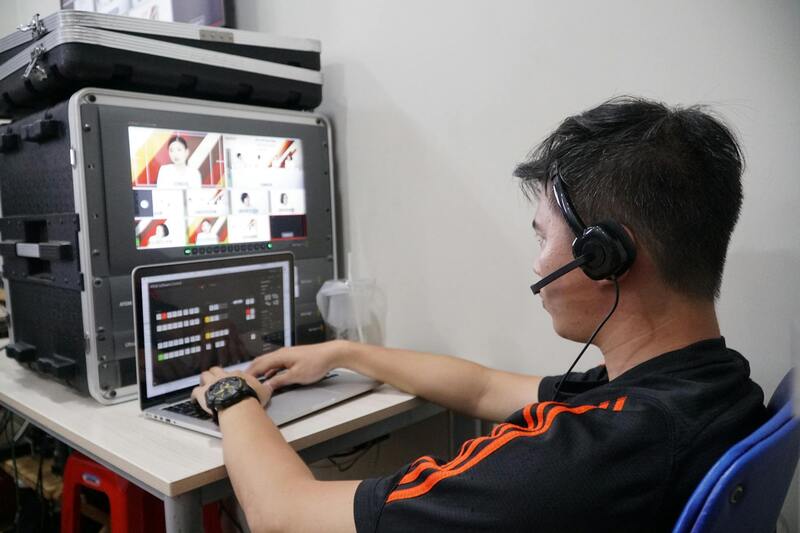
To deliver a consistently smooth and engaging virtual event, conference streaming services rely heavily on meticulous setup and ongoing support. This involves an integrated approach that encompasses both hardware and software components, ensuring seamless content delivery from the broadcasting point to attendees' devices.
Initial setup typically includes deploying high-definition cameras and professional audio equipment at the event venue, alongside multiple backup systems to mitigate potential failures. These are connected through a high-speed, reliable internet connection capable of handling the live data flow without interruption. Specialized streaming hardware encodes audio and video signals into digital formats optimized for real-time transmission.
Software platforms facilitate the management of live feeds, multiple camera angles, and multimedia content, synchronized to produce a polished broadcast. These are supported by content delivery networks (CDNs) that distribute streams efficiently across various geographical locations, reducing latency and buffering issues. A dedicated support team is essential during the event to monitor streams, troubleshoot technical problems, and manage user access issues promptly.

Strategies for Enhancing Audience Engagement Online
Engagement remains a critical factor in the success of virtual conferences. Platforms that integrate interactive features can significantly increase participant retention and satisfaction. Live polls, Q&A sessions, and chat functionalities enable real-time interactions, transforming passive viewers into active participants.
Breakout rooms and parallel sessions provide opportunities for networking and deeper discussions, mirroring aspects of in-person events. The use of augmented reality (AR) and virtual reality (VR) technologies is also gaining traction, offering immersive experiences that captivate audiences and facilitate collaborative learning.
Additionally, analytics tools help organizers gain insights into attendee engagement levels, session popularity, and overall platform performance. These data points enable continuous improvement, allowing for tailored content delivery in future events and better understanding of audience preferences.

Legal and Ethical Considerations in Conference Streaming
While selecting conference streaming services, it is vital to prioritize platforms that adhere to strict content protection protocols. Secure streaming environments utilize advanced encryption standards, multi-factor authentication, and secure login processes to control access and restrict sensitive content to authorized viewers only.
Content management systems embedded within these platforms often support digital rights management (DRM) techniques, ensuring that intellectual property is protected from unauthorized redistribution. Furthermore, compliance with data privacy regulations and transparent user policies are critical in creating a trustworthy environment for both organizers and participants.
Providing clear guidelines on recording, sharing, and distributing content also plays a role in maintaining ethical standards. Transparent communication about data collection and usage builds trust and encourages compliance from all attendees, enhancing the overall credibility of the virtual event.
Ensuring Secure and Smooth Conference Streaming
To deliver high-quality conference experiences, utilizing secure and reliable streaming methods is essential. Organizers should select platforms that incorporate advanced encryption protocols to safeguard live content against unauthorized access. Implementing multi-factor authentication and secure login systems ensures that only authorized participants can join the event, providing peace of mind and maintaining the integrity of the conference.

In addition, robust content management systems (CMS) equipped with digital rights management (DRM) capabilities help protect intellectual property by controlling how media is distributed and accessed. These tools prevent unauthorized copying, sharing, or redistribution of conference materials, maintaining the event's professional standards.
Data privacy compliance is also paramount. Platforms should adhere to established regulations such as GDPR or similar frameworks, ensuring participant information is collected, stored, and used transparently and ethically. Clear policies on recording, sharing, and distributing conference content foster trust among attendees and reassure them that their personal data and participation are handled responsibly.
Leveraging Practical Techniques for Effective Streaming
- Network Optimization: A stable and high-bandwidth internet connection minimizes buffering and delays, providing a seamless viewing experience.
- Content Delivery Networks (CDN): Utilizing CDNs ensures rapid, reliable distribution of video streams across different geographical locations, reducing latency.
- Redundancy Systems: Implementing backup streaming servers guarantees continuous coverage even if primary systems encounter issues.
- Technical Support: Having dedicated technical teams on standby helps swiftly resolve any unexpected problems during the event.
Additionally, real-time analytics and monitoring tools allow organizers to track stream health, viewer engagement, and technical performance, enabling prompt troubleshooting and adjustments to optimize the quality of the streaming experience.
Practical Tips for Host and Audience Engagement
- Interactive Features: Incorporating live polls, Q&A sessions, chat functionality, and breakout rooms fosters active participation and keeps the audience engaged.
- Clear Communication: Providing detailed instructions on how to access the platform, participate in interactive segments, and troubleshoot common issues enhances user experience.
- Scheduled Networking Opportunities: Facilitating virtual networking through structured sessions mimicking in-person mingling encourages relationship building and community development.
- Post-Event Access: Offering on-demand recordings and supplementary materials allows attendees to revisit content and deepen their understanding post-event.
In integrating these strategies, organizers can maximize the value of virtual conferences, ensuring that participants remain motivated, involved, and satisfied with their overall experience while maintaining the professionalism and security of the event.