
Overview of Streaming Production
Streaming production refers to the process of creating and delivering live or pre-recorded audiovisual content over the internet, allowing audiences to view media in real-time or on demand. As digital consumption continues to rise, streaming has become a cornerstone of modern media, transforming the way content is distributed and consumed across various industries. In Miami, a vibrant hub for media and entertainment, the demand for professional streaming services has surged, driven by the need for high-quality, reliable content delivery.
This approach to content dissemination offers numerous advantages. It enables creators to reach global audiences seamlessly, reduces the costs associated with traditional broadcast methods, and provides interactive opportunities for viewers. Businesses, event organizers, and content creators in Miami routinely leverage streaming production to broadcast concerts, corporate events, webinars, and sports competitions, ensuring broad accessibility and engagement.
The importance of streaming production in contemporary media ecosystems cannot be overstated. Its rapid evolution and integration with new technologies have elevated content quality and expanded the scope of live events. From small-scale local productions to large-scale international broadcasts, the capabilities of streaming technology allow for versatile productions tailored to diverse audience interests.
Effective streaming production involves meticulous planning, sophisticated equipment, and skilled personnel to deliver a seamless viewing experience. As Miami continues to grow as a media metropolis, the significance of professional streaming production services in maintaining high standards of content quality and reliability becomes increasingly apparent.

Essential Equipment and Technology
Successful streaming production relies heavily on specialized equipment and technology tailored to deliver professional-grade content. High-definition cameras are fundamental, offering clarity and detail essential for engaging visuals. These cameras should be capable of live output with multiple angle options to provide dynamic perspectives that enhance viewer engagement. Besides cameras, audio quality plays a crucial role; professionals utilize high-fidelity microphones, audio mixers, and soundboards to capture commentary, ambient sounds, and music with clarity.
Complementing visual and audio components, reliable streaming hardware such as encoders and switches are vital for transmitting data seamlessly. Hardware encoders convert raw footage into a digital stream optimized for internet delivery, ensuring minimal latency and buffering. Video switchers facilitate real-time transition between camera feeds and multimedia sources, enabling smooth presentations that keep viewers captivated.

Furthermore, robust internet infrastructure is indispensable. Fiber-optic connections or bonded internet solutions are often employed to maintain stable upload speeds, preventing interruptions during live broadcasts. Auxiliary equipment such as lighting rigs, teleprompters, and backdrops also contribute significantly to professional presentation quality.
Software solutions, including streaming platforms and control interfaces, facilitate content management, chat moderation, and analytics. These tools enable producers to monitor stream health, adjust settings on the fly, and gather data to refine future broadcasts. The integration of emerging technologies like 4K cameras, virtual sets, and augmented reality (AR) further elevates production value, catering to audience preferences for immersive content.
Investing in the right combination of equipment and technology ensures that Miami-based streaming productions can adapt to various content demands, from music festivals and corporate webinars to educational seminars and cultural events. Precision in technological setup translates directly into a seamless viewer experience, fostering audience loyalty and expanding the outreach of each broadcast.
Official and Reliable Methods for High-Quality Streaming Production
To achieve a professional level of streaming production, content creators and organizations rely on well-established techniques and equipment that guarantee stability, clarity, and viewer engagement. Selecting high-grade hardware components such as professional-grade cameras, encoders, and mixing consoles ensures that footage remains sharp and consistent, even during complex live events. These tools facilitate precise control over video and audio feeds, enabling seamless switching, overlays, and transitions that elevate the overall broadcast quality.
Investing in robust internet connectivity is fundamental for uninterrupted streaming. Business-grade fiber-optic connections or bonded internet solutions combine multiple connections to provide the necessary upload speeds and network stability. Such measures protect against common issues like buffering and packet loss, which can significantly detract from the viewer experience. Network monitoring tools and redundant systems are often employed to detect and mitigate potential disruptions in real-time.

Utilizing professional streaming platforms that are designed to handle high-volume traffic and offer features such as multi-camera switching, graphic overlays, and live chat moderation is essential. These platforms often provide integrations with popular content management tools, analytics, and audience engagement features, allowing producers to tailor content delivery effectively. When selecting platforms, ensuring they support the desired streaming protocols and quality settings (such as 4K and HDR) can dramatically enhance the viewer experience.
Content security and quality control are also prioritized in official streaming procedures. Implementing encrypted streams and access controls help safeguard content from unauthorized distribution. Furthermore, pre-broadcast testing and rehearsals allow production teams to identify and address potential issues, confirming that all technical elements operate harmoniously before going live.
In addition to technical considerations, adhering to a structured workflow that incorporates pre-production planning, live management, and post-production review is vital. Pre-production involves scripting, equipment checks, and coordinating team roles. During live broadcasts, real-time monitoring and technical support ensure smooth operation, while post-production processes include editing, captioning, and content redistribution through appropriate channels. These systematic approaches based on proven practices contribute to consistent, high-quality streaming productions across Miami and beyond.
Essential Methods for Ensuring Quality and Accessibility in Streaming Production
Achieving consistent and professional streaming production results relies heavily on meticulous adherence to several official and proven methods. These practices are integral not only to maintaining high-quality content delivery but also to ensuring seamless viewer engagement and content accessibility across diverse devices and networks. Implementing these approaches systematically helps to mitigate common technical issues and enhances overall production value.
Implementing Robust Encoding and Compression Standards
One of the fundamental principles of delivering high-quality streams involves utilizing industry-standard encoding and compression technologies. Employing codecs such as H.264 or H.265 ensures efficient video compression, which balances high resolution with manageable bandwidth consumption. This allows audiences with varying internet speeds to access content without buffering or loss of quality. Proper encoding settings, including bitrate optimization and adaptive streaming protocols, dynamically adjust the quality based on the viewer’s connection, providing a smooth viewing experience regardless of network conditions.
Utilizing CDN (Content Delivery Network) Infrastructure
To reach broad audiences reliably, streaming producers leverage Content Delivery Networks (CDNs). These distributed networks of servers minimize latency and buffering by delivering content from a geographically optimal location close to viewers. This ensures minimal disruption during live broadcasts and improves load times for on-demand content. Selecting reputable CDN providers with scalable solutions supports transmission integrity during high-traffic events, thereby maintaining viewer satisfaction and avoiding disruptions caused by server overloads.

Securing Content with Encryption and Digital Rights Management (DRM)
Protecting streaming content from unauthorized access involves implementing encryption protocols and digital rights management systems. These security measures prevent content piracy and unauthorized redistribution, safeguarding intellectual property. Utilizing secure streaming protocols such as DASH (Dynamic Adaptive Streaming over HTTP) or HLS (HTTP Live Streaming) with encrypted streams ensures that only authorized users with proper access credentials can view the content. Additionally, integrating DRM solutions allows content creators to control distribution rights and enforce regional or device-specific restrictions effectively.
Conducting Pre-Stream Testing and Quality Assurance
Thorough pre-broadcast testing is crucial for identifying potential technical issues before going live. This process includes verifying equipment functionality, network stability, audio/video synchronization, and compatibility with various devices and browsers. Conducting mock broadcasts enables teams to troubleshoot and adjust settings proactively. Moreover, setting up dedicated technical support teams during live events provides immediate assistance if unforeseen issues arise, minimizing disruptions and ensuring a professional presentation.

Engaging Audience Through Interactive Tools
Interactive features such as live chat, polls, and Q&A segments can significantly enhance viewer engagement. Incorporating these tools requires reliable integration with streaming platforms and moderation protocols to manage audience interactions effectively. This engagement fosters a sense of community and encourages viewer retention, making live streams more impactful. Ensuring that these interactive elements are accessible across all devices and user interfaces is vital for maximum participation.
Accessibility and Inclusivity Measures
Reaching diverse audiences requires implementing accessibility features like closed captions, subtitles, and audio descriptions. These tools not only broaden the reach of streaming content but also comply with best practices for accessibility. Aligning with official guidelines around captioning and audio descriptions ensures content is usable by audiences with hearing or visual impairments, ultimately expanding viewership and enhancing brand reputation.
Understanding the Technical Infrastructure Behind Streaming Production
Behind every successful streaming event lies a robust technical infrastructure that ensures smooth delivery and high-quality viewing experiences. Implementing a reliable content delivery network (CDN) is fundamental, as it distributes the streaming content across multiple servers worldwide, reducing latency and buffering times for viewers regardless of their location. CDN infrastructure can significantly enhance the scalability of streaming operations, accommodating a growing number of simultaneous viewers without compromising quality.
In addition to CDN capabilities, encoding technology plays a critical role. Using advanced encoders, such as hardware or software-based solutions, ensures that raw video footage is efficiently compressed without loss of quality. This efficient compression optimizes bandwidth usage, enabling higher resolution streams and better audio fidelity. Adaptive bitrate streaming further enhances viewer experience by dynamically adjusting video quality based on the viewer's internet connection, preventing interruptions and buffering.

Network stability and bandwidth management are equally vital. High-speed internet connections with dedicated bandwidth are necessary for transmitting live content without interruption. Network redundancy, through backup internet lines and failover systems, ensures uninterrupted streaming even if primary connections face issues. Regular network testing and bandwidth assessments are critical pre-broadcast procedures to identify and mitigate potential disruptions.
Software Solutions for Streaming Control and Management
Effective software platforms streamline various aspects of streaming production, from content management to live switching. Professional streaming software offers features such as multi-camera switching, live graphics overlay, video encoding, and real-time analytics. These tools facilitate seamless transitions between multiple video sources, ensuring the final broadcast maintains a professional appearance.
In addition, integrated content management systems simplify scheduling, pre-recorded segment insertion, and metadata management. Such systems enable producers to control the flow of content precisely, avoiding unexpected gaps or overlaps during live streams. Real-time analytics offered by these platforms provide immediate insights into viewer engagement, technical performance, and streaming quality, allowing for swift adjustments if issues arise.
It is crucial to consider the security aspects within streaming software to prevent unauthorized access or content theft. Secure login protocols, encryption of transmitted data, and access controls are standard features that safeguard the integrity of live broadcasts. Ensuring that all software components are updated regularly reduces vulnerabilities, maintaining a secure streaming environment.
Stream Recording and Archiving Technologies
Recording live streams is an essential component of professional streaming production, providing content archiving for future distribution or promotional purposes. High-quality recording systems sync seamlessly with live streams, capturing video and audio streams in real time with minimal latency. These recordings can then be processed and edited for post-event distribution across various platforms.
Archiving solutions also facilitate content repurposing, allowing creators to extract highlights, create shorter clips, or prepare on-demand versions that increase content reach. Cloud-based storage solutions offer scalable options for storing large volumes of high-resolution footage, ensuring easy access and long-term preservation.

Overall, a combination of cutting-edge infrastructure, sophisticated software tools, and strategic planning forms the backbone of professional streaming production. This integrated approach guarantees high-quality broadcasts, scalability, security, and flexibility, vital for meeting the diverse demands of contemporary streaming events.
Production Process and Live Streaming Management
Managing a professional streaming production requires meticulous coordination across several technical and operational aspects to ensure a seamless viewer experience. The core of this process involves real-time control of various elements such as camera feeds, audio levels, graphics, and transitions. Skilled operators utilize advanced switchers and mixers to blend multiple video sources smoothly, adapting dynamically to live events or changing scenarios.
Effective management of live streaming also entails monitoring real-time analytics and stream health indicators. These tools provide insights into viewer engagement, buffering issues, and bitrate stability, enabling operators to make immediate adjustments to optimize quality. Incorporating failover systems and backup streams is also a standard practice, ensuring content delivery continues uninterrupted in case of technical disruptions.
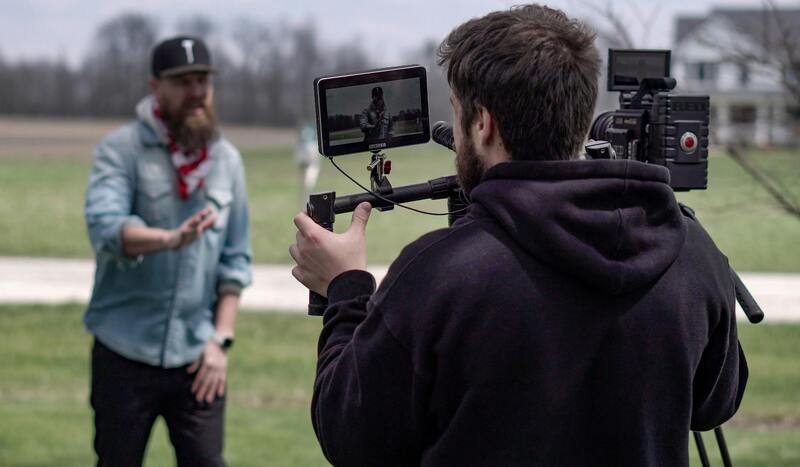
Technical personnel are responsible for overseeing encoding settings, ensuring compatibility across multiple devices and platforms. They configure encoders and content delivery networks (CDNs) to distribute streams efficiently, minimizing latency and packet loss. Additionally, real-time chat moderation and viewer interaction management are crucial to maintain stream engagement and address viewer queries proactively.
Incorporating automation tools, such as switching software with preset scenes or automated transitions, reduces human error and streamlines production workflows. Many modern setups also leverage remote management capabilities, allowing producers to oversee and control streams from various locations, providing flexibility and reducing operational costs.
- Real-time monitoring: Ensures consistent content quality and stream stability
- Backup and redundancy: Prevents interruptions due to technical failures
- Encoding and distribution: Optimizes content delivery across platforms
- Viewer engagement management: Facilitates interaction and community building
- Automation and remote controls: Enhances efficiency and reduces workforce requirements
Implementing a comprehensive management system in streaming production not only enhances the professionalism of broadcasts but also mitigates potential issues that could compromise content integrity or viewer satisfaction. Incorporating these best practices ensures the delivery of reliable, high-quality live streams capable of meeting diverse audience expectations.
Post-Production and Content Distribution
Once the live streaming event concludes, the focus shifts toward post-production processes and effective distribution strategies. Recording the live stream at high quality provides an essential asset for creating on-demand content, highlights, or promotional materials. Post-production editing can include trimming out unnecessary segments, adding graphics or overlays, and enhancing audio or video quality to ensure a polished final product that aligns with your brand standards.
Content distribution involves making the recorded or edited material accessible across various channels to maximize reach and engagement. This includes uploading videos to dedicated platforms, embedding live and on-demand content into websites, and leveraging social media channels for promotion. Proper tagging and descriptive metadata are critical during upload to improve discoverability and SEO performance, helping new audiences find the content more easily.
Furthermore, encoding the final content into multiple formats ensures compatibility across different devices and platforms, providing viewers with seamless access regardless of their preferred device. Distributing content through reputable Content Delivery Networks (CDNs) minimizes buffering and latency issues, particularly for high-resolution videos or large audiences. This strategic distribution is vital for maintaining a high-quality viewing experience, thereby enhancing viewer satisfaction and engagement.
Analytics and Performance Tracking
Monitoring key performance metrics after the event offers insights into viewer behavior and content effectiveness. Metrics such as watch time, viewer retention, geographic distribution, and engagement levels inform future content planning and production adjustments. Comprehensive analytics tools enable producers to identify trends, understand audience preferences, and optimize streams for better results in subsequent broadcasts.
Archiving and Content Management
Storing high-quality recordings in secure digital archives permits easy retrieval for future use. Proper content management practices, including categorization and tagging, streamline access to past streams for repurposing or re-distribution. Maintaining an organized archive can facilitate quick turnaround for content updates or promotional efforts, ensuring longevity for your streaming productions.
Comprehensive Approaches to Streaming Production Quality and Security
Ensuring high-quality streaming production extends beyond content creation to encompass robust security measures that protect both the producer’s proprietary material and viewers’ data. Implementing end-to-end encryption during data transmission safeguards content against unauthorized access and piracy, which is especially critical for premium or sensitive productions. Additionally, utilizing secure streaming protocols, such as Secure Reliable Transport (SRT) or High Bandwidth Digital Content Protection (HDCP), enhances transmission security and reduces vulnerability to interception or tampering.
Authentication systems, including multi-factor authentication (MFA) for content access and robust user login procedures, help restrict unauthorized viewing and manage access controls effectively. For organizations handling sensitive content or operating in regulated industries, deploying digital rights management (DRM) solutions further restricts unauthorized copying or redistribution of the streamed material. These measures collectively reinforce the security framework of a streaming production, ensuring the content remains protected throughout its lifecycle.
Ensuring Reliability and Redundancy in Streaming Infrastructure
Reliability is critical to maintaining a seamless viewer experience, especially during live streaming events. Building redundancy into streaming architecture can mitigate risks associated with equipment failure, network disruptions, or unforeseen technical issues. This entails maintaining backup servers, switching to alternative network routes, and employing load balancing techniques to distribute traffic evenly across multiple servers and data centers.
Deploying content delivery networks (CDNs) with extensive global reach can significantly reduce latency and buffer times, thereby guaranteeing consistent streaming quality regardless of the geographic distribution of viewers. Regular testing and maintenance of all hardware and software components within the streaming chain help identify potential weak points before they impact the live event.
Optimizing Viewer Engagement and Accessibility
To enhance the viewer experience, streaming production should incorporate adaptive streaming technologies that automatically adjust video quality based on the viewer’s internet speed and device capabilities. This ensures minimal buffering and a smooth viewing experience for all audiences. Additionally, providing multiple language subtitles, closed captioning, and audio descriptions can broaden accessibility and inclusion, aligning with accessible content standards.
Interactive features such as real-time chat, viewer polls, and Q&A sessions foster engagement and make live streams more dynamic. Integrating social media sharing options allows viewers to easily promote content, further expanding reach. Providing access through various devices, including smartphones, tablets, and smart TVs, requires a responsive and user-centric platform design.
Implementing Professional Monitoring and Technical Support
During live streams, dedicated technical support teams monitor stream health, network performance, and security alerts in real-time. Using professional monitoring tools that track latency, jitter, packet loss, and other critical metrics ensures quick response times to any anomalies. This proactive approach minimizes downtime and maintains consistent content delivery.
Post-event, detailed analytics and reports help identify potential weaknesses or areas for improvement. Gathering viewer feedback and analyzing engagement data guides future production efforts, aligned with audience preferences and technological trends. This continuous feedback loop plays a vital role in refining streaming strategies and elevating overall production quality.