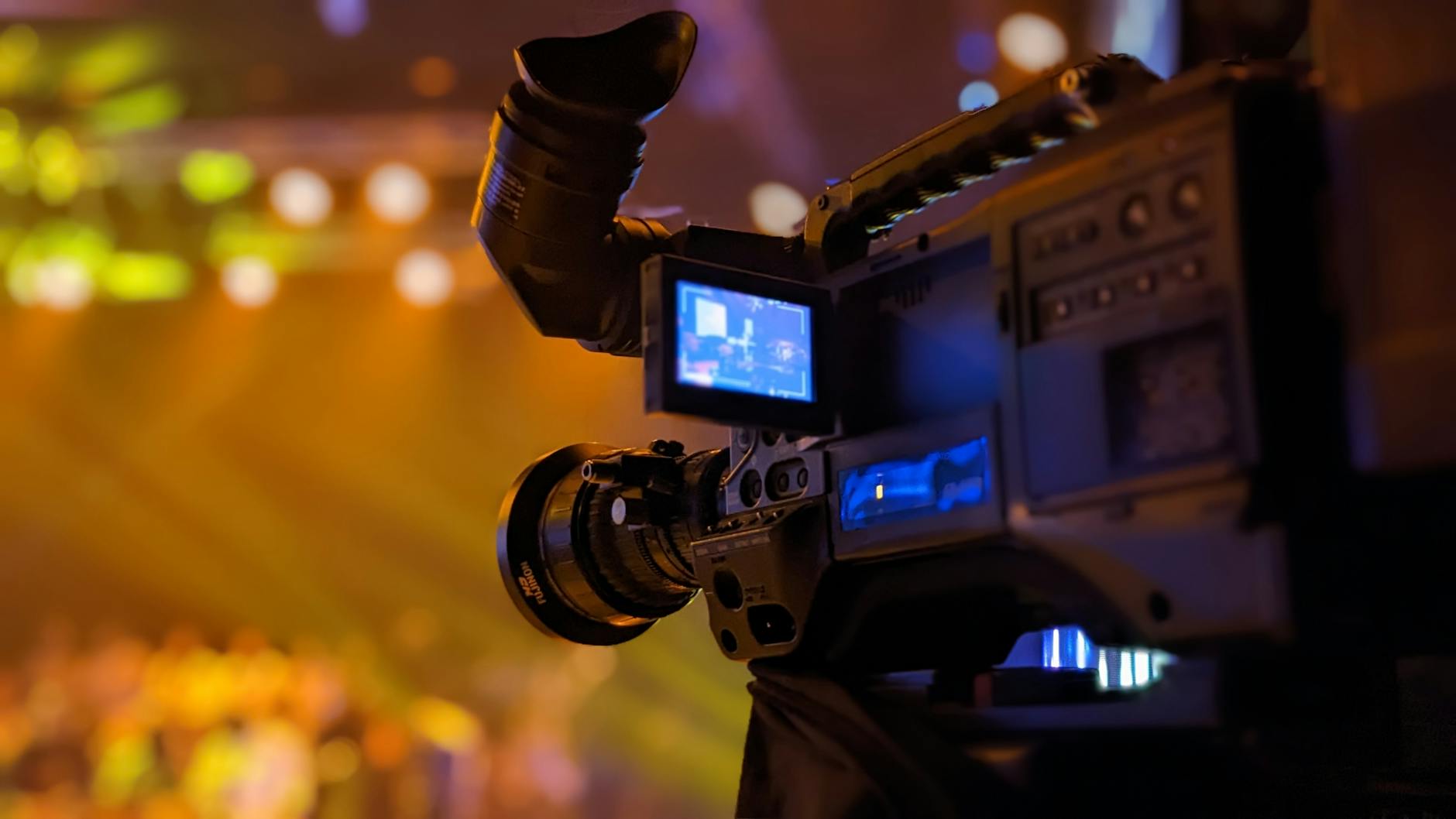
Understanding Broadcast Streaming Production
Broadcast streaming production has become a fundamental component of modern live event coverage and digital broadcasting. It involves the process of capturing, editing, and transmitting live video content over the internet to reach audiences globally. Unlike traditional broadcast methods, which rely heavily on terrestrial or satellite transmission, broadcast streaming employs internet-based platforms to deliver high-quality, real-time content to viewers on various devices, including computers, smartphones, and smart TVs.
This method offers numerous advantages, such as increased accessibility, cost efficiency, and the ability to engage with a broader audience base. For corporate events, sports competitions, concerts, and religious services, professional broadcast streaming ensures seamless delivery and a consistent viewer experience. As digital audiences continue to grow, the importance of a well-structured broadcast streaming production process becomes more evident in delivering compelling and reliable live content.
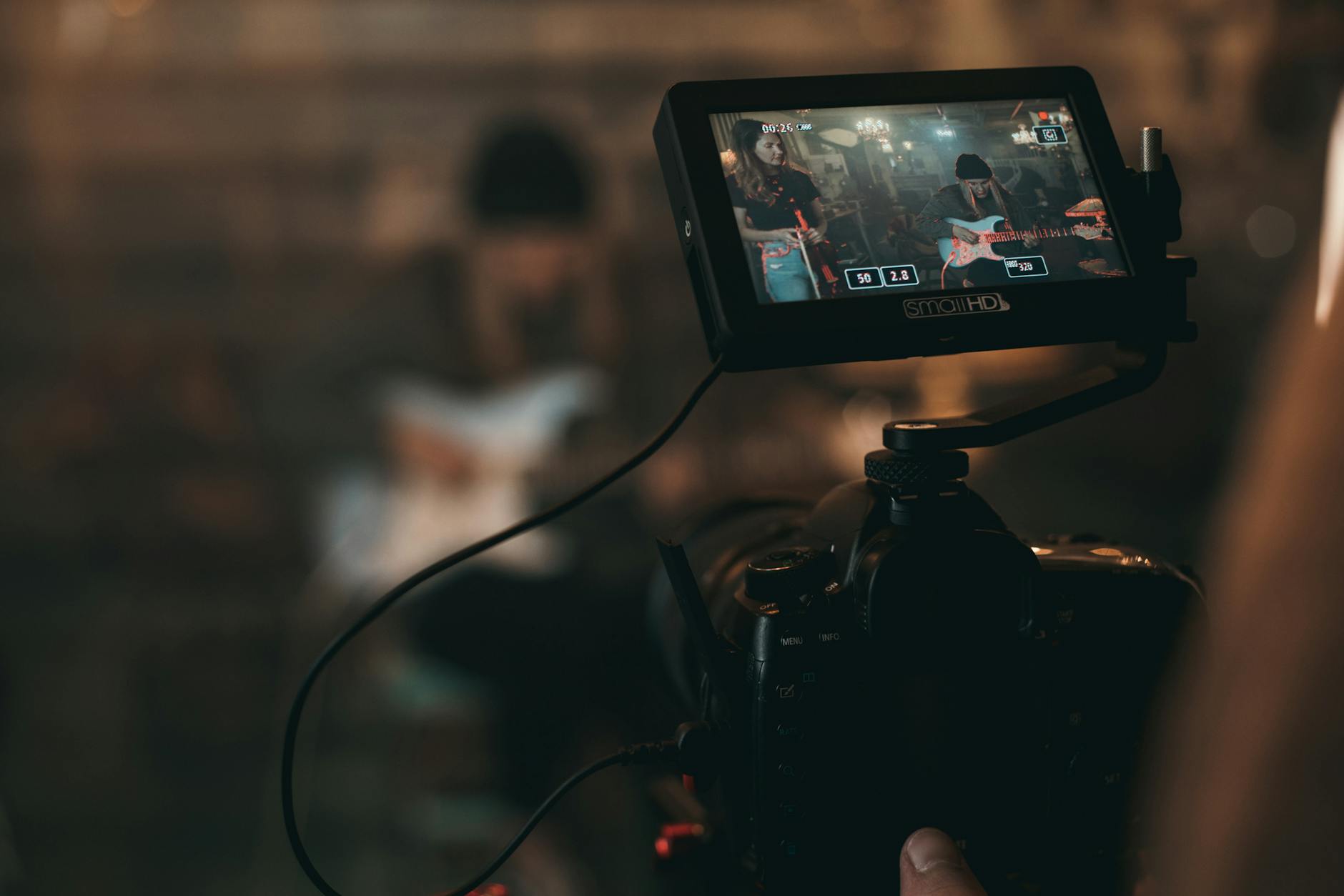
At the core, broadcast streaming production requires a combination of specialized equipment, meticulous planning, and technical expertise to manage the entire process efficiently. From initial content planning to the final delivery, each phase plays a crucial role in ensuring that the live broadcast meets professional standards and audience expectations. This comprehensive approach not only enhances viewer satisfaction but also bolsters the reputation of content providers and broadcasters in a competitive digital landscape.
Understanding the intricacies of broadcast streaming production lays the groundwork for exploring its various phases, starting with detailed planning and pre-production preparations. Successful live streaming hinges on strategic decisions made well before the event begins, including choosing the right technological infrastructure, coordinating team efforts, and establishing clear objectives aligned with the target audience.
Planning and Pre-Production
Effective broadcast streaming production begins long before the cameras start rolling. The planning phase involves comprehensive preparation to ensure a smooth and high-quality live event. This includes developing detailed content scripts that outline the flow of the broadcast, determining camera angles, and establishing key moments to highlight. It also necessitates a thorough assessment of technical requirements, such as bandwidth needs, equipment compatibility, and backup solutions, to mitigate potential disruptions during the event.
Scheduling is another vital element, requiring coordination among all team members—directors, camera operators, technicians, and on-air talent—to synchronize efforts and optimize resource deployment. This also involves confirming the availability and setup of essential infrastructure like internet connectivity, streaming hardware, and audio-visual equipment.
Clear communication channels are established to prevent misunderstandings and ensure everyone involved understands their roles and responsibilities. Using pre-event rehearsals, the production team can identify and resolve potential issues, confirm equipment functionality, and verify the overall workflow. Accurate content planning combined with precise technical coordination creates a foundation that supports a reliable and engaging broadcast, ultimately leading to a more satisfying viewer experience.
Essential Equipment and Technology
Implementing a professional broadcast streaming production necessitates specialized equipment designed to capture, process, and transmit live content efficiently. High-definition cameras are fundamental, providing crisp visuals that capture every moment with clarity. These are often complemented by multi-camera setups to offer varied angles and a more dynamic viewing experience.
A robust audio system is equally crucial, featuring quality microphones and mixers to deliver clear sound that complements the visual content. Reliable video switchers and routers facilitate seamless switching between camera feeds, while a powerful encoder compresses the video signals for optimal streaming performance across different platforms.
Internet connectivity remains a cornerstone of high-quality broadcast production. To ensure uninterrupted streaming, redundant connections such as dedicated fiber lines or cellular backup are often employed. Additionally, monitors, lighting equipment, and teleprompters support on-camera talent and technical operations.
Investing in advanced broadcasting hardware and software solutions not only enhances production quality but also provides the flexibility to adapt to various event requirements. Properly configured, this technology stack ensures that live streams are delivered with consistency, clarity, and minimal latency, thereby meeting professional standards and viewer expectations.
Production Setup and Execution
On the day of the event, setting up the production environment efficiently is paramount. This involves assembling and calibrating all equipment in accordance with the pre-planned layout. Camera positions are adjusted to capture key perspectives, and audio levels are carefully balanced to deliver clear sound without distortion.
The technical team conducts a series of tests—checking internet stability, verifying stream quality, and running real-time diagnostics to identify any potential issues early. During the event, a director oversees the live feed, making real-time decisions to switch between camera angles, incorporate graphics, or handle unforeseen technical challenges.
Coordination among the technical crew and on-screen talent ensures that cues are rehearsed and adhered to, maintaining a professional presentation. The use of communication headsets facilitates instant dialogue among team members, allowing for swift problem-solving and smooth execution.
The execution phase demands prompt troubleshooting skills and adaptability, especially when unexpected situations arise. Having a well-trained crew capable of managing the live environment minimizes risks and guarantees a high-standard broadcast that aligns with the intended content format.
Encoding, Streaming Platforms, and Delivery
Effective broadcast streaming production relies heavily on the selection and configuration of encoding solutions, streaming platforms, and delivery mechanisms. Encoding transforms raw audio and video signals into a digital format suitable for transmission over the internet. This process is critical for maintaining high-quality streams while optimizing bandwidth usage, ensuring viewers experience minimal latency and buffering.
There are two primary types of encoders used in professional broadcast streaming:
- Hardware encoders: Dedicated physical devices designed for real-time encoding. They offer reliability, consistent performance, and often include features such as multiple input options, built-in redundancies, and professional-grade outputs, making them suitable for high-stakes live events.
- Software encoders: Applications installed on standard computers or servers. They provide flexibility and cost-effectiveness, allowing for customization and integration with other production tools. Popular software encoders include OBS Studio, vMix, and Wirecast, each supporting various streaming protocols and quality settings.
Choosing a streaming platform involves evaluating platforms based on their infrastructure, support for various protocols, scalability, and user interface. Leading streaming platforms capable of supporting broadcast-quality streams include dedicated enterprise solutions and cloud-based services that facilitate live stream distribution across multiple channels. Platforms like Wowza, Vimeo Livestream, and AWS Elemental MediaLive offer robust features such as adaptive bitrate streaming, multi-channel management, and real-time analytics, ensuring the stream reaches the intended audience reliably.
Delivery methods focus on how the encoded content reaches viewers. Content Delivery Networks (CDNs) are employed to distribute streams efficiently by caching data across multiple geographically dispersed servers. This setup reduces latency and prevents server overload, providing a seamless viewing experience even during high-traffic events. The CDN selection should align with the scale of the broadcast and the target audience’s geographic distribution.
Ensuring smooth delivery also involves implementing Content Security policies, such as encryption and digital rights management (DRM), which protect the intellectual property and restrict access to authorized viewers only. Such measures are integral to maintaining high standards of broadcast integrity, particularly when streaming premium or sensitive content.
Moreover, continuous monitoring during and after the broadcast is essential. This involves tracking stream health, viewer engagement metrics, and system performance to identify issues proactively. Real-time diagnostics help streaming teams make immediate adjustments to resolve problems like bandwidth bottlenecks or synchronization errors, thereby preserving broadcast quality throughout the event.
By meticulously integrating encoding hardware and software with resilient streaming platforms and efficient delivery channels, production teams ensure that live broadcasts meet the highest standards. This comprehensive approach, rooted in proven techniques and advanced technology, delivers professional-level content that engages viewers and adheres to the intended broadcast standards.
Understanding Broadcast Streaming Production
Broadcast streaming production involves orchestrating a complex integration of technological components and operational strategies to deliver high-quality live content to viewers across various platforms. This process encompasses everything from pre-event planning and equipment setup to the final delivery and post-production management. Achieving seamless transmission requires meticulous attention to detail in every phase, ensuring that the content maintains clarity, stability, and accessibility, regardless of the viewer’s location.

Key Elements of Broadcast Streaming Production
- Pre-Production Strategy: Drafting a comprehensive plan that defines the scope, target audience, and platform specifications. This includes creating detailed technical run sheets to align all operational aspects.
- Content Planning: Selecting relevant content, scheduling segments, and coordinating with presenters, speakers, or performers to ensure smooth flow during the live event.
- Technical Setup: Ensuring that all equipment, including cameras, audio sources, and encoders, are configured correctly and tested beforehand to avoid lapses during the live broadcast.
- Team Coordination: Assigning roles such as director, technical operator, and production assistants, fostering clear communication channels for real-time decision-making.
Process Optimization for Successful Broadcasts
Implementing robust procedures for redundancy and fail-safes minimizes disruptions. This includes backup streams, alternative power supplies, and dual internet connections to ensure continuous coverage. Setting up a dedicated production server aids in managing multiple data streams simultaneously and provides a centralized control point.

Quality Control and Troubleshooting
Constant monitoring of video and audio feeds is vital. Specialized software enables real-time diagnostics, highlighting issues such as delay, jitter, or pixelation. Technical teams can swiftly respond to these concerns, adjusting encoding parameters or switching to backup systems as needed to maintain broadcast integrity.
Integration of Live Interaction and Graphics
Enhancing engagement through dynamic graphics, lower thirds, and real-time chat integration adds value to the broadcast. These elements require synchronized handling during production, demanding skilled operators familiar with broadcasting software and hardware interfaces.
Encoding, Streaming Platforms, and Delivery
Effective broadcast streaming production begins with the accurate encoding of live video feeds to ensure optimal quality and minimal latency. Encoding involves compressing raw video and audio signals into a digital format suitable for transmission over the internet. Professional-grade encoders are capable of adjusting bitrates, resolutions, and compression settings dynamically, adapting to varying network conditions to maintain a seamless viewing experience.
Once encoded, the stream must be distributed through reliable streaming platforms that serve as distribution points to reach a broad or targeted audience. These platforms include content delivery networks (CDNs), which optimize delivery by caching content geographically closer to viewers, reducing buffering and lag. Select platforms often support multiple protocols such as RTMP, HLS, or DASH, expanding compatibility across different devices and internet environments.
Distribution methods vary based on the audience size, geographic reach, and specific quality requirements. For larger, global audiences, utilizing multiple CDN providers ensures redundancy and scalability. For niche or localized streams, direct platform integration with social media channels like Facebook Live, YouTube, or custom streaming portals is common. This multi-platform approach maximizes audience engagement by delivering consistent quality regardless of device or network constraints.
Ensuring the synchronization of audio and video streams is critical, as desynchronization can negatively impact viewer experience. Advanced streaming setups involve multi-bitrate encoding, which allows adaptive streaming—automatically adjusting quality based on the viewer's bandwidth. This process ensures that viewers experience minimal disruptions, maintaining high-resolution output during good network conditions while lowering quality during slower connections.
Monitoring tools integrated into streaming workflows provide real-time analytics, such as latency, dropped frames, and buffering events. These metrics enable technical teams to perform instant troubleshooting, ensuring the transmission remains stable and high-quality throughout the broadcast. Proper integration of encoding hardware, robust CDN services, and dynamic adaptive streaming techniques results in a reliable broadcast that meets the standards expected by professional audiences.
Ultimately, the key to successful content delivery lies in meticulous planning and execution of encoding methods and distribution channels. By leveraging state-of-the-art technology and best practices in streaming management, broadcasters can deliver engaging, high-quality live content that fosters viewer loyalty and expands reach across multiple digital platforms.
Optimizing Broadcast Streaming for Reliability and Quality
Achieving a seamless broadcast stream requires a meticulous approach to the technical infrastructure and broadcasting workflow. Using reliable hardware encoders and dedicated streaming servers ensures stable data transmission, minimizing latency and buffering issues. State-of-the-art hardware encoders decode and compress live video feeds with precision, supporting multi-bitrate encoding to adapt to varying network conditions. This capability enables continuous delivery of high-quality streams across diverse devices and network environments.
Content delivery networks (CDNs) play a pivotal role in dispersing the streaming content efficiently. By distributing the load across multiple servers geographically closer to viewers, CDNs reduce transmission delays and prevent bottlenecks. This infrastructure is vital for ensuring a consistent streaming experience during high-demand events and mitigating disruptions caused by network spikes or outages.
Integrating advanced encoding software with hardware solutions facilitates adaptive streaming, allowing the broadcast to dynamically adjust quality based on viewer bandwidth. This process ensures uninterrupted viewing experiences, even in fluctuating network conditions. Real-time monitoring tools should be employed throughout the broadcast, providing instant insights into stream health, including metrics such as latency, frame drops, or buffering activity. These analytics are critical for prompt troubleshooting and maintaining optimal broadcast quality.
Multi-Platform Distribution Strategies
Effective distribution involves leveraging multiple streaming platforms to maximize audience engagement. This multi-platform approach ensures coverage across various devices, including desktops, tablets, and smartphones. By employing reliable stream ingestion workflows and standardized protocols like RTMP (Real-Time Messaging Protocol) or SRT (Secure Reliable Transport), broadcasters can push content to several platforms simultaneously with minimal delay and maximum stability.
Simultaneous streaming also opens opportunities for audience interaction and analytics, offering Data-driven insights into viewer engagement patterns. These insights inform ongoing improvements in content delivery methods, optimizing viewer retention and overall broadcast performance.
Ensuring Quality and Compliance
Maintaining high-quality broadcast streams extends beyond technical setup. Implementing quality control measures, such as scheduled pre-broadcast tests and continuous monitoring, helps identify and rectify potential issues before they impact viewers. Adherence to industry standards for audio and video synchronization ensures a professional viewing experience that meets viewer expectations.
Further, adherence to platform-specific requirements—such as video resolution, bitrates, and audio specifications—ensures compatibility across multiple devices and viewing environments. Adopting a comprehensive quality assurance process safeguards the broadcast against common technical pitfalls and enhances credibility with the audience.
Understanding Broadcast Streaming Production
Broadcast streaming production harnesses sophisticated technical workflows and dedicated equipment to deliver high-fidelity live content to viewers across multiple digital platforms. It involves a seamless integration of hardware, software, and network infrastructure aimed at achieving reliable, high-quality streams. The process begins with capturing live events through professional cameras and audio systems, ensuring that every detail is recorded with clarity and precision. These raw signals are then encoded and compressed to optimize them for transmission over the internet.
Effective broadcast streaming production requires meticulous planning to address factors such as bandwidth requirements, latency management, and redundancy protocols. The goal is to create an uninterrupted viewing experience even amidst fluctuating network conditions. Professional broadcasters rely on a combination of on-site equipment like switchers, mixers, and encoders, along with cloud-based solutions for scalability and flexibility.
The core of production lies in real-time mixing and switching, where multiple camera feeds, graphics, and overlays are combined into a cohesive stream. This process demands highly skilled operators equipped with industry-standard software and hardware. Additionally, pre-configuration of scene layouts and transition effects ensures a polished presentation, elevating the viewer’s experience.
To guarantee stream stability, broadcasters often employ redundant hardware configurations—such as backup encoders and power sources—and rigorous pre-broadcast tests. Monitoring tools are deployed during the live event to track metrics like bit rate, latency, and buffer health, enabling quick response to technical issues.

Advanced Techniques for Continuous Improvement in Broadcast Streaming Production
To ensure the highest quality and reliability in broadcast streaming production, continuous improvement through advanced techniques and technological upgrades is essential. This involves adopting new methodologies, optimizing existing workflows, and integrating innovative hardware and software solutions that enhance overall performance.
Implementing Automated Quality Assurance
One key aspect of maintaining high standards in broadcast streaming is the implementation of automated quality assurance (QA) systems. These systems monitor live feeds in real-time, checking parameters such as video resolution, frame rate consistency, audio clarity, and synchronization. Automated alerts are triggered when parameters fall outside predefined thresholds, allowing operators to promptly address issues before they impact the viewer experience. Advanced AI-powered QA tools can even predict potential disruptions based on historical data, enabling preemptive measures that minimize downtime.
Leveraging Cloud-Based Infrastructure
Cloud technology has revolutionized broadcast streaming, offering scalability, redundancy, and cost efficiency. Cloud-based infrastructure allows providers to dynamically allocate resources based on audience demand, which is particularly advantageous for large events or sudden viewer surges. This approach also simplifies content management, enabling seamless integration of live feeds, graphics, and overlays across multiple locations. Implementing hybrid cloud systems combines on-premise hardware with cloud resources, providing a flexible and resilient setup suitable for diverse production needs.
Adopting Live Multiplayer Stream Management
For productions involving multiple feeds or interactive elements, live multiplayer stream management becomes vital. This technology facilitates synchronized playback of multiple streams, supporting multi-camera angles, real-time polls, and interactive graphics. It enhances engagement by offering viewers control over their viewing experience while maintaining synchronization across different streams. Proper integration of this technology requires robust synchronization protocols and low-latency networking infrastructure to ensure smooth operation without disrupting the continuous flow of content.
Optimizing Encoders and Compression Algorithms
Advanced encoding technologies and compression algorithms are central to delivering high-quality streams at lower bandwidths. Modern encoders utilize hardware acceleration and intelligent bitrate management to adapt to network conditions in real-time, reducing buffering and latency. Employing adaptive bitrate streaming ensures viewers receive the best quality possible on their devices, regardless of varying internet speeds. Regular updates and optimization of encoding parameters aligned with evolving standards help maintain a competitive edge in broadcast quality.
Enhancing Viewer Analytics and Feedback Integration
Utilizing detailed viewer analytics allows producers to understand audience behavior, preferences, and engagement levels. Data collected from streaming platforms can inform content adjustments, such as changing camera angles, overlay graphics, or feature highlights in real time. Integrating feedback mechanisms directly into the broadcast—for example, viewer polls or chat functions—further personalizes the experience and fosters interactive engagement. This data-driven approach aids in refining content strategies for future productions.