
Overview of Live Feed Services
Live feed services have become an essential component in the realm of modern video production, enabling real-time broadcasting of events, conferences, and entertainment content. These services facilitate the seamless transmission of high-quality live video from one location to multiple viewers across various platforms, ensuring immediacy and interactivity. In the vibrant city of Miami, where a diverse array of events—from sporting occasions to corporate events and cultural festivals—occur regularly, the demand for reliable live feed solutions has surged. Miami-based agencies utilize these services to deliver professional-grade streams that enhance audience engagement and visibility.
Fundamentally, live feed services involve capturing video footage, processing the signal, and transmitting it over networks to viewers worldwide. The importance of these services lies in their ability to provide real-time access, allowing audiences to participate remotely without delay. For Miami agencies, leveraging these services means offering clients tailored, high-quality broadcasts that elevate brand presence and viewer experience.
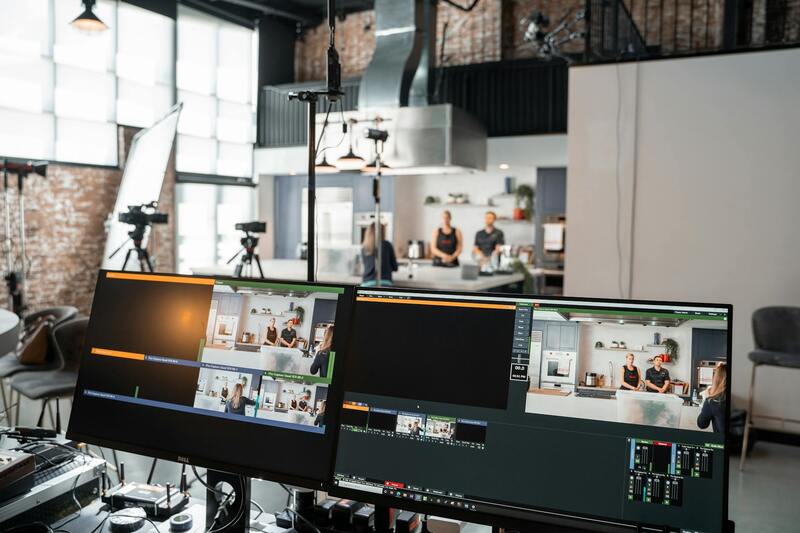
Understanding the role of live feed services is crucial for agencies aiming to deliver impactful live content. From event coverage to virtual engagement strategies, these services underpin effective communication and audience interaction in today’s digital landscape.
Types of Live Feed Technologies
Different technologies underpin live feed services, each suited to various needs and event scales. Common methods include online streaming platforms, satellite uplinks, and dedicated broadcast hardware. These technologies can be combined or chosen based on factors such as bandwidth requirements, transmission distance, and image quality expectations.
- Internet-Based Streaming: Utilizes content delivery networks (CDNs) and cloud infrastructure to transmit live video over the internet, offering flexibility and scalability.
- Satellite Uplinks: Perfect for remote or large-scale events, allowing high-resolution broadcasts over vast distances with minimal latency.
- Fiber Optic Transmission: Provides ultra-fast, stable connections suitable for high-definition live streaming within urban environments like Miami.
Key Features and Capabilities
Effective live feed services often boast several advanced features that enhance broadcast quality and viewer experience. These include multi-camera switching, real-time graphics overlay, audio mixing, and adaptive bitrate streaming to cater to varying internet speeds. Many services support multi-platform streaming, enabling content to be broadcast simultaneously on social media channels, websites, and broadcast networks.
Applications of Live Feed Services in Miami
In Miami’s dynamic event landscape, live feed services serve a broad spectrum of applications:
- Corporate Events: Live streaming of conferences, product launches, and executive communications to global audiences.
- Entertainment: Broadcasting music festivals, art exhibitions, and cultural festivals in real-time to reach wider audiences.
- Sports Events: Providing instant coverage of local and regional sporting competitions, enhancing fan engagement.
- Religious and Community Gatherings: Facilitating remote participation in religious services and community activities.

Choosing a Live Feed Service Provider
Selecting the right service provider involves assessing technical expertise, infrastructure robustness, and customization capabilities. Companies with experience in large-scale live broadcasts, consistent track records, and advanced technology stacks are preferred. It’s crucial to ensure that providers offer tailored solutions that match the specific requirements of each event, considering factors like venue location, expected audience size, and content complexity.
Benefits for Miami Production Agencies
Engaging professional live feed service providers empowers Miami agencies to deliver high-quality broadcasts efficiently. These benefits include increased audience reach, enhanced brand recognition, and the ability to offer comprehensive event coverage. Furthermore, reliable live feed services support interactive features such as live polls and Q&A sessions, fostering closer audience engagement and satisfaction.
Challenges and Considerations
Despite their advantages, live feed services also pose challenges such as ensuring network stability, managing latency, and maintaining consistent video quality. Agencies must consider backup options, technical support, and compatibility across different devices. Proper planning and testing are essential to mitigate issues that could disrupt the broadcast and impact the viewer experience.
Future Trends in Live Feed Services
Looking ahead, live feed services are expected to incorporate emerging technologies like 5G, AI-driven content management, and augmented reality overlays. These advancements will facilitate even higher-quality streams with greater interactivity and immersive experiences. For Miami-based agencies, staying abreast of these trends will ensure they continue to deliver innovative and engaging live content solutions for diverse markets.
Types of Live Feed Technologies
Understanding the various technologies available for live feed services is essential for selecting the most suitable method for specific production requirements. Each technology offers distinct advantages and considerations, influencing the overall quality, reliability, and scalability of the broadcast.
IP Streaming
Internet Protocol (IP) streaming has become the predominant technology for live broadcasts due to its versatility and widespread infrastructure compatibility. It transmits video content over the internet using standard IP networks, enabling seamless integration with existing network systems. IP streaming supports adaptive bitrate streaming, which optimizes video quality based on viewer bandwidth, ensuring smooth playback across devices. It is ideal for events with diverse audience locations, offering scalability and flexibility.
Satellite Broadcasting
Satellite transmission involves uplinking live video feeds to communication satellites, which then broadcast the signals down to fixed ground stations. This method provides excellent coverage, especially in remote or outdoor locations where terrestrial internet infrastructure may be limited. Satellite broadcasting offers high reliability and is capable of transmitting large data volumes, making it suitable for large-scale events such as international sports competitions or global conferences.
Fiber Optic Links
Fiber optic technology delivers ultra-high-definition video signals with minimal latency, making it a preferred choice for professional broadcasters requiring high bandwidth and exceptional video clarity. Connecting via dedicated fiber lines minimizes interference and ensures consistent quality, especially in densely populated urban environments like Miami. This method often forms the backbone of live production setups, facilitating multiple camera feeds and real-time auxiliary data streams.
Comparison and Suitability
Each live feed technology serves different production needs:
- IP Streaming: Best for online audiences, flexible, scalable, suitable for dynamic or smaller venues.
- Satellite Broadcasting: Ideal for remote locations or large outdoor events where internet connectivity is unreliable or unavailable.
- Fiber Optic Links: Optimal for high-quality, high-bandwidth requirements in urban settings, such as live sports coverage or major corporate events.
Choosing the Right Technology
Selecting an appropriate live feed technology depends on factors including venue infrastructure, expected audience size, content complexity, and budget. Combining multiple methods can often enhance coverage and reliability, especially for complex or multi-location events. Assessing these components ensures a seamless broadcast experience that meets client and viewer expectations.
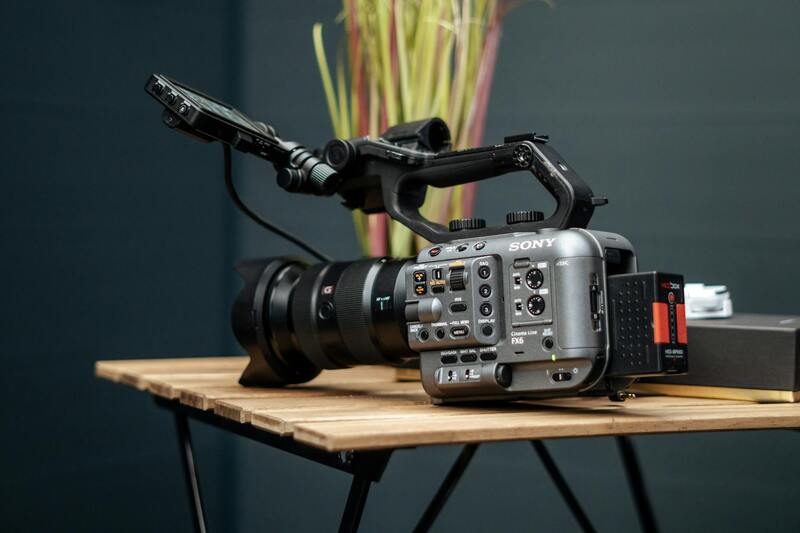
Key Features and Capabilities of Live Feed Services
When selecting a live feed service, several essential features determine the quality and reliability of the broadcast. Low latency is critical in ensuring real-time interaction, especially during live sports, news updates, or interactive events. High resolution, including 4K or higher, provides viewers with crisp, detailed visuals that enhance engagement and professionalism.
Scalability is another vital feature, allowing the live feed infrastructure to expand or contract based on audience size and content complexity without compromising quality. Multi-platform integration ensures that live streams can be effortlessly distributed across various channels, including social media platforms, websites, and dedicated apps, maximizing reach and accessibility.
Robust backup systems and redundancy options safeguard against interruptions, maintaining continuous streaming even during technical issues. Advanced encoding techniques optimize bandwidth usage, facilitating smoother playback on different devices and network conditions. Furthermore, user-friendly control interfaces enable operators to manage the live feed dynamically, adjusting parameters for optimal output.
Security measures such as encryption and secure transmission protocols protect transmitted content from unauthorized access or piracy, maintaining content integrity and intellectual property rights. Integrating overlays, branding, and real-time analytics enhances viewer engagement and provides valuable insights into audience behavior.

Applications of Live Feed Services in Miami
Miami’s vibrant event scene, including music festivals, sports tournaments, corporate conferences, and cultural celebrations, benefits immensely from professional live feed services. These services enable event organizers to reach a broader audience, offering real-time coverage that elevates brand visibility and audience engagement.
In the realm of real estate, live virtual tours provide global prospects with immersive, high-quality visuals of properties, helping agents showcase listings effectively. Similarly, city officials and tourism boards use live feeds to promote Miami's attractions, hosting virtual tours and live broadcasts to attract visitors worldwide.
Live feed services also play a crucial role in broadcasting governmental proceedings, educational webinars, and health-related campaigns, ensuring transparency, education, and community engagement. The potential applications span across various sectors, emphasizing the importance of reliable and high-quality live streaming solutions.

Implementing the right live feed technology tailored to specific event requirements ensures smooth coverage, impressive visual quality, and real-time interaction, fueling Miami’s reputation as a hub for dynamic live broadcasting opportunities.
Types of Live Feed Technologies
Choosing the appropriate live feed technology is essential to ensuring high-quality streaming that meets specific event demands and audience expectations. Several technologies are employed in professional live feed services, each suited to different scenarios based on bandwidth, interaction level, and production requirements.
Unicast vs. Multicast Streaming
Unicast streaming is the most commonly used method for live feeds, where data streams are sent individually to each viewer. This method allows personalized control over streams, including quality adjustments and user interactivity. Multicast streaming, on the other hand, transmits a single stream to multiple viewers simultaneously, optimizing bandwidth for large audiences during major events or broadcasts, such as sports matches and public festivals in Miami.
Adaptive Bitrate Streaming
This technology dynamically adjusts video quality based on the viewer’s internet connection. It ensures smooth playback across varying network conditions, minimizing buffering and providing a seamless viewing experience. For live feeds covering events with attendees and remote viewers in Miami, adaptive streaming is crucial for maintaining consistent quality regardless of individual user bandwidths.
RTMP and SRT Protocols
Real-Time Messaging Protocol (RTMP) has been the standard for live streaming, especially suited for pushing live video content from encoders to streaming platforms. However, Secure Reliable Transport (SRT) is gaining popularity due to its robustness against network fluctuations, secure transmission, and low latency, making it ideal for professional live broadcasting in Miami’s demanding event settings.
Cloud-Based vs. On-Premises Solutions
Cloud-based live feed services offer scalability, real-time transcoding, and global accessibility without heavy infrastructure investments. These solutions support rapid deployment and flexibility needed for dynamic events. Conversely, on-premises systems provide greater control over hardware and security, preferred in scenarios requiring strict data handling protocols.

Understanding these foundational technologies enables Miami-based event organizers, broadcasters, and production agencies to select the most suitable solutions, ensuring high-quality delivery tailored to specific event profiles and audience engagement goals.
Overview of Live Feed Services
Live feed services have become an essential component for real-time broadcasting in a variety of settings, ranging from large-scale public events to corporate communications. These services facilitate the transmission of live video and audio content over the internet to geographically dispersed audiences with minimal delay and maximum clarity. By utilizing advanced streaming technologies, live feed solutions ensure that viewers receive high-quality content irrespective of their device or network conditions. The increasing reliance on live feeds in Miami's vibrant event and media landscape underscores their importance in crafting dynamic, engaging viewer experiences that are both reliable and scalable.
These services are crucial in providing continuous, real-time connectivity between content creators and viewers, fostering immediate interaction and engagement. Whether used for corporate webinars, concerts, sports events, or news coverage, live feed solutions empower Miami-based organizations to extend their reach, enhance brand visibility, and deliver compelling visual narratives that resonate with audiences worldwide.
Types of Live Feed Technologies
The landscape of live feed technology comprises various tools and protocols optimized for different broadcasting needs. The predominant methods include:
- HTTP Live Streaming (HLS): Widely adopted for its compatibility across devices and browsers, HLS breaks down streams into smaller segments for adaptive delivery, ensuring smooth playback even with fluctuating internet speeds.
- Real-Time Messaging Protocol (RTMP): A longstanding standard, RTMP is used primarily for ingesting streams into streaming platforms and is valued for its low latency. Although increasingly supplemented by newer protocols, RTMP remains prevalent in many live broadcast setups.
- Secure Reliable Transport (SRT): Gaining prominence for professional broadcasts, SRT offers enhanced resilience against network jitter and packet loss, ensuring high-quality streams even over unpredictable networks, which are common in Miami's diverse connectivity environments.
- WebRTC: Designed for ultra-low latency communication, WebRTC is ideal for interactive streaming applications where real-time engagement is essential, such as live Q&As or remote participation in events.
Key Features and Capabilities
The effectiveness of a live feed service hinges on several core features, including:
- Adaptive Bitrate Streaming: Adjusts video quality dynamically based on the viewer’s network, preventing buffering and ensuring continuous viewing experience.
- Low Latency Transmission: Critical for real-time interactions, reducing delay between the live event and streaming viewership.
- Scalability: Supports increasing audience sizes without compromising quality, essential for large public events in Miami.
- Multi-Platform Compatibility: Ensures streams are accessible via smartphones, tablets, desktops, and smart TVs, broadening outreach capability.
- Security Measures: Encrypts streams and controls access to safeguard content and comply with data handling standards.
The capacity to deploy these features effectively can significantly impact the success of live broadcasts, especially when dealing with complex event infrastructures or high-profile clientele in Miami.
Applications of Live Feed Services in Miami
Miami’s dynamic environment benefits from a myriad of live feed applications that enhance event visibility, facilitate remote participation, and boost content interactivity. These applications include:
- Corporate Events and Webinars: Live streaming ensures that corporate communications and product launches reach a broad audience while maintaining professionalism and high-quality visuals.
- Concerts and Music Festivals: Enable artists to perform to virtual audiences, expanding reach beyond physical venues and accommodating remote viewers.
- Sports Broadcasts: Deliver live coverage of local and regional sports events with real-time stats, commentary, and interactive features for fans.
- News Coverage: Rapid deployment of live feeds allows broadcasters to relay on-site happenings as they unfold, providing viewers with instant updates.
- Religious and Community Gatherings: Thousands can participate remotely, fostering community engagement irrespective of location constraints.
Overview of Live Feed Services
Live feed services have revolutionized how organizations, broadcasters, and event organizers in Miami connect with audiences. These services facilitate real-time transmission of high-quality audiovisual content over the internet, enabling wide-scale accessibility and interaction. By leveraging sophisticated infrastructure and innovative streaming protocols, live feed providers ensure minimal latency and enhanced stability, essential for delivering seamless viewing experiences.
Efficiently managing bandwidth, encoding, and distribution, these services expand the reach of live events beyond traditional venues, transcending geographical limitations. This makes live feed solutions indispensable for diverse applications such as corporate presentations, entertainment events, and community gatherings.
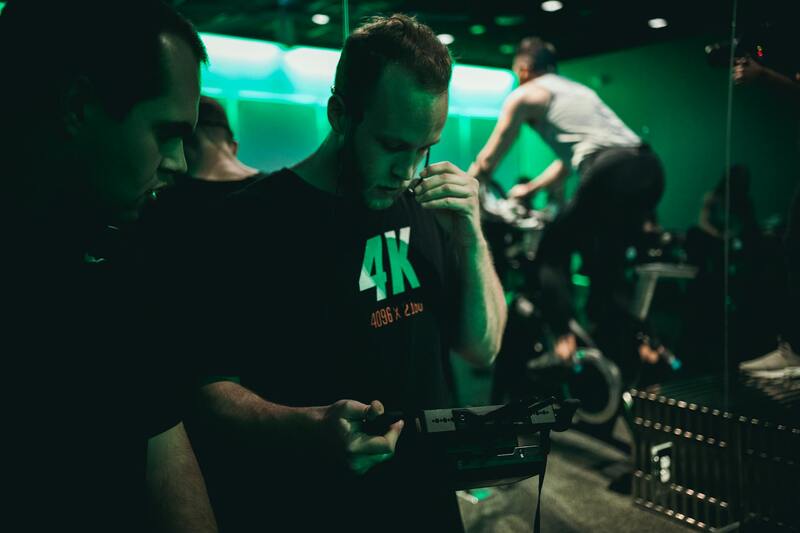
Types of Live Feed Technologies
Miami’s live feed ecosystem encompasses a range of technologies designed to meet varying needs of client events and productions. Among these, the most prevalent include:
- Hardware-based Streaming: Utilizes dedicated encoders and servers for robust, high-definition broadcasts suitable for large-scale events.
- Software-based Streaming: Employs software encoders integrated with existing computers or tablets, offering flexibility and scalability for smaller or mobile setups.
- Cloud-Based Streaming: Leverages cloud infrastructure for dynamic encoding, storage, and content delivery, allowing rapid deployment and customization.
- Hybrid Solutions: Combine hardware and cloud technologies to optimize performance, reliability, and cost-efficiency depending on specific event requirements.

Adaptive Streaming Protocols
Adaptive bitrate streaming is a critical component, adjusting video quality in real time based on viewer bandwidth. Protocols like HLS and DASH are integral to ensuring viewers experience minimal buffering, regardless of their device or connection speed.
Key Features and Capabilities
Leading live feed services in Miami are characterized by capabilities that enhance delivery quality, security, and user engagement:
- High-Definition Quality: Support for 1080p and 4K resolutions ensures crisp visuals, vital for professional broadcasts and entertainment.
- Multi-Platform Compatibility: Streams are optimized for PCs, smartphones, tablets, and smart TVs, broadening audience reach.
- Real-Time Analytics: Detailed metrics enable organizers to monitor viewer engagement, geographic distribution, and streaming quality.
- Access Control and Security: Features such as encrypted streams, geo-restrictions, and multi-factor authentication safeguard content integrity.
- Interactive Features: Incorporation of live chat, polling, and Q&A functionalities foster engagement and feedback during broadcasts.

Applications of Live Feed Services in Miami
Miami’s vibrant event scene benefits from versatile live feed applications that enhance visibility, participation, and interaction across various sectors:
- Corporate Events and Webinars: Facilitate remote attendance for conferences, product launches, and training sessions, ensuring professional-quality visuals and sound.
- Concerts and Music Festivals: Extend the reach of live performances, enabling fans to experience shows virtually with high fidelity audio and video.
- Sports Broadcasts: Stream local and regional matches, providing fans with real-time updates, expert commentary, and interactive features to deepen engagement.
- News Coverage: Deliver on-the-spot updates during breaking news or emergencies, ensuring vital information reaches a broad audience rapidly.
- Religious and Community Gatherings: Allow community members to participate remotely, emphasizing inclusivity and outreach in diverse neighborhoods across Miami.

Overview of Live Feed Services
Live feed services have become integral to modern content delivery, providing real-time streaming that connects audiences across diverse locations. These services facilitate dynamic, uninterrupted broadcasts suitable for a wide array of events and industries. By leveraging advanced streaming protocols and robust data infrastructure, live feed providers ensure high-quality visuals and audio, minimal latency, and scalable solutions to match varying viewership demands. Such capabilities are crucial for maintaining viewer engagement, especially in fast-paced or highly interactive scenarios.
Types of Live Feed Technologies
The core technologies powering live feed services include RTMP (Real-Time Messaging Protocol), HLS (HTTP Live Streaming), and DASH (Dynamic Adaptive Streaming over HTTP). RTMP is favored for its low latency, making it ideal for live interactions and real-time communications. HLS, primarily used for Apple ecosystem devices, offers adaptive bitrate streaming that adjusts quality based on network conditions, ensuring smooth playback even during fluctuating internet speeds. DASH provides similar adaptive stream capabilities and is widely adopted for its flexibility and compatibility across different platforms. Additionally, emerging WebRTC technology enables ultra-low latency streaming, which is gaining traction for applications like remote interviews or live gaming.

Key Features and Capabilities
Modern live feed services come equipped with a suite of features designed to enhance broadcast quality and user engagement:
- High-definition streaming: Support for HD and 4K resolutions ensures crystal-clear visuals that meet professional standards.
- Multi-platform compatibility: Content can be delivered seamlessly across desktops, smartphones, tablets, and smart TVs.
- Low latency delivery: Critical for real-time interactions, broadcasts maintain minimal delay to facilitate live Q&A, polling, and chat features.
- Scalability: Solutions can accommodate small local events or large-scale global audiences without compromising performance.
- Security measures: Features such as encryption, digital rights management, and access controls protect proprietary content and restrict unauthorized viewing.
- Analytics and reporting: Detailed insights on viewer engagement, streaming quality, and bandwidth usage support ongoing optimizations.
- Interactive features: Embedding live chat, polling, and real-time feedback tools foster audience participation and enhance event interactivity.

Applications of Live Feed Services in Miami
Miami’s diverse and vibrant cultural landscape benefits immensely from advanced live streaming technology. These services empower organizations to extend their reach beyond physical limitations, creating engaging experiences across multiple domains:
- Corporate events and webinars: Stream conferences, product launches, and training sessions in high quality, allowing remote participants to engage seamlessly.
- Concerts and music festivals: Amplify the audience by broadcasting live performances with immersive audiovisual fidelity, often integrating interactive features for virtual attendees.
- Sports broadcasts: Deliver real-time gameplay, commentary, and highlights to local and regional fans, enhancing fan engagement with instant interaction.
- News and emergency coverage: Rapidly disseminate critical updates during breaking news or crisis situations, ensuring wide reach and immediacy.
- Religious and community gatherings: Enable broader community participation, fostering inclusivity for those unable to attend in person.

Choosing a Live Feed Service Provider
Selecting the right live feed provider for Miami-based projects involves evaluating several critical factors:
- Technical expertise: Proven experience in managing complex live streams and troubleshooting potential issues.
- Network infrastructure: Reliable data centers, high bandwidth capacities, and equipment quality ensure consistent performance.
- Service support: 24/7 technical assistance and dedicated account management facilitate smooth operations.
- Customization options: Ability to tailor features and stream design to match branding and event specifics.
- Cost and scalability: Transparent pricing models that align with project scope and growth expectations.
- Security protocols: Robust measures to protect content and viewer data throughout the streaming process.
Benefits for Miami Production Agencies
For production agencies operating within Miami, integrating live feed services provides a strategic advantage. They can deliver high-impact visuals for clients hosting events, attract broader audiences, and enhance viewer interaction. The use of advanced streaming solutions ensures professional quality, reduces technical burdens, and allows agencies to focus on content creation and event planning. These services also support agile workflows, where quick setup, onsite management, and post-broadcast analytics become vital.
Advanced Monitoring and Analytics in Live Feed Services
Modern live feed services incorporate comprehensive monitoring and analytics capabilities that enable content providers in Miami to optimize their broadcasts continuously. These tools provide real-time insights into stream quality, viewer engagement, and network performance, allowing operators to identify and resolve issues promptly, ensuring seamless viewing experiences. Advanced analytics also facilitate post-event evaluations, delivering detailed reports on viewer demographics, consumption patterns, and engagement levels. Such data supports strategic decisions for future broadcasts, helping Miami-based content creators refine their content and delivery methods for maximum impact.

Security and Privacy Considerations
Ensuring the security of live feed transmissions is paramount for Miami broadcasters and production agencies. Reliable live feed services employ multi-layered encryption protocols to safeguard content from unauthorized access and malicious cyber threats. Additionally, robust authentication processes help verify user identities, preventing unauthorized viewing or streaming disruptions. Maintaining viewer privacy aligns with best practices and helps build trust with audiences, especially during sensitive or proprietary broadcasts. Secure data storage and transfer protocols also play a critical role in protecting viewer information and broadcast content from potential breaches.
Integration with Existing Media Ecosystems
Effective live feed services seamlessly integrate with existing media management systems, content delivery networks (CDNs), and broadcasting platforms. This interoperability ensures smooth workflow transitions, enabling content producers to schedule and manage live streams with ease. Integration also supports multi-platform distribution, ensuring broadcasts reach audiences on social media, dedicated streaming apps, and traditional media channels without delays or compatibility issues. For Miami-based broadcasters, this flexibility enhances audience reach and engagement while streamlining operational processes.
Technical Support and Service Level Agreements
Reliable technical support forms a cornerstone of professional live feed services. Providers typically offer round-the-clock assistance, dedicated account managers, and rapid response teams to handle any technical issues promptly. Service Level Agreements (SLAs) define performance standards, response times, and contingency plans, giving Miami clients confidence in the service quality and reliability. Clear SLAs help set expectations and provide accountability, ensuring production teams can focus on content delivery without concern over technical disruptions.
Future-Proofing Your Live Feed Infrastructure
Investing in scalable, adaptable live feed solutions prepares Miami broadcasters for future technological advancements. Embracing cloud-based infrastructure and software-defined networking enables easy upgrades and capacity expansion as audience demands grow. Additionally, adopting AI-driven analysis, automation, and adaptive streaming techniques can significantly improve efficiency and viewer experience. Maintaining flexibility and staying abreast of emerging trends ensures that Miami-based content providers can continue to deliver innovative live broadcasts that meet evolving viewer expectations.