
Understanding Live Streaming Productions
Live streaming productions have revolutionized the way organizations, event organizers, and content creators share their messages with audiences across the globe. These productions involve the real-time transmission of video and audio content over the internet, enabling viewers to experience live events, conferences, concerts, or corporate announcements as they happen. As digital engagement becomes increasingly vital in today's interconnected world, the significance of professional live streaming has escalated.
The primary advantage of live streaming productions lies in their ability to reach a broader audience without geographical limitations. Whether it's a corporate seminar, a religious gathering, a music festival, or a community event, live streaming offers an immediate and immersive experience. This immediacy fosters real-time interaction, allowing viewers to ask questions, participate in polls, or provide instant feedback, thereby enhancing engagement.
Furthermore, live streaming productions support various digital strategies aimed at brand visibility and audience expansion. They serve as a cost-effective alternative to traditional broadcasting methods, reducing expenses related to venue space, physical attendance, and post-event recordings. Additionally, the live aspect of these productions introduces an element of authenticity and spontaneity that resonates well with audiences seeking genuine content.
The evolution of live streaming technology has empowered content providers to deliver high-quality visuals and sound, even from complex or remote locations. Advanced software solutions, network setups, and professional-grade equipment enable seamless broadcast experiences, ensuring that viewers receive crisp images and clear audio regardless of their device or internet connection.
In essence, live streaming productions have become an indispensable component of modern digital communication, fostering deeper connections between brands and their audiences while expanding outreach capabilities. As the demand for live content continues to grow, understanding the core principles and elements involved in these productions is essential for anyone aiming to execute successful live broadcasts.
Technical Production and On-Site Setup
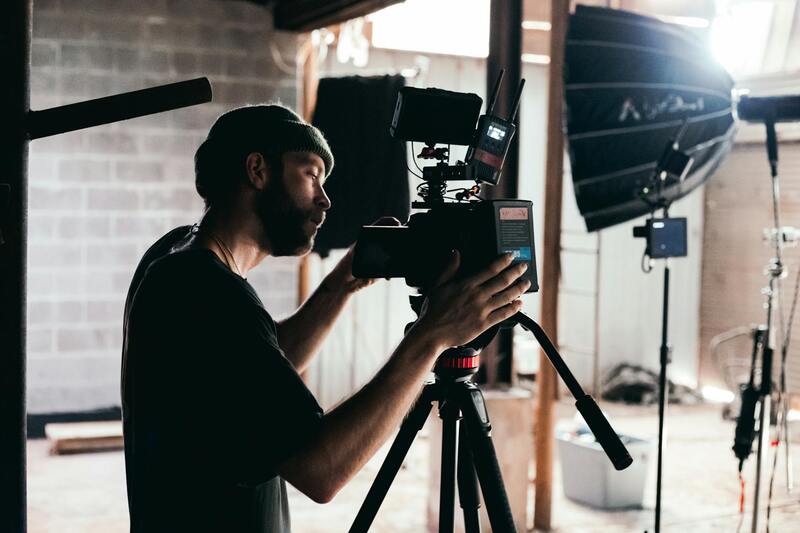
Executing a seamless live streaming production requires meticulous planning and precise execution of technical setup, especially during on-site operations. Professional-grade equipment is fundamental to achieving high-quality visuals and audio, which are critical for viewer engagement and overall broadcast credibility. This includes high-definition cameras, professional microphones, and audio mixing consoles to ensure clear, crisp sound and sharp image rendering regardless of the environment.
Equally important is the configuration of encoding hardware or software. Modern live streaming setups utilize dedicated encoders that convert raw audio-visual signals into digital formats compatible with streaming platforms. It’s vital to select reliable encoding solutions that support adaptive bitrate streaming, enabling viewers with varying internet speeds to access the content smoothly. Redundant systems, such as backup encoders and power supplies, are often incorporated to prevent disruptions during critical moments of the broadcast.
Reliable internet connectivity is the backbone of any successful live streaming event. Multiple dedicated internet connections, including wired and wireless options, should be tested and optimized beforehand. Bonding technology can be employed to combine bandwidth from multiple sources, ensuring consistent stream stability even in challenging network conditions.

On-site setup also involves managing the environmental factors around the broadcast. Proper lighting, backdrop positioning, and soundproofing are essential for maintaining high production standards. Direction and camera operation teams coordinate to capture dynamic shots, while an on-site technical crew monitors the stream in real-time, addressing any issues immediately to minimize disruptions.
Coordination between the technical team and event organizers must be thorough. Pre-event rehearsals are necessary to ensure all equipment functions correctly and that the entire system operates smoothly under live conditions. This preparation enables the detection and resolution of potential issues related to signal transmission, audio quality, or camera operation long before the event begins.
Understanding Live Streaming Productions
Live streaming productions encompass a comprehensive array of processes that bring real-time content to digital audiences with high precision and professionalism. These productions integrate specialized technical components, strategic planning, and expert execution to deliver seamless broadcasts that engage viewers across different platforms. The core objective is to craft an experience that mirrors high-quality traditional broadcasting while leveraging the flexibility and accessibility of internet-based delivery systems.
Executing a successful live streaming event involves meticulous coordination of various elements, including video capture, encoding, transmission, and distribution. All these components must work harmoniously to ensure that the stream runs smoothly, maintains quality, and reaches the target audience effectively. Professionals in the field employ state-of-the-art equipment and refined methodologies to meet and exceed client expectations, creating an immersive viewing experience that holds viewers' attention throughout the event.
Key Components of Live Streaming Productions
The foundation of effective live streaming starts with several key components, each essential for maintaining high production standards and technical reliability. A well-rounded approach incorporates robust hardware, reliable internet connectivity, strategic content planning, and experienced personnel who execute the technical aspects flawlessly.

This includes professional-grade cameras and broadcasting equipment capable of capturing high-definition footage. These cameras are often mounted on stabilized rigs and operated by skilled camera operators who work to cover multiple angles, ensuring engaging visual coverage of the event. Equally important are encoders that convert live video signals into digital streams optimized for various devices and network conditions.
Reliable transmission depends on the quality of internet connections available on-site. Employing dedicated fiber connections, multiple wireless networks, or bonding technology can significantly enhance stream stability, particularly during large events with high viewer counts. Encoders and streaming hardware must also support adaptive bitrate technology, which dynamically adjusts video quality based on viewer bandwidth, preventing buffering issues.
System Redundancy and Backup Solutions
To minimize the risk of disruptions, professional live streaming setups incorporate redundancy measures such as backup encoders, power supplies, and even internet connections. Redundancy ensures that any single point of failure does not compromise the broadcast, allowing the production team to switch seamlessly to backup systems if needed. This layer of reliability is crucial for high-stakes live events where consistent broadcast quality and uptime are paramount.
On-Site Setup and Environmental Control
Appropriate on-site setup extends beyond equipment installation. It involves environmental planning to optimize lighting, acoustics, and background aesthetics, creating an ideal visual and auditory setting for the broadcast. Proper lighting not only enhances camera footage but also improves visibility for the live audience. Soundproofing areas where audio is captured reduces background noise, ensuring clear commentary and sound quality throughout the event.
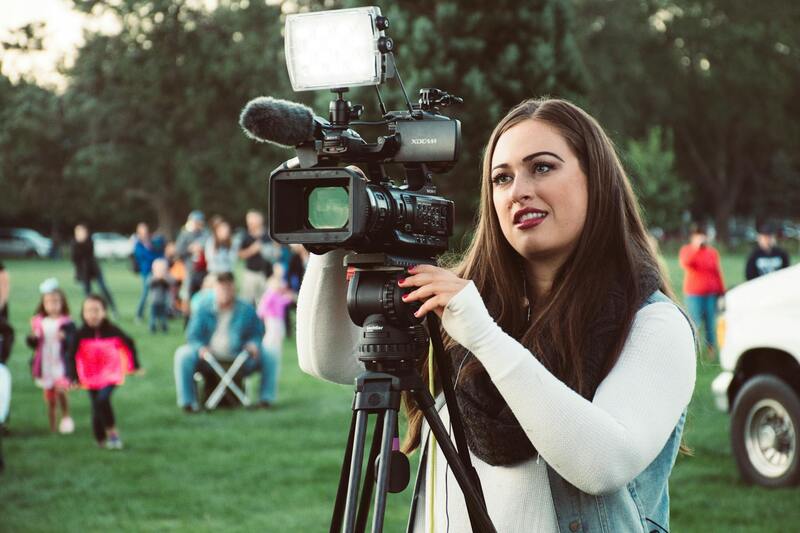
Coordination between technical crews and event organizers is critical during setup. Rehearsals are conducted to troubleshoot issues related to signal transmission, camera angles, sound, and lighting. These pre-event checks provide valuable insights into potential problems, allowing teams to make necessary adjustments before the live event, which is vital for maintaining a flawless broadcast.
Monitoring and Troubleshooting During Live Broadcasts
Continuous monitoring by a dedicated technical crew ensures the live stream remains stable and of high quality. Real-time oversight allows for immediate detection and resolution of issues such as signal loss, audio disturbances, or hardware malfunctions. Quick troubleshooting minimizes potential disruptions, ensuring a smooth viewing experience for the audience.
Ensuring Secure and Reliable Streaming Channels
To deliver a seamless live streaming experience, selecting the right distribution channels is essential. Secure transmission methods such as encrypted streams help protect content from unauthorized access, ensuring that only authorized viewers can access the broadcast. Content Delivery Networks (CDNs) are commonly employed to distribute streams efficiently across geographically dispersed audiences. CDNs optimize delivery by caching content on multiple servers worldwide, reducing latency and load times, which enhances viewer satisfaction during high-traffic live events.
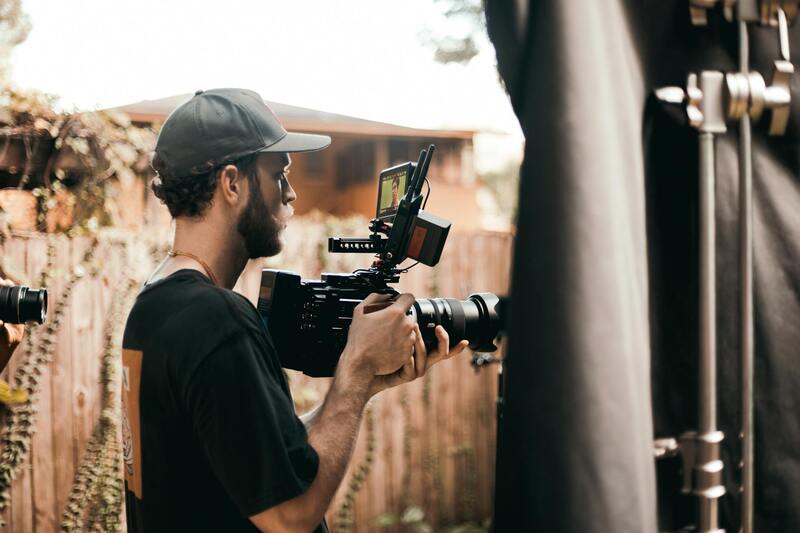
In addition to technical considerations, compatibility across various devices and platforms significantly impacts audience reach. Streamers must ensure their content is compatible with desktops, tablets, smartphones, and smart TVs. Adaptive bitrate streaming dynamically adjusts the quality based on the viewer’s internet connection, minimizing buffering and promoting a smooth viewing experience.
Implementing Robust Monitoring and Quality Control Measures
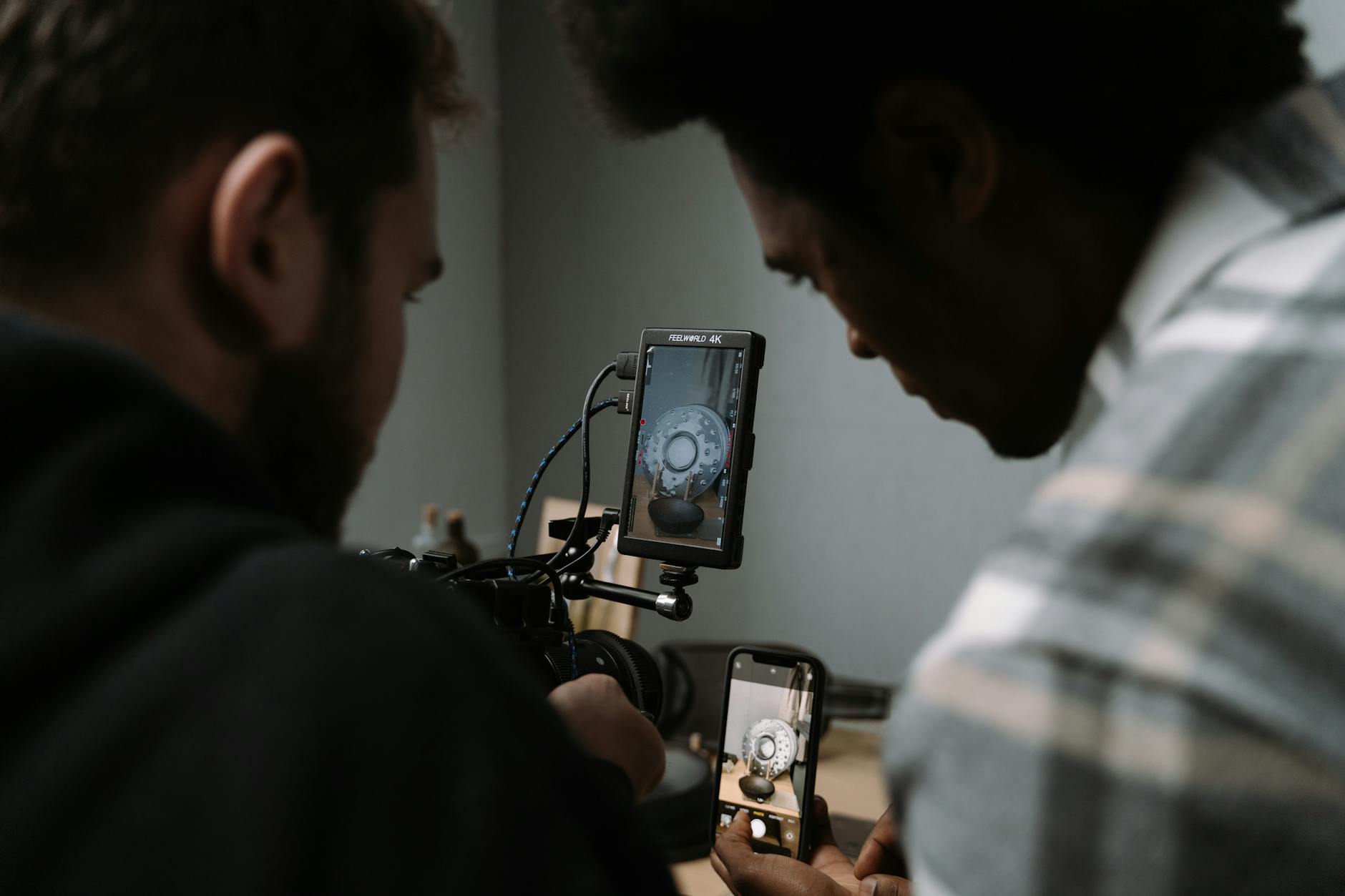
Throughout the broadcast, continuous monitoring plays a pivotal role in maintaining stream stability. This involves real-time tracking of signal quality, bandwidth usage, and viewer engagement metrics. Employing specialized monitoring software enables technical teams to detect anomalies swiftly and implement corrective actions proactively.
Quality control checks before and during the live event help identify potential issues with audio, video, or connectivity. Implementing redundant systems, such as backup internet connections and secondary encoding options, ensures resilience against hardware failures or connectivity problems. Such measures are instrumental in preventing disruptions that could compromise the broadcast’s professional integrity.
Engaging Viewers with Interactive Features Post-Stream
Post-broadcast engagement strategies enhance audience interaction and provide valuable insights into viewer preferences. Features such as live chat replay, polls, and Q&A sessions foster continued participation, even after the live event concludes. Analyzing engagement data helps content creators understand audience behavior, preferences, and areas for improvement in future streams.
Publishing archived streams on accessible platforms extends content reach and provides on-demand viewing options. This approach not only broadens audience demographics but also opens additional opportunities for monetization through advertisements, sponsorships, and pay-per-view models. Effective post-production and engagement analytics underpin the ongoing refinement of live streaming strategies, ensuring future productions meet evolving viewer expectations.
Understanding Live Streaming Productions
Executing a live streaming production involves a complex interplay of technical expertise, strategic planning, and operational coordination. Every broadcast demands meticulous attention to detail, from initial concept development to the final upload, ensuring a seamless experience for viewers across various devices and platforms. Professional live streaming productions support a diverse range of events, including corporate webinars, live concerts, sports competitions, and community gatherings, each requiring tailored approaches to content delivery, audience engagement, and technical infrastructure.
Key Components of Live Streaming Productions
Effective live streaming is anchored by several core components that work together to ensure high-quality content delivery. These include reliable video encoding hardware or software, high-definition cameras capable of capturing multiple angles, professional audio equipment for clear sound, and a robust internet connection to support continuous data transmission. Additionally, a centralized control room or switching setup manages video feeds, overlays, and transitions to maintain a polished broadcast appearance.
- Video Capture Devices: High-quality cameras and capture cards that translate real-world visuals into digital signals suitable for live streaming.
- Audio Equipment: Microphones, mixers, and audio processors that deliver clear, balanced sound to prevent distortions or delays.
- Encoding and Streaming Hardware/Software: Systems that compress, optimize, and transmit live video to designated streaming platforms efficiently.
- Networking Infrastructure: High-speed, redundant internet connections ensure stability and prevent interruptions during broadcasts.
- Control and Switching Interfaces: Software solutions for managing multiple video sources, overlays, graphics, and transitions in real-time.
Types of Live Streaming Formats for Events
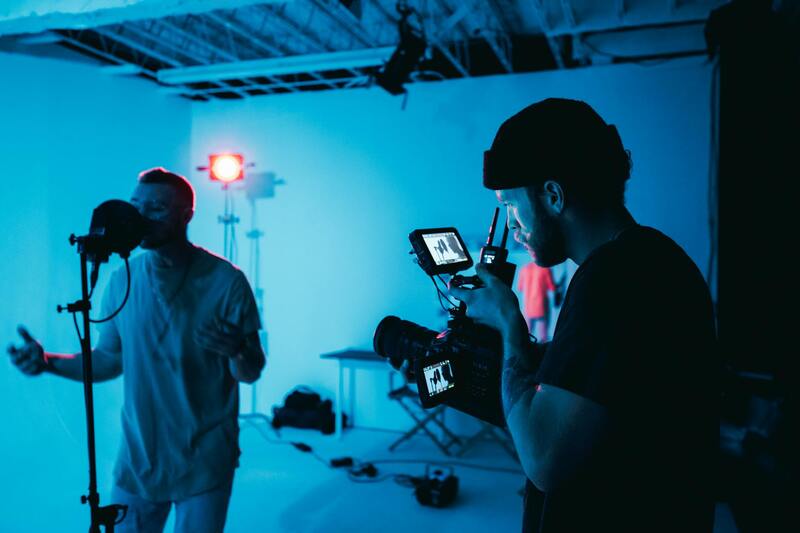
Live streaming formats cater to different event types and audience preferences. Standard formats include single-camera streams suitable for smaller events, while multi-camera productions enable dynamic, multi-angle viewing experiences. Premier events utilize high-definition streams with real-time graphics, overlays, and embedded media content, providing viewers with an immersive experience. Some streams employ adaptive bitrate technology, adjusting quality dynamically based on viewers' internet speeds to ensure smooth playback regardless of connection variability.
- Simplified Single-Camera Streams: Ideal for casual or internal meetings, offering straightforward content delivery.
- Multi-Camera Productions: Suitable for conferences, church services, or concerts, providing diverse perspectives and professional transitions.
- Event-Webcasts with Interactive Overlays: Combining live streaming with real-time chat, polls, and Q&A for enhanced engagement.
- On-Demand Streaming: Archiving live content allows viewers to access recordings at their convenience, expanding the event's reach beyond the live timeframe.
Technical Production and On-Site Setup
Executing a high-quality live streaming production requires meticulous on-site setup and technical coordination. This phase involves deploying a well-designed infrastructure that guarantees smooth transmission from the event venue to viewers across different platforms. The foundational hardware components typically include professional-grade cameras, switchers, audio mixers, and encoders, all of which work together to ensure crisp visuals and clear audio. Selecting the right camera setup is crucial; for less complex events, a single-camera system might suffice, whereas multi-camera configurations are essential for dynamic presentations, live performances, or multi-angle coverage, providing viewers with a more engaging experience.
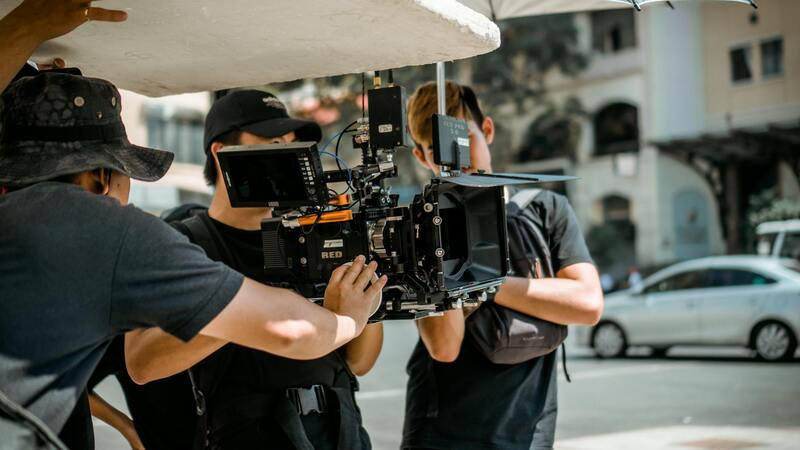
Audio quality often determines the overall viewing experience, making the deployment of reliable microphones, mixers, and sound gear indispensable. Wireless microphone systems are preferred for movement flexibility, especially during live performances or interactive sessions. In addition, an efficient lighting setup should be arranged to ensure that subjects are well-illuminated, particularly when streaming high-definition content.
Simultaneously, robust networking solutions are critical. This includes high-capacity internet connections, often through bonded broadband or dedicated fiber lines, to sustain uninterrupted streams. Network testing is a vital step before going live, verifying bandwidth performance, latency, and stability to prevent disruptions. It’s also advisable to employ redundant internet connections or backup systems that automatically activate if the primary link encounters issues.
During the setup process, professional operators leverage streaming software platforms that integrate all technical elements. These platforms enable live switching, overlay insertion, graphic enhancements, and real-time monitoring of stream health. Encoders, whether hardware or software-based, convert the video signals into data streams compatible with the chosen delivery platform, ensuring high-quality transmission and minimal latency.
Coordination among production team members—camera operators, audio engineers, technical directors, and graphic operators—is essential for seamless operation during the broadcast. Conducting comprehensive rehearsals allows teams to identify and address potential technical challenges, refine transitions, and confirm signal quality. Proper on-site setup, combined with meticulous planning and testing, forms the backbone of successful live streaming productions, resulting in professional, engaging broadcasts that meet audience expectations.

Advanced Technical Considerations in Live Streaming Production
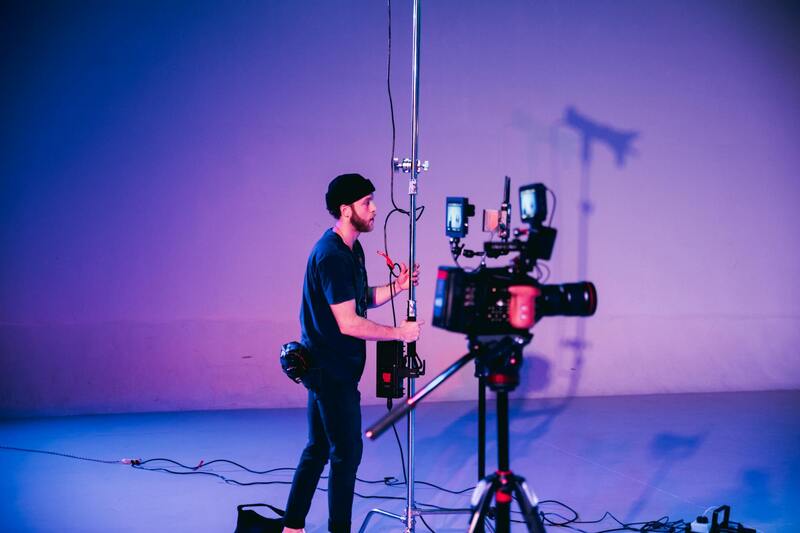
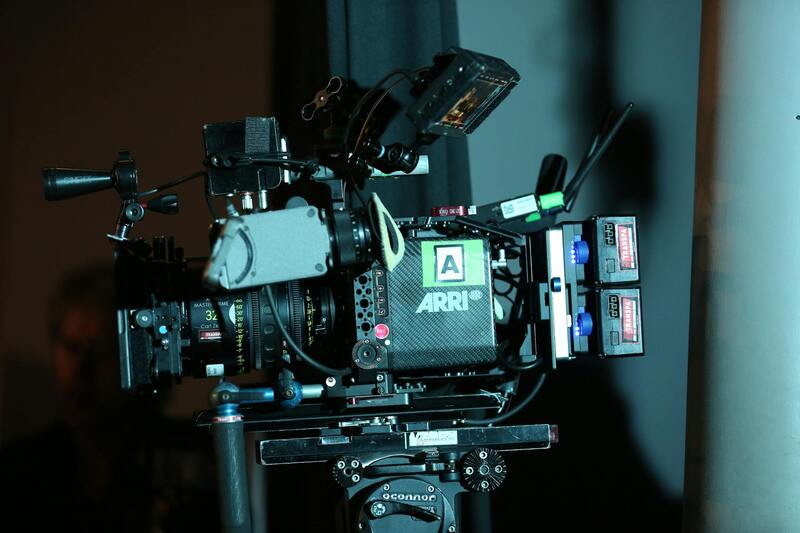
Ensuring a premium quality live streaming experience requires meticulous attention to technical details that extend beyond basic equipment. A robust signal chain must be maintained from camera capture to final broadcast. This involves selecting high-definition cameras with reliable sensor performance and low-latency outputs to capture crisp and clear visuals under various lighting conditions. Supplementing these with professional-grade audio microphones ensures that sound quality matches the video, creating an immersive experience for viewers.
For encoding, it’s essential to utilize hardware encoders capable of handling multi-bitrate streams, allowing viewers on different devices and internet speeds to access a smooth stream. These encoders convert the raw video into digital data streams, typically utilizing codecs such as H.264 or H.265 for optimal compression and quality balance. Once encoded, these streams are fed into content delivery networks (CDNs) or directly to streaming platforms, which distribute the feed worldwide.
Adaptive bitrate streaming is a crucial feature to accommodate varying internet speeds across the audience. This method automatically adjusts stream quality in real-time, minimizing buffering and ensuring a consistent viewing experience regardless of network conditions. Additionally, implementing encryption protocols like Secure Reliable Transport (SRT) or Transport Layer Security (TLS) enhances stream security, safeguarding against unauthorized access or interference.
Advanced Techniques in Live Streaming Productions
To elevate the quality and reliability of live streaming productions, deploying cutting-edge techniques and state-of-the-art technology is essential. One such method involves integrating multi-camera switching systems that allow real-time scene changes, ensuring a dynamic and engaging broadcast. These systems enable producers to seamlessly transition between different camera angles, adding professionalism and visual interest to the stream. Additionally, employing multi-directional microphones and advanced audio mixing ensures clarity and balanced sound, vital for maintaining audience engagement and conveying detailed content effectively.
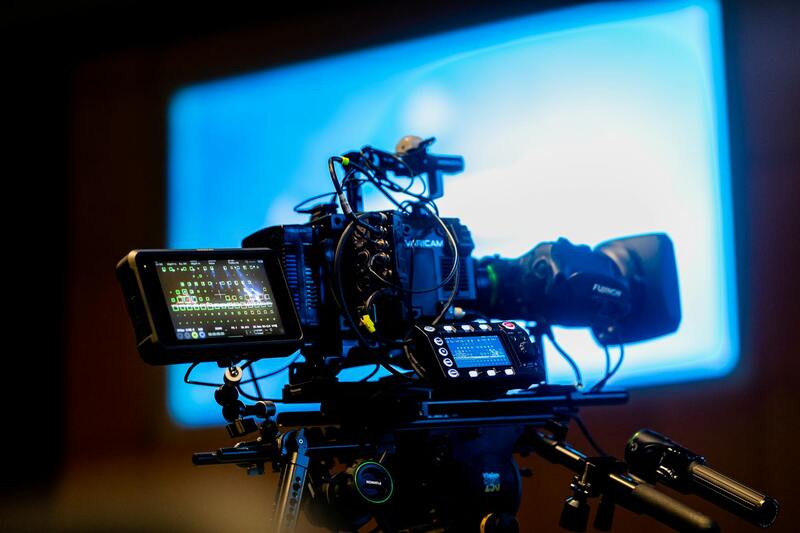
Another crucial aspect involves utilizing adaptive bitrate streaming technologies. These dynamically adjust video quality based on the viewer's internet connection, reducing buffering and ensuring a smooth viewing experience regardless of individual network conditions. This approach minimizes viewer frustration and results in higher audience retention rates. Furthermore, integrating real-time analytics tools during the broadcast allows producers to monitor viewership metrics, detect potential issues instantly, and make necessary adjustments to optimize the stream's performance.
Implementing robust redundancy measures is fundamental for uninterrupted streaming. This includes backup encoding devices, secondary internet connections, and failover configurations within streaming servers. Such measures safeguard against hardware failures or connectivity disruptions, maintaining a consistent and professional broadcast. Complementing these features with secure streaming protocols, such as encrypted streams, helps protect content integrity and prevents unauthorized access or piracy.
Enhancing Viewer Interaction and Engagement
Interactive elements can significantly enrich live streaming experiences. Integrating live chat modules, real-time polls, and Q&A sessions fosters direct audience participation, making viewers feel involved. These features require synchronized integration with streaming platforms and often benefit from moderation tools to maintain a positive environment.
- Live Polls: Engage viewers by soliciting their opinions in real-time, influencing the content flow.
- Chat Moderation: Ensure the comment section remains respectful and constructive using automated filtering and moderation teams.
- Viewer Rewards: Incorporate virtual gift systems or shout-outs to incentivize active participation.
Post-Stream Content Management and Audience Follow-up
After the live event concludes, the recorded footage can serve multiple strategic purposes, such as on-demand viewing, highlight reels, or social media snippets that expand the event’s reach. Dedicated editing processes help enhance visual quality, remove glitches, and add branding elements or subtitles to appeal to wider audiences.
Advanced analytics platforms provide detailed insights into viewer engagement patterns, peak viewing times, and drop-off points. This data informs future content strategies and helps tailor subsequent productions to audience preferences. Additionally, securing the content through proper archiving and digital rights management ensures its availability for future use while protecting intellectual property.
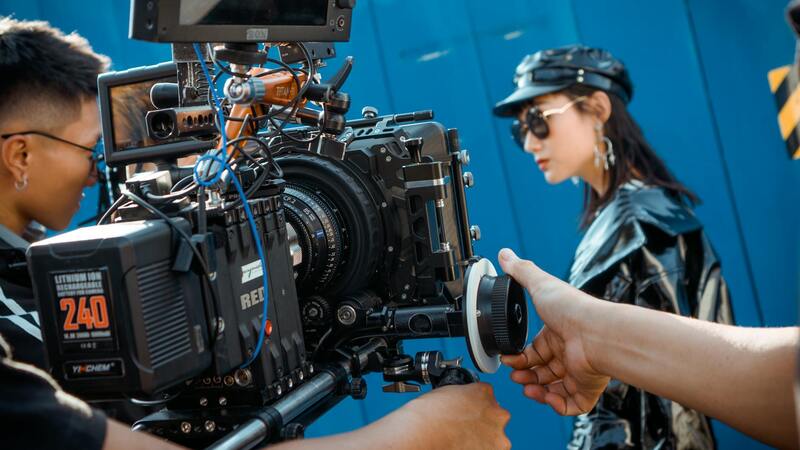
Effective communication with viewers through follow-up emails or social media posts helps nurture community loyalty and encourages ongoing engagement. Repurposing live stream content into various formats maximizes return on investment and sustains audiences’ interest long after the event ends.