
Understanding Live Broadcast Production
Live broadcast production is a complex and highly coordinated process that enables real-time transmission of events to audiences across various platforms. It involves a series of meticulously planned steps, from initial concept development to technical execution and post-event review. For Miami-based events, understanding the core components and workflow of live broadcast production is essential to ensure seamless delivery and viewer engagement.
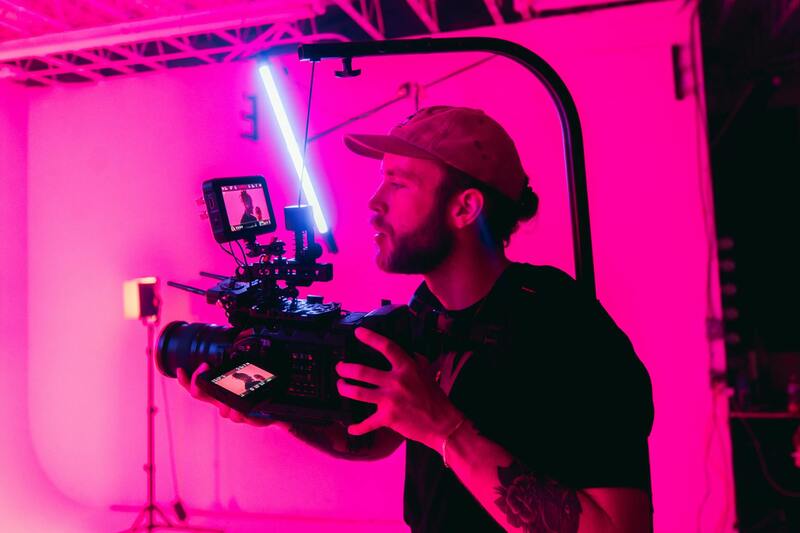
At its core, live broadcast production encompasses several fundamental elements including video and audio capture, mixing, transmission, and distribution. Each component must be carefully coordinated to maintain high-quality output, minimize delays, and adapt swiftly to unforeseen challenges. A well-structured production not only captures the essence of the event but also enhances viewer experience through professional staging, clear audio, and reliable streaming.
In the dynamic environment of Miami, where large events, conferences, and entertainment shows frequently occur, the importance of meticulous planning cannot be overstated. Proper planning ensures that all technical aspects are accounted for, resources are allocated efficiently, and logistical hurdles are addressed before the event begins. This proactive approach is essential for delivering engaging live broadcasts that meet audience expectations and uphold the reputation of the hosting entity.
The workflow of a live broadcast production typically involves several stages:
- Pre-Production Planning
- Equipment Setup and Testing
- Live Execution with Continuous Monitoring
- Post-Event Review and Feedback
By understanding these foundational elements, producers and technical teams can build a robust framework for successful live broadcasts. In Miami's vibrant scene, where broadcast quality and punctual execution are paramount, mastering these basics ensures that each event resonates with viewers and fulfills strategic goals effectively.
Furthermore, special consideration is given to the unique requirements of Miami-based events, including local venue specifications, audience size, and specific content needs. The integration of local resources and expertise often enhances production value, making the event memorable and impactful for both onsite attendees and remote viewers.
Equipment Selection and Setup
Choosing the right equipment is fundamental in achieving a seamless live broadcast. This process involves selecting high-quality cameras, professional audio gear, reliable streaming hardware, and backup systems to mitigate potential technical failures. In Miami's diverse event landscape, flexibility and adaptability of equipment are essential to accommodate various venues and content types.
Before the event, comprehensive equipment setup includes optimal camera positioning to capture the key moments, ensuring dynamic angles and smooth movement. Lighting configurations must be tailored to the venue's conditions, enhancing image clarity and visual appeal. Audio systems should be tested extensively to prevent issues such as feedback or background noise, with microphones positioned strategically for clear sound capture.
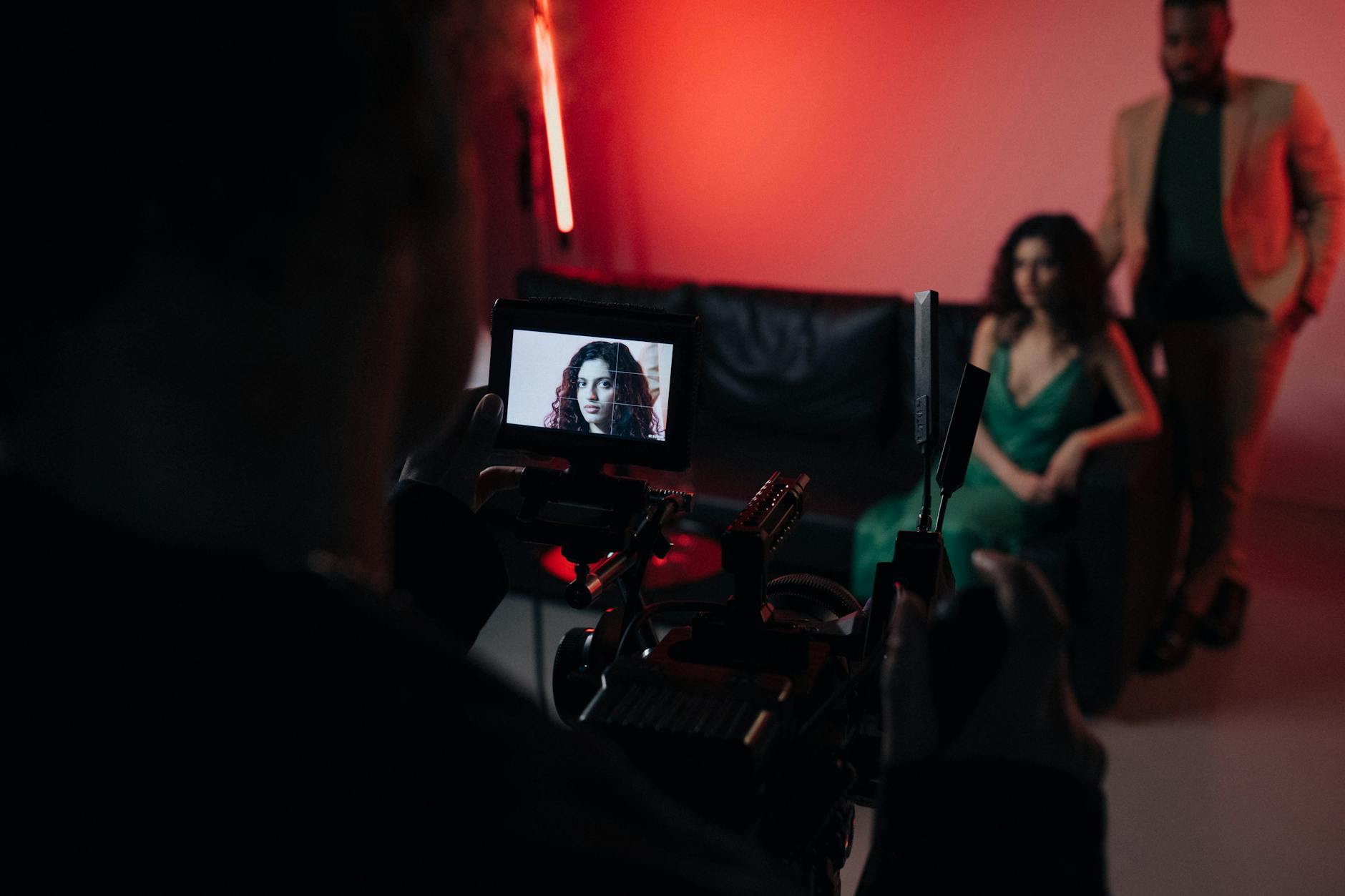
Proper cable management and power backup systems are critical in maintaining connection stability throughout the broadcast. Testing all equipment thoroughly before the event minimizes the risk of malfunction and ensures compatibility among different devices and platforms. When working with local vendors or rental companies in Miami, verifying equipment compatibility with venue infrastructure can streamline the setup process and improve overall broadcast quality.
Technical Crew and Roles
An experienced technical team is the backbone of successful live broadcasts. Clear delineation of roles such as director, camera operators, audio technicians, and streaming specialists ensures smooth coordination and rapid response to unforeseen issues. Each team member must be well-versed in their responsibilities, with specific training tailored to the equipment and platform requirements.
For Miami events, having crew members familiar with local venue layouts and common technical challenges can significantly reduce setup time and troubleshoot issues efficiently. Effective communication devices should be in place for real-time coordination among the crew, enabling quick decision-making during live transmission.
Camera Workflow and Video Capture
Developing a detailed camera workflow is essential for capturing the event's essence and maintaining viewer engagement. This involves establishing shot lists, defining camera angles, and creating a shot sequence that aligns with the event's flow. For large-scale events, multiple cameras may be used to provide different perspectives, requiring meticulous coordination and operator training.
The video feed must maintain continuity and clarity, with appropriate settings for focus, exposure, and color balance adjusted throughout the production. Utilizing professional-grade switching equipment enables real-time transitions between camera feeds, enhancing the visual dynamic of the broadcast.
Audio Management and Quality Control
Audio quality significantly impacts the overall viewer experience. It starts with selecting the right microphones for different environments—lapel mics for speakers, shotgun mics for distant sound, and ambient mics to capture the venue's atmosphere. Conducting sound checks prior to the event helps identify issues related to field noise, echo, or volume levels.
During the broadcast, real-time audio monitoring ensures consistency, with technical staff ready to adjust levels or respond to feedback promptly. Employing noise suppression tools and EQ adjustments can further refine sound clarity, making remote viewers feel more connected to the event.
Streaming Platforms and Delivery
Selecting the appropriate streaming platform is crucial for reaching the target audience effectively. Platforms should support high-definition streaming and offer reliable bandwidth management. Configuring the streaming hardware and software involves encoding the video and audio feeds into suitable formats and bitrate settings to balance quality and stability.
For Miami-based events, utilizing content delivery networks (CDNs) designed to optimize streaming performance across the region can prevent buffering issues and ensure smooth viewer experiences. Establishing backup streaming options provides additional security against connectivity disruptions, allowing the event to continue without interruption.
Post-Production and Performance Evaluation
After the broadcast concludes, reviewing session recordings and technical performance data helps identify areas for improvement. Editing the footage for highlight reels or promotional content can extend the event's impact beyond the live stream.
Collecting feedback from viewers and stakeholders provides insights into the broadcast's success and informs future production strategies. In Miami's competitive event scene, continuous refinement of production techniques contributes to maintaining high standards and elevating the overall quality of live broadcasts.
Understanding Live Broadcast Production
Live broadcast production encompasses a comprehensive range of processes and technical components designed to deliver seamless, high-quality live streaming experiences. It involves meticulous planning, precise technical execution, and the utilization of specialized equipment to ensure the event's visual and auditory components are flawlessly captured and transmitted to audiences across various platforms. In an increasingly digital age, the importance of professional live broadcast production has escalated, driven by the need for engaging, real-time content delivery that maintains high standards of clarity, stability, and viewer engagement.
Technical Infrastructure and Setup
At the core of successful live broadcasts lies a robust technical infrastructure. This infrastructure includes high-definition cameras with versatile mounting options, professional-grade audio capture devices, and specialized lighting setups that adapt to the event environment. These elements must be integrated seamlessly with streaming hardware such as encoders, video switchers, and mix-minus audio management systems. This infrastructure ensures the smooth transmission of raw footage to streaming servers while maintaining an optimal balance between quality and bandwidth efficiency.
Implementing redundant systems and backup configurations is critical to mitigating potential technical failures. For example, secondary internet connections, backup power supplies, and duplicate hardware setups allow technicians to swiftly switch to failover modes without disrupting the live event. Such measures are essential for maintaining continuity in Miami's vibrant event scene, where live broadcasting often plays a pivotal role in marketing, entertainment, and corporate communications.
Signal Transmission and Quality Assurance
During a broadcast, continuous monitoring of signal quality and stability is essential. Techniques such as multi-bitrate streaming, real-time data analytics, and health checks of encoding hardware help maintain high fidelity transmission. Signal quality control involves adjusting compression settings, color calibration, and audio levels to produce visually appealing and crisp audio output. Data on latency and buffering rates are closely tracked to ensure viewers experience minimal lag and interruptions, which is particularly relevant in competitive or time-sensitive broadcast scenarios.
Audio Management and Synchronization
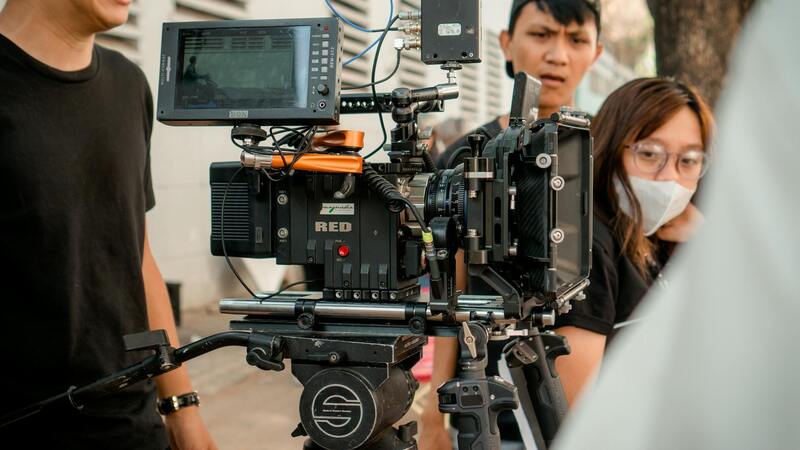
Sound quality can significantly influence the overall perception of a live broadcast. Employing professional microphones, sound mixers, and audio processors ensures clear speech and music reproduction. Monitoring audio feeds in real-time helps identify issues such as interference, imbalance, or environmental noise, which can be mitigated through equalization and noise suppression tools. Precise synchronization between audio and video streams is essential for a cohesive viewing experience, especially in multi-camera setups or live interviews, where timing discrepancies can cause confusion or reduce engagement.
Operational Workflow and Crew Coordination
The success of a live broadcast relies heavily on the coordinated efforts of a skilled technical crew. Roles typically include directors, camera operators, technical directors, audio engineers, and streaming specialists. Clear communication channels and pre-established protocols ensure that each team member performs their responsibilities accurately, from shot selection and switching to sound levels and streaming quality control. During the live event, real-time decision-making and swift problem-solving are crucial to address unforeseen technical issues and maintain broadcast integrity.
Integration of Content and Interactivity
Enhancing viewer engagement involves integrating multimedia content such as graphics, titles, and overlays. These visual elements add context and branding to the broadcast, making the presentation more professional and engaging. Additionally, incorporating interactive components like live polling, Q&A sessions, or social media feeds can foster viewer participation, thereby increasing overall event impact. This integration requires appropriate software tools for real-time editing and display management, coordinated by dedicated operators to ensure seamless transitions.
Camera Workflow and Video Capture
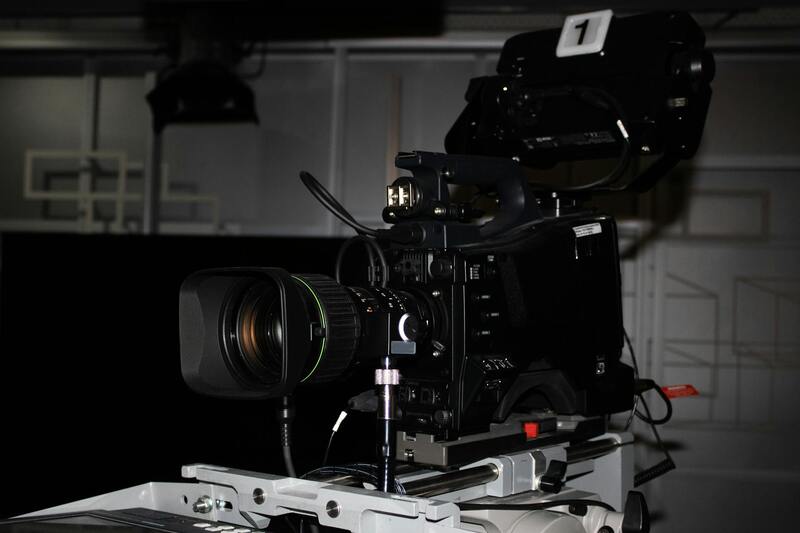
Effective camera workflow is fundamental to delivering a seamless live broadcast that maintains professional quality and viewer engagement. The process begins with strategic shot planning, which involves choosing camera angles that enhance storytelling while ensuring smooth transitions between scenes. Multiple cameras are typically employed to capture different perspectives, such as wide shots, close-ups, and specialty angles, which are switched dynamically during the broadcast to create a cinematic flow.
To achieve optimal video quality, each camera must be configured correctly, paying close attention to resolution settings, frame rates, and color calibration. Proper lens selection is also crucial; wide-angle lenses provide expansive views, while telephoto lenses focus on detailed close-ups. Technical operators need to monitor each camera feed in real time, ensuring consistent exposure, focus, and color balance.
During production, a dedicated camera operator or technical director manages live switching, selecting which camera feed is displayed at any given moment. This involves using a video switcher or vision mixer, which allows seamless transitions, picture-in-picture overlays, or split screens. The operator must be vigilant, coordinating with the director to ensure shot timing aligns with the overall narrative and event pacing.
Technical Aspects of Live Broadcast Production
Synchronization and Signal Management
Achieving a seamless live broadcast hinges on meticulous synchronization of video and audio signals. Employing systems such as timecode synchronization or genlock technology ensures all camera feeds and audio tracks are perfectly aligned, which is critical when multiple sources are involved. This synchronization prevents issues such as lag, jitter, or misalignment that can detract from the viewer experience.
Furthermore, the implementation of backup feeds and redundancy protocols plays a vital role in maintaining continuous coverage. Dual system configurations, including backup hardware, redundant power supplies, and parallel data paths, help safeguard the broadcast against hardware failures. This proactive approach ensures that even in the event of technical difficulties, the stream remains uninterrupted, maintaining viewers' engagement and confidence in the production.
Quality Assurance and Monitoring Tools
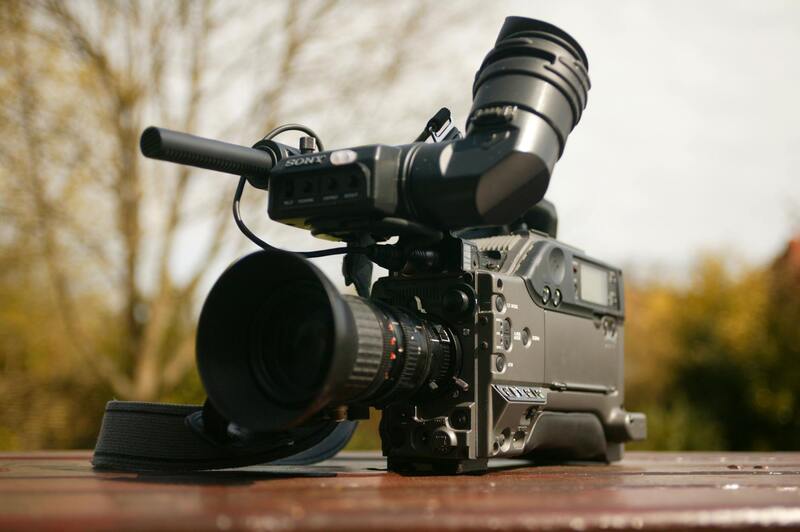
Integrated software tools are utilized to continuously monitor the status of live feeds. These systems automatically detect issues such as signal degradation, exposure anomalies, or audio disturbances, and promptly alert operators. The ability to identify and address potential problems in real-time minimizes disruptions and preserves the professional quality of the broadcast.
Regular calibration of equipment, pre-broadcast tests, and on-site diagnostics constitute essential components of quality assurance protocols. Ensuring optimal camera settings, lighting conditions, and audio levels before and during the event guarantees a polished presentation. These practices are fundamental in providing a seamless viewing experience across different platforms and devices.
Camera Workflow Optimization
Effective camera workflow management encompasses precise shot composition, correct framing, and consistent camera operation. Camera operators must be well-trained in manual controls to adapt swiftly to live action, capturing dynamic moments with clarity and impact. Transition techniques, such as smooth cuts, fades, or picture-in-picture overlays, are planned in advance and executed seamlessly to enhance storytelling.
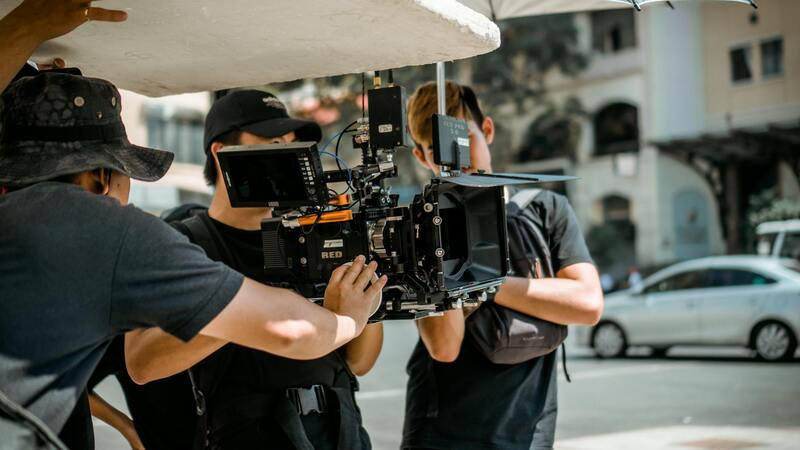
The use of multi-camera setups elevates production quality, allowing directors to select the most compelling angles and perspectives. During live switching, a technical director or operator uses a vision mixer or video switcher to transition between camera feeds. This requires a keen understanding of event pacing, shot timing, and narrative flow, ensuring the audience remains engaged and oriented throughout.
Post-Broadcast Review and Continuous Improvement
Following the live event, thorough evaluation of the broadcast performance is conducted. Technical teams analyze metrics, review footage, and document any issues encountered during transmission. This post-event assessment enables process refinements, equipment upgrades, and enhanced staff training, all aimed at increasing reliability and quality for future productions.
Gathering feedback from viewers and stakeholders also informs improvements in communication, content presentation, and technical execution. Implementing a systematic review cycle ensures that each live broadcast builds upon previous experiences, fostering a culture of continuous improvement and technical excellence in production workflows.
Optimizing Live Broadcast Transmission and Delivery
Successfully executing a live broadcast involves not only high-quality content creation but also robust delivery mechanisms. The choice of streaming platforms plays a critical role in ensuring seamless transmission to viewers across different locations. Selection typically depends on the broadcast’s reach, target audience, and desired features such as adaptive bitrate streaming, latency management, and integration capabilities.
Before going live, comprehensive testing of the chosen platform’s infrastructure is essential. This includes verifying sufficient bandwidth, server capacity, and content delivery network (CDN) performance. Deploying multiple servers and geo-distribution ensures viewers experience minimal buffering and fast load times regardless of their geographic location.

Implementing redundancy measures, such as backup streams and failover servers, safeguards against potential technical failures during the event. These protocols help maintain continuous broadcast flow, even in the face of network disruptions or equipment issues.
Stream Security and Accessibility
Secure transmission is fundamental to protect content integrity and prevent unauthorized access. Encryption protocols, digital rights management (DRM), and secure tokens help prevent piracy and unauthorized viewing. Additionally, accessibility features like closed captions, multilingual subtitles, and adaptable interfaces enhance inclusivity, expanding reach to a diverse audience.
Monitoring and Real-Time Troubleshooting
Real-time analytics enable the technical team to monitor stream health continuously. Metrics such as bit rate fluctuations, buffering frequency, and viewer engagement levels provide insights into stream quality. If issues are detected, swift adjustment of encoding parameters or rerouting data via alternative servers can mitigate disruptions and maintain a high-quality viewing experience.
Post-Broadcast Data Analysis and Reporting
After completing the live stream, detailed analysis of performance data supports future improvements. Metrics like total viewership, peak concurrent viewers, and drop-off rates help evaluate content engagement and transmission efficiency. These insights guide enhancements in technical setup, platform selection, and audience engagement strategies.
Compiling comprehensive reports delineates operational strengths and identifies areas for development. This process is vital for refining workflows, upgrading equipment, and optimizing delivery channels to elevate the overall production quality of subsequent broadcasts.
Technical Aspects of Live Broadcast Production
Effective live broadcast production hinges on meticulous technical execution, encompassing audio management, video signal transmission, and seamless integration of various hardware and software components. Optimizing these elements ensures a professional presentation that maintains viewer engagement and minimizes disruptions during the live event.
Audio Management and Quality Control
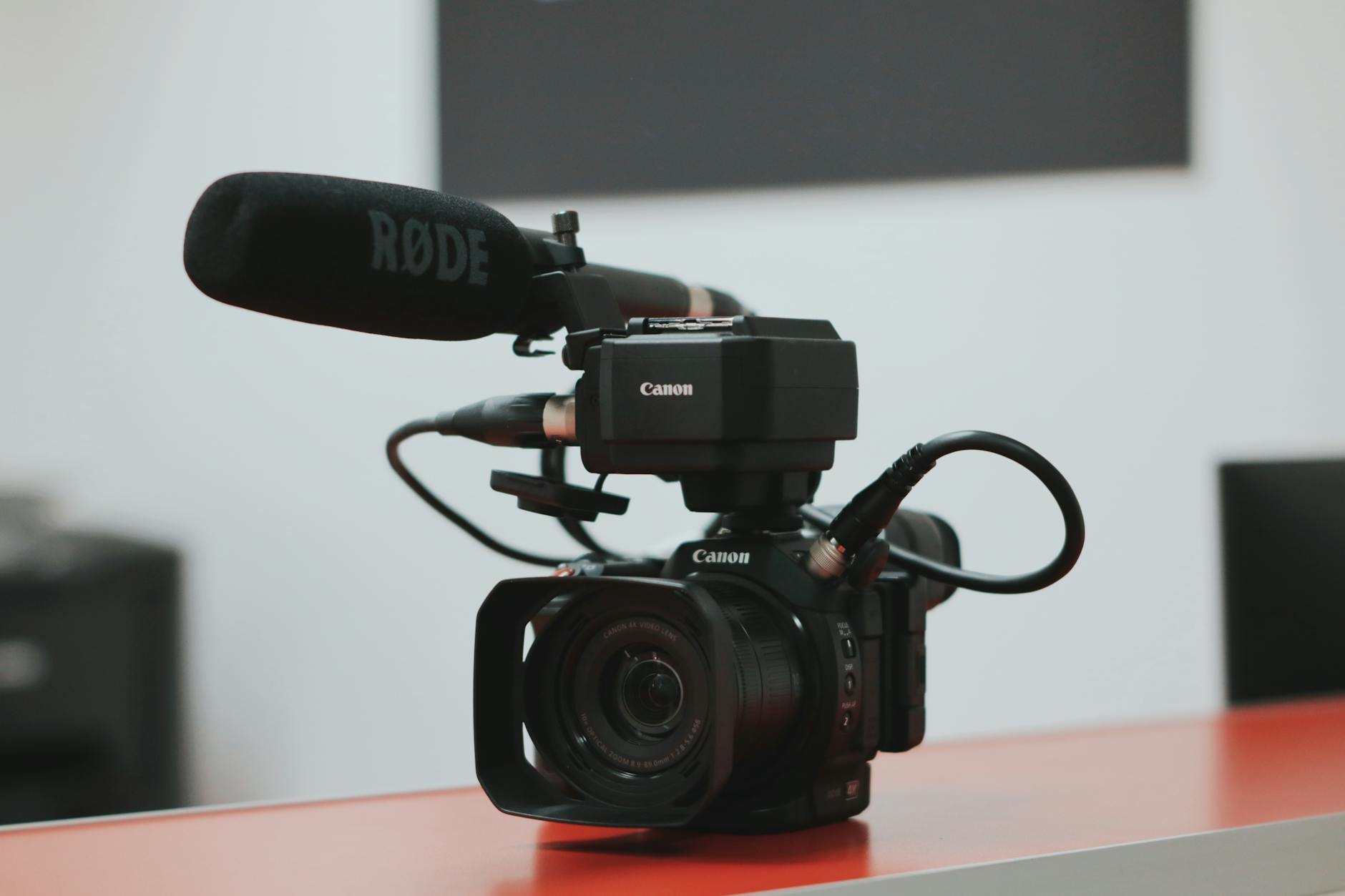
High-quality audio is critical for the success of any live broadcast. Employing professional-grade microphones suitable for different settings—such as lavalier, shotgun, or condenser microphones—ensures clear and consistent sound capture. An audio mixer allows technicians to balance multiple sound sources, adjust levels in real time, and incorporate effects or filters to enhance clarity.
To guarantee audio integrity, live productions implement real-time audio monitoring through dedicated headphones and speakers. This setup enables immediate detection of issues like interference, background noise, or technical malfunctions. Additionally, utilizing digital signal processing (DSP) tools helps suppress unwanted noise and optimize sound quality for various listening environments.
Video Signal Transmission and Workflow
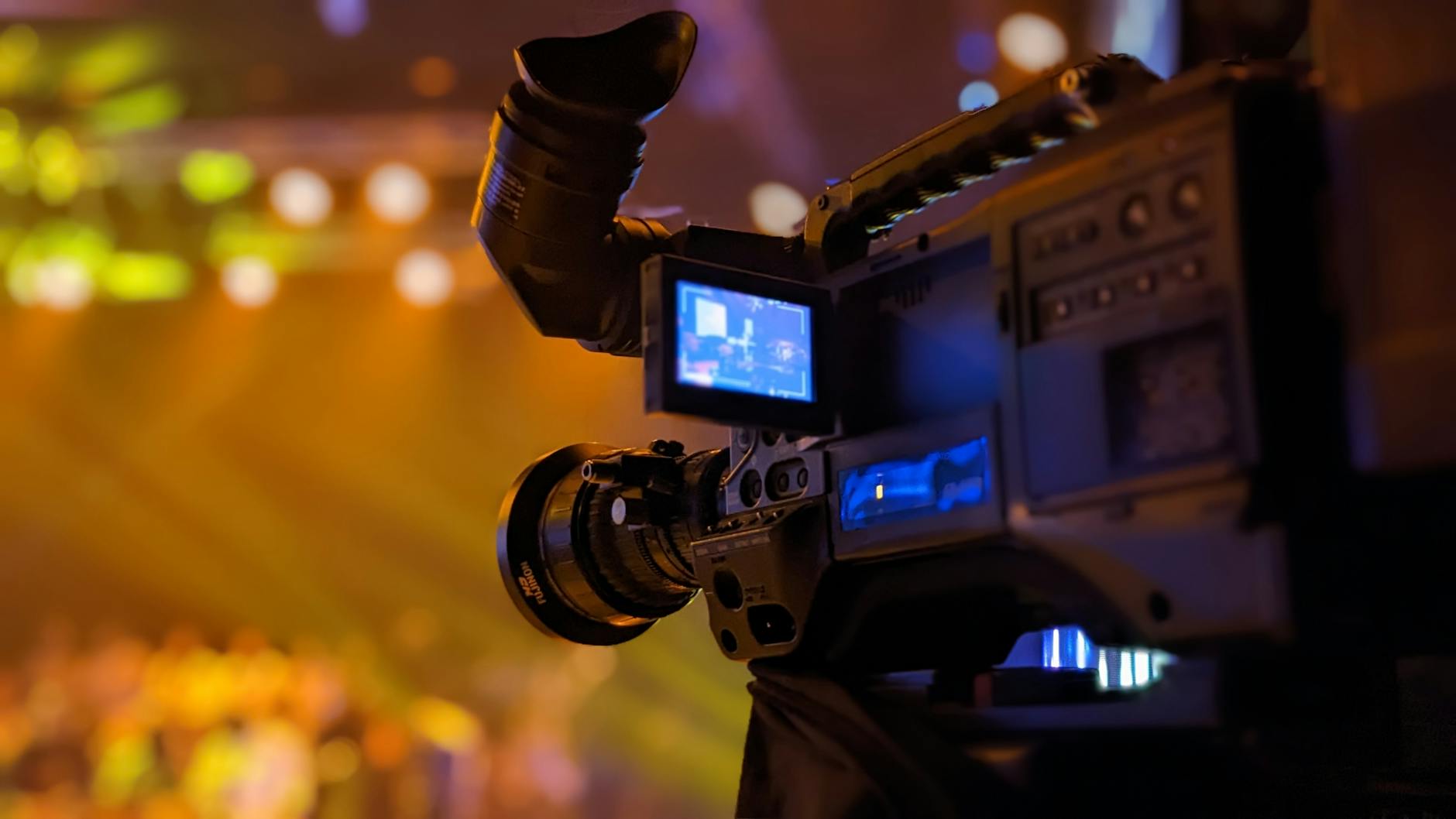
Ensuring consistent video quality involves selecting appropriate capture devices, such as professional cameras capable of HD or 4K resolution, and managing efficient video workflows. Video signals are transmitted through reliable SDI or HDMI connections to dedicated switchers or video processors, which facilitate real-time switching, overlays, and graphics integration.
Proper routing of video feeds to streaming servers requires redundant pathways and backup systems to safeguard against signal loss. Using high-bandwidth internet connections with load balancing and failover capabilities helps maintain transmission stability. Furthermore, implementing real-time encoding solutions ensures optimal compression, balancing video quality and bandwidth usage.
Hardware and Software Integration
Modern live broadcast setups integrate several hardware components—including switchers, capture cards, and streaming encoders—with software solutions for mixing, graphics, and audience interaction. These integrations form a cohesive system that allows producers to manage live feeds efficiently, add visual overlays, and respond to on-the-fly adjustments seamlessly.
Automation tools and control interfaces contribute to a smoother workflow, reducing the potential for human error. Advanced logging and monitoring software provide real-time feedback on system performance, alerting technical staff to issues before they impact the stream.
Image Placeholder
Executing Live Broadcast Production with Precision and Reliability
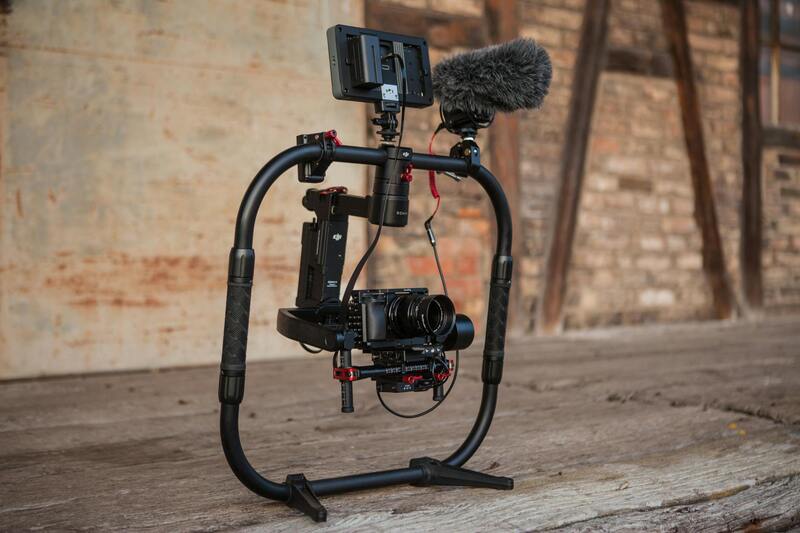
Effective live broadcast production transcends technical setup; it involves meticulous execution to ensure seamless transmission from start to finish. Once the technical infrastructure is in place, the focus shifts to operational excellence during the broadcast itself. This phase demands a coordinated effort from skilled professionals who monitor various systems, manage content delivery, and troubleshoot unexpected issues promptly. High-quality communication channels among crew members are vital, enabling real-time problem-solving and smooth transitions between segments. Advanced control room equipment, such as video switchers, audio mixers, and real-time monitoring software, facilitate swift adjustments to visual and audio feeds, maintaining the broadcast’s professional standard. Properly calibrated levels for audio ensure clarity, intelligibility, and consistency, regardless of the volume or dynamics of the content being transmitted. Moreover, visual overlays, lower thirds, and graphics are dynamically managed to enhance viewer engagement without causing delays or disruptions. Subtle lighting adjustments and camera re-framing are also applied as needed, often coordinated through remote operation capabilities. Vigilant monitoring of internet connectivity and backup systems remains essential throughout the event to preempt and address any signal interruptions swiftly, thereby preventing broadcast interruptions and preserving viewer experience.
Post-Production and Performance Evaluation
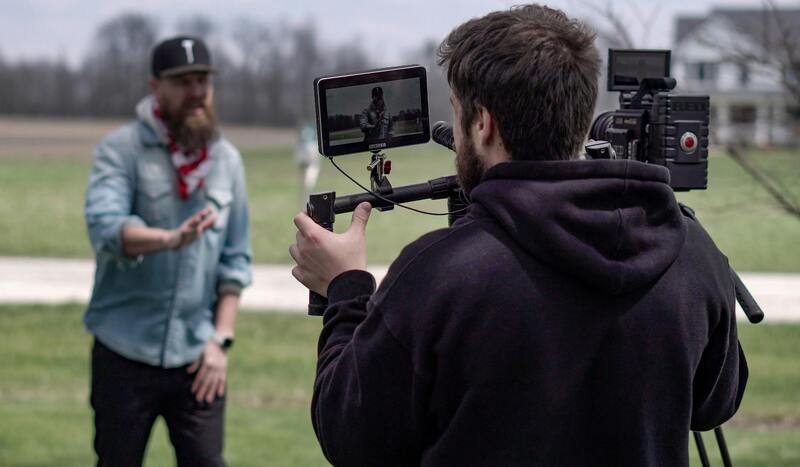
Following the live event, a thorough review process is conducted to assess the overall broadcast quality and operational effectiveness. This involves analyzing performance data captured during the event to identify strengths and areas for improvement. Metrics such as signal stability, audio/video synchronization, and viewer engagement statistics provide valuable insights into the broadcast’s success. Editors and production teams often compile highlights or produce condensed versions for promotional purposes or future reference. Feedback from viewers and clients is also incorporated, giving perspective on viewer experience and satisfaction.
Recording the live broadcast in high resolution ensures that content can be repurposed or reviewed in detail. Additionally, detailed logs of technical issues, system performance, and crew actions facilitate structured debriefings and targeted training sessions for future productions. Implementing lessons learned ensures continuous improvement in production workflows, equipment handling, and crisis management strategies. Effective post-broadcast analysis contributes significantly to elevating the quality and reliability of subsequent live streaming events, ultimately fostering trust and confidence among clients and audiences alike.