
Understanding Event Video Streaming Services
Event video streaming services have become a fundamental component in the modern landscape of live event broadcasting, especially in vibrant cities like Miami where numerous events — from corporate gatherings to cultural festivals — draw significant audiences both onsite and online. These services enable organizers to transmit high-quality live footage over the internet, allowing viewers to engage remotely as if they were physically present. The importance of reliable streaming solutions stems from their ability to expand reach, increase engagement, and provide seamless viewing experiences for diverse audiences.
In essence, event video streaming services encompass a variety of platforms and technologies designed to capture live event footage, encode it into a suitable digital format, and distribute it via internet networks to viewers across various devices. These services are pivotal in enhancing event visibility and accessibility, particularly in a dynamic locale like Miami known for its diverse array of festivals, conferences, and social gatherings. They support different types of events — from large-scale concerts to intimate corporate meetings — ensuring that content reaches targeted audiences efficiently.
Miami’s geographic and demographic characteristics demand specialized streaming solutions that are both scalable and adaptable. High-quality HD or 4K streams help preserve the visual integrity of live performances, while robust infrastructure guarantees minimal latency and buffering. Furthermore, the integration of live chat, real-time analytics, and multi-platform access are standard features that enrich viewer interaction and provide event organizers with valuable insights.

In Miami, where events often feature international audiences and aspire to global visibility, selecting an effective streaming service becomes a strategic decision. It involves considering factors such as image quality, platform stability, scalability, and ease of integration with existing event infrastructure. As technology advances, these services continue to evolve, incorporating features like immersive 360-degree video, multi-language support, and targeted content delivery, thereby expanding the potential impact of live events hosted throughout Miami.
Types of Streaming Technologies and Protocols
To ensure seamless delivery of live event video content, understanding the different streaming technologies and protocols available is essential for event organizers in Miami. These technologies determine how video data travels from the source to viewers, affecting quality, latency, and reliability.
Among the most commonly used streaming protocols are HTTP Live Streaming (HLS) and Dynamic Adaptive Streaming over HTTP (DASH). HLS, developed by Apple, is versatile and widely supported across devices, making it suitable for streaming to smartphones, tablets, and desktops. It adapts the video quality dynamically based on each viewer's internet bandwidth, reducing buffering and ensuring a smooth viewing experience.
Alternatively, DASH offers similar adaptive streaming features and is compatible with various devices and platforms, often utilized for high-profile, bandwidth-intensive events. Both protocols are delivered over standard HTTP, allowing for scalability and easy integration with existing web infrastructure.
Real-Time Messaging Protocol (RTMP) has also been a mainstay for live streaming, especially for sending live feeds from event venues to streaming servers. Although RTMP is less favored for viewer delivery due to its dependencies on Flash and other legacy technologies, it remains crucial for live encoding and ingesting high-quality feeds into streaming platforms.

More advanced technologies, such as WebRTC, have emerged for ultra-low latency requirements, making real-time interactions in live sports or conferences more effective. Gateways that convert RTMP streams into adaptive streaming protocols enable a hybrid approach that maximizes compatibility and performance across devices.
Choosing the appropriate streaming technology hinges on specific event requirements, expected audience size, and available infrastructure. Compatibility with mobile devices, support for multi-bitrate streaming, and the ability to handle concurrent users are critical considerations that influence the final choice of protocol and technology stack.
Understanding Event Video Streaming Services
When selecting an event video streaming service, it is essential to understand the core technical components that facilitate reliable and high-quality broadcasts. These services leverage sophisticated streaming protocols and infrastructure to deliver live or on-demand content to viewers across various devices. Their ability to adapt to different network conditions and maximize viewer engagement hinges on the combination of proven technologies and robust platform features. Live event streaming brings together multiple facets—including encoding, distribution, and playback—to ensure a seamless experience from the event venue to the final viewer’s screen.
Core Technologies Underpinning Event Streaming
Event video streaming relies on a variety of protocols and delivery mechanisms designed to optimize performance and compatibility. Commonly employed protocols include HTTP Live Streaming (HLS) and Dynamic Adaptive Streaming over HTTP (DASH). These protocols break down the live feed into small, manageable segments that are delivered over standard web transport protocols, enabling scalable and flexible distribution. Adaptive streaming dynamically adjusts video quality based on real-time bandwidth conditions, maintaining smooth playback and minimizing buffering during live broadcasts.
Another technological cornerstone is the use of real-time messaging and streaming protocols like Real-Time Messaging Protocol (RTMP). Though less prevalent for end-user playback due to evolving web standards, RTMP remains vital in live event production, primarily used for ingesting high-quality feeds and transmitting raw signals from the venue to the streaming servers. Converting RTMP streams into adaptive protocols allows for broad compatibility, supporting viewers on smartphones, tablets, and desktops without sacrificing quality.
Emerging Technologies for Low Latency Streaming
In recent years, innovations like WebRTC have gained prominence for that ultra-low latency requirement vital for interactive live events, such as sports matches, corporate conferences, and viewer Q&A sessions. WebRTC enables real-time data exchange and audiovisual communication directly between browsers, reducing latency to mere milliseconds. Consequently, event organizers can foster a more interactive environment where audience participation becomes an integral aspect of the event.
To maximize compatibility across different devices and network conditions, many streaming setups incorporate gateways that translate streams from legacy protocols like RTMP into modern, adaptive technologies. This hybrid approach ensures that high-quality streams are delivered efficiently and reliably, without sacrificing accessibility or performance.
Factors Influencing the Choice of Streaming Technologies
- Event specific requirements: The nature of the event, such as its interactivity level and time sensitivity, greatly impacts protocol selection.
- Audience size and distribution: The expected viewership and geographic reach influence bandwidth management strategies and CDN deployment.
- Available infrastructure: The existing networking hardware, internet connectivity, and venue capabilities shape feasible technology choices.
- Device compatibility: Ensuring that viewers can access the stream on smartphones, tablets, desktops, or smart TVs requires versatile protocols and responsive player design.
- Scalability and resilience: As audience numbers fluctuate, scalable cloud-based solutions and load balancing become critical to maintain quality and prevent interruptions.
By understanding these technological considerations, event organizers and service providers can make informed decisions that align with both technical demands and viewer expectations, ultimately delivering an exceptional live streaming experience for audiences in Miami and beyond.
Secure and Reliable Transmission Methods
To guarantee that live streams reach audiences in pristine quality without interruptions, event organizers should utilize established transmission protocols that prioritize stability and consistency. Secure methods such as Secure Reliable Transport (SRT) and Enhanced Media Streaming Protocols offer encrypted data transfer, reducing the risk of unauthorized access or data tampering during transmission. These protocols are designed to adapt dynamically to changing network conditions, ensuring continuous playback even amid fluctuating bandwidth or minor network disruptions.

Choosing services that support these advanced protocols can greatly improve the viewing experience by providing stable, high-quality streams that are resistant to common network issues. Furthermore, redundant streaming architectures—employing multiple ingest points and load balancers—help distribute the load evenly and reduce the possibility of server overloads that could disrupt live broadcasts.
Utilizing Content Delivery Networks (CDNs)
CDNs play a crucial role in the delivery of live event streams, especially for audiences dispersed across Miami and surrounding regions. CDNs geographically distribute server infrastructure to minimize latency and shorten data travel distances, ensuring that viewers receive content swiftly and with minimal buffering. When selecting a streaming service, importance should be placed on their CDN partnerships and their ability to deliver scalable, high-capacity infrastructure tailored to live event demands.
Effective integration with CDNs allows broadcasters to maintain consistent stream quality even during peak viewership times, which is vital for large-scale events or those featuring high-profile participants. Additionally, CDN support enables seamless geographical coverage, accommodating viewers watching from various devices and network environments.
Monitoring and Troubleshooting Stream Quality
Proactive monitoring of stream health throughout the event is essential for immediate response to potential issues. Reputable streaming services offer robust dashboards and real-time analytics, providing insights into key performance metrics such as bitrate stability, viewer engagement, and connection status. These tools enable operators to identify network bottlenecks or stream degradation quickly and implement corrective actions, such as switching to backup streams or adjusting bitrate settings.
Moreover, comprehensive support teams familiar with live broadcasting scenarios assist during the event, ensuring swift resolution of any unforeseen technical difficulties. Properly managed monitoring and troubleshooting not only prevent disruptions but also enhance overall event professionalism and viewer satisfaction.
Integrating Feedback and Interactive Features
Modern event streaming platforms are equipped to incorporate real-time viewer feedback and interactive features, such as live chat, polls, and Q&A sessions. These elements foster greater engagement and create an immersive experience for viewers, encouraging participation and social sharing. Implementing reliable streaming services that support these functionalities often involves using advanced APIs and robust backend integrations to handle high user interactivity seamlessly.

Event organizers should consider platforms that offer built-in tools for audience interaction and detailed analytics reports post-event, which aid in assessing engagement levels and planning future content strategies. Ensuring these features function smoothly without affecting stream stability is paramount for delivering a memorable live experience.
Understanding Event Video Streaming Services
Event video streaming services are specialized platforms designed to broadcast live or pre-recorded video content to audiences over the internet. They serve a crucial role in enhancing the reach and impact of events, especially in dynamic venues like Miami, where engaging diverse audiences is vital. These services utilize a combination of advanced encoding technology, reliable delivery protocols, and user-friendly interfaces to ensure a seamless viewing experience. Businesses, organizations, and event planners rely on these platforms not only to transmit high-quality video but also to incorporate features such as live interaction, multi-platform access, and real-time analytics. When selecting an event streaming service, it’s essential to evaluate its capacity to handle varying audience sizes, integration capabilities with existing AV infrastructure, and support for interactive features that elevate viewer engagement.
Key Features of Effective Streaming Platforms
Effective streaming platforms incorporate several key features that facilitate professional-grade live broadcasting. These include high-definition video quality, adaptive bitrate streaming to accommodate varying network conditions, and low-latency transmission to minimize delay between the event and viewer reception. Furthermore, capabilities such as multiple camera inputs, synchronized multi-angle viewing, and instant replay enhance the production value. Robust security measures safeguard the stream against unauthorized access, while comprehensive analytics provide insights into viewer behavior and engagement levels. User interfaces should be intuitive, allowing organizers to manage streams effortlessly and respond swiftly to technical issues. The inclusion of audience interaction tools, like live chat, polls, and question submission, further amplifies viewer involvement and creates an engaging virtual environment.
Types of Streaming Technologies and Protocols
Choosing the right streaming technology hinges on understanding various broadcasting protocols. Common protocols include HTTP Live Streaming (HLS), Dynamic Adaptive Streaming over HTTP (DASH), Real-Time Messaging Protocol (RTMP), and WebRTC. HLS, developed by Apple, is widely used for its compatibility with modern devices and adaptive bitrate features. DASH offers similar adaptability and is favored for its open-source nature, making it suitable for customized solutions. RTMP was historically prominent for its low latency but is gradually being phased out in favor of more modern protocols. WebRTC stands out for real-time peer-to-peer connections, making it ideal for interactive sessions demanding minimal delay. The selection of a protocol should align with the specific needs of the event — whether prioritizing broadcast reach, interactivity, or latency — and compatibility with user devices and network infrastructure.
Choosing a Streaming Service for Miami Events
Miami's vibrant event scene requires streaming services that can deliver reliable, scalable, and high-quality broadcasts across diverse venues and audience demographics. Key considerations for selection include platform stability during high traffic, adaptability to different venue setups, and integration with existing audiovisual systems. It's essential to evaluate the provider's network infrastructure to ensure sufficient bandwidth capacity, especially during large events. Service features such as multi-device streaming, customizable player interfaces, and strong security protocols should be prioritized. Additionally, the ability to incorporate interactive features like real-time chat or audience polls can significantly enhance viewer experience. Post-event analytics support strategic planning for future broadcasts by providing insights into viewer engagement and technical performance. Partnering with a provider like Miami Video Services, which specializes in professional event streaming tailored to Miami's unique event atmosphere, ensures a seamless and impactful virtual event experience.
Understanding Event Video Streaming Services
Event video streaming services have become an integral component of modern event management, providing a conduit for engaging audiences beyond physical venues. These services facilitate real-time broadcasting of conferences, concerts, corporate gatherings, and community events to viewers across the globe. Selecting the right streaming platform involves understanding its core capabilities, technical infrastructure, and its ability to deliver high-quality, uninterrupted content.
Reliable event streaming hinges on several factors, including server capacity, bandwidth management, and the robustness of content delivery networks (CDNs). A proficient streaming service ensures minimal latency, high-resolution video quality, and resilience against network disruptions, maintaining a seamless viewing experience. Furthermore, services that offer adaptive bitrate streaming can automatically adjust video quality to accommodate varying viewer internet speeds, preventing buffering and improving overall engagement.
Additionally, security features such as encrypted streams and access controls are paramount to protect proprietary event content. Advanced analytics capabilities allow organizers to monitor viewers’ engagement levels, geographic distribution, and technical issues, aiding in quality control and future planning. Many sophisticated platforms also support multi-platform compatibility, enabling viewers to access streams via desktops, smartphones, tablets, or smart TVs, thereby expanding event reach and accessibility.
Given Miami’s diverse cultural landscape and active event calendar, local providers specializing in such services often tailor their offerings to meet specific regional needs. These include low-latency broadcasts suitable for live interactions, multi-camera setups to enhance production quality, and customizable player interfaces to match branding requirements.
Key Features of Effective Streaming Platforms
- High-definition video streaming capabilities
- Adaptive bitrate technology for smooth playback across all devices
- End-to-end encryption and access control mechanisms
- Reliable CDN integration for extensive geographic reach
- Support for multi-camera and multi-angle feeds
- Interactive functionalities such as live chat or Q&A modules
- Comprehensive analytics and reporting tools
- Cross-platform compatibility including mobile, desktop, and smart TV
Types of Streaming Technologies and Protocols
Understanding the underlying protocols and technologies is vital for selecting a suitable streaming service. Common protocols include:
- HLS (HTTP Live Streaming): Widely used, compatible with most devices, and suitable for live broadcasts over the internet.
- DASH (Dynamic Adaptive Streaming over HTTP): An open standard designed to provide seamless quality adjustment across diverse network conditions.
- RTMP (Real-Time Messaging Protocol): Traditionally utilized for low-latency streaming, especially in professional broadcasting environments.
Choosing between these depends on factors such as latency requirements, device compatibility, and infrastructure capabilities. Modern streaming solutions often incorporate multiple protocols to optimize delivery performance and viewer experience.
Choosing a Streaming Service for Miami Events
Miami's bustling event landscape demands streaming services that are not only reliable but also adaptable to the city’s vibrant and diverse venues. When evaluating potential providers, consider their capacity to sustain peak traffic without degradation of quality. This entails scrutinizing their data infrastructure, bandwidth offerings, and redundancy measures to prevent disruptions during high-profile events.
Integrating streaming solutions with existing venue technologies is crucial. This integration should support professional audiovisual setups, including live cameras, sound systems, and lighting controls, ensuring the broadcast maintains high production standards. The platform's flexibility in accommodating various streaming formats, multi-camera feeds, and interactive features will greatly enhance the event's virtual engagement.
Security protocols and content management are essential for safeguarding proprietary event material. Additionally, scalable solutions that can expand with event size, along with detailed analytics, help organizers refine future broadcasts. Support for multi-language streams, captioning, and accessibility features further broadens reach to Miami’s diverse audience.
Understanding Event Video Streaming Services
Event video streaming services have become an essential component for modern event organizers aiming to reach broader audiences beyond physical attendance. These services facilitate live broadcast of conferences, concerts, sports events, and corporate meetings, allowing viewers to experience the event in real-time from anywhere with internet access. Reliable streaming platforms support high-definition quality, multi-camera angles, and interactive features that enhance the viewer experience. Partnering with established providers ensures seamless integration with existing event infrastructure, offering robust solutions tailored for diverse event sizes and formats. Effective event streaming incorporates adaptive bitrate streaming technology, which dynamically adjusts video quality based on the viewer's bandwidth, minimizing buffering and maintaining visual clarity. Additionally, secure content delivery methods prevent unauthorized access, protecting proprietary event material while complying with licensing agreements. As the demand for virtual participation grows, selecting the right streaming service becomes crucial to maintaining event professionalism, viewer engagement, and overall success.
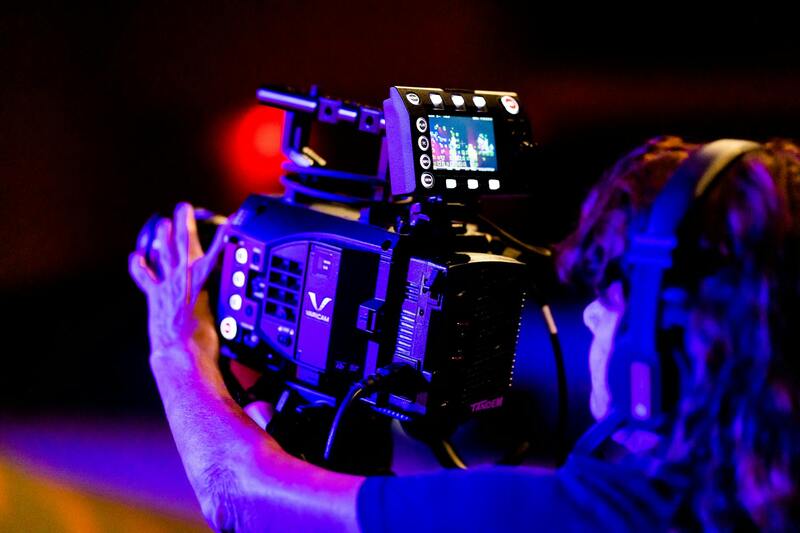
Key Features of Effective Streaming Platforms
- High-Quality Video Output: Support for HD and 4K resolution ensures crisp visuals suitable for comprehensive viewing experiences.
- Adaptive Bitrate Streaming: Adjusts stream quality based on viewer bandwidth, reducing buffering and enhancing accessibility across various devices.
- Multi-Platform Compatibility: Compatibility with desktops, tablets, and smartphones ensures viewers can access streams on preferred devices.
- Multiple Stream Management: Support for multi-camera setups, picture-in-picture, and dedicated feeds allows dynamic coverage of live events.
- Interactive Features: Live chat, polling, Q&A sessions, and social media integration foster real-time engagement and community involvement.
- Security Measures: Encrypted streams, secure login protocols, and content protection prevent unauthorized access and piracy.
- Analytics and Reporting: Detailed data on viewer metrics, engagement levels, and technical performance inform future planning and optimization.
- Scalability: The platform should accommodate peak viewer loads without compromising quality, adaptable to individual event demands.
Figure: Essential Features of Streaming Platforms

Types of Streaming Technologies and Protocols
Understanding the various streaming technologies and protocols available is critical for ensuring optimal delivery quality and viewer experience. Among the most common protocols are HTTP Live Streaming (HLS) and Dynamic Adaptive Streaming over HTTP (DASH). These adaptive streaming protocols break the video into small segments, allowing the player to dynamically adjust the quality based on real-time network conditions. HLS, developed by Apple, is widely supported across many devices and browsers, making it a versatile choice for live event broadcasting. DASH, an open standard, offers similar adaptive capabilities and is favored for its flexibility and compatibility with various streaming platforms and security features.
Real-time streaming protocols like Real-Time Messaging Protocol (RTMP) were traditionally used for live feeds due to their low latency. However, modern implementations often utilize WebRTC for ultra-low latency streaming suitable for interactive events such as auctions or Q&A sessions. Choosing the appropriate protocol depends on the specific requirements of the event, including latency tolerance, device compatibility, and security needs.

Choosing a Streaming Service for Miami Events
Selecting a streaming service suitable for Miami's diverse event landscape requires a focus on reliability and adaptability. Local events, from large concerts at iconic venues to corporate conferences, demand solutions with robust bandwidth management to handle high concurrent viewers. The platform must seamlessly integrate with professional audiovisual equipment, supporting multi-camera inputs, preset scenes, and remote control functionalities. Accessibility features such as multilingual streams, captions, and adjustable interfaces cater to Miami's multicultural audience.
It’s equally important to consider technical support and scalability. The service provider should offer comprehensive technical assistance during setup, rehearsal, and the live event. Moreover, the ability to scale coverage for unforeseen audience growth or additional event components ensures ongoing success. Considering venue-specific factors such as Wi-Fi quality, available infrastructure, and lighting is also crucial to optimize the streaming setup.

Ensuring Secure and Reliable Streaming With Proper Methods
When planning to broadcast an event, it's essential to utilize official and established streaming solutions that guarantee a smooth viewing experience. These methods include premium streaming platforms designed specifically for live events, robust CDN (Content Delivery Network) providers, and dedicated media server services. These tools are engineered to handle high viewer volumes efficiently, maintaining broadcast quality and minimizing delays or buffering issues.
Utilizing Professional Streaming Platforms
Professional-grade streaming platforms offer a comprehensive range of features tailored for live event broadcasting. They provide scalable bandwidth solutions, multi-device compatibility, and advanced security features to protect your content. These platforms often come with easy integration options for existing AV equipment and support multiple streaming protocols to ensure compatibility across various devices and networks.
Deploying Content Delivery Networks (CDNs)
CDNs play a crucial role in distributing live streams over large geographical areas such as Miami and its surrounding regions. They cache content at various nodes, reducing load times and preventing network congestion, which is vital during high-attendance events. Configuring a reliable CDN ensures viewers can access high-quality streams without interruptions, even during sudden spikes in traffic.
Engaging with Media Server Solutions
Media servers facilitate sophisticated live streaming setups, including multi-camera feeds, remote production, and real-time overlays. They provide operators with control over the broadcast, enabling seamless switching between camera angles, overlaying graphics, and integrating multimedia content. Choosing services that employ high-performance media servers enhances broadcast flexibility and professional presentation.
Implementing Secure Streaming Techniques
Security measures are paramount in live streaming. Employing encrypted streams ensures that content remains protected from unauthorized access. Implementing secure tokens or digital rights management (DRM) controls restrict access to authorized viewers only. Additionally, using secure streaming protocols such as SRT (Secure Reliable Transport) or HTTPS helps safeguard data integrity during transmission.

Steps to Optimize and Maintain Livestream Quality
- Test your streaming setup thoroughly before the event to identify potential technical issues.
- Use dedicated internet connections, preferably wired, to ensure stable bandwidth during the broadcast.
- Configure multiple redundancy measures, such as backup streams, to switch in case of primary stream failure.
- Monitor stream performance continuously during the event with analytics tools to swiftly address any issues.
- Ensure all technical personnel are trained on the streaming platform and equipment to mitigate operational errors.
By following these official channels and methods, event organizers in Miami can deliver high-quality, uninterrupted live streams that engage audiences and elevate the overall event experience. Proper planning and the use of reputable streaming services and technologies are critical components in achieving a successful broadcast.